What a Car Ramp for a Bullmastiff Costs
Getting your majestic Bullmastiff into a car can feel like trying to lift a small horse into a sedan, especially as they get older or if they're dealing with aching joints. It's a common struggle, and frankly, a bit of a back-breaker for us humans! This comprehensive guide will walk you through everything you need to know about car ramps for your Bullmastiff, from why they’re essential to what different types cost and how to choose the right one for your beloved companion.
The Necessity of a Car Ramp for Your Giant Companion
Let's be real: a Bullmastiff is a magnificent creature, but they're also a lot of dog. We're talking about a hundred pounds or more, sometimes pushing well over that, with powerful bodies that aren't exactly designed for graceful leaps into vehicle cargo areas or backseats. While they might manage it when they're young and full of boundless energy, that kind of impact, day after day, year after year, can take a serious toll on their joints. And as they age, what was once a simple jump can become a painful, or even impossible, task. A car ramp isn't just a convenience; it's a critical tool for their long-term health and your physical well-being.
Protecting Fragile Joints: Hip and Elbow Dysplasia
One of the biggest concerns for large breeds like Bullmastiffs is joint health. Conditions like Hip Dysplasia in a Bullmastiff and Elbow Dysplasia in a Bullmastiff are unfortunately common. Even if your Bullmastiff doesn't have a diagnosed condition, their sheer size and weight put immense strain on their joints over time. Each jump into a car, especially from a standing start or a slight incline, can create jarring impact forces. Think about it: that’s a significant amount of weight landing with force. Over time, this repetitive stress can accelerate the onset of arthritis, exacerbate existing joint issues, or even lead to acute injuries.
Using a ramp allows your Bullmastiff to walk or trot into the vehicle with minimal impact, distributing their weight evenly and protecting those crucial joints. It's a proactive step in managing their long-term comfort and mobility, especially as they enter their senior years. We want to avoid those heartbreaking moments when Why an Aging Bullmastiff Struggles to Rise because their hips or elbows are just too painful. Investing in a ramp now can save you and your dog a lot of heartache and potential vet bills down the road. Some owners even consider pet insurance from providers like Healthy Paws precisely because large breed joint issues can be so costly to manage, and a ramp can be seen as a preventative measure helping to minimize future claims.
The Sheer Logistics of a 130-Pound Dog
Beyond joint protection, there's the simple reality of handling a dog that can outweigh a grown human. Lifting a reluctant or arthritic Bullmastiff into a car is not only physically demanding for you, but it can also be risky for both of you. You could pull a muscle, or your Bullmastiff could shift unexpectedly, causing them to fall or injure themselves further. Trust me, I've seen owners try every contortion known to man to get their big dogs loaded up, and it rarely ends gracefully.
A ramp eliminates this struggle entirely. It provides a safe, stable, and less stressful way for your Bullmastiff to enter and exit the vehicle. This is especially important if you travel frequently, or if your Bullmastiff is a regular passenger. It makes outings to the vet, trips to the park, or adventures to the pet supply store (like Chewy, where you might even browse for ramps!) much smoother for everyone involved. The convenience alone is worth its weight in gold, preventing strained backs and frayed nerves for owners who are just trying to get their dog from point A to point B.
Types of Car Ramps and What Sets Them Apart
When you start looking for a car ramp, you'll quickly realize there isn't just one kind. They come in various designs, materials, and with different features, each suited to different needs and budgets. Understanding these distinctions is key to making an informed choice for your Bullmastiff.
Telescoping Ramps vs. Folding Ramps
The two main categories you'll encounter are telescoping and folding ramps. Each has its own set of advantages and disadvantages.
- Telescoping Ramps: These ramps extend and retract, much like a telescope. They typically consist of two or three sections that slide into each other.
- Pros: They are often very compact when retracted, making them easy to store in smaller spaces within your vehicle. Their length is also adjustable, which can be a huge benefit if you use them with different vehicles (a lower car vs. a higher SUV) or if you need to adjust the incline for your dog's comfort. Many telescoping ramps offer a smooth, continuous surface, which some dogs prefer over ramps with hinges or gaps.
- Cons: They can sometimes be a bit heavier than folding ramps due to the internal mechanisms. They might also require a bit more effort to extend and retract fully.
- Folding Ramps: These ramps fold in half, or sometimes into three or four sections, making them shorter and more manageable for storage.
- Pros: Generally lighter than telescoping ramps, especially the plastic models. They often have carrying handles, making them easy to transport. The folding mechanism is usually simple and quick to deploy.
- Cons: When folded, they can still be quite bulky. The folding seams can sometimes create slight gaps or uneven surfaces that some sensitive dogs might hesitate to walk over. The fixed length means you'll need to ensure it's suitable for your specific vehicle's height.
Consider how much storage space you have in your vehicle, how frequently you'll be using the ramp, and your own physical ability to handle it. A sturdy, yet manageable, ramp is crucial when dealing with a dog the size of a Bullmastiff.
Material Matters: Aluminum, Plastic, and Wood Options
The material a ramp is made from significantly impacts its weight, durability, and cost.
- Aluminum Ramps: These are often considered the gold standard.
- Pros: Aluminum is incredibly strong, durable, and surprisingly lightweight for its strength. It can support the heaviest Bullmastiffs without bending or buckling. They tend to have excellent traction surfaces, often with sandpaper-like grips or rubberized treads. They are weather-resistant and easy to clean.
- Cons: Typically the most expensive option. They can feel cold to the touch in winter, which might be a minor consideration for sensitive paws.
- Plastic Ramps: A popular, more budget-friendly choice.
- Pros: Very lightweight, making them easy to carry and maneuver. They are resistant to rust and relatively easy to clean. Often have molded treads for grip.
- Cons: While durable, they are generally less robust than aluminum and may not hold up as well to extreme abuse or the absolute heaviest Bullmastiffs over many years. The plastic can sometimes become brittle in very cold weather. Grip can vary widely between brands; some plastic surfaces might be slicker when wet.
- Wood Ramps: Less common for vehicle use, but you might see them for home use or custom builds.
- Pros: Can be very sturdy and offer a natural look.
- Cons: Heavy, susceptible to weather damage (unless specifically treated), and often lack the built-in portability features of aluminum or plastic ramps. They are usually more for permanent installations rather than mobile car use.
For a Bullmastiff, prioritizing strength and a reliable non-slip surface is paramount. You want a ramp that inspires confidence in your dog, knowing it won't wobble or slip under their significant weight.
Deconstructing the Cost: What Influences Car Ramp Prices
The cost of a car ramp for your Bullmastiff isn't a fixed price; it varies significantly based on several key factors. Understanding these elements will help you prepare your budget and make a smart purchase. Generally, you can expect to spend anywhere from around a hundred dollars for a basic, smaller plastic ramp to several hundred for a premium, heavy-duty aluminum model.
Weight Capacity and Length: Bigger Isn't Always Cheaper
One of the most crucial factors affecting price is the ramp's weight capacity. Bullmastiffs are large dogs, often weighing between 100-130 pounds, sometimes even more. You absolutely need a ramp rated for a significantly higher weight than your dog's actual weight to ensure safety and durability. A ramp designed for a 50-pound terrier simply won't cut it for a Bullmastiff; it could break, causing injury to your dog and possibly yourself. Ramps with higher weight capacities require more robust materials and construction, which naturally drives up the cost. Look for ramps rated for at least 200-250 pounds, or even more, to be safe.
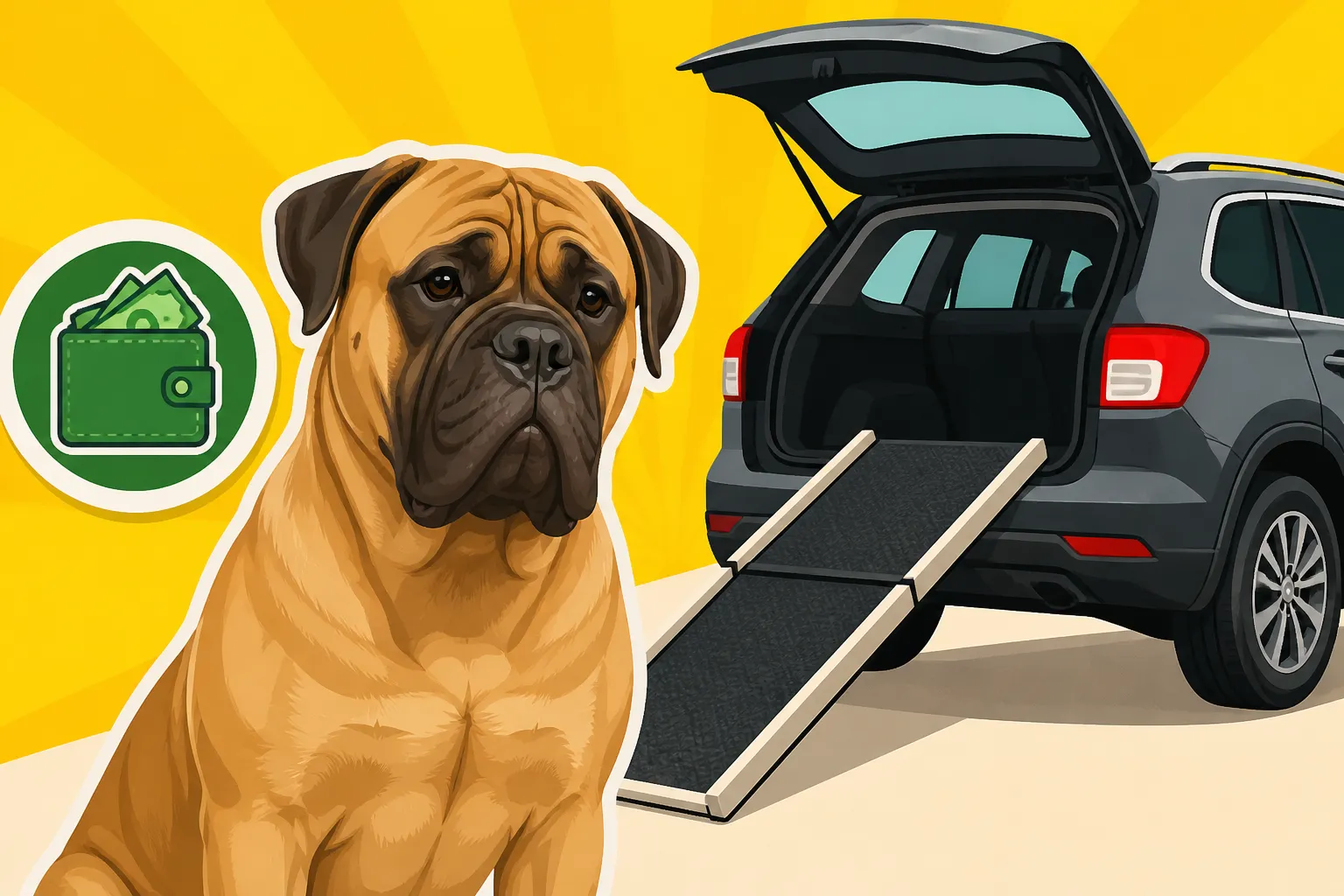
The length of the ramp also plays a big role. A longer ramp creates a gentler incline, which is much easier on your Bullmastiff's joints and less intimidating for them to use. However, longer ramps use more material and are more complex to manufacture, making them more expensive. For an SUV or a truck, you’ll likely need a ramp that’s at least 6-7 feet long to achieve a comfortable angle. Trying to make a shorter ramp work will result in a steeper, more challenging incline, which defeats the purpose of protecting their joints. Whether a Bullmastiff Needs a Ramp to the Car depends a lot on their age and mobility, but if they do, a proper length is non-negotiable.
Safety Features and Durability
The devil is in the details when it comes to ramp cost and quality. Ramps with advanced safety features and superior durability will command a higher price, but these are often features you shouldn't skimp on for a Bullmastiff.
- Non-Slip Surface: A good ramp will have an aggressive, non-slip surface. This could be high-traction tread, rubberized grip, or sandpaper-like material. Cheaper ramps might have less effective grip, which can be dangerous, especially in wet weather. A Bullmastiff's large paws need solid purchase to feel secure.
- Side Rails: Many ramps feature raised side rails or edges. These aren't just for aesthetics; they help guide your dog and prevent them from stepping off the side, which can be particularly helpful for hesitant or older dogs with diminished vision or coordination.
- Stable Connection Points: The part of the ramp that connects to your vehicle needs to be secure. Look for rubberized grips, textured surfaces, or even security straps that prevent the ramp from slipping away from your car. A Bullmastiff pushing off the top of the ramp can exert considerable force.
- Material Quality and Build: The overall construction quality speaks to durability. Are the hinges sturdy on a folding ramp? Does a telescoping ramp slide smoothly without sticking? Is the plastic thick and rigid, or does it flex under pressure? A well-built ramp made from quality materials, like those from reputable brands often found on sites like Chewy, will last longer and withstand the rigors of frequent use with a heavy dog. While the upfront cost might be higher, it’s an investment that prevents replacement costs and, more importantly, keeps your Bullmastiff safe.
Where to Purchase and Budgeting for Your Bullmastiff's Mobility Aid
Finding the right car ramp involves knowing where to look and understanding how to budget effectively for this important piece of equipment. You'll find options ranging from basic utility to high-end specialized gear, each with its own price point.
Online Retailers and Specialty Pet Stores
For the widest selection and often competitive pricing, online retailers are usually your best bet. Websites like Chewy or Amazon offer a vast array of pet ramps from various manufacturers, allowing you to compare models, read reviews, and find exactly what you need. You can filter by length, weight capacity, material, and even customer ratings, which can be invaluable when making a decision about such an important piece of equipment. Brands such as PetSafe, Pet Gear, and Gen7Pets are frequently well-regarded for their durability and quality, and you’ll find their products readily available online. Just be sure to double-check shipping costs and return policies, especially for larger items.
Don't forget about specialty pet stores, too. While their in-store selection might be smaller than online, you have the advantage of seeing and touching the ramps, checking their weight, and testing their mechanisms. Store staff might also be able to offer personalized recommendations based on your vehicle type and your Bullmastiff's specific needs. Sometimes, these stores can even order specific models for you. However, prices might be slightly higher than online to cover overhead.
Long-Term Value vs. Upfront Cost
It's tempting to opt for the cheapest ramp you can find, but with a Bullmastiff, this is rarely the best approach. Think of a car ramp as a long-term investment in your dog's health and your own peace of mind. A cheap, flimsy ramp that breaks after a few months, or worse, causes an injury, is far more expensive in the long run.
When budgeting, consider not just the initial purchase price, but the durability and safety features we discussed earlier. A high-quality aluminum telescoping ramp might cost more upfront, potentially in the range of several hundred dollars, but it's likely to last for years, provide superior stability, and offer peace of mind. A plastic folding ramp, perhaps in the one to two hundred dollar range, could be a great choice if it's from a reputable brand and has adequate weight capacity and a good non-slip surface for your Bullmastiff.
Factor in the potential costs of vet visits for joint injuries or accelerated arthritis if you don't use a ramp, or if you use an inadequate one. These can quickly add up, easily dwarfing the cost of a good quality ramp. For instance, diagnostic imaging, pain medication, or even surgery related to severe joint issues can run into the thousands. This is where pet insurance, like Healthy Paws, comes into play for many owners, helping to mitigate these substantial expenses. Furthermore, maintaining a healthy weight through quality nutrition (perhaps with a plan like Ollie for fresh, portioned meals) can also significantly reduce joint strain, making a ramp even more effective as part of a holistic approach to your Bullmastiff's well-being. Looking at the bigger picture of Eight and a Half Years of a Bullmastiff, Priced Out, a good ramp is a wise investment.
Below is a table summarizing some common ramp types and general cost considerations:
| Ramp Type | Material | Typical Price Range | Key Pros | Key Cons | Ideal For |
|---|---|---|---|---|---|
| Telescoping | Aluminum | High | Very strong, lightweight, compact storage, adjustable length, excellent grip. | Most expensive, may require more effort to extend/retract. | Frequent travelers, multiple vehicles, maximum safety/durability. |
| Telescoping | Plastic | Mid | Lightweight, compact, adjustable length, rust-resistant. | Less durable than aluminum, grip can vary. | Occasional use, smaller budgets, owners prioritizing light weight. |
| Folding (2-fold) | Aluminum | Mid-High | Strong, durable, good grip, easier to carry than telescoping. | Less compact than telescoping when folded, fixed length. | Owners with specific vehicle height, good trunk space. |
| Folding (2-fold) | Plastic | Low-Mid | Very lightweight, affordable, simple to deploy. | Least durable, bulkier when folded, grip can be less reliable. | Light, infrequent use, strict budget, short-term need. |
| Folding (3-fold) | Aluminum/Plastic | Mid | More compact than 2-fold, good for tighter storage spaces. | More hinges to maintain, potential for more uneven surfaces. | Small SUVs, hatchbacks, good for space-conscious owners. |
Remember to measure your vehicle's entry height and cargo space before purchasing to ensure the ramp will fit and provide an appropriate incline for your Bullmastiff. Considering What a Bullmastiff Costs Over Its Lifetime, investing in something that prolongs their comfort and avoids potential injury is always a sound decision.
Disclaimer
This article is for general informational purposes only and does not constitute professional advice. Laws, prices and regulations vary by location and change over time. Consult a qualified professional for guidance on your specific situation.