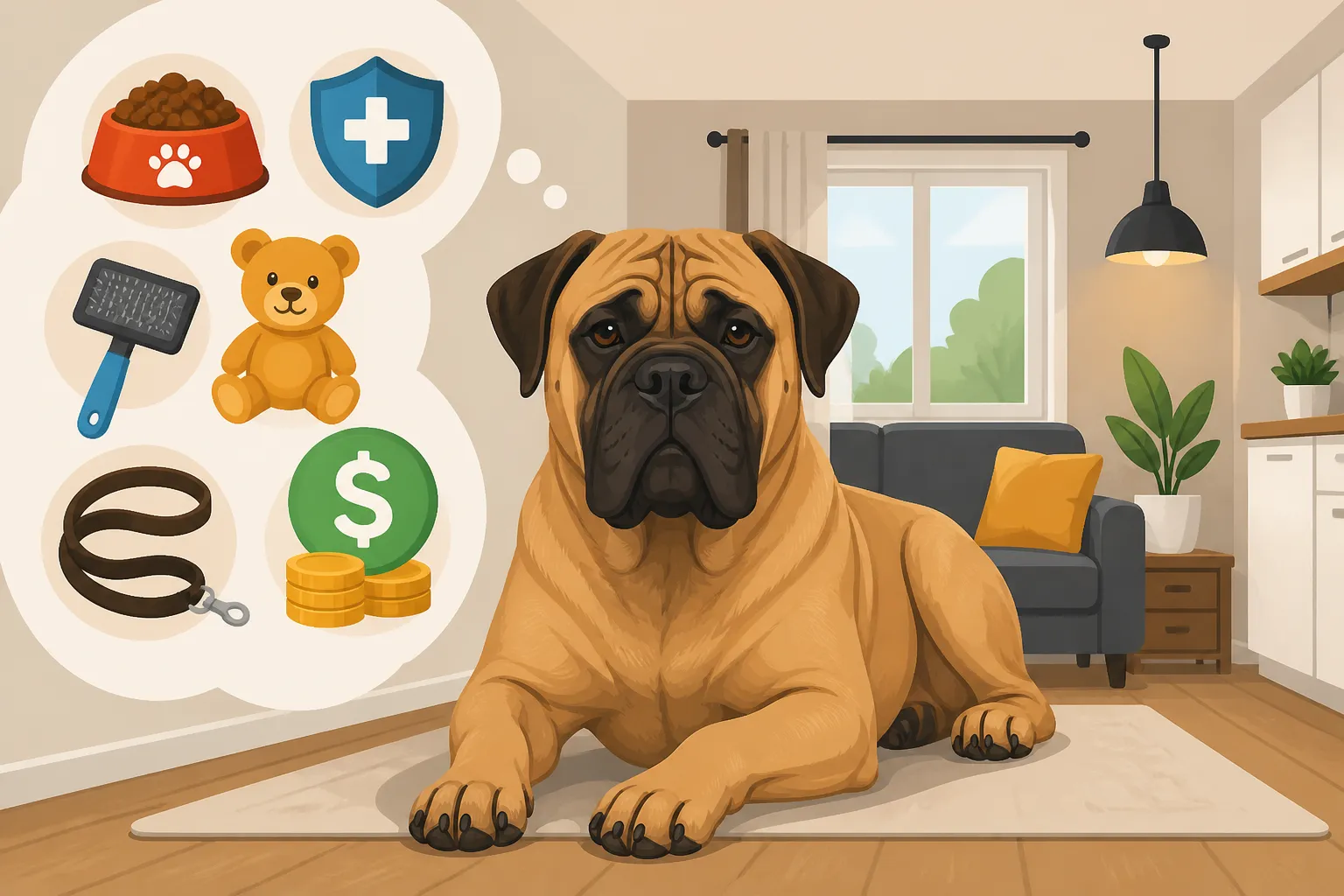
What a Bullmastiff Costs in a Small Home
Bringing a magnificent Bullmastiff into a smaller home can be a dream come true, but it often brings a unique set of financial considerations that extend far beyond the initial purchase price. This guide will walk you through the distinct costs you might encounter, from initial setup to daily care and unexpected expenses, when you commit to sharing your compact living space with one of these loving giants.
Beyond the Purchase Price: Initial Set-Up Costs for a Giant in Limited Space
When you first bring home a Bullmastiff puppy or even an adult rescue, the expenses hit immediately. In a small home, these initial outlays can feel amplified because you're often investing in larger, more robust items designed to manage a significant dog in a concentrated area, rather than relying on the sheer square footage of a sprawling property.
Crates, Beds, and the Elephant in the Room
One of the first things you’ll quickly realize is that everything for a Bullmastiff needs to be large. This isn't just about comfort; it's about safety, training, and practicality. A properly sized crate for a Bullmastiff isn't just a cozy den; it's a critical management tool, especially in a smaller living space where you might need to contain your dog at times for their safety or to prevent them from getting into mischief when you can't directly supervise. These crates are substantial, often occupying a significant footprint in a room, and their price reflects their size and durable construction. You might find yourself measuring hallways and doorframes just to get it inside. For more on this, you might find What a Crate for a Bullmastiff Costs helpful.
Beyond the crate, a truly supportive bed is not a luxury, it's a necessity for a breed prone to joint issues. Imagine a hundred-plus-pound dog trying to get comfortable on a flimsy dog bed. It simply won't do. Orthopedic dog beds, often with memory foam, are paramount for cushioning their heavy joints and preventing pressure sores. These specialized, extra-large beds also come with a heftier price tag compared to those for smaller breeds. When your living space is tight, this bed will become a focal point, and you'll want one that's durable and easy to clean. You can look at What a Bed for a Bullmastiff Costs for more details on this specific expense, or What an Orthopedic Bed for a Bullmastiff Costs for the specialized version.
Making the Small Home Work: Modifications and Equipment
Living in a smaller home with a Bullmastiff means being proactive about managing their presence. You might not have the luxury of separate rooms or vast open spaces to create natural barriers. This often means investing in extra-tall and extra-sturdy dog gates to section off areas, especially in the early training phases or if you need a quiet zone for guests or other pets. These aren't your average baby gates; they need to withstand the weight and determination of a growing Bullmastiff.
Furthermore, consider your flooring. Hardwood, laminate, or tile can be slick for a heavy, growing puppy or an older dog with developing joint issues. Investing in durable rugs or runners throughout high-traffic areas not only protects your floors from scratches and drool but also provides crucial traction for your Bullmastiff, reducing the risk of slips and falls that can exacerbate joint problems. These aren't cheap throw rugs; they need to be resilient and perhaps even easy to wash. You'll also find yourself stocking up on specialized cleaning supplies. Bullmastiffs are known for their drool, and in a smaller home, that drool has fewer places to go other than your walls, furniture, and floors. You'll need industrial-strength cleaners, stain removers, and probably an endless supply of rags to keep things tidy.
Everyday Expenses Amplified by a Small Home Footprint
The daily rhythm of life with a Bullmastiff is an adventure, and when your home is on the smaller side, some routine expenses take on a new dimension. You're essentially compensating for the lack of sprawling personal space by investing more in external resources and specialized care.
Exercise and Enrichment: When the Backyard Isn't Big Enough
One of the biggest differences when housing a large dog in a small home is managing their exercise and mental stimulation. While Bullmastiffs aren't hyperactive marathon runners, they still require regular, structured exercise to maintain their physical health and prevent boredom-induced destructive behaviors. If you don't have a large, securely fenced yard for them to potter around in, you'll need to create that stimulation elsewhere. This often means hiring dog walkers, especially if you work long hours. The cost for a professional to walk a large, strong dog like a Bullmastiff can be considerably higher than for a smaller, more easily managed breed.
Doggy daycare is another excellent option for socialization and burning off energy, but again, the daily or weekly rates for a giant breed can add up quickly. Think of it as renting out a bigger yard and social club for your pup. Beyond physical exercise, mental enrichment is key. Training classes, which are vital for a Bullmastiff to ensure they grow into a well-mannered, manageable companion, become even more essential in a small home. A well-behaved Bullmastiff is a joy; an untrained one in tight quarters can be a nightmare. These classes, whether for basic obedience or advanced manners, represent an ongoing investment. Learning How Much Time a Bullmastiff Takes Each Day can help you plan your schedule and budget for these activities. If you're looking for more ways to engage them, Which Dog Sports Suit a Bullmastiff offers some great ideas that might necessitate specific class fees.
Feeding a Giant: More Than Just the Bowl
It probably goes without saying, but feeding a Bullmastiff is a significant ongoing expense. They are big dogs with big appetites. In a smaller home, you might also find yourself relying more heavily on specific feeding tools. Slow feeders or puzzle toys aren't just for entertainment; they can be crucial for preventing bloat (a serious concern for deep-chested breeds like Bullmastiffs) and extending mealtime, which can also provide valuable mental enrichment in a confined space. These items, especially durable ones for a strong chewer, need to be factored into your budget.
When it comes to purchasing food, you'll likely be buying large bags or bulk orders to keep up. Consider services like Chewy, which can deliver massive bags of kibble right to your door, saving you the hassle of lugging them home. Subscription meal services, like Ollie, which offer fresh, pre-portioned food, are also available and can be a great option for health-conscious owners, though they often come at a premium due to the sheer volume a Bullmastiff consumes. Understanding How Much Food a Bullmastiff Needs will give you a better grasp of this consistent financial outflow.
The Cost of Cleanliness: Keeping Your Small Home Pristine
Living with a large dog inevitably means more hair, more dirt, and yes, more drool, all concentrated in a smaller area. This ramps up your cleaning routine and, consequently, your cleaning budget. Bathing a Bullmastiff in a small bathroom can be a Herculean task, often leaving you and the bathroom more soaked than the dog. Many owners in compact homes opt for professional grooming services, even if it's just for regular baths and nail trims, simply because their facilities are better equipped to handle such a large animal.
On the home front, you'll need a powerful vacuum cleaner capable of tackling Bullmastiff hair, which, while short, can be surprisingly prolific. Air purifiers might become a household staple to manage doggy odors that can accumulate faster in less ventilated spaces. And let's not forget the sheer volume of towels and cleaning cloths you'll go through to wipe down slobber from walls, furniture, and doorframes. For a deeper dive into the daily drool duties, explore How Much a Bullmastiff Drools.
Long-Term Considerations and "Hidden" Costs
Some of the most impactful expenses when owning a Bullmastiff in a smaller home aren't immediately obvious. They creep up over time, sometimes as a result of their size and breed-specific health issues, and sometimes simply because a large dog interacting with a small space creates inevitable wear and tear.
Health Care: Proactive Measures and Unexpected Bills
Bullmastiffs, like many giant breeds, are predisposed to certain health conditions that can lead to significant vet bills. Joint issues such as hip and elbow dysplasia are common, and in a small home, you'll need to be extra vigilant about their mobility, ensuring they have good traction and proper bedding. Proactive measures, like starting joint supplements early, are highly recommended. While these supplements are an ongoing cost, they can potentially defer more expensive treatments down the line.
The most daunting health concern for Bullmastiffs, however, is cancer, particularly lymphoma and mast cell tumors. Chemotherapy Is the Bill Most Bullmastiff Owners Face for a reason; treatment for these conditions can run into thousands, or even tens of thousands, of dollars. In a smaller home, managing a sick, large dog can also be physically and emotionally taxing, potentially requiring more external support or specialized equipment for comfort. Pet insurance, from providers like Healthy Paws, becomes an almost non-negotiable expense for Bullmastiff owners, especially those in smaller homes who might not have the financial buffer for such large, unexpected medical events. It’s crucial to get a policy early, ideally when they are puppies, before any pre-existing conditions can be logged. This proactive approach can make a world of difference when a major health crisis inevitably strikes. Overall, What a Bullmastiff Costs Over Its Lifetime will give you a broader perspective on the financial commitment.
Property Wear and Tear
A Bullmastiff's sheer size means they interact with their environment in a big way. In a smaller home, this interaction is more concentrated and continuous, leading to accelerated wear and tear on your property. Furniture, for instance, might need to be replaced more frequently. Bullmastiffs are leaners, and their weight pressing against sofas, chairs, and even walls can lead to scuffs, tears, and structural damage over time. Their wagging tails, like powerful clubs, can clear coffee tables and leave marks on walls.
Expect potential repairs to walls, doorframes, and even floors. A Bullmastiff stretching, leaning, or just getting up from a nap can scratch floors or leave scuff marks. If you have carpet, giant dog nails will wear it down faster. As they age, and especially if mobility issues arise, you might need to invest in ramps or special grippy mats to help them navigate stairs or slippery surfaces, adding another layer of cost and home modification. For more on this, check out What a Bullmastiff Does to Furniture.
Budgeting and Making it Work
Despite the unique challenges of housing a Bullmastiff in a smaller home, it's absolutely achievable with careful planning and a realistic understanding of the financial commitment. It truly is a labor of love, but one that rewards you tenfold with companionship.
Smart Spending and Savings Strategies
One of the best ways to manage the costs of a large breed in a small home is to be a savvy consumer. Buying food, treats, and even some medications in bulk can offer significant savings. Websites like Chewy often have sales and auto-ship discounts that can trim your monthly bill. If you're considering fresh food, compare options like Ollie with making your own balanced meals (with veterinary guidance) to see what fits your budget and lifestyle best.
DIY grooming, for instance, can save you a fair amount. While bathing a Bullmastiff is tough, learning to trim their nails, clean their ears, and wipe their facial folds at home can reduce visits to the professional groomer. Preventative health care, as mentioned earlier, is key. Regular vet check-ups, maintaining a healthy weight for your Bullmastiff, and keeping up with parasite prevention can prevent more serious, and costly, conditions down the road. Crucially, start an emergency fund specifically for your Bullmastiff's health needs, or invest in a robust pet insurance plan. Being financially prepared for the inevitable is the kindest thing you can do for your giant friend. For broader strategies, read Bullmastiff Ownership on a Tight Budget.
Is it Worth It? The Value Beyond the Dollar Signs
When you're staring at another vet bill or contemplating the cost of replacing a chewed sofa, it's easy to wonder if all these expenses are truly "worth it." And that's a valid feeling. Owning a Bullmastiff, especially in a smaller home, demands a significant financial and emotional investment. But for those who have opened their hearts and homes to these incredible dogs, the answer is almost universally a resounding yes.
The companionship, the gentle loyalty, the protective presence, and the sheer joy these dogs bring into your life are immeasurable. They become integral family members, offering quiet reassurance and a constant source of affection. The challenges of a smaller home often force owners to be more engaged, more creative, and more proactive in meeting their Bullmastiff's needs, leading to an even stronger bond. While their lifespan can be shorter than many other breeds, Whether a Bullmastiff Is Worth the Short Years is a question many owners consider deeply, and for most, the answer is a heartfelt affirmation. The love they give in those years makes every penny, every cleaning session, and every large purchase feel utterly justified.
| Expense Category | Small Home Impact | Example Costs (General Shape) |
|---|---|---|
| Initial Setup | Larger crates, orthopedic beds, durable gates | Higher upfront cost for oversized items |
| Monthly Food | High volume, potential for specialized feeders | Consistent high cost for large breed kibble/fresh |
| Exercise/Enrichment | Reliance on dog walkers, daycare, classes | Regular fees, often weekly or monthly |
| Cleaning & Maintenance | More frequent and intensive cleaning, specialized tools | Ongoing supply costs, potential professional services |
| Health & Wellness | Proactive joint care, higher emergency bills | Regular vet checks, insurance premiums, supplements |
| Home Wear & Tear | Faster deterioration of furniture/flooring | Potential for earlier replacement or repair costs |
Disclaimer
This article is for general informational purposes only and does not constitute professional advice. Laws, prices and regulations vary by location and change over time. Consult a qualified professional for guidance on your specific situation.