What a Bullmastiff Does to Furniture
Bringing a Bullmastiff into your home is an incredible joy, but many new owners quickly discover that these gentle giants, for all their calm demeanor, can be surprisingly tough on household furniture. You envision a majestic companion lounging regally, but the reality often involves drool, shedding, and a surprising amount of enthusiastic roughhousing. This guide dives deep into exactly what kind of impact a Bullmastiff can have on your beloved chairs, sofas, and tables, and, more importantly, how you can proactively protect your home without sacrificing your dog's comfort or your sanity.
The Unvarnished Truth About Bullmastiffs and Your Couch
It's easy to fall in love with the idea of a giant, stoic dog, imagining them curled peacefully in their own bed, leaving your carefully chosen furniture pristine. But a Bullmastiff, while generally mellow once mature, is still a large, living creature with needs, instincts, and a surprising amount of playful energy that can translate directly to wear and tear on your home's furnishings.
The Myth of the "Always Calm" Giant Puppy
Let's be real: no puppy is "always calm," and a Bullmastiff puppy is no exception, even if they're not quite as manic as some smaller, higher-energy breeds. They have short bursts of zoomies, an insatiable curiosity, and a mouth full of needle-sharp puppy teeth eager to explore the world. That beautiful wooden coffee table or the delicate fringe on your favorite rug? To a young Bullmastiff, it's just another texture to investigate, another item to test its durability against. Expecting them to ignore enticing furniture simply because they're a large breed is setting yourself up for disappointment and damaged goods.
This exploratory phase is crucial for their development, but it's also when habits, good or bad, are formed. A Bullmastiff puppy doesn't inherently understand the difference between their chew toy and your antique chair leg. Without proper guidance and supervision, anything within reach can become a target. Their sheer size means even innocent investigations can leave a mark, whether it's a scratch from a paw or a dent from a curious snout.
When Size Meets Curiosity
Even if your Bullmastiff isn't actively trying to chew through your sofa, their mere presence and daily habits will take a toll. Picture a fully grown, A Hundred and Thirty Pounds of Bullmastiff, Measured of dog attempting to rearrange themselves on a modest armchair, or bounding enthusiastically across the living room, sliding into the side of a bookshelf. It’s less like a delicate cat and more like a small, very dense, four-legged wrecking ball, albeit one with a heart of gold.
The weight and mass of a Bullmastiff amplify every interaction they have with your furniture. A casual lean against a dining chair can loosen its joints over time. A clumsy turn in a tight hallway might mean a scuff mark on the wall or a scrape against the leg of a console table. This isn't malicious destruction; it's simply the physics of a large animal in a human-sized world, and it requires a different level of awareness and preparation from you, the owner.
Navigating the Chewing Conundrum
Chewing is probably the number one concern for new dog owners, and for good reason. A Bullmastiff's powerful jaws can make short work of many household items if not properly managed.
Puppy Teething: More Than Just Nipping
When those baby teeth start to loosen and the adult teeth begin pushing through, a Bullmastiff puppy experiences significant discomfort, just like human babies. Their instinct is to chew, chew, chew to relieve the pressure and pain. Unfortunately, your expensive rug, the wooden legs of your dining table, or the corner of your upholstered couch can become irresistible targets. This isn't about being naughty; it's a biological imperative. If you don't provide appropriate, stimulating outlets for this behavior, they will find their own, and you likely won't be happy with their choices.
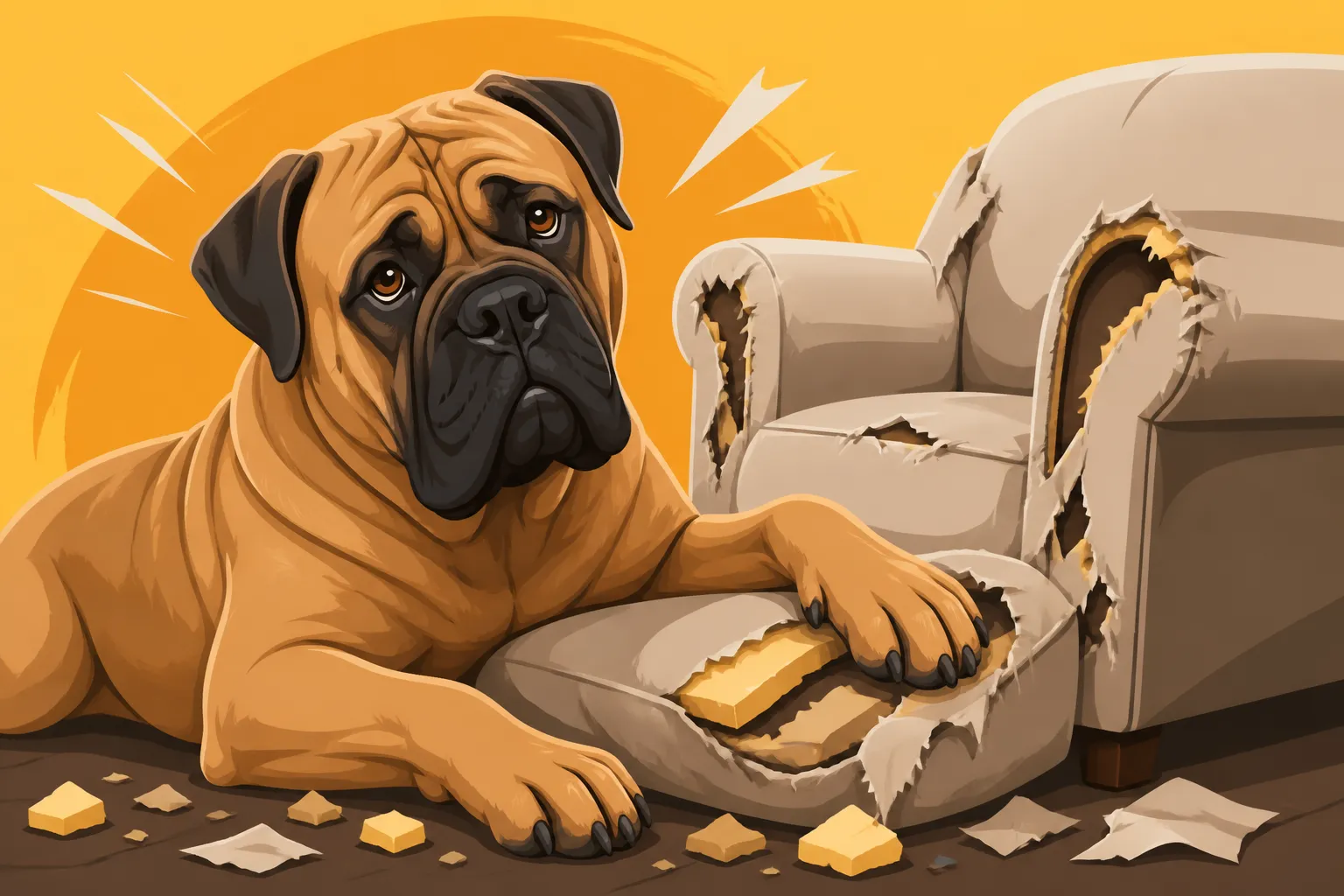
Imagine coming home to find a ragged hole in your favorite throw pillow or distinct teeth marks etched into your wooden trim. This isn't an uncommon scenario for Bullmastiff owners during this phase. They might even ingest pieces of what they chew, which can lead to costly vet visits for foreign body removal, adding another layer of stress and expense to an already challenging stage. This is a critical time for teaching good habits and redirecting unwanted behavior.
Adolescent Energy and Boredom-Induced Destruction
While teething eventually passes, chewing can continue well into adolescence and even adulthood if not addressed. As a Bullmastiff When a Bullmastiff Finishes Maturing around three years old, their adult teeth are incredibly strong, and a bored Bullmastiff can become a destructive one. If they're not getting enough mental stimulation or appropriate physical activity, that pent-up energy has to go somewhere. Chewing on furniture becomes an easy, accessible way to alleviate boredom, stress, or even anxiety.
A lonely Bullmastiff left without enough to do might decide to "redecorate" your home by gnawing on the baseboards, shredding couch cushions, or pulling stuffing out of pillows. This isn't necessarily a sign of a "bad" dog, but rather a dog whose needs aren't being met. Their intelligence, combined with their strength, means they can be incredibly efficient at destruction if given the opportunity and motivation. Consider how much energy a young dog has to burn, and then imagine a large, powerful breed like the Bullmastiff channeling that into your possessions. This is why understanding What a Bullmastiff Does All Day is so important.
Preventative Measures: Chews, Toys, and Supervision
The key to preventing destructive chewing is a multi-pronged approach that combines redirection, appropriate outlets, and diligent supervision. First and foremost, always have plenty of durable, size-appropriate chew toys readily available. Look for toys designed for "power chewers" at pet stores or online retailers like Chewy. Rotate these toys frequently to keep your Bullmastiff interested and engaged. Puzzle toys, filled with treats or peanut butter, can also provide excellent mental stimulation and keep them occupied for extended periods.
Supervision is paramount, especially during the puppy and adolescent stages. If you can't actively watch your Bullmastiff, consider using a crate or a puppy-proofed area. This limits their access to tempting furniture while they are learning appropriate chewing habits. When you catch them chewing on something they shouldn't, firmly redirect them to an approved chew toy and praise them when they engage with it. Consistency is vital. Establishing clear boundaries early on will pay dividends for years to come.
The Sheer Weight of a Gentle Giant: Wear and Tear
Beyond chewing, the sheer physical presence of a Bullmastiff—all 100 to 130+ pounds of them—will inevitably lead to wear and tear on your furniture, no matter how well-behaved they are. This is simply the reality of sharing your home with a large, heavy animal.
The Sofa as a Springboard and Landing Pad
Even if your Bullmastiff is allowed on the furniture (a decision many owners make, despite initial intentions!), their weight can quickly take a toll. A Bullmastiff jumping up onto the couch, even gently, or leaping off to greet you at the door, creates significant impact. Over time, sofa cushions will compress and lose their bounce, springs can weaken, and frame joints can become loose or even break. This isn't just about appearances; a sagging, uncomfortable sofa might eventually need repair or replacement far sooner than you'd expect.
Think about the force of a full-grown Bullmastiff launching themselves onto a soft surface. It's equivalent to an adult human doing the same, repeatedly, day after day. The fabric also stretches and wears out more quickly under constant heavy use. If you want to share your couch with your Bullmastiff, consider furniture built with robust frames and dense, high-quality cushioning designed for heavy use.
Scratches, Scrapes, and Surface Damage
Regardless of whether your Bullmastiff is allowed on the furniture, their claws pose a constant threat. A Bullmastiff stretching against a wooden chair leg, shifting positions on a leather sofa, or simply walking past a delicate console table can leave unsightly scratches and scrapes. Leather furniture is particularly susceptible to nail marks, which can quickly mar its smooth surface. Even fabric can snag and pull, leading to unsightly runs or tears. This makes regular nail trims absolutely essential. How Often a Bullmastiff's Nails Need Trimming is a question you'll become very familiar with, as keeping them short and blunt is your best defense against incidental damage.
Hardwood floors and even rugs are also vulnerable. A Bullmastiff's heavy gait can scratch floors, and their claws can pull threads from carpets. This isn't just about aesthetics; deep scratches can compromise the finish on wooden furniture and floors, making them more prone to further damage. Investing in large, durable rugs or runners in high-traffic areas can help mitigate some of this wear, but constant vigilance with nail care is crucial.
The Constant Battle Against Compression
Bullmastiffs love to lounge, and they do it with a weighty commitment. Wherever they choose to rest, that spot will eventually show the signs of their bulk. Cushions on dog beds, carpets, and even your treasured sofa will compress and flatten over time. This isn't just an aesthetic issue; for a large breed prone to joint issues like hip and elbow dysplasia, adequate support is crucial. Bedding and Joints for a Hundred and Thirty Pound Bullmastiff highlights the importance of providing supportive sleeping arrangements for them.
If your Bullmastiff favors a particular spot on the couch, you'll notice that cushion quickly becoming a permanent indentation. Similarly, where they habitually lie on the carpet, you'll see a flattened area that resists fluffing back up. This constant compression can reduce the lifespan of upholstered items and even create "hot spots" in carpeting that wear down faster. Providing a truly comfortable, supportive, and designated bed for your Bullmastiff can help divert some of this weighty impact from your human furniture.
The Unavoidable Mess: Drool, Dirt, and Hair
Let's talk about the less glamorous, but equally impactful, aspects of Bullmastiff ownership: the mess. These aren't dainty creatures, and their daily lives involve a certain amount of… natural residue that will inevitably find its way onto your furniture.
The Drool Factor: More Than Just a Little Drip
Ah, the Bullmastiff drool. It’s a hallmark of the breed, and it’s not for the faint of heart. How Much a Bullmastiff Drools can vary from dog to dog, but generally, it's a significant amount. Their jowls are designed to be loose, which means saliva doesn't stay neatly tucked away. A Bullmastiff shaking their head after a drink of water, or anticipating a treat, can send strands of drool flying across a room, adhering to walls, furniture, and anything else in its path. This isn't just wetness; it's thick, sticky, and can be remarkably resilient.
Drool can stain fabric, especially lighter colors, and leave unsightly marks on wood finishes if not wiped away promptly. Over time, it can even attract dust and dirt, creating a grimy film. You'll quickly learn the art of keeping "drool rags" strategically placed around your home. Trying to maintain perfectly spotless, unmarred furniture with a drooling Bullmastiff is like trying to keep a toddler clean in a mud pit – a valiant but ultimately futile effort without dedicated strategies.
Bringing the Outdoors In
Bullmastiffs are sturdy dogs, often enjoying their time outdoors, whether it's a brisk walk, a romp in the yard, or a leisurely sniff around the neighborhood. All that outdoor activity means they inevitably track dirt, mud, dust, and debris back into your home. Their short, dense coats can hold onto surprising amounts of grit, and their powerful paws can bring in even more. This isn't just a concern for your floors; when they jump onto the couch or lean against an armchair, all that accumulated outdoor grime transfers directly to your upholstery.
Imagine a rainy day walk followed by a quick shake inside before settling onto your favorite armchair. The result? Muddy paw prints, damp spots, and a fresh layer of outdoor detritus on your cushions. Even on dry days, fine dust and pollen can cling to their fur and deposit onto furniture. This means frequent cleaning of both your dog and your home becomes a necessary part of the routine.
Shedding: A Constant Companion
While Bullmastiffs have short coats, they are not immune to shedding. They might not shed as profusely as some long-haired breeds, but they do shed year-round, with heavier periods seasonally. Those short, stiff hairs can weave themselves into fabric, making them surprisingly difficult to remove from upholstery and carpets. Your furniture will inevitably become a canvas for Bullmastiff hair, a constant reminder of their presence.
No matter how often you brush them – and How Often a Bullmastiff Needs Brushing is something you'll need to figure out – you'll find Bullmastiff hair on blankets, pillows, and especially on any furniture they frequent. If you love dark furniture, prepare for fawn or red hairs to stand out. If you prefer light colors, the brindle strands will be a stark contrast. Keeping a good lint roller and a powerful vacuum cleaner specifically designed for pet hair becomes indispensable to maintain any semblance of a hair-free home.
Practical Strategies for Coexisting with a Couch-Loving Bullmastiff
It’s not all doom and gloom! With the right approach, you can absolutely enjoy your Bullmastiff’s companionship and still have a functional, comfortable home. It requires thoughtful planning and consistent effort.
Training and Management: Setting Boundaries Early
Good behavior starts with good training. From the moment your Bullmastiff puppy comes home, establish clear boundaries regarding furniture. Decide what's allowed and what's not, and be consistent. Teaching cues like "off" or "place" can be invaluable. If you don't want them on the couch, never let them on, even "just this once." Consistency is key, especially with a breed that, while intelligent, can be deliberate in its obedience. Training a Bullmastiff That Weighs More Than You Do requires patience and positive reinforcement.
Crate training can also be an excellent management tool, providing a safe, designated space for your Bullmastiff when you can't supervise them directly. This prevents unsupervised chewing incidents and teaches them to be comfortable in their own den. Positive reinforcement methods work best with Bullmastiffs; they respond well to rewards and praise, making them more likely to repeat desired behaviors. Teaching a giant breed not to jump up on visitors or lean on delicate furniture is crucial for protecting both your guests and your belongings. Consider techniques outlined in Teaching a Bullmastiff Not to Jump Up.
Choosing Durable Materials and Protective Covers
When it comes to furniture, strategic choices can make a huge difference. Opt for fabrics that are known for durability and ease of cleaning. Microfiber, canvas, or tightly woven blends are often more resistant to snagging, staining, and holding onto pet hair than delicate silks or loose weaves. Leather can be beautiful, but remember it's prone to scratches from claws. Some prefer it for its easy-to-wipe-clean surface for drool, but be prepared for a "distressed" look over time.
For existing furniture, invest in heavy-duty, washable slipcovers or throws. These can act as a protective barrier against drool, dirt, and hair, and they are much easier to toss in the washing machine than cleaning an entire sofa. There are many pet-friendly furniture lines available now that prioritize robust construction and stain-resistant fabrics, explicitly designed with active pets in mind.
Here's a quick comparison of furniture materials and their Bullmastiff-friendliness:
| Material Type | Pros for Bullmastiff Owners | Cons for Bullmastiff Owners |
|---|---|---|
| Microfiber | Stain-resistant, easy to clean, hair doesn't cling as much, durable. | Can look dated depending on style, static cling possible. |
| Canvas/Denim | Extremely durable, heavy-duty, good for high-traffic, washable covers. | Can be stiff, not always "elegant," prone to wrinkling. |
| Tightly Woven Blends | Good balance of durability and aesthetic, less prone to snagging. | Varies by blend quality, may still show hair. |
| Leather | Easy to wipe drool/spills, can look stylish, durable against general wear. | Very prone to claw scratches, can be cold in winter/hot in summer. |
| Wood (hardwood) | Durable for frames, less absorbent than fabric. | Prone to chew marks (especially during puppyhood), scratches, drool stains if not sealed. |
Investing in Their Own Space
One of the most effective ways to protect your human furniture is to provide your Bullmastiff with their own incredibly comfortable, appealing alternatives. Invest in a high-quality, orthopedic dog bed. Given their size and predisposition to joint issues, a supportive bed is not just a luxury; it's a necessity for their long-term health. Look for beds with dense, supportive foam that won't flatten under their weight, like those you might find on Chewy. Having a cozy, designated spot makes it much easier to direct them away from your sofa.
Place these beds in prime "hangout" spots where your Bullmastiff likes to be near the family. A Bullmastiff thrives on companionship, so expecting them to be content in a distant corner might lead them back to your furniture. Making their bed the most comfortable option in the room encourages them to choose it over your expensive couch. Ensuring they have a healthy diet, perhaps with fresh food options like Ollie, can also contribute to their overall well-being, potentially reducing boredom-related destructive behaviors by keeping them well-nourished and content. Where a Bullmastiff Chooses to Sleep is often close to their humans.
The Cleaning Arsenal You'll Need
Finally, be prepared with the right tools. Your cleaning routine will change. A powerful vacuum cleaner designed for pet hair is essential. Keep enzyme-based pet stain and odor removers on hand for drool, accidents, or muddy paw prints. These are crucial for breaking down organic matter and eliminating odors, rather than just masking them. Lint rollers will become your constant companions.
Consider a steam cleaner for deep cleaning upholstery and carpets periodically. Regular cleaning is not just about aesthetics; it helps maintain hygiene and extends the life of your furnishings. And for those inevitable vet visits due to swallowed foreign objects or other Bullmastiff health concerns, having pet insurance from a provider like Healthy Paws can make a world of difference, helping you manage unexpected costs without sacrificing your Bullmastiff's care or your budget. After all, accidents happen, and a Bullmastiff is an expensive dog to own, with What a Bullmastiff Costs Over Its Lifetime often including significant vet bills.
Disclaimer
This article is for general informational purposes only and does not constitute professional advice. Laws, prices and regulations vary by location and change over time. Consult a qualified professional for guidance on your specific situation.