What a Needle Aspirate Costs on a Bullmastiff
That moment when you're stroking your beloved Bullmastiff, perhaps enjoying their characteristic lean, and your fingers brush against a lump that wasn't there before – it's enough to send any dog owner's heart plummeting. Your mind races, jumping to all sorts of conclusions, and the immediate need for answers becomes paramount. Getting those answers quickly is crucial, but the financial implications of diagnostic tests, even something as seemingly simple as a needle aspirate, can add another layer of stress. This guide will walk you through what a fine needle aspirate (FNA) entails for your Bullmastiff and what to expect regarding its cost, helping you prepare for the journey ahead.
When Your Bullmastiff Needs a Closer Look: Understanding the Fine Needle Aspirate
Finding a lump or bump on your Bullmastiff can be incredibly worrying. These gentle giants, with their imposing size and deeply loyal nature, are unfortunately prone to certain health issues, including various types of masses or growths. A fine needle aspirate, often simply called an FNA, is one of the first and most common diagnostic tools a veterinarian will use to investigate these mysterious lumps. It’s a relatively non-invasive procedure designed to help determine if a mass is benign (harmless) or malignant (cancerous), or even just an infection or inflammatory reaction.
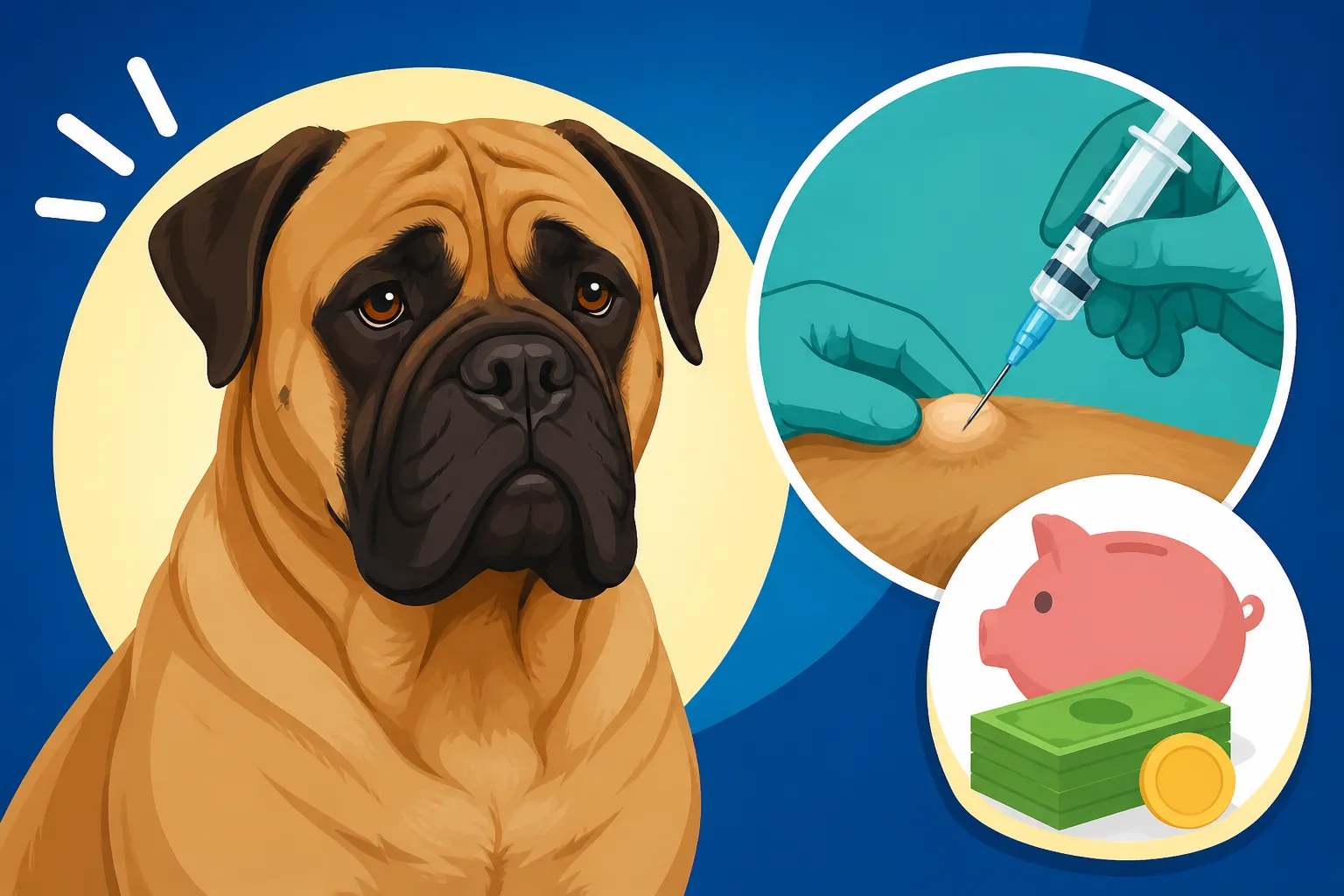
The procedure itself is quite straightforward, though the thought of it can still make any pet parent anxious. Your vet will use a very thin needle, similar to those used for vaccinations, to collect a small sample of cells directly from the lump. This isn't usually a deep or painful process, and for many Bullmastiffs, especially those with an easy-going temperament, it can be done with minimal fuss. The goal is to get enough cells from the mass for a pathologist to examine under a microscope. Think of it as taking a tiny, targeted biopsy without needing actual surgery.
While the procedure sounds simple, its importance cannot be overstated. A lump might be a benign fatty tumor (lipoma), common in older, larger breeds, or it could be something more serious like a Mast Cell Tumors and the Lumps on a Bullmastiff. The cells collected from the FNA are then spread onto glass slides, stained, and sent to a veterinary pathologist. This expert will then analyze the cells, looking for characteristics that indicate inflammation, infection, or abnormal growth patterns that are typical of cancer. The report from the pathologist is what truly provides the valuable insights, guiding your vet on the next steps, be it further diagnostics or treatment planning.
Why a Bullmastiff Might Need an FNA
Bullmastiffs are wonderful dogs, but they are known for their propensity to develop various types of lumps and bumps throughout their lives. It could be a rapidly growing mass, a new lump that feels firm and fixed, or even just a change in an existing growth that was previously considered harmless. Any new or changing lump warrants investigation, and an FNA is often the first line of defense. The location of the lump also matters; a growth on the skin or just under it is typically easier to aspirate than one located deep within tissue or an internal organ.
Consider a scenario where you notice a new, squishy lump on your Bullmastiff's flank. It's soft, movable, and doesn't seem to bother them. While it could be a lipoma, a benign fatty tumor, your vet will still likely recommend an FNA to be sure. It's always better to rule out anything serious early on. On the other hand, if you find a firm, fast-growing lump on a limb or near a lymph node, the urgency for an FNA becomes even greater, as this might point towards a more aggressive type of cancer. Early detection is a huge advantage in these situations, potentially leading to more effective treatment options and better outcomes.
Another common reason for an FNA is to investigate enlarged lymph nodes. If your Bullmastiff's lymph nodes, perhaps under the jaw or behind the knee, feel swollen or firm, your vet will almost certainly suggest an aspirate. Enlarged lymph nodes can be a sign of infection, but they can also be an indicator of Signs a Bullmastiff Has Lymphoma, a common and aggressive cancer in Bullmastiffs. The FNA helps the pathologist determine if the cells within the lymph node are reactive (due to infection) or neoplastic (cancerous). This initial diagnostic step is absolutely critical in understanding what you're dealing with, allowing for appropriate next steps.
Unpacking the Bill: Factors That Influence the Cost of a Bullmastiff's FNA
When it comes to the cost of a fine needle aspirate for your Bullmastiff, there isn't a single, fixed price. It's a bit like asking how much a car costs – it depends on the make, model, features, and where you buy it. The same goes for veterinary procedures. Several factors come into play, influencing the final bill. These can include the geographic location of your veterinary clinic, the experience level of the veterinarian, whether sedation is required, and the specific laboratory used for analysis.
For instance, a veterinary clinic in a high-cost-of-living urban area will likely have higher overheads, and thus higher prices, than a practice in a rural setting. Similarly, if your primary care vet performs the aspirate and sends the samples to a standard diagnostic lab, it will generally be less expensive than if you are referred to a specialized oncology center where a board-certified internal medicine specialist or oncologist performs the procedure. Their expertise and specialized equipment often come with a higher fee. It’s always a good idea to discuss the estimated costs with your vet upfront, so you know what to expect and can make informed decisions.
The complexity of the mass and the number of samples needed can also affect the cost. If a lump is easily accessible and yields good samples with one or two pokes, it's simpler and quicker. However, some masses are tricky to sample, perhaps because they are small, deep, or have a thick capsule, requiring multiple attempts to get a sufficient cell yield. Each additional poke, especially if done with ultrasound guidance, might increase the cost. Furthermore, if your Bullmastiff is particularly anxious or has a lump in a sensitive area, sedation might be necessary, adding another line item to the overall expense.
Components of the FNA Cost
Let's break down the typical components you might see on an invoice for a Bullmastiff's fine needle aspirate. This isn't just a single charge; it's usually a combination of services, each contributing to the total. Understanding these components can help you decipher your vet's bill and ask pertinent questions.
1. Examination Fee: This is often the first charge you'll encounter. Before any procedure, your veterinarian will perform a thorough physical examination of your Bullmastiff. This exam helps them assess the lump, its characteristics (size, mobility, texture), its location, and your Bullmastiff's overall health. They'll check other lymph nodes and listen to their heart and lungs, ensuring they're healthy enough for any minor procedure or potential sedation. This initial consultation is vital for establishing a baseline and deciding if an FNA is indeed the appropriate next step.
2. The FNA Procedure Fee: This covers the actual collection of the samples. It includes the vet's time, the use of sterile needles and slides, and any basic supplies. The fee can vary depending on the number of sites aspirated or the difficulty of obtaining a sample. Sometimes, if the mass is particularly small or located in a challenging spot, your vet might use ultrasound guidance to ensure they hit the target precisely. This advanced technique, while improving diagnostic accuracy, will add to the procedural cost. It’s important to understand that collecting a good, representative sample is key to getting a reliable diagnosis.
3. Laboratory Cytology Fee: This is often the largest portion of the FNA cost. Once the samples are collected, they need to be prepared and sent to an external veterinary pathology laboratory for expert analysis. A board-certified veterinary pathologist is the professional who will examine the cells under a microscope and provide a detailed report. This lab fee covers their specialized expertise, the cost of processing the slides, and generating the comprehensive diagnostic report. You might also see charges for "stat" or rush results if you need them quickly, which naturally incurs a higher fee than standard turnaround times.
4. Sedation or Anesthesia (if needed): As mentioned, some Bullmastiffs might require sedation or a short-acting anesthetic for the FNA procedure. This could be due to anxiety, pain from the lump, or the location of the mass making it difficult for the dog to remain still. If sedation is used, there will be charges for the sedative medications, the time spent monitoring your Bullmastiff during and after the procedure, and potentially pre-sedation blood work to ensure your dog is a good candidate for the medication. While it adds to the cost, ensuring your Bullmastiff's comfort and safety is always paramount.
Beyond the Initial Poke: Related Costs and What Might Come Next
A fine needle aspirate is a fantastic first step, but it’s rarely the only step, especially if the results are ambiguous or point towards something serious. Think of it like getting a preliminary report – it gives you a direction, but you often need more in-depth investigations to confirm the findings or develop a full treatment plan. This means that the cost of the FNA itself is often just the beginning of your financial journey, and it’s crucial to be aware of these potential subsequent expenses.
For example, sometimes an FNA might return an "inconclusive" result, meaning the pathologist couldn't gather enough diagnostic cells, or the cells present were too ambiguous to give a definitive answer. This is a common frustration for many owners. In such cases, your vet might recommend repeating the FNA, or, more likely, moving on to a surgical biopsy. A biopsy involves removing a larger piece of tissue, or even the entire mass, which provides more material for the pathologist and a more definitive diagnosis. Naturally, this is a more involved procedure, typically requiring general anesthesia, surgery, and a longer recovery time, all of which significantly increase the cost.
If the FNA confirms a malignant process, like a mast cell tumor or Which Type of Lymphoma a Bullmastiff Gets, then a whole new array of costs come into play related to staging and treatment. Staging determines how far the cancer has spread, and this can involve further diagnostics such as blood work, urine tests, radiographs (X-rays) of the chest, and ultrasound of the abdomen. Each of these tests comes with its own price tag. What a Bullmastiff's Cancer Workup Costs can quickly add up, and it's something every Bullmastiff owner should be mentally and financially prepared for when facing a cancer diagnosis.
When an FNA Leads to Further Diagnostics
An FNA is a powerful screening tool, but it has its limitations. If the results suggest cancer, or if they are inconclusive, your veterinarian will likely recommend further, more invasive, and more expensive tests. This is not because the FNA was a waste of money, but because it helped guide the next, more definitive steps.
1. Surgical Biopsy: If the FNA indicates a suspicious mass, a surgical biopsy is often the next logical step. This can be an incisional biopsy (removing a piece of the mass) or an excisional biopsy (removing the entire mass if it’s small and easily accessible). The cost of a surgical biopsy includes pre-surgical blood work, anesthesia, the surgical procedure itself, post-operative pain medication, and the histopathology (lab analysis of the tissue sample). This can range significantly higher than an FNA, as it’s a full surgical event.
2. Advanced Imaging: To properly stage certain cancers, especially if they are aggressive or located internally, your Bullmastiff might need advanced imaging. This can include X-rays to check for spread to the lungs, or an abdominal ultrasound to look for involvement of internal organs like the spleen or liver. In some complex cases, a CT scan or MRI might even be recommended, particularly for tumors in difficult-to-reach areas or those affecting bone. These imaging modalities provide much greater detail but come with a substantially higher price. What an Ultrasound Costs on a Bullmastiff and What Chest X Rays Cost on a Bullmastiff are good resources to consider for these steps.
3. Oncology Consultation: If a cancer diagnosis is confirmed, your primary vet might recommend a referral to a veterinary oncologist. These specialists have advanced training in cancer diagnosis and treatment. An initial oncology consultation can involve a detailed review of all previous records, a thorough physical exam, and a discussion about treatment options like How a Bullmastiff's Lymphoma Is Treated, chemotherapy, or radiation. What a Bullmastiff's Oncology Referral Costs is an important cost to factor in, but the expertise they provide can be invaluable in guiding the best course of action for your Bullmastiff.
Navigating the Financials: Strategies for Bullmastiff Owners
The emotional toll of finding a lump on your beloved Bullmastiff is immense, and the financial burden of diagnostics and potential treatment can feel overwhelming. It's easy to feel lost and stressed, but there are strategies and resources available to help you manage these costs. Planning ahead, if possible, is always the best approach, but even in unexpected situations, options exist.
One of the most powerful tools for managing unexpected veterinary expenses is pet insurance. If you enrolled your Bullmastiff when they were a puppy, ideally before any lumps or health issues arose, your policy might cover a significant portion of the diagnostic costs, including the FNA, subsequent biopsies, and even cancer treatments. Providers like Healthy Paws offer various plans that can provide peace of mind, allowing you to focus on your Bullmastiff's health rather than the mounting bills. It’s worth noting that pre-existing conditions are typically not covered, which is why early enrollment is so beneficial. What Insuring a Bullmastiff Costs a Month is a conversation every Bullmastiff owner should have.
For those without insurance, or for costs not covered, don't despair. Many veterinary clinics understand the financial strain and offer payment plans or work with third-party financing options that allow you to spread out payments over time. Additionally, many breed-specific rescues, like Bullmastiff Rescue, or general animal welfare organizations, have funds available to assist owners with veterinary care. It always pays to ask your vet about available resources or financial aid programs.
Managing Costs When Facing a Bullmastiff's Lumps and Bumps
Being proactive and knowing your options can significantly reduce stress when faced with a potential health crisis. While we can't always predict the future, we can prepare for it.
1. Pet Insurance: As mentioned, pet insurance can be a lifesaver. It’s not just about covering big, catastrophic events; it can also help with the accumulation of diagnostic costs. Research different providers and plans carefully to understand what is covered, deductibles, reimbursement percentages, and annual limits. Look into plans that specifically cover diagnostic tests, specialist referrals, and potential cancer treatments. Whether Insurance Covers a Bullmastiff's Chemotherapy might be a question you eventually need answered. Remember, the younger your Bullmastiff is when you enroll, the fewer pre-existing conditions they are likely to have, leading to broader coverage.
2. Emergency Savings Fund: Even with pet insurance, there will likely be deductibles and co-pays. Having a dedicated emergency savings fund for your Bullmastiff's health needs can make a huge difference. Set aside a certain amount each month, if you can, specifically for unexpected vet bills. Even a modest fund can cover initial consultation and FNA fees, giving you breathing room while you explore further options. It helps you avoid the difficult position of having to choose between your pet's health and your financial stability. For many Bullmastiff owners, who typically face significant health challenges, What a Bullmastiff's Emergency Fund Should Hold is a critical discussion point.
3. Discuss Options with Your Vet: Don't hesitate to have an open and honest conversation with your veterinarian about your financial constraints. They may be able to offer various diagnostic paths, prioritizing the most critical tests first, or suggest alternative approaches that fit within your budget. Some clinics offer in-house payment plans, or they may partner with financing companies like CareCredit, which provide low-interest or interest-free options for veterinary care. Many vets are genuinely compassionate and want to help you provide the best care possible for your Bullmastiff, even if it means exploring more budget-friendly routes.
4. Consider Veterinary School Hospitals or Charitable Organizations: In some regions, veterinary teaching hospitals associated with universities offer specialized care, often at a slightly reduced cost compared to private specialists. These institutions are at the forefront of veterinary medicine and can provide excellent care. Additionally, various charitable organizations and foundations exist to assist pet owners with veterinary expenses, especially for specific conditions like cancer. A quick search online for "pet financial aid" or "Bullmastiff cancer assistance" might reveal resources in your area. You can also look into services from online retailers like Chewy for regular health supplies, or specialized food brands like Ollie if your Bullmastiff needs a tailored diet to support their health journey.
| Service/Item | General Cost Scope | What It Covers | Considerations |
|---|---|---|---|
| Veterinary Exam Fee | Initial consultation | Assessment of your Bullmastiff's overall health and the lump | Varies by clinic location and veterinarian's expertise |
| FNA Procedure (Collection) | Procedure itself | Collection of cell samples using a fine needle | Complexity of lump, number of samples, sedation needs |
| Cytology Lab Analysis | Pathologist's fee | Microscopic examination of cells, diagnostic report | External lab fees, rush options cost more |
| Sedation/Anesthesia | Medication & monitoring | If your Bullmastiff needs to be calm or still | Pre-sedation blood work may be required for safety |
| Follow-up Consultation | Review of results | Discussion of findings and next steps with your vet | Often included or a separate, smaller charge |
Disclaimer
This article is for general informational purposes only and does not constitute professional advice. Laws, prices and regulations vary by location and change over time. Consult a qualified professional for guidance on your specific situation.