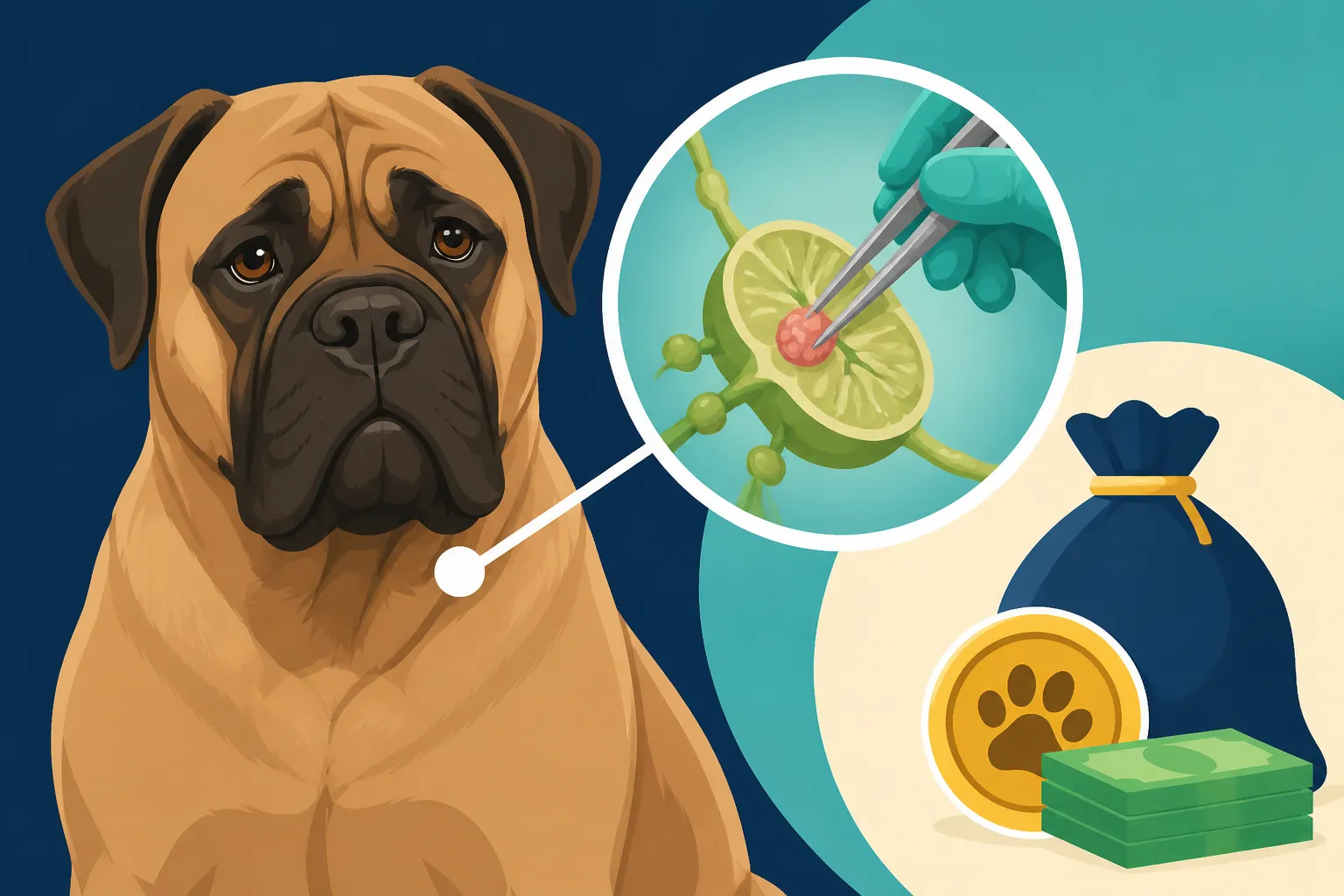
What a Lymph Node Biopsy Costs on a Bullmastiff
Finding an unexplained lump or swollen lymph node on your beloved Bullmastiff can send a jolt of fear through any dog owner. It’s a moment that immediately raises a myriad of questions about their health, and often, the path to answers involves diagnostic procedures like a lymph node biopsy. While your primary concern is, rightly, your Bullmastiff's well-being, the financial aspect of these critical vet visits can add another layer of stress. This guide is here to shed light on the various expenses associated with a lymph node biopsy for your Bullmastiff, helping you understand what to expect and how to prepare.
When a Lymph Node Biopsy Becomes Necessary for Your Bullmastiff
Discovering an abnormality in your Bullmastiff’s lymph nodes is a common reason for your veterinarian to recommend a biopsy. These small, bean-shaped glands are crucial parts of the immune system, and when they become enlarged or firm, it can signal an underlying problem, ranging from infection to something far more serious like Lymphoma Kills More Bullmastiffs Than Anything Else. The biopsy is often the definitive step to understand what exactly is going on.
The Initial Signs and Veterinary Consultation
Before a biopsy is even on the table, you've likely noticed something amiss. Perhaps you felt a swollen "gland" under their jaw during a cuddle, or maybe your vet discovered an enlarged node during a routine check-up. Bullmastiffs, with their deep chests and often relaxed demeanor, can sometimes mask early signs, making it even more vital for owners to be vigilant about regular physical checks. You might also notice subtle changes in energy or appetite, prompting a vet visit where these nodes are then felt.
During that initial consultation, your vet will perform a thorough physical exam, palpating all accessible lymph nodes. They might also run some baseline blood work or even suggest an initial What a Needle Aspirate Shows in a Bullmastiff (fine needle aspirate) to get a preliminary look at the cells. While a fine needle aspirate can offer clues, it doesn't always provide a conclusive diagnosis, especially when dealing with complex conditions like certain types of cancer. This is where the discussion of a biopsy often begins.
It’s completely normal to feel overwhelmed at this stage. You’re grappling with uncertainty, and the rapid progression from a routine check to potential cancer scares can be jarring. Remember, your vet is guiding you through a process designed to give you the most accurate information possible, even if it means moving to more invasive procedures. The goal is always to pinpoint the issue so the correct treatment, if needed, can begin without delay.
Differentiating Biopsy Types
When your vet talks about a biopsy, it’s not a one-size-fits-all procedure. There are a couple of main types, each with different implications for your Bullmastiff and your wallet. A tru-cut needle biopsy is less invasive than a surgical excisional biopsy, but may not yield as much diagnostic material. A wedge biopsy, where a piece of the node is removed, is also an option.
The most comprehensive, and often recommended, method for diagnosing conditions like lymphoma in a Bullmastiff is an excisional biopsy. This involves surgically removing the entire affected lymph node for histopathological examination. While more invasive, it provides the pathologist with the best possible sample to analyze, leading to a much more accurate diagnosis. This is critical for knowing Which Type of Lymphoma a Bullmastiff Gets and informing the appropriate treatment plan.
Your vet will discuss which type of biopsy is best for your Bullmastiff’s specific situation, taking into account the size and location of the lymph node, as well as your dog’s overall health. Understand that the choice of biopsy method directly impacts the complexity of the procedure and, consequently, the cost. More involved surgical procedures will naturally incur higher expenses due to the need for anesthesia, specialized equipment, and longer surgical and recovery times.
Deconstructing the Costs of a Bullmastiff Lymph Node Biopsy
Understanding the total cost of a lymph node biopsy means looking beyond a single price tag. It’s a combination of several distinct components, each contributing to the overall expense. These costs can vary dramatically depending on your geographic location, the specific veterinary clinic, and the health status of your Bullmastiff.
Pre-Biopsy Diagnostics and Consultations
Before your Bullmastiff even goes in for the biopsy, there are often a series of preliminary tests and consultations that contribute to the total bill. These steps are crucial for ensuring your Bullmastiff is a good candidate for anesthesia and for providing the veterinary team with a comprehensive picture of their health.
This usually includes a full physical examination, if one hasn't been done recently, along with blood work. Pre-anesthetic blood panels are standard practice to assess organ function, particularly the liver and kidneys, to ensure they can metabolize anesthetic drugs safely. You might also face charges for a coagulation profile to check for any bleeding disorders that could complicate surgery. In some cases, if the vet suspects the issue might be more widespread, they might recommend imaging like X-rays or an ultrasound to assess other lymph nodes or internal organs. This is especially true if What Staging a Bullmastiff's Lymphoma Involves is already being considered.
Each of these diagnostic steps comes with its own fee. While they might seem like additional expenses piling up, they are vital for ensuring the safety of your Bullmastiff during the procedure and providing the most accurate context for the biopsy results. Skipping these steps could put your dog at unnecessary risk.
The Biopsy Procedure Itself
The actual biopsy procedure is where a significant portion of the cost lies. This encompasses everything from the surgical expertise to the materials used and the facility fees. For an excisional lymph node biopsy, this will be a surgical event that requires careful planning and execution.
The biggest factor here is the anesthesia. Administering and monitoring anesthesia in a large breed like a Bullmastiff requires precise calculations and continuous oversight by trained veterinary staff. You'll be paying for the anesthetic drugs themselves, the time a dedicated technician spends monitoring your dog's heart rate, respiration, and blood pressure throughout the procedure, and potentially specialized monitoring equipment. The surgical suite's use, the sterile drapes, surgical tools, and sutures all contribute to the surgical fee. Furthermore, the skill and time of the veterinary surgeon who performs the delicate removal of the lymph node are a major component.
Different clinics might have different tiers of anesthesia monitoring, or some may include certain items (like IV fluids) as standard while others list them separately. Don’t hesitate to ask for a detailed breakdown of what the "procedure fee" includes when discussing the estimate with your veterinary team. Transparency is key when dealing with these significant medical expenses.
Post-Operative Care and Pathology Fees
Once the biopsy is complete, your Bullmastiff will enter the recovery phase, and the removed tissue will embark on its own journey to the pathology lab. Both of these stages incur additional, but necessary, costs.
Immediately after surgery, your Bullmastiff will need careful monitoring as they wake up from anesthesia. This post-op observation, pain medication administered at the clinic, and any immediate wound care are part of the recovery costs. You might be sent home with oral pain medications and possibly antibiotics, which will be an additional pharmacy charge. Furthermore, the crucial step is sending the biopsied tissue to a veterinary pathologist. Their specialized expertise is required to analyze the tissue under a microscope, identify cellular abnormalities, and provide a definitive diagnosis. This is the cornerstone of determining if your Bullmastiff has What Lymphoma Does to a Bullmastiff or another condition.
The pathology report is what provides the answers you are desperately seeking. The fee for this service covers the pathologist's time, their specialized equipment, and the detailed report they generate for your vet. This fee is non-negotiable if you want accurate diagnostic information, which is, after all, the entire point of the biopsy.
| Cost Component | Description | Typical Inclusion for Lymph Node Biopsy |
|---|---|---|
| Initial Consultation | Vet exam, discussion of symptoms, preliminary palpation | Always separate |
| Pre-Anesthetic Bloodwork | Blood tests to assess organ function and clotting ability | Usually separate, crucial for safety |
| Imaging (X-rays/Ultrasound) | To assess other nodes or organs, especially for staging | Often separate, may not always be needed pre-biopsy |
| Anesthesia Fees | Drugs, monitoring, IV fluids, dedicated technician | Integrated into surgical cost or broken out |
| Surgical Fee | Surgeon's time, use of sterile instruments, facility fee | Core component of the procedure |
| Post-Operative Medications | Pain relief, antibiotics for home use | Separate pharmacy charge |
| Pathology / Histopathology | Lab analysis of the biopsied tissue by a specialist | Always separate, critical for diagnosis |
| Follow-up Consultations | Discussing results, planning next steps | Separate, but essential for treatment plan |
Navigating the Financial Landscape: Payment Options and Support
The sticker shock of veterinary bills, especially for unexpected procedures like a lymph node biopsy, is a real and understandable concern for many Bullmastiff owners. It's important to know that you have options and resources available to help manage these costs.
Pet Insurance: A Lifeline for Unexpected Bills
If you have pet insurance, now is the time it truly shines. Policies from providers like Healthy Paws are designed precisely for these kinds of unexpected medical emergencies and diagnostic procedures. Having a policy in place before an issue arises can be a massive relief, as it can significantly offset the financial burden of a biopsy and subsequent treatments, if a serious condition is diagnosed.
Many pet insurance plans operate on a reimbursement model. You pay the vet upfront, submit your claim, and then the insurance company reimburses you a percentage of the covered costs, minus your deductible. It's crucial to understand your specific policy's deductible, reimbursement percentage, and annual limits. If your Bullmastiff has a diagnosis of lymphoma, for example, the costs can escalate quickly with chemotherapy, and insurance can make a huge difference in accessing the best care. Whether Insurance Covers a Bullmastiff's Chemotherapy is a common concern for owners facing such a diagnosis, making the upfront decision for insurance vital.
While pet insurance is a fantastic tool, it's important to remember that pre-existing conditions are typically not covered. This means if you purchase a policy after your Bullmastiff has already shown signs of enlarged lymph nodes or received a preliminary diagnosis, the biopsy and any related treatment might be excluded. This is why many experienced Bullmastiff owners advocate for insuring their dogs from a very young age, often as early as eight weeks old.
Veterinary Payment Plans and Financial Aid
Even without pet insurance, you're not entirely without options. Many veterinary clinics understand the financial strain that comes with unexpected medical procedures and are often willing to work with clients on payment arrangements. It never hurts to have an open conversation with your vet's office manager about potential payment plans or deferred billing options.
Beyond direct clinic arrangements, there are various third-party financing services, often resembling credit cards specifically for healthcare expenses. These services can allow you to pay for your Bullmastiff's biopsy over several months, sometimes with introductory interest-free periods, which can make a large bill much more manageable. Just be sure to read the terms and conditions carefully before committing.
For families facing severe financial hardship, there are also charitable organizations and funds dedicated to helping pet owners afford veterinary care. These resources often have specific eligibility requirements, but they can be a lifesaver in dire situations. Your veterinary clinic might be able to provide information on local or national organizations that offer financial assistance for pet owners in need.
Budgeting for Bullmastiff Ownership
The reality of owning a large breed like a Bullmastiff is that their care, including unexpected medical procedures, often comes with a higher price tag than smaller dogs. Everything from food (perhaps from a reputable brand like Ollie or Chewy, especially if they need a specialized diet for health reasons) to medication to anesthesia costs more simply because of their size and weight. A lymph node biopsy is just one example of the significant medical expenses that can arise.
Proactive budgeting and saving for potential veterinary emergencies are incredibly important. Setting aside a dedicated emergency fund, even if it's a small amount each month, can provide a cushion when these unexpected bills inevitably arrive. What a Bullmastiff Costs Per Month can fluctuate widely based on health needs, making a contingency fund a wise investment.
Consider the lifetime costs involved with owning a Bullmastiff, which include routine care, preventative measures, and the potential for serious health issues specific to the breed, such as cancer or orthopedic problems. Being prepared for these possibilities, both emotionally and financially, can make all the difference when your beloved companion needs you most.
Long-Term Considerations After a Bullmastiff Lymph Node Biopsy
A lymph node biopsy isn't just a standalone procedure; it's often a gateway to understanding your Bullmastiff's health and, potentially, embarking on a long-term care journey. The financial implications don't necessarily end when the biopsy results come in, especially if a serious diagnosis is made.
Interpreting the Results and Future Steps
Once the pathologist has examined the tissue and sent the report back to your vet, you'll have a follow-up consultation to discuss the findings. This is a critical moment. If the biopsy reveals an infection, your Bullmastiff might simply need a course of antibiotics, and the swelling will subside. The costs in this scenario are relatively contained.
However, if the biopsy confirms a diagnosis of cancer, such as lymphoma, the conversation shifts dramatically. You'll then be discussing treatment options, which could include chemotherapy, radiation, or other palliative care measures. Each of these paths comes with its own substantial financial commitment. How a Bullmastiff's Lymphoma Is Treated is a complex discussion, and the choice of treatment protocol will significantly impact ongoing costs. Your vet might also recommend further staging tests, such as additional imaging or bone marrow biopsies, to determine the extent of the cancer, which are additional expenses.
It's natural to feel overwhelmed by the prospect of a cancer diagnosis and the financial weight it carries. Allow yourself to absorb the information, ask all your questions, and work closely with your veterinary team to create a treatment plan that aligns with your Bullmastiff's needs and your financial reality.
Ongoing Care and Quality of Life
Regardless of the biopsy outcome, there will likely be ongoing care. If cancer is diagnosed, your Bullmastiff will require regular veterinary visits, medication, and potentially specialized diets. Even if the biopsy is benign, your vet might recommend routine check-ups to monitor the area or other lymph nodes, especially in a breed known for its cancer predispositions.
This ongoing care will involve costs for medications, follow-up examinations, and potentially specialized food. For example, some Bullmastiffs with certain health conditions might benefit from specific prescription diets, which can be found through online retailers like Chewy or Ollie. These are often higher in price than standard commercial foods but are vital for supporting their health. Understanding Caring for a Bullmastiff Past Six often involves recognizing that their health needs, and thus associated costs, tend to increase with age.
The goal through all of this is to ensure your Bullmastiff maintains the best possible quality of life. This means balancing aggressive treatment with comfort and ensuring that your financial decisions support their well-being. It’s a journey that requires commitment, and having a realistic understanding of potential long-term costs is crucial for providing the loving care your Bullmastiff deserves.
Emotional and Practical Support
Beyond the financial aspect, a lymph node biopsy and its potential outcomes can be an emotional rollercoaster. Don't hesitate to seek emotional support from friends, family, or even pet loss and grief counseling services if needed. Pet ownership, especially of a beloved Bullmastiff, is deeply personal, and navigating serious health issues is challenging.
Practically, consider organizing your Bullmastiff's medical records meticulously. Keep track of all diagnostics, treatment plans, and expenses. This can be invaluable for understanding their health progression and for managing any insurance claims. Building a strong, trusting relationship with your veterinary team is paramount, as they are your primary partners in your Bullmastiff's health journey. Being informed and prepared, both financially and emotionally, allows you to focus on what truly matters: providing the best possible care for your cherished companion.
Disclaimer
This article is for general informational purposes only and does not constitute professional advice. Laws, prices and regulations vary by location and change over time. Consult a qualified professional for guidance on your specific situation.