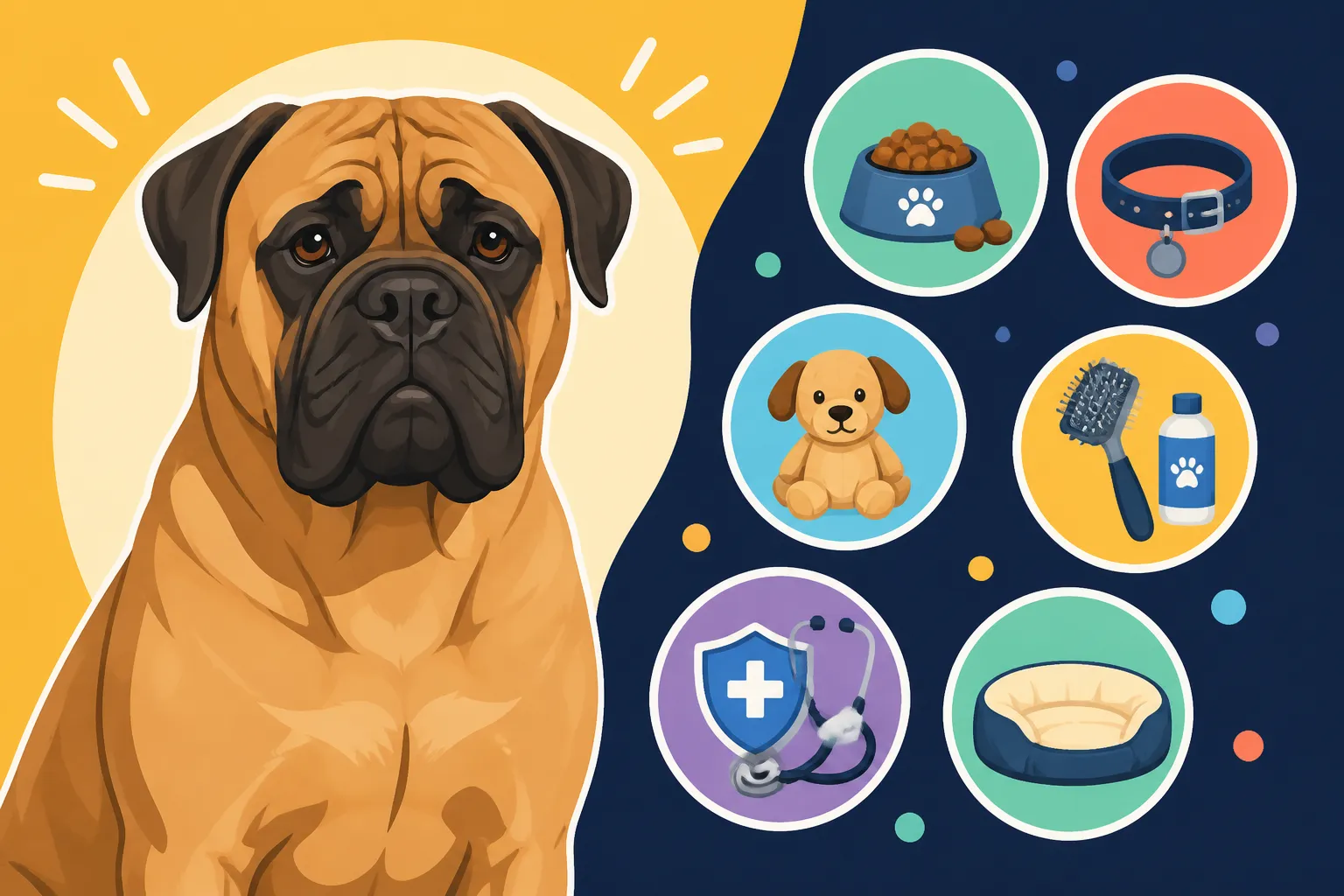
What the First Year With a Bullmastiff Totals
Bringing a Bullmastiff into your life is an absolute joy, but let's be realistic: the initial purchase price is often just the tip of the iceberg when it comes to the financial commitment. Many new owners are completely blindsided by how quickly costs accumulate, especially in that crucial first year. This comprehensive guide will meticulously break down what to expect financially when you welcome a Bullmastiff into your home during those foundational twelve months, helping you budget wisely and avoid unwelcome surprises.
The Initial Outlay: Bringing Your Bullmastiff Home
The moment you decide to bring a Bullmastiff into your family is exciting, but it also marks the beginning of significant financial considerations. Whether you choose to go through a reputable breeder or adopt from a rescue, there are immediate costs that need to be factored into your budget before your new companion even steps paw through your door. It’s vital to understand these upfront expenses to ensure you're truly prepared for the commitment.
Puppy Purchase or Adoption Fees
For many, the first major cost is the puppy itself. Reputable Bullmastiff breeders invest heavily in health screening their breeding stock, providing proper nutrition and care for the mother and puppies, and ensuring early socialization. These factors contribute to a higher, but ultimately more secure, purchase price. Expect to pay a considerable sum for a well-bred Bullmastiff puppy from a breeder who can provide health clearances for generations and proof of proper care. It's often the case that a "cheap" Bullmastiff puppy is a massive warning sign, indicating potential backyard breeding, lack of health testing, and future problems that will far outweigh any initial savings. You can learn more about What a Bullmastiff Puppy Costs From a Breeder if you're exploring this route.
Alternatively, adopting a Bullmastiff from a dedicated breed rescue or local shelter can sometimes be a more budget-friendly option, though costs still vary. Rescue organizations typically include initial vet care, spaying or neutering, vaccinations, and microchipping in their adoption fees. While the fee might seem substantial, it often covers far more than just the "cost" of the dog itself, representing a significant saving on vet work you would otherwise pay for out-of-pocket. Regardless of the path you choose, these initial fees are a necessary investment in your dog's future health and well-being.
Initial Supplies: Setting Up Your Home
Once you’ve decided where your Bullmastiff will come from, you need to prepare your home. This means acquiring a host of supplies, many of which need to be appropriately sized for a large, powerful breed. A proper crate is essential for house-training, safety, and providing a den-like space. Remember, your Bullmastiff will grow rapidly, so you might need a very large crate from the start or a smaller one that can be expanded. Consider What a Crate for a Bullmastiff Costs and budget accordingly. Similarly, a bed isn't just a luxury; an orthopedic bed is crucial for supporting a Bullmastiff's heavy joints, even as a puppy, and especially as they mature. You'll want to investigate What a Bed for a Bullmastiff Costs early on.
Beyond the big-ticket items, you'll need sturdy bowls for food and water, a strong leash and collar or harness, and a variety of appropriate chew toys to redirect puppy biting. Don't underestimate the number of toys a Bullmastiff puppy can go through in the first year! Think about gates to restrict access to certain areas of your home, puppy pads, and cleaning supplies for accidents. Brands like Chewy offer a wide selection of durable, large-breed-appropriate items, which can make it easier to find everything you need in one place. These initial supplies, while often overlooked in the excitement, form the foundation of your puppy's new life with you.
First Vet Visits & Vaccinations
The first few months of a Bullmastiff puppy's life involve a series of crucial veterinary visits. Even if your puppy comes with initial vaccinations from the breeder or rescue, booster shots will likely be needed. These vaccinations protect against common and dangerous diseases such as distemper, parvovirus, adenovirus, and rabies. Your vet will also perform a thorough physical examination, check for parasites, and likely recommend deworming treatments. This is also the time when microchipping is typically done, providing permanent identification should your dog ever get lost.
Beyond standard puppy care, early vet visits for a Bullmastiff are particularly important for screening for breed-specific health concerns. For example, a cardiac exam is essential to check for conditions like Subaortic Stenosis, a congenital heart defect common in the breed. Why a Bullmastiff Puppy Needs a Cardiac Exam is something every new owner should prioritize. These early, proactive vet visits are fundamental to establishing a baseline of health and addressing any potential issues quickly, setting your Bullmastiff up for the healthiest start possible.
Feeding Your Growing Giant: Nutrition in the First Year
Feeding a Bullmastiff, especially during its rapid growth phase in the first year, is a significant ongoing expense. These aren't small dogs, and their dietary needs are specific to support healthy development without over-stressing their growing bodies. Understanding these nutritional requirements and budgeting for them from the outset is crucial for their long-term health.
Large Breed Puppy Food Costs
Bullmastiffs grow at an incredible rate, often reaching their full height and significant weight within their first year, but they need to do so slowly and steadily to protect their developing joints. This is why specialized large breed puppy food is not just a recommendation but a necessity. These formulas are carefully balanced with lower calcium and phosphorus levels compared to regular puppy food, which helps prevent too-rapid bone growth and reduces the risk of orthopedic issues like hip and elbow dysplasia. Expect to go through large bags of food quickly.
The monthly food bill for a Bullmastiff puppy will be substantially higher than for a smaller breed. As your puppy grows, the quantity of food they consume will increase dramatically. You'll want to monitor their weight and growth carefully. For example, knowing What a Bullmastiff Puppy Should Weigh by Month can help you track their progress and adjust their food intake as needed with your vet's guidance. While premium large breed puppy foods can seem expensive per bag, they offer the critical nutritional support needed for proper development. Subscribing to services through retailers like Chewy can sometimes offer discounts or convenient auto-shipping for these hefty bags of food. For those interested in alternative options, high-quality, fresh-food services like Ollie also cater to large breeds, providing carefully portioned, veterinarian-formulated meals that could be a valuable investment in your Bullmastiff's health.
Treats and Supplements for Development
Beyond their regular meals, Bullmastiff puppies require a steady supply of treats, not just for indulgence but primarily for training and positive reinforcement. High-value treats are invaluable for teaching basic obedience, house-training, and crucial socialization skills. However, remember to factor these into their daily caloric intake to prevent overfeeding, which can lead to unhealthy growth rates. Choose treats that are healthy, low in calories, and easy to break into small pieces for repeated rewards.
Additionally, while specific joint supplements are often considered for older Bullmastiffs, some owners and vets may discuss introducing certain supplements, like omega fatty acids, during the first year to support overall joint health and coat condition. While not always a mandatory expense for young puppies, it's something to be aware of and discuss with your veterinarian. Always consult your vet before adding any supplements to your Bullmastiff's diet, as improper supplementation can be detrimental to a growing large breed. Durable chew toys are also a must, not just for entertainment but to satisfy their strong urge to chew, protecting your furniture in the process.
Healthcare Beyond Vaccinations: Proactive & Unexpected Costs
The first year of a Bullmastiff’s life is medically intensive, extending far beyond routine vaccinations. Proactive health measures, preventative medications, and the potential for unexpected health issues mean that veterinary expenses will be a significant part of your budget. Planning for these costs is essential for responsible Bullmastiff ownership.
Spaying/Neutering & Preventative Meds
One of the largest planned veterinary expenses in the first year will likely be spaying or neutering your Bullmastiff. While traditional advice often suggests early sterilization, for large breeds like Bullmastiffs, there's growing discussion around the optimal timing. Many vets now recommend waiting until the dog is more mature, sometimes past their first birthday, to allow hormones to contribute to proper skeletal development. This means the actual cost might fall outside the exact 12-month mark, but it's a cost to anticipate within the early ownership period. Discuss the pros and cons and timing with your veterinarian.
Alongside this, ongoing preventative medications are non-negotiable. This includes monthly heartworm medication, which is crucial for preventing a deadly parasitic disease, and regular flea and tick prevention, especially if your Bullmastiff spends time outdoors. These medications are priced by weight, so expect the cost for your growing Bullmastiff to increase as they pack on the pounds. These are recurring, but vital, investments in your dog's health that prevent much more expensive and severe problems down the line.
Early Diagnostics and Health Screens
Bullmastiffs, like many large purebreds, are predisposed to certain health conditions. Being proactive with diagnostic testing can help catch issues early, allowing for better management and outcomes. Beyond the initial cardiac exam for Subaortic Stenosis, your vet might recommend other screenings as your puppy approaches its first birthday. For instance, hip and elbow dysplasia are common in large breeds, and while official screenings are typically done at two years of age, early signs or concerns might warrant x-rays sooner. Understanding When a Bullmastiff Should Be X Rayed can help you prepare for these possibilities.
These early diagnostics are not cheap, often involving specialized equipment or sedatives for accurate imaging. While it might seem like a lot to invest in a seemingly healthy puppy, identifying and addressing potential issues early can significantly improve your Bullmastiff’s quality of life and potentially save you from much higher costs down the road. These tests are an investment in peace of mind and your dog's future.
Considering Pet Insurance
Given the breed’s predisposition to certain health issues, investing in pet insurance from a young age is one of the smartest financial decisions a Bullmastiff owner can make. Insuring your Bullmastiff as early as eight weeks of age means that many conditions, even those with a genetic component, will not be considered "pre-existing" later on, ensuring coverage if they manifest. This is why it’s so important to think about Why a Bullmastiff Should Be Insured From Eight Weeks.
There are many pet insurance providers out there, and companies like Healthy Paws offer various plans that can help mitigate the financial impact of unexpected illnesses, accidents, or even chronic conditions that may emerge later in your Bullmastiff's life. While there's a monthly premium, the peace of mind knowing you can make medical decisions based on what’s best for your dog, rather than your wallet, is invaluable. A Bullmastiff's short life often concentrates its medical costs, making insurance a particularly wise choice for this breed.
Training, Socialization, and Behavioral Investment
A Bullmastiff's imposing size and protective instincts mean that early and consistent training and socialization are absolutely non-negotiable. This isn't just about good manners; it's about safety for your dog, your family, and the public. Investing in proper training and socialization during the first year is a financial and time commitment that pays dividends throughout their life.
Puppy Classes and Basic Obedience
Starting puppy classes as soon as your Bullmastiff is fully vaccinated is incredibly important. These classes provide a structured environment for learning basic cues like sit, stay, come, and leash manners. More importantly, they offer crucial socialization opportunities with other puppies and people, which is vital for developing a well-adjusted and confident adult Bullmastiff. Considering What Training Classes Cost for a Bullmastiff can help you budget for these essential early experiences. Because Bullmastiffs can be quite independent and thoughtful in their responses, consistency is key, and professional guidance can be a lifesaver.
Beyond puppy classes, many owners find it beneficial to continue with more advanced obedience or even one-on-one sessions as their Bullmastiff enters adolescence. A Bullmastiff puppy grows very quickly, and what's cute at 30 pounds can be problematic at 100 pounds. Early training ensures that you have control and a solid foundation before their strength and size become overwhelming.
Socialization Outings and Experiences
Socialization goes far beyond puppy class. Your Bullmastiff needs to be exposed to a wide variety of sights, sounds, smells, people, and other well-behaved dogs in a positive and controlled manner during their critical developmental window. This can involve trips to dog-friendly parks, stores, different neighborhoods, and even just sitting outside a busy cafe (while maintaining a safe distance and observing). These outings, while seemingly free, can accrue costs such as gas, special treats for positive associations, or even entry fees to dog-friendly events.
The goal is to help your Bullmastiff learn that the world is a safe and interesting place, reducing the likelihood of fear-based aggression or anxiety later on. A poorly socialized Bullmastiff can be a handful, potentially leading to behavioral issues that require expensive professional intervention down the line. So, consider these outings an investment in your dog's mental health and your family's peace of mind.
Addressing Nuisance Behaviors
Let's be honest, puppies are puppies, and Bullmastiffs are no exception, even with their imposing size. House-training accidents, destructive chewing, or exuberant jumping are common puppy behaviors. While consistent training can mitigate many of these, you might find yourself needing additional supplies or professional help to address persistent issues. This could mean more advanced enzymatic cleaners for carpet accidents, bitter sprays for furniture chewing, or even consulting a professional dog trainer or behaviorist for specific challenges.
Early intervention for nuisance behaviors is key, especially with a breed as large and strong as a Bullmastiff. Allowing bad habits to solidify can make them much harder and more expensive to correct later. A Bullmastiff's natural guardian instincts, if not properly channeled, can lead to guarding resources or territory that requires skilled guidance to manage. Investing in solving these problems early can prevent them from escalating into serious behavioral concerns.
Miscellaneous & Hidden Costs
Even with careful planning, there are always those unexpected or easily overlooked expenses that crop up during a Bullmastiff’s first year. These "miscellaneous" costs can add up surprisingly quickly, and being aware of them helps you build a more realistic budget.
Grooming Essentials
While Bullmastiffs have a relatively low-maintenance coat, they still require regular grooming. This means investing in a good quality brush, especially for shedding season, and specialized shampoo suitable for their sensitive skin and wrinkles. Their powerful nails grow quickly and need frequent trimming, often weekly or bi-weekly. A large, sturdy pair of nail clippers or a Dremel tool will be necessary, and you might consider professional grooming appointments if you're uncomfortable doing it yourself. You can get an idea of How Often a Bullmastiff's Nails Need Trimming to prepare.
Don't forget their magnificent jowls and wrinkles! These require regular cleaning to prevent skin fold infections and keep them fresh. You'll need soft cloths and a gentle cleaning solution. Neglecting these areas can lead to expensive vet visits for skin infections, so a small investment in daily care products is worthwhile. These seemingly minor items contribute to your Bullmastiff's overall health and comfort.
Damage Control & Replacements
Let's be frank: puppies, especially large, strong ones like Bullmastiffs, can be destructive. In their first year, during teething and exploratory phases, you might face chewed furniture, destroyed toys, or even damaged flooring. Despite your best efforts with training and appropriate chew toys, accidents happen. This means budgeting for replacement toys, potentially minor repairs to household items, or even new dog beds if they don't hold up.
This is where having extra durable items from the start can pay off. While a cheap dog bed might seem like a good idea, a Bullmastiff will likely tear through it in a week. Investing in a high-quality, durable dog bed, perhaps even an elevated cot style, can save you money in replacements. Being prepared for some level of puppy-induced chaos is part of the Bullmastiff ownership experience in that first year.
Emergency Fund & Unexpected Vet Visits
No matter how well you plan or how healthy your puppy appears, emergencies can strike. A sudden illness, an accidental ingestion, or an injury can lead to an unexpected trip to the emergency vet, and these bills can be shockingly high. Having an emergency fund specifically for your Bullmastiff is absolutely critical. This fund acts as a financial safety net for those situations where insurance might not cover everything (due to deductibles or specific exclusions) or if you haven't yet secured a policy.
Think about What a Bullmastiff's Emergency Fund Should Hold and aim to build it up as quickly as possible. Even seemingly minor issues can escalate; a limp might be a sprain or something more serious that requires diagnostics. Being financially prepared for the unforeseen helps you act quickly and decisively when your Bullmastiff needs urgent care, preventing small problems from becoming large, expensive ones.
Budgeting for the Long Haul: What Comes Next
Understanding the costs of the first year with a Bullmastiff is crucial, but it's also important to view these expenses in the broader context of their entire lifespan. While some first-year costs are one-time, many establish patterns for the years to come, and new expenses will emerge as your Bullmastiff matures.
Annual Costs vs. First-Year Spikes
Many of the costs you incur in the first year – like the initial purchase fee, crate, and a full set of puppy vaccinations – are one-time expenses or represent a higher initial outlay. However, other costs, such as food, preventative medications, annual vet check-ups, and grooming supplies, will continue annually for the duration of your Bullmastiff's life. In fact, as they age, new expenses might arise, particularly related to joint care, senior-specific diets, and managing age-related health conditions.
The first year often feels like a steep financial curve due to all the initial setups, but it provides a good baseline for the ongoing commitment. While the types of expenses may shift, the need for a robust budget for a large breed like a Bullmastiff remains constant. Keeping your Bullmastiff lean and healthy, as discussed in Keeping a Bullmastiff Lean Is the Best Thing You Can Do, is one of the best ways to mitigate some future health costs.
Financial Planning Tools
Being a responsible Bullmastiff owner means thinking long-term about their financial needs. Consider setting up a dedicated savings account for your dog, much like an emergency fund, that you contribute to regularly. This can cover annual wellness exams, dental cleanings, or future unexpected costs. As mentioned, pet insurance from companies like Healthy Paws can significantly alleviate the burden of large veterinary bills, especially important for a breed known for certain health challenges. Reviewing your policy annually and ensuring it aligns with your Bullmastiff's needs as they age is a smart move.
Some owners also opt for veterinary wellness plans offered by their local clinics, which package routine care like vaccinations, deworming, and annual check-ups into manageable monthly payments. These plans can help smooth out the financial spikes of annual preventative care. Whichever tools you choose, proactive financial planning is a cornerstone of providing the best life for your Bullmastiff.
The True Cost of Commitment
Ultimately, the first year with a Bullmastiff is a whirlwind of growth, learning, and significant financial investment. The total cost can vary widely depending on your choices, location, and any unforeseen health issues, but it's wise to budget for several thousand dollars for that crucial first year. While the numbers might seem daunting, the emotional returns are immeasurable. Bullmastiffs are loyal, loving, and profoundly devoted companions.
Owners often find that the joy and companionship their Bullmastiff brings far outweigh the financial outlay. However, going into ownership with open eyes and a realistic understanding of the financial commitment ensures that you can provide the best possible care for your gentle giant. Remember, you're not just getting a dog; you're welcoming a family member, and the investment in their health and well-being is an investment in your shared life together. Thinking about What a Bullmastiff Costs Over Its Lifetime can help put this initial year into perspective.
| Category | Low-End Estimate (First Year) | High-End Estimate (First Year) | Notes |
|---|---|---|---|
| Initial Acquisition | $500 (Rescue) | $4,000 (Breeder) | Varies greatly by source; breeder fees include health screenings, rescue fees often include initial vet work. |
| Initial Supplies | $300 | $1,000 | Crate, bed, bowls, leash, collar, toys, gates. Larger, more durable items cost more. |
| Vet Care (Puppy Plan) | $300 | $800 | Vaccinations, deworming, microchip, initial exams. Does not include spay/neuter or emergencies. |
| Food & Treats | $800 | $1,500 | Large breed puppy food is essential and consumed in large quantities. Quality and brand choices impact cost. Consider options from Chewy or Ollie. |
| Spay/Neuter | $300 | $700 | Cost for a large breed, potentially done closer to 12 months or later. Discuss timing with vet. |
| Preventative Meds | $200 | $400 | Heartworm, flea/tick prevention. Prices based on weight. |
| Pet Insurance Premiums | $600 | $1,200 | Monthly premiums for a comprehensive policy (e.g., Healthy Paws). Varies by deductible, reimbursement, and plan. |
| Training & Socialization | $200 | $800 | Puppy classes, basic obedience, potentially private sessions for specific issues. |
| Miscellaneous/Emergencies | $300 | $1,000+ | Grooming supplies, unexpected vet visits, replacement toys, cleaning supplies, minor damage. This is a highly variable category. |
| Total Estimated First Year | $3,500 | $11,400+ | This range reflects varying choices, breeder prices, and potential for unforeseen expenses. Plan for the higher end to be safe. |
Disclaimer
This article is for general informational purposes only and does not constitute professional advice. Laws, prices and regulations vary by location and change over time. Consult a qualified professional for guidance on your specific situation.