How Many Chemotherapy Visits a Bullmastiff Needs
Hearing that your beloved Bullmastiff has been diagnosed with lymphoma is absolutely heartbreaking. It's a heavy burden, and one of the first questions that often floods your mind, right after the shock, is about the treatment journey itself – how long will it take, how often will we be at the vet, how many chemotherapy visits does a Bullmastiff actually need? This guide aims to demystify the typical chemotherapy process for Bullmastiffs, helping you understand the commitment involved and what to expect.
Understanding the Bullmastiff's Lymphoma Journey
Lymphoma is a cancer that affects the lymphatic system, which is a crucial part of your dog's immune system. For Bullmastiffs, unfortunately, it's a diagnosis many owners face, often much too soon. It's truly a devastating reality that our gentle giants are predisposed to this disease, and it's a leading cause of their tragically short lifespans.
Why Lymphoma Is So Prevalent in Bullmastiffs
It's a tough pill to swallow, but Bullmastiffs, like many large breeds, have a higher genetic predisposition to certain cancers, and lymphoma is high on that list. This isn't something you did or didn't do; it's simply a cruel roll of the genetic dice that makes them more susceptible. We've seen so many Bullmastiff families grapple with this, and it's important to remember that you're not alone in this fight. This breed's specific genetic makeup means their immune systems can sometimes go awry, leading to the uncontrolled growth of lymphocytes, the white blood cells involved in lymphoma. You might be interested in Why a Bullmastiff's Lymphoma Risk Is Five Times a Mixed Breed's for more on this.
The Initial Diagnosis and Staging
Before we even talk about visits, there's the critical step of diagnosis and staging. Typically, the first sign is often a swollen lymph node, perhaps under the jaw or behind the knee. Your vet will likely perform a fine needle aspirate or a biopsy to confirm lymphoma. Once confirmed, the next crucial step is staging. This involves tests like blood work, urinalysis, chest X-rays, and abdominal ultrasounds to determine how far the cancer has spread throughout the body. The stage of lymphoma — from Stage I (single node) to Stage V (widespread, often involving bone marrow) — significantly influences the recommended treatment protocol, including the type and intensity of chemotherapy, and thus, the number of visits. Knowing What Staging a Bullmastiff's Lymphoma Involves is key to understanding the full picture.
The Standard Chemotherapy Protocol for Bullmastiffs
For most Bullmastiffs diagnosed with lymphoma, especially the more common multicentric form, the go-to treatment is a multi-agent chemotherapy protocol. This isn't a one-and-done kind of deal; it's a carefully planned course of treatment designed to hit the cancer from multiple angles.
The Typical CHOP Protocol Structure
The most common and effective chemotherapy protocol for canine lymphoma is often referred to as the "CHOP protocol." This isn't a single drug but a combination of several powerful agents: Cyclophosphamide, Hydroxydaunorubicin (Doxorubicin), Vincristine (Oncovin), and Prednisone. Each of these drugs works in a different way to target and destroy cancer cells. Prednisone, a steroid, is often started even before the full protocol begins, as it can temporarily shrink tumors and make your dog feel better.
A typical CHOP protocol is structured into cycles, often lasting around 19 to 25 weeks, though this can vary. Within these cycles, drugs are administered on specific schedules. For example, Vincristine might be given one week, followed by Cyclophosphamide the next, and Doxorubicin every three weeks. This rotation helps to maximize the therapeutic effect while trying to minimize side effects by giving the body time to recover. It's an intense commitment, both emotionally and logistically.
Weekly and Bi-Weekly Schedules
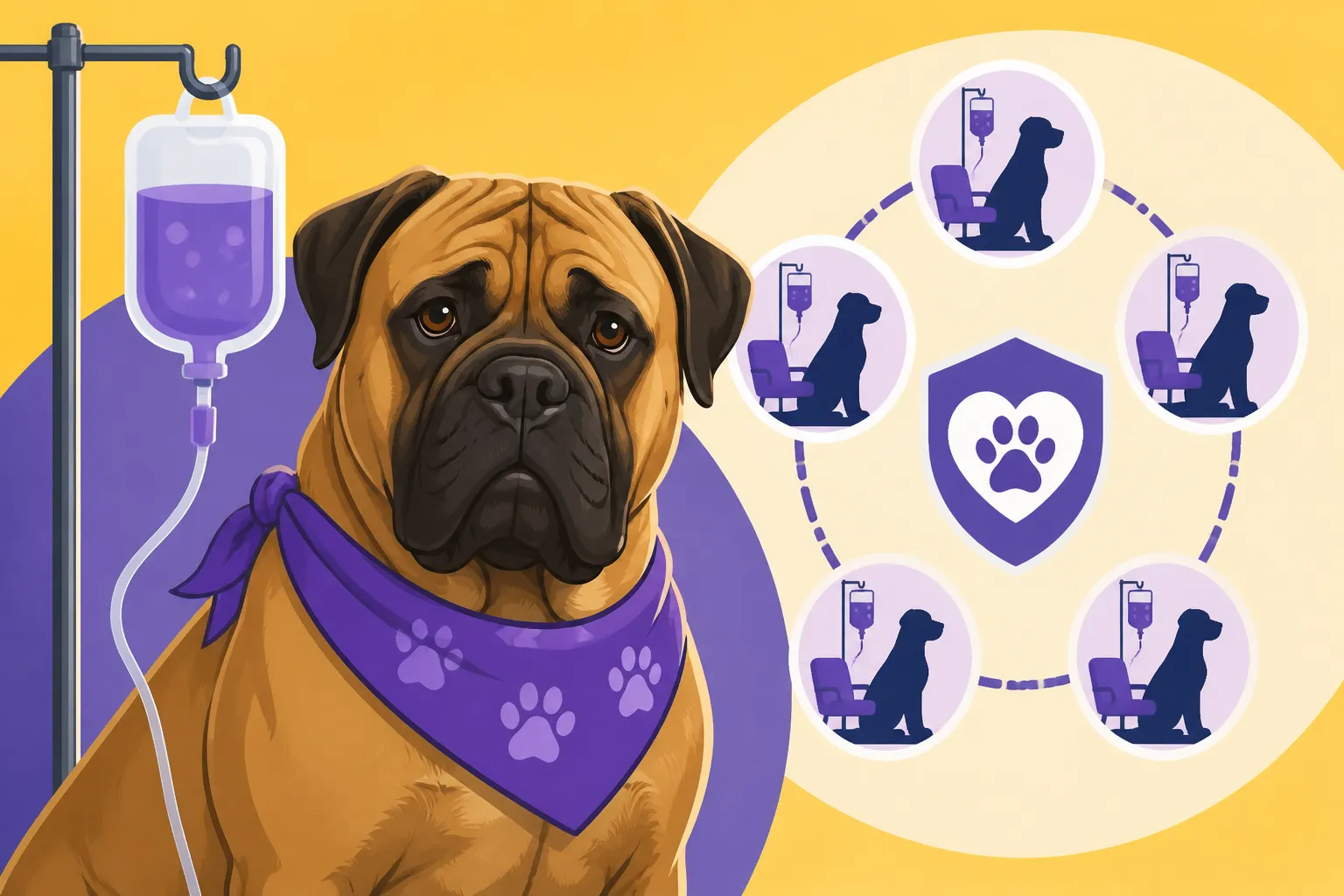
When undergoing a CHOP protocol, you can expect your Bullmastiff to have chemotherapy visits anywhere from weekly to bi-weekly, depending on the specific drug being administered that day and the particular schedule your veterinary oncologist designs.
- Weekly Visits: Many weeks during the protocol will involve a trip to the vet for a specific chemotherapy drug like Vincristine or Cyclophosphamide, often coupled with blood tests to ensure your Bullmastiff's white blood cell count is healthy enough to receive treatment. You’ll also be checking in with the vet about how your dog is tolerating the medication.
- Bi-Weekly or Tri-Weekly Visits: Doxorubicin, a stronger drug, is typically given less frequently, perhaps every two or three weeks, to allow for longer recovery periods. Other weeks might involve a check-up without a direct chemotherapy administration, or just a prednisone refill.
So, while the entire protocol might span several months, the actual "chemotherapy visit" where drugs are administered intravenously or orally could be anywhere from 15 to 25 visits, plus additional check-ups. This is why understanding How Many Weeks a Bullmastiff's Chemotherapy Runs is so important for planning.
Factors Influencing the Number of Visits
It would be wonderful if every Bullmastiff followed the exact same path, but cancer treatment is rarely that straightforward. Several factors can alter the number of chemotherapy visits your Bullmastiff will ultimately need.
Response to Treatment
The primary goal of chemotherapy is to achieve remission, which means the cancer is no longer detectable. How quickly and completely your Bullmastiff responds plays a huge role in the treatment timeline.
- Rapid Remission: Some Bullmastiffs respond incredibly well, with lymph nodes shrinking quickly after just a few treatments. If full remission is achieved early, the oncologist might adjust the remaining protocol slightly, though often a full course is still recommended to reduce the chance of recurrence.
- Partial or No Response: If the cancer only partially responds, or doesn't respond at all, your oncologist may suggest switching to a different protocol or combination of drugs. This would involve a new set of visits, potentially with different frequencies, as they try to find what works best for your individual dog. This is a difficult pivot, but it's often necessary in the fight against this aggressive disease.
- Length of Remission: Once remission is achieved, the regular chemotherapy visits typically stop. However, your Bullmastiff will still need follow-up appointments, often monthly at first, then less frequently, to monitor for any signs of relapse. This monitoring phase adds to the total number of vet visits over their lifespan.
Side Effects and Health Complications
Chemotherapy drugs are powerful, and while oncologists work hard to minimize side effects, they can and do happen. A Bullmastiff's large size can sometimes make them more sensitive or react differently than smaller breeds, requiring careful monitoring.
- Gastrointestinal Upset: Nausea, vomiting, and diarrhea are common side effects. If severe, a visit might be postponed to allow your Bullmastiff to recover, adding an extra week or more to the overall schedule.
- Low Blood Counts: Chemotherapy affects rapidly dividing cells, including those in the bone marrow that produce white blood cells. If your Bullmastiff's neutrophil count drops too low, treatment must be delayed to prevent serious infection. This is checked with blood tests before almost every visit. A delay means more visits spread out over a longer period.
- Other Complications: Occasionally, more serious side effects can occur, such as a severe allergic reaction to a drug or specific organ damage. These situations would necessitate immediate vet attention and could significantly alter or halt the chemotherapy protocol, leading to different forms of care. Dealing with these complications is why it's so important to have a good relationship with your vet and to keep a close eye on your dog between appointments.
Owner's Decisions and Financial Considerations
Let's be real, the financial and emotional toll of chemotherapy is immense. This is a journey that asks a lot of families, and sometimes, hard decisions have to be made.
- Financial Limitations: Chemotherapy, especially a full CHOP protocol, is expensive. The cost of multiple visits, drugs, and diagnostic tests can quickly add up. For some families, this unfortunately means they might opt for a less intensive protocol, or even palliative care with just oral prednisone. These choices directly affect the number and type of visits. This is where pet insurance can be a lifeline. Many owners find peace of mind with providers like Healthy Paws or similar plans that can help offset these significant costs, especially if you enroll your pup when they're young and healthy. You can read more about What Chemotherapy Costs for a Bullmastiff to help you budget.
- Quality of Life: Your Bullmastiff's quality of life is paramount. If the side effects become too severe or persistent, despite supportive care, some owners choose to reduce the frequency or intensity of treatments, or even stop altogether, focusing on comfort care. This would naturally reduce the number of chemotherapy visits. It's a deeply personal choice, and your veterinary oncologist will be there to guide you through it.
- Logistical Challenges: The weekly or bi-weekly trips to the vet, which might be far away if you're seeing a specialist, can be a major commitment. Juggling work, family, and vet appointments adds stress. It's a lot to manage, and some families might find a longer, but less frequent, protocol more manageable, which again, changes the total visit count.
Beyond the Initial Protocol: Maintenance and Relapse
The initial chemotherapy protocol is usually aimed at achieving remission. But the journey often doesn't end there, especially with a cancer like lymphoma.
What Happens During Remission
Once your Bullmastiff achieves remission, it's a huge relief, but it's not the end of monitoring. The chemotherapy visits for direct drug administration will typically cease, but a new phase of maintenance begins.
- Regular Check-ups: Your Bullmastiff will still need regular follow-up appointments with the oncologist or your primary vet. These might start monthly, then extend to every few months. These visits are crucial for performing physical exams, checking lymph node size, and possibly running blood tests to catch any early signs of the cancer returning.
- Oral Medications: Sometimes, depending on the specific lymphoma and protocol, your Bullmastiff might remain on a low dose of oral chemotherapy or prednisone at home during remission. While this doesn't usually require a weekly vet visit, you'll still have scheduled appointments for refills and monitoring.
- Watching for Signs: As an owner, you become an integral part of the surveillance team. Regularly feeling your Bullmastiff's lymph nodes, watching their appetite, energy levels, and overall demeanor between check-ups is vital. Early detection of a relapse can make a difference in subsequent treatment success. You might want to learn about What a Bullmastiff's Lymphoma Relapse Looks Like.
Managing Relapse and Subsequent Protocols
Unfortunately, lymphoma often relapses, meaning the cancer returns after a period of remission. This is another incredibly difficult moment, but it doesn't mean the fight is over.
- Second-Line Protocols: If lymphoma relapses, your oncologist will typically recommend a "second-line" chemotherapy protocol. These protocols use different drugs, or different combinations of the original drugs, that your dog hasn't been exposed to recently. These treatments aim to achieve a second remission, though these remissions are often shorter than the first. The number of visits for a second-line protocol will be similar in intensity to the first, often weekly or bi-weekly for several weeks or months.
- Third-Line and Beyond: For some determined owners and resilient Bullmastiffs, there might even be third or fourth-line protocols, or combinations of drugs like Lomustine (CCNU) or Tanovea-CA1. Each of these interventions means a new series of chemotherapy visits, with their own schedules and demands.
- Palliative Care: If the cancer becomes resistant to multiple rounds of chemotherapy, or if the side effects are significantly impacting your Bullmastiff's quality of life, the focus may shift to palliative care. This could involve medications to manage pain and discomfort, often administered at home, with less frequent vet visits primarily focused on comfort. When Treatment Stops Being Right for a Bullmastiff is a difficult, but important, consideration for owners.
Practicalities of Chemotherapy Visits
Knowing the number of visits is one thing, but actually managing them requires preparation and understanding of what each appointment entails.
Preparing for Each Appointment
Chemotherapy days can be long and stressful for both you and your Bullmastiff, so being prepared can make a world of difference.
- Pre-Visit Blood Work: Often, you'll need to arrive a bit early for blood to be drawn. This is critical for checking your Bullmastiff's white blood cell count (specifically neutrophils) and platelet count, as chemotherapy can temporarily suppress these. If the counts are too low, the treatment might need to be postponed for a week to allow the bone marrow to recover. This is a non-negotiable step to ensure your dog's safety.
- Questions for the Vet: Always come prepared with a list of questions or concerns you've noticed since the last visit. Has their appetite changed? Any new lumps? Are they still tolerating the home medications? No question is too small when it comes to your Bullmastiff's health.
- Comfort Items: Bring their favorite blanket, a comfort chew (if allowed), or even a special treat. These visits can be long, with waiting times for blood results and drug preparation. Making the experience as positive as possible, even with treats from a service like Ollie if they have special dietary needs, can help ease their anxiety. A sturdy leash and collar are essential for a Bullmastiff’s size, ensuring you can manage them safely during the visit.
- Medication Review: Expect to review their home medications, like prednisone, anti-nausea drugs, or antibiotics, and get refills as needed. Many owners find it helpful to order these and other supplies, like specialized food or supplements, from online pet retailers like Chewy to have them delivered directly, saving additional trips.
Home Care Between Visits
Your role as a caregiver extends far beyond the vet's office. The care you provide at home is just as crucial to your Bullmastiff's success during chemotherapy.
- Administering Oral Medications: Many chemotherapy protocols involve oral medications given at home, in addition to the injectable ones at the clinic. It's vital to administer these exactly as prescribed. Keep a log if it helps you stay on track, especially with medications like prednisone that might be tapered.
- Monitoring for Side Effects: You are your Bullmastiff's best advocate. Pay close attention to any changes in appetite, energy levels, vomiting, diarrhea, or unusual bruising/bleeding. Promptly report any severe or concerning side effects to your veterinary oncologist. They can often prescribe supportive medications to help manage these issues.
- Hygiene and Comfort: Keep your Bullmastiff clean and comfortable. Their immune system might be compromised, so a clean environment is important. Ensure they have a soft, supportive bed – vital for a big dog like a Bullmastiff, whose joints are already under strain.
- Love and Support: Above all, provide endless love and comfort. Chemotherapy can be draining for them, and your presence and affection are invaluable. Maintaining a sense of normalcy in their routine, with gentle walks (within reason, especially if their counts are low) and quiet time together, can significantly contribute to their well-being.
Here’s a general idea of what a Bullmastiff’s chemotherapy journey might look like, but remember, every dog is different!
| Phase | Approximate Duration | Typical Visit Frequency | Primary Goal | Key Considerations |
|---|---|---|---|---|
| Initial Diagnosis & Staging | 1-2 weeks | 1-3 visits | Confirm lymphoma, assess spread | Multiple tests (blood, X-rays, ultrasound), emotional burden for owners. |
| Induction Protocol (CHOP) | 8-10 weeks | Weekly | Achieve remission, significantly reduce cancer load | Intense visits, close monitoring for side effects, potential for delays if blood counts are low. |
| Consolidation/Maintenance | 10-15 weeks | Bi-weekly to Tri-weekly | Deepen remission, prolong cancer-free period | Less frequent visits than induction, continued monitoring of response and side effects. |
| Remission Monitoring | 6 months to 1+ years (post-chemo) | Monthly, then bi-monthly | Detect early signs of relapse | Physical exams, lymph node checks, owner vigilance, managing anxiety about recurrence. |
| Relapse Treatment (if applicable) | Varies greatly, often 2-4+ months | Weekly or bi-weekly | Achieve second remission or provide palliative care | Different drug protocols, potentially shorter remission duration, focus on quality of life, increasing financial burden. |
It’s a demanding journey, both physically for your Bullmastiff and emotionally and financially for you. But with a good veterinary oncology team and your unwavering commitment, you can give your beloved companion the best possible chance at more comfortable, quality time.
Disclaimer
This article is for general informational purposes only and does not constitute professional advice. Laws, prices and regulations vary by location and change over time. Consult a qualified professional for guidance on your specific situation.