What Anesthesia Costs on a Bullmastiff
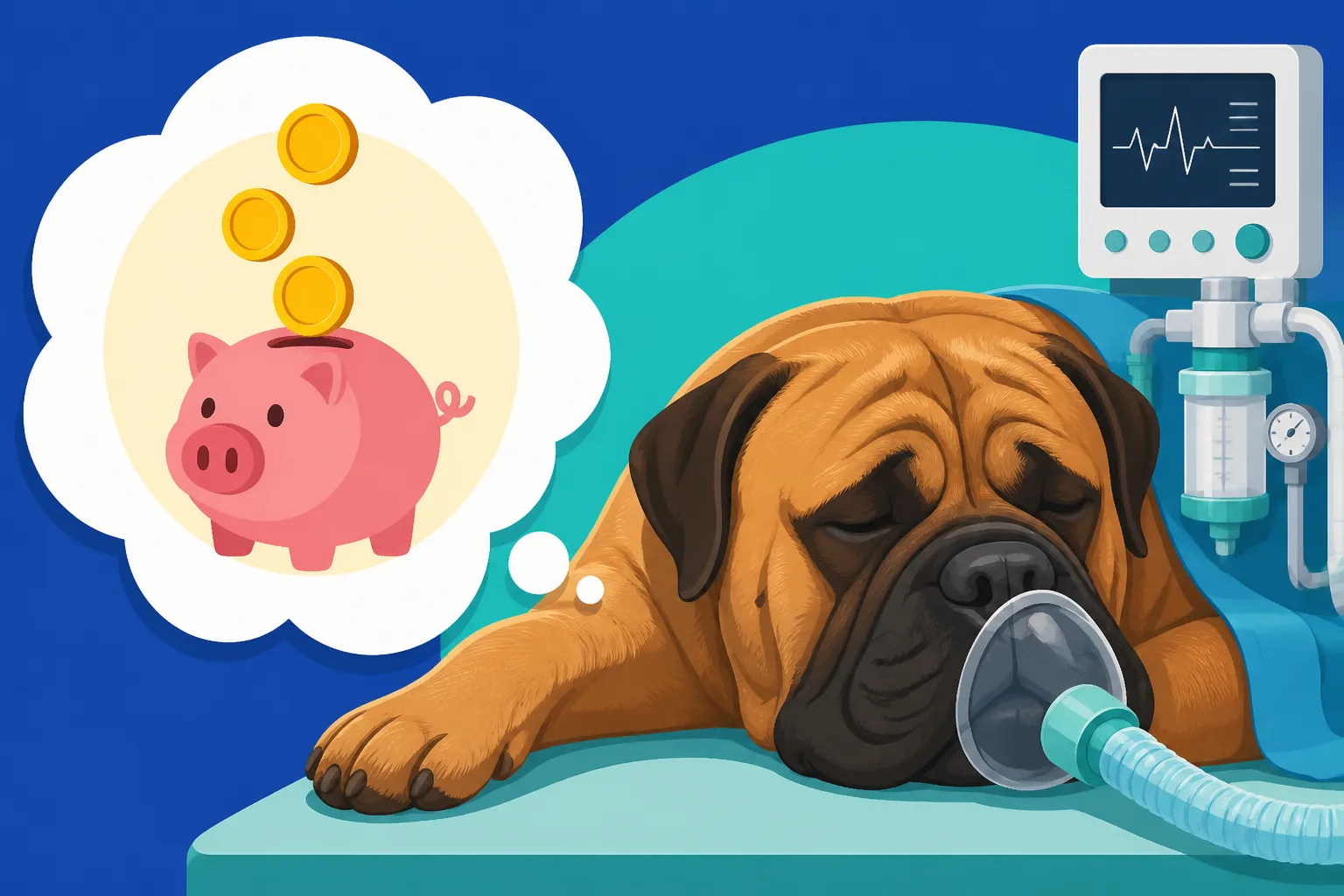
When your big, beautiful Bullmastiff needs a veterinary procedure that requires anesthesia, a wave of concern often washes over us pet parents. Beyond the worry for their well-being, there's the very real stress of the financial implications. These magnificent dogs are not just larger in size; their specialized care, particularly when it comes to sedation and anesthesia, often comes with a proportionally larger price tag. This guide aims to demystify the costs associated with anesthesia for your Bullmastiff, breaking down what influences these figures and how you can best prepare, ensuring your loyal companion receives top-notch, safe care without blindsiding your budget.
The Necessity and Nuances of Bullmastiff Anesthesia
It’s never just a simple shot and a nap when it comes to putting a big dog under. Anesthesia, while absolutely critical for a wide range of veterinary procedures from routine dental cleanings to emergency surgeries, carries its own set of considerations, especially for a breed as unique as the Bullmastiff. Understanding why it's necessary and the inherent complexities for our large, sometimes brachycephalic friends, is the first step in appreciating the associated costs.
Why Your Bullmastiff Needs Anesthesia
Think about trying to clean your Bullmastiff's teeth thoroughly if they were wide awake, or perform an intricate surgery on a conscious animal. It's simply not possible, or humane. Anesthesia provides pain relief, muscle relaxation, and unconsciousness, making it safe and stress-free for your dog during procedures that would otherwise be uncomfortable or impossible. This isn't just for major operations; even diagnostic imaging like X-rays for Hip Dysplasia in a Bullmastiff or Elbow Dysplasia in a Bullmastiff might require mild sedation to ensure stillness and accurate results. Regular dental care, which is vital for their overall health, almost always involves anesthesia.
Bullmastiff-Specific Anesthetic Concerns
Bullmastiffs, with their impressive size and occasionally brachycephalic (short-nosed) features, present some unique challenges and considerations for veterinary teams. Their large body mass means anesthetic drugs need to be carefully calculated and administered in higher volumes compared to smaller breeds, which naturally increases drug costs. More critically, their anatomy can affect breathing and heat regulation, particularly for those with more pronounced brachycephalic traits. This means a higher level of vigilance and specialized protocols are often put in place to ensure their safety. You might have heard questions like Whether a Bullmastiff Tolerates Anesthesia or Whether a Bullmastiff Reacts to Sedation, and these concerns are valid, often necessitating extra pre-procedure checks and monitoring to mitigate risks.
Dissecting the Anesthesia Bill: What Drives the Cost
The final bill for anesthesia isn't just a single line item. It's a comprehensive reflection of the care, expertise, and resources dedicated to keeping your Bullmastiff safe and comfortable throughout their procedure. Many factors contribute to the overall expense, and understanding these can help you anticipate and budget more effectively.
Pre-Anesthetic Screening and Preparations
Before your Bullmastiff even gets close to an anesthetic agent, a responsible veterinary clinic will perform a thorough pre-anesthetic workup. This isn't optional; it's a vital safety measure. This typically includes blood tests to check organ function (liver and kidneys metabolize anesthetic drugs), a urinalysis, and sometimes an electrocardiogram (ECG) to assess heart rhythm. Given that breeds like Bullmastiffs can have underlying health issues, such as heart murmurs that might indicate Subaortic Stenosis Is There Before a Bullmastiff's First Birthday, these tests are paramount. Catching an issue beforehand allows the vet team to tailor the anesthetic protocol to minimize risks, potentially using different drugs or adjusting dosages. For an older Bullmastiff, perhaps a senior companion Caring for a Bullmastiff Past Six, even more extensive bloodwork or diagnostics might be recommended, adding to the initial cost but drastically increasing safety.
The Anesthesia Itself: Drugs, Equipment, and Duration
The actual anesthetic drugs are a significant component of the cost. Since Bullmastiffs are large dogs, they require larger doses of both induction agents (to help them fall asleep) and maintenance drugs (to keep them asleep). There's also the cost of the intravenous (IV) fluids, which are almost always administered during anesthesia to maintain hydration and blood pressure, and to provide a quick route for emergency medications if needed.
The complexity and duration of the procedure also directly impact the cost. A quick, simple spay or neuter will typically incur less anesthesia time and cost than a complex orthopedic surgery for a cruciate tear or a lengthy dental procedure involving multiple extractions. The equipment used for monitoring, from heart rate and respiratory rate to blood pressure, oxygen saturation, and body temperature, is also factored in. These sophisticated tools and the trained personnel to operate them are crucial for patient safety.
Monitoring and Recovery Care
The moment your Bullmastiff starts waking up from anesthesia is just as critical as the procedure itself. Intensive monitoring continues well into recovery, ensuring they wake up smoothly, their vital signs stabilize, and they remain warm and comfortable. Pain management, administered before, during, and after the procedure, is also a key part of recovery. This might involve injectable pain medications or nerve blocks during surgery, followed by oral medications to go home with. All of this dedicated post-anesthetic care, including the time and attention of veterinary nurses, contributes to the overall expense. The goal is always a safe, comfortable, and complete recovery.
Here's a breakdown of common elements that contribute to the cost:
| Cost Component | Description | Why it Matters for a Bullmastiff |
|---|---|---|
| Pre-Anesthetic Exams | Physical exam by the veterinarian to assess overall health. | Establishes baseline health, identifies any new concerns before sedation. |
| Pre-Anesthetic Bloodwork | Panel of tests to check liver, kidney function, red/white blood cell counts, and clotting ability. | Crucial for large breeds; detects hidden issues that could complicate anesthesia, allows for protocol adjustment. |
| IV Catheter & Fluids | Placement of an IV line to administer fluids during the procedure and provide immediate access for drugs. | Essential for maintaining blood pressure, hydration, and flushing anesthetic agents; critical for large, potentially compromised dogs. |
| Anesthetic Drugs | Cost of induction and maintenance agents (gas or injectable). | Dosing is weight-dependent; Bullmastiffs require larger volumes. Specific drugs might be chosen for their physiology. |
| Anesthetic Monitoring | Equipment (ECG, pulse oximeter, blood pressure, capnograph, thermometer) and trained personnel. | Vital for constant oversight of large patients, especially those with brachycephalic traits or known cardiac issues. |
| Surgical Time/Duration | Length of time under anesthesia, impacting drug usage and staff time. | Longer, more complex procedures naturally incur higher costs due to extended drug use and monitoring. |
| Recovery Care | Post-anesthetic monitoring, warming blankets, pain management, and dedicated nursing attention. | Essential for a smooth, safe emergence from anesthesia, pain control, and preventing complications like hypothermia. |
| Pain Management | Pre-emptive and post-operative medications to ensure comfort. | Crucial for the humane care of large dogs undergoing surgery, aiding in faster, less stressful recovery. |
Preparing for Anesthesia Costs: Financial Planning and Questions
Facing the potential costs of anesthesia can be daunting, but with a bit of preparation and clear communication with your veterinary team, you can navigate these expenses more smoothly. Being proactive is key, especially with a breed like the Bullmastiff that can present unique health considerations.
Getting a Detailed Estimate and Understanding the Options
When your vet recommends a procedure requiring anesthesia, don't hesitate to ask for a detailed estimate. This document should break down all the anticipated costs, from pre-anesthetic bloodwork and the anesthesia itself to the procedure, medications, and post-operative care. Understanding each line item allows you to ask targeted questions. For instance, you might ask why a particular anesthetic protocol is recommended for your Bullmastiff, or if there are any less expensive alternatives that still maintain a high standard of safety.
Sometimes, for certain non-emergency procedures, clinics might offer different tiers of pre-anesthetic testing. For example, a basic blood panel versus a more comprehensive one. While it might be tempting to opt for the cheapest option, remember that thorough pre-screening can prevent far more expensive and dangerous complications down the line. It's truly about balancing safety and budget, and your vet can help you understand the risks associated with various choices.
The Role of Pet Insurance and Emergency Funds
This is where pet insurance truly shines. Investing in a robust pet insurance policy, ideally from when your Bullmastiff is a puppy, can provide immense peace of mind when unexpected vet bills arise. Policies from providers like Healthy Paws, for example, often cover a significant portion of accident and illness costs, which includes necessary anesthesia for approved procedures. However, remember that insurance typically doesn't cover pre-existing conditions, so early enrollment is crucial. It’s worth investigating what a provider’s policy says about major medical events or even routine dentals that require anesthesia. Understanding What Insurance Covers on a Bullmastiff is vital.
Even with insurance, having an emergency fund is a smart move. This fund, perhaps designed to hold What a Bullmastiff's Emergency Fund Should Hold, can cover deductibles, co-pays, or procedures not fully covered by your plan. For those without insurance, an emergency fund becomes even more critical for managing unforeseen costs related to anesthesia or any other health concern. While services like Chewy and Ollie focus more on nutrition and supplies, remember that a healthy diet and proper care can contribute to your Bullmastiff's overall well-being, potentially reducing the frequency of medical issues that might require anesthesia in the long run.
Discussing Payment Plans and Financial Assistance
If you find yourself facing a substantial anesthesia bill that’s difficult to manage, don’t suffer in silence. Many veterinary clinics understand that these costs can be a burden and are often willing to discuss payment options. This might include setting up a payment plan directly with the clinic, or they might recommend third-party financing solutions that offer deferred interest or low-interest payment options. Some clinics also work with charitable organizations that can offer financial aid for pet owners in need. It's always worth having an open conversation with your veterinary team about your financial concerns; they are there to help you find solutions that allow your Bullmastiff to receive the care they need. Caring for a Bullmastiff, as highlighted in articles like Eight and a Half Years of a Bullmastiff, Priced Out or What a Bullmastiff Costs Over Its Lifetime, means being prepared for these types of expenses throughout their life.
Disclaimer
This article is for general informational purposes only and does not constitute professional advice. Laws, prices and regulations vary by location and change over time. Consult a qualified professional for guidance on your specific situation.