What Mobility Aids Cost for a Bullmastiff
It's an utterly heartbreaking moment for any Bullmastiff owner when you start noticing your big, strong companion struggling with simple movements that used to be second nature. The stiffness, the hesitation before getting up, the reluctance to jump into the car—these are signs that our beloved giants are feeling the aches and pains of aging. You want to help them, but the sheer size of a Bullmastiff means that many common mobility aids aren't quite up to the task, and the specialized equipment often comes with a hefty price tag. This guide is here to walk you through the various mobility aids available for your Bullmastiff and give you a realistic idea of the associated costs, helping you plan for their comfort and dignity in their golden years.
Understanding Why Bullmastiffs Need Mobility Aids
Our Bullmastiffs are magnificent, powerful dogs, but their very size and rapid growth rate, combined with genetic predispositions, unfortunately make them prone to certain orthopedic challenges as they age. It’s not a matter of if, but often when, you’ll start to see signs of mobility issues. Knowing what to look for and understanding the underlying causes can help you prepare both emotionally and financially.
Common Ailments Affecting Bullmastiff Mobility
The heavy bone structure and substantial weight of a Bullmastiff, often exceeding 100 pounds, place considerable stress on their joints throughout their lives. This constant pressure can exacerbate conditions like hip dysplasia and elbow dysplasia, which are sadly common in the breed. These are genetic conditions where the joints don't form correctly, leading to instability, pain, and eventually arthritis. You might have had your Bullmastiff's hips and elbows screened early on, but even with good scores, the wear and tear over years can take its toll. Hips and Elbows Under a Hundred and Thirty Pound Bullmastiff goes into more detail on these foundational issues.
Beyond developmental conditions, age-related arthritis is almost inevitable. The cartilage in their joints begins to wear down, leading to bone-on-bone friction, inflammation, and chronic pain. Cruciate ligament tears, similar to an ACL tear in humans, are also not uncommon, especially in active Bullmastiffs, and can severely impact their ability to walk or bear weight. Disc disease in the spine, though less frequent than joint issues, can also cause neurological weakness and pain, making movement difficult or impossible. These conditions often progress, making mobility aids a crucial part of managing their comfort and quality of life as they transition into their senior years.
The Gradual Decline: Recognizing the Signs
It can be tough to admit that your energetic, playful Bullmastiff is slowing down. They're masters at hiding pain, a trait likely inherited from their ancestors who needed to be stoic. But if you pay close attention, you'll start noticing subtle changes. Perhaps they take a bit longer to stand up after a nap, or they shift their weight awkwardly. They might hesitate before jumping into the car or onto their favorite orthopedic bed. Stiffness after periods of rest, a less enthusiastic wag, or even a slight tremor in their back legs can all be early indicators that their joints are bothering them.
As their mobility declines, you might see them struggling to navigate stairs, favoring one leg, or even having difficulty maintaining balance. Their once confident stride might become a hesitant shuffle. It’s important not to dismiss these as "just getting old." While age is a factor, there are often underlying conditions causing the discomfort, and early intervention can make a significant difference. Why an Aging Bullmastiff Struggles to Rise delves deeper into these common senior struggles. Recognizing these signs allows you to talk to your vet about pain management, supplements, and when to start thinking about mobility aids to support them before their struggles become severe.
Types of Mobility Aids and Their Cost Implications
When it comes to helping your Bullmastiff get around, there's a surprisingly wide range of solutions available. Each type of aid addresses different levels of support and different kinds of mobility challenges, and naturally, they come with varying price points. It's about finding the right fit for your dog's specific needs and your budget.
Supportive Gear: Harnesses, Wraps, and Boots
Sometimes, the simplest solutions can offer immense relief, providing just enough assistance to keep your Bullmastiff moving comfortably. These items are generally more affordable and can be a great starting point for dogs experiencing mild to moderate mobility issues.
Lifting Harnesses
These are often the first type of aid owners consider when their Bullmastiff starts struggling. A good lifting harness provides you with a safe and comfortable way to support your dog's weight, taking pressure off their ailing joints. There are several designs: some focus on supporting the hindquarters, others the front, and full-body harnesses offer comprehensive support. For a Bullmastiff, you’ll need a heavy-duty model designed for giant breeds, with strong straps and good padding to prevent chafing on their substantial frame. Think sturdy nylon webbing and comfortable fleece lining, possibly from a brand you trust for quality pet supplies like Chewy.
The cost for these harnesses can range from quite accessible for basic hind-end support slings to a more significant investment for a fully adjustable, heavy-duty full-body harness. Expect to pay more for those with extra features like reflective strips, breathable materials, or multiple handles for easier lifting. While some generic slings might be inexpensive, for the safety and comfort of a heavy Bullmastiff, opting for a higher quality, well-reviewed harness is usually worth the extra expense. These harnesses are invaluable for helping your dog get up from a lying position, navigate a few stairs, or get into and out of the car without straining themselves—or your back!
Joint Wraps and Braces
For targeted support of a specific joint, wraps and braces can be incredibly effective. These are often used for conditions like cruciate ligament injuries (which might be why Cruciate Tears in a Bullmastiff is on your mind), patella luxation, or general arthritis in the knees, hocks, or elbows. They work by providing compression and stabilization to the joint, reducing pain and inflammation during movement. Material quality, adjustability, and whether they're custom-made or off-the-shelf will heavily influence the cost.
Off-the-shelf braces are more readily available and come in various sizes, but getting a precise fit for a Bullmastiff's unique anatomy can sometimes be challenging. Custom-made braces, which require measurements from your vet and are often fabricated by specialists, provide the best fit and support but are a considerably larger financial commitment. Your vet might recommend a specific type or brand of brace, or even a custom option, after diagnosing the exact issue. These aids are usually used in conjunction with pain medication or physical therapy and aren't typically a standalone solution, but they can extend a dog's comfortable mobility significantly.
Paw Protection and Traction Aids
Slippery floors—hardwood, tile, or linoleum—can be a major challenge for a Bullmastiff with compromised mobility. Their large paws often struggle to gain purchase, leading to slips and falls that can cause further injury or, at the very least, make them hesitant to move. Traction aids directly address this problem. Options include non-slip socks with rubberized bottoms, sticky paw pads that adhere to the foot, or even specialized paw balms that create a grippier surface.
These items are generally on the lower end of the cost spectrum, making them an accessible first step for many owners. You can find them easily at most pet supply stores or online retailers. While the initial cost is low, remember that socks and stick-on pads may need frequent replacement due to wear and tear from a large dog's weight and activity. Regular application of a paw balm also represents a recurring, though small, expense. However, the confidence and stability these simple aids provide can be invaluable, preventing injuries and encouraging your Bullmastiff to move more freely indoors.
Assistive Devices: Ramps, Steps, and Slings
When more significant intervention is needed to overcome height differences or to provide greater support, assistive devices become essential. These are often larger items that integrate into your home or vehicle setup.
Ramps
Ramps are game-changers for Bullmastiffs who can no longer jump into cars, navigate stairs, or even get onto a favorite high bed without assistance. For a Bullmastiff, you'll need a ramp that is not only wide and long enough for their substantial frame but also capable of supporting their considerable weight. Durability and stability are paramount. Materials range from lightweight plastic for occasional use to sturdy aluminum or even wooden custom-built options.
The cost of a ramp varies widely based on its length, material, weight capacity, and features (like a non-slip surface, portability, or telescoping design). A basic plastic car ramp might be a moderate purchase, but a heavy-duty, extra-long aluminum ramp designed for a giant breed will be a more significant investment. Custom-built wooden ramps for permanent installations, such as for a few porch steps or a bed, can also be quite costly due to materials and labor. While the initial outlay might seem steep, a well-chosen ramp can save your dog from painful jolts and prevent further injury, extending their access to beloved spaces and activities. Consider brands found on Chewy for a wide selection of suitable ramps.
Pet Steps
While pet steps are excellent for smaller dogs or those with minor mobility issues, they are less commonly recommended for Bullmastiffs due to their size and the impact of climbing even short steps on compromised joints. For some Bullmastiffs with very mild issues or those who are slightly smaller, a very wide, sturdy, and low-rise set of steps might be an option for accessing a low couch or bed. However, for most Bullmastiffs struggling with mobility, the repetitive motion of stepping up and down, even on low steps, can be more detrimental than helpful, especially if they have significant arthritis or dysplasia.
If you do consider pet steps, ensure they are exceptionally stable and have a non-slip surface. The cost is generally moderate, less than a heavy-duty ramp, but it's important to carefully assess if steps are truly appropriate for your individual Bullmastiff's condition and not just an attempt to save money over a ramp. Oftentimes, a ramp is the safer and more comfortable long-term solution for a large, heavy dog.
Walking Slings
Walking slings are essentially simpler, often less structured versions of lifting harnesses, typically designed to support just the hindquarters or sometimes the mid-section. They are fantastic for short-term assistance, such as helping your Bullmastiff go outside to potty, steadying them on a slick floor for a few steps, or giving them a bit of extra help rising. They are usually made of durable fabric with handles and are very portable.
The cost of a walking sling is usually on the more accessible end of the spectrum for mobility aids. This makes them a great entry-level option or a useful complement to other aids. While they don't offer the comprehensive, sustained support of a full harness or wheelchair, they are an excellent tool for providing quick, on-demand assistance without having to wrestle your big dog into a more elaborate setup. Many Bullmastiff owners find these to be invaluable for daily potty breaks, especially as their dogs age and their rear strength diminishes. Whether an Aging Bullmastiff Needs Help Standing is a common concern that a good sling can directly address.
Advanced Mobility Solutions: Carts and Wheelchairs
For Bullmastiffs facing severe mobility challenges, such as complete hind-end paralysis, significant neurological deficits, or extreme arthritis that makes walking unbearable, a custom-fitted cart or wheelchair can be a truly life-changing intervention.
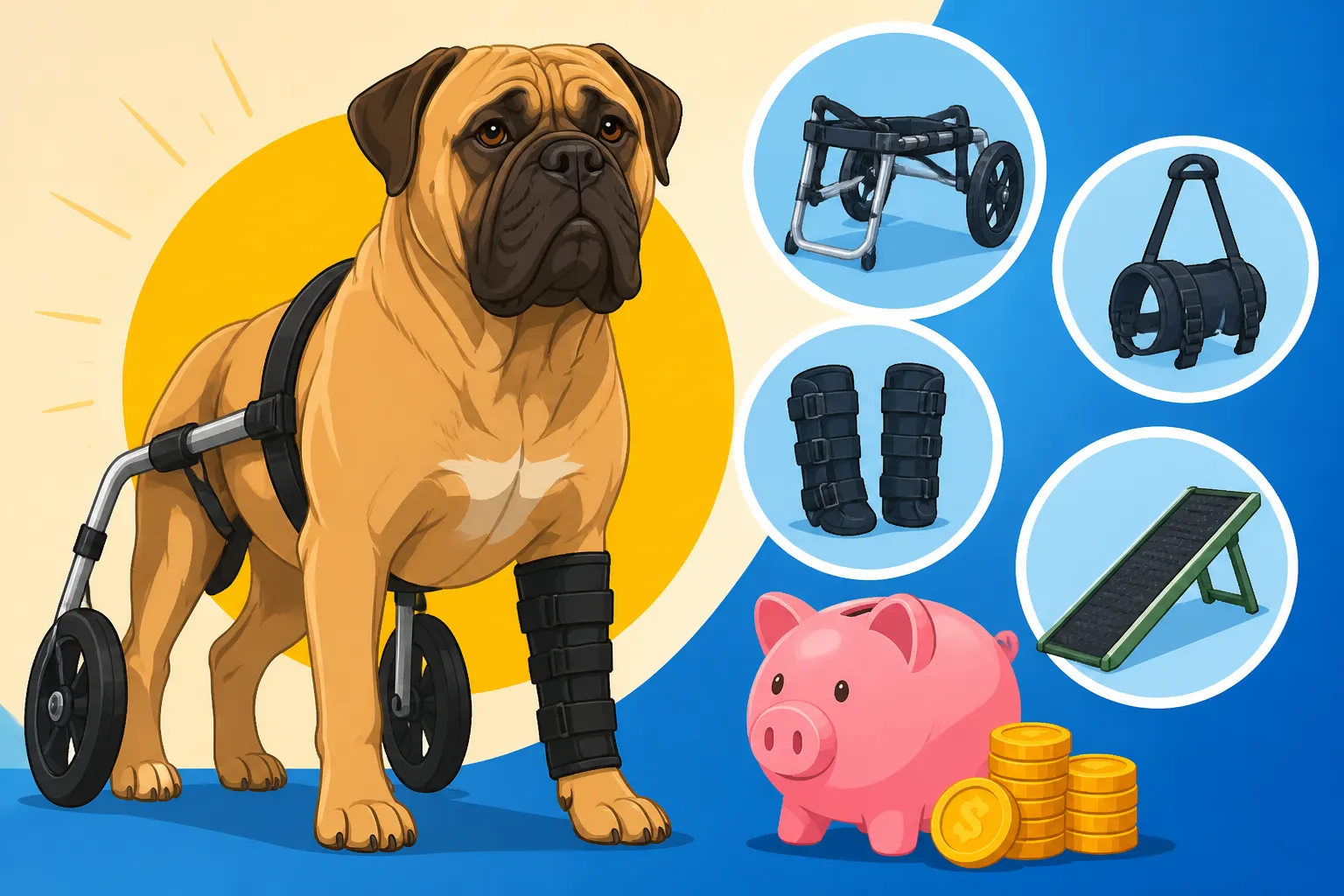
Carts, often referred to as wheelchairs, allow a dog to use their front legs for propulsion while their hindquarters are supported by wheels. For a Bullmastiff, these need to be robustly built with strong frames, large, durable wheels, and comfortable padding. Most reputable companies offer options for both hind-leg support and sometimes even full-support models for dogs needing assistance with all four legs. Measuring your Bullmastiff accurately is crucial for a proper fit, as an ill-fitting cart can cause sores or further injury.
The cost of a custom-fitted wheelchair for a giant breed like a Bullmastiff is a substantial investment. These are typically the most expensive mobility aid you will purchase, reflecting the specialized engineering, materials, and customization required. However, the ability to grant your Bullmastiff the freedom to move, explore, and even run again can be priceless. Some companies offer rental programs, or you might find good condition used carts for sale, which can help offset the expense. Investing in a cart is about extending not just their mobility, but their joy and engagement with the world, even when their body is failing them.
Beyond the Device: Other Related Costs
It's easy to focus solely on the price tag of a harness or a ramp, but the journey of managing an aging Bullmastiff's mobility involves several other expenses that can quickly add up. Understanding these broader costs is essential for a complete picture of what to expect.
Veterinary Consultations and Diagnostics
Before you even purchase a mobility aid, the most crucial step is a thorough veterinary examination. You need to know exactly what's causing your Bullmastiff's mobility issues to choose the right intervention. This might involve multiple vet visits, physical exams, and diagnostic tests like X-rays to assess joint health and rule out other conditions. Your vet might also recommend blood work to check for systemic inflammation or other underlying health problems that could impact their mobility. These initial diagnostic costs are fundamental and can vary widely depending on the complexity of the issue and the number of tests required.
Once a diagnosis is made, your vet will help you formulate a comprehensive management plan, which often includes pain medication, anti-inflammatory drugs, and joint supplements. These medications will be an ongoing cost, and for a large dog like a Bullmastiff, the dosage (and thus the price) can be substantial. What Joint Supplements Cost for a Bullmastiff provides more insight into that specific expense. These foundational veterinary costs are non-negotiable and usually precede the purchase of any specific mobility device, making them an important part of your overall budget for your aging Bullmastiff.
Physical Therapy and Rehabilitation
Mobility aids work best when combined with professional physical therapy and rehabilitation. Just like humans, dogs benefit from targeted exercises, massage, and modalities like hydrotherapy (underwater treadmill) to build strength, improve range of motion, and reduce pain. A certified canine rehabilitation therapist can design a personalized program for your Bullmastiff, which might include specific stretches, balance exercises, or even laser therapy.
These services involve regular appointments, and the cost per session can add up quickly. While some pet insurance policies might cover a portion of rehabilitation costs if prescribed by a vet, it's crucial to check your specific plan. Physical therapy isn't just about using the aid; it's about making your Bullmastiff stronger and more comfortable so they can maximize the benefits of the aid and maintain their remaining mobility for as long as possible. These ongoing costs are an investment in their continued well-being.
Maintenance and Replacement
Mobility aids, especially those used daily by a large, heavy dog, are subject to wear and tear. Harnesses can fray, straps can stretch, and buckles can break. Ramps can develop loose parts or degraded non-slip surfaces. Wheelchairs might need tire replacements, bearing lubrication, or frame adjustments. Regularly inspecting these aids for damage is important for your Bullmastiff's safety and comfort.
The cost of maintenance might involve purchasing replacement parts, specialized cleaning supplies (especially for harnesses that get soiled), or even professional repairs for more complex devices like wheelchairs. Over time, some aids, like a well-worn harness or a frequently used set of paw boots, will simply need to be replaced entirely. Budgeting for these recurring costs, rather than just the initial purchase price, is a realistic approach to owning mobility aids for your Bullmastiff. Their sheer weight means that even the most durable items will eventually succumb to the rigors of daily use.
Pet Insurance and Financial Planning
Navigating the costs of an aging Bullmastiff's mobility can feel overwhelming, which is why pet insurance can be a lifeline for many families. While most pet insurance policies don't directly cover the purchase of mobility aids like ramps or harnesses (they're often considered "durable medical equipment"), they can significantly help with the underlying veterinary costs. For example, a good policy from providers like Healthy Paws might cover diagnostics, specialist consultations, medications, and even physical therapy sessions related to conditions like arthritis or hip dysplasia. This coverage can ease the burden of the veterinary bills, freeing up funds for the mobility aids themselves.
It’s crucial to enroll in pet insurance when your Bullmastiff is young, ideally before any pre-existing conditions arise. Policies typically have waiting periods and exclusions for conditions diagnosed before enrollment. Whether a Lifetime Policy Matters for a Bullmastiff is a relevant consideration here, as ongoing conditions like arthritis require continuous management. Beyond insurance, having a dedicated emergency fund, as discussed in What a Bullmastiff's Emergency Fund Should Hold, is also vital. This financial cushion can help cover immediate costs for aids or unexpected veterinary expenses that aren't fully covered by insurance, ensuring your Bullmastiff gets the support they need without delay.
Making Smart Choices for Your Aging Bullmastiff
Supporting an aging Bullmastiff with mobility issues is a journey, and it's okay to feel a bit overwhelmed by the choices and the costs. The key is to approach it strategically, prioritizing their comfort and safety while also being realistic about your resources.
Prioritizing Needs and Budgeting
When your Bullmastiff first starts showing signs of struggle, it's rare that they need every type of mobility aid all at once. Start by identifying their most pressing needs. Are they struggling most with getting up, navigating stairs, or slipping on indoor floors? Addressing the most critical challenge first will often provide the biggest immediate benefit. For instance, if rising is the main issue, a lifting harness might be the first, most impactful purchase. If getting into the car is the problem, a ramp takes precedence.
Create a budget that accounts for both the initial purchase of aids and the ongoing costs of veterinary care, medications, and potentially physical therapy. Don't be afraid to research and compare prices from different retailers and manufacturers for items like ramps or harnesses. For higher-cost items like wheelchairs, inquire about rental options or look into organizations that might offer refurbished aids at a reduced cost. It's about finding the balance between quality, necessity, and affordability, ensuring your Bullmastiff receives the best possible care without completely breaking the bank.
DIY Solutions and Home Modifications
Sometimes, the most effective "mobility aids" are things you can do around the house without a significant financial outlay. Simple home modifications can make a world of difference for your Bullmastiff. Laying down non-slip runners or large area rugs on hard flooring provides crucial traction, preventing slips and building confidence. Orthopedic foam on their bed isn't just a luxury; it's a necessity, especially for aging joints, and you can often find suitable foam at craft or mattress stores to update an existing bed.
Re-evaluating furniture access is also important. If your Bullmastiff struggles to get onto the couch or bed, consider bringing their special bed into the living room, or even lowering your bed frame if possible. Simple steps like ensuring their water bowls are easily accessible without too much bending, or creating clear, obstacle-free pathways through your home, can also aid their movement. While these aren't traditional "aids," they contribute significantly to your Bullmastiff's comfort and ability to navigate their familiar environment safely.
Seeking Professional Guidance
Ultimately, you are not alone in this journey. Your veterinarian is your primary partner in managing your Bullmastiff's mobility challenges. They can accurately diagnose the underlying conditions, recommend appropriate medications, and advise on the most suitable mobility aids. Don't hesitate to ask them for referrals to a certified canine rehabilitation therapist or a specialist in orthopedic issues. These professionals have expertise in gait analysis, exercise physiology, and the proper fitting of various aids.
Many companies that manufacture mobility aids also have specialists who can guide you through product selection, sizing, and proper use. Reach out to them with your specific questions. Organizations dedicated to the breed, or online communities of Bullmastiff owners, can also be a valuable resource for recommendations, experiences, and even opportunities to find second-hand equipment. Gathering advice from multiple knowledgeable sources will help you make informed decisions that best support your aging Bullmastiff's unique needs. What Changes in an Aging Bullmastiff's Care is a question best answered with a blend of professional and experienced owner input.
Here’s a quick overview of typical mobility aids and their general cost categories:
| Mobility Aid Type | Typical Use Case | Cost Category | Key Considerations for Bullmastiffs |
|---|---|---|---|
| Lifting Harness | Assisting with standing, walking, stairs, car entry | Accessible to Moderate | Heavy-duty, good padding, strong handles, correct sizing |
| Joint Wraps/Braces | Targeted support for specific joint injuries/arthritis | Moderate to Significant | Precise fit (custom often better), material durability |
| Paw Protection/Traction | Preventing slips on indoor floors, protecting paws | Accessible | Durability for heavy weight, frequent replacement of socks/pads |
| Ramps (Car/Home) | Accessing vehicles, beds, stairs | Moderate to Significant | Length, width, weight capacity, non-slip surface, stability |
| Walking Slings | Quick, temporary support for hindquarters | Accessible | Comfortable fabric, sturdy handles |
| Carts/Wheelchairs | Severe mobility loss, paralysis | Significant | Custom fitting, robust construction, large durable wheels |
Disclaimer
This article is for general informational purposes only and does not constitute professional advice. Laws, prices and regulations vary by location and change over time. Consult a qualified professional for guidance on your specific situation.