Hips and Elbows Under a Hundred and Thirty Pound Bullmastiff
Bringing a majestic Bullmastiff into your home is an incredible joy, but it also comes with a unique set of responsibilities, especially concerning their powerful, heavy-boned structure. One of the most heartbreaking realities for many Bullmastiff owners is facing the potential for debilitating joint problems like hip and elbow dysplasia. These conditions can cast a shadow over their otherwise active lives, leading to pain, decreased mobility, and significant worry. This guide aims to demystify hip and elbow issues, helping you understand their causes, recognize the signs, and explore effective strategies for prevention and management, ensuring your gentle giant enjoys the best possible quality of life.
Understanding Hip Dysplasia in Bullmastiffs
Hip dysplasia is a term that strikes fear into the hearts of large breed dog owners, and for good reason. It’s a complex and often painful condition that affects the hip joint, which, in a dog as substantial as a Bullmastiff, bears immense weight and stress. Unlike a simple injury, hip dysplasia is a developmental condition, meaning it starts as they grow and can worsen over time.
What Exactly Is Hip Dysplasia?
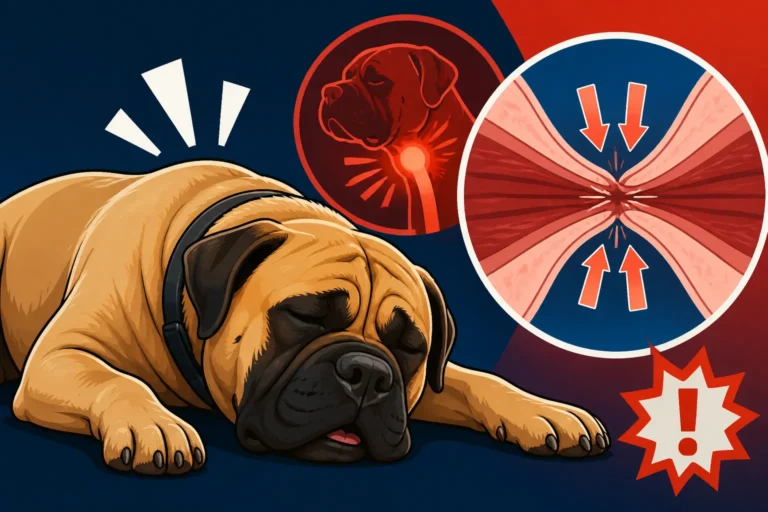
At its core, hip dysplasia is a malformation of the hip joint. In a healthy hip, the ball (the head of the femur, or thigh bone) fits snugly and smoothly into the socket (the acetabulum, part of the pelvis). This allows for fluid, painless movement. With hip dysplasia, however, this perfect fit is compromised. The socket might be too shallow, or the ball might not be perfectly round, leading to a loose or unstable joint. Imagine a round peg in a square hole – it just doesn't work right. This looseness, or laxity, causes the bones to rub and grind against each other instead of gliding smoothly. Over time, this friction leads to the breakdown of cartilage, inflammation, and the development of degenerative joint disease, or osteoarthritis. The body tries to compensate by laying down new bone, but this often results in painful bone spurs and further loss of joint function.
The genetic component of hip dysplasia is significant. It's a polygenic trait, meaning multiple genes are involved, which makes breeding out the condition a real challenge. However, environmental factors also play a crucial role, especially during a Bullmastiff puppy's rapid growth phase. Things like nutrition, excessive exercise, and even slippery flooring can influence how genes express themselves, either mitigating or exacerbating the underlying genetic predisposition. It’s a delicate balance, and as an owner of a large, rapidly growing breed, you're constantly walking a tightrope to support their development.
How Common Is It in Bullmastiffs?
Given their breed history and structure, Bullmastiffs, unfortunately, have a higher prevalence of hip dysplasia compared to many other breeds. Their substantial size and fast growth rate put immense pressure on their developing joints. According to data from the Orthopedic Foundation for Animals (OFA), Bullmastiffs consistently rank among breeds with a notable incidence of hip dysplasia. While exact numbers can fluctuate, it's a concern that any responsible Bullmastiff owner or prospective owner must be aware of.
It's not just a matter of "bad luck" when a Bullmastiff develops hip dysplasia; it's often a combination of inherited traits and the stresses placed on their heavy bodies. The sheer weight of a fully grown Bullmastiff, which can easily reach 100-130 pounds or more, amplifies any underlying joint instability. Even a minor degree of laxity can become significantly painful under such a load. This is why discussions around responsible breeding practices, proper puppy nutrition, and controlled exercise are so vital for this magnificent breed. Understanding that this is a common challenge means you can be proactive in minimizing risk and recognizing symptoms early.
Signs and Symptoms to Watch For
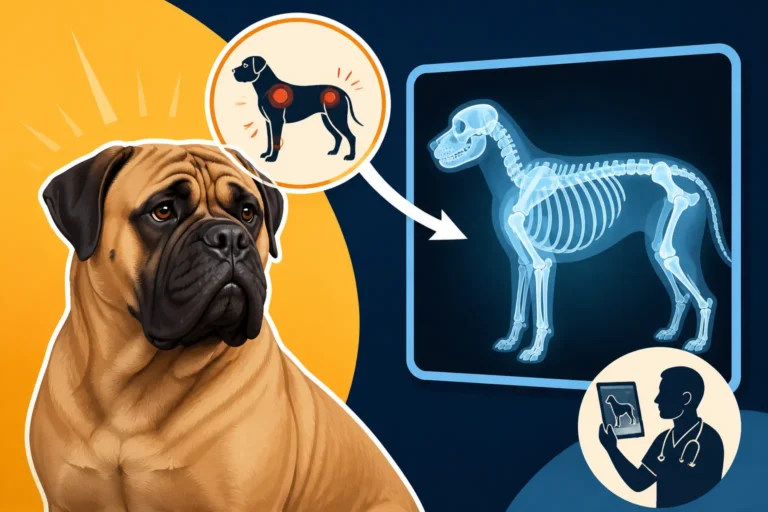
Recognizing the signs of hip dysplasia can be tricky, especially in the early stages, because Bullmastiffs are known for their stoic nature and often try to hide pain. They're not whiners. However, if you know what to look for, you can catch symptoms before they become severe. One of the earliest signs can be a subtle change in gait, sometimes described as a "bunny hop" when they run, where both hind legs move together. You might also notice a decreased range of motion, where your dog struggles to fully extend or flex their hips. They might have difficulty rising from a lying position, especially after resting, or show reluctance to jump, climb stairs, or engage in activities they once enjoyed. For more detailed information on specific symptoms, check out our guide on Signs a Bullmastiff's Hips Hurt.
As the condition progresses, you might observe a decrease in activity levels and a noticeable lameness in one or both hind legs. Muscle atrophy in the hindquarters is also common as the dog uses those muscles less. They may seem stiff, particularly after exercise or in cold weather. Palpating their hips might elicit a pain response, though some dogs will tolerate it without much fuss. Weight management becomes even more critical with hip dysplasia, as extra pounds exacerbate the pain. Regular observation of your Bullmastiff's movement and behavior is your best tool for early detection.
Delving into Elbow Dysplasia in Bullmastiffs
Just like hip dysplasia, elbow dysplasia is a significant concern for large and giant breeds, including our beloved Bullmastiffs. It's not a single condition but rather a collection of developmental abnormalities that affect the elbow joint, often leading to arthritis and chronic pain. Because of their fast growth and heavy build, Bullmastiffs are particularly vulnerable to these complex elbow issues.
The Complex Nature of Elbow Dysplasia
Unlike the relatively simpler "ball and socket" issue of hip dysplasia, elbow dysplasia encompasses several distinct, yet often related, conditions that can occur within the elbow joint. The elbow is a complex joint, involving three bones: the humerus (upper arm bone), radius, and ulna (forearm bones). For proper function, these three bones must align perfectly and grow at precisely the same rate. When this doesn't happen, problems arise.
The four primary components of elbow dysplasia are:
- Fragmented Coronoid Process (FCP): A small piece of bone (the coronoid process) on the ulna breaks off, causing pain and irritation. This is the most common form.
- Osteochondritis Dissecans (OCD) of the Humeral Condyle: A piece of cartilage on the end of the humerus fails to develop properly and may detach, floating in the joint space.
- Ununited Anconeal Process (UAP): The anconeal process, a small bony projection on the ulna, fails to fuse with the rest of the ulna during growth, leading to instability.
- Elbow Incongruity: The three bones forming the elbow joint don't fit together perfectly, causing abnormal pressure and wear. This can lead to FCP or OCD.
Each of these conditions is hereditary, meaning they are passed down from parents to offspring. However, like hip dysplasia, environmental factors can influence the severity of the expression. A Bullmastiff can inherit a predisposition, and then rapid growth, excessive weight, or improper exercise can trigger or worsen the actual disease. It’s a testament to the challenges of managing such robust genetics.
Why Bullmastiffs Are Particularly Susceptible
Bullmastiffs' susceptibility to elbow dysplasia stems from a combination of their genetics, rapid growth rate, and impressive adult size. Their lineage, involving heavy-boned breeds, has unfortunately concentrated genes that predispose them to these issues. When you consider that a Bullmastiff puppy can go from a tiny bundle to a 100-pound dog in a little over a year, you can appreciate the immense stress placed on their developing bones and joints.
This rapid growth, if not carefully managed through proper nutrition and controlled exercise, can lead to uneven development of the bones in the elbow joint. If the radius and ulna grow at slightly different rates, even by a millimeter, it can create incongruity, causing abnormal pressure on certain parts of the joint. This can, in turn, lead to the fragmentation of cartilage or bone, as seen in FCP or OCD. The sheer weight they carry exacerbates these issues, turning minor developmental flaws into significant, painful problems. It's a constant balancing act for owners to support their growth without overburdening their still-forming skeletal system. This is why careful attention to a puppy's diet and activity levels is paramount.
Recognizing the Signs of Elbow Problems
Just like with hip dysplasia, Bullmastiffs with elbow issues might not always overtly vocalize their pain, but their behavior and movement will tell a story. Owners often first notice stiffness or a subtle lameness in one or both front limbs, especially after resting or waking up. This lameness might be intermittent at first, appearing after exercise and improving with rest, only to worsen as the condition progresses.
Other common signs include a reluctance to put full weight on the affected limb, leading to a noticeable head bob or uneven gait when walking. They might appear stiff when rising, or be hesitant to jump up or down from furniture, or even struggle with stairs. You might also observe them holding the affected elbow slightly out from their body. In some cases, you might feel a thickening or swelling around the elbow joint, or notice that your Bullmastiff licks or chews at the area. A reduced range of motion, making it difficult for them to fully extend or flex their elbow, is another indicator. If you see any of these signs, especially in a growing or young adult Bullmastiff, a vet visit is essential. Early diagnosis and intervention can significantly impact the long-term prognosis and help manage their comfort.
The Crucial Role of Genetics and Screening
When you're considering bringing a Bullmastiff into your life, or if you already share your home with one, understanding the genetic aspect of joint health is absolutely non-negotiable. While no screening can guarantee a completely dysplasia-free dog, responsible breeding practices significantly reduce the risk. It’s about minimizing those chances and making informed decisions.
Responsible Breeding Practices and Genetic Screening
The cornerstone of preventing hip and elbow dysplasia lies with responsible breeders. These individuals go above and beyond to screen their breeding stock for genetic predispositions to these conditions. The most widely recognized organizations for canine orthopedic screening in the U.S. are the Orthopedic Foundation for Animals (OFA) and the University of Pennsylvania Hip Improvement Program (PennHIP).
- OFA Certification: For OFA, dogs are typically X-rayed at two years of age (or older) under sedation, and board-certified veterinary radiologists evaluate the images for hip and elbow joint conformation. Hips are graded as Excellent, Good, Fair (all considered passing), Borderline, or Dysplastic (Mild, Moderate, Severe). Elbows are graded as Normal or Dysplastic (Grade I, II, or III). Responsible breeders will only breed dogs with passing OFA certifications for hips and elbows.
- PennHIP Evaluation: PennHIP is a different methodology that measures hip laxity, or looseness, which is a key indicator of hip dysplasia. Dogs can be screened as early as 16 weeks of age, providing earlier insight. The results are expressed as a percentile ranking, showing how a dog compares to other dogs of the same breed, with lower scores indicating tighter hips and a lower risk of developing hip dysplasia.
A truly ethical Bullmastiff breeder will be transparent about the OFA or PennHIP results of both the sire and dam, and ideally, their extended pedigree. They won't just say "parents are health tested"; they'll provide actual registration numbers or links to public databases. This commitment to screening is vital because it helps break the cycle of passing on these debilitating conditions. Make sure to ask about these screenings when you are looking for a Bullmastiff puppy, as good breeders understand that this is one of the most important aspects of Which Health Tests a Bullmastiff Breeder Should Run.
Interpreting Hip and Elbow Scores
Understanding what those OFA or PennHIP results mean is key to making an informed decision. For OFA hips, you want to see "Good" or "Excellent" ratings. "Fair" is still considered passing, but some breeders prefer to stick with higher scores to ensure the best possible joint health in offspring. Anything "Borderline" or "Dysplastic" means the dog should absolutely not be bred. For OFA elbows, "Normal" is what you're looking for. Any grade of dysplasia (Grade I, II, or III) indicates the dog should not be used for breeding.
PennHIP scores provide a Distraction Index (DI), which measures how loose the hip joint is. A lower DI indicates tighter hips. PennHIP reports also compare your dog's DI to the average for its breed. You want parents whose DI scores are in the tighter half of the breed, ideally even tighter than the breed average. It’s critical to remember that even dogs with "normal" OFA hips can still carry genes for dysplasia and pass them on. PennHIP, by measuring laxity, often provides a more predictive assessment of future risk. However, both tests offer valuable information. A good breeder will be able to explain their chosen screening methods and show you proof of their dogs' results.
Whether a Bullmastiff with Dysplasia Should Be Bred
The answer here is a resounding no. A Bullmastiff diagnosed with hip or elbow dysplasia, regardless of severity, should never be used for breeding. While these conditions have a polygenic inheritance, meaning it's not as simple as a single "dysplasia gene," breeding affected dogs guarantees that those undesirable genes will continue to be passed down through the generations. This only serves to perpetuate the problem within the breed, increasing the suffering of future Bullmastiffs and the heartbreak of their owners.
Responsible breeders are ethically bound to remove any dog diagnosed with dysplasia from their breeding program, even if that dog is otherwise an exceptional example of the breed. Their priority must be the long-term health and welfare of the breed. Sometimes, a dog may pass their OFA or PennHIP screenings but still produce offspring with dysplasia. This highlights the complexity of the genetics, but it doesn't change the fundamental rule: once a dog is diagnosed, breeding them is irresponsible. The goal should always be to improve the breed's health, not to knowingly contribute to inherited diseases. It's a tough decision for breeders sometimes, but it’s the right one for the future of the Bullmastiff.
Managing a Bullmastiff Puppy's Growth for Joint Health
The puppy stage is perhaps the most critical time for a Bullmastiff's joint health. Their incredible growth spurt from tiny pup to imposing adolescent happens incredibly fast, and how that growth is managed can significantly impact their future mobility. As owners, we have a huge influence over their environment and nutrition during these formative months.
The Dangers of Rapid Growth
It might seem counterintuitive, but letting a Bullmastiff puppy grow too quickly is actually detrimental to their joint health. We all want our puppies to thrive and reach their full potential, but pushing for maximal growth rate, often with high-calorie diets or excessive exercise, can do more harm than good. When a giant breed puppy grows too fast, their bones and cartilage simply can't keep up. Their skeletal system is still soft and developing, and rapid weight gain puts undue stress on growth plates and developing joints.
This accelerated growth can exacerbate any underlying genetic predisposition to hip or elbow dysplasia. If the bones forming the hip or elbow joints are growing unevenly or too quickly, it can lead to the laxity and malformations characteristic of dysplasia. Imagine building a house too quickly – corners get cut, and the foundation might not be as strong. The same principle applies to your Bullmastiff's skeletal development. Slow, steady growth is the goal, allowing the joints and supporting structures to mature robustly. This is a common pitfall that owners encounter, eager to see their dog reach their full impressive size, but patience is truly a virtue here. For a detailed understanding of this, consider reading Why a Bullmastiff Puppy Should Be Kept Lean.
Selecting Appropriate Large-Breed Puppy Food
Nutrition plays a pivotal role in controlling a Bullmastiff puppy's growth rate and supporting healthy joint development. It's not about feeding less, but about feeding the right type of food. Standard puppy foods are often too rich in calories and calcium for giant breeds, which can promote unhealthy, rapid growth. This is where a high-quality, large-breed specific puppy food comes in.
These specialized formulas are designed with a careful balance of calories, protein, calcium, and phosphorus. They provide enough nutrients for healthy development without pushing for excessive growth. Specifically, they typically have:
- Lower Calorie Density: To prevent rapid weight gain.
- Controlled Calcium and Phosphorus Levels: Crucial for bone development. Too much calcium can be just as harmful as too little, interfering with the proper mineralization of bone and cartilage. Look for calcium levels between 1.0-1.5% on a dry matter basis, and a calcium-to-phosphorus ratio of around 1.1:1 to 1.5:1.
Brands like Purina Pro Plan Large Breed Puppy or Royal Canin Giant Puppy formulas are often recommended by veterinarians for their carefully formulated nutritional profiles. Always consult with your veterinarian to choose the best food for your individual Bullmastiff puppy, as their needs can vary. Sticking to recommended feeding guidelines and avoiding free-feeding is also important to prevent overeating and excessive weight gain. This careful approach to diet is one of the most proactive steps you can take for your puppy's long-term joint health.
Safe Exercise and Activity Levels for Growing Pups
While exercise is essential for a Bullmastiff puppy's physical and mental development, too much, or the wrong kind, can severely damage their delicate growth plates and developing joints. High-impact activities, forced running, excessive jumping, and even prolonged periods of play on slippery surfaces should be avoided during their crucial growth period, generally up to 18-24 months of age.
Think of "puppy proofing" not just for chewing, but for joint safety. This means:
- No Forced Running: Avoid jogging with your puppy or taking them on long, strenuous hikes. Let them set the pace and stop when they want to.
- Limit Jumping and Stairs: Discourage jumping off furniture, out of cars, or repeatedly going up and down stairs. A ramp can be invaluable for getting them in and out of vehicles. For more on this, check out Whether a Bullmastiff Puppy Should Climb Stairs.
- Controlled Play: Supervise playtime with other dogs to ensure it doesn't get too rough or involve excessive, jarring movements.
- Soft Surfaces: Encourage play on grass or soft ground rather than concrete or slippery floors. Rugs and runners can help provide traction indoors.
- Short, Frequent Sessions: Instead of one long walk, opt for several shorter, low-impact walks throughout the day.
The goal is natural, self-directed play and exploration, allowing their body to develop at its own pace without undue stress. Over-exercising a growing Bullmastiff is one of the quickest ways to contribute to future joint problems. This commitment to appropriate exercise and environment is just as vital as nutrition in shaping a healthy, strong adult Bullmastiff.
Living with Hip or Elbow Dysplasia: Treatment and Care
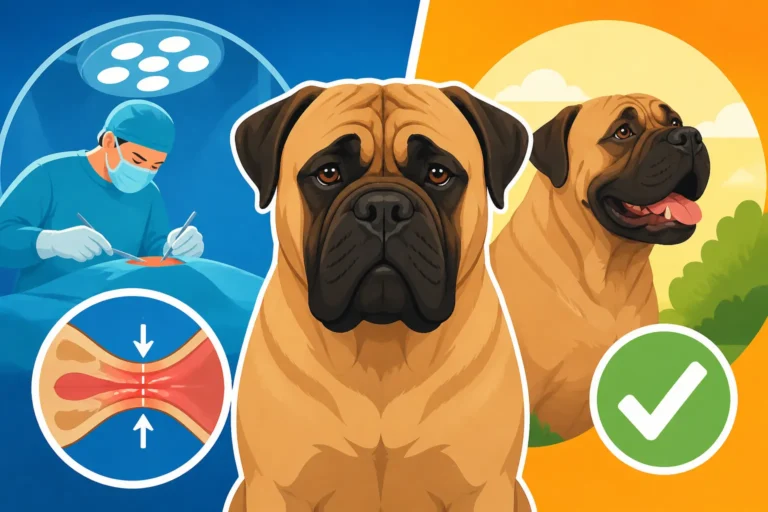
If, despite all your best efforts, your Bullmastiff is diagnosed with hip or elbow dysplasia, it's not the end of the world, though it can certainly feel like it. Many dogs live full, comfortable lives with proper management. The approach to treatment is usually multi-faceted, combining medical, surgical, and rehabilitative strategies tailored to your dog's specific needs and the severity of their condition.
Medical Management Options
For many Bullmastiffs with mild to moderate hip or elbow dysplasia, or for those not suitable for surgery, medical management is the primary approach. The goal is to reduce pain, control inflammation, and slow the progression of arthritis. This typically involves a combination of:
- Non-Steroidal Anti-Inflammatory Drugs (NSAIDs): Medications like carprofen (Rimadyl), meloxicam (Metacam), or firocoxib (Previcox) are commonly prescribed to alleviate pain and reduce inflammation. These can make a huge difference in your dog's comfort and mobility, but long-term use requires careful monitoring for potential side effects on the liver and kidneys.
- Pain Relievers: Beyond NSAIDs, your vet might prescribe other pain medications, such as gabapentin or tramadol, especially for managing chronic pain or breakthrough pain.
- Joint Supplements: Glucosamine, chondroitin sulfate, and MSM are popular supplements believed to support cartilage health and reduce inflammation. Omega-3 fatty acids (fish oil) also have anti-inflammatory properties. While not a cure, many owners find these helpful in supporting joint health. For insights into costs, you can explore What Joint Supplements Cost for a Bullmastiff.
- Adequan Injections: Polysulfated Glycosaminoglycan (PSGAG) injections like Adequan can help stimulate cartilage repair and reduce inflammation within the joint. These are typically given as a series of injections.
- Weight Management: Keeping your Bullmastiff lean is paramount. Every extra pound puts immense stress on already compromised joints, increasing pain and accelerating arthritic changes. Dietary adjustments and controlled exercise are crucial here.
- Supportive Therapies: This includes things like therapeutic massage, acupuncture, and cold laser therapy, which can offer relief for some dogs.
Navigating medical management can be a long-term commitment, often requiring adjustments as your dog ages and the condition progresses. This is where pet insurance can be a lifesaver. Providers like Healthy Paws can help cover the significant ongoing costs of medications, supplements, and regular vet visits associated with managing a chronic condition like dysplasia, easing the financial burden and allowing you to focus on your Bullmastiff's comfort.
Surgical Interventions and Their Costs
When medical management is no longer sufficient, or in cases of severe dysplasia, surgical intervention might be considered. The type of surgery depends on the specific condition (hip or elbow) and its severity. These procedures are often costly, and it’s important to understand the commitment involved. For information on specific costs, our article What Hip Surgery Costs on a Bullmastiff can provide valuable insights.
For hip dysplasia, common surgical options include:
- Femoral Head Ostectomy (FHO): This procedure involves removing the head and neck of the femur, allowing a "false joint" to form where muscle tissue replaces the bone-on-bone contact. It’s typically reserved for smaller dogs or those with severe pain who are not candidates for other surgeries.
- Triple Pelvic Osteotomy (TPO) or Double Pelvic Osteotomy (DPO): These are corrective surgeries performed on younger dogs (typically under a year) before significant arthritis has developed. They involve cutting and rotating the pelvic bones to improve the fit of the femoral head in the acetabulum.
- Total Hip Replacement (THR): This is the most effective surgical treatment for severe hip dysplasia, where the damaged ball and socket are replaced with artificial implants. It has a high success rate but is also the most expensive and specialized procedure.
For elbow dysplasia, surgical options are more varied, depending on the specific component:
- Arthroscopy: A minimally invasive procedure where a small camera is inserted into the joint to remove fragmented pieces of bone or cartilage (like in FCP or OCD) or to assess incongruity.
- Ulna Ostectomy: In cases of UAP or severe incongruity, a small section of the ulna might be removed to relieve pressure and allow the bones to grow more evenly.
- Sliding Humeral Osteotomy: For severe OCD, this may be considered to improve joint mechanics.
The costs associated with these surgeries can range from several thousand dollars for arthroscopy to upwards of $6,000-$10,000 per joint for a total hip replacement. This is precisely why early insurance coverage with a company like Healthy Paws is so highly recommended. They can reimburse a significant portion of these substantial veterinary bills, ensuring you can make decisions based on your Bullmastiff's needs, not just your budget.
Rehabilitation and Physical Therapy
Regardless of whether your Bullmastiff undergoes surgery or is managed medically, rehabilitation and physical therapy are crucial components of their long-term care. Just like in humans, post-operative rehab can significantly improve outcomes, speed recovery, and enhance joint function. For medically managed dogs, it helps maintain muscle mass, flexibility, and overall comfort.
Rehabilitation programs are often tailored to the individual dog and might include:
- Hydrotherapy: Exercising in water reduces weight-bearing stress on joints while strengthening muscles. Underwater treadmills are particularly effective.
- Therapeutic Exercises: Specific exercises designed to improve range of motion, build muscle strength, and enhance balance and coordination.
- Massage and Stretching: To improve flexibility, reduce muscle tension, and increase circulation.
- Cold Laser Therapy: A non-invasive treatment that uses light to reduce pain and inflammation and promote tissue healing.
- Therapeutic Ultrasound: Can be used to warm deep tissues, promoting healing and reducing pain.
- Acupuncture: Some dogs experience pain relief and improved mobility with acupuncture.
A certified canine rehabilitation therapist or veterinarian will design a program for your Bullmastiff, which often needs to continue, in some form, throughout their life. This ongoing commitment to physical therapy can profoundly impact their quality of life, keeping them more mobile and comfortable for longer, helping them defy the typical progression of arthritis, and making their everyday life much more manageable.
Preventative Measures and Lifestyle Adjustments
While genetics play a significant role in hip and elbow dysplasia, there's a lot you can do as a Bullmastiff owner to minimize risk and manage the conditions, should they arise. Prevention isn't just about avoiding problems; it's about setting your dog up for the healthiest, most comfortable life possible.
Maintaining a Healthy Weight
This cannot be stressed enough: keeping your Bullmastiff lean is one of the single most important things you can do for their joint health, regardless of whether they have dysplasia or not. Every extra pound puts additional strain on their joints, accelerating the wear and tear of cartilage and exacerbating pain in arthritic joints. For a 130-pound Bullmastiff, even an extra 5-10 pounds can make a significant difference.
- Portion Control: Follow feeding guidelines for their ideal weight, not their current weight, if they are overweight. Measure food accurately.
- Calorie-Appropriate Food: Ensure you're feeding a high-quality, age-appropriate food. As they mature, transitioning to a large-breed adult formula designed for weight management may be beneficial.
- Limit Treats: Treats should make up no more than 10% of their daily caloric intake. Opt for low-calorie, healthy options like plain carrots or green beans.
- Regular Exercise: Engage in appropriate, low-impact exercise to burn calories and maintain muscle mass. For insights on this, you might find our article Why a Bullmastiff Puppy Should Be Kept Lean particularly useful, as the principle carries into adulthood.
Regularly check your Bullmastiff's body condition score. You should be able to easily feel their ribs with slight pressure, and they should have a discernible waist when viewed from above. If you're unsure, ask your vet to assess their weight and provide guidance. This vigilant approach to weight management is a lifelong commitment for a Bullmastiff, but it pays dividends in joint health and overall longevity.
Providing Proper Bedding and Support
For a heavy-boned breed like the Bullmastiff, where they sleep and rest has a direct impact on their joint comfort and health. Providing orthopedic support is not a luxury; it's a necessity, especially as they age or if they have existing joint issues.
- Orthopedic Beds: Invest in a high-quality orthopedic bed with dense, supportive foam (like memory foam). This cushions their joints, distributes their weight evenly, and prevents pressure sores. Regular dog beds often flatten quickly under a Bullmastiff's weight, offering no real support. Our guide on What an Orthopedic Bed for a Bullmastiff Costs can help you budget for this essential item.
- Raised Beds: Some Bullmastiffs might benefit from raised beds (cot-style beds) for better air circulation and support, especially in warmer climates.
- Avoid Hard Surfaces: Encourage your Bullmastiff to rest on soft, supportive surfaces rather than cold, hard floors which can exacerbate stiffness and discomfort.
- Ramps and Stairs: As they get older, or if they have difficulty with mobility, consider ramps for getting into and out of cars, or up onto furniture if they're allowed. This prevents jarring impacts on their joints. You can learn more about this in What a Car Ramp for a Bullmastiff Costs.
Choosing the right bedding and providing accessible support throughout their home can significantly improve your Bullmastiff's daily comfort, reduce pain, and help maintain their mobility for longer. It's a small investment that makes a huge difference in their quality of life.
Environmental Modifications for Joint Comfort
Beyond bedding, making smart adjustments to your home environment can create a safer, more comfortable living space for a Bullmastiff with joint concerns. These modifications are especially crucial for preventing slips, falls, and unnecessary stress on their hips and elbows.
- Non-Slip Surfaces: Hardwood, tile, and laminate floors can be incredibly slippery for a heavy dog, forcing them to splay their legs and put excessive strain on their joints. Lay down rugs, runners, or carpet remnants in high-traffic areas. This provides traction and confidence, especially for a dog that might be unsteady.
- Ramps for Elevated Areas: If your Bullmastiff needs to access elevated areas like a porch, a few steps up, or even a raised feeding station, a gentle ramp is a much better option than repeated jumping or stepping.
- Easy Access to Essentials: Ensure their food and water bowls are easily accessible. Some dogs with advanced arthritis might benefit from raised bowls, while others might prefer bowls on the floor to avoid straining their neck. Observe your dog and see what works best for them.
- Controlled Temperatures: Extreme cold can exacerbate joint stiffness and pain. Ensure your Bullmastiff has a warm, draft-free place to sleep, especially in winter. In warmer months, avoid extreme heat which can lead to overheating and fatigue, further impacting mobility.
- Gentle Outdoor Access: If you have steps leading outside, consider adding a ramp or creating a flat access point. Keep pathways clear and non-slippery.
These seemingly small changes can dramatically improve your Bullmastiff's ability to navigate their world comfortably and safely. It's about proactive care, anticipating their needs, and mitigating the daily challenges posed by their size and potential joint issues. Your commitment to these adaptations will allow your Bullmastiff to maintain dignity and comfort even as they age.
The Long-Term Outlook for Bullmastiffs with Joint Issues
Living with a Bullmastiff affected by hip or elbow dysplasia is a journey that requires patience, dedication, and a deep understanding of their needs. It’s not just about managing the physical symptoms, but also about supporting their overall well-being and making compassionate decisions as they age. For more general insights into the aging process, our article What Changes in an Aging Bullmastiff's Care can offer a broader perspective.
Understanding Quality of Life with Dysplasia
The primary goal when managing dysplasia is to maintain a good quality of life for your Bullmastiff. This means minimizing pain, maximizing mobility, and ensuring they can still enjoy their favorite activities, even if those activities need to be modified. A dog in chronic pain isn't truly living.
- Pain Management is Key: This is the cornerstone of quality of life. Regularly assess your dog's pain levels with your vet and adjust medication as needed. Don't be afraid to ask for stronger options if current treatments aren't cutting it. Bullmastiffs are tough; they often hide pain until it's severe.
- Adaptation, Not Elimination, of Activities: Instead of eliminating walks, shorten them or take them during cooler parts of the day. Replace high-impact play with gentle games or mental stimulation. If they love swimming, that’s a fantastic low-impact exercise.
- Mental Stimulation: Don't forget their minds. Puzzle toys, scent games, and short training sessions keep them engaged and happy, even if their body is slowing down.
- Regular Vet Check-ups: These are crucial for monitoring progression, adjusting medications, and catching any secondary issues early. Our article How Often a Bullmastiff Needs a Wellness Exam stresses the importance of regular veterinary oversight for any aging dog.
A good quality of life means your Bullmastiff can eat comfortably, move without undue pain, interact positively with their family, and enjoy a reasonable level of activity. It's about finding that balance and being present to their daily needs.
When to Make Tough Decisions
As a Bullmastiff with significant hip or elbow dysplasia ages, there may come a time when their pain becomes intractable, or their quality of life severely diminishes, despite all efforts. This is perhaps the hardest part of owning a dog – knowing when it’s time to say goodbye. It’s a decision fraught with emotion, and it’s okay to struggle with it.
Signs that your Bullmastiff might be losing their quality of life include:
- Persistent, uncontrolled pain: Even with medication, they are constantly uncomfortable.
- Loss of mobility: Inability to stand, walk, or perform basic functions without significant distress. Our article Why an Aging Bullmastiff Struggles to Rise delves into these challenges.
- Loss of interest: No longer enjoying food, treats, toys, or interaction with family.
- Incontinence: Inability to control bladder or bowel movements due to pain or mobility issues.
- Weight loss or severe muscle wasting: Despite adequate nutrition.
Having open and honest conversations with your veterinarian is vital during this period. They can help you assess your dog's pain levels and overall condition objectively. It’s also helpful to keep a journal of your Bullmastiff’s good days versus bad days. When the bad days consistently outnumber the good, and all avenues for comfort have been exhausted, considering humane euthanasia becomes the most compassionate choice. It's a final act of love, freeing them from suffering.
The Emotional Toll on Owners
Witnessing your strong, stoic Bullmastiff decline due to joint disease takes a massive emotional toll. You might feel frustrated, guilty, sad, or overwhelmed by the constant care, expense, and worry. These feelings are completely normal and valid. Caring for a dog with chronic pain is a marathon, not a sprint.
- Seek Support: Talk to your veterinarian, friends, family, or online support groups. Sharing your experiences can be incredibly helpful.
- Acknowledge Your Feelings: It's okay to grieve the loss of your dog's youthful vigor, or to feel angry that they have to suffer.
- Prioritize Self-Care: You can't pour from an empty cup. Make sure you're getting enough rest and taking care of your own needs so you can continue to provide the best care for your Bullmastiff.
- Focus on the Present: While difficult, try to focus on the joy you share each day. Cherish the moments of comfort and connection.
Bullmastiffs may have a shorter lifespan compared to some breeds – for example, The Median Bullmastiff Lives Eight and a Half Years – and conditions like hip and elbow dysplasia can make those years even more challenging. The love and care you provide, even through the hardest times, define your bond. Remember that you are doing everything you can to ensure their comfort, and that unwavering commitment is a testament to the special bond you share with your magnificent Bullmastiff.
Disclaimer
This article is intended for informational purposes only and does not constitute veterinary advice. Always consult with a qualified veterinarian for any health concerns or before making any decisions about your Bullmastiff's health, diet, or treatment plan.