Whether a Bullmastiff Needs Bloodwork Yearly
It’s a familiar scenario for many Bullmastiff owners: your magnificent, seemingly robust companion is due for their annual vet visit. You brace yourself not just for the wrestle onto the scale, but for the conversation about routine diagnostics, especially bloodwork. The question often hangs in the air – does my Bullmastiff really need bloodwork every single year, especially if they look and act perfectly healthy? With the formidable size and associated costs of caring for these gentle giants, it’s a valid concern. This guide will help you understand why annual bloodwork is a crucial, proactive step in managing your Bullmastiff’s health, spotting potential issues before they become emergencies, and planning for their long-term well-being.
Why Annual Bloodwork for Your Bullmastiff Matters (Even if They Seem Fine)
It’s easy to think, "If it ain't broke, don't fix it!" when it comes to your Bullmastiff's health. They’re often so stoic, so outwardly calm, that you might assume no news is good news. But for a breed like the Bullmastiff, known for certain predispositions and a shorter average lifespan, proactive vigilance is truly golden. Annual bloodwork isn't just about catching problems once they've started; it's about seeing the whispers of change before they turn into shouts.
Catching Silent Killers Early
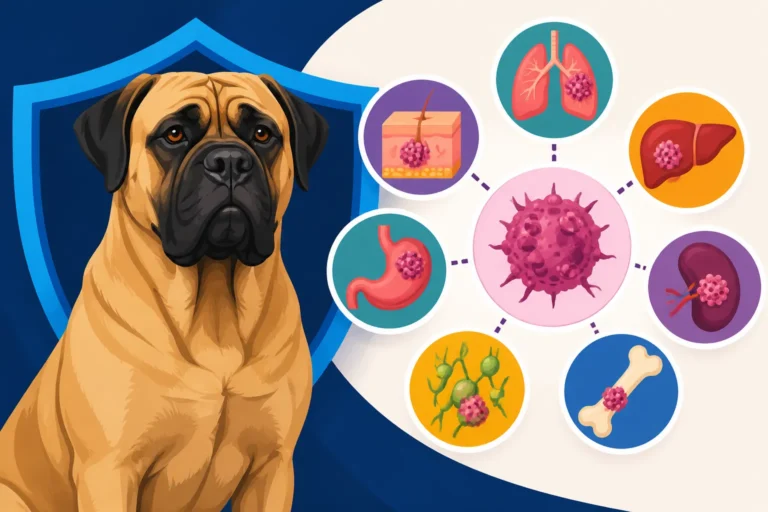
One of the biggest heartbreaks for Bullmastiff owners is how quickly things can sometimes go wrong, often with little to no warning. Many serious conditions, from kidney and liver disease to certain types of cancer, can be silently progressing for months, even years, before your dog shows any outward symptoms. Imagine a scenario where your Bullmastiff, who usually has an iron stomach, starts to have slightly off days with their appetite. You might brush it off as a temporary thing, but subtle shifts in their internal chemistry could already be signaling something significant.
Bullmastiffs are notoriously good at masking discomfort and illness. They were bred to be tough and resilient, and that often translates to a high pain tolerance, making it incredibly difficult for owners to recognize when something is truly amiss. This is why having regular bloodwork is so vital; it acts as an internal spy, providing a snapshot of their organ function and overall systemic health that you simply can't see on the surface. Catching these "silent killers" in their earliest stages, when blood values are just starting to trend abnormally, can open up a wider window for effective intervention and potentially a much better prognosis. This silent nature is why it’s so important to understand How a Bullmastiff Hides Pain.
Establishing a Baseline for Health
Think of annual bloodwork as creating a personalized health diary for your Bullmastiff. Every dog is an individual, and while laboratories provide broad "normal" reference ranges, your dog’s specific normal might actually sit at the higher or lower end of that spectrum. For example, one Bullmastiff might naturally have a slightly lower white blood cell count than another, yet both are perfectly healthy. Without a consistent history of their own results, any slight deviation could be misinterpreted or, conversely, a significant change could be missed if it still falls within the wider "normal" range.
By performing yearly blood tests, your veterinarian can establish a unique baseline for your Bullmastiff. Over time, they can compare current results to previous ones, looking for trends and subtle shifts rather than just absolute highs or lows. A parameter that has consistently been at one level and then gradually begins to creep up, even if still technically within the "normal" range, can be an early red flag. This historical data empowers your vet to make more informed decisions about your Bullmastiff’s health, often prompting further investigation into potential issues long before clinical signs manifest. This proactive approach can make all the difference in detecting conditions like Hypothyroidism in a Bullmastiff early.
Monitoring Medication and Age-Related Changes
As Bullmastiffs age, or if they develop chronic conditions, medication often becomes a part of their daily routine. Whether it’s daily anti-inflammatories for joint comfort or thyroid medication, bloodwork is indispensable for monitoring the efficacy of these treatments and ensuring they aren't causing unintended side effects. For instance, some medications can impact liver or kidney function over time. Regular blood panels allow your vet to adjust dosages or switch medications if necessary, keeping your Bullmastiff safe and comfortable.
Furthermore, just like in humans, organ function in dogs naturally starts to decline as they get older. What was perfectly robust at two years old might begin to show subtle signs of wear and tear at six or seven. For a Bullmastiff, who has a median lifespan that is shorter than many other breeds, recognizing these age-related changes early is particularly important. As they start to enter their senior years, around The Age a Bullmastiff Is Considered Senior, yearly bloodwork becomes an even more critical tool. It helps monitor kidney and liver values, blood sugar, and other key indicators that can reveal age-related diseases developing under the radar. This allows for early dietary changes, supplements, or medications that can significantly improve their quality of life and potentially extend their healthy years.
What a Bullmastiff's Yearly Bloodwork Includes
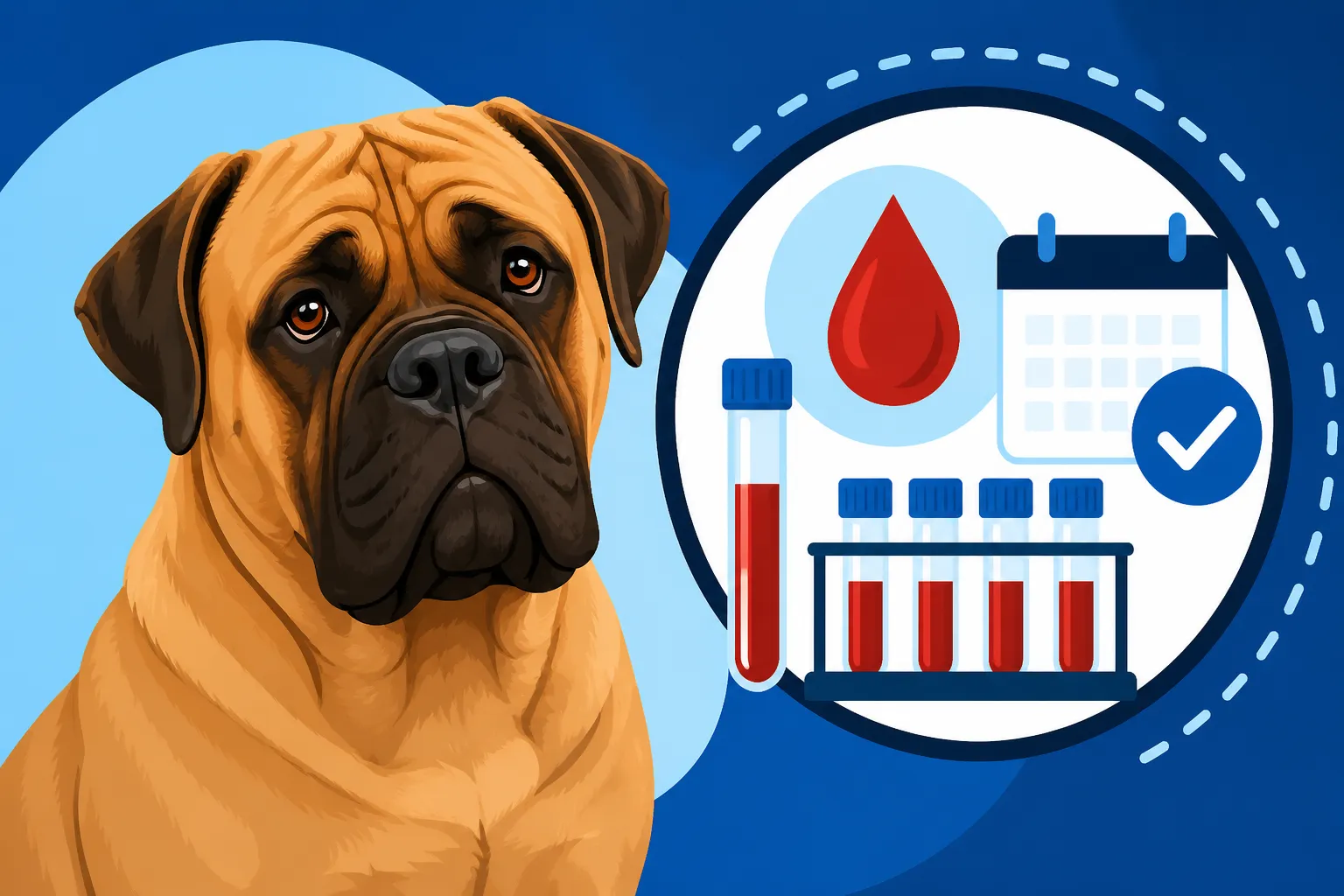
When your Bullmastiff gets their annual bloodwork, it's not just one single test; it's typically a panel of tests designed to give a broad, yet detailed, overview of their internal workings. Understanding what each component looks for can help you appreciate the value of this routine screening.
Complete Blood Count (CBC) Explained
The Complete Blood Count, or CBC, is a fundamental diagnostic tool that provides crucial information about the different cells circulating in your Bullmastiff's blood. It's like taking an inventory of their cellular health.
The CBC measures red blood cells, which are responsible for carrying oxygen throughout the body. Abnormalities here can indicate anemia (low red blood cells), which might point to nutritional deficiencies, chronic disease, or internal bleeding. Conversely, high red blood cell counts could suggest dehydration. It also evaluates white blood cells, the immune system's defenders. Elevated white blood cell counts can signal an infection, inflammation somewhere in the body, or even significant stress. Different types of white blood cells can be counted (a differential), offering clues as to the type of infection or inflammatory process. Lastly, the CBC checks platelet counts, which are essential for proper blood clotting. Low platelets could indicate a bleeding disorder, while high levels might suggest inflammation or other issues. For a breed like the Bullmastiff, susceptible to various conditions, a CBC offers vital early clues to a range of potential problems, allowing your vet to investigate further before the condition becomes advanced.
Chemistry Panel Insights
While the CBC looks at blood cells, the chemistry panel dives into the biochemical components of your Bullmastiff's blood. This panel assesses the function of vital organs and the balance of critical substances in the body.
Key components of a chemistry panel typically include tests for kidney function (BUN and creatinine), liver function (ALT, ALP, bilirubin), and pancreatic function (amylase, lipase). Abnormalities in these values can indicate damage, disease, or inflammation in these organs. For example, elevated liver enzymes might suggest liver stress or disease, while increased kidney values could be the first sign of kidney disease. The panel also checks blood sugar levels, which are crucial for detecting diabetes, and electrolyte balance (sodium, potassium, chloride), essential for nerve and muscle function. Protein levels are also measured, offering insights into hydration, inflammation, and potential kidney or liver issues. Given the Bullmastiff's size and genetic predispositions, a comprehensive chemistry panel is a crucial screen to catch subtle changes in organ health that might otherwise go unnoticed until symptoms become severe, helping identify problems before they impact their daily life.
Thyroid Function Tests
For Bullmastiffs specifically, a thyroid function test is often an incredibly important component of routine bloodwork. This breed is known to have a higher incidence of Hypothyroidism in a Bullmastiff, a condition where the thyroid gland doesn't produce enough hormones.
Hypothyroidism can manifest in a variety of subtle ways that owners might initially dismiss or attribute to normal aging. Signs can include weight gain despite no change in diet, lethargy, a dull or sparse coat, recurring skin infections, or even changes in temperament. Because these symptoms can be vague and overlap with other issues, a specific thyroid test (often measuring T4 and TSH levels) is the most definitive way to diagnose the condition. Catching hypothyroidism early through annual bloodwork allows your vet to prescribe medication that can easily manage the condition, restoring your Bullmastiff's energy levels, improving their coat, and preventing further health complications. Without regular testing, this common Bullmastiff issue could go undiagnosed, leading to a diminished quality of life for your beloved companion. If you're seeing Signs a Bullmastiff's Thyroid Is Low, annual bloodwork will confirm or rule out this condition.
When Annual Bloodwork Becomes Non-Negotiable
While we champion annual bloodwork for all Bullmastiffs as a proactive measure, there are certain life stages and situations where it transitions from highly recommended to absolutely essential. These are the moments when skipping this crucial diagnostic could have serious consequences.
For Senior Bullmastiffs
As your majestic Bullmastiff moves into their golden years, typically around six to seven years old, their bodies undergo significant changes. This is when the wear and tear of a large, powerful frame begins to show, and the risk of age-related diseases increases exponentially. For senior Bullmastiffs, annual bloodwork isn't just a good idea—it's a non-negotiable cornerstone of their preventative care.
At this stage, conditions like kidney disease, liver dysfunction, diabetes, and certain cancers become much more prevalent. These diseases often progress slowly and insidiously, with early symptoms being incredibly vague or easily mistaken for "just getting old." Regular blood panels, perhaps even twice a year for some individuals, allow your veterinarian to closely monitor organ function and catch these issues in their infancy. This early detection means that interventions, whether dietary changes, supplements, or medication, can be implemented much sooner, potentially slowing the progression of disease, managing discomfort, and significantly improving your senior Bullmastiff’s quality of life. It’s an investment in their comfort and dignity as they age, helping you provide the best Caring for a Bullmastiff Past Six. Knowing What Changes in an Aging Bullmastiff's Care reinforces the importance of these checks.
Before Anesthesia or Major Procedures
Any time your Bullmastiff needs to undergo a procedure requiring anesthesia, such as a dental cleaning, a lump removal, or a more involved surgery like addressing Bloat in a Bullmastiff, pre-anesthetic bloodwork is not just recommended, but often a mandatory requirement. This isn't your vet being overly cautious; it's about safeguarding your beloved companion.
Anesthesia can put stress on a dog’s internal organs, particularly the liver and kidneys, which are responsible for processing and eliminating anesthetic drugs from the body. Pre-anesthetic bloodwork provides a critical, up-to-the-minute assessment of these vital organ functions. It ensures that their liver and kidneys are healthy enough to handle the medication and that there are no underlying conditions that could lead to complications during or after the procedure. Discovering an issue, like a subtle kidney impairment, beforehand allows the veterinary team to adjust the anesthetic protocol, choose different medications, or even postpone the procedure until the underlying issue can be addressed, drastically reducing the risks. Ensuring Whether a Bullmastiff Tolerates Anesthesia safely is paramount.
If Your Bullmastiff Shows Subtle Changes
Sometimes, your Bullmastiff might not be due for their annual check-up, but you start noticing little things that just seem "off." It’s these subtle, almost imperceptible changes that often warrant an unscheduled vet visit and, very likely, immediate bloodwork.
These changes could be anything from a slight decrease in appetite, a noticeable increase in water consumption, minor shifts in energy levels, or even a duller coat than usual. Perhaps they're sleeping a bit more, or seem less enthusiastic about their usual walk. While these can sometimes be benign, they can also be the earliest indicators of a brewing health crisis, such as early-stage organ disease, metabolic imbalances, or even certain cancers. Because Bullmastiffs are masters at hiding pain and discomfort, it's crucial to trust your gut when you notice these subtle cues. Prompt bloodwork in these situations can quickly provide answers, either ruling out serious conditions or initiating early diagnosis and treatment, which can make all the difference in the outcome. Pay attention to changes in their drinking habits, as they can reveal a lot about potential issues with their kidneys.
Addressing the Cost and How to Plan for It
Let's be frank: owning a Bullmastiff isn't cheap, and vet bills, especially for routine preventative care like annual bloodwork, can add up. It’s a common frustration, but it’s crucial to view these costs not as an expense, but as a vital investment in your Bullmastiff's health and happiness.
Understanding the Investment in Health
The sticker shock of vet bills, particularly for large breeds where medication doses and anesthesia costs scale with size, is a real concern for many Bullmastiff owners. You've likely already experienced this with initial puppy visits and vaccinations, recognizing that Why a Bullmastiff's Bills Come Early. An annual blood panel, depending on the specific tests included by your veterinarian and your region, can feel like a significant chunk of change.
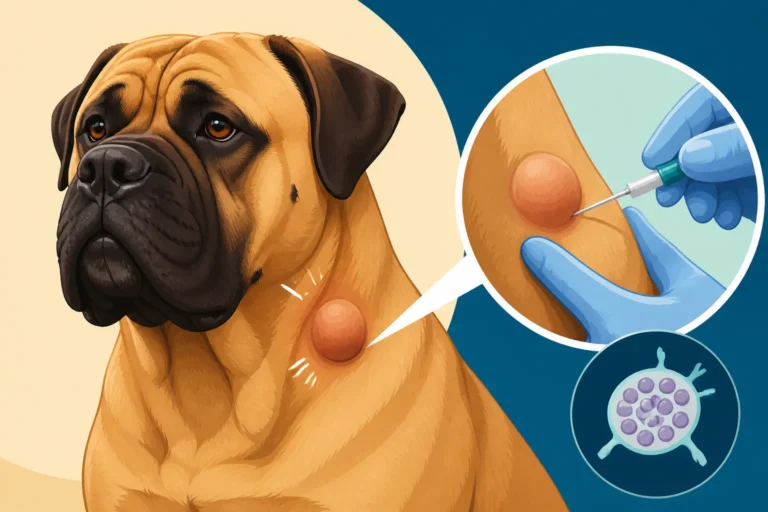
However, consider it this way: proactive, preventative care, including yearly bloodwork, is often far less expensive than emergency treatment for a condition that has progressed undetected. Catching kidney disease, diabetes, or even early signs of certain cancers like lymphoma through routine screening can allow for less invasive, more effective, and ultimately more affordable treatments. For example, managing early-stage kidney disease with diet and supplements is considerably less costly and stressful than dealing with a dog in acute kidney failure. It’s about being financially prepared for the expected costs to hopefully avoid the much larger, unexpected ones. This foresight can literally add years of quality life to your Bullmastiff, saving you heartache and potentially far more money in the long run.
Pet Insurance and Wellness Plans
To help alleviate the financial burden of veterinary care, many Bullmastiff owners turn to pet insurance. A comprehensive pet insurance policy can be a game-changer, especially for a breed prone to certain health issues and higher medical costs due to their size.
Providers like Healthy Paws are popular choices, and while policies vary, a good one can help cover a significant portion of diagnostic tests, treatments, and even some emergency surgeries for unexpected illnesses or accidents. When it comes to routine bloodwork, some pet insurance companies offer optional "wellness plans" or "preventative care add-ons" that specifically help cover the costs of annual exams, vaccinations, and routine blood panels. These plans can make the decision to invest in yearly bloodwork much easier on your budget. It's always wise to research What Insurance Covers on a Bullmastiff and carefully review different plans to see if they fit your needs, paying close attention to deductibles, reimbursement percentages, and annual limits. Understanding What a Bullmastiff's Deductible Should Be is also key to choosing the right policy. Enrolling your Bullmastiff when they are young and healthy is usually the best strategy to ensure coverage for potential future conditions.
Talking to Your Veterinarian
One of the most valuable resources you have as a Bullmastiff owner is your veterinarian. Don't ever hesitate to have an open, honest conversation with them about your concerns, including the costs of care and your budget.
Your vet's primary goal is the health of your Bullmastiff, and they understand the financial realities of large breed ownership. If you're struggling with the cost of a full panel of blood tests, discuss with them what specific tests they consider most critical for your dog's age, breed, and current health status. They might recommend a more focused panel for a younger, perfectly healthy Bullmastiff, saving certain tests for later years. They can also explain payment options, and some clinics even offer in-house wellness packages or payment plans. A good vet-client relationship is built on trust and communication, and openly discussing your financial considerations ensures that you can work together to create a preventative care plan that is both effective and manageable for your family. They might also be able to offer insights into things like What a Bullmastiff Breeder Should Have Screened that could impact future health.
Overview of Bullmastiff Annual Bloodwork Components
To help you visualize what these tests are looking for, here's a quick table summarizing the main components of a typical annual blood panel for your Bullmastiff and why each is important.
| Blood Test Component | What it Measures / Looks For | Why it's Important for Your Bullmastiff |
|---|---|---|
| Complete Blood Count (CBC) | Red blood cells, white blood cells, platelets, hemoglobin. | Detects anemia, infection, inflammation, stress, bleeding disorders. Crucial for early signs of systemic issues. |
| Chemistry Panel | Liver enzymes, kidney values (BUN, creatinine), blood glucose, electrolytes, protein levels, pancreatic enzymes. | Assesses organ function (liver, kidneys, pancreas), screens for diabetes, dehydration, and electrolyte imbalances. |
| Thyroid Panel (T4, TSH) | Levels of thyroid hormones in the blood. | Screens for hypothyroidism, a common condition in Bullmastiffs that affects metabolism, energy, and coat health. |
Disclaimer
This article is for general informational purposes only and does not constitute professional advice. Laws, prices and regulations vary by location and change over time. Consult a qualified professional for guidance on your specific situation.