Dilated Cardiomyopathy in a Bullmastiff
Finding out your beloved Bullmastiff might have a heart condition is a gut-wrenching experience. These gentle giants, who fill our homes with their quiet strength and affectionate presence, can be vulnerable to serious health issues, and Dilated Cardiomyopathy (DCM) is one of the most frightening. This comprehensive guide will walk you through understanding DCM in Bullmastiffs, recognizing its often-subtle signs, navigating the diagnostic process, and exploring the best ways to manage this challenging disease to ensure your cherished companion has the best possible quality of life.
Understanding Dilated Cardiomyopathy in Bullmastiffs
When we talk about heart conditions in our big, beautiful Bullmastiffs, Dilated Cardiomyopathy can feel particularly daunting. It’s a serious diagnosis that often comes with a lot of heavy emotions and even heavier questions about what the future holds. But understanding what it is and why our Bullmastiffs are at risk is the first step toward managing it effectively.
What Exactly Is DCM?
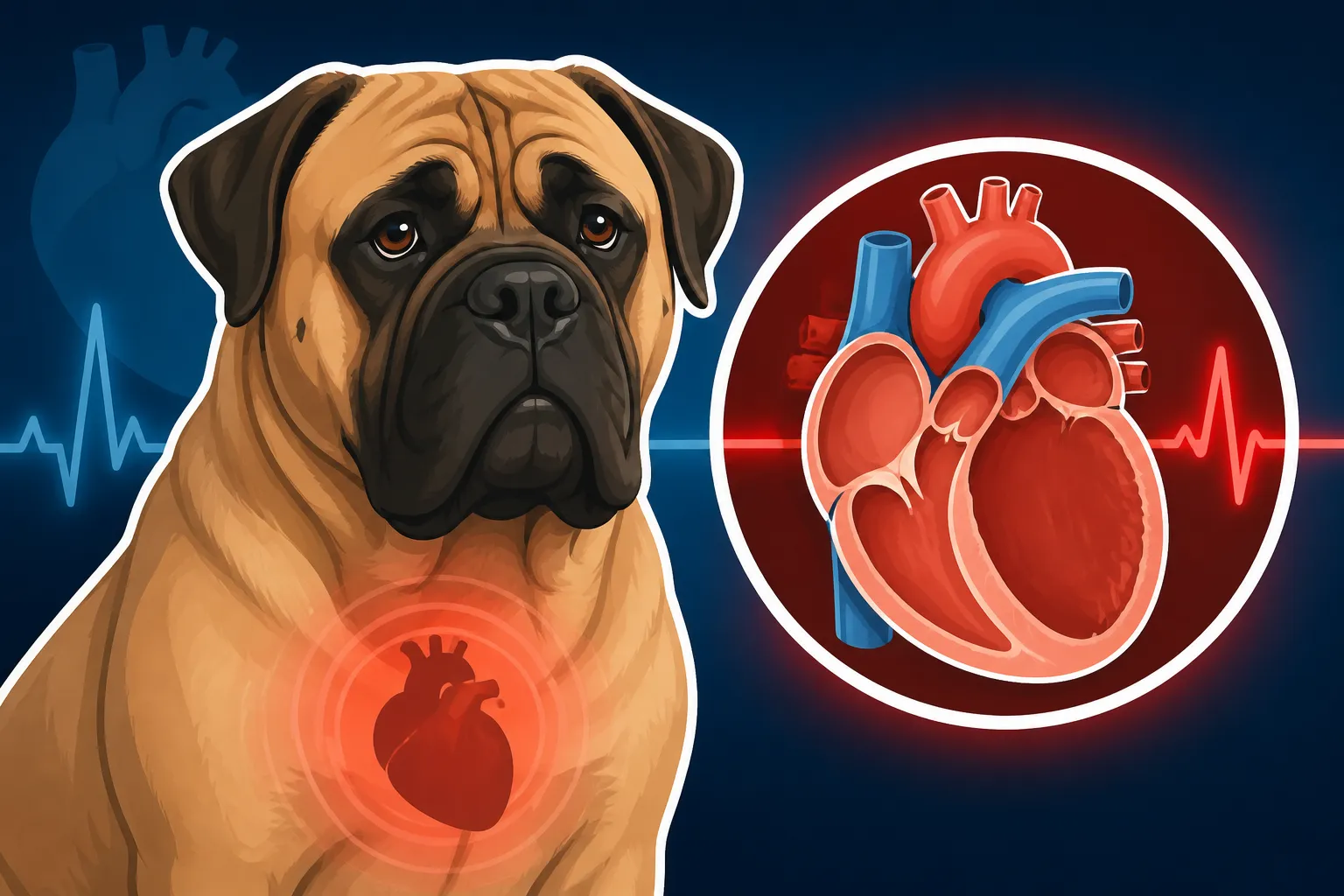
At its core, Dilated Cardiomyopathy is a disease of the heart muscle. Imagine your dog's heart as a powerful pump, constantly working to send blood throughout their body. In a Bullmastiff with DCM, the walls of the heart's main pumping chamber, the left ventricle, become thin and weak. This thinning causes the chamber to dilate, or stretch out, becoming significantly larger than it should be.
This stretching means the heart can't pump blood as efficiently. Instead of a strong, forceful contraction, you get a weaker, less effective squeeze. Over time, this reduced pumping ability leads to a backup of blood, which can cause fluid to accumulate in the lungs (pulmonary edema) or abdomen (ascites), leading to what veterinarians call congestive heart failure. It's a progressive disease, meaning it tends to worsen over time, but early detection and proactive management can make a significant difference.
Why Bullmastiffs Are at Risk
While DCM can affect any dog, it's disproportionately seen in certain breeds, primarily large and giant breeds. Bullmastiffs, unfortunately, fall into this category. The exact genetic mechanisms aren't always fully understood for every breed, but for many, there's a clear hereditary component. Unlike some breeds where a specific genetic mutation has been identified, such as the PDK4 gene in Doberman Pinschers, the genetic predisposition in Bullmastiffs is less clearly defined but still recognized.
It's important to differentiate DCM from other common cardiac issues our Bullmastiffs might face, such as Subaortic Stenosis Is There Before a Bullmastiff's First Birthday. While both affect the heart, subaortic stenosis involves a narrowing below the aortic valve, restricting blood flow out of the heart, whereas DCM is a problem with the heart muscle itself and its ability to pump blood effectively. Because Bullmastiffs are large and grow rapidly, factors affecting heart health can become pronounced. This means that while we adore their imposing stature, it does come with certain health considerations, and heart health is definitely one of them. Regular check-ups, even when your dog seems healthy, are paramount.
Recognizing the Silent Signs of DCM
One of the cruelest aspects of Dilated Cardiomyopathy is how silently it can progress in its early stages. Bullmastiffs are often stoic, masters at hiding discomfort, which means by the time obvious symptoms appear, the disease might be quite advanced. As owners, becoming attuned to subtle changes in our dogs' behavior and energy levels is critical for early intervention.
Early, Subtle Indicators
Before any dramatic symptoms manifest, your Bullmastiff might display changes that are easy to dismiss or attribute to normal aging. However, when combined, these seemingly minor shifts can paint a clearer picture of an underlying issue.
One of the most common early signs is a decrease in energy or an increase in fatigue. Your normally active (for a Bullmastiff, anyway!) companion might be less enthusiastic about walks, seem winded quicker, or simply choose to lie down more often. This isn't just "getting older" if it's a significant change in a relatively short period. You might notice they're sleeping more or just seem generally more lethargic, struggling to keep up during play sessions that they once enjoyed. This reduced stamina is a direct result of the heart not efficiently circulating oxygenated blood to the muscles and organs.
Another subtle but significant indicator can be a mild, intermittent cough. Many owners might mistake this for a kennel cough, a tickle in the throat, or even allergies, especially if it happens sporadically. However, a "cardiac cough" is often soft, hacking, and sometimes worse at night or after periods of exertion, when fluid might be pooling in the lungs. If you notice your Bullmastiff coughing more, particularly when resting, it’s worth a vet visit to investigate. Lastly, a reduced appetite or slight weight loss, especially if your Bullmastiff has always been a good eater, can be an early sign. A compromised heart affects overall systemic health, and sometimes, a general malaise, including a lack of interest in food, is one of the first things you'll pick up on. Keeping a close eye on their daily food intake and body condition is always a good practice.
Advanced Symptoms Requiring Immediate Attention
As DCM progresses, the signs become much more pronounced and often indicate that the heart is struggling significantly. These symptoms warrant immediate veterinary attention, as they suggest the onset of congestive heart failure.
Difficulty breathing is a critical sign. This might manifest as labored breathing, where your Bullmastiff is visibly working harder to inhale and exhale. You might see their sides heaving, their nostrils flaring, or even open-mouth breathing when they aren't hot or exerted. Excessive panting, even at rest or in cool environments, is also a serious red flag. This labored breathing is often due to pulmonary edema – fluid accumulation in the lungs – making it feel like they're trying to breathe through water. Any sudden change in breathing pattern or intensity should trigger an emergency vet visit.
Sudden weakness or even collapse is another alarming symptom. If your Bullmastiff suddenly loses strength, stumbles, or faints (syncope), it means their brain and muscles aren't getting enough oxygen due to severe circulatory compromise. This is an urgent medical emergency. You might also notice a distended or swollen abdomen, known as ascites, which occurs when fluid builds up in the abdominal cavity as a result of the heart's inability to pump efficiently and the resulting pressure changes in the blood vessels. This often accompanies significant weight loss elsewhere on the body, making the abdomen look disproportionately large. Finally, pale or bluish gums can indicate very poor circulation and oxygenation. If you gently lift your Bullmastiff's lip and their gums appear unusually pale or have a bluish tint, it's a sign of a critical lack of oxygen delivery to tissues and requires immediate veterinary care.
Diagnosing and Managing DCM
Receiving a diagnosis of Dilated Cardiomyopathy can feel overwhelming, but modern veterinary medicine offers various tools for accurate diagnosis and effective management. The goal isn't just to identify the problem, but to formulate a treatment plan that extends your Bullmastiff's comfortable lifespan.
The Diagnostic Process
When you bring your Bullmastiff to the vet with suspected heart issues, they'll typically start with a thorough physical examination. This includes listening to your dog's heart with a stethoscope to check for Signs a Bullmastiff Has a Heart Murmur or any irregular rhythms, which can be an early clue to cardiac disease. They’ll also check their lung sounds, gum color, and pulse strength.
The gold standard for definitively diagnosing DCM is an echocardiogram. This is a specialized ultrasound of the heart that allows a veterinary cardiologist to visualize the heart's chambers, measure their size, assess the thickness of the heart muscle, and observe how well the heart valves are functioning and how forcefully the blood is pumping. It directly shows the characteristic dilation and weakened contractions associated with DCM. This detailed imaging is crucial, as it differentiates DCM from other heart conditions that might present with similar symptoms. For instance, sometimes a young Bullmastiff might be screened with Why a Bullmastiff Puppy Needs a Cardiac Exam to rule out congenital issues like subaortic stenosis.
Alongside the echo, chest X-rays are often taken. These images help the vet assess the overall size and shape of the heart and, critically, check for fluid accumulation in or around the lungs (pulmonary edema or pleural effusion), which is a sign of congestive heart failure. An electrocardiogram (ECG) might also be performed to record the electrical activity of the heart, helping to identify any arrhythmias or irregular heartbeats that commonly accompany DCM. Finally, routine blood tests can provide a comprehensive look at your Bullmastiff's general health, assess kidney and liver function—which is important for choosing appropriate medications—and sometimes measure specific cardiac biomarkers that indicate heart stress or damage.
Treatment and Long-Term Management
While there's no cure for DCM, a combination of medications and lifestyle adjustments can significantly improve your Bullmastiff's quality of life and potentially extend their lifespan. The treatment plan is highly individualized and depends on the stage of the disease and the specific symptoms your dog is exhibiting.
A cornerstone of DCM management involves medication. Often, veterinarians will prescribe several drugs to work synergistically. ACE inhibitors, such as enalapril or benazepril, help relax blood vessels and reduce the workload on the heart. Diuretics, like furosemide, are essential for reducing fluid buildup in the lungs or abdomen, alleviating breathing difficulties and discomfort. Pimobendan (Vetmedin) is a critically important medication for dogs with DCM; it’s a positive inotrope that helps the heart muscle contract more forcefully and also acts as a vasodilator to reduce resistance to blood flow. Anti-arrhythmic drugs may also be necessary if your Bullmastiff is experiencing significant irregular heartbeats. These medications are often given for the rest of your dog's life, and their dosages may be adjusted over time based on your Bullmastiff's response and regular re-evaluations.
Dietary adjustments play a supportive role. A low-sodium diet is often recommended to help minimize fluid retention in the body. Many prescription cardiac diets are formulated specifically for this purpose. Regular monitoring at home is also vital; this includes tracking your Bullmastiff's resting respiratory rate, energy levels, and appetite. A sudden increase in breathing rate, for instance, could indicate worsening pulmonary edema and warrants immediate veterinary consultation. Because DCM treatment can be extensive and lifelong, it’s worth considering the financial impact. This is where pet insurance, like a policy from Healthy Paws, can be incredibly beneficial. Investing in pet insurance early, ideally when your Bullmastiff is a puppy, can help cover a significant portion of the ongoing medication costs, specialist consultations, and diagnostic tests like echocardiograms, which are expensive but necessary for optimal care. Regular vet check-ups, often every 3-6 months, are crucial for monitoring progression, adjusting medications, and performing repeat diagnostics like echocardiograms or blood tests to ensure the treatment plan remains effective. Remember, Whether a Bullmastiff's Heart Should Be Rechecked Yearly is a critical part of maintaining their health, especially with a known condition like DCM.
Living with a Bullmastiff with DCM
A diagnosis of Dilated Cardiomyopathy changes how you approach your Bullmastiff’s daily life, but it doesn't mean the end of happy times together. It simply means focusing on careful management and prioritizing their comfort and well-being.
Adjusting Exercise and Lifestyle
With a compromised heart, a Bullmastiff's ability to tolerate strenuous activity will be significantly reduced. The days of long, vigorous play sessions or demanding hikes may need to be replaced with a gentler routine. Short, slow walks, several times a day, are usually more appropriate than one long, taxing excursion. The key is to avoid over-exertion, which can put undue stress on their heart. Observe your dog closely during any activity; if they're panting excessively, lagging behind, or showing any signs of discomfort, it’s time to stop and rest.
Creating a calm and low-stress environment at home is also beneficial. Sudden excitements or stressful situations can elevate heart rate and blood pressure, which is something you want to minimize for a dog with DCM. A predictable routine can help reduce anxiety. Furthermore, Bullmastiffs already have a predisposition to overheating due to their brachycephalic (short-nosed) structure, so a heart condition makes them even more vulnerable. Avoiding extreme temperatures, especially hot and humid weather, is critical. Why Eighty Degrees Is Dangerous for a Bullmastiff becomes even more pertinent for a Bullmastiff with DCM. Ensure they always have access to cool, shaded areas and fresh water. On hot days, indoor exercise or very early morning/late evening potty breaks are preferable. If you notice Signs a Bullmastiff Has Heatstroke, act immediately.
Supporting Your Bullmastiff and Yourself
Living with a dog diagnosed with a progressive disease like DCM requires a strong focus on their quality of life. Work closely with your veterinary cardiologist to understand the progression of the disease and what to expect. The goal is to maximize their comfort and happiness for as long as possible. This often means carefully balancing medication side effects with disease symptoms and making informed decisions about care.
The financial implications of managing DCM can be substantial. As mentioned before, ongoing medications, specialized diets, frequent vet visits, and repeat diagnostics like echocardiograms can add up quickly. This is where a robust pet insurance plan can be a lifesaver. Companies like Healthy Paws offer coverage for chronic conditions, which can significantly reduce your out-of-pocket expenses for treatments and consultations. Knowing you have financial support can ease some of the burden and allow you to focus more on your Bullmastiff’s care without the added stress of overwhelming bills. It’s also important to remember that How Long a Bullmastiff Lives on Average is already shorter than many breeds, and DCM can shorten it further.
It's natural to experience emotional ups and downs when caring for a pet with a serious illness. Allow yourself to feel these emotions. Connect with other Bullmastiff owners or support groups for pet parents navigating chronic conditions. Ultimately, knowing when to consider palliative care and maintaining your dog's dignity are paramount. Discuss with your vet what signs indicate a significant decline in quality of life, so you can make compassionate decisions when the time comes. While it's incredibly tough, the love and care you provide make all the difference in their journey.
| Symptom / Condition | Dilated Cardiomyopathy (DCM) | Respiratory Infection (e.g., Kennel Cough) | Hypothyroidism |
|---|---|---|---|
| Cough | Soft, hacking, often worse at night/after exertion | Harsh, "honking" cough, often accompanied by sneezing, discharge | Infrequent, if at all. |
| Lethargy/Fatigue | Pronounced, progressive, persistent | Variable, often recovers with treatment | Gradual onset, progressive, significant |
| Breathing Difficulty | Labored breathing, panting at rest, open-mouth breathing | Clear nasal discharge, sneezing, sometimes wheezing | Typically none directly related to breathing difficulties |
| Appetite | Reduced or absent | May be reduced due to general malaise | Often normal or increased despite weight gain |
| Weight Changes | Weight loss despite possible abdominal swelling | Variable, usually no significant weight change | Weight gain despite no increase in food intake |
| Gum Color | Pale or bluish in advanced stages | Normal | Normal |
| Abdominal Swelling | Present in later stages (ascites) | None | None |
| Heart Sound | Murmur, irregular rhythm (arrhythmia), muffled sounds | Normal heart sounds | Normal heart sounds |
| Coat/Skin Issues | No direct link | No direct link | Dry, brittle coat, hair loss, thickened skin |
Disclaimer
The information provided in this article is for educational purposes only and is not intended to be a substitute for professional veterinary advice, diagnosis, or treatment. Always seek the advice of your veterinarian or other qualified animal health provider with any questions you may have regarding a medical condition. Never disregard professional veterinary advice or delay in seeking it because of something you have read here.