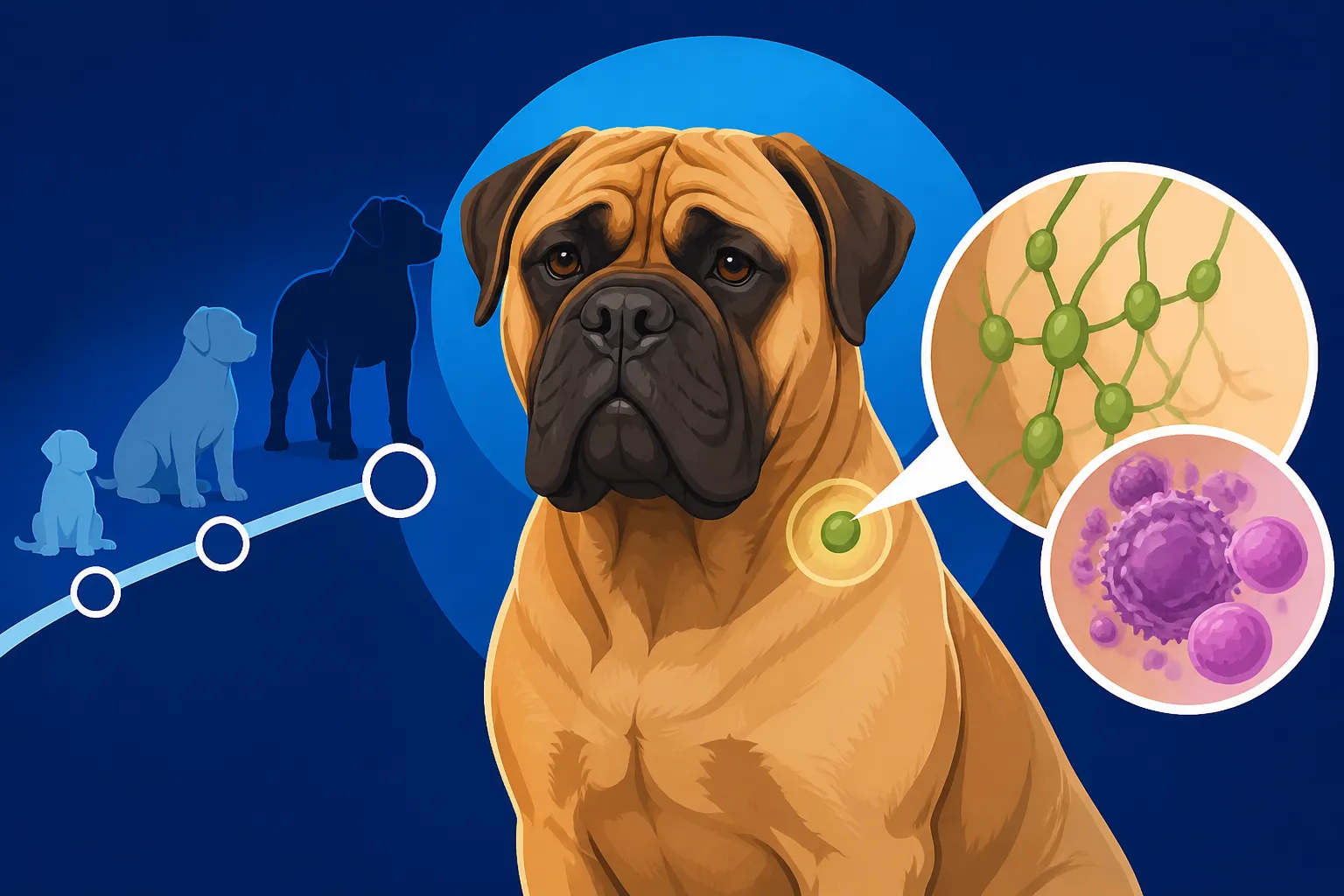
The Age Lymphoma Appears in a Bullmastiff
One of the hardest truths about owning a Bullmastiff is facing the increased risk of certain health conditions, and lymphoma sits at the top of that heartbreaking list. It's a devastating cancer that can strike fear into any owner's heart, and a common, very real concern is when this illness might appear. Understanding the typical age of onset and what factors might play a role can help you feel a bit more prepared, even if no one ever truly feels ready for such news.
The Harsh Reality of Lymphoma in Bullmastiffs
If you're a Bullmastiff owner, or considering becoming one, the topic of lymphoma is likely something you've encountered. It’s not just a concern; it's often a tragic reality for many of these magnificent dogs. This isn't just a generic health warning; it’s a specific, pervasive issue within the breed that demands our attention and understanding.
Why Bullmastiffs Are Prone to Lymphoma
It's a frustrating question without a simple answer: why our dogs? Bullmastiffs, unfortunately, have a well-documented genetic predisposition to certain cancers, and lymphoma is prominent among them. It’s part of their genetic makeup, which means that despite our best efforts, the risk remains significantly higher than in many other breeds. This isn't a reflection of poor breeding in all cases, but rather an inherent vulnerability that has become characteristic of the breed over time. You might find it illuminating to read more about Why Bullmastiffs Carry So Much Lymphoma Risk to understand the underlying predispositions.
This genetic lottery means that while we can take steps to promote overall health, we can't completely eliminate this elevated risk. It's a tough pill to swallow, knowing that your gentle giant carries this hidden vulnerability. In fact, studies suggest that Why a Bullmastiff's Lymphoma Risk Is Five Times a Mixed Breed's, which really underscores the serious nature of this condition for our beloved Mastiffs. This knowledge can feel heavy, but it's crucial for responsible ownership and proactive care.
What Lymphoma Means for Your Dog
When we talk about lymphoma, we're referring to a cancer of the lymphocytes, which are a type of white blood cell. These cells are part of the immune system, and when they become cancerous, they can affect various parts of the body where lymph tissue is found, including lymph nodes, spleen, liver, and even bone marrow. The most common form seen in Bullmastiffs is multicentric lymphoma, which involves generalized enlargement of the lymph nodes throughout the body.
The impact of lymphoma on a Bullmastiff can be profound, not just physically but also on their quality of life. The symptoms can range from subtle to severe, affecting their energy levels, appetite, and overall well-being. Beyond the physical toll on the dog, there's the immense emotional and financial strain on the owner. It’s a journey no one wishes to embark on, and understanding What Lymphoma Does to a Bullmastiff can help prepare you for what might lie ahead, however difficult that preparation may be.
The Typical Age Range for Lymphoma Onset
One of the most common questions Bullmastiff owners grapple with is, "How old will my dog be if lymphoma strikes?" It's a valid concern, as the age of onset can significantly influence treatment decisions and prognosis, not to mention the emotional toll.
When the Signs Usually Emerge
For Bullmastiffs, lymphoma most commonly rears its head in middle-aged to older dogs, typically between the ages of 6 and 9 years old. This age range often aligns with when many Bullmastiffs are considered "senior" or approaching their golden years, making the diagnosis particularly heartbreaking. You've often spent years nurturing and loving your big companion, and then to face such a formidable disease when they should be enjoying a comfortable retirement can be truly devastating.
During these middle years, Bullmastiffs are usually still quite robust and full of life, which can make the onset of lymphoma even more shocking. Owners often describe a period where their dog seemed perfectly healthy, only for a lump to appear, or for their energy levels to subtly decline. It's a cruel twist of fate that this robust, loyal breed often faces this challenge as they approach what should be their prime senior years.
Juvenile Lymphoma: A Rare but Devastating Exception
While the middle-aged onset is most common, it's important to acknowledge that lymphoma can, in rare and utterly heartbreaking cases, appear in much younger Bullmastiffs, sometimes even before they reach two years of age. This is known as juvenile lymphoma, and it is a particularly aggressive form of the disease. Imagine the shock and despair of getting this diagnosis for a puppy or a young adult dog who has barely begun their life.
When juvenile lymphoma strikes, it is often more aggressive and rapidly progressing than the forms seen in older dogs. The symptoms can appear suddenly, and the disease can advance quickly, leaving owners reeling. Thankfully, it is much less common than adult-onset lymphoma, but its existence means that vigilance is always important, regardless of your Bullmastiff's age. It's a stark reminder that while there are common patterns, cancer can be unpredictable.
Here’s a general overview of age ranges and typical presentations:
| Age Group | Typical Onset | Common Presentation | Prognosis (General) | Notes |
|---|---|---|---|---|
| Juvenile (Under 2 years) | Rare | Often aggressive, rapidly progressing multi-centric disease | Generally guarded | Can be very sudden and devastating for young dogs |
| Adult (2-6 years) | Less common | Can be aggressive or more indolent | Variable, depends on type and stage | Sometimes mistaken for other issues initially |
| Middle-Aged (6-9 years) | Most common | Swollen peripheral lymph nodes, often multi-centric | Variable, can respond well to treatment | The "peak" age range for Bullmastiffs, most frequent onset |
| Senior (9+ years) | Possible | Can be indolent, sometimes mistaken for other age-related issues | Often managed palliatively | Consideration of overall health and comorbidities |
Factors Influencing When Lymphoma Appears
While genetics play a huge role in a Bullmastiff's predisposition to lymphoma, the exact timing of its appearance can be a complex interplay of various factors. It's not always a straightforward equation, and understanding these influences, even partially, can empower owners.
Genetic Predisposition and Family Lines
As we touched upon earlier, genetics are undeniably the heaviest card in the deck when it comes to Bullmastiff lymphoma. Specific genetic markers and inherited susceptibilities within certain bloodlines mean that some Bullmastiffs are simply dealt a tougher hand than others. Reputable breeders are often keenly aware of this and try to make informed breeding decisions, but even with the best intentions and health screening, the genetic landscape of a complex disease like cancer isn't always fully understood. You might be curious to learn more about Whether Lymphoma Runs in Bullmastiff Lines, as this is a topic breeders and owners discuss often.
Unfortunately, unlike some other genetic conditions, there isn't a simple DNA test readily available that can predict with certainty if or when a Bullmastiff will develop lymphoma. While research is ongoing, the reality is that Whether a Genetic Test for Bullmastiff Lymphoma Exists is still a hope for the future rather than a current tool. This makes the breeder's commitment to transparency about health in their lines, particularly regarding cancer history, even more critical for prospective puppy buyers.
Environmental Triggers and Lifestyle
Beyond genetics, could there be environmental factors or lifestyle choices that either accelerate or mitigate the onset of lymphoma in Bullmastiffs? This is a question many owners ask, hoping there's something within their control. While genetics are the primary driver, environmental factors are still an area of ongoing research and concern. Things like exposure to certain chemicals (herbicides, pesticides, cleaning agents), chronic inflammation, and even certain dietary components have been hypothesized to play a role in cancer development across various breeds.
For Bullmastiffs, maintaining a healthy weight and ensuring a balanced diet are always paramount for overall health, and some studies suggest that these might indirectly influence cancer risk. For example, considering Whether Diet Affects a Bullmastiff's Cancer Risk is a common discussion among owners and vets, though direct causation for lymphoma is hard to pinpoint. While we can’t entirely control their genetic destiny, providing a clean, safe environment and optimal nutrition can contribute to their general well-being and potentially support a stronger immune system, which is always a good practice regardless of cancer risk.
Recognizing the Subtle Early Warning Signs
Because lymphoma can appear at various ages and sometimes progresses rapidly, being attuned to your Bullmastiff's health is paramount. The frustrating part is that the initial signs can be so subtle, easily dismissed as just "being a dog" or a temporary ailment. However, understanding what to look for can make a critical difference.
The Initial Presentation Can Be Deceiving
It's a common scenario: you notice your Bullmastiff seems a little less enthusiastic on their walk, or perhaps they're sleeping a bit more. These mild changes can be easy to overlook, especially in a breed known for its calm demeanor. Unfortunately, Whether a Bullmastiff With Lymphoma Feels Ill at First is often a "no," which means the disease can be advancing quietly before overt symptoms appear. This stealthy progression is why many lymphoma cases are discovered during routine veterinary exams or when the disease has already reached a more advanced stage.
The most common initial sign of multicentric lymphoma in Bullmastiffs is the painless enlargement of peripheral lymph nodes. These are the lymph nodes you can feel under the jaw, in front of the shoulders, in the armpits, in the groin, and behind the knees. When these nodes swell, they often feel like firm, rubbery lumps just under the skin. It’s vital to know Where a Bullmastiff's Swollen Nodes Are Felt First, as early detection hinges on feeling these changes.
What to Look for During Routine Checks
Being proactive with your Bullmastiff's health involves regular "at-home" checks, in addition to veterinary visits. Learning how to feel your dog's lymph nodes is a crucial skill. Gently palpate the areas mentioned above: under the jaw (mandibular), in front of the shoulder (prescapular), in the armpit (axillary, though these are often harder to feel), in the groin (inguinal), and behind the knee (popliteal). They should normally feel small, soft, and discreet, like a bean. If you feel any that are significantly enlarged, firm, or feel like a grape or walnut, it's time for a vet visit. This hands-on approach is key to spotting Signs a Bullmastiff Has Lymphoma.
Beyond swollen lymph nodes, keep an eye out for other general signs that might indicate something is amiss. These can include unexplained weight loss, decreased appetite, lethargy, persistent vomiting or diarrhea, or increased thirst and urination. Any persistent change in your Bullmastiff’s normal behavior or physical condition warrants a call to your veterinarian. Regular wellness checks are invaluable, and this is where having comprehensive pet insurance like Healthy Paws can truly give you peace of mind, knowing that if a concern arises, you can pursue diagnostics without immediate financial stress.
The Diagnostic Journey and Financial Preparedness
Once you notice concerning signs in your Bullmastiff, the next step is a swift and thorough diagnostic process. This phase can be emotionally taxing, but it's essential for getting an accurate diagnosis and formulating a treatment plan. It's also where the financial realities of owning a large breed like a Bullmastiff, prone to serious health issues, become undeniably clear.
Confirming a Lymphoma Diagnosis
Your veterinarian will start with a physical exam, paying close attention to any enlarged lymph nodes or other symptoms. If lymphoma is suspected, the next step usually involves collecting a sample from the affected lymph node. Often, this begins with a fine needle aspirate (FNA), where a small needle is used to collect cells for microscopic examination. What a Needle Aspirate Shows in a Bullmastiff, can often provide a preliminary diagnosis. However, FNAs aren't always definitive.
If the FNA is inconclusive or if a more definitive diagnosis and grading are needed, a surgical biopsy of the lymph node might be recommended. This is a more invasive procedure, but it provides a larger tissue sample for pathologists to analyze, which is critical for determining the specific type of lymphoma and its aggressiveness. Understanding When a Bullmastiff Needs a Node Biopsy is important for making informed decisions. Once a diagnosis is confirmed, staging tests—such as blood work, urinalysis, chest X-rays, and abdominal ultrasound—are typically performed to determine how widespread the cancer is, or What Staging a Bullmastiff's Lymphoma Involves. This helps classify the stage of the disease, which directly impacts prognosis and treatment options.
The Unexpected Costs and Insurance Protection
Receiving a lymphoma diagnosis for your Bullmastiff is emotionally overwhelming, and the financial implications can add a significant layer of stress. The costs associated with diagnostics, chemotherapy, and supportive care can be substantial, often ranging into the thousands or even tens of thousands of dollars over the course of treatment. It’s an unfortunate truth that Chemotherapy Is the Bill Most Bullmastiff Owners Face, due to the breed's high predisposition to this specific cancer. These are not minor expenses; they are major investments in your dog's health and longevity.
This is precisely where pet insurance becomes an invaluable lifeline. For a breed with such known health vulnerabilities, enrolling in a robust pet insurance plan like Healthy Paws when your Bullmastiff is young can be one of the best financial decisions you make. Policies typically don't cover pre-existing conditions, so having coverage in place before any signs of lymphoma appear is critical. Healthy Paws can help cover a significant portion of the costs for diagnostics, treatments like chemotherapy, and even emergency care, allowing you to focus on your Bullmastiff's well-being rather than agonizing over vet bills. Considering how early some of these bills can arise, being prepared with a solid plan like Healthy Paws is more than just prudent; it's a commitment to your dog's future.
Living with a Lymphoma Diagnosis
Receiving a lymphoma diagnosis is a moment that forever changes your journey with your Bullmastiff. While it's devastating, it's also the point where proactive management and unwavering support become the core of your daily life. It’s about fighting for quality time and making every moment count.
Treatment Options and Prognosis
The good news, if there is any to be found in such a situation, is that canine lymphoma is often treatable, though rarely curable. The primary treatment protocol for multicentric lymphoma is chemotherapy, often involving a multi-drug protocol that can extend a Bullmastiff’s life and maintain their quality of life for months, and sometimes even years. You can learn more about How a Bullmastiff's Lymphoma Is Treated. The length of these treatments varies, with some protocols running for many weeks, as discussed in How Many Weeks a Bullmastiff's Chemotherapy Runs.
While chemotherapy can be daunting to consider, many Bullmastiffs tolerate it surprisingly well, often experiencing fewer and less severe side effects than humans undergoing similar treatments. Some owners may opt for palliative care, which often involves steroids like prednisone, especially if aggressive chemotherapy isn't an option. While prednisone alone can provide some relief and improvement, Whether Prednisone Alone Helps a Bullmastiff, typically offers a shorter remission period compared to comprehensive chemotherapy. The ultimate goal is always to maximize comfort and quality of life for your beloved companion. Understanding How Long a Bullmastiff Lives After a Lymphoma Diagnosis, helps set realistic expectations for the journey ahead.
Supporting Your Bullmastiff Through Their Journey
Beyond the medical treatments, your Bullmastiff will need immense emotional and practical support. Maintaining their comfort, ensuring they have access to their favorite soft bedding, and keeping them engaged with gentle activities are crucial. Nutrition also plays a vital role; your vet or a veterinary nutritionist can guide you on dietary adjustments to support their health during treatment. The goal is to keep them feeling as normal and loved as possible, surrounding them with the familiar comforts of home and family.
This journey is a testament to the incredible bond you share. Every extra month or year you gain, thanks to treatment and dedicated care, is precious. It's a challenging path, but one filled with profound love and resilience. Knowing you have resources available, and the financial backing from a plan like Healthy Paws, can alleviate some of the burdens, allowing you to focus entirely on your Bullmastiff. They rely on you for everything, and facing this challenge together, armed with information and support, is the true essence of Bullmastiff ownership.
Disclaimer
The information provided in this article is for general informational purposes only and is not a substitute for professional veterinary advice, diagnosis, or treatment. Always seek the advice of your veterinarian or other qualified health provider with any questions you may have regarding a medical condition.