Whether a Bullmastiff Tears the Other Knee Next
It's an absolute gut punch when your beloved Bullmastiff tears their cranial cruciate ligament (CCL). You've been through the emotional rollercoaster, the expensive surgery, and the long, arduous recovery, only to have that nagging fear creep in: "Will the other knee go next?" This isn't just a worry born of anxiety; it's a very real concern for Bullmastiff owners, and understanding the likelihood and how to mitigate it can make all the difference for your large, loving companion.
Understanding the Cruciate Ligament in Bullmastiffs
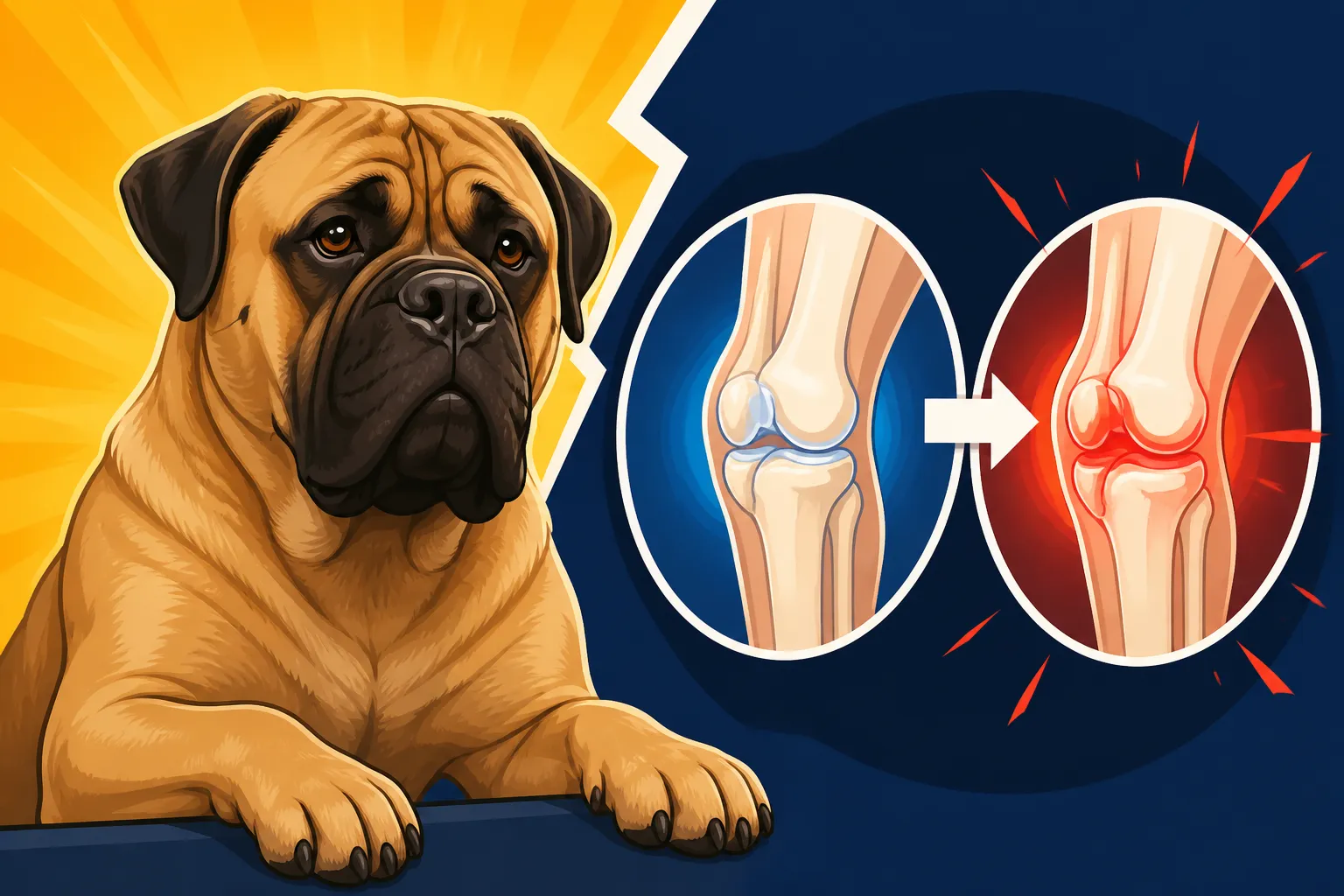
When we talk about a "torn ACL" in people, in dogs, we're usually referring to a tear of the cranial cruciate ligament (CCL). This critical ligament is located inside the knee joint (stifle) and plays a vital role in stabilizing the knee, preventing the tibia (shin bone) from sliding forward relative to the femur (thigh bone), and limiting internal rotation of the tibia. When it tears, the knee becomes unstable, causing pain, lameness, and ultimately, debilitating arthritis if left untreated.
Why Bullmastiffs Are Prone to Cruciate Tears
Bullmastiffs, like many large and giant breeds, are unfortunately predisposed to CCL tears. It's not usually a sudden, dramatic injury from a single event like jumping or running, as it often is in smaller, more athletic dogs. For Bullmastiffs, it's frequently a degenerative process, meaning the ligament weakens over time. Their sheer size and weight put immense stress on their joints, especially the knees. A typical Bullmastiff can weigh anywhere from 100 to 130 pounds, sometimes even more for a male. That's a lot of mass for those ligaments to support, especially during everyday activities like getting up from a nap, navigating stairs, or just turning quickly.
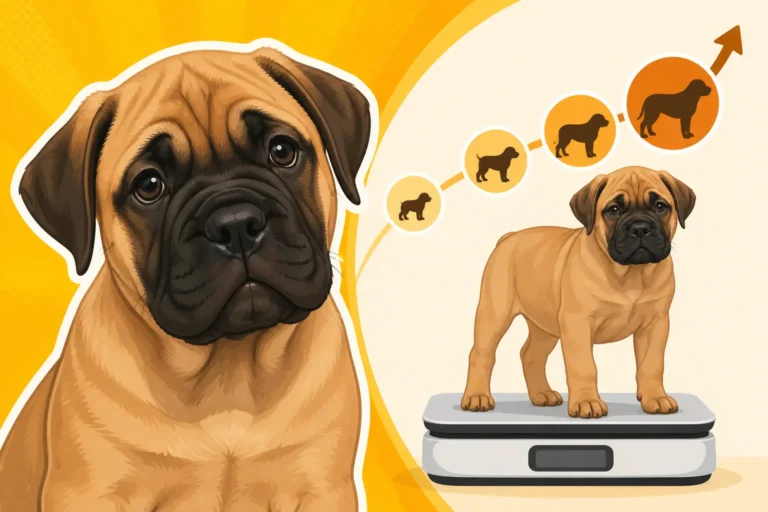
Another factor is their rapid growth as puppies. While they are adorable and gangly, this rapid growth can lead to subtle developmental issues in joint formation and ligament strength. Genetics also play a significant role. If a Bullmastiff's parents or close relatives had CCL issues, the risk for their offspring increases. This makes it crucial to understand not only your dog's immediate health but also their family history, if possible. The predisposition to conditions like Cruciate Tears in a Bullmastiff is a serious consideration for any owner.
Anatomy of a Bullmastiff's Knee
Imagine your Bullmastiff's knee as a complex hinge joint. The CCL is one of two cruciate ligaments (the other being the caudal cruciate ligament) that cross inside the joint, forming an "X" shape. This configuration provides both stability and flexibility. When the CCL tears, even partially, the knee loses its integrity. Each step your dog takes causes the bones to shift abnormally, grinding against each other. This constant instability leads to inflammation, pain, and eventually, irreversible damage to the cartilage and meniscus (a C-shaped piece of cartilage that acts as a shock absorber). The pain can be excruciating, and you'll likely notice your Bullmastiff limping, reluctant to put weight on the leg, or even holding it up entirely.
The High Risk of Contralateral Cruciate Tears
It's a disheartening reality for Bullmastiff owners, but once one CCL has ruptured, the risk of the other one tearing is significantly elevated. This isn't just anecdotal; studies show that anywhere from 30% to 50% of dogs who tear one CCL will tear the other within 1 to 2 years. For a giant breed like a Bullmastiff, facing a second major orthopedic surgery, often back-to-back, is a daunting prospect for both dog and owner.
Why the Other Knee is So Vulnerable
There are several compelling reasons why the "other" knee often succumbs:
- Compensatory Stress: After the first knee tears, your Bullmastiff naturally shifts weight and pressure to the "good" leg to compensate for the instability and pain in the injured limb. This means the healthy CCL is now taking on double duty, enduring increased strain, day in and day out. It's like asking a single bridge to carry the traffic of two bridges – eventually, it's going to weaken.
- Underlying Systemic Weakness: As mentioned, CCL tears in large breeds are often degenerative. This means the degeneration isn't necessarily isolated to one knee. If one ligament has weakened due to genetic predisposition, poor conformation, or chronic inflammation, it's highly probable that the ligament in the other knee is undergoing a similar degenerative process, just perhaps at an earlier stage. It's not bad luck, it's often a systemic issue.
- Obesity: This is a monumental factor, especially for Bullmastiffs. Every extra pound your dog carries adds exponentially to the stress on their joints. If your Bullmastiff is overweight (and many are, sadly), the pressure on all their ligaments and cartilage is immense. Even after the first surgery, if weight isn't meticulously managed, the risk to the contralateral limb remains high. We often discuss Keeping a Bullmastiff Lean Is the Best Thing You Can Do for a reason – it truly impacts their joint health and overall lifespan.
- Lack of Proper Rehabilitation: The recovery period for a CCL surgery is long and demanding. If your Bullmastiff doesn't undergo thorough and consistent rehabilitation, including controlled exercise and physical therapy, the muscles supporting the unaffected leg might not be adequately strengthened. This can lead to imbalances and further strain. Without proper post-op care, the chances of tearing the other knee next increase.
Statistics and Bullmastiff Owners' Experiences
Veterinary orthopedic specialists frequently prepare owners for the possibility of a contralateral tear. While specific Bullmastiff-only statistics might be harder to pinpoint, the general large-breed numbers are sobering. Many Bullmastiff owners will share stories of having gone through two surgeries, sometimes even more if complications arise. This experience not only doubles the physical and emotional toll but also significantly impacts the financial burden, as surgery for a Bullmastiff can be very expensive. Understanding What Cruciate Surgery Costs on a Bullmastiff is a critical part of owning this breed.
Managing and Preventing Future Cruciate Issues
Preventing a second CCL tear in your Bullmastiff should be a top priority after the first one occurs. While you can't eliminate all risk, you can significantly reduce it through diligent management and proactive care.
Post-Operative Care and Rehabilitation
After the initial surgery, proper rehabilitation is paramount. This isn't just about getting the operated leg strong again; it's about strengthening the entire dog and ensuring balanced muscle development to protect the uninjured knee.
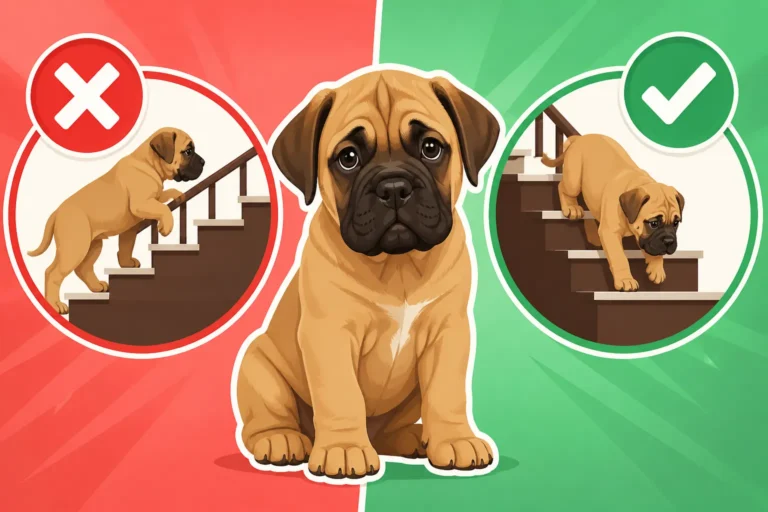
- Strict Confinement: The first few weeks post-op require strict confinement to allow the surgical site to heal. This means no running, jumping, or stairs. Leash walks for potty breaks only.
- Controlled Exercise: Gradually increasing controlled exercise is key. This might start with short, slow leash walks on flat surfaces and progress to longer walks and gentle inclines. Avoid off-leash running, abrupt stops, or high-impact activities.
- Physical Therapy: This is where a certified canine rehabilitation therapist becomes invaluable. They can design a tailored program that includes exercises like passive range of motion, therapeutic massage, balance exercises, underwater treadmill therapy, and controlled strengthening exercises. These therapies help build muscle mass, improve proprioception (awareness of body position), and enhance overall joint stability. A Bullmastiff recovering from How a Bullmastiff Recovers From Cruciate Surgery needs a dedicated plan.
- Weight Management: This cannot be stressed enough. Achieving and maintaining a lean body condition is the single most important thing you can do to protect all your Bullmastiff's joints. Work with your vet to determine an ideal weight for your dog and implement a diet and exercise plan to reach it. Every pound matters.
Proactive Prevention Strategies for the Healthy Knee
Even before the first knee tears, or especially after one has, proactive measures can safeguard the remaining healthy joint.
- Maintain Ideal Body Weight: We’ve mentioned it before, but it bears repeating. Monitor your Bullmastiff’s weight closely. You should be able to easily feel their ribs without pressing hard, and they should have a discernible waist when viewed from above. An overweight Bullmastiff is essentially carrying a backpack filled with bricks everywhere they go, constantly stressing their joints.
- Regular, Moderate Exercise: Bullmastiffs need consistent, moderate exercise to maintain muscle tone and joint health, but they are not endurance athletes. Daily leash walks, rather than intense bursts of activity, are generally best. Avoid activities that involve sharp turns, high jumps, or sudden stops. Too much strenuous activity, especially on hard surfaces, can be detrimental.
- Joint Supplements: Many Bullmastiff owners consider starting joint supplements early, even in young adulthood, given the breed's predisposition to orthopedic issues and conditions like Hip Dysplasia in a Bullmastiff or Elbow Dysplasia in a Bullmastiff. Ingredients like glucosamine, chondroitin, MSM, and omega-3 fatty acids (like fish oil) can support cartilage health and reduce inflammation. While not a cure-all, they can be a valuable part of a comprehensive preventative strategy. Discuss appropriate dosages and types with your veterinarian. You may want to look into Whether a Bullmastiff Needs Joint Medication Early.
- Supportive Environment: Provide orthopedic beds to cushion joints, especially for a heavy dog. Use ramps or steps to help them get into cars or onto furniture if they're allowed. Ensure good traction on slippery floors with rugs or carpet runners to prevent slips and falls that could stress joints.
- Regular Veterinary Check-ups: Your veterinarian can monitor your Bullmastiff's joint health, weight, and overall condition. They can identify subtle changes early and recommend interventions before problems escalate.
| Risk Factor | Impact on Contralateral CCL Tear Risk | Preventative Action |
|---|---|---|
| Excess Body Weight | High | Strict diet, portion control, moderate exercise |
| Inadequate Muscle Tone | Medium-High | Physical therapy, controlled strengthening exercises |
| Genetic Predisposition | High (cannot change) | Proactive management, careful breeder selection |
| Poor Conformation | Medium | Physical therapy, supportive care |
| Over-Exertion/High Impact | Medium | Avoid strenuous activities, stick to controlled walks |
| Slippery Surfaces | Low-Medium | Use rugs, provide traction, consider paw pads |
What to Expect if the Other Knee Tears
The thought of your Bullmastiff facing another cruciate ligament surgery is understandably overwhelming. However, being prepared for this possibility can help you navigate the challenges with a clear mind.
Signs of a Contralateral Tear
The signs of a tear in the previously "good" knee will be very similar to what you experienced with the first one. You might notice:
- Sudden or gradual lameness: Your Bullmastiff starts limping, favoring the leg, or holding it up.
- Reluctance to bear weight: They might be hesitant to put full weight on the limb, especially after resting or getting up.
- Difficulty rising or lying down: The act of changing positions can become painful.
- Decreased activity: They might be less enthusiastic about walks or play.
- Muscle atrophy: Over time, the thigh muscles of the affected leg may appear smaller due to disuse.
- Swelling or pain around the knee joint: Though often subtle, your vet might detect these during an examination.
It's vital to contact your veterinarian immediately if you observe any of these signs. Early diagnosis can help manage pain and plan for the next steps effectively.
Diagnosis and Treatment Options
Diagnosing a contralateral CCL tear typically involves a physical examination, where your veterinarian will perform specific tests like the "cranial drawer test" or "tibial compression test" to check for knee instability. X-rays may also be taken to assess joint changes, look for arthritis, and rule out other orthopedic issues.
Treatment options will generally be the same as for the first tear, with surgical repair being the most effective long-term solution for large breeds like Bullmastiffs. Common surgical techniques include:
- TPLO (Tibial Plateau Leveling Osteotomy): This is one of the most common and successful procedures. It involves cutting the tibia and rotating the tibial plateau to a new angle, effectively neutralizing the "cranial drawer" thrust even without an intact CCL.
- TTA (Tibial Tuberosity Advancement): Similar to TPLO, TTA involves altering the biomechanics of the knee joint to eliminate instability.
- Extracapsular Repair: This involves placing a strong suture material outside the joint to mimic the function of the torn CCL. While less invasive, it may not be as robust for heavy, active dogs like Bullmastiffs compared to TPLO or TTA.
Your veterinary orthopedic surgeon will discuss the best surgical option based on your Bullmastiff's specific needs, size, and activity level.
Financial and Emotional Considerations
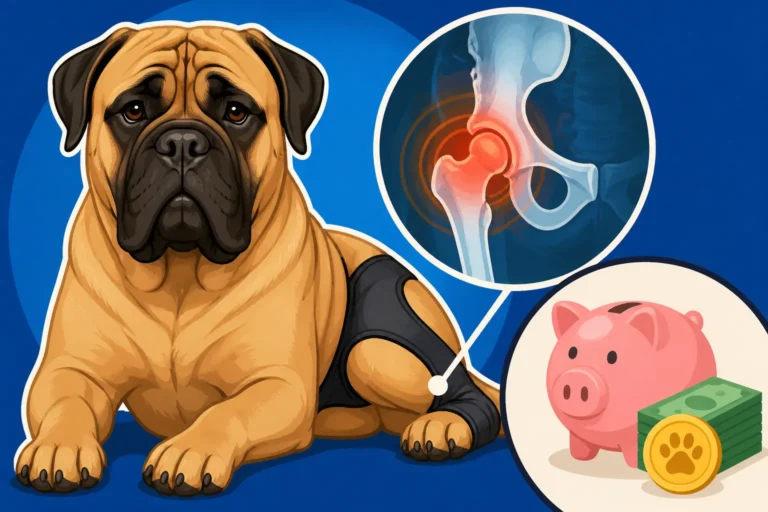
Two major surgeries within a short timeframe bring significant financial and emotional burdens. The cost of a second surgery, including diagnostics, the procedure itself, medication, and extensive rehabilitation, can easily run into thousands of dollars. This is where comprehensive pet insurance, like a plan from Healthy Paws, can be an absolute lifesaver. If you enrolled your Bullmastiff early, before the first tear, they might cover a significant portion of the costs for both surgeries. If not, many policies consider a contralateral tear a pre-existing condition if the first tear occurred before enrollment or during a waiting period, so it’s always best to get insurance early in a Bullmastiff’s life. Knowing What Insurance Covers on a Bullmastiff is vital.
Emotionally, seeing your beloved Bullmastiff go through another painful recovery can be draining. It requires immense dedication, patience, and consistency from you as the owner. Having a strong support system, including your vet, rehab therapist, and family, is crucial. Remember that your dog's quality of life is paramount, and while challenging, two successful surgeries can still lead to a happy, active life for your Bullmastiff for many years to come. Ultimately, they are worth it, and navigating these challenges is part of the deep bond you share.
Disclaimer
This article is intended for informational purposes only and does not constitute veterinary advice. Always consult with a qualified veterinarian for any health concerns or before making any decisions about your Bullmastiff's medical care.