The Age a Bullmastiff Gets Arthritis
It's absolutely heartbreaking to watch your magnificent Bullmastiff, once a powerhouse of playful energy, start to slow down, struggle with stairs, or hesitate before jumping into the car. The pain of aging, particularly joint pain, can creep up on our gentle giants, often leaving us feeling helpless as their movements become stiff and reluctant. This guide is here to shed light on when Bullmastiffs typically begin to experience arthritis and, more importantly, what we can do to recognize the signs early and provide the best possible comfort and care for them.
The Heartbreaking Reality: When Bullmastiffs Typically Face Arthritis
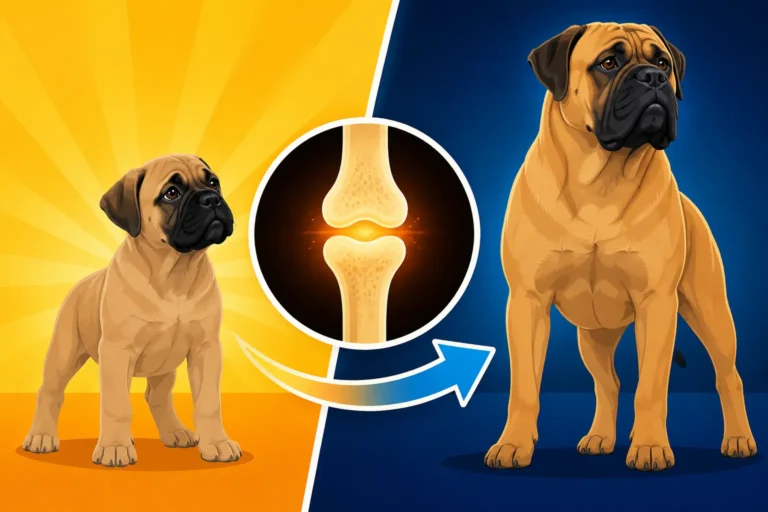
Unlike some smaller breeds that might only show significant signs of arthritis in their golden years, our Bullmastiffs, by virtue of their sheer size and rapid growth, can often start experiencing the subtle effects of joint degeneration much earlier than many owners anticipate. It's a tough truth to face, but understanding this early onset is key to providing timely intervention.
Common Age of Onset for Bullmastiff Arthritis
For many Bullmastiffs, the first hints of arthritis might appear anywhere from four to six years of age. While this might seem young for a dog to be developing such a condition, remember that a Bullmastiff's lifespan is considerably shorter than many smaller breeds, with The Median Bullmastiff Lives Eight and a Half Years. Therefore, a four-year-old Bullmastiff is already entering its prime and nearing what would be considered middle age for our breed. Some might even show signs earlier, especially if they had underlying orthopedic conditions as puppies.
It's not usually a sudden event; rather, it’s a gradual progression. You might notice your four-year-old taking a little longer to get up after a nap, or a five-year-old being less enthusiastic about long walks than they used to be. These are often dismissed as "just getting older," but for a Bullmastiff, these small changes can be significant indicators that their joints are starting to feel the strain. The huge weight these dogs carry, often between 100 to 130 pounds, puts immense pressure on their joints every single day, leading to earlier wear and tear.
Understanding Canine Osteoarthritis
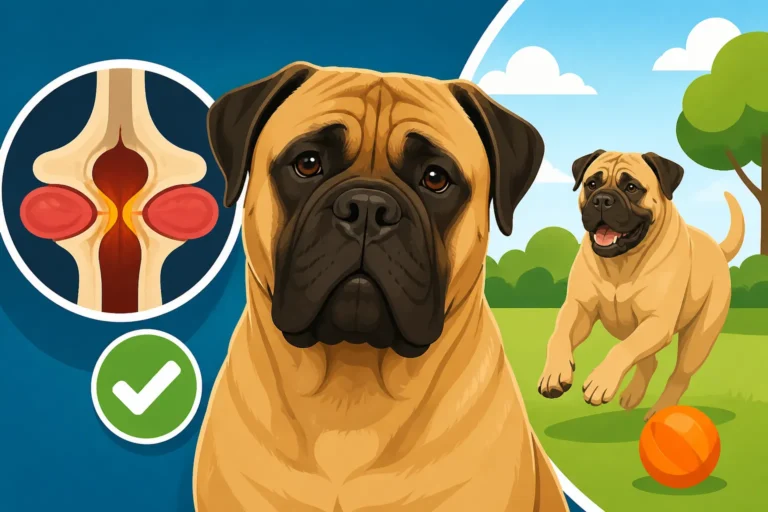
Osteoarthritis (OA), also known as degenerative joint disease, is the most common type of arthritis in dogs. It’s a chronic, progressive condition characterized by the deterioration of the cartilage that cushions the ends of bones within a joint. This loss of cartilage leads to bone-on-bone friction, inflammation, and pain. Over time, the body tries to stabilize the joint by forming bone spurs (osteophytes), which further reduce mobility and increase discomfort.
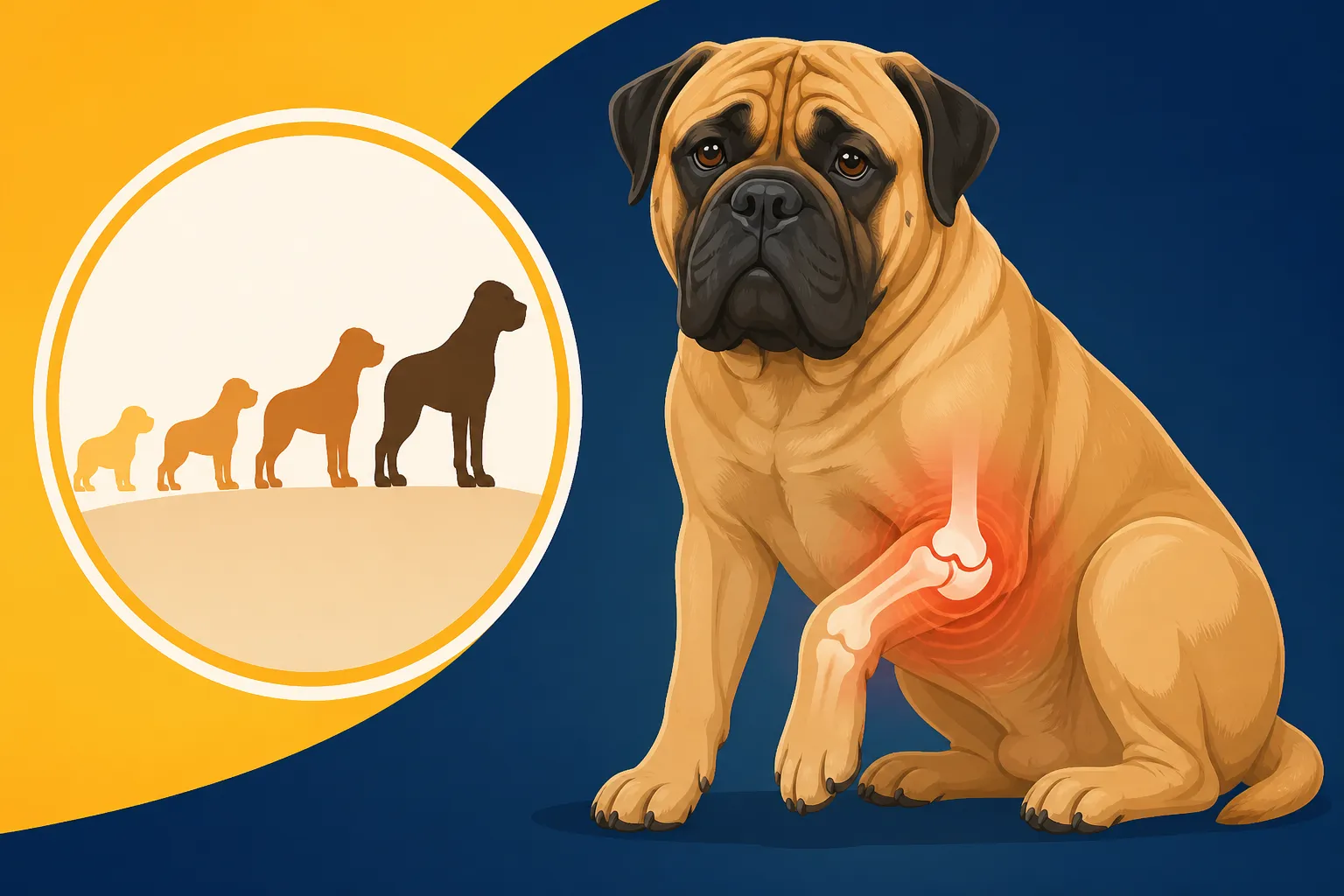
For Bullmastiffs, this process is particularly impactful because their large, heavy frames mean more force is exerted on every joint with every step, sit, or stand. The hips, elbows, knees, and spine are the most commonly affected areas. This isn't just a minor ache; it's a significant source of chronic pain that can severely impact their quality of life if not managed properly. Knowing what's happening at a cellular level helps us appreciate the importance of early and consistent care for our beloved companions.
Unpacking the "Why": Factors Accelerating Joint Wear in Bullmastiffs
When we talk about Bullmastiffs and arthritis, it's never just about age. There's a confluence of factors, many of them breed-specific, that unfortunately predispose these wonderful dogs to joint issues. Understanding these allows us to be proactive in prevention and management.
Genetic Predispositions and Structural Challenges
One of the biggest factors contributing to early arthritis in Bullmastiffs is their genetic lineage. Like many large and giant breeds, Bullmastiffs are unfortunately prone to several inherited orthopedic conditions. Hip Dysplasia in a Bullmastiff and Elbow Dysplasia in a Bullmastiff are notoriously common. These conditions mean the joints don't form correctly, leading to abnormal wear and tear from a very young age. Even if a Bullmastiff doesn't show overt lameness as a puppy, these structural imperfections lay the groundwork for arthritis to develop much faster than in a dog with perfectly formed joints.
Reputable breeders will screen their breeding stock for these conditions, but even with careful breeding, the risk isn't entirely eliminated. If you're considering a Bullmastiff, understanding What a Bullmastiff Breeder Should Have Screened is crucial. The sheer bulk of a Bullmastiff also contributes; their magnificent, muscular bodies put constant strain on every joint. Imagine carrying an extra 50 pounds around every day for your entire life—that's the kind of continuous stress their joints endure, making them more susceptible to breakdown.
Weight Management and Growth Rate
Another massive piece of the puzzle, and one that owners have significant control over, is weight management. An overweight Bullmastiff is an arthritic Bullmastiff waiting to happen, or one whose existing arthritis will be far more severe. Every extra pound translates into significantly more stress on their already burdened joints. This is why the advice to keep a Bullmastiff lean is so pervasive and crucial. Keeping a Bullmastiff Lean Is the Best Thing You Can Do for their long-term joint health. It's not just about looking good; it's about minimizing the impact on their delicate cartilage and bones.
Beyond adult weight, how a Bullmastiff puppy grows is equally vital. Rapid growth in large breed puppies can exacerbate orthopedic problems. Feeding a high-quality, large-breed puppy food specifically designed to support slow, steady growth is paramount. Over-supplementing calcium or protein, or simply allowing them to grow too quickly, can increase the risk of developmental orthopedic diseases that lead directly to early-onset arthritis. Owners should also be mindful of The Exercise Limit for a Bullmastiff Puppy and avoid high-impact activities like excessive running or jumping during their crucial growth phases, particularly before their growth plates close, which can be as late as 18-24 months for a giant breed. Running on concrete, for example, can be detrimental to developing joints.
| Factor | Description | Impact on Arthritis Onset | Owner Control |
|---|---|---|---|
| Genetics/Breed Predisposition | Inherited conditions like hip/elbow dysplasia. | High risk of early, severe arthritis. | Limited (choose good breeder, but not guaranteed). |
| Rapid Growth in Puppyhood | Too-fast bone and cartilage development. | Increases risk of developmental orthopedic disease, leading to early arthritis. | High (proper diet, exercise limits). |
| Overweight/Obesity | Excess weight stresses joints. | Accelerates cartilage breakdown, worsens pain. | High (diet, exercise). |
| Injury/Trauma | Past injuries to a joint. | Can initiate or accelerate degenerative changes. | Moderate (prevent accidents, careful play). |
| Lack of Exercise | Weak muscles provide poor joint support. | Can worsen joint stability and progression. | High (consistent, appropriate exercise). |
| Over-exercise/High Impact | Repetitive stress on joints, especially in youth. | Accelerates wear and tear. | High (appropriate exercise, avoid hard surfaces). |
Spotting the Subtle Shifts: Early Signs of Arthritis in Your Bullmastiff
Bullmastiffs are notoriously stoic, often hiding their pain until it's quite advanced. This makes it especially challenging, but critical, for owners to become attuned to even the most subtle changes in their behavior and movement. Early detection can significantly alter the course of arthritis management.
Behavioral and Movement Clues
One of the first things you might notice isn't a limp, but a change in behavior. Your typically active Bullmastiff might start avoiding certain activities. They might be less keen on playing fetch, or they might not greet you at the door with the same robust enthusiasm. You might observe them being more hesitant to use stairs, jump into the car, or even get up from a lying position. Sometimes, they might whimper or groan softly when shifting positions, particularly after a long rest. Pay close attention to Signs a Bullmastiff's Hips Hurt or if they start to move differently, perhaps with a slight stiff shuffle rather than their usual purposeful stride.
Their sleeping habits can also shift. An arthritic Bullmastiff might sleep more, or they might struggle to find a comfortable position, frequently shifting around. They might also become less tolerant of being handled or groomed, especially if you touch an affected joint. This isn't them being grumpy; it's often a sign that they're trying to protect a painful area. Any subtle reluctance to move, a slower pace on walks, or changes in how they settle down can be red flags. Remember, your Bullmastiff loves you fiercely and often tries to hide discomfort, so you need to be their advocate.
Physical Indicators and Changes in Gait
Beyond behavior, there are often physical signs that can emerge. Observe your Bullmastiff's gait closely. Do they favor one leg? Is their stride shorter? Do they seem stiffer, especially after waking up or after exercise? You might notice a subtle lameness that improves as they warm up, only to return after rest. This "warm-up lameness" is a classic sign of osteoarthritis. They might bunny hop with their back legs when they run, or walk with a more rigid back.
On a physical exam, you might feel warmth or swelling around a particular joint, though this is often difficult to detect on a large, heavily muscled Bullmastiff. Muscle atrophy, or loss of muscle mass, can also occur around affected joints because the dog uses those muscles less due to pain. For example, if one hip is significantly arthritic, the thigh muscles on that side might appear smaller over time. When you gently palpate their joints, you might notice them flinching, tensing, or vocalizing in discomfort. Regularly checking your Bullmastiff for any lumps or changes in their body, including how they react to touch around their joints, can help you catch these issues early.
Proactive Steps and Palliative Care: Managing Arthritis for Comfort and Mobility
Once arthritis takes hold, it's a lifelong condition that requires ongoing management. The goal isn't to cure it, but to minimize pain, maximize mobility, and maintain the best possible quality of life for your Bullmastiff. This often involves a multi-modal approach combining medical treatments, lifestyle adjustments, and supportive therapies.
Veterinary Treatments and Medications
The first step when you suspect arthritis is a visit to your veterinarian. They can conduct a thorough physical exam, assess your Bullmastiff's gait, and likely recommend X-rays to confirm the diagnosis and assess the severity of the joint degeneration. Once diagnosed, a treatment plan can be tailored. Non-Steroidal Anti-Inflammatory Drugs (NSAIDs) are a cornerstone of arthritis management, helping to reduce pain and inflammation. Medications like carprofen (Rimadyl), firocoxib (Previcox), or galliprant are commonly prescribed. It's important to monitor your dog for side effects, as these medications require careful use, especially long-term.
Beyond NSAIDs, your vet might suggest other medications. Gabapentin can be used to manage neuropathic pain, while Amantadine can help with chronic pain. Injectable joint supplements, often called disease-modifying osteoarthritis drugs (DMOADs), such as Adequan Canine, can help improve joint fluid quality and slow cartilage degradation. These are typically given as a series of injections. For severe cases, your vet might also discuss more advanced options, including steroid injections directly into the joint, or even referral to an orthopedic specialist. Given that What a Bullmastiff's Medication Costs by Weight can add up quickly, especially for large breeds, considering pet insurance like Healthy Paws from a young age can be a tremendous help in covering these long-term medical expenses.
Lifestyle Adjustments and Supportive Therapies
Medication is only one piece of the puzzle. Comprehensive arthritis management for a Bullmastiff relies heavily on practical, daily care. Maintaining a healthy weight is absolutely paramount; even shedding a few pounds can dramatically reduce strain on their joints. Revisit Keeping a Bullmastiff Lean Is the Best Thing You Can Do for their long-term health. Regular, gentle exercise is also important to maintain muscle mass and joint flexibility, but it needs to be low-impact. Think shorter, more frequent walks on soft surfaces rather than long, strenuous hikes. Swimming is an excellent non-weight-bearing exercise that can greatly benefit arthritic dogs.
Inside the home, consider modifications. Orthopedic dog beds provide crucial support and comfort for their heavy bodies, preventing pressure sores and reducing joint stiffness. Ramp access to cars or couches can eliminate painful jumping. Non-slip rugs on hard floors can prevent dangerous slips that could worsen joint pain, especially for an aging Bullmastiff who Why an Aging Bullmastiff Struggles to Rise. Physical therapy, including therapeutic exercises, massage, and hydrotherapy, can also be incredibly beneficial, as can alternative therapies like acupuncture or cold laser therapy. Many owners find value in oral joint supplements containing glucosamine, chondroitin, and MSM, though their efficacy can vary. While What Joint Supplements Cost for a Bullmastiff might seem like an extra expense, they can play a supportive role in overall joint health. When looking at long-term care, pet insurance from providers like Healthy Paws can often cover a portion of these ongoing therapy costs, making comprehensive care more accessible.
Long-Term Management and Quality of Life
Managing arthritis in your Bullmastiff is a marathon, not a sprint. It requires ongoing communication with your veterinarian and a willingness to adapt as your dog's condition changes. Regular vet check-ups are essential to monitor their pain levels, assess the effectiveness of their medication, and adjust the treatment plan as needed. As they age, you may need to reconsider activities, modify their living space, and possibly explore new medications or therapies.
The most important aspect is focusing on their quality of life. Are they comfortable? Are they able to enjoy their daily activities, even if those activities look different now? Arthritis can be frustrating, but with dedication and a comprehensive approach, you can help your Bullmastiff live a comfortable, happy life for as long as possible. Even when facing significant challenges, knowing that you've done everything to ease their pain makes all the difference. Remember, insurance plans through companies like Healthy Paws are designed to help alleviate the financial stress of chronic conditions, ensuring your Bullmastiff can receive continuous, quality care throughout their golden years.
Disclaimer
This article is for general informational purposes only and does not constitute professional advice. Laws, prices and regulations vary by location and change over time. Consult a qualified professional for guidance on your specific situation.