Cruciate Tears in a Bullmastiff
It's a heartbreaking sight no Bullmastiff owner ever wants to witness: your typically stoic, powerful companion suddenly limping, holding a back leg up, or struggling to get off the floor. This isn't just a minor tweak; for a big, heavy breed like ours, it's often a sign of a much more serious injury: a cruciate ligament tear. This guide will walk you through everything you need to know about why this happens, how to spot it, and what treatment options are available to get your beloved Bullmastiff back on all four paws.
Understanding Cruciate Ligament Tears in Bullmastiffs
When we talk about a "cruciate tear" in dogs, we're usually referring to the cranial cruciate ligament (CCL), which is essentially the dog version of an ACL in humans. This ligament is absolutely vital for knee stability, and when it goes, it can be devastating for a large, heavy dog like a Bullmastiff.
The Anatomy of a Cruciate Ligament and Its Role
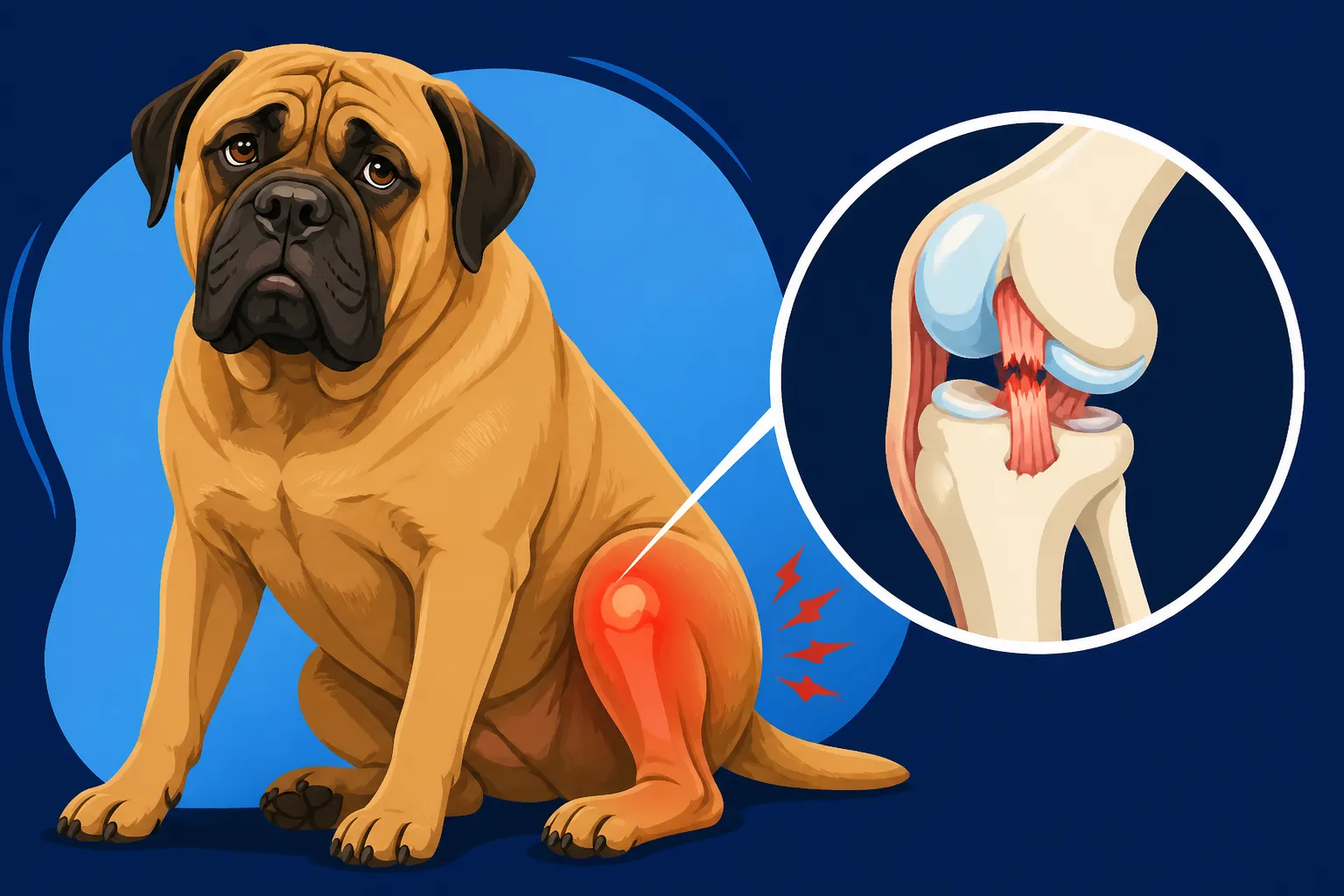
Imagine the stifle joint, which is your Bullmastiff's knee. It's a complex hinge connecting the femur (thigh bone) to the tibia (shin bone). Inside this joint, crisscrossing like an "X," are two crucial ligaments: the cranial (front) and caudal (back) cruciate ligaments. The cranial cruciate ligament is the primary stabilizer, preventing the tibia from sliding forward relative to the femur and limiting excessive internal rotation of the joint. It's under constant tension, especially in a dog's anatomy, where the top of the tibia isn't perfectly flat, but actually slopes backward. This slope, called the tibial plateau angle, means the CCL is always working against gravity and muscle forces to keep the joint stable.
When this ligament is healthy, it allows for smooth, controlled movement. But when it's compromised, that stability is lost, leading to pain, inflammation, and a significant limp. Think of it like a tent pole suddenly losing its guy rope – the whole structure becomes wobbly and prone to collapse. For a Bullmastiff, who carries so much weight, that instability puts immense stress on the surrounding joint structures, leading to rapid degenerative changes.
Why Bullmastiffs Face a Higher Risk of Cruciate Injuries
Bullmastiffs, like many large and giant breeds, are predisposed to CCL tears. It's not just about their size, though that certainly plays a role. There's a combination of factors at play that makes our big, beautiful dogs particularly vulnerable. One significant factor is genetics; while not fully understood, there's evidence that certain breeds have a genetic predisposition to weaker ligaments or conformation that puts more stress on the knee. Additionally, the sheer weight a Bullmastiff carries, often exceeding 100-130 pounds, means their knee joints are under constant, intense pressure. Over time, this chronic stress can lead to gradual degeneration of the ligament, making it more susceptible to a sudden tear.
It's often not a single traumatic event that causes the tear, but rather a slow, progressive weakening of the ligament over months or even years. This is why you might hear it referred to as a "degenerative" tear. Eventually, even a seemingly minor misstep, a quick turn, or a jump off the couch can be the "final straw" that causes the already weakened ligament to snap completely or partially. This susceptibility is a stark reminder of why understanding Why Bullmastiffs Carry So Much Lymphoma Risk and other health predispositions is so vital for their care. The reality is, many Bullmastiffs will face significant health challenges, and cruciate tears are high on that list.
Common Scenarios Leading to Cruciate Tears in Large Breeds
While a gradual degeneration is often the underlying cause, certain activities or movements can trigger the final tear. Picture your Bullmastiff enjoying a spirited romp in the yard, suddenly changing direction at full speed, or perhaps slipping on a slick floor while trying to catch a toy. These abrupt twisting motions, especially when weight is fully borne on one leg, can exceed the ligament's capacity. Jumping off furniture, even if they've done it a thousand times, can also put extreme pressure on the knee joint upon landing.
Even seemingly innocent activities can be risky. A Bullmastiff puppy, with its rapidly growing bones and sometimes clumsy gait, needs careful monitoring to prevent undue stress on developing joints. This is part of why we emphasize that The Exercise Limit for a Bullmastiff Puppy is crucial. Too much high-impact activity too soon can lay the groundwork for problems later in life. Imagine a scenario: your Bullmastiff, eager to greet you at the door, launches itself into a joyous, clumsy jump, lands awkwardly, and lets out a yelp. While not every jump will cause a tear, these kinds of sudden, uncoordinated movements are prime candidates for exacerbating an already compromised ligament. It's a constant balancing act between allowing them to be dogs and protecting their vulnerable joints.
Recognizing the Signs and Diagnosing a Cruciate Tear
Bullmastiffs are notoriously stoic, and they often try to hide pain, especially in the early stages of an injury. This makes it challenging for owners to identify a problem immediately, but knowing what to look for can make all the difference in getting prompt veterinary attention.
Subtle and Obvious Indicators of a Cruciate Injury
The signs of a cruciate tear can vary depending on whether the tear is partial or complete, and how long the injury has been present. With a sudden, complete tear, you’ll usually see a dramatic, non-weight-bearing lameness – your Bullmastiff will hold their leg up, refusing to put any weight on it, often letting out a cry of pain. This is usually the easiest to spot. However, a partial tear or a chronic, slow degeneration might present much more subtly. You might notice a slight lameness that comes and goes, especially after exercise or first thing in the morning. Perhaps your Bullmastiff is reluctant to jump into the car, struggles to climb stairs, or shows a decreased activity level.
They might sit with their injured leg extended out to the side instead of tucked underneath them, often called a "sit test." Over time, if untreated, you might observe muscle wasting in the affected leg or a thickening of the joint itself as the body tries to stabilize it. Pay close attention to their gait: do they "toe touch" with the affected paw rather than bearing full weight? Are they less enthusiastic about their daily walks or games of fetch? These subtle changes are often the first clues that something is amiss, and it's vital to trust your gut if you feel your Bullmastiff isn't quite right. Early detection can impact the success of treatment.
The Veterinary Diagnostic Process for Bullmastiffs
Once you suspect a cruciate tear, a trip to your veterinarian is essential. The diagnostic process usually begins with a thorough orthopedic examination. Your vet will palpate the knee, checking for swelling, pain, and instability. The most definitive test for a CCL tear is often the "cranial drawer test" and the "tibial compression test." In the cranial drawer test, the vet attempts to slide the tibia forward relative to the femur, much like opening a drawer. If the CCL is torn, there will be abnormal movement. The tibial compression test involves flexing the ankle joint, which should cause the tibia to move forward if the CCL is ruptured.
For many Bullmastiffs, due to their size and inherent muscularity, these tests can be difficult to perform accurately without sedation, especially if they are tense or in pain. Therefore, your vet might recommend light sedation to get a truly reliable assessment. X-rays are also a crucial part of the diagnostic process. While X-rays don't directly show the ligament itself, they can reveal signs of joint effusion (fluid in the joint), osteophytes (bone spurs, indicating arthritis), and other bone changes that are consistent with a cruciate injury. They also help rule out other potential causes of lameness and are essential for surgical planning, especially if a procedure like TPLO (Tibial Plateau Leveling Osteotomy) is being considered. Understanding When a Bullmastiff Should Be X Rayed for joint issues is a critical part of proactive health management.
Differentiating Cruciate Tears from Other Lameness Issues
It's important to remember that not every limp means a cruciate tear, though it's certainly a top concern for Bullmastiffs. Other conditions can mimic the signs of a CCL injury, and a proper diagnosis is key to effective treatment. For instance, Hip Dysplasia in a Bullmastiff or Elbow Dysplasia in a Bullmastiff can cause lameness in the hind or front limbs, respectively, and can sometimes be confused with knee pain. Patellar luxation, where the kneecap slips out of place, is another possibility, though it often presents with a characteristic skipping gait. Soft tissue injuries, muscle strains, or even neurological issues like disc disease can also cause hind limb weakness or lameness.
Your vet will consider all these possibilities during the examination and may recommend additional diagnostics, such as blood work, further imaging, or even a referral to a veterinary orthopedic specialist. For instance, if your Bullmastiff has signs of a heart murmur, your vet might want to perform additional cardiac screening before considering anesthesia for surgery, especially given Bullmastiffs' predispositions. Providing a complete history of your dog's symptoms, activity levels, and any previous injuries or health concerns will greatly assist your veterinarian in narrowing down the possibilities and arriving at the correct diagnosis.
Exploring Treatment Options for Your Bullmastiff's Knee
Once a cruciate tear is confirmed, the conversation shifts to treatment. For a large, heavy breed like the Bullmastiff, surgical intervention is almost always recommended to restore stability and prevent severe, progressive arthritis. However, it's a significant decision with various approaches to consider.
Surgical Approaches to Repair a Torn Cruciate Ligament
For Bullmastiffs, due to their size and weight, surgical repair is generally considered the gold standard for cruciate ligament tears. Without surgery, the knee remains unstable, leading to rapid development of painful arthritis and often a tear in the meniscus (cartilage in the joint). There are several surgical techniques, but the most common and effective for large breeds include:
- Tibial Plateau Leveling Osteotomy (TPLO): This is one of the most widely performed and successful surgeries for CCL tears in large dogs. Instead of trying to repair the damaged ligament itself, the TPLO procedure changes the biomechanics of the knee. The surgeon cuts and rotates the top part of the tibia (the tibial plateau) to reduce the slope, effectively neutralizing the forces that cause the tibia to shift forward. A bone plate and screws are then used to secure the bone in its new position. This creates a stable joint without needing a functional cranial cruciate ligament. TPLO has a high success rate, allowing most dogs to return to good function.
- Tibial Tuberosity Advancement (TTA): Similar to TPLO, TTA also aims to change the knee's biomechanics. In this procedure, the front part of the tibia (the tibial tuberosity), where the patellar ligament attaches, is cut and advanced forward. A titanium cage and plate are used to hold it in place. This changes the angle of the patellar ligament, making it act to counteract the cranial thrust, thereby stabilizing the joint. TTA also boasts good success rates, particularly in certain anatomical conformations.
- Lateral Suture (Extracapsular Repair): This is a more traditional technique where a strong suture material (often nylon or fishing line-like material) is placed outside the joint, mimicking the function of the torn CCL. It aims to provide temporary stability while scar tissue forms around the joint to provide long-term stability. While less invasive and generally less expensive than TPLO or TTA, it tends to be less successful in very large, active breeds like Bullmastiffs, as the suture can stretch or break under their weight. It might be considered for smaller, less active dogs, or in cases where TPLO/TTA are not viable options.
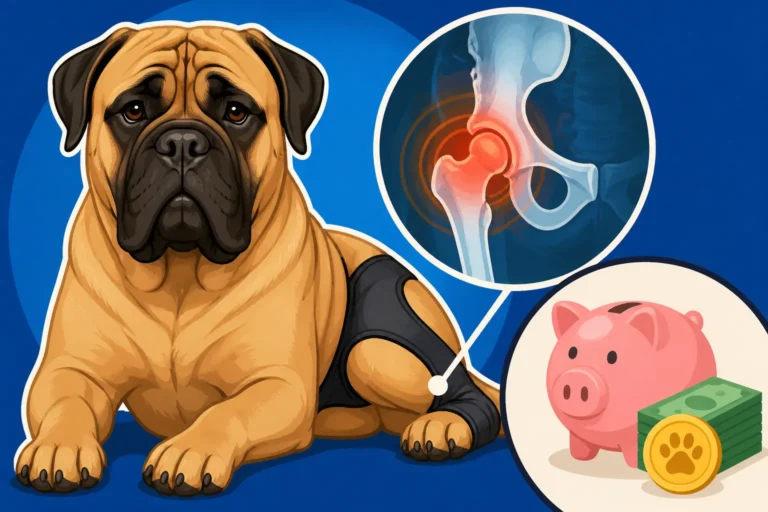
Each of these surgeries requires specialized training and equipment, and your regular veterinarian may refer you to a board-certified veterinary orthopedic surgeon. This is a big investment, and understanding What Bloat Surgery Costs on a Bullmastiff or What Cruciate Surgery Costs on a Bullmastiff can help you prepare financially. Pet insurance providers like Healthy Paws can be invaluable in helping to cover these substantial costs, especially if your Bullmastiff was enrolled before the condition became apparent. They can make the difference between choosing the best possible care and being limited by financial constraints.
Non-Surgical Management and When It's Considered
While surgery is usually recommended for Bullmastiffs, there are rare instances where non-surgical, or conservative, management might be considered. This approach is typically reserved for very old, extremely sedentary dogs, those with other severe health conditions that make anesthesia risky, or in cases of very minor, partial tears. Non-surgical management involves a multi-pronged approach:
- Strict Rest: This means weeks to months of severely restricted activity, often kennel rest, to allow scar tissue to form.
- Pain and Anti-inflammatory Medication: Non-steroidal anti-inflammatory drugs (NSAIDs) are crucial for managing pain and reducing inflammation in the joint.
- Weight Management: Keeping your Bullmastiff lean is paramount. Every extra pound puts immense stress on the injured joint. This ties directly into our efforts to ensure Keeping a Bullmastiff Lean Is the Best Thing You Can Do.
- Physical Rehabilitation: Gentle, controlled exercises, often guided by a certified veterinary rehabilitation therapist, can help build muscle strength and improve range of motion.
- Joint Supplements: Glucosamine, chondroitin, MSM, and omega-3 fatty acids may help support joint health and reduce inflammation, though they won't fix the instability. Whether a Bullmastiff Needs Joint Medication Early is a question many owners consider, especially with predisposed breeds.
The reality is that for a large, active Bullmastiff, non-surgical management rarely provides satisfactory long-term results. The knee remains unstable, leading to progressive arthritis, chronic pain, and a high likelihood of injuring the meniscus or the other knee. Owners often report ongoing lameness and discomfort, which significantly impacts their dog's quality of life.
Weighing the Pros and Cons: Making an Informed Decision
Deciding on the best course of action for your Bullmastiff's cruciate tear can feel overwhelming. It involves considering your dog's age, overall health, activity level, your financial situation, and your emotional capacity for a long recovery process.
Surgical Pros:
- Improved Stability: Significantly restores knee stability, leading to better long-term function.
- Reduced Arthritis Progression: While some arthritis will still develop, surgery dramatically slows its progression compared to conservative management.
- Better Quality of Life: Most dogs return to a good quality of life with reduced pain and improved mobility.
- Lower Risk of Injury to Other Knee: A stable operated knee reduces compensatory stress on the opposite limb, lowering the risk of a contralateral tear (which happens in 30-50% of cases).
Surgical Cons:
- High Cost: Surgery, especially TPLO/TTA, is expensive, often ranging from $4,000 to $7,000 or more per knee.
- Long Recovery: Requires strict activity restriction for several weeks to months, followed by rehabilitation.
- Anesthesia Risk: Any surgery carries anesthetic risks, though these are minimized with careful pre-operative screening.
- Potential Complications: Infection, implant failure, or delayed bone healing can occur.
Non-Surgical Pros:
- No Anesthesia Risk: Avoids the risks associated with surgery.
- Lower Initial Cost: No large surgical bill.
Non-Surgical Cons:
- Persistent Instability and Pain: The knee will likely remain unstable and painful.
- Severe Arthritis: Rapid and severe progression of osteoarthritis.
- Poor Long-Term Function: Most large dogs do not regain good function without surgery.
- High Risk of Contralateral Tear: Increased likelihood of tearing the cruciate in the other knee due to compensatory weight bearing.
- Long-Term Medication Costs: Ongoing costs for pain medication, anti-inflammatories, and supplements can add up.
It's a tough choice, but generally, for a Bullmastiff, the long-term benefits of surgery far outweigh the risks and costs of conservative management. Many owners find that investing in pet insurance early on, like a plan from Healthy Paws, can alleviate much of the financial stress, allowing them to choose the best treatment without hesitation. It's about giving your Bullmastiff the best chance at a comfortable, active life, and for cruciate tears, that usually means surgery.
The Recovery Journey and Rehabilitation After Surgery
The surgery itself is only the first step. The recovery period after cruciate surgery for a Bullmastiff is long and requires immense dedication and patience from you as the owner. Rushing the process can lead to complications and negate the benefits of the surgery.
Immediate Post-Operative Care and Pain Management
Immediately after surgery, your Bullmastiff will likely be on a strict pain management protocol. This often includes opioid pain medications, NSAIDs, and sometimes other adjunct pain relievers. You'll receive detailed instructions from your veterinary surgeon regarding medication dosages and schedules. It's crucial to adhere to these instructions precisely to keep your dog comfortable and prevent them from overdoing it, which could jeopardize the surgical repair.
During the first few weeks, the focus is on protecting the surgical site and preventing infection. You'll need to monitor the incision daily for redness, swelling, or discharge. Your dog will likely wear an Elizabethan collar (the "cone of shame") to prevent licking or chewing the incision. Activity will be severely restricted: leash walks only for potty breaks, no jumping, running, or playing. This means careful management inside the home, possibly using a crate or a small, enclosed space to limit movement. This stage can be frustrating, especially for an active Bullmastiff who doesn't understand why they can't move freely, but it is absolutely non-negotiable for proper healing. Understanding What a Bullmastiff Recovers From Cruciate Surgery looks like is key to setting realistic expectations.
The Importance of Physical Rehabilitation and Exercise Restrictions
After the initial healing phase (typically 1-2 weeks), physical rehabilitation begins. This is not optional; it's a critical component of a successful recovery and crucial for rebuilding muscle strength, improving range of motion, and ensuring proper weight bearing. Rehabilitation often starts with passive range of motion (PROM) exercises, where you gently flex and extend the joint as instructed by your vet or a certified rehabilitation therapist. This prevents stiffness and promotes circulation.
As healing progresses, controlled exercises are gradually introduced:
- Short, controlled leash walks: Slowly increasing duration, focusing on a consistent, even gait.
- Weight-shifting exercises: Encouraging your Bullmastiff to bear more weight on the injured leg while standing.
- Therapeutic exercises: Specific movements designed to strengthen particular muscle groups.
- Hydrotherapy: Underwater treadmill sessions are particularly beneficial for Bullmastiffs. The buoyancy of the water reduces weight-bearing stress on the joint, allowing them to exercise muscles without excessive impact. This helps them regain strength and confidence in using the limb.
The entire rehabilitation process can last anywhere from 3 to 6 months, or even longer, depending on your Bullmastiff's progress. It's a marathon, not a sprint. Consistency is key, and adhering to the prescribed exercise restrictions is vital to prevent re-injury or damage to the implants. Remember, your Bullmastiff needs this controlled activity to regain function, not just "run around." This dedicated period of careful recovery is also a good time to reflect on the importance of Caring for an Aging Bullmastiff proactively, as these challenges can unfortunately compound with age.
Potential Complications and What to Watch For
While cruciate surgery has a high success rate, complications can occur. It's important to be aware of them so you can seek veterinary attention promptly if something seems amiss.
Common complications include:
- Infection: This is a risk with any surgery. Watch for excessive redness, swelling, heat, discharge, or foul odor at the incision site, or if your dog develops a fever or becomes lethargic.
- Implant Failure: Although rare with modern techniques, screws or plates can loosen or break. Signs might include sudden onset lameness after a period of improvement, or a grinding sensation.
- Meniscal Tear: The meniscus, a cartilage pad within the knee, can also be torn at the time of the CCL injury, or develop a tear after surgery due to ongoing instability. If your Bullmastiff suddenly becomes more lame, especially with a "clicking" sound when they walk, it might indicate a meniscal tear requiring a second surgery (meniscectomy).
- Delayed Bone Healing (Non-Union): In some cases, the bone may take longer than expected to heal, or fail to heal entirely. This is more common in older dogs or those with underlying health issues.
- Contralateral Cruciate Tear: As mentioned, 30-50% of dogs who tear one cruciate ligament will eventually tear the other, often within 1-2 years. This is due to the same underlying predispositions and the increased stress placed on the "good" leg during recovery.
Always contact your veterinary surgeon if you have any concerns during the recovery period. Don't hesitate or try to troubleshoot on your own. Early intervention for complications can often prevent more severe issues down the line. A proactive approach is always best when it comes to your Bullmastiff's health, much like understanding How Often a Bullmastiff Should Be Checked for Cancer or tested for other common conditions.
Proactive Prevention and Long-Term Joint Health
While some cruciate tears are due to genetics and progressive degeneration, there's still a lot we can do as Bullmastiff owners to minimize risk and support long-term joint health. Prevention is always better than cure, especially with such a demanding recovery.
The Critical Role of Weight Management and Controlled Exercise
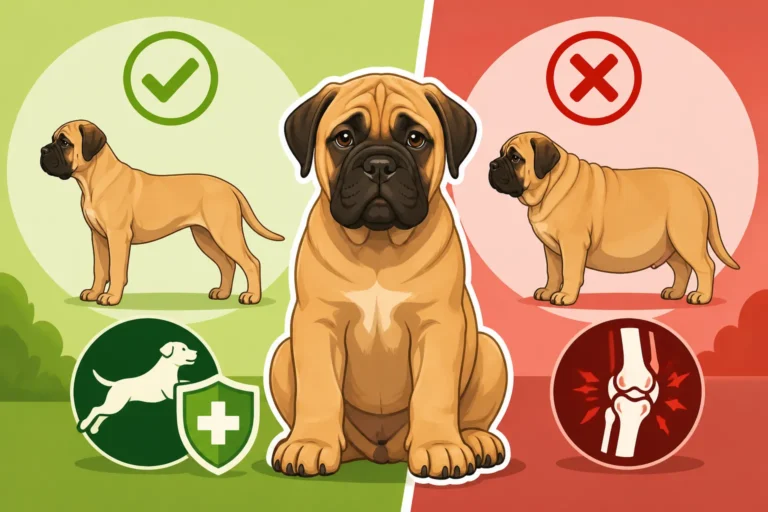
This cannot be stressed enough: maintaining a lean body condition is arguably the single most important preventative measure for cruciate tears and other orthopedic issues in Bullmastiffs. Every extra pound puts undue stress on their joints, accelerating degeneration and increasing the likelihood of injury. Talk to your vet about your Bullmastiff's ideal weight and body condition score. You should be able to easily feel their ribs without pressing hard, and they should have a discernible waist when viewed from above. If your Bullmastiff is overweight, consult your vet about a safe and effective weight loss plan. It truly is the case that Keeping a Bullmastiff Lean Is the Best Thing You Can Do for their overall health and longevity.
Controlled exercise is also key. While Bullmastiffs don't need hours of intense running, they do require regular, moderate activity to maintain muscle mass and joint flexibility. Avoid high-impact activities like sudden stops, starts, or jumping off high surfaces. Opt for consistent, leashed walks on varied terrain (grass, dirt, trails) rather than pavement. Avoid forced, repetitive activities like long-distance running or intense agility training, especially when they are young and their growth plates are still open. Remember that Why a Bullmastiff Puppy Should Not Run on Concrete is crucial advice to protect developing joints. Instead, focus on building core strength and overall fitness gradually.
Nutritional Support and Joint Supplements for Bullmastiffs
A high-quality diet appropriate for large breed dogs is essential from puppyhood through their senior years. Look for foods that support healthy growth rates, especially for puppies, to prevent too-rapid growth that can stress developing joints.
Beyond a balanced diet, many Bullmastiff owners consider joint supplements, particularly as their dogs age or if they have a family history of orthopedic issues. Common ingredients found in effective joint supplements include:
- Glucosamine and Chondroitin: These are building blocks for cartilage and may help maintain its integrity.
- MSM (Methylsulfonylmethane): A natural anti-inflammatory.
- Omega-3 Fatty Acids (EPA and DHA): Found in fish oil, these are powerful natural anti-inflammatories that can help reduce joint pain and stiffness.
- Green-Lipped Mussel: Contains a complex blend of natural nutrients, including glucosamine, chondroitin, and omega-3s, with strong anti-inflammatory properties.
While supplements won't prevent a tear in an already degenerating ligament, they can support overall joint health, reduce inflammation, and potentially slow the progression of arthritis. Always discuss any supplements with your veterinarian to ensure they are appropriate for your Bullmastiff and won't interact with any other medications. Brands like Cosequin, Dasuquin, and GlycoFlex are popular choices often recommended by vets.
Breeding Considerations and Genetic Factors
Given the strong breed predisposition to cruciate tears, responsible breeding practices are vital for the long-term health of the Bullmastiff breed. While there isn't a definitive genetic test for CCL disease yet, breeders committed to improving the health of their lines will focus on overall orthopedic soundness. This includes screening parents for other conditions like Hip Dysplasia in a Bullmastiff and Elbow Dysplasia in a Bullmastiff through organizations like the Orthopedic Foundation for Animals (OFA). While not directly related to CCL, healthy hips and elbows indicate a general commitment to sound structure.
Prospective Bullmastiff owners should always inquire about the orthopedic health history of the parent dogs and their ancestors, including any instances of cruciate tears. A good breeder will be transparent about health issues in their lines and actively work to minimize the risk in future generations. Unfortunately, conditions like cruciate disease contribute to why The Median Bullmastiff Lives Eight and a Half Years, making careful breeding and proactive owner care even more critical. Avoiding Whether a Bullmastiff With Stenosis Should Be Bred due to other hereditary conditions also highlights the importance of comprehensive health screening.
Ultimately, preventing cruciate tears in Bullmastiffs is a multi-faceted approach involving responsible breeding, strict weight management, controlled exercise, and proactive joint support. By being vigilant and taking these steps, you can help give your magnificent Bullmastiff the best chance at a long, mobile, and comfortable life.
Disclaimer
This article is intended for informational purposes only and does not constitute veterinary advice. Always consult with a qualified veterinarian regarding any health concerns or before making any decisions about your Bullmastiff's medical care. Individual outcomes may vary.