What Bloat Surgery Costs on a Bullmastiff
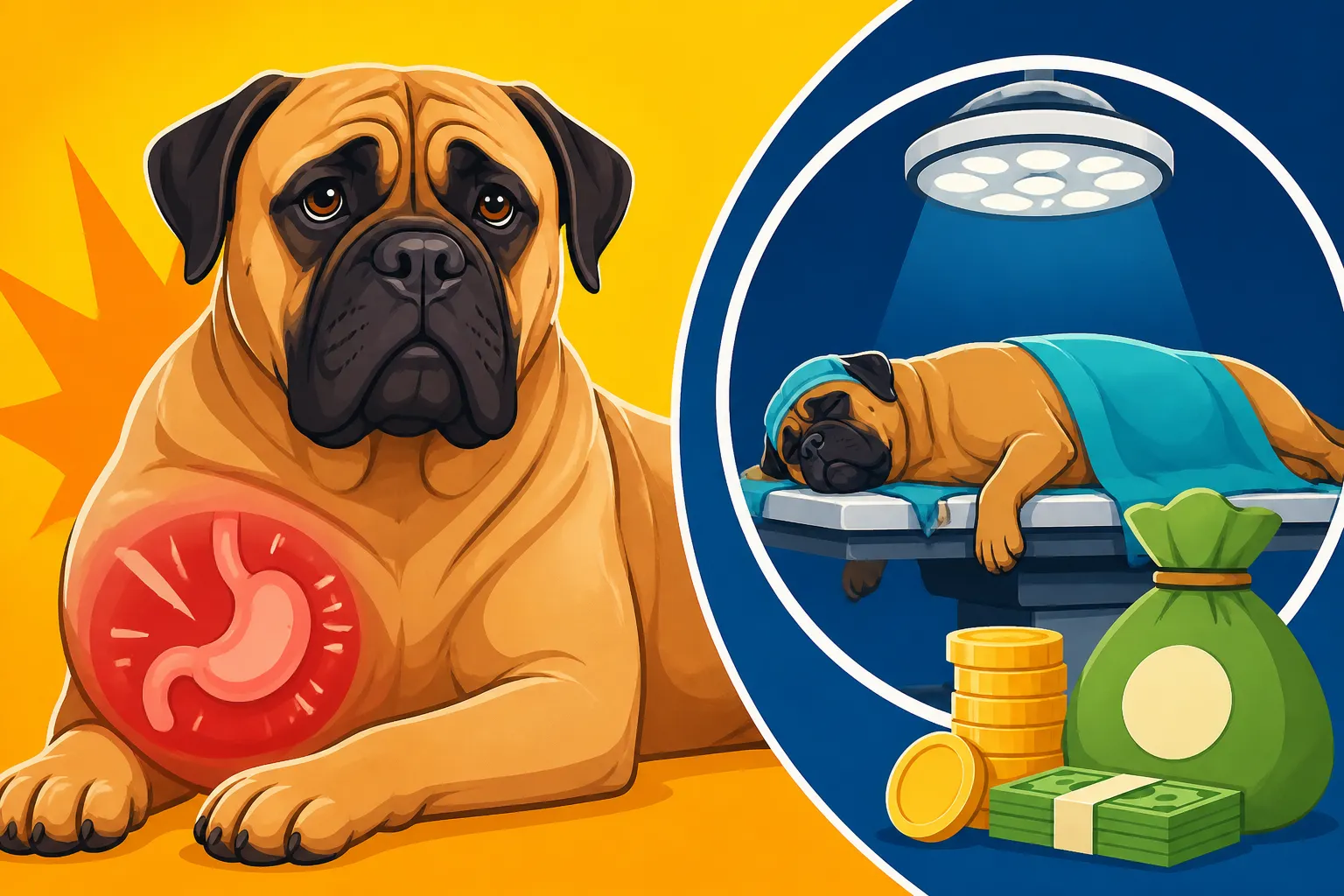
One of the most terrifying emergencies any Bullmastiff owner can face is bloat, medically known as Gastric Dilatation-Volvulus (GDV). It strikes without warning, turns a perfectly healthy dog into a critically ill one in mere hours, and often leaves owners grappling with the immediate horror and the daunting financial reality of emergency surgery. This comprehensive guide will walk you through the various costs associated with bloat surgery for a Bullmastiff, from the moment you rush into the emergency vet to the post-operative recovery, helping you understand what to expect during this incredibly stressful time.
Understanding Bloat in Bullmastiffs: A Critical Emergency
Bloat isn't just an upset tummy; it's a life-threatening condition where a dog's stomach fills with gas and often twists, cutting off blood supply and rapidly sending the dog into shock. For Bullmastiff owners, this isn't an "if," but often a "when," scenario, and being prepared, both emotionally and financially, can make all the difference.
Why Bullmastiffs Are at Higher Risk for Bloat
Bullmastiffs, like many large, deep-chested breeds, are unfortunately predisposed to bloat. Their anatomy, specifically the shape of their chest and abdominal cavity, creates a perfect storm for the stomach to distend and then rotate on its axis. It's a cruel twist of genetics that such a magnificent breed carries this particular risk. It's not about what they eat or how much they run; it's often a combination of factors, some still not fully understood, that contribute to this sudden onset. The sheer size of a Bullmastiff's stomach also means that when it bloats, it can accumulate a tremendous amount of gas, putting immense pressure on other organs and restricting blood flow rapidly.
The suddenness of bloat is what makes it so terrifying. One minute your Bullmastiff is happily relaxing, and the next they are showing signs of extreme discomfort. It’s a rapid decline, and every minute counts. Understanding this inherent vulnerability is the first step in being a responsible Bullmastiff parent, knowing that you need to be constantly vigilant for the subtle, and then not-so-subtle, indicators that something is terribly wrong.
Recognizing the Signs of Bloat
Knowing what to look for can literally save your Bullmastiff's life, because early recognition means quicker intervention. The signs of bloat, though varied, tend to escalate quickly. You might first notice your Bullmastiff pacing restlessly, unable to get comfortable, or perhaps whining softly. A key indicator is unproductive retching – they look like they're trying to vomit but nothing comes up, or only a foamy liquid. As the condition progresses, you'll likely see a distended, hard abdomen, particularly on their left side, which may feel tight like a drum. Your dog might also breathe rapidly, have pale gums, or appear weak and lethargic.
It's a horrifying sight to witness your usually stoic Bullmastiff in such obvious distress. They might stand with an arched back, refuse to lie down, or repeatedly try to relieve themselves without success. This isn't the time for a "wait and see" approach. If you suspect bloat, even vaguely, it's an immediate emergency. There's a reason why Signs a Bullmastiff Is Bloating is such a crucial topic for every owner to study and understand. Time is critical, and delaying even an hour can drastically worsen the prognosis.
The Immediate Steps to Take When Bloat Strikes
If you suspect bloat, drop everything and get to the nearest emergency veterinary clinic immediately. This isn't a situation for calling your regular vet's office hours or trying home remedies. Bloat is a true medical emergency, and delays can lead to irreversible damage or death. As soon as you call the emergency clinic, clearly state that you suspect GDV or bloat in your Bullmastiff. This allows them to prepare their team and equipment for your arrival, potentially shaving off precious minutes.
When you arrive, the veterinary staff will understand the urgency. They'll likely whisk your dog away for immediate assessment and stabilization. Don't be surprised if they start working on your Bullmastiff before you've even finished filling out paperwork. This is a testament to how dire the situation is. Being prepared for this whirlwind, and having a plan for your designated emergency vet, will help immensely. For any Bullmastiff owner, having an emergency fund is critical, and a significant portion of What a Bullmastiff's Emergency Fund Should Hold should be earmarked for these kinds of sudden, costly crises.
The Initial Vet Visit and Diagnostic Costs
When you arrive at the emergency clinic with a suspected case of bloat, the clock is ticking. The first phase of care is all about assessing the situation, stabilizing your Bullmastiff, and confirming the diagnosis. Each step comes with its own set of costs, often amplified by the emergency nature of the visit.
Emergency Examination and Stabilization Fees
The moment you walk through those emergency doors, you'll incur an emergency consultation fee, which is typically higher than a regular office visit. This fee covers the immediate attention from an emergency veterinarian and technician team dedicated to your pet. They'll perform a rapid physical exam, checking vital signs like heart rate, respiration, gum color, and capillary refill time. Due to the critical nature of bloat, these initial assessments often happen simultaneously with stabilizing treatments.
Stabilization is paramount and usually involves placing an intravenous (IV) catheter to administer fluids rapidly. Bloat causes dogs to go into shock, and IV fluids help combat this, supporting blood pressure and organ function. Pain medication will also be given to alleviate your Bullmastiff's severe discomfort. They might also attempt to decompress the stomach by passing a tube down the esophagus or, in some cases, by inserting a large needle or catheter through the abdominal wall directly into the stomach to release gas. These immediate, life-saving interventions are bundled into the initial emergency care costs, which can quickly add up, especially if it's after hours or on a holiday.
Diagnostic Procedures to Confirm Bloat
Once your Bullmastiff is somewhat stabilized, the veterinary team will need to definitively diagnose GDV. The gold standard for this is an abdominal X-ray. A single X-ray can confirm if the stomach is dilated with gas and, crucially, if it has twisted (volvulus). The image will show a characteristic "double bubble" or "Popeye arm" sign if torsion has occurred. Without confirmation of torsion, surgery might not be immediately necessary, though continued monitoring and treatment for simple bloat (gastric dilation) would still be required.
In addition to X-rays, blood tests are almost always performed. These tests give the veterinary team a snapshot of your Bullmastiff's overall health, checking for electrolyte imbalances, organ damage (especially to the heart and kidneys due to shock), and infection markers. They also help the surgical team gauge anesthesia risk. These diagnostic steps are critical but contribute significantly to the overall bill. Understanding Why a Bullmastiff's Bills Come Early often means being prepared for these initial, intense expenses.
Preparing for Surgery: Pre-Op Costs
With bloat confirmed, the focus shifts to preparing your Bullmastiff for surgery. This involves continued stabilization efforts to get them as strong as possible before undergoing a major operation. More IV fluids might be administered, and specific medications to address shock, heart arrhythmias (a common and dangerous complication of bloat), and potential infections will be given. If your dog is severely dehydrated or in advanced shock, these efforts can take several hours, extending the initial hospitalization time even before the surgery begins.
Anesthesia itself comes with preparation costs. A pre-anesthetic blood panel might be run if not already done, and specific pre-medications are given to help relax your Bullmastiff and ensure a smoother induction of anesthesia. In some larger emergency hospitals, an anesthesiologist might be involved in developing a tailored anesthesia plan for your individual dog, especially given the risks associated with this type of surgery and the Bullmastiff's general predisposition to Whether a Bullmastiff Tolerates Anesthesia. All these meticulous preparatory steps are vital for maximizing surgical success and patient safety, but they are all line items on your emergency bill.
The Cost of the Bloat Surgery Itself (Gastropexy)
Once your Bullmastiff is stable enough, they'll be moved to the operating room. The surgery for GDV is complex, time-sensitive, and requires a skilled veterinary surgical team. This is where the bulk of the initial expense will likely come into play.
Surgical Fees and Anesthesia
The surgical fee covers the time and expertise of the veterinary surgeon and their assistants. This isn't a quick procedure; it often takes several hours. The complexity involves carefully untwisting the stomach, assessing for any damage, and then performing a gastropexy to prevent future occurrences. The cost reflects not only the surgeon's skill but also the sophisticated surgical suite, sterile equipment, and the entire team dedicated to the operation.
Anesthesia is another significant component. Given the Bullmastiff's size and the critical nature of their condition, anesthesia is carefully managed by a dedicated technician or even an anesthesiologist. This includes continuous monitoring of heart rate, blood pressure, oxygen saturation, and temperature throughout the procedure. The longer the surgery, the more extensive the anesthesia time, and thus the higher the cost. This meticulous oversight is essential, as complications during anesthesia can be life-threatening.
Addressing Torsion and Stomach Repositioning
The first critical step in the surgery is to carefully untwist the stomach (derotation). The surgeon will gently manipulate the stomach back into its correct anatomical position. Once untwisted, the stomach lining will be thoroughly inspected for any signs of damage or necrosis (tissue death) due to the lack of blood flow. Unfortunately, in severe or prolonged cases of GDV, parts of the stomach wall can become irreversibly damaged.
If tissue necrosis is present, the surgeon must remove the compromised sections of the stomach (partial gastrectomy). This adds significant complexity and time to the surgery, as well as increasing the risk of post-operative complications and, of course, the overall cost. The decision to remove tissue is not taken lightly, as it significantly impacts the dog's recovery and prognosis. This part of the surgery can be particularly heartbreaking for owners, as it highlights the severe consequences of bloat.
The Crucial Gastropexy Procedure
After the stomach is repositioned and any damaged tissue is addressed, the most important part of the surgery for long-term prevention is performed: the gastropexy. This procedure involves surgically attaching the stomach to the abdominal wall, essentially tacking it in place. This prevents the stomach from twisting again in the future, dramatically reducing the risk of a GDV recurrence. While the stomach can still dilate with gas, the twist (volvulus) that makes bloat so deadly will be prevented.
There are different techniques for performing a gastropexy, from incisional gastropexy to laparoscopic-assisted gastropexy. The chosen method can influence the precise cost. Regardless of the technique, the gastropexy is a non-negotiable step during bloat surgery, as it offers the best protection against future, potentially fatal, episodes. Understanding Whether a Bullmastiff Should Have a Gastropexy is key for any Bullmastiff owner, even preventatively.
Variations in Surgical Approach and Cost Factors
The cost of bloat surgery can vary significantly depending on several factors. Firstly, an emergency surgery performed by a general veterinary practice during off-hours will likely have different fees than one performed at a large veterinary specialty and emergency hospital with a board-certified surgeon and a full team of specialists. The expertise and resources available at a specialty hospital, while more expensive, can also offer a higher level of care and increased chances of a positive outcome for such a complex procedure.
Secondly, the severity of the bloat plays a huge role. A dog that is brought in early, with minimal stomach damage, will have a less complicated and therefore less costly surgery than a dog with significant necrosis requiring partial gastrectomy, or one that has developed severe arrhythmias. The geographic location of the veterinary clinic also impacts pricing, with urban areas often having higher costs than rural ones. Finally, whether the gastropexy is performed as an emergency procedure or as a prophylactic (preventative) measure (often done during a spay or neuter when the abdomen is already open) will also differ in cost, with emergency surgeries always being significantly more expensive due to the urgency and complexity.
Post-Operative Care and Recovery Expenses
The surgery is a monumental hurdle, but the journey doesn't end there. The post-operative period is equally critical, demanding intensive care and diligent monitoring, which, understandably, comes with further costs.
Hospitalization and Monitoring
After such a major surgery, your Bullmastiff will require extensive hospitalization, typically for several days. This isn't just a place for them to sleep; it's a period of continuous, 24/7 monitoring by dedicated veterinary staff. They'll be watching for complications like cardiac arrhythmias (which are unfortunately common after GDV), infection, pain, and any signs of internal bleeding or stomach leakage. Your Bullmastiff will likely remain on IV fluids to ensure hydration and deliver necessary medications.
Pain management is a high priority, with medications administered around the clock. Their vital signs will be meticulously tracked, and the incision site will be regularly checked for swelling or discharge. Depending on the hospital, these services can range from general overnight care to intensive care unit (ICU) monitoring, with costs varying accordingly. The sheer size of a Bullmastiff means that many medications and supplies are used in larger quantities, adding to the expense.
Medications and Follow-Up Visits
Once your Bullmastiff is deemed stable enough to go home, they will be sent with a regimen of medications. This typically includes antibiotics to prevent infection, pain relievers to keep them comfortable during recovery, and sometimes stomach protectants or motility enhancers. These medications are crucial for a smooth recovery and need to be administered faithfully according to your vet's instructions. The cost of these medications will be added to your final bill.
You'll also need to schedule several follow-up appointments with your veterinarian. These visits are essential for checking the incision site, removing sutures or staples, and ensuring your Bullmastiff is healing properly. The vet will assess their appetite, energy levels, and overall recovery progress. Sometimes, additional blood tests might be recommended to ensure organ function is returning to normal. These follow-up visits, while usually less expensive than the initial emergency, are necessary components of the overall recovery cost.
Potential Complications and Their Costs
Despite the best veterinary care, complications can arise after bloat surgery, and these can significantly increase the overall financial burden. As mentioned, cardiac arrhythmias are a serious and common post-operative concern, often requiring continued medication and monitoring. Infection at the surgical site or elsewhere is another risk, which would necessitate further antibiotics and potentially wound care or even another surgical intervention.
If a portion of the stomach was necrotic and removed, there's a higher risk of leakage from the surgical site or issues with stomach motility, requiring extended hospitalization and specialized treatments. Aspiration pneumonia, where stomach contents are inhaled into the lungs, can also occur, particularly if your Bullmastiff was retching significantly before surgery. Each complication means more tests, more medications, and a longer stay in the hospital, compounding the already substantial costs. Dealing with such issues on top of the initial surgery can be emotionally and financially draining.
Long-Term Financial Considerations and Prevention
Beyond the immediate crisis, there are crucial long-term financial aspects to consider for Bullmastiff owners, especially concerning prevention and mitigating future risks. Being proactive can save both heartache and significant money down the line.
Pet Insurance and Bloat Coverage
For many Bullmastiff owners, pet insurance can be an absolute lifesaver when an emergency like bloat strikes. Policies like those offered by Healthy Paws are designed to cover unexpected accidents and illnesses, and bloat surgery certainly falls into this category. The key is to enroll your Bullmastiff when they are young, ideally as a puppy, before any pre-existing conditions are noted. Most insurance plans have waiting periods, so enrolling early means you're covered when emergencies like bloat become a real threat as your dog matures.
When choosing a policy, pay close attention to the deductible, reimbursement percentage, and annual limit. A higher reimbursement percentage (e.g., 90%) means you pay less out of pocket, which is critical for an expensive procedure like bloat surgery. While premiums for large breeds like Bullmastiffs can be higher (as discussed in Why a Bullmastiff's Premium Is High), the peace of mind and financial protection during a crisis are often invaluable. It's truly a decision that can make the difference between affording life-saving care and facing an agonizing choice.
Prophylactic Gastropexy: An Investment in Prevention
Given the high risk of bloat in Bullmastiffs and the devastating cost and outcome of emergency surgery, many owners consider a prophylactic gastropexy. This is a preventative surgery to tack the stomach to the abdominal wall before bloat occurs. It's often performed at the same time as a spay or neuter surgery, when the dog is already under anesthesia and the abdomen is open. Doing it this way significantly reduces the cost compared to an emergency procedure, as it's part of a planned surgery.
While a prophylactic gastropexy doesn't prevent the stomach from dilating with gas, it absolutely prevents the deadly twist (volvulus). This means if your Bullmastiff experiences simple bloat, it's a serious but manageable condition, not a life-threatening emergency. The cost of a prophylactic gastropexy is an investment in your Bullmastiff's future health and peace of mind, potentially saving you tens of thousands of dollars and preventing immense suffering. It’s a proactive step that aligns with keeping The Median Bullmastiff Lives Eight and a Half Years healthy for as long as possible.
Other Preventative Measures
While a gastropexy is the most effective preventative against GDV, other management strategies can help reduce the risk of bloat, and thankfully, most of these are relatively low-cost or part of good general care. Feeding multiple smaller meals throughout the day instead of one large meal can help, as can ensuring your Bullmastiff rests for at least an hour before and after eating. This advice is critical, and you can learn more about it in Why a Bullmastiff Should Rest After Eating. Avoiding vigorous exercise or excitement immediately around meal times is also a wise precaution.
Consider using a slow feeder bowl, which can be easily found at retailers like Chewy, to prevent your Bullmastiff from gulping down their food too quickly. Some studies suggest that elevated food bowls might increase bloat risk for certain breeds, so it's often recommended to feed Bullmastiffs from bowls on the floor. While the efficacy of all these measures in preventing GDV is debated, they are generally harmless and contribute to good digestive health. High-quality food can also play a role in overall health, and brands like Ollie offer tailored meal plans, though direct evidence linking specific food brands to bloat prevention is limited. Ultimately, a combination of awareness, medical intervention like gastropexy, and smart feeding practices offers the best defense. How Much Food a Bullmastiff Needs can influence meal timing and bowl choice.
Breaking Down the Bullmastiff Bloat Bill: An Example Table
To give you a clearer picture of what the financial landscape for bloat surgery might look like, here's a breakdown of common costs. Please remember these are general ranges, and actual costs can vary wildly based on location, severity, and the specific veterinary facility.
| Service/Procedure | Estimated Cost Range (USD) | Notes |
|---|---|---|
| Emergency Exam/Consultation | $150 – $400 | Higher for after-hours or specialty clinics. |
| IV Catheter & Fluids | $100 – $300 | Initial stabilization. |
| Diagnostic X-rays | $200 – $500 | To confirm GDV. |
| Bloodwork (Pre-op & Monitoring) | $200 – $600 | Checks organ function, electrolytes, anesthesia safety. |
| Anesthesia (including monitoring) | $800 – $2,500 | Varies based on duration, complexity, and anesthetic drugs used. |
| Surgical Fees (Derotation & Gastropexy) | $2,000 – $6,000 | Core surgery cost, excludes removal of necrotic tissue. Can be much higher for specialist surgeons. |
| Partial Gastrectomy (if needed) | Add $1,000 – $3,000 | Additional cost if part of the stomach needs to be removed due to necrosis. |
| Post-Op Hospitalization (per day) | $500 – $1,500+ | Includes 24/7 monitoring, pain management, additional fluids. ICU care is at the higher end. Often 2-5 days. |
| Post-Op Medications | $100 – $400 | Antibiotics, pain relief, stomach protectants for home. |
| Follow-up Visits | $50 – $150 (per visit) | For incision checks, suture removal, general re-evaluation. |
| Total Estimated Range (without complications) | $4,000 – $12,000+ | This range is broad and heavily dependent on all factors. Can easily exceed $15,000 with severe complications or extended ICU stays. |
| Prophylactic Gastropexy (planned) | $800 – $2,500 | When performed electively, often with spay/neuter. Significantly cheaper than emergency surgery. |
This table really drives home the importance of preparedness. While the thought of such expenses is daunting, knowing the potential range can help you plan, whether through an emergency fund, pet insurance, or considering a prophylactic gastropexy. The survival rate for bloat can be high with rapid intervention, and understanding these costs helps you make informed decisions in a stressful situation. While How Often a Bullmastiff Survives Bloat is a hopeful topic, prevention and financial readiness are key.
Disclaimer
This article is for general informational purposes only and does not constitute professional advice. Laws, prices and regulations vary by location and change over time. Consult a qualified professional for guidance on your specific situation.