Whether a Bullmastiff Should Have a Gastropexy
The thought of your Bullmastiff suddenly experiencing bloat, or Gastric Dilatation-Volvulus (GDV), is terrifying for any owner. This life-threatening condition, where the stomach fills with gas and can twist, requires immediate emergency surgery and has a high mortality rate. This guide delves deep into whether a preventative gastropexy surgery is a wise choice for your Bullmastiff, exploring its benefits, risks, and what to consider before making this crucial decision.
Understanding Bloat, or GDV, in Bullmastiffs
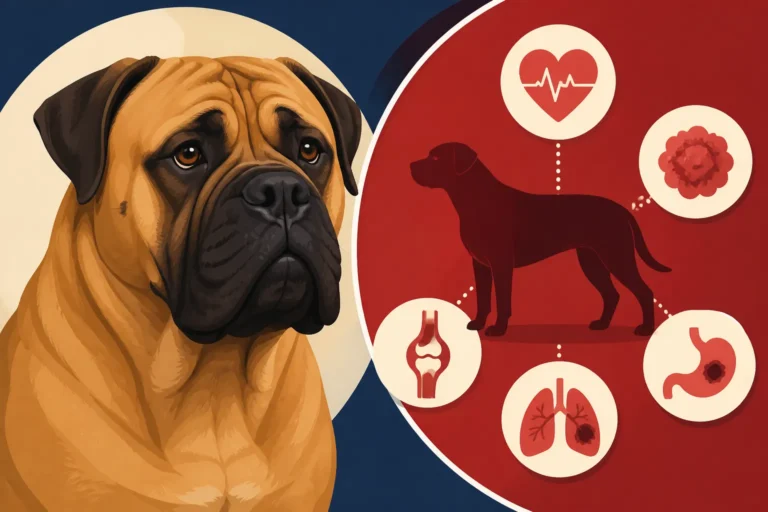
Bloat is one of the most frightening emergencies a large breed dog owner can face. It happens rapidly, often without warning, and can turn a healthy, happy Bullmastiff into a critically ill patient within hours. The sheer size and deep chest of Bullmastiffs unfortunately place them at a significantly higher risk for this condition compared to many other breeds. Understanding what GDV is and why your Bullmastiff is particularly susceptible is the first step in considering preventative measures.
Why Bullmastiffs Are High Risk for Bloat
Bullmastiffs possess several anatomical and physiological traits that contribute to their elevated risk of developing Gastric Dilatation-Volvulus. Their large, deep chests provide ample space for the stomach to expand and rotate. Unlike many other breeds, their ligamentous attachments that hold the stomach in place are often less robust, making the stomach more prone to twisting on its axis. Imagine a heavy pendulum swinging inside a large, hollow cavity; a Bullmastiff's stomach can sometimes act similarly if not anchored properly.
Beyond anatomy, certain behaviors and environmental factors commonly associated with large breeds also play a role. Eating rapidly, ingesting large meals, excessive exercise before or after eating, and even stress can be contributing factors. Owners often wonder about the role of diet, raised bowls, or timing of meals, and these are important considerations in managing overall risk, although anatomy remains a primary driver. For more detailed information, you might find our article on Bloat in a Bullmastiff helpful.
Signs a Bullmastiff Is Bloating
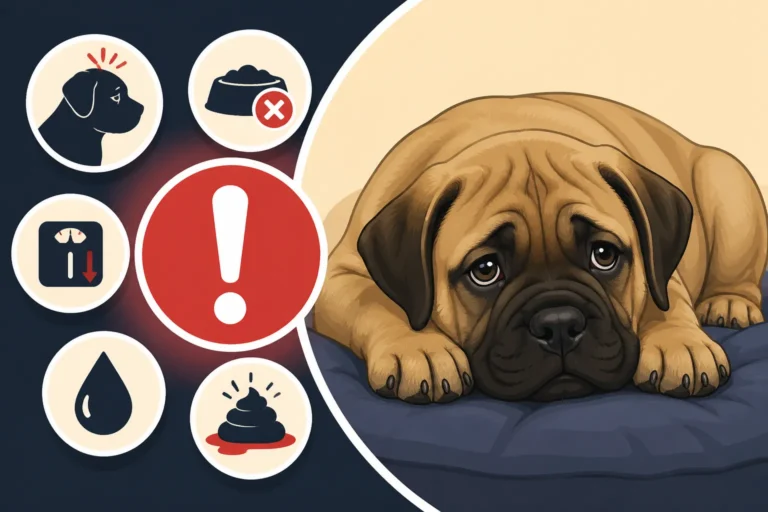
Recognizing the signs of bloat quickly is absolutely critical, as every minute counts when GDV strikes. Your Bullmastiff might initially seem restless or uncomfortable. You might notice them pacing, attempting to vomit without producing anything (this is often called "non-productive retching"), or drooling excessively. Their abdomen might appear distended and feel hard to the touch, especially on the left side, though this isn't always immediately obvious, particularly in heavily muscled or overweight dogs.
As the condition progresses, your dog will show signs of severe pain and distress. They might become weak, have difficulty standing, pant heavily, or exhibit pale gums. They may go into shock, with a rapid heart rate and shallow breathing. If you observe any combination of these symptoms, especially non-productive retching or a distended abdomen, it is an immediate emergency. Do not wait to see if it improves; head straight to an emergency veterinary clinic. Learning the Signs a Bullmastiff Is Bloating can truly be life-saving.
The Urgent Danger of GDV
Gastric Dilatation-Volvulus isn't just an upset stomach; it's a rapidly progressing, life-threatening crisis. When the stomach twists (volvulus), it cuts off its own blood supply and traps gas, food, and fluid inside. This twisting also obstructs the blood flow to and from other vital organs, including the spleen and the heart. The pressure inside the abdomen increases dramatically, impairing breathing and causing severe pain.
Without immediate surgical intervention, GDV is almost always fatal. Even with surgery, complications are common, including heart arrhythmias, damage to the stomach wall, and infection, all of which contribute to a significant mortality rate. The urgency of this condition is why preventative measures, like gastropexy, are such a common and serious discussion point among Bullmastiff owners and veterinarians.
What is a Gastropexy and How Does It Work?
Given the inherent risks associated with bloat in Bullmastiffs, a preventative measure like a gastropexy often comes up in conversations with your vet. It sounds like a big decision, and it is, but understanding what the procedure entails can demystify it and help you weigh your options.
The Surgical Procedure Explained
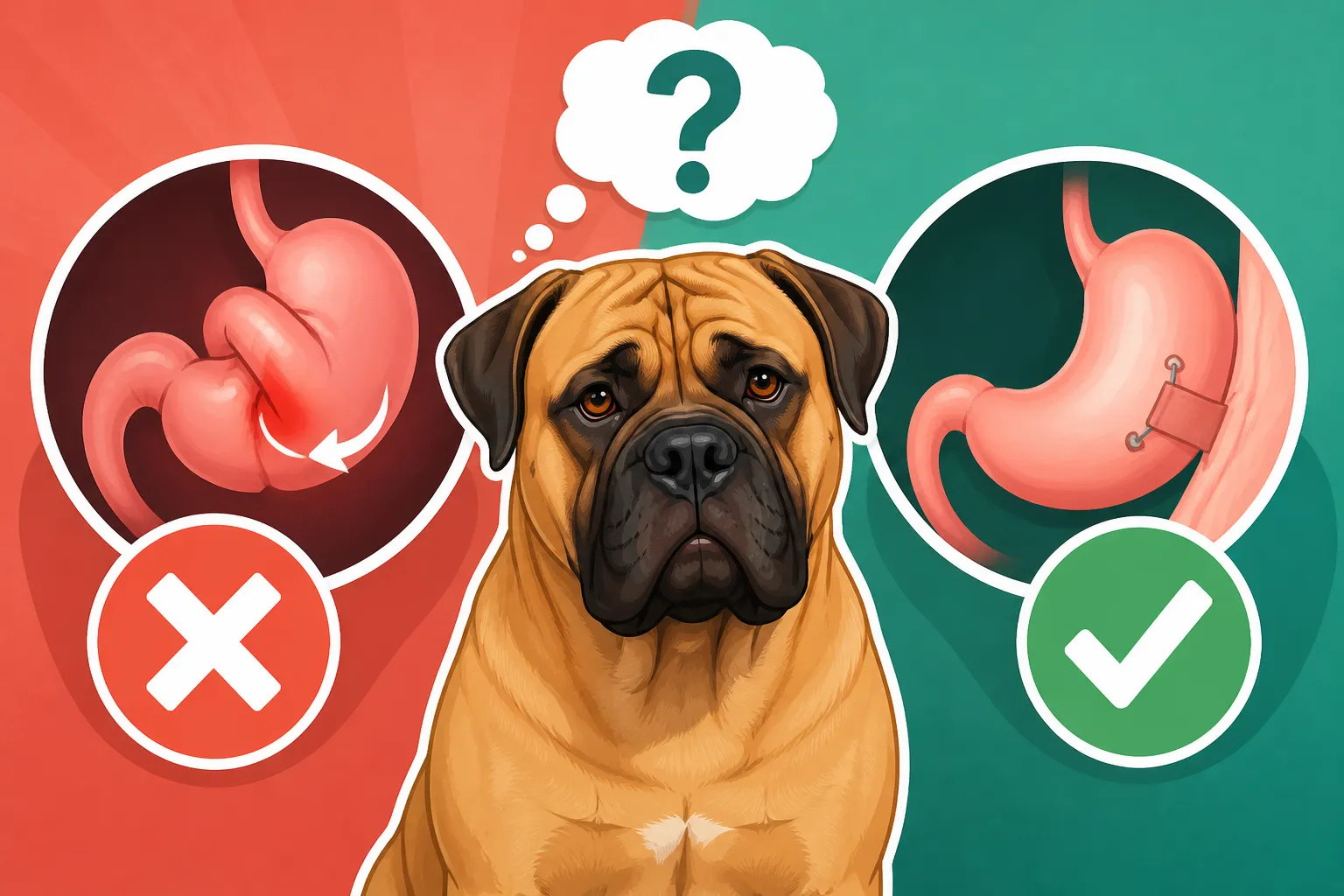
A gastropexy is a surgical procedure where the stomach is permanently attached to the abdominal wall. The goal is to prevent the stomach from twisting in the future. It doesn't prevent the stomach from dilating or filling with gas (bloating), but it critically prevents the "volvulus," or twisting, which is the most deadly component of GDV. Essentially, it anchors the stomach so that even if it bloats, it cannot flip over.
There are several techniques for performing a gastropexy. The traditional method involves an open incision, where the surgeon directly sutures a section of the stomach wall to the inner abdominal wall. More commonly now, particularly for preventative procedures, a laparoscopic or "keyhole" gastropexy is performed. This minimally invasive technique uses small incisions and a camera, which can lead to faster recovery times and less pain. Another method, often combined with spay or neuter surgery, is an incisional gastropexy, where a strip of the stomach lining is sutured to the abdominal muscle. Your veterinarian will discuss the best approach for your dog based on their experience and your dog's specific health profile.
How a Gastropexy Prevents Stomach Twisting
Think of your Bullmastiff's stomach as a balloon. Without a gastropexy, if that balloon inflates with air, it can spin and twist on its tether, cutting off its own opening. With a gastropexy, it's like securely taping one side of that balloon to the inside of a box. Even if the balloon inflates, it can't spin around because one side is firmly held in place.
So, while your Bullmastiff could still experience gastric dilation – an uncomfortable accumulation of gas in the stomach – the gastropexy prevents the critical twisting that leads to severe organ damage, shock, and death. This means that if your dog does bloat after a gastropexy, it's a less critical emergency. While still requiring veterinary attention to decompress the stomach, it’s not the immediate, life-or-death scenario of GDV, which significantly improves the prognosis and reduces the urgency and cost of treatment.
The Pros and Cons of Elective Gastropexy for Bullmastiffs
Deciding whether to pursue an elective gastropexy for your Bullmastiff is a significant choice, and like any medical procedure, it comes with a unique set of benefits and potential drawbacks. It's about balancing the considerable risks of GDV against the surgical risks and financial investment of a preventative measure.
Lifesaving Benefits of Prevention
The primary and most compelling benefit of an elective gastropexy is its proven ability to prevent the deadliest aspect of bloat: the gastric volvulus. For a breed like the Bullmastiff, where the lifetime risk of GDV is uncomfortably high, this prevention can literally be a lifesaver. Owners who've experienced bloat in a previous dog or know someone who has will deeply understand the peace of mind that comes with knowing their beloved companion is protected against this specific, rapid, and often fatal twist.
Elective gastropexy significantly reduces the urgency of a bloating episode, transforming a dire emergency into a treatable condition. This means less stress, a higher chance of survival, and often, a less traumatic experience for both dog and owner. The recovery from an elective gastropexy is typically much smoother and faster than the arduous recovery from emergency GDV surgery, which can also involve repairing damaged organs like the spleen. Our article on What Bloat Surgery Involves on a Bullmastiff highlights the extensive nature of emergency procedures.
Potential Risks and Complications
While highly beneficial, a gastropexy is still a major surgical procedure and carries inherent risks, just like any surgery involving anesthesia. These can include adverse reactions to anesthesia, infection at the surgical site, pain, and, rarely, complications during the healing process where the stomach attachment might not hold perfectly, though this is uncommon with modern techniques.
There's also the immediate post-operative recovery period to consider. Your Bullmastiff will need careful monitoring, pain management, and restricted activity for several weeks. While generally less intensive than emergency surgery recovery, it still requires dedication from the owner. Some dogs might experience transient digestive upset as they heal. Discussing these potential risks thoroughly with your vet, including their experience with gastropexy, is paramount.
Not a Guarantee Against Bloat Itself
It's crucial to understand what a gastropexy does and does not do. As mentioned, it prevents the stomach from twisting (volvulus). However, it does not prevent the stomach from filling with gas (gastric dilatation). Your Bullmastiff could still experience bloat in the sense of its stomach distending with gas, causing discomfort and requiring veterinary intervention to decompress. The difference is that the condition would not be immediately life-threatening due to torsion.
This distinction is important because some owners mistakenly believe a gastropexy means their dog will never bloat again. While it eliminates the deadly twisting, a dog could still show signs of gastric distress. Therefore, continued vigilance regarding eating habits, activity levels around meals, and overall digestive health remains important. Preventative measures like feeding multiple small meals a day and encouraging rest after eating, as discussed in Why a Bullmastiff Should Rest After Eating, are still beneficial even after a gastropexy.
When is the Right Time for a Gastropexy?
Timing is often a major consideration for owners contemplating an elective gastropexy. While the procedure can be performed at any time, there are specific windows and circumstances that vets often recommend as ideal for Bullmastiffs.
Timing with Spay/Neuter Surgery
One of the most common and often recommended times for an elective gastropexy is concurrently with spay or neuter surgery. This approach makes a lot of sense for several reasons. Your Bullmastiff will already be under anesthesia for another major procedure, eliminating the need for a separate anesthetic event. This means one recovery period, one set of post-operative medications, and a single trip to the veterinary hospital.
Combining procedures can also be more cost-effective. While the gastropexy itself adds to the bill, you're not paying for a separate anesthesia induction, surgical prep, or recovery room time for two distinct surgeries. It's an efficient way to address two significant health considerations at once. Most vets performing spay/neuter on large, at-risk breeds like Bullmastiffs will proactively discuss the option of an elective gastropexy at that time. Understanding What Spaying or Neutering a Bullmastiff Costs can help you budget for combined procedures.
Considering Age and Health Status
While often combined with spay/neuter, an elective gastropexy can also be performed later in a Bullmastiff's life, provided they are in good overall health. Generally, younger, healthy dogs tend to recover more easily from surgery, so performing the procedure when they are between 6 months and 2 years old is often ideal. At this age, their body is still robust, and they generally have no underlying health issues that might complicate anesthesia or recovery.
However, if you've adopted an older Bullmastiff or if the opportunity was missed when they were younger, the procedure can still be beneficial. The decision will then involve a more thorough pre-surgical workup, including blood tests and possibly cardiac evaluations, to ensure your dog is a good candidate for anesthesia. For a healthy senior Bullmastiff, the benefits of preventing GDV might still outweigh the slightly increased surgical risks associated with age. A good vet will always assess your individual dog's health profile meticulously before recommending any elective surgery.
Recovery and Post-Operative Care
Undergoing an elective gastropexy is a proactive step, but the journey doesn't end when your Bullmastiff comes home from the vet. Proper post-operative care is crucial for ensuring a smooth recovery and the long-term success of the surgery. Being prepared for the recovery period will make things much easier for both you and your giant companion.
Immediate Post-Op Care at Home
When your Bullmastiff first comes home after a gastropexy, they will likely be a bit groggy from anesthesia and may have some discomfort. Your vet will provide clear instructions for pain management, which typically involves oral pain medications for several days. It's essential to administer these as prescribed to keep your dog comfortable and prevent them from licking or chewing at their incision. An E-collar (cone of shame) will likely be necessary to protect the surgical site.
Rest is paramount. Limit your Bullmastiff's activity significantly for the first 10-14 days. This means no running, jumping, stairs, or rough play. Leash walks should be short and controlled, strictly for potty breaks. Monitor the incision site daily for any signs of redness, swelling, discharge, or opening. Keep it clean and dry. Offer small, frequent meals of easily digestible food, as recommended by your vet, to minimize strain on the healing stomach.
Long-Term Management and Activity Restrictions
The initial recovery period usually lasts about two to four weeks, but the stomach attachment needs more time to fully strengthen. Your vet will advise on when stitches or staples need to be removed, usually around 10-14 days post-op. Even after this, it's wise to gradually increase activity over the next few weeks. Avoid strenuous exercise or activities that involve abrupt movements or twisting for at least six weeks, or as your vet specifically recommends.
While a gastropexy greatly reduces the risk of GDV, good management practices still matter. Continue to feed a high-quality large-breed dog food, often in two or three smaller meals throughout the day rather than one large one. Ensure your Bullmastiff rests quietly for at least an hour before and after meals. While the risk of twisting is gone, minimizing gastric distention can still contribute to overall digestive comfort and health. Remember, even with a gastropexy, your dog could still experience generalized Bloat in a Bullmastiff, it just won't be the life-threatening twist.
Financial Considerations and Insurance
Cost is a practical reality for any pet owner, and a gastropexy is a significant investment. Understanding the financial implications, both for the preventative surgery and for potential emergency care without it, is crucial for making an informed decision.
Cost of Elective Gastropexy vs. Emergency Surgery
The cost of an elective gastropexy can vary widely depending on your geographic location, the veterinary clinic, the specific surgical technique used (e.g., traditional open surgery vs. laparoscopic), and whether it's combined with another procedure like spay/neuter. Generally, you can expect an elective gastropexy to cost anywhere from $800 to $2,500. While this might seem like a lot upfront, consider the alternative.
Emergency GDV surgery is one of the most expensive veterinary procedures. When a Bullmastiff suffers from bloat and requires emergency surgery, the costs can skyrocket. This includes emergency stabilization, diagnostics (X-rays), the complex surgery itself, potential removal of the spleen, extensive post-operative critical care, medications, and monitoring for complications. These bills can easily range from $3,000 to $8,000 or even more, particularly if complications arise or if your dog requires extended hospitalization at a specialized critical care facility. The table below illustrates this stark financial difference:
| Procedure Type | Estimated Cost Range (USD) | Urgency Level | Recovery Period | Primary Benefit |
|---|---|---|---|---|
| Elective Gastropexy | $800 – $2,500 | Scheduled | 2-6 weeks | Prevents fatal stomach twisting (Volvulus) |
| Emergency GDV Surgery | $3,000 – $8,000+ | Life-Threatening | 4-8+ weeks | Treats existing bloat and twisting |
Insurance Coverage for Gastropexy
Pet insurance can be a game-changer when it comes to managing the high costs of veterinary care for a large breed like a Bullmastiff. Many pet insurance providers, such as Healthy Paws, recognize the preventative value of a gastropexy for at-risk breeds. If you have a comprehensive pet insurance plan, it's highly likely that an elective gastropexy would be covered, especially if recommended by your veterinarian as a preventative measure for a breed predisposed to GDV.
However, there are crucial details to consider. Most insurance policies require a waiting period before coverage for certain conditions or procedures begins. This is why many experienced Bullmastiff owners get their puppies insured from a very young age, ideally around 8 weeks old, to ensure they are covered before any preventative surgeries or unexpected health issues arise. If you wait until your dog is older or has already shown signs of gastric issues, the gastropexy might be considered a pre-existing condition and not be covered. Always review your specific policy details and discuss coverage with your provider, like Healthy Paws, well in advance. Understanding What Insurance Covers on a Bullmastiff is essential for planning. Many owners regret not having insurance when faced with massive bills later, as detailed in Whether Uninsured Bullmastiff Owners Regret It.
Disclaimer
This article is for general informational purposes only and does not constitute professional advice. Laws, prices and regulations vary by location and change over time. Consult a qualified professional for guidance on your specific situation.