What Temperature Is Dangerous for a Bullmastiff
One of the most heartbreaking realities of owning a Bullmastiff is how easily these magnificent dogs can succumb to heat. Their unique physiology makes them incredibly vulnerable to rising temperatures, turning a pleasant summer day into a potential emergency. This guide is here to walk you through exactly what temperatures pose a serious threat, why your Bullmastiff struggles, how to spot the early warning signs of overheating, and, most importantly, what you can do to protect your beloved companion.
Why Bullmastiffs Struggle with the Heat
It’s not just that Bullmastiffs are big dogs; their specific physical characteristics put them at a much higher risk for heat-related illnesses than many other breeds. Understanding these predispositions is the first step in keeping your gentle giant safe when the mercury climbs. It’s a sad truth that they truly feel the heat more intensely than we do, and certainly more than many other dog breeds.
The Brachycephalic Challenge: Short Muzzles and Breathing
The most significant factor contributing to a Bullmastiff's heat intolerance is their brachycephalic (short-nosed) head structure. While not as extreme as a Bulldog or a Pug, a Bullmastiff's relatively short muzzle still presents significant challenges when it comes to cooling down. Dogs primarily cool themselves by panting. When a dog pants, air passes over the moist surfaces of the tongue and mouth, causing evaporation, which in turn dissipates heat from the body.
However, for a Bullmastiff, the anatomy of their shortened upper respiratory tract means there's less surface area for this evaporative cooling to occur efficiently. The soft palate can be elongated, and their nostrils can be narrowed (stenotic nares), making it harder to move air in and out. This constricted airflow means they have to work much harder to breathe and cool themselves, leading to increased heat production even as they try to release heat. It’s a vicious cycle where the harder they pant, the hotter they can get. This fundamental issue is why a Bullmastiff's short muzzle cannot cool it as effectively as a dog with a longer snout.
A Thick Coat and Dense Body Mass
Beyond their breathing challenges, Bullmastiffs carry a significant amount of body mass, often weighing between 100 to 130 pounds, sometimes even more. This large, dense physique means they have a greater core body temperature to manage. Think of it like a large thermal mass that absorbs heat from the environment and takes longer to release it. Their short, dense coat, while seemingly not as insulating as a long-haired breed, still acts as a barrier to cooling, trapping a layer of warm air close to their skin.
Furthermore, a Bullmastiff's body is designed for power and strength, not for sustained aerobic activity. They are built for short bursts of exertion, historically to catch and hold a poacher, rather than long runs. This means their cardiovascular system isn't geared for the kind of strenuous activity that generates a lot of heat, and they struggle to dissipate that heat once it builds up. This combination of dense body mass and a protective coat makes them heat sponges, and once they start to absorb it, they struggle immensely to let it go.
Metabolic Heat Generation
Every living creature generates metabolic heat as a byproduct of normal bodily functions, digestion, and movement. For a large, powerful dog like a Bullmastiff, even simple activities like walking, playing, or even just digesting a meal can produce a considerable amount of internal heat. When environmental temperatures are high, their bodies struggle to shed this internal heat effectively.
If they become excited, anxious, or engage in even moderate activity during warm weather, their metabolic rate increases, leading to a rapid surge in body temperature. This is why even a short walk or a brief play session in conditions that seem mild to us can quickly push a Bullmastiff into a dangerous overheating situation. They simply don't have the same cooling mechanisms as other breeds, and their large size means there's more "engine" working to produce heat. You might be surprised at how quickly a Bullmastiff overheats in a car, even on what seems like a mild day, due to this metabolic heat.
Recognizing the Danger: Temperatures, Humidity, and Early Signs
Knowing when your Bullmastiff is in danger isn't just about looking at the thermometer; it involves understanding the combined impact of temperature, humidity, and their individual physical signs. Ignoring these subtle cues can have devastating consequences, as these dogs can go from slightly warm to critically overheated faster than you might imagine.
Specific Temperature Ranges to Watch Out For
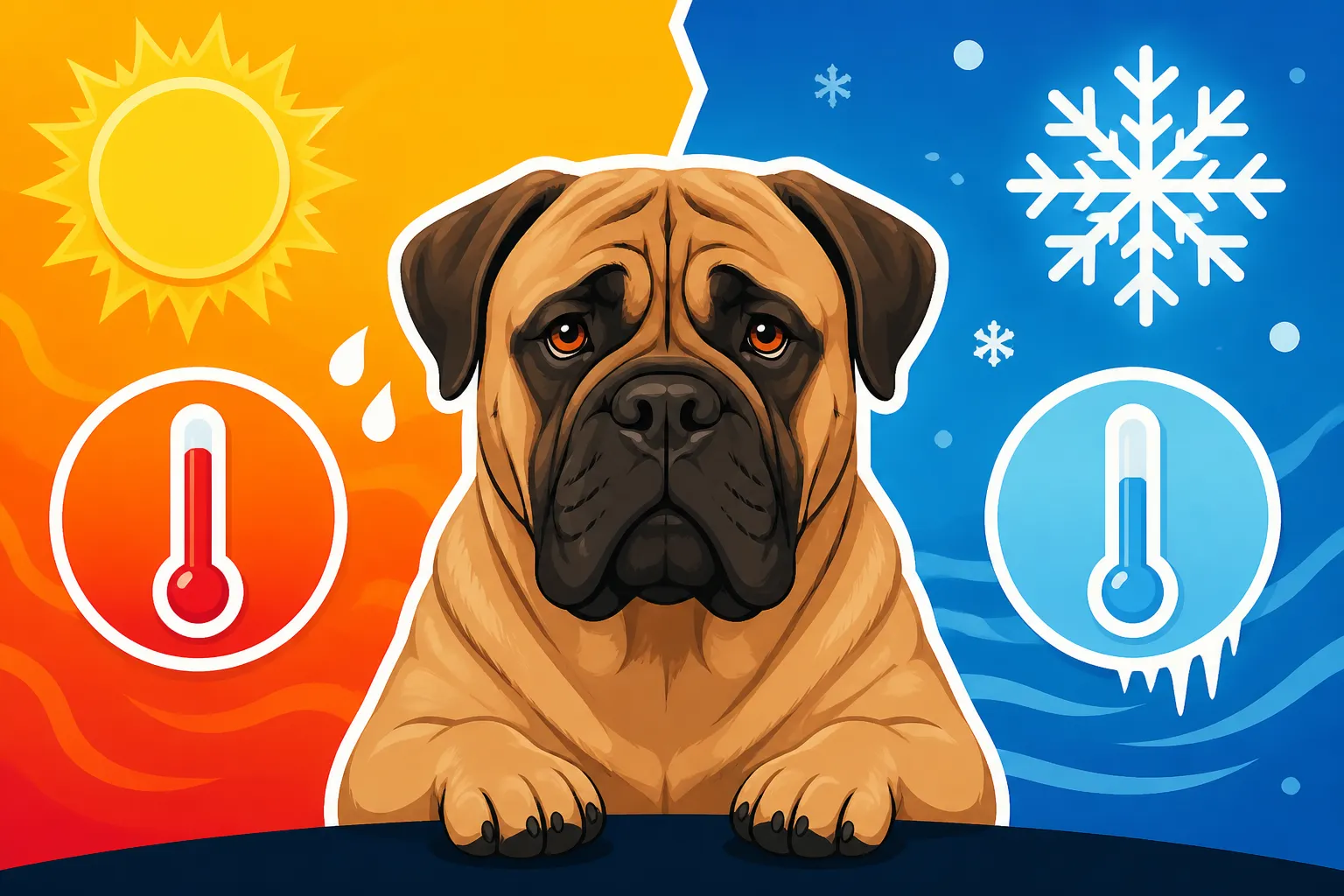
While there's no single magic number, generally speaking, any temperature above 75-80 degrees Fahrenheit can be dangerous for a Bullmastiff, especially if humidity is also high or if there's no shade and airflow. However, the danger isn't strictly confined to these higher numbers. Even temperatures in the high 60s or low 70s can be risky if your Bullmastiff is exercising strenuously, is very excited, or if they are exposed to direct sunlight for prolonged periods. Remember, the danger isn't just about the air temperature; it's about the ambient heat your dog is absorbing. This is why eighty degrees is dangerous for a Bullmastiff.
Consider the heat index, not just the temperature. For example, 75°F with 70% humidity can feel much hotter and be far more dangerous than 85°F with low humidity. Always err on the side of caution. If it feels too warm for you to comfortably exercise, it's definitely too warm for your Bullmastiff.
| Temperature (F) | Humidity | Risk Level for Bullmastiffs | Recommended Action |
|---|---|---|---|
| Below 60°F | Any | Low | Normal outdoor activity possible |
| 60-70°F | Low | Low-Moderate | Monitor activity, provide shade/water |
| 70-75°F | Moderate | Moderate | Short walks during cooler parts of day, minimal strenuous activity |
| 75-80°F | High | High | Limit outdoor time to quick potty breaks, stay in air conditioning |
| 80°F+ | Any | Extremely High | Keep indoors with AC, avoid all non-essential outdoor time |
Humidity: The Silent Threat Multiplier
Humidity is often overlooked but plays a crucial role in a Bullmastiff's ability to cool down. As dogs pant, the evaporation of moisture from their respiratory tract helps reduce their body temperature. However, when the air is already saturated with moisture (high humidity), this evaporative cooling process becomes significantly less efficient. It’s like trying to dry clothes in a very damp room – the water just doesn't evaporate as quickly.
In high humidity, your Bullmastiff is essentially panting into a "wall" of moisture, and the heat gets trapped within their body. This means that a seemingly moderate temperature, say 70-75 degrees Fahrenheit, can become extremely dangerous if the humidity is also soaring. Always check both the temperature and the humidity levels before taking your Bullmastiff outside. If it feels thick and muggy to you, it will be a major challenge for your dog to keep cool.
Other Environmental Factors Beyond Just Temperature
It's not just about the numbers on the thermostat. Several other environmental factors can significantly amplify the risk of overheating for your Bullmastiff.
- Sunlight and Radiant Heat: Direct sunlight can quickly elevate a Bullmastiff's body temperature, even on a day that isn't excessively hot. Darker colored coats absorb more radiant heat. Asphalt, concrete, and even sandy beaches can absorb and radiate heat, heating your dog from the ground up and potentially burning their paw pads. If you can't comfortably hold your hand on the pavement for five seconds, it's too hot for their paws.
- Lack of Airflow: Stagnant air allows heat to build up around your dog. A slight breeze, even warm, can help with evaporative cooling. A closed car, a stuffy garage, or even a sheltered backyard area with no breeze can become a death trap quickly. This is precisely why a Bullmastiff left in a car can succumb to heatstroke rapidly.
- Activity Level: The most obvious factor. Even moderate exercise like a brisk walk or a game of fetch can rapidly increase a Bullmastiff's core temperature in warm weather. Their dense musculature generates a lot of internal heat when active. Remember, when it is too hot to walk a Bullmastiff, find alternative ways to mentally stimulate them indoors.
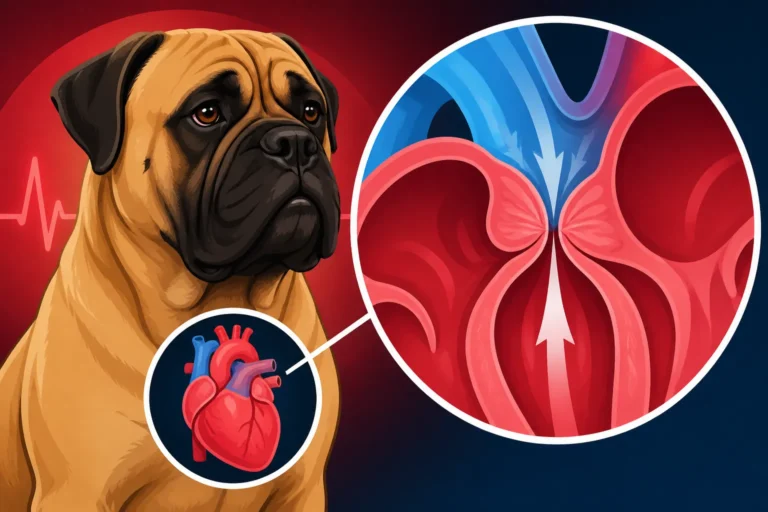
- Individual Health and Age: Older Bullmastiffs, those with underlying health conditions (especially respiratory or cardiac issues like subaortic stenosis in a Bullmastiff), obese dogs, or those not acclimated to heat will be at an even higher risk.
Recognizing the Signs of Overheating and Heatstroke
Knowing what to look for is absolutely critical. Bullmastiffs are stoic dogs and may not always overtly show discomfort until they are already in distress. Being able to distinguish early signs from full-blown heatstroke can be the difference between a quick recovery and a life-threatening emergency. Don't wait until it's too late; these signs can escalate rapidly.
Early Warning Signs to Never Ignore
Before full-blown heatstroke sets in, your Bullmastiff will typically show a range of subtle but important warning signs. Catching these early allows you to intervene and prevent a more severe situation.
- Excessive Panting or Heavy Breathing: While normal for dogs to pant in warm weather, "excessive" means it's unusually rapid, deep, and appears labored. They might sound like they're struggling for air, even if they're not actively exercising. This might also manifest as particularly loud panting or snoring, which can be a sign that they're working harder than usual to breathe.
- Bright Red Gums or Tongue: Normally, your Bullmastiff's gums should be a healthy bubblegum pink. When they're overheating, their gums and tongue can become a very vibrant, almost angry red as blood vessels dilate in an attempt to dissipate heat.
- Thick, Ropy Saliva or Excessive Drooling: While Bullmastiffs are known for some drool, an alarming increase in thick, stringy, or foamy saliva is a clear indicator of distress. Their body is trying to cool itself through evaporation, but the fluid is becoming too viscous.
- Seeking Shade or Lying Down: A Bullmastiff that usually loves to be active suddenly seeking out the coolest spot to lie down, refusing to move, or showing a general lethargy is trying to tell you something is wrong. They might be trying to self-regulate their temperature.
- Increased Heart Rate: You might notice their heart beating faster and more intensely if you feel their chest.
If you observe any of these signs, it's time to take immediate action. Move your dog to a cooler environment, offer water, and begin cooling measures described below. These are the signs a Bullmastiff has heatstroke in its nascent stages.
Advanced Symptoms and Emergency Situations
If the early warning signs are missed or ignored, a Bullmastiff can quickly progress to severe heatstroke, which is a medical emergency requiring immediate veterinary attention. These symptoms indicate that their body's core temperature is critically high and their organs are starting to be affected.
- Vomiting and Diarrhea: This is a serious sign. It often indicates that the internal organs, particularly the gastrointestinal tract, are being compromised by the extreme heat. The vomiting might be bloody, or the diarrhea could be tarry or bloody.
- Staggering, Weakness, or Collapse: The central nervous system is highly sensitive to extreme temperatures. Your Bullmastiff might appear disoriented, stumble, lose coordination, or collapse entirely. They may be unable to stand or walk properly.
- Seizures or Tremors: Uncontrolled muscle contractions or full-blown seizures are critical neurological signs that the brain is severely affected by the heat. This is a life-threatening symptom.
- Dull or Sunken Eyes: Their eyes might appear glazed over, dull, or sunken, reflecting dehydration and systemic shock.
- Rapid, Shallow Breathing: As the condition worsens, their panting might become less effective, turning into rapid, shallow breaths as their body becomes exhausted.
- Pale or Bluish Gums: In later stages, the gums might turn pale, grayish, or even bluish (cyanotic), indicating a lack of oxygen reaching the tissues due to circulatory collapse.
- Loss of Consciousness: This is the most severe symptom and signifies a grave prognosis without immediate and aggressive veterinary intervention.
If you see any of these advanced signs, every second counts. Get your Bullmastiff to an emergency vet clinic immediately.
The Critical Difference Between Overheating and Heatstroke
It's important to understand that "overheating" and "heatstroke" are not interchangeable terms. Overheating is the broader term, simply meaning your dog's body temperature has risen above the normal range (which for dogs is typically 101 to 102.5°F). It can range from mild (like being a bit too warm after a walk) to severe.
Heatstroke, however, is a specific, severe form of hyperthermia where the body's temperature regulation system completely fails, leading to a dangerously high core body temperature (often above 104-106°F). At this point, significant cellular damage begins, affecting multiple organ systems including the brain, kidneys, heart, and liver. It's a medical emergency that can rapidly lead to organ failure, brain damage, and death if not treated swiftly and aggressively.
Think of it this way: all heatstroke involves overheating, but not all overheating is heatstroke. Your goal is always to intervene during the early signs of overheating to prevent the progression to life-threatening heatstroke. Understanding this distinction can help you respond appropriately and appreciate the urgency of the situation.
Emergency Response and Prevention for Overheating
Knowing the dangers is crucial, but knowing exactly what to do when your Bullmastiff starts to overheat, and how to prevent it in the first place, is even more important. Proactive measures are always better than reactive ones when it comes to these sensitive dogs.
What to Do If Your Bullmastiff is Overheating
If you suspect your Bullmastiff is overheating, time is of the essence. Quick and effective action can save their life. This is precisely what to do when a Bullmastiff overheats:
- Move Immediately to a Cooler Area: Get your dog out of the sun and into the coolest environment available. This could be an air-conditioned room, a shaded porch, or even your car with the AC blasting.
- Start Cooling Measures:
- Cool Water, Not Ice Cold: Use lukewarm or cool water, never ice water, as extremely cold water can cause blood vessels to constrict, trapping heat inside the body and potentially inducing shock. Gently wet down your dog's body, focusing on the ears, armpits, belly, and paw pads. These are areas where blood vessels are close to the surface, making cooling more effective.
- Fan for Evaporation: Place a fan near your dog to facilitate evaporative cooling. If you’re outside, a hand fan or even waving a piece of cardboard can help create airflow.
- Cool, Wet Towels (Change Frequently): Place cool, wet towels or cloths over their body, especially in the groin, armpits, and neck. Crucially, change these towels frequently as they quickly absorb heat and become warm. Do not leave warm, wet towels on your dog, as this will trap heat.
- Offer Water: Provide small amounts of cool (not cold) water for them to drink. Do not force them to drink, especially if they are disoriented or struggling to swallow, as this could lead to aspiration.
- Monitor Body Temperature (If Possible): If you have a rectal thermometer, carefully take their temperature every few minutes. Your goal is to bring their temperature down slowly to 103°F. Once it reaches this point, stop cooling measures to prevent over-cooling (hypothermia).
- Call Your Vet Immediately: Even if your Bullmastiff seems to be recovering, call your veterinarian or an emergency animal hospital. Heatstroke can cause internal damage that isn't immediately visible, and they will need to be checked for secondary complications like kidney damage, blood clotting issues, or brain swelling. Early veterinary intervention dramatically improves the prognosis.
Proactive Measures to Keep Your Bullmastiff Cool
Prevention truly is the best medicine for Bullmastiffs when it comes to heat. Integrating these habits into your routine can drastically reduce their risk.
- Avoid Peak Heat Hours: Restrict outdoor activity, including walks and potty breaks, to the early morning or late evening when temperatures are coolest.
- Provide Constant Access to Water: Always have fresh, cool water available, both indoors and outdoors. Consider multiple water bowls. For outdoor adventures, carry a portable water bottle and bowl.
- Seek Shade and Cool Surfaces: Ensure your Bullmastiff always has access to shaded areas when outside. Encourage them to rest on cool surfaces like tile floors or a cooling mat for a Bullmastiff.
- Never Leave in a Car: Even with windows cracked, a car’s interior temperature can skyrocket in minutes, becoming a deadly oven. This applies even on seemingly mild days.
- Maintain a Healthy Weight: Keeping your Bullmastiff lean is critical for their overall health and significantly reduces their risk of overheating. Excess fat acts as insulation, trapping heat.
- Grooming: While their coat is short, regular brushing helps remove loose undercoat, which can slightly improve airflow to the skin.
- Indoor Air Conditioning: If you live in a warm climate, reliable air conditioning is not a luxury, it’s a necessity for a Bullmastiff. They cannot tolerate prolonged heat.
- Consider a Kiddie Pool: A shallow kiddie pool with a few inches of cool water can offer a great way for your Bullmastiff to cool off their paws and belly, even if they're not much of a swimmer.
When to Seek Veterinary Care
The moment you notice any advanced symptoms of heatstroke—vomiting, diarrhea, staggering, seizures, or collapse—it's an absolute emergency. Do not delay. Begin immediate first aid cooling measures on the way to the clinic, but prioritize getting them to a vet. Even if you've managed to bring their temperature down, a veterinary check-up is essential. The internal damage caused by heatstroke can be insidious and manifest hours or even days later. Blood tests, organ function checks, and other diagnostics will be necessary to assess the full extent of any internal injury.
This is where having pet insurance like Healthy Paws can truly be a lifesaver, not just for your pet but for your peace of mind. Emergency vet visits and subsequent treatments for heatstroke, which can include IV fluids, medications, and hospitalization, can run into thousands of dollars. With a comprehensive plan like those offered by Healthy Paws, you can focus on getting your Bullmastiff the critical care they need without the added stress of crushing financial burden. Planning for potential health crises, especially given the Bullmastiff's predispositions, is a responsible part of ownership. It means you won't hesitate when those urgent bills arrive.
Adapting to Life in a Warmer World
For those of us who adore Bullmastiffs, making adjustments to our lives and homes to accommodate their heat sensitivity isn't a choice; it's a responsibility. With global temperatures rising, understanding how to help your Bullmastiff thrive, even in less-than-ideal climates, is more important than ever. It's about creating a safe haven and adapting your lifestyle to suit their needs.
Adjusting Routines for Hotter Regions
Living in a region with consistently warm weather requires a complete rethinking of your daily routine with a Bullmastiff. What might be considered normal activity for other dogs could be life-threatening for yours.
- Exercise Timing: As mentioned, early morning (before 8 AM) and late evening (after 8 PM) become your only windows for walks or any significant outdoor activity. During these times, always feel the pavement with your hand. If it's too hot for you, it's too hot for their paws.
- Indoor Activities are Key: Invest in puzzle toys, indoor training sessions, and mental enrichment to keep your Bullmastiff stimulated when outdoor exercise is limited. These dogs are intelligent and need mental work. Consider flirt poles for quick, intense bursts of energy indoors if space allows.
- Short and Sweet Potty Breaks: During the hottest parts of the day, outdoor excursions should be limited to quick, essential potty breaks in the nearest shaded patch of grass.
- No Dog Parks in Summer: Dog parks often involve too much uncontrolled running and interaction, which can lead to rapid overheating for a Bullmastiff. It’s simply too risky in warm weather.
- Stay Hydrated Together: Make hydration a joint effort. Keep a water bottle with you and offer sips regularly during your brief outdoor outings.
These adjustments are not just for the summer months; they might extend into spring and fall depending on your climate. Understanding whether a Bullmastiff can live in a hot state truly depends on your commitment to these lifestyle changes.
Home Modifications for Cooler Living
Your home environment plays a critical role in your Bullmastiff's well-being, especially in warm climates. Simple modifications can make a world of difference.
- Reliable Air Conditioning: This is non-negotiable for Bullmastiff owners in warmer regions. Ensure your AC unit is well-maintained and consider a backup plan in case of power outages (e.g., a generator, access to a cooler location for your dog).
- Cooling Mats and Beds: Provide multiple cooling mats throughout your home. These gel-filled mats absorb and dissipate body heat, offering a cool spot for your Bullmastiff to lie on. Orthopedic beds made with breathable materials can also help prevent heat retention.
- Strategic Fan Placement: Position fans in rooms where your Bullmastiff spends the most time. Even when the AC is on, a gentle breeze from a fan can aid in evaporative cooling.
- Shade and Insulation: Use curtains or blinds to block direct sunlight and keep rooms cooler during the day. Consider energy-efficient windows or insulation if you're undertaking home improvements.
- Tile or Hardwood Floors: These surfaces remain cooler than carpet and are often preferred by Bullmastiffs during warm weather. If you have carpet throughout, consider placing large, cool area rugs in key spots.
These modifications create an indoor sanctuary where your Bullmastiff can escape the heat and maintain a safe body temperature.
Travel Considerations for Your Bullmastiff
Traveling with a Bullmastiff, especially by car, requires meticulous planning when temperatures are warm. Their susceptibility to heatstroke means you can't be spontaneous.
- AC is Essential: Ensure your vehicle's air conditioning is in perfect working order.
- Plan Routes and Stops: Avoid travel during the hottest parts of the day. Plan frequent stops in shaded areas where your Bullmastiff can stretch their legs, drink water, and have a quick potty break without overheating.
- Never Leave Unattended: Absolutely, under no circumstances, leave your Bullmastiff in a parked car, even with windows cracked, for any amount of time. The temperature inside a vehicle can skyrocket in minutes, even on mild days, with deadly consequences.
- Portable Cooling Gear: Bring a portable fan, cooling towels, and plenty of water for the journey. A cool, damp bandana or vest can offer temporary relief.
- Check Pet-Friendly Accommodations: If you're staying overnight, confirm that your accommodation has reliable air conditioning and is truly dog-friendly, allowing your Bullmastiff to stay comfortably indoors.
Remember, a Bullmastiff’s comfort and safety always come first. Being a responsible owner means making these critical adjustments to ensure they can live a healthy, happy, and long life by your side, even if their lifespan is often considered tragically short.
Disclaimer
This article is intended for informational purposes only and does not constitute veterinary advice. Always consult with a qualified veterinarian for any health concerns or before making any decisions about your Bullmastiff's care.