Why a Bullmastiff’s Short Muzzle Cannot Cool It
It’s a heartbreaking reality for many Bullmastiff owners, especially when the weather turns warm: our beloved giants struggle to stay cool. Unlike other breeds, their unique physiology, particularly that endearing short muzzle, significantly hinders their ability to regulate body temperature. This guide will delve deep into why this is such a critical issue, explaining the underlying anatomical reasons and offering practical, empathetic advice to keep your Bullmastiff safe and comfortable, even when the mercury rises.
The Unique Respiratory Challenges of a Bullmastiff's Short Muzzle
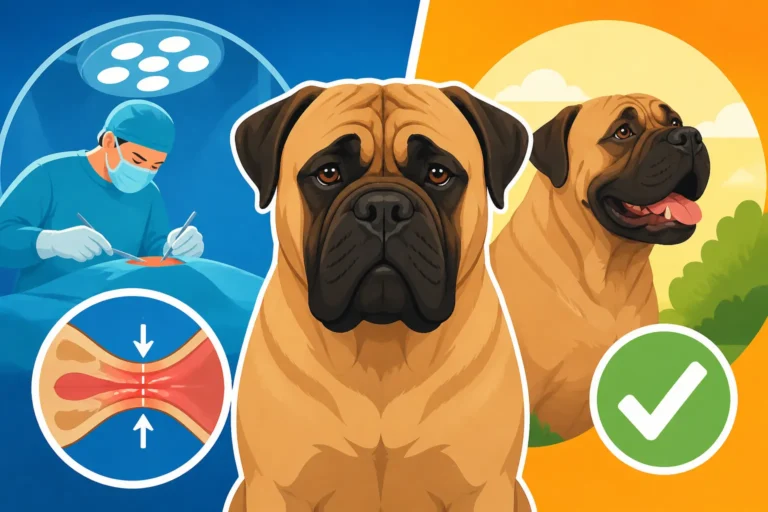
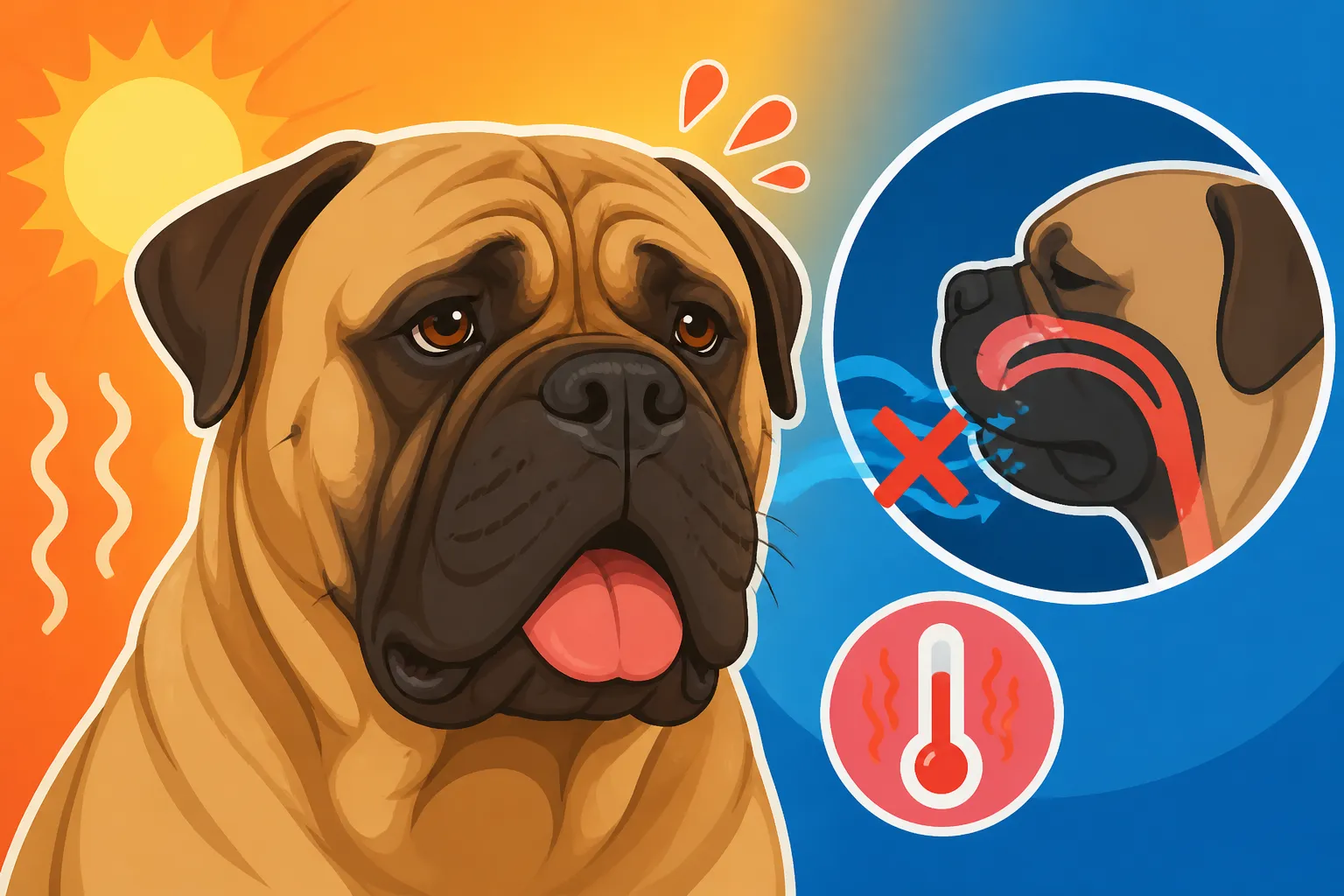
When you look at that majestic Bullmastiff face, with its broad head and relatively short, powerful muzzle, it’s easy to just appreciate its beauty. However, this very feature, part of what defines the breed, is also its biggest vulnerability when it comes to heat. Bullmastiffs are a brachycephalic breed, meaning "short-headed," a category that includes Bulldogs, Pugs, and Boston Terriers. While they might not have the extreme flatness of some other brachycephalic dogs, their anatomy still presents significant challenges for efficient cooling.
How a Long Snout Helps Dogs Cool Down
To understand why a short muzzle is a problem, let's first consider how dogs typically cool themselves. Dogs don't sweat all over their bodies like humans do; instead, their primary cooling mechanism is panting. When a dog pants, they rapidly inhale and exhale, drawing air across the moist surfaces of their tongue, mouth, and respiratory tract. As water evaporates from these surfaces, it carries heat away from the body, effectively acting like a personal air conditioner.
Dogs with longer snouts have an extended nasal passage and a larger surface area inside their mouths and throats. This longer pathway for air allows for more efficient heat exchange as the air passes over these moist membranes. Think of it like a radiator in a car: the more surface area for air to pass through, the more effectively heat can be dissipated. Their longer muzzles also provide a greater distance for air to travel before reaching the lungs, giving it more time to cool down.
The Bullmastiff's Compromised Airway
Now, let's turn to our Bullmastiffs. Their shorter muzzles mean a significantly compressed respiratory system. The air they breathe in has a much shorter journey, which reduces the surface area available for evaporative cooling. This means less heat can be exchanged with each pant, making their primary cooling method much less effective. It’s like having a tiny, inefficient radiator trying to cool a powerful engine.
Beyond the visible short muzzle, there are internal structures that complicate matters further. Many Bullmastiffs have an elongated soft palate, which is the fleshy part at the back of the roof of their mouth. This excess tissue can partially block the entrance to the trachea (windpipe) when they pant heavily, making breathing even more labored. Coupled with potentially everted laryngeal saccules (small pouches in the larynx that can get sucked into the airway during heavy breathing) and narrow nostrils (stenotic nares), the entire system becomes a bottleneck. Imagine trying to breathe through a straw while running a marathon – that’s a fraction of what a Bullmastiff might experience on a warm day. This is a significant reason why a Bullmastiff has breathing problems, and it’s critical for owners to be aware of it.
The Real Dangers When a Bullmastiff Overheats
The inability to cool down efficiently isn't just uncomfortable for a Bullmastiff; it's a genuine health crisis that can escalate rapidly. Owners often underestimate how quickly a Bullmastiff can go from slightly warm to critically overheated.
The Cascade to Heatstroke
When a Bullmastiff starts to overheat, its body temperature rises beyond its normal range (typically 101 to 102.5°F or 38.3 to 39.2°C). As the temperature climbs, the dog will pant harder and faster, trying desperately to expel heat. However, with their compromised airways, this rapid panting can actually generate more heat internally due to the effort involved, creating a dangerous feedback loop. The excessive panting also leads to dehydration and electrolyte imbalance.
As the internal temperature continues to rise, the body's systems begin to fail. Proteins start to denature, cells are damaged, and organs begin to shut down. This cascade of events leads to heatstroke, a life-threatening condition where the dog's core body temperature exceeds 104°F (40°C). Signs a Bullmastiff has heatstroke are severe and demand immediate action, including profuse drooling, bright red gums, staggering, vomiting, diarrhea, and eventually collapse or seizures. This is why knowing What a Bullmastiff Does to Furniture might be a concern on a normal day, but an overheated Bullmastiff's mess is a sign of a dire emergency.
Long-Term Health Implications
Beyond the immediate threat of heatstroke, chronic heat stress can have long-term repercussions for your Bullmastiff's health. Repeated episodes of overheating, even if not full-blown heatstroke, put immense strain on their cardiovascular system. Their heart has to work harder to circulate blood and try to cool the body, which can exacerbate existing or predispose them to heart conditions. Bullmastiffs are already prone to certain health issues, and adding heat stress to the mix can significantly shorten their already too-short lifespan.
For instance, conditions like subaortic stenosis, which can be present from a young age, might be worsened by the increased cardiac demand during overheating. Continuous struggling to breathe can also lead to inflammation and thickening of the airway tissues over time, making future breathing even more difficult. Keeping a Bullmastiff cool isn't just about preventing a single emergency; it's about protecting their overall health and well-being for the long run.
Practical Strategies to Keep Your Bullmastiff Cool
Living with a Bullmastiff means accepting and proactively managing their unique needs, especially when it comes to temperature regulation. It's not about avoiding summer entirely, but rather adapting your routine and environment to ensure their safety.
Environmental Control and Daily Routines
The first line of defense is creating a cool environment. For Bullmastiffs, air conditioning is not a luxury; it's a necessity during warm months. Your home should be a sanctuary from the heat. Keep your Bullmastiff indoors during the hottest parts of the day, typically from late morning through the afternoon. Even on seemingly mild days, remember that Why Eighty Degrees Is Dangerous for a Bullmastiff is a real concern due to their limited cooling capacity.
Adjust your exercise schedule drastically. Forget midday walks or strenuous play sessions. Instead, opt for early morning strolls before the sun really heats up, or late evening excursions once temperatures have significantly dropped. Always carry water for both of you, and offer it frequently. Limit the duration and intensity of these walks; short, purposeful potty breaks might be all they can handle. Remember Whether a Bullmastiff Should Be Walked in Summer is a question with a very careful answer.
Consider investing in a quality orthopedic cooling bed, or simply provide ample shaded, tiled, or concrete areas where they can stretch out. Frozen kongs, ice cubes in their water bowl, or even a shallow kiddie pool can provide supervised, refreshing entertainment. Just be mindful of how a Bullmastiff plays in water, as some may drink too much or struggle if the water is too deep.
Smart Cooling Aids and Emergency Preparedness
There's a wide array of products designed to help dogs stay cool. Cooling vests, bandanas soaked in cold water, and elevated beds that allow air circulation can all be beneficial. Misting fans can also help, especially if placed near their favorite resting spot. However, always remember these are aids, not solutions for extreme heat. Your Bullmastiff should never be left unattended in a hot environment, even with these tools.
When traveling, be acutely aware of how quickly How Fast a Bullmastiff Overheats in a Car. Never leave your Bullmastiff in a parked car, even for a few minutes with the windows cracked. The internal temperature can skyrocket to dangerous levels in mere minutes. If you have to make stops, ensure the air conditioning remains on full blast, or better yet, have a human stay with the dog.
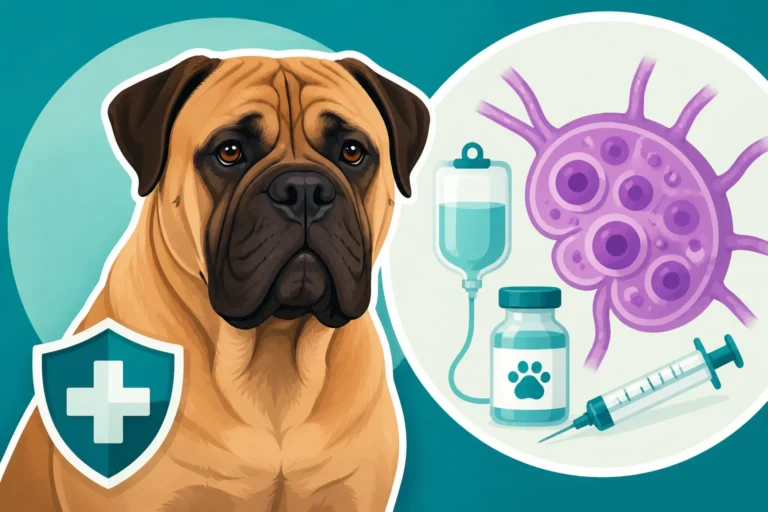
It's also crucial to have an emergency plan. Know the location and phone number of the nearest emergency veterinary clinic. Keep a cooling kit on hand, which might include towels, rubbing alcohol (for paw pads), and a thermometer. Discuss with your vet What to Do When a Bullmastiff Overheats so you are prepared to act quickly and effectively should an emergency arise. Having a reliable pet insurance plan, like one from Healthy Paws, can also provide immense peace of mind, knowing that you're financially prepared for potential heat-related emergencies or other unexpected veterinary bills.
Here's a quick reference table for effective cooling methods:
| Cooling Method | Description | Best For | Important Considerations |
|---|---|---|---|
| Air Conditioning | Essential indoor climate control. | Home, Car | Non-negotiable in warm weather. |
| Shaded Areas | Natural or artificial shade outdoors. | Yard, Parks | Not sufficient for high temperatures; airflow still needed. |
| Cooling Beds/Mats | Beds with gel or elevated designs for air circulation. | Indoor Resting | Look for orthopedic support for larger breeds. |
| Cooling Vests/Bandanas | Wetted fabric that promotes evaporative cooling on contact. | Walks, Outdoor Play (limited) | Needs re-wetting; supervision required. |
| Kiddie Pool/Sprinkler | Shallow water access for paw/belly cooling. | Backyard | Supervise to prevent over-drinking or slipping. |
| Frozen Treats | Ice cubes, frozen Kongs filled with peanut butter, fruit. | Indoor Enrichment | Offer in moderation to avoid stomach upset. |
| Early/Late Walks | Scheduling exercise when temperatures are lowest. | Outdoor Exercise | Always check pavement temperature; carry water. |
| Fans/Misters | Circulate air and add moisture for evaporative cooling. | Indoor, Shaded Patios | Direct airflow helps, misters add humidity which can be good or bad. |
Even with these precautions, stay vigilant for Signs a Bullmastiff Has Heatstroke. Early detection and intervention can make all the difference. Regular vet check-ups can also help you understand your Bullmastiff's specific respiratory health and any underlying issues that might make them more susceptible to heat. A veterinarian can offer tailored advice, and knowing that potential emergency treatments are covered by a policy from a provider like Healthy Paws can ease the stress during a critical moment.
Understanding the Temperature at Which a Bullmastiff Struggles
It's not just about extreme heat; Bullmastiffs can begin to struggle at temperatures that might seem perfectly fine for other dogs or for humans. Their brachycephalic physiology means their internal warning system is often too late.
How Different Temperatures Affect Them
For many dogs, temperatures in the 70s Fahrenheit (20s Celsius) are comfortable, but for a Bullmastiff, this can already be a yellow flag. Once the temperature climbs into the low 80s Fahrenheit (27-29°C) and especially if there's any humidity, they are firmly in the danger zone. What Temperature Is Dangerous for a Bullmastiff can be surprisingly lower than most people assume. The real culprit is often a combination of ambient temperature, humidity, and activity level. Humidity greatly exacerbates the problem because it reduces the effectiveness of evaporative cooling – if the air is already saturated with moisture, it's harder for the dog to evaporate moisture from its mouth and respiratory tract.
Think about it: a seemingly mild 80°F day with high humidity can be far more dangerous than a dry 85°F day. That's why considering the "feels like" temperature, which accounts for humidity, is crucial. Pay close attention to The Temperature at Which a Bullmastiff Struggles by observing your dog's individual panting and energy levels. Every Bullmastiff is an individual, and some may be more sensitive than others.
Adapting to Seasonal Changes
As seasons change, so too must your approach to Bullmastiff care. Spring can be deceptively dangerous. Those first warm days, when everyone is eager to get outside, are precisely when Bullmastiffs are at highest risk because their bodies aren't yet acclimated to the heat. Acclimation isn't truly possible for brachycephalic breeds in the same way it is for others; their physiology remains a limiting factor.
During the height of summer, stringent measures are necessary. This may mean restricting outdoor time almost entirely to potty breaks or very short, shaded walks. Even a short period of excitement, like greeting a visitor or a quick game in the yard, can elevate their body temperature rapidly. This is why Why a Bullmastiff Overheats So Easily is a constant concern for responsible owners.
When autumn and winter arrive, you can certainly relax your heat-related vigilance, but don't become complacent. Indoor environments can still get warm, and a Bullmastiff exerting itself indoors can still overheat. Always prioritize their comfort and safety over your desire for a long walk or outdoor play. Your Bullmastiff relies on you to be their advocate against the heat. Ensure they always have access to fresh, cool water, and consider adding ice cubes on warmer days. Remember that pet insurance from a company like Healthy Paws is there to help cover the unexpected, whether it's a heat-related emergency or an injury from an overzealous play session on a cooler day.
Disclaimer
This article is intended for informational purposes only and does not constitute veterinary advice. Always consult with a qualified veterinarian for any health concerns or before making any decisions about your Bullmastiff's care.