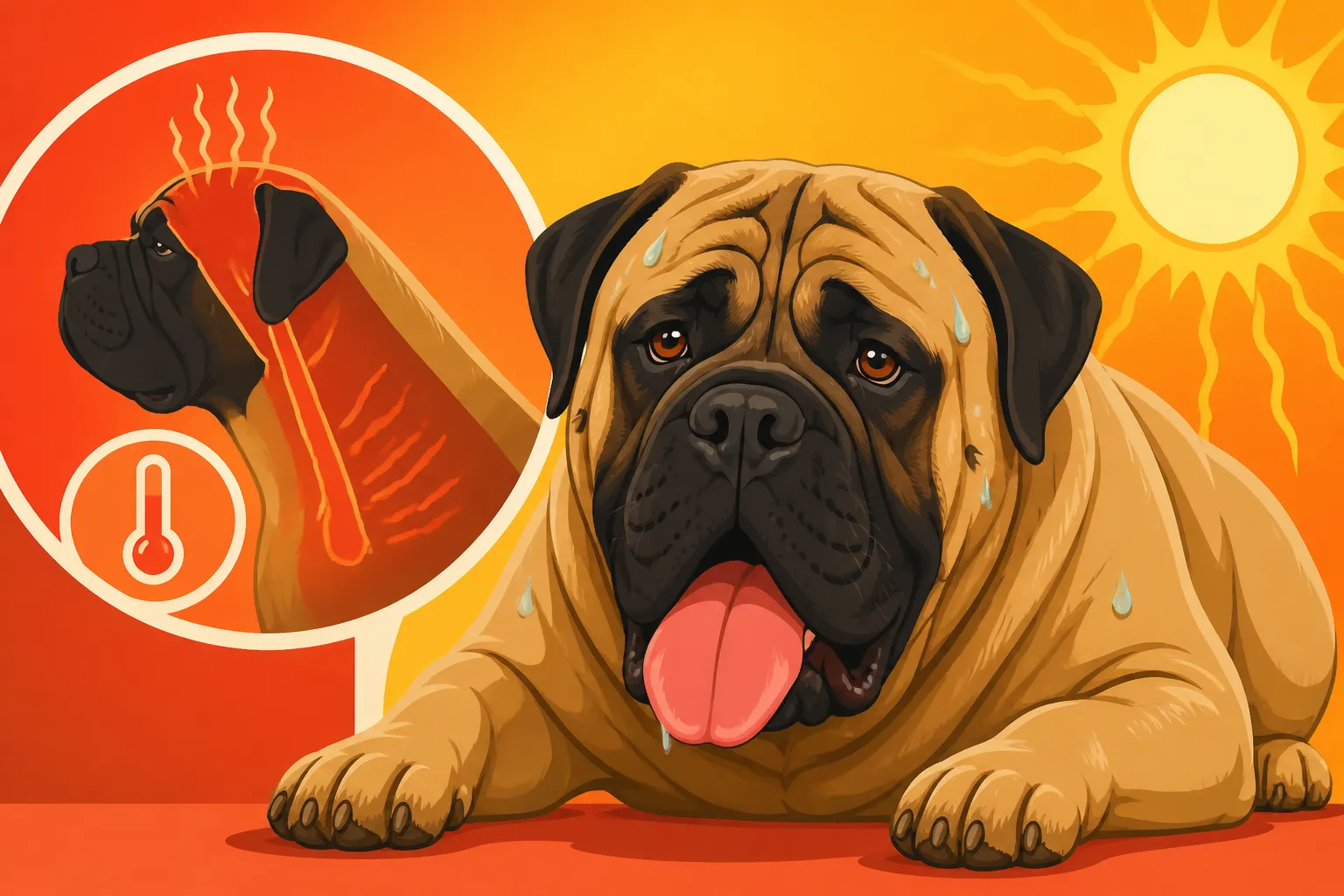
Why a Bullmastiff Overheats So Easily
It’s a deeply worrying experience when your big, beloved Bullmastiff starts panting frantically, even if the weather doesn't seem all that oppressive. Many Bullmastiff owners quickly discover that these magnificent companions struggle immensely with high temperatures and humidity, often far more than other breeds. This comprehensive guide will dive deep into why a Bullmastiff overheats so easily and arm you with the crucial knowledge and practical steps to keep your gentle giant comfortable, healthy, and safe, even when the mercury rises.
The Bullmastiff's Unique Physiology: A Recipe for Overheating
Bullmastiffs are truly special dogs, known for their strength, loyalty, and imposing stature. However, many of the very traits that define their breed also contribute to their increased susceptibility to heat stress. It’s not just a matter of them being "big dogs"; there are specific anatomical and physiological factors at play that make them less efficient at cooling themselves down compared to other breeds. Understanding these underlying reasons is the first step to truly protecting your Bullmastiff.
Brachycephalic Features and Respiratory Challenges
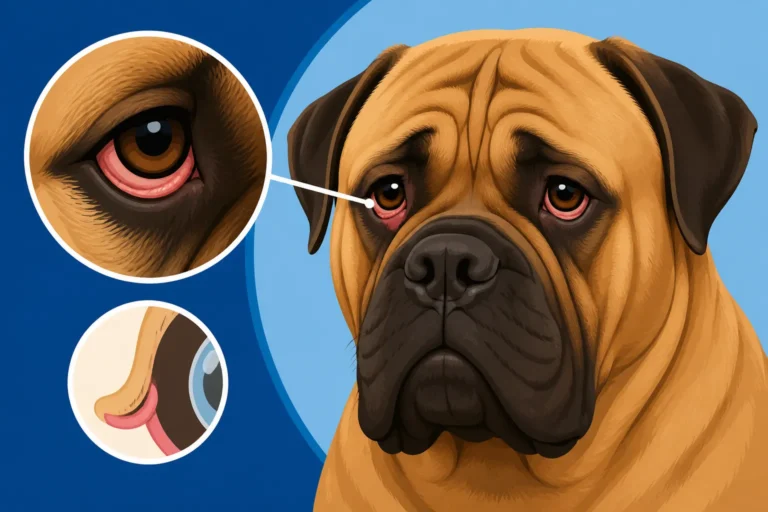
One of the primary reasons Bullmastiffs struggle in the heat is their brachycephalic (short-nosed) facial structure. While not as extreme as some other brachycephalic breeds like Pugs or Bulldogs, a Bullmastiff’s muzzle is still relatively short and broad compared to a longer-nosed dog. This characteristic means they have less surface area in their nasal passages to cool and humidify incoming air before it reaches their lungs. Their airways can also be narrower, and they often have an elongated soft palate that can obstruct airflow, especially when they are panting hard.
When a dog pants, it’s not just breathing; it’s evaporating moisture from its tongue, mouth, and respiratory tract to cool its blood. This evaporative cooling system is their primary way of regulating body temperature, as they don't sweat efficiently through their skin like humans do. For a Bullmastiff, compromised airflow due to their facial structure makes this vital cooling process much less efficient. They have to work harder to move the same amount of air, leading to more internal heat generation from the effort itself, creating a dangerous cycle where they overheat even more rapidly. This is a key reason why you might notice your Bullmastiff panting loudly or making snorting noises, particularly when excited or warm. If you’ve ever wondered Why a Bullmastiff's Short Muzzle Cannot Cool It, this anatomical reality is the core issue.
Dense Coat and Body Mass
Beyond their unique facial structure, a Bullmastiff’s physical build also plays a significant role in their heat sensitivity. They possess a short, dense, and hard coat that, while easy to maintain, offers excellent insulation. This coat was historically advantageous for their original purpose as gamekeeper’s companions, protecting them from the elements during chilly nights. However, in warm weather, this dense coat traps heat close to their body, hindering the dissipation of excess warmth. Unlike dogs with thinner or longer coats that can be trimmed or thinned, the Bullmastiff’s coat structure inherently holds more heat.
Compounding this is their sheer body mass. A healthy adult Bullmastiff typically weighs between 100 to 130 pounds, a substantial amount of muscle and tissue. Larger animals generally have a smaller surface area to volume ratio compared to smaller animals, which means they have fewer avenues to release heat relative to the amount of heat their large bodies generate. This combination of an insulating coat and considerable bulk makes it much harder for a Bullmastiff to shed heat once their internal temperature starts to climb, placing them at a higher risk for quickly developing heat stress.
Metabolic Rate and Activity Levels
While Bullmastiffs are not typically known for being hyperactive, their large muscles and impressive strength mean that even moderate activity can generate a significant amount of metabolic heat. A brisk walk, a short burst of play, or even just sustained excitement can rapidly elevate their body temperature. Because their cooling mechanisms are already less efficient, this internal heat production quickly overwhelms their ability to dissipate it.
This is why even seemingly innocuous activities, like a short walk on a warm afternoon or a few minutes of enthusiastic greeting at the door, can push a Bullmastiff into a dangerous overheating situation. Their formidable build means their muscles work hard, even during what might be considered low-intensity exercise for other breeds. This metabolic heat, combined with their dense coat and brachycephalic breathing, means owners must be incredibly diligent about monitoring their Bullmastiff's activity, especially when the weather is anything but cool and dry. They truly need less strenuous exercise than their appearance might suggest, particularly during warmer months.
Environmental Factors That Exacerbate Heat Stress
Beyond their inherent physical traits, the environment itself plays a critical role in how easily a Bullmastiff can overheat. It's not just about the thermometer reading; humidity, air movement, and even the time of day can turn a seemingly mild day into a dangerous situation for your Bullmastiff. Understanding these environmental triggers is essential for proactive care and prevention.
Humidity and Ambient Temperature
We often focus solely on the temperature when considering our dogs' comfort, but for Bullmastiffs, humidity is an equally, if not more, insidious factor. As mentioned, dogs primarily cool themselves through evaporative cooling when they pant. High humidity in the air significantly reduces the efficiency of this process. When the air is already saturated with moisture, it's harder for your dog's panting to evaporate additional moisture from their respiratory tract. Think of trying to dry clothes on a muggy day – it takes much longer. The same principle applies to your Bullmastiff's cooling system.
Even if the temperature isn't exceptionally high, say 75-80 degrees Fahrenheit, a high humidity level can make it feel much hotter to your Bullmastiff and critically impede their ability to cool down. This is why even a moderately warm, sticky day can be more dangerous than a hot, dry one. Many owners are often surprised to learn What Temperature Is Dangerous for a Bullmastiff, as it can be lower than they assume, especially when humidity is factored in. It’s not just about the mercury; it’s about the overall heat index that impacts their ability to thermoregulate effectively.
Lack of Air Circulation and Shade
Another major environmental contributor to overheating is the absence of adequate air circulation and shade. Stagnant air allows heat to build up around your Bullmastiff's body, preventing cooler air from replacing the warm air trapped in their coat. This is particularly problematic in enclosed spaces, such as kennels, garages, or even rooms within the house without open windows or fans. A gentle breeze, or even a fan, can make a world of difference by helping to carry away the warm, moist air immediately surrounding their body, aiding in the evaporative cooling process.
Shade is equally vital. Direct sunlight, even on a moderately warm day, can quickly elevate a Bullmastiff's body temperature, especially with their dark masks absorbing heat. Pavement, concrete, and even dark asphalt can also absorb and radiate significant heat, making it uncomfortable and potentially dangerous for their paw pads. Leaving a Bullmastiff outside in a yard without ample shade, even for a short time, can quickly lead to heat stress. This includes being in a parked car, even with windows cracked, where temperatures can soar rapidly, as detailed in How Fast a Bullmastiff Overheats in a Car. Always ensure your Bullmastiff has access to a cool, well-ventilated, and shaded area, whether indoors or out.
Activity During Hot Periods
While it might seem obvious, many owners underestimate just how little activity it takes for a Bullmastiff to overheat during warmer periods. Because of their aforementioned physiological challenges, activities that other breeds might tolerate, like a jog or extended playtime, become hazardous for a Bullmastiff. Trying to walk your Bullmastiff in summer during the mid-day sun, even for a brief excursion, can lead to serious heat-related illness.
It's not just about strenuous exercise either. Even short bursts of excitement, such as greeting visitors, barking at a squirrel, or a quick game of fetch, can push their body temperature into the danger zone. The intense heat generated by their large muscles, coupled with their inefficient cooling system, means that activity levels must be drastically reduced or shifted to cooler times of the day when temperatures are significantly lower. This often means early morning walks or late evening potty breaks, completely avoiding the peak heat hours. You might want to learn more about Why Eighty Degrees Is Dangerous for a Bullmastiff to understand the full scope of risk during exercise.
Recognizing the Early Signs of Heat Stress and Heatstroke
Knowing why your Bullmastiff overheats easily is crucial, but equally important is being able to recognize the signs when it happens. Heat stress can escalate to life-threatening heatstroke very quickly in Bullmastiffs, so early detection and intervention are paramount. Don't wait for extreme symptoms; learning to spot the subtle indicators of discomfort can be the difference between a quick cool-down and an emergency vet visit.
Subtle Indicators of Discomfort
Before full-blown heatstroke sets in, your Bullmastiff will usually show more subtle signs that they are getting too warm and uncomfortable. These are your early warning signals that it's time to act immediately to prevent a more serious situation. One of the first things you might notice is excessive panting – panting that is heavier, faster, and more labored than usual for the level of activity. It might sound shallower or more strained. They might also appear restless, trying to find a cooler spot, pacing, or shifting positions frequently.
Another common early sign is seeking shade or water more intensely than normal. Your Bullmastiff might lie down and refuse to move, or repeatedly try to drink water, even if they just had some. Their gums might appear slightly redder than usual, indicating increased blood flow due to heat. You might also notice a decreased desire to play or interact, appearing lethargic or simply "off." While these signs might seem minor individually, together they paint a clear picture that your Bullmastiff is struggling to regulate their body temperature.
Progressive Symptoms of Overheating
If the early signs are missed or not adequately addressed, your Bullmastiff's condition will rapidly worsen, progressing to more alarming symptoms that indicate a dangerous level of overheating. The panting will become more frantic and noisy, possibly accompanied by drooling that is much heavier and thicker than their usual Bullmastiff slobber. Their gums and tongue may turn a dark red or even bluish-purple, a sign of severe oxygen deprivation or circulatory distress. You might notice their eyes appear glassy or unfocused.
As their body temperature climbs higher, they might start stumbling, exhibiting poor coordination, or showing weakness in their legs. Vomiting and diarrhea, sometimes bloody, are also common as the internal organs begin to shut down. Their heart rate will be noticeably elevated and their breathing will be extremely labored. These are critical signs requiring immediate, aggressive cooling measures and veterinary attention. Understanding these Signs a Bullmastiff Has Heatstroke is vital for any Bullmastiff owner.
Differentiating Heat Exhaustion from Heatstroke
It's important to understand the difference between heat exhaustion and heatstroke, though both warrant immediate action. Heat exhaustion is typically the earlier stage, characterized by excessive panting, seeking shade, increased thirst, and mild lethargy. The dog is uncomfortable but not yet in immediate life-threatening danger, and can often recover with prompt cooling measures.
Heatstroke, however, is a severe medical emergency. This occurs when the body's core temperature rises to a dangerously high level (typically above 104-106°F), causing widespread cellular damage, organ failure, and neurological dysfunction. Symptoms include profound weakness, collapse, seizures, severe vomiting or diarrhea, unconsciousness, and organ damage. At this stage, immediate veterinary intervention is critical for survival. Never delay seeking professional help if you suspect heatstroke, as the consequences can be fatal. This is where pet insurance, such as a plan from Healthy Paws, can provide immense peace of mind, knowing that you can afford immediate, comprehensive care in such a crisis.
Immediate Actions to Take When Your Bullmastiff Overheats
When you notice your Bullmastiff showing any signs of overheating, time is of the essence. Quick and decisive action can prevent the situation from escalating into full-blown heatstroke and can be truly life-saving. Knowing exactly what to do and when to seek professional help is critical for every Bullmastiff owner.
Cooling Strategies at Home
Your immediate goal is to lower your Bullmastiff's body temperature safely and gradually. First, move your dog to the coolest possible environment – indoors with air conditioning, or into the deepest shade available. Offer them small amounts of cool (not ice-cold) water to drink. Never force them to drink, as they could aspirate it. Next, begin cooling their body. Use cool water (again, not ice-cold) to wet their coat, especially focusing on areas with less fur and major blood vessels close to the surface, such as the belly, groin, armpits, and paw pads. You can use a hose on a gentle setting, wet towels, or even a sponge.
Crucially, avoid using ice or extremely cold water directly on their skin. While it might seem counterintuitive, very cold water can cause the blood vessels near the skin's surface to constrict, which can trap heat inside their body and actually hinder the cooling process. It can also lead to hypothermia if overdone. Instead, use cool to lukewarm water and continuously monitor their temperature if you have a rectal thermometer. If you don't have one, just focus on continuous, gentle cooling. A fan directed at their wet body will also significantly help with evaporative cooling. You can learn more about How to Cool a Bullmastiff Down for detailed steps.
When to Seek Veterinary Attention
While at-home cooling is vital, it is often not enough, especially if symptoms are progressing beyond mild heat exhaustion. If your Bullmastiff is showing any signs of severe overheating, such as collapse, seizures, severe lethargy, excessive drooling with very red or bluish gums, vomiting, or diarrhea, you need to get them to an emergency veterinarian immediately. Even if they seem to improve after initial cooling, a vet visit is still highly recommended to check for any underlying organ damage that might not be immediately apparent.
Call ahead to the veterinary clinic or emergency hospital to let them know you're coming and why. This allows them to prepare for your arrival and begin treatment protocols immediately. During transport, continue your cooling efforts as safely as possible, keeping the car air conditioning on high. Remember, the damage from heatstroke can be cumulative and devastating, affecting kidneys, liver, brain, and clotting factors. Prompt professional medical care is often the only way to save a dog suffering from severe heatstroke. The associated costs for emergency treatment can be substantial, which is where having a reliable pet insurance plan like those offered by Healthy Paws can truly alleviate financial stress during an already traumatic time.
Preventing Future Incidents
The best treatment for overheating is prevention. Once your Bullmastiff has experienced a heat-related incident, you become even more attuned to the risks. Review all your routines and make necessary adjustments to ensure it doesn't happen again. This involves a comprehensive approach to managing their environment and activity.
Consider what changes you can make to your home environment, such as ensuring air conditioning is always available, or at least powerful fans. Think about Whether a Bullmastiff Needs Air Conditioning – for many, it’s not a luxury but a necessity. Adjust your daily schedule to avoid walking or playing during the hottest parts of the day. For example, stick to early morning and late evening outings, even if it means altering your own routine. Always carry water and a portable bowl when you leave the house with your Bullmastiff. Educate everyone in your household about the signs of overheating and what to do, so everyone is on the same page. Proactive measures are your Bullmastiff’s best defense against the heat.
Long-Term Management: Keeping Your Bullmastiff Cool and Safe
Preventing your Bullmastiff from overheating isn't a one-time effort; it's a consistent, year-round commitment to understanding their needs and adapting their environment and routines. Given their inherent predisposition to heat stress, a thoughtful, long-term management plan is critical for their health and longevity. It's about building a lifestyle that keeps them comfortable and safe, even when the seasons change.
Lifestyle Adjustments and Routine Planning
One of the most effective ways to manage your Bullmastiff's heat sensitivity is through careful lifestyle adjustments and meticulous routine planning. This means being acutely aware of the weather forecast daily, not just for temperature but also for humidity levels. On days when the heat index is high, all outdoor activities should be significantly curtailed or moved to the coolest parts of the day. This typically means very early morning walks before the sun gains strength and late evening potty breaks once temperatures have dropped considerably. During the peak summer months, you might find that short, shaded walks are the only safe option during the day, with any more strenuous exercise confined to air-conditioned indoor spaces.
It's also crucial to remember that a Bullmastiff should generally be kept lean. An overweight Bullmastiff will struggle even more to dissipate heat, as fat acts as an additional layer of insulation and increases the metabolic effort required for movement. Regularly monitor your dog's body condition and adjust their diet and exercise to maintain a healthy weight. This commitment extends to training sessions, which should be kept short and engaging, never pushing your Bullmastiff to physical extremes, particularly in warmth. This ongoing vigilance and commitment to appropriate activity levels are paramount for their well-being. Thinking about Whether a Bullmastiff Should Be Walked in Summer is a good start, but applying consistent, year-round principles is truly key.
Creating a Heat-Safe Environment
Your Bullmastiff's living environment plays a monumental role in their ability to stay cool. For many Bullmastiff owners, a home with reliable air conditioning is non-negotiable during warmer months. If central air isn't available, strategically placed fans, portable AC units, or even just opening windows during cooler evening hours can help create cross-ventilation. Ensure your dog always has access to multiple bowls of fresh, cool water, refreshing them frequently. Some owners even use large ceramic bowls that help keep water cooler for longer.
Consider specialized cooling products designed for dogs. Cooling mats, for instance, can provide a spot for your Bullmastiff to lie on that actively draws heat away from their body. Elevated beds allow air to circulate underneath, preventing heat from building up from the floor. For outdoor spaces, robust shade structures, kiddie pools filled with shallow water for splashing, and misters can help create a more tolerable environment, though direct supervision is always necessary. If you live in an area with consistently high temperatures, you might even ponder Whether a Bullmastiff Can Live in a Hot State and realize the extent of environmental modification required.
Here's a quick reference table for managing heat risk:
| Temperature Range (Fahrenheit) | Humidity Level | Risk Level for Bullmastiffs | Recommended Actions |
|---|---|---|---|
| Below 70°F (21°C) | Any | Low | Normal activity; ensure water access. |
| 70-75°F (21-24°C) | Low to Moderate | Moderate | Monitor closely; limit strenuous activity; ensure shade and water. |
| 70-75°F (21-24°C) | High | High | Drastically reduce activity; indoor AC/fans; frequent water breaks; constant supervision. |
| 76-80°F (24-27°C) | Low | Moderate to High | Limit to short, essential outdoor trips; focus on indoor play; constant cooling measures. |
| 76-80°F (24-27°C) | Moderate to High | Very High | Stay indoors with AC; only brief potty breaks; use cooling vests/mats; veterinary alert. |
| Above 80°F (27°C) | Any | Extreme | Avoid all outdoor exposure; maximum indoor cooling; close observation for any distress signs. |
Importance of Regular Veterinary Check-ups
Even with the most diligent care, regular veterinary check-ups remain a cornerstone of managing your Bullmastiff's health, including their susceptibility to heat. Your veterinarian can assess your dog's overall health, look for any contributing factors like respiratory issues or cardiac conditions that might make heat more dangerous, and advise on optimal weight management. They can also offer personalized recommendations for cooling strategies and emergency preparedness.
Conditions like Brachycephalic Obstructive Airway Syndrome (BOAS), common in short-nosed breeds, can exacerbate a Bullmastiff's struggle in the heat. A vet can discuss potential surgical interventions if your Bullmastiff's breathing is severely compromised, which might improve their quality of life and heat tolerance. During routine visits, don't hesitate to discuss any specific concerns you have about managing your Bullmastiff in warmer climates or during summer months. An informed vet is your best partner in ensuring your Bullmastiff lives a long, comfortable, and safe life, shielded from the dangers of overheating. And remember, having pet insurance like Healthy Paws can help cover unexpected health issues that might arise, ensuring you can always provide the best care without financial strain.
Disclaimer
This article is intended for informational purposes only and does not constitute professional veterinary advice. Always consult with a qualified veterinarian for any health concerns or before making any decisions about your Bullmastiff's medical care.