Whether a Bullmastiff Should Be Walked in Summer
Walking your beloved Bullmastiff in the summer can feel like a constant gamble, fraught with worry about them overheating. It’s a very real concern for us Bullmastiff parents, as their unique physiology makes them incredibly vulnerable to high temperatures. This guide aims to equip you with the knowledge and strategies to keep your gentle giant safe and comfortable when the mercury rises, ensuring their well-being even on the warmest days.
Understanding Why Bullmastiffs Struggle in the Heat
It’s not just in your head; Bullmastiffs truly have a tougher time in hot weather than many other breeds. Their physical characteristics, which make them such imposing and wonderful companions, also put them at a disadvantage when it comess to cooling down. This isn't just about comfort; it's about life-saving knowledge for your big buddy.
The Brachycephalic Predicament
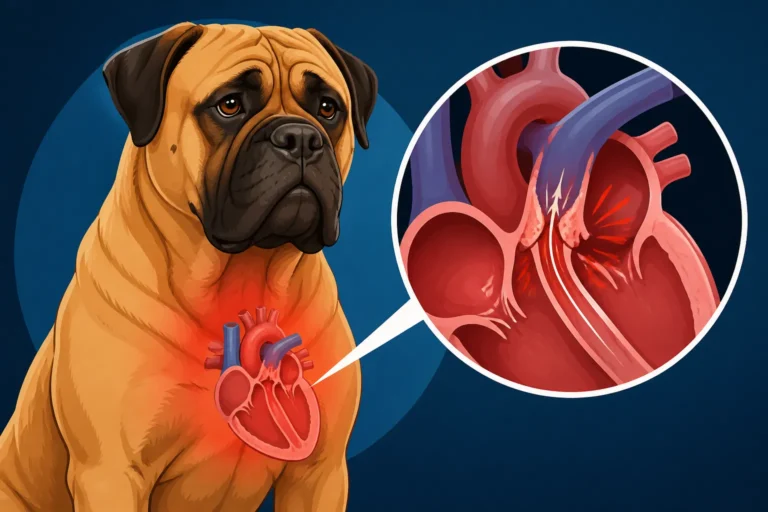
One of the biggest factors is their brachycephalic (short-nosed) muzzle. While undeniably charming, that flattened face means they don't have the long nasal passages that other dogs use to cool the air they breathe in. Dogs primarily regulate their body temperature through panting. As air passes over the moist surfaces of their tongue, mouth, and upper respiratory tract, evaporation occurs, drawing heat away from the body. For a Bullmastiff, their compact airways make this process far less efficient. They have to work harder to breathe and pant, which paradoxically generates more body heat. This is a critical reason why a Bullmastiff's short muzzle cannot cool it effectively.
Imagine trying to cool yourself down by breathing through a straw – that's a bit like what your Bullmastiff experiences. Their breathing passages are often narrower and sometimes have excess soft tissue, further obstructing airflow and increasing the effort needed to get oxygen. This can quickly lead to respiratory distress and, more dangerously, a rapid increase in core body temperature. This struggle is real and it means we, as their guardians, need to be extra vigilant.
Thick Coats and Heavy Bodies
Beyond their brachycephalic structure, Bullmastiffs carry a significant amount of muscle and bone, making them a heavily built breed. While they have relatively short coats, these coats are dense and offer insulation, which is great in cooler weather but becomes a detriment when it's hot. That substantial body mass retains heat far more effectively than a leaner, lighter dog.
Think about how much hotter a large, dark-colored car gets compared to a small, light-colored one in the sun. It's a similar principle. This combination of dense body mass and a less efficient cooling system means that Bullmastiffs can reach dangerous body temperatures much faster than you might expect. Even on a seemingly mild summer day, the internal temperature of a Bullmastiff can climb quickly, especially if they are active. This is why understanding what temperature is dangerous for a Bullmastiff is so important, as it might be lower than you think.
Identifying the Warning Signs of Overheating
Knowing why your Bullmastiff struggles with heat is the first step, but being able to recognize the immediate signs of trouble is absolutely vital. Heatstroke can escalate frighteningly fast in this breed, and early intervention can be the difference between a quick recovery and a life-threatening emergency. Don't ever hesitate if you see these signs.
Early Indicators of Heat Stress
Before full-blown heatstroke sets in, your Bullmastiff might display some more subtle, yet still concerning, signs of heat stress. Pay close attention to these, especially after even a short period of activity in warm weather.
- Excessive Panting: While normal for dogs to pant in heat, if it becomes unusually heavy, loud, or rapid, it's a red flag. Their breathing might sound strained, almost like they're struggling to catch their breath. This isn't just regular panting; it's frantic, desperate breathing.
- Bright Red Gums and Tongue: Take a look at your Bullmastiff's gums and tongue. If they are noticeably brighter red than usual, almost a cherry-red color, it indicates increased blood flow as their body tries to dissipate heat. As the condition worsens, they might become pale or even bluish.
- Thick, Ropy Saliva: Normal drool is usually watery. If your Bullmastiff's saliva becomes thick, foamy, or stringy, it's a sign of dehydration and struggling to cool down. You might notice an unusual amount of drool collecting around their jowls. This is often an early sign that their body is working overtime.
- Seeking Cool Surfaces: Your Bullmastiff might try desperately to lie down on tile, concrete, or in shady spots, showing an unusual urgency to find relief. They may be restless, unable to settle, constantly shifting positions to try and get comfortable.
Advanced Symptoms: When Heatstroke Becomes Emergency
If the early signs are missed or ignored, heat stress can quickly progress to severe heatstroke, which is a medical emergency. At this stage, every second counts, and you need to get your Bullmastiff to a vet immediately.
- Weakness or Staggering: Your Bullmastiff might become disoriented, stumble, or even collapse. Their legs might give out, or they could seem generally unsteady on their feet. This loss of coordination is a critical sign that their nervous system is being affected by the rising body temperature.
- Vomiting and Diarrhea: Gastrointestinal upset, including vomiting (sometimes with blood) and diarrhea, can occur as internal organs begin to shut down from the extreme heat. This is a very serious symptom and indicates systemic failure.
- Glazed Eyes and Altered Mentation: Their eyes might appear distant, unfocused, or "glazed over." They might seem unresponsive to your commands, confused, or even aggressive due to pain and disorientation. This change in mental state is extremely dangerous.
- Seizures or Unconsciousness: In the most severe cases, heatstroke can lead to seizures, muscle tremors, or complete loss of consciousness. If your Bullmastiff reaches this point, their life is in immediate peril. These are devastating signs a Bullmastiff has heatstroke, and prompt veterinary attention is paramount.
- Rapid Heart Rate: Feel your dog's pulse if you can; it will likely be very rapid and weak. Their breathing might become extremely shallow and fast, or even slow and labored.
If you observe any of these advanced symptoms, immediately begin cooling measures (as described in the next section) and get your Bullmastiff to the nearest veterinary emergency clinic without delay. Remember, a pet insurance plan like those offered by Healthy Paws can be incredibly helpful for covering the unexpected costs of such an emergency.
Safe Summer Exercise: Alternatives and Precautions
Since traditional walks during warmer parts of the day are largely off-limits, we need to get creative. Your Bullmastiff still needs exercise and mental stimulation, but it has to be done safely to avoid the dangers of overheating.
Timing is Everything
The most crucial adjustment you can make to your Bullmastiff's summer routine is when you take them out. Forget midday strolls or even late afternoon jaunts once the sun has been beating down for hours.
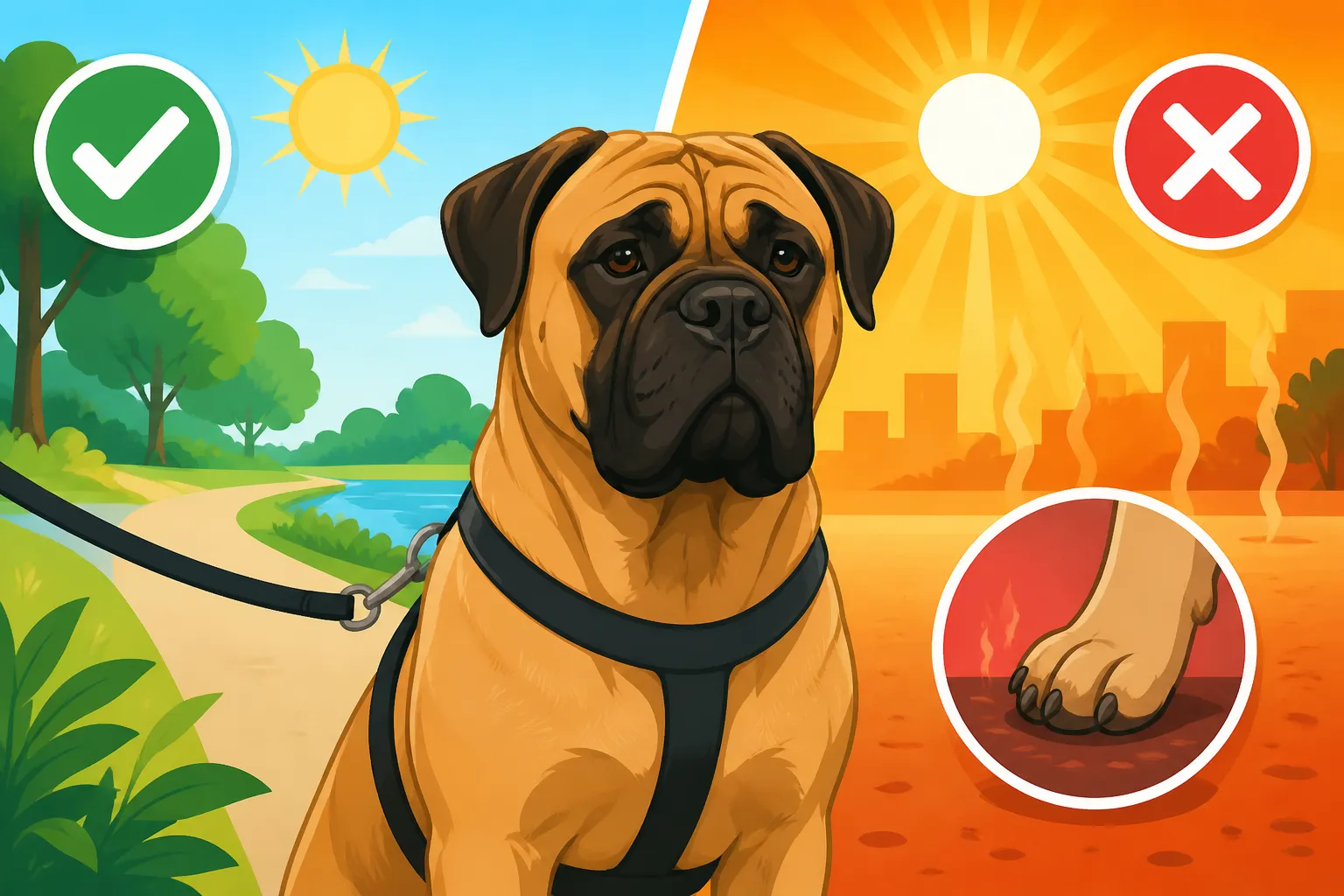
- Early Morning Walks: This is hands-down the best time. Aim for before 7 or 8 AM, or even earlier if you live in a particularly hot climate. The ground will still be cool from the night, and the air temperature will be at its lowest point. The sun's intensity is much weaker, minimizing direct heat exposure. Even if you're not a morning person, this small sacrifice can make a huge difference in your Bullmastiff's comfort and safety.
- Late Evening Walks: Once the sun has set and the air has cooled considerably, typically after 8 PM, another window for a safe walk opens up. Again, check the pavement temperature. If it's still warm to your touch, it's too hot for their paws. Remember that asphalt and concrete absorb and retain heat, radiating it long after the sun goes down. A good rule of thumb is if you can't comfortably hold your hand on the pavement for five seconds, it's too hot for your dog's paws. You'd be surprised how quickly a Bullmastiff overheats in a car, so be mindful of driving to a walking spot if it means being in a hot vehicle. This timing is essential for preventing issues, and there's a good reason why eighty degrees is dangerous for a Bullmastiff.
A simple table to guide your planning:
| Time of Day | Pavement Temperature | Air Temperature | Activity Recommendation |
|---|---|---|---|
| 6 AM – 8 AM | Often Cool | Cool to Mild | Best for Walks |
| 8 AM – 10 AM | Warming | Mild to Warm | Shorter Walks, Monitor |
| 10 AM – 6 PM | Hot | Hot | Avoid Walks |
| 6 PM – 8 PM | Cooling Slowly | Warm | Monitor Closely, Shady |
| 8 PM onwards | Cool | Cooling | Good for Walks |
Cooling Gear and Hydration on the Go
Beyond timing, specific tools and habits can greatly enhance your Bullmastiff's safety during summer excursions.
- Cooling Vests and Bandanas: These products are designed to hold water and slowly release it through evaporation, helping to keep your dog's core temperature down. Look for options that cover a good portion of their back and chest. They can be incredibly effective, especially for dogs with thick coats or brachycephalic breeds. Always ensure they are kept wet for maximum benefit.
- Portable Water Bottles and Bowls: Never leave home without ample water for your Bullmastiff. A collapsible bowl and a large water bottle are indispensable. Offer water frequently, even if they don't seem thirsty. Staying well-hydrated helps their body's natural cooling mechanisms function better.
- Paw Protection: While the primary concern is core body temperature, hot pavement can also burn your Bullmastiff's paw pads. Consider paw booties, especially if you have to walk on any surfaces that retain heat. If booties aren't an option, stick to grassy or shaded paths.
- Seeking Shade: Always plan your walks to stay in shaded areas as much as possible. Parks with dense tree cover or neighborhoods with plenty of large houses can offer relief from direct sunlight. Direct sun exposure significantly increases the rate at which your Bullmastiff heats up.
Remember, even with these precautions, the overall exercise limit for a Bullmastiff puppy or even an adult in summer is much lower than in cooler months. Listen to your dog and cut the walk short if you see any signs of discomfort.
Safe Alternatives to Walking
Sometimes, it's just too hot for any outdoor activity beyond a quick potty break. On those days, you need alternatives to keep your Bullmastiff mentally and physically stimulated.
- Indoor Play and Training: Engage your Bullmastiff with indoor games like hide-and-seek with treats, puzzle toys, or short training sessions. Mental exercise can be just as tiring as physical exercise. These activities can still burn energy and keep their minds sharp without the risk of overheating. Remember that a Bullmastiff is not grown up until three, so maintaining consistency with training and mental enrichment is important throughout their developmental stages.
- Water Fun (Cautiously): If you have access to a shallow pool, a kiddie pool, or a sprinkler, a gentle wade can be a fantastic way for your Bullmastiff to cool off. Always supervise them closely around water, even if they seem to enjoy it. Ensure the water is cool, not warm, and never force a dog into water if they are hesitant. A quick dip can rapidly lower their body temperature.
- Snuffle Mats and Treat-Dispensing Toys: These can provide extended periods of engagement, tapping into their natural foraging instincts. Stuffing a Kong with frozen wet food or dog-safe peanut butter can keep them occupied and cool.
- Frozen Treats: Making your own dog-friendly popsicles or freezing bone broth in ice cube trays can be a delightful and cooling treat. Just be mindful of their calorie intake.
These alternatives are crucial, particularly during the peak heat of the day. They allow you to maintain your Bullmastiff's quality of life without exposing them to unnecessary risks.
Managing Your Bullmastiff's Environment in Hot Weather
Beyond direct exercise, how you manage your Bullmastiff's home environment and daily routine during the summer is paramount. Their safety isn't just about walks; it's about their entire living situation.
Creating a Cool Home Base
Your home should be a sanctuary from the heat, a place where your Bullmastiff can truly decompress and cool down. This often means being proactive before the heatwave hits.
- Air Conditioning is Non-Negotiable: For a Bullmastiff, air conditioning isn't a luxury; it's a necessity in warm climates. They simply cannot regulate their body temperature efficiently enough without it. Keep your home cool, ideally between 70-75°F (21-24°C). If you live in an area where temperatures routinely exceed this range, you must ensure your home is adequately cooled. This is vital because why a Bullmastiff overheats so easily comes down to their fundamental physiology.
- Strategic Fan Use: While fans don't cool the air, they create airflow that can help with evaporative cooling for your Bullmastiff. Position fans in areas where your dog rests, ensuring they don't have access to chew on cords. Combine fans with AC for optimal cooling.
- Shade and Ventilation: Keep curtains and blinds closed during the hottest parts of the day to block direct sunlight and prevent your home from heating up. If you don't have AC, cross-ventilation with fans can help, but always prioritize keeping your Bullmastiff in the coolest part of the house, often a basement or a tiled bathroom floor.
- Cooling Beds and Mats: Invest in cooling mats (gel-filled or water-activated) or elevated dog beds that allow air to circulate underneath. These can provide a much-needed cool spot for your Bullmastiff to lie on and prevent direct contact with heat-retaining floor surfaces. Remember that good bedding and joints for a hundred and thirty pound Bullmastiff are important year-round, but especially for cooling in summer.
Hydration and Feeding Adjustments
Keeping your Bullmastiff hydrated is crucial in summer. Their water intake might increase significantly, and you'll want to facilitate easy access to fresh, cool water.
- Constant Access to Fresh Water: Always have multiple bowls of fresh, cool water available throughout your home. Add ice cubes to their water bowls to keep the water colder for longer. Consider a large gravity-fed water dispenser if you find yourself constantly refilling bowls.
- Electrolyte Replenishment: For Bullmastiffs that are more active in the cooler parts of the day, or if they've been panting excessively, consult your vet about electrolyte-replenishing dog treats or supplements. This can help replace minerals lost through excessive panting and drooling.
- Meal Timing: Some owners prefer to feed their Bullmastiff during cooler parts of the day (early morning or late evening) to avoid generating additional body heat through digestion during peak temperatures. Break meals into smaller portions if your dog seems to struggle after eating. Meal timing and bloat in a Bullmastiff are already a concern, so don't add heat stress to the equation.
Avoiding Common Heat Traps
There are a few situations that are absolute no-gos for Bullmastiffs in summer, no matter how short the duration.
- Hot Cars: This cannot be stressed enough: never leave your Bullmastiff in a car, even for a few minutes, on a warm day. Temperatures inside a car can skyrocket in minutes, becoming deadly even when it doesn't feel that hot outside. This is perhaps the most common and tragic cause of heatstroke. Even with windows cracked, the radiant heat is immense. How fast a Bullmastiff overheats in a car is shockingly quick.
- Outdoor Kennels or Runs: Unless it is a fully shaded, ventilated, and cooled space, avoid leaving your Bullmastiff in an outdoor kennel or run during summer. Their thick build and brachycephalic nature make them ill-suited for prolonged outdoor exposure to heat.
- Vigorous Exercise in Heat: As mentioned earlier, avoid any strenuous activity like running, hiking, or prolonged playtime when temperatures are warm. Even a short burst of excitement can push them over the edge.
By being diligent about managing their environment and understanding the specific risks, you can help your Bullmastiff navigate the summer months safely. Remember that early intervention is key, so always know what to do when a Bullmastiff overheats, and don't hesitate to contact your veterinarian if you have any concerns. A good pet insurance plan from providers like Healthy Paws can provide peace of mind for unexpected emergencies related to heatstroke. It's all about making their relatively short lifespan, with the median Bullmastiff living eight and a half years, as comfortable and healthy as possible. Caring for a Bullmastiff past six, especially, means paying extra attention to their comfort in all seasons.
Disclaimer
This article is intended for informational purposes only and is not a substitute for professional veterinary advice. Always consult with a qualified veterinarian regarding your Bullmastiff's health and any medical conditions.