Signs a Bullmastiff’s Thyroid Is Low
It’s a truly disheartening moment when you start noticing subtle shifts in your beloved Bullmastiff. Maybe they’re a little slower on their morning walk, or their beautiful coat isn't quite as lustrous as it used to be. You might wonder if it’s just the natural process of them getting a little older, but sometimes these changes are a red flag for an underlying health issue. This guide will help you understand the common, and sometimes less obvious, signs that your Bullmastiff might be suffering from a low thyroid, so you can recognize the symptoms early and get them the help they need.
Understanding Hypothyroidism in Bullmastiffs
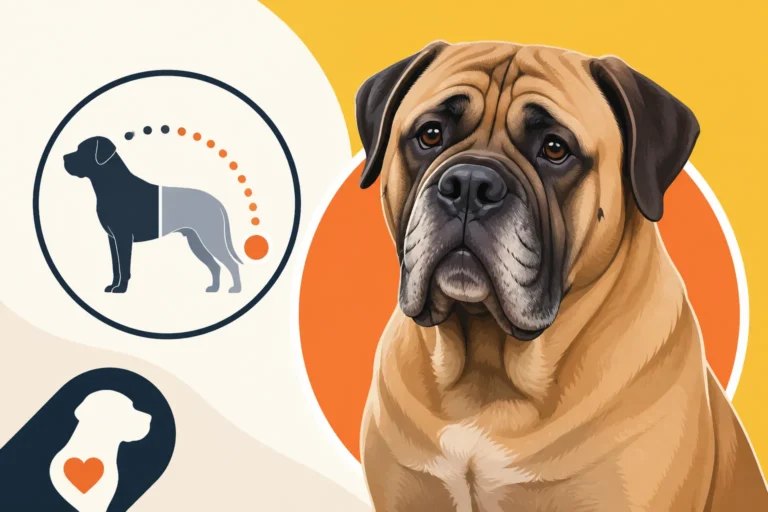
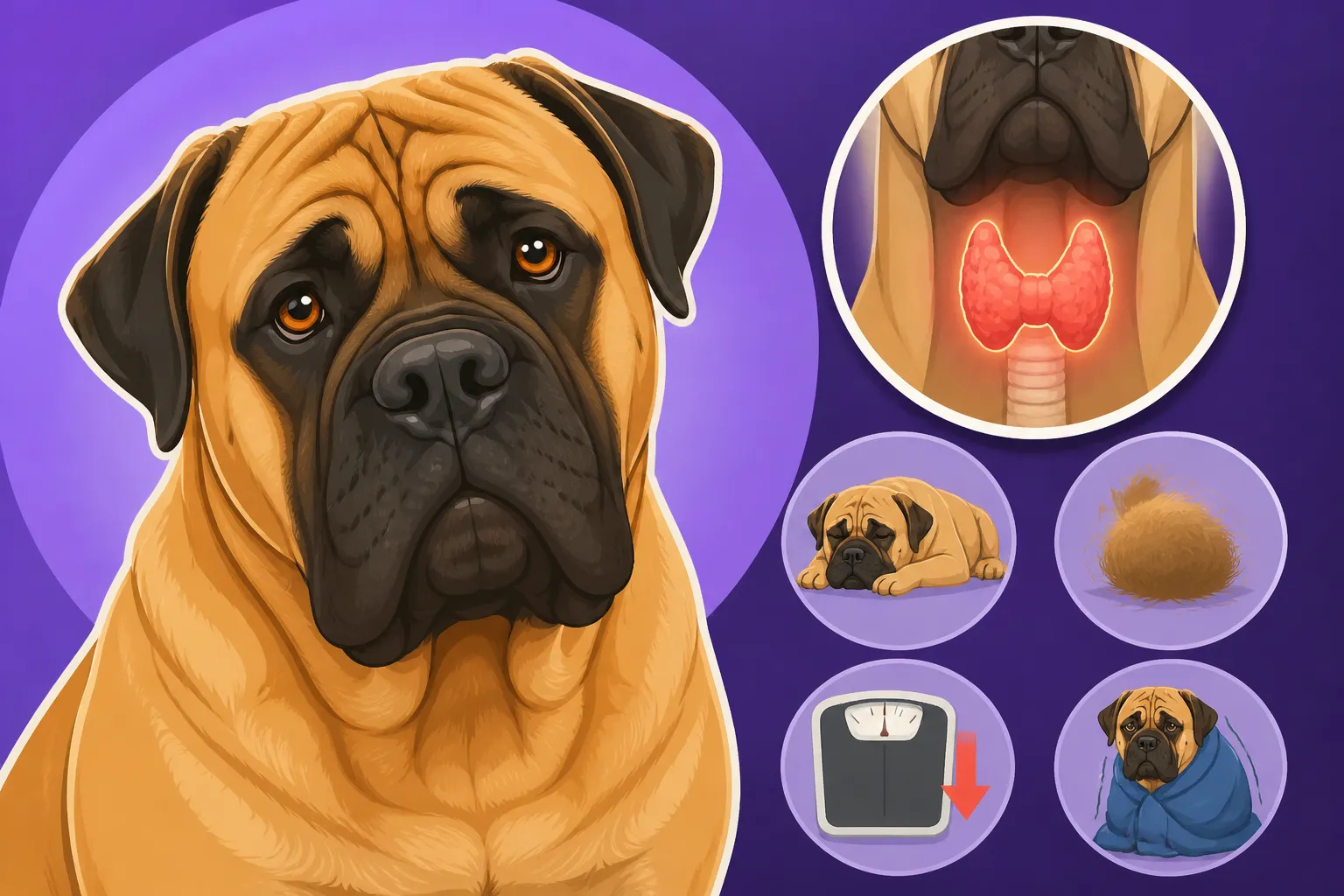
Hypothyroidism is a condition where your dog's thyroid gland, located in the neck, doesn't produce enough thyroid hormones. These hormones are absolutely critical for regulating metabolism throughout the entire body, impacting everything from energy levels to skin health. When the levels dip too low, it can lead to a cascade of problems that, left untreated, can significantly diminish your Bullmastiff's quality of life. As a large breed, Bullmastiffs, like many other large and giant breeds, are disproportionately affected by this condition, making it even more vital for owners to be vigilant.
What is Hypothyroidism and Why Bullmastiffs are Prone
At its core, hypothyroidism is usually caused by an autoimmune disease where the dog's own immune system attacks and destroys the thyroid gland. Less commonly, it can be due to atrophy of the gland or a birth defect. For Bullmastiffs, there appears to be a genetic predisposition, meaning it's something they're simply more likely to inherit. This makes regular screening important, especially if you know there’s a history of thyroid issues in your dog’s lineage. It's not a rare condition in our gentle giants, which means you're not alone if your vet brings it up as a possibility. Understanding how your Bullmastiff's thyroid is low is the first step.
The thyroid hormones, thyroxine (T4) and triiodothyronine (T3), influence nearly every cell in the body. They regulate metabolic rate, affecting body temperature, heart rate, energy production, and even the health of skin and hair follicles. When these hormones are deficient, bodily functions slow down, leading to the diverse range of symptoms we’ll discuss. It’s like the body’s internal engine is running on low fuel, leading to sluggish performance across the board.
The Importance of Early Detection
Early detection of hypothyroidism can make a world of difference for your Bullmastiff. Many of the symptoms can be subtle at first, easily mistaken for normal aging or other less serious issues. However, if caught and treated early, Bullmastiffs with hypothyroidism generally respond very well to medication and can go on to live a full and comfortable life. The longer the condition goes undiagnosed, the more pronounced and severe the symptoms can become, potentially leading to more complex health issues and a longer road to recovery.
Think about it: if your Bullmastiff has been acting "off" for months, struggling with weight, or having skin problems, identifying the root cause quickly means alleviating their discomfort much faster. This not only improves their physical well-being but also their overall happiness. When you're dealing with a breed where a diagnosis like this can be a significant health hurdle, catching it early can save your dog from prolonged suffering and you from immense worry. This is why paying close attention to any changes, no matter how minor they seem, is so crucial.
Common Physical Signs of a Low Thyroid
The physical manifestations of a low thyroid in a Bullmastiff are often the most noticeable to owners. These signs can slowly creep up, sometimes over months or even a year, making them easy to dismiss initially. However, once you know what to look for, these changes can paint a clear picture.
Coat and Skin Changes
One of the hallmark signs of hypothyroidism in Bullmastiffs, and indeed many breeds, involves changes to their coat and skin. You might notice their typically sleek coat starting to look dull, dry, and brittle. It might feel coarse to the touch instead of soft. Often, dogs with hypothyroidism experience significant hair loss, particularly on their flanks, tail, and the bridge of the nose. This hair loss isn't usually itchy, which can differentiate it from allergies or parasites. Instead, it's often symmetrical, meaning it affects both sides of the body equally.
Beyond the coat, the skin itself can undergo a transformation. You might observe a thickening of the skin, especially around the face and neck, giving your Bullmastiff a tragic or puffy expression, sometimes referred to as "myxedema." The skin might also become dry and flaky, or in some cases, oily and prone to infections due to a compromised immune response. Darkening of the skin, a condition called hyperpigmentation, particularly in areas of chronic inflammation or hair loss, is also a common sight. If you notice these persistent skin and coat issues, it's a definite sign to investigate further, especially if they align with other symptoms listed here. You might be surprised at how your bullmastiff's skin allergies or skin fold infections could actually trace back to a low thyroid.
Weight Gain and Body Condition
Another very common physical indicator of hypothyroidism is unexplained weight gain, even if your Bullmastiff's diet hasn't changed or they're not eating excessively. This makes sense when you remember that thyroid hormones regulate metabolism. With insufficient hormones, the body's metabolic rate slows down dramatically, leading to fat accumulation. Many owners will express frustration, saying they’ve tried everything to get their dog to lose weight, cutting back on treats and increasing exercise, only to see the scale barely budge or even climb higher.
Along with weight gain, you might notice your Bullmastiff’s body condition changing. They might appear less muscular and more "padded" or "chubby," even if you're keeping a close eye on their nutrition. This isn't just about aesthetics; excess weight puts a strain on their joints and overall health. It's one of the key signs a Bullmastiff's thyroid has failed, impacting their ability to maintain a healthy physique. Coupled with a lack of energy, this weight gain can become a significant concern for Bullmastiff owners who are committed to keeping their large companions healthy.
| Symptom Category | Specific Sign | Description | Commonality | Importance |
|---|---|---|---|---|
| Coat/Skin | Dry, Brittle Coat | Dull, coarse, or poor quality fur | Very Common | High |
| Hair Loss (Alopecia) | Symmetrical hair thinning or loss, especially on flanks, tail | Very Common | High | |
| Thickened Skin | Puffy appearance, especially on face ("tragic expression") | Common | High | |
| Hyperpigmentation | Darkening of the skin | Common | Medium | |
| Metabolic | Weight Gain | Unexplained increase in weight despite normal intake | Very Common | High |
| Lethargy/Fatigue | Reduced energy, increased sleeping, reluctance to play | Very Common | High | |
| Behavioral | Mental Dullness | Decreased alertness, less responsive | Common | Medium |
| Cold Intolerance | Seeking warm spots, shivering easily | Common | Medium | |
| Other | Slow Heart Rate | Bradycardia, often detected by vet | Less Common | High (Vet only) |
| Recurring Infections | Skin or ear infections due to weakened immunity | Common | Medium |
Behavioral and Less Obvious Indicators
While physical changes are often the first things we notice, hypothyroidism can also manifest in a Bullmastiff's behavior and overall disposition. These signs can be even more insidious because they can be easily attributed to "just getting older" or a change in personality.
Energy Levels and Mental Acuity
Perhaps the most common behavioral symptom of hypothyroidism is a noticeable decrease in energy and an increase in lethargy. Your previously playful and robust Bullmastiff might become unusually quiet, spending more time sleeping or simply resting. They might be reluctant to go on walks, or their stamina during exercise might dramatically decrease. What once was an enthusiastic stroll around the block might become a slow, plodding effort. This profound fatigue often leads owners to assume their dog is simply aging prematurely, but it’s crucial to consider hypothyroidism as a potential underlying cause. This kind of low energy isn't just a physical slump; it's a systemic slowdown.
Beyond physical energy, you might also observe a change in their mental sharpness. Bullmastiffs with a low thyroid can appear mentally dull or less alert than usual. They might be slower to respond to commands, seem disoriented, or just generally less engaged with their surroundings and family. Their typical keen awareness might diminish, making them seem almost apathetic. This isn't laziness; it's a genuine neurological impact of insufficient thyroid hormones on brain function. It can be heartbreaking to see your intelligent companion become less responsive, and it's a strong indicator that something deeper than just age might be at play.
Temperature Sensitivity and Other Subtle Clues
Another telling sign that can often be overlooked is an increased sensitivity to cold. Because thyroid hormones play a vital role in regulating body temperature, a Bullmastiff with hypothyroidism might seek out warm spots in the house, shiver more easily, or seem generally uncomfortable in cooler temperatures that they once tolerated just fine. You might find them curled up tightly more often, even indoors, trying to conserve warmth. This cold intolerance is a direct result of their slower metabolism.
Other subtle clues can include a slower heart rate (bradycardia), which your vet might detect during an examination, or even changes in reproductive cycles for intact dogs. Some Bullmastiffs might experience recurring ear infections or other skin infections due to a compromised immune system. Gastrointestinal issues like constipation can also occur as the digestive system slows down. It's the combination of these various signs – the dry coat, the unexplained weight gain, the lethargy, and perhaps the cold intolerance – that should really prompt you to speak with your veterinarian. Every piece of the puzzle contributes to understanding the complete picture of why your Bullmastiff is not thriving.
When to Talk to Your Vet About Thyroid Testing
If you've noticed several of the symptoms we’ve discussed, it’s absolutely time to have a serious conversation with your veterinarian. Don't dismiss these changes as merely signs of aging, especially given that Bullmastiffs, unfortunately, already face a median lifespan of eight and a half years. Getting an accurate diagnosis is crucial for their well-being.
The Initial Conversation
When you call your vet, be prepared to describe all the symptoms you've observed, even the ones that seem minor or unrelated. Note when they started, how they've progressed, and any factors that seem to make them better or worse. Your veterinarian will likely perform a thorough physical examination, looking for key indicators like weight changes, skin and coat condition, and vital signs. They’ll also feel for any enlarged thyroid glands, though this isn't always evident with hypothyroidism.
During this visit, your vet will likely discuss the possibility of blood tests to check your Bullmastiff's thyroid levels. These tests measure the levels of T4 and TSH (thyroid-stimulating hormone), which together provide a comprehensive picture of thyroid function. It's important to be honest about their diet and any other medications they might be on, as some drugs can affect thyroid test results. Remember, your vet is your partner in this, and providing as much detail as possible helps them make the most accurate assessment. Many owners worry about the financial impact of diagnostics and long-term treatment, but pet insurance providers like Healthy Paws can often alleviate some of that stress by covering a significant portion of eligible vet bills.
What to Expect During Diagnosis
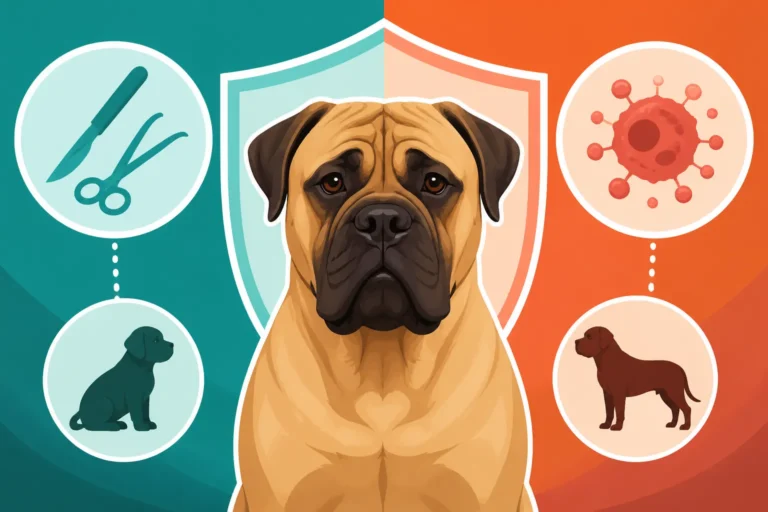
A typical thyroid panel for a Bullmastiff usually involves drawing a blood sample. The most common tests include a total T4, free T4 by equilibrium dialysis (fT4ED), and TSH. A low total T4 and fT4ED combined with a high TSH level are highly indicative of hypothyroidism. Sometimes, your vet might recommend a full thyroid panel, which includes autoantibody testing, to get an even clearer picture, especially if initial results are borderline.
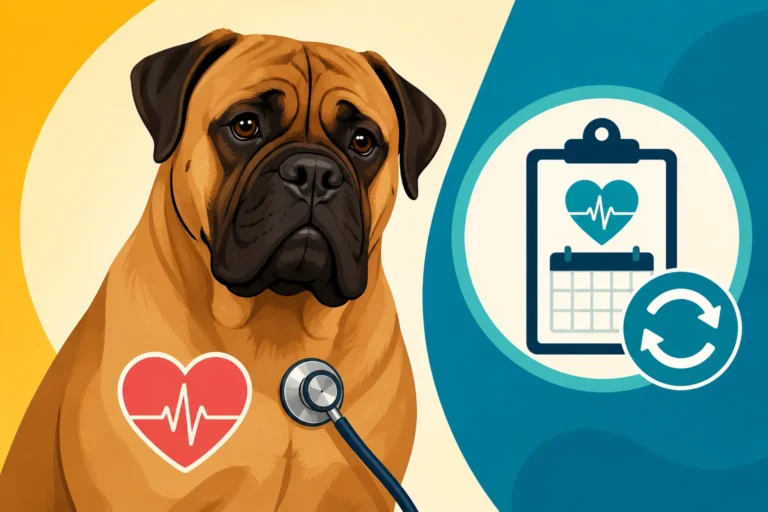
It's worth noting that some factors can influence thyroid test results, such as certain medications (like steroids or seizure medications), non-thyroidal illnesses (like kidney disease or diabetes), and even stress. This is why your vet might recommend re-testing or performing additional diagnostics to rule out other conditions. Once a diagnosis of hypothyroidism is confirmed, the good news is that treatment is usually straightforward: lifelong thyroid hormone replacement medication, typically levothyroxine. Your vet will prescribe the appropriate dosage, and regular follow-up blood tests will be needed to ensure the medication is at the right level, usually every six to twelve months once stable. While it might sound daunting, remember that medication helps bring your Bullmastiff back to their vibrant self. It's an investment in their happiness and longevity, and options like Healthy Paws can often help manage the costs associated with regular medication and vet checks.
Disclaimer
This article is intended for informational purposes only and does not constitute medical advice. Always consult with a qualified veterinarian for any health concerns or before making any decisions about your Bullmastiff's care.