Why a Hypothyroid Bullmastiff Gains Weight
It’s incredibly disheartening when you see your beloved Bullmastiff starting to put on weight, especially when you feel like you haven't changed their routine or diet. You might even be increasing their exercise, or cutting back on treats, only to see the scale stubbornly climb. This isn't just about aesthetics; for a large breed like a Bullmastiff, unexplained weight gain can be a sign of underlying health issues, and one of the most common culprits is hypothyroidism. This guide will walk you through exactly why a Bullmastiff with a failing thyroid often gains weight, what to look for, and how to help them feel like themselves again.
Understanding Hypothyroidism in Bullmastiffs
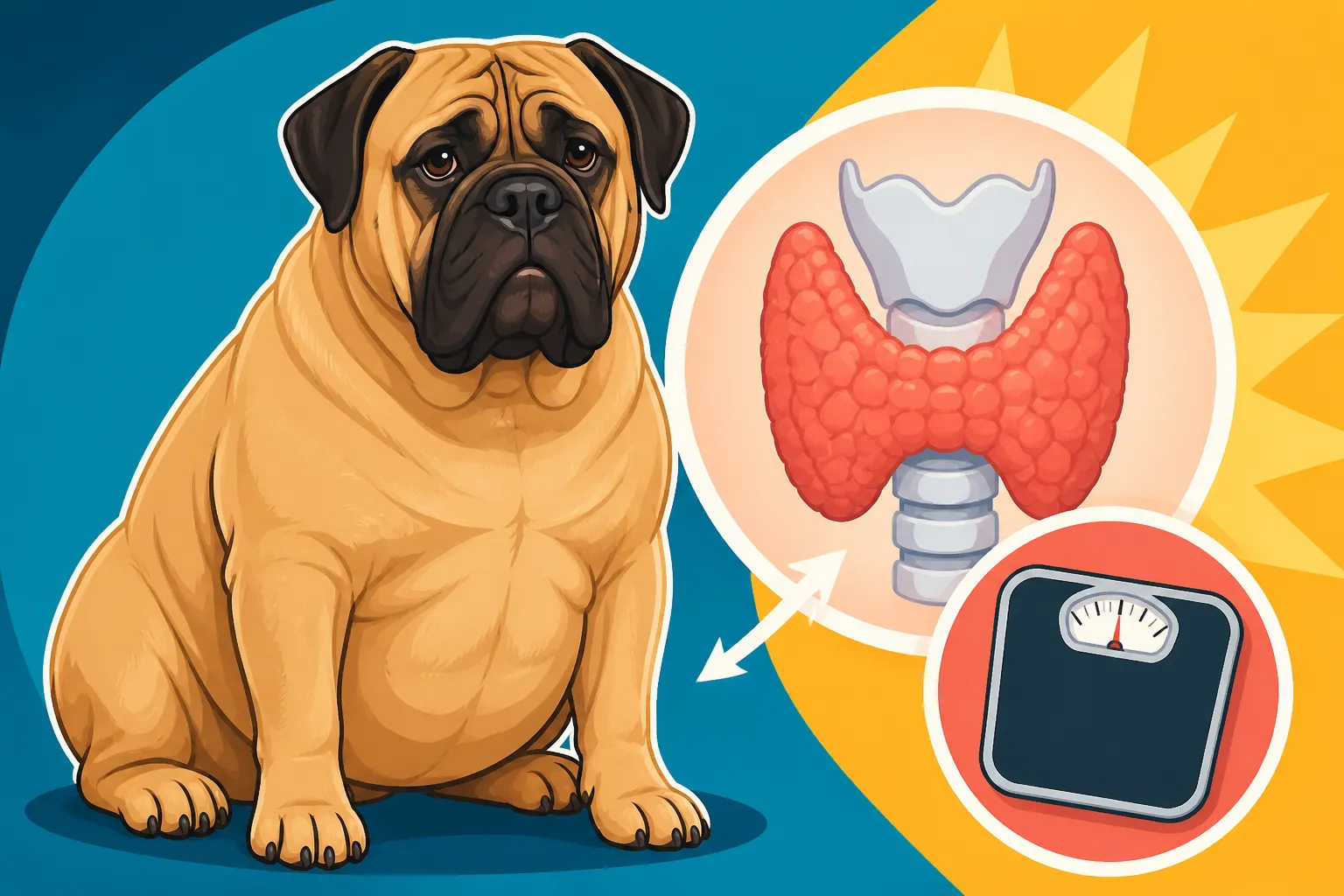
Hypothyroidism is a condition where your dog's thyroid gland, located in their neck, isn't producing enough thyroid hormones. These hormones are essential for regulating metabolism, which is basically the process by which the body converts food into energy. When the thyroid isn't pulling its weight, it throws the whole system out of whack. It’s a common endocrine disorder in dogs, and unfortunately, large breeds like our gentle giants can be particularly susceptible.
What Hypothyroidism Actually Means for Your Bullmastiff
Think of your Bullmastiff's thyroid gland as the body's little internal thermostat and energy regulator. When it’s working correctly, it produces hormones like T3 and T4 that tell almost every cell in their body how fast to operate. This affects everything from their heart rate and body temperature to how quickly they burn calories and how healthy their skin and coat are.
With hypothyroidism, that regulatory system goes haywire. The gland produces insufficient hormones, meaning the instructions being sent to the cells are telling them to slow down. It’s like their internal engine is running on idle all the time, even when it should be roaring. This slowdown is the root cause of many of the frustrating symptoms you might observe, with weight gain being one of the most visible and concerning.
Common Symptoms Beyond Weight Gain
While packing on the pounds is a major red flag, it’s rarely the only symptom. Many Bullmastiff owners also notice their dog becoming unusually lethargic. Your once-playful giant might be more interested in napping than their usual walk, or they might seem generally subdued. This isn't just them getting older; it's a significant drop in their energy levels.
Beyond that, you might start seeing changes in their magnificent coat. It could become dry, brittle, or start thinning, particularly over their trunk, tail, and the back of their thighs. Some dogs develop a "rat tail" appearance, losing hair on the underside of their tail. Their skin can become flaky, dry, and sometimes even appear thickened or darker in color, especially in areas where skin rubs together. They might also seem unusually intolerant to cold, seeking out warm spots more frequently, even inside the house. If you're seeing a combination of these signs, alongside the weight gain, it's definitely time to consider that their thyroid might be failing. For more detailed information on what to look for, you can read about How Hypothyroidism Presents in a Bullmastiff.
The Direct Link Between Low Thyroid and Weight Gain
It feels unfair, doesn't it? You're doing your best, but your Bullmastiff is still getting heavy. The connection between a low thyroid and weight gain isn't a mystery, but a direct physiological response to a slowed metabolism. It's not about them secretly raiding the fridge; it's about their body just not processing food efficiently.
Metabolism Slowdown and Energy Expenditure
Imagine your Bullmastiff's body as a furnace. When the thyroid hormones are at optimal levels, that furnace is burning fuel (food) efficiently, generating heat and energy. But when those hormone levels drop due to hypothyroidism, the furnace essentially turns down to a pilot light. It's still taking in fuel, but it's not burning it off at the same rate.
This metabolic slowdown means that the calories your Bullmastiff consumes are not being utilized for energy as effectively. Instead, a higher percentage of those calories are stored as fat. Even if your dog's food intake hasn't changed, their body's ability to process and burn those calories has been significantly impaired. This makes weight gain almost inevitable without intervention, even with what you might consider a reasonable diet.
The Vicious Cycle: Reduced Activity and Increased Weight
Compounding the metabolic issue is the corresponding drop in energy levels. A hypothyroid Bullmastiff often feels sluggish and tired, which naturally leads to a reduction in their activity. That extra romp in the yard? Less likely. The enthusiastic greeting at the door? Perhaps a little more subdued. This decrease in spontaneous movement and desire to exercise means even fewer calories are burned throughout the day.
It creates a frustrating cycle: low thyroid leads to slow metabolism and fatigue, which leads to less activity, which further contributes to weight gain. This added weight, in turn, makes any exercise even more strenuous and less appealing for your already tired Bullmastiff. It's particularly challenging for a large breed dog, as any extra weight puts significant strain on their joints, which are already susceptible to conditions like hip and elbow dysplasia. Maintaining a lean body condition is critical for their overall health, as discussed in Keeping a Bullmastiff Lean Is the Best Thing You Can Do.
Diagnosing and Managing Hypothyroidism
If you're noticing these changes in your Bullmastiff, the next step is a trip to the vet. Don't delay, as early diagnosis and treatment can make a world of difference in their quality of life and prevent secondary health problems associated with unchecked weight gain.
When to Suspect Hypothyroidism in Your Bullmastiff
Beyond the weight gain and lethargy we've discussed, pay close attention to any subtle shifts in your Bullmastiff’s demeanor or physical condition. Are they seeking warmth more often? Is their coat looking dull, or are they shedding excessively without a clear reason? Have their ears developed recurrent infections, or is their skin unusually dry or itchy? Any combination of these symptoms, especially if they’ve been gradual, should raise a red flag.
It’s easy to dismiss some of these signs as "just getting older," but for a breed whose average lifespan is around How Long a Bullmastiff Lives on Average, changes shouldn't be ignored, even in older dogs. It's particularly important to be vigilant if your Bullmastiff is reaching or has passed the age of six, as conditions like hypothyroidism tend to become more prevalent in their senior years. This is a topic explored further in Caring for a Bullmastiff Past Six. If you suspect something is off, it’s always best to consult your veterinarian. They’re the best resource to differentiate between normal aging and a treatable condition.
The Diagnostic Process: What to Expect at the Vet
When you bring your Bullmastiff to the vet with concerns about weight gain and other symptoms, your vet will perform a thorough physical exam and discuss their history with you. If hypothyroidism is suspected, the primary diagnostic tool is a blood test. This isn't just any blood test; it’s usually a specific thyroid panel that measures various thyroid hormone levels, such as total T4, free T4, and TSH (thyroid-stimulating hormone).
Sometimes, a single "low" T4 value isn't enough for a definitive diagnosis, as other illnesses or even certain medications can temporarily suppress thyroid hormone levels. Your vet might recommend a more comprehensive panel or a re-test in a few weeks to confirm. Don't be surprised if they also run a general blood panel to rule out other underlying conditions that could mimic hypothyroidism. It’s a bit of an investment, but getting a clear diagnosis is essential for proper treatment. For more on the specifics of this testing, refer to When a Bullmastiff's Thyroid Should Be Tested.
Lifelong Management and Monitoring
Once hypothyroidism is diagnosed, the good news is that it’s usually very manageable. The treatment involves daily oral medication, typically a synthetic thyroid hormone replacement like levothyroxine. Your vet will determine the appropriate starting dose based on your Bullmastiff’s weight and severity of the condition. Consistency is key here – you'll need to administer the medication at roughly the same time each day.
Within a few weeks of starting treatment, you should begin to see positive changes: improved energy levels, a better coat, and a gradual reduction in weight if managed alongside diet. However, treatment is lifelong. Your Bullmastiff will need regular follow-up blood tests, usually every 6-12 months after stabilization, to ensure the medication dose is still correct. It's an ongoing commitment, but one that significantly improves their quality of life. For more on this, check out Whether Thyroid Medication Is Lifelong for a Bullmastiff.
Dietary and Lifestyle Considerations for a Hypothyroid Bullmastiff
Managing hypothyroidism goes hand-in-hand with smart dietary choices and appropriate activity levels. It's not just about the pill; it's about supporting their overall health to counteract the effects of a sluggish metabolism.
Adjusting Food Intake and Calorie Count
Once your Bullmastiff is on thyroid medication, their metabolism will start to normalize. This means they'll be burning calories more efficiently again, which is great news for weight management. However, if they've gained a significant amount of weight, simply relying on the medication won't be enough to shed those extra pounds. You'll need to work closely with your veterinarian to establish an appropriate diet plan.
This often involves carefully measuring their food to ensure they're not consuming excess calories. Opt for a high-quality large-breed formula that supports joint health and provides balanced nutrition. Avoid free-feeding, and instead, stick to scheduled meals. If treats are part of your routine (and let’s be honest, for many Bullmastiff owners, they are!), choose low-calorie options or use small pieces of healthy vegetables like carrots or green beans. Remember, every calorie counts, especially when you're trying to get a big dog to a healthy weight.
Gentle Exercise and Maintaining Muscle Mass
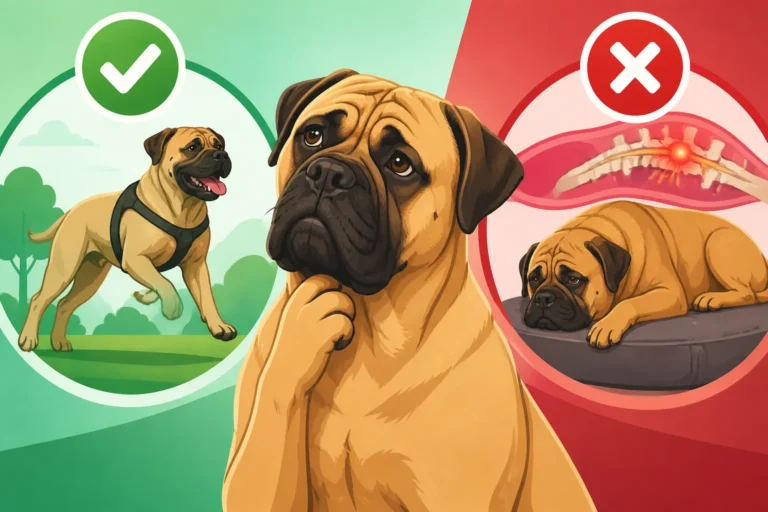
While a hypothyroid Bullmastiff initially struggles with low energy, once treatment begins and their energy levels improve, incorporating regular, gentle exercise is crucial. This isn't about marathon runs; it's about consistent, moderate activity that supports muscle mass without overtaxing their joints. Short, daily walks are perfect. Focus on quality over quantity – a leisurely 20-30 minute stroll in the morning and evening can do wonders.
Engaging in light play, like tossing a soft ball in the yard, can also help. The goal is to encourage movement and burn calories, contributing to weight loss and improved metabolic function. As their stamina increases, you might gradually extend walk times, always monitoring your Bullmastiff for signs of fatigue or discomfort. Exercise not only aids in weight management but also boosts their mood and overall well-being. Always make sure to consider the weather; Why Eighty Degrees Is Dangerous for a Bullmastiff reminds us of the risks of overheating.
The Role of Regular Vet Check-ups and Proactive Care
Regular veterinary check-ups are absolutely non-negotiable for a Bullmastiff with hypothyroidism. Beyond the routine blood work to monitor thyroid levels, these appointments allow your vet to assess their overall health, track weight, and catch any potential complications early. This proactive approach is particularly important for large breeds, who can develop other health issues that might be exacerbated by or mistaken for hypothyroidism.
Discuss any changes you observe, no matter how small. Your vet can provide tailored advice on diet, exercise, and any other supportive care your Bullmastiff might need. Having a good relationship with your vet and an open line of communication ensures that your dog receives the best possible care throughout their life. Many owners find that having pet insurance, like a plan from Healthy Paws, can help manage the ongoing costs of these regular visits and potential medication, offering peace of mind.
Why Prompt Treatment is Crucial
It might seem like just a little extra weight, but ignoring unexplained weight gain and other symptoms of hypothyroidism can lead to a cascade of more serious health issues for your Bullmastiff. Acting quickly is key to ensuring they live a comfortable and full life.
Preventing Further Health Complications
Untreated hypothyroidism doesn't just mean your Bullmastiff will be a bit heavy and tired. The chronic metabolic slowdown can pave the way for a host of other health problems. The most immediate concern is obesity, which puts tremendous strain on their large joints, potentially worsening or accelerating conditions like hip and elbow dysplasia. Obesity also increases the risk of heart disease, diabetes, and certain types of cancer.
Beyond conditions directly linked to weight, hypothyroidism can also lead to severe skin and coat problems that can become chronic and uncomfortable, requiring extensive treatment. It can affect their immune system, making them more susceptible to infections. It's a domino effect, and the sooner you address the root cause, the more you protect your Bullmastiff from a future of compounding health challenges. For details on related symptoms, you can look into Signs a Bullmastiff's Thyroid Has Failed.
Improving Quality of Life
Ultimately, prompt treatment of hypothyroidism is about giving your Bullmastiff the best possible quality of life. Imagine feeling sluggish, cold, and constantly tired, and then having to carry extra weight on top of it. That’s what an untreated hypothyroid dog experiences. With proper medication and management, you’ll likely see a dramatic improvement in their energy levels, enthusiasm for walks, and overall comfort.
Their coat will become healthier, their skin will clear up, and they'll be much more comfortable with a stable body temperature. Shedding those extra pounds will alleviate pressure on their joints, allowing them to move more freely and without pain. It’s incredibly rewarding to see your Bullmastiff regain their vitality and zest for life. Regular wellness exams, as discussed in How Often a Bullmastiff Needs a Wellness Exam, are vital for monitoring their progress and ensuring their treatment plan remains effective. Investing in a good pet insurance policy, like those offered by Healthy Paws, can certainly ease the financial burden of lifelong medication and regular vet checks.
Hypothyroidism Symptoms vs. Other Common Issues
Sometimes, the symptoms of hypothyroidism can overlap with other conditions or simply seem like "getting old." It's important to differentiate.
| Symptom | Hypothyroidism (Likely) | Other Common Issues (Possible) |
|---|---|---|
| Weight Gain | Unexplained, despite diet/exercise | Overfeeding, lack of exercise, Cushing's disease |
| Lethargy/Fatigue | Persistent, generalized slowdown | Aging, pain (e.g., arthritis), heart disease |
| Hair Loss | Symmetrical, trunk/tail, poor regrowth | Allergies, parasites, stress, Cushing's disease |
| Dull/Dry Coat | Can be brittle, flaky skin | Poor nutrition, allergies, environmental factors |
| Cold Intolerance | Seeks warmth, shivers | Thin body condition, general illness |
| Skin Issues | Recurrent infections, thickened skin | Allergies, parasites, hot spots, bacterial infections |
| Behavior Changes | More subdued, less playful | Pain, anxiety, neurological issues |
This table is a general guide, and it highlights why veterinary diagnosis is so important. Many conditions share symptoms, and only a vet can conduct the necessary tests to pinpoint the exact problem. Knowing the signs, however, empowers you to advocate for your Bullmastiff's health, and ensures you seek appropriate care without delay. Managing costs for these diagnostics and ongoing medications can be a concern for many owners, which is where a provider like Healthy Paws can truly help lighten the load.
Final Thoughts on Your Hypothyroid Bullmastiff
Dealing with a health condition like hypothyroidism in your Bullmastiff can feel overwhelming, especially when you're already doing your best to keep them healthy. The frustration of seeing them gain weight despite your efforts is real, and the thought of lifelong medication can be daunting. But remember, this is a treatable condition, and with consistent care, your Bullmastiff can live a vibrant, happy life.
Early recognition of symptoms, prompt veterinary consultation, and diligent adherence to the treatment plan are your best tools. You’ll be surprised at how quickly your Bullmastiff bounces back once their thyroid hormones are balanced. It's a testament to the resilience of our beloved dogs and the power of dedicated care.
Disclaimer
This article is intended for informational purposes only and does not constitute medical advice. Always consult with a qualified veterinarian for any health concerns or before making any decisions about your Bullmastiff's care.