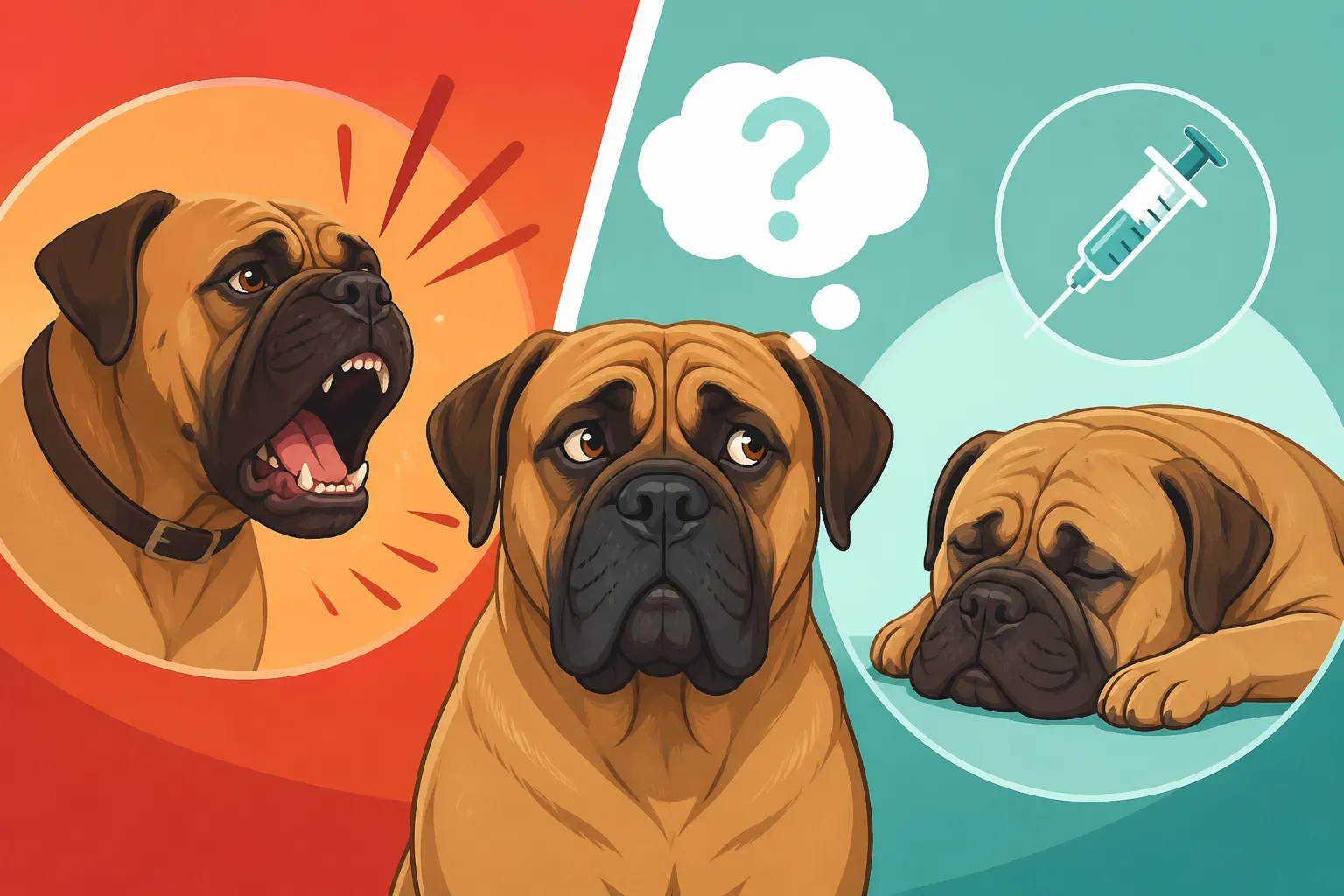
Whether a Bullmastiff Reacts to Sedation
It's completely normal to feel a knot of anxiety tighten in your stomach when your beloved Bullmastiff needs to undergo any procedure requiring sedation or anesthesia. These magnificent, deep-chested dogs have unique physiological quirks that can make us worry about how they'll handle being "put under." This guide aims to alleviate some of those fears by detailing what you can expect when your Bullmastiff reacts to sedation, what signs to look for, and how to work with your vet to ensure their safety and comfort.
Understanding Sedation and Anesthesia in Bullmastiffs
When your Bullmastiff needs a procedure, whether it's a dental cleaning, a lump removal, or something more involved, the thought of them being sedated or anesthetized can be daunting. You've heard stories, perhaps, or you just know your big, stoic companion isn't like other dogs. These concerns are valid, as Bullmastiffs do have certain characteristics that necessitate careful consideration during any anesthetic event. Understanding the subtle differences between sedation and full anesthesia, and recognizing your dog's unique breed traits, is the first step in preparing yourself and your pet.
The Difference Between Sedation and Anesthesia
It's easy to use the terms "sedation" and "anesthesia" interchangeably, but there's a significant difference, especially when talking about a large, sensitive breed like a Bullmastiff. Sedation typically involves administering drugs that calm your dog, making them drowsy and less aware of their surroundings, but they are still conscious and can often be roused with effort. Think of it as a very deep sleep. This might be used for minor procedures like X-rays, extensive nail trims on a reluctant giant, or calming an anxious dog for examination. Anesthesia, on the other hand, means your Bullmastiff will be completely unconscious, pain-free, and will require assistance with breathing in most cases. This is for surgeries, complex dental work, or any procedure where movement or pain would be unacceptable. Both involve medications that depress the central nervous system, but anesthesia is a much deeper state, demanding more intensive monitoring and support.
For Bullmastiffs, the choice between sedation and anesthesia, and the specific drugs used, is always a careful balance. Their sheer size means higher doses of medication, which can amplify potential side effects. A mild sedative for a Chihuahua might be a potent anesthetic for a Bullmastiff if not precisely managed. Your veterinary team will always weigh the benefits against the risks, considering the type of procedure, your dog's age, and their overall health. They are looking for the safest possible combination to achieve the desired effect while minimizing stress on your big friend's body.
Unique Physiological Traits of Bullmastiffs
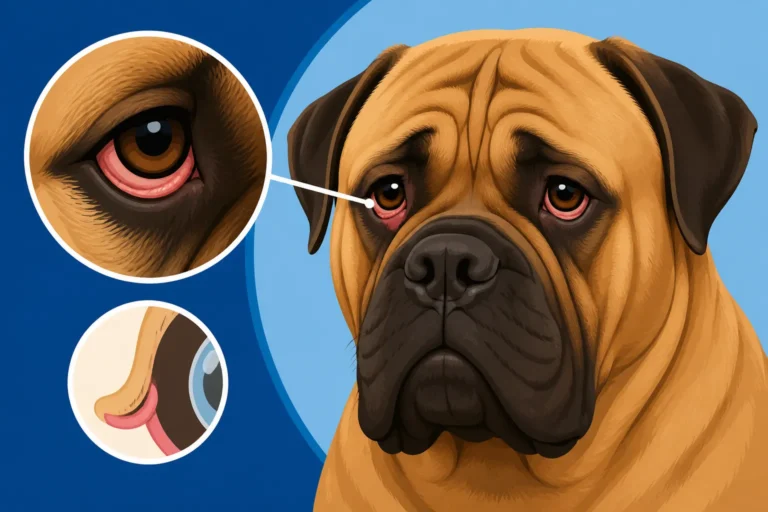
Bullmastiffs are truly magnificent creatures, but their powerful build and distinct physical characteristics mean they're not just "bigger versions" of other dogs when it comes to medical procedures. One of the most significant factors is their brachycephalic (short-nosed) conformation. While not as extreme as a Bulldog, their somewhat flattened muzzle, narrow windpipe, and sometimes elongated soft palate can make them prone to airway obstruction, especially when the muscles relax under sedation or anesthesia. This is a primary concern, as maintaining a clear airway is paramount for safe oxygen delivery. Many owners also wonder, "Why a Bullmastiff's Short Muzzle Cannot Cool It?" The same restricted airways that make breathing under sedation tricky also hinder their ability to pant and cool themselves efficiently, making temperature regulation a critical part of their anesthetic protocol.
Beyond their unique facial structure, Bullmastiffs, like many large and giant breeds, can have predispositions to certain health issues that require special attention. They are prone to certain cardiac conditions, such as subaortic stenosis. It's crucial for your vet to rule out or be aware of any underlying heart murmurs or conditions before sedation. This is why a thorough pre-anesthetic exam is non-negotiable. Furthermore, their large muscle mass and fat distribution can affect how drugs are absorbed, metabolized, and eliminated from their bodies. They often require different drug dosages and combinations than smaller breeds, and their recovery can sometimes be slower due to their size and metabolic rate. All these factors contribute to a more complex, but entirely manageable, approach to sedation and anesthesia in a Bullmastiff.
Common Reactions and Risks for Bullmastiffs
Even with the most meticulous planning, seeing your big Bullmastiff groggy and disoriented after sedation can be unsettling. Knowing what's normal and what's a cause for concern is incredibly important for their safe recovery at home. While most Bullmastiffs sail through sedation without major issues, their unique physiology does present a heightened risk profile compared to many other breeds. Being informed helps you advocate for your dog and partner effectively with your veterinary team.
Expected Post-Sedation Behavior
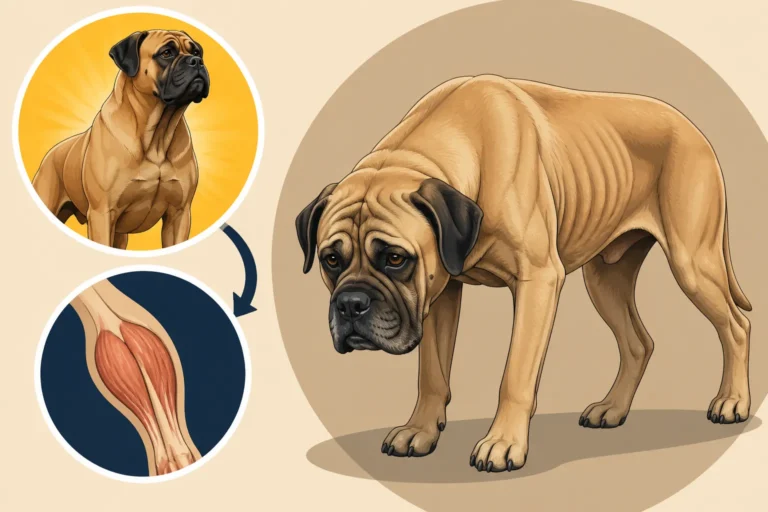
When your Bullmastiff comes out of sedation or anesthesia, you'll likely notice several common behaviors that are entirely normal and part of the recovery process. They will almost certainly be groggy, disoriented, and a bit wobbly on their feet. Imagine how you feel waking up from a deep sleep after taking a strong medication – it’s similar for them. They might stumble, lean against walls, or even fall over if they try to move too quickly. Their eyes might appear glazed, and their pupils might be dilated.
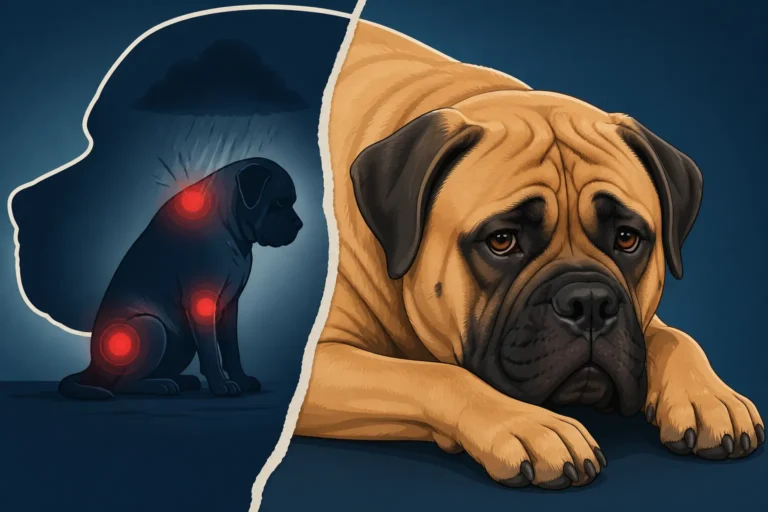
You might also observe changes in their vocalizations. Some Bullmastiffs will whine, whimper, or even bark softly as they come to, not necessarily out of pain, but due to confusion or dysphoria (a state of unease or generalized dissatisfaction). Their body temperature can also be a bit low, as anesthesia depresses the body's thermoregulatory mechanisms. Your vet clinic will have kept them warm, but continuing to monitor this at home is important. They might also shiver, which can be a combination of being cold and the body's natural response to drugs wearing off. It's common for them to have a decreased appetite or even mild nausea immediately after the procedure, so don't be surprised if they're not interested in their dinner right away. This phase typically lasts several hours, gradually improving as the medications fully wear off. Providing a quiet, comfortable space where they can rest undisturbed is key to a smooth recovery.
Specific Risks Due to Breed Characteristics
While general post-sedation behaviors apply to all dogs, Bullmastiffs face specific, heightened risks because of their unique breed characteristics. Their brachycephalic airway, as mentioned earlier, makes them more susceptible to respiratory complications. The relaxed muscles from sedatives can cause their soft palate to obstruct their airway, leading to labored breathing or even a temporary cessation of breathing. This is why careful intubation and close monitoring of oxygen levels are vital during and immediately after anesthesia. Many owners worry, "Whether a Bullmastiff Tolerates Anesthesia," and while they can, it requires a specialized approach.
Another significant concern is their cardiovascular health. Bullmastiffs can be predisposed to heart conditions such as Subaortic Stenosis Is There Before a Bullmastiff's First Birthday. If undetected, these conditions can be exacerbated by the cardiovascular effects of anesthetic drugs, leading to arrhythmias or even heart failure. This underscores the importance of a thorough pre-anesthetic cardiac workup, including listening for heart murmurs and potentially recommending an echocardiogram if a murmur is present. Bloat, or Gastric Dilatation-Volvulus (GDV), is also a terrifying risk for deep-chested breeds like Bullmastiffs. While not directly caused by sedation, the stress, fasting, and changes in gastric motility associated with a procedure could theoretically contribute to its development, albeit rarely. Vigilance for signs of bloat in the recovery period, such as unproductive retching, distended abdomen, or restlessness, is always wise for Bullmastiff owners.
Monitoring During and After Sedation
The importance of vigilant monitoring for a Bullmastiff during and after any sedative or anesthetic procedure cannot be overstated. During the procedure, your veterinary team will employ a suite of monitoring equipment. This typically includes pulse oximetry to measure oxygen saturation, capnography to monitor carbon dioxide levels in exhaled breath, an ECG to track heart rate and rhythm, and equipment to continuously measure blood pressure and body temperature. These parameters are crucial for assessing how well your Bullmastiff is tolerating the drugs and for making immediate adjustments if necessary. They will also manually check gum color, capillary refill time, and respiration rate, ensuring a comprehensive picture of your dog's vital signs.
Once your Bullmastiff is back home, your role in monitoring becomes paramount. Continue to observe their breathing closely – is it quiet and regular, or do you hear any snoring, snorting, or harsh sounds that suggest airway obstruction? Check their gum color; they should be pink, not pale or blue. Keep an eye on their energy levels and coordination. While some wobbliness is normal, extreme lethargy, inability to stand, or persistent disorientation after several hours warrants a call to your vet. Watch for any signs of discomfort or pain, such as excessive licking at the incision site, vocalizing, or refusing to settle. It's also important to ensure they pass urine and stool normally within 24 hours. Don't hesitate to reach out to your veterinary clinic with any concerns, no matter how small; they would rather you call than worry in silence.
| Observation | Normal Post-Sedation | Concerning Sign |
|---|---|---|
| Breathing | Slow, regular, quiet, occasional sigh | Loud snoring, gasping, harsh sounds, prolonged pauses, bluish gums |
| Consciousness/Alertness | Drowsy, groggy, somewhat disoriented, responsive to voice | Unresponsive, extreme lethargy, unable to be roused |
| Coordination | Wobbly, stumbling, leaning, difficulty standing/walking straight | Complete inability to stand, falling repeatedly, uncontrolled tremors |
| Appetite | Decreased interest in food/water for a few hours | Persistent refusal to eat/drink for more than 12-24 hours |
| Body Temperature | Slightly cool to the touch, mild shivering | Shivering uncontrollably, very cold body, excessively hot body |
| Vocalizations | Soft whimpers, groans, confusion barks | Persistent loud crying, yelping, signs of severe pain |
| Incisions/Wounds | Minor redness/swelling, small amount of clear discharge | Excessive bleeding, foul-smelling discharge, extreme swelling |
Preparing Your Bullmastiff for a Procedure
Preparation is absolutely key when your Bullmastiff is scheduled for a procedure involving sedation or anesthesia. It's not just about fasting them beforehand; it's about a holistic approach that ensures their underlying health is assessed, potential risks are mitigated, and both you and your veterinary team are fully on the same page. Taking these steps seriously can make a world of difference in the safety and outcome for your gentle giant.
Pre-Sedation Health Checks
A comprehensive pre-sedation health check is perhaps the single most critical step in ensuring your Bullmastiff's safety. This isn't just a formality; it's a vital diagnostic phase. Your vet will perform a thorough physical examination, listening carefully to their heart and lungs, checking their gum color, and assessing their overall body condition. This is when potential issues, like an undetected heart murmur or respiratory irregularities, can be flagged. If a heart murmur is heard, your vet might recommend a cardiac consultation, including an echocardiogram to get a clearer picture of What Subaortic Stenosis Does to a Bullmastiff or other potential heart issues. Understanding The Age Subaortic Stenosis Is Found in a Bullmastiff also helps inform these screenings.
Blood work is another non-negotiable component. A complete blood count (CBC) can reveal anemia, infection, or inflammation, while a chemistry panel assesses organ function, particularly the liver and kidneys, which are responsible for metabolizing and eliminating anesthetic drugs. If these organs aren't functioning optimally, specific drug choices or dosages may need to be adjusted. For older Bullmastiffs, or those with known health issues, additional tests like a urinalysis, thyroid panel (to check for Hypothyroidism in a Bullmastiff), or chest X-rays might be recommended. Think of it as building a detailed medical profile so your vet has all the information needed to tailor the safest possible anesthetic protocol for your individual Bullmastiff. These checks are a vital investment in their well-being, catching potential problems before they become crises.
Open Communication with Your Veterinarian
As your Bullmastiff's primary caregiver, you are their strongest advocate, and open communication with your veterinary team is essential. Don't ever hesitate to voice your concerns or ask questions about the upcoming procedure. Share every detail about your Bullmastiff's health history: any past reactions to medications, unusual behaviors, ongoing medical conditions, or even just what makes them anxious. For example, if your Bullmastiff is particularly stressed by car rides or clinic visits, discussing pre-visit calming medications might be an option.
Ask your vet to walk you through the entire process: what drugs they plan to use, how they will monitor your dog, and what potential risks they foresee specifically for your Bullmastiff. Inquire about pain management protocols, both during and after the procedure. Discuss your financial options, especially if unexpected complications arise, as veterinary care for large breeds can be costly. This is where pet insurance providers like Healthy Paws can be a lifesaver, helping to cover significant, unexpected medical expenses. Knowing you have a plan for comprehensive care, including the financial aspect, can bring immense peace of mind. A good veterinary team welcomes your questions and will take the time to explain everything thoroughly, ensuring you feel confident and informed throughout the entire process.
Managing Recovery and Post-Procedure Care
Bringing your Bullmastiff home after sedation or anesthesia can be a bit like bringing home a giant, confused puppy. While the immediate recovery at the clinic is critical, your role in managing their post-procedure care at home is equally important for a smooth and safe return to their normal self. This period requires patience, vigilance, and adherence to your vet's instructions.
Creating a Safe Recovery Space
Upon bringing your Bullmastiff home, the first priority is to create a quiet, comfortable, and safe recovery space. This should be a low-traffic area of your home, away from other pets, children, and excessive noise. Lay out soft, familiar bedding on the floor or in their crate if they are crate-trained. Remember, their coordination will be compromised, so elevated beds or areas they could fall from should be avoided. A large, orthopedic bed on the floor is ideal, providing support for their heavy joints while they are still wobbly.
Keep their water bowl close by, but offer small amounts at a time to prevent gulping, which could lead to nausea or bloat. Similarly, if your vet approves food, offer a small, bland meal a few hours after they've been home and appear more alert. Ensure the temperature in the room is comfortable – not too hot to exacerbate their brachycephalic breathing difficulties, and not too cold given potential post-anesthetic hypothermia. You might need to help them get outside for potty breaks, using a sturdy harness to provide support if they're still very unsteady. The goal is to minimize any need for them to exert themselves or navigate obstacles while they are recovering.
Recognizing and Responding to Adverse Reactions
Even with the best preparation, occasionally a Bullmastiff might have an adverse reaction to sedation or develop complications during recovery. Knowing what to look for and when to act is crucial. Beyond the normal grogginess, keep an eye out for signs that something more serious is happening. Persistent vomiting or diarrhea, especially if severe or bloody, is a red flag. Extreme lethargy where your Bullmastiff cannot be roused, or if they seem weaker rather than stronger after several hours, should prompt a call to your vet.
Respiratory distress is a particular concern for Bullmastiffs. Watch for very labored breathing, blue or pale gums, exaggerated chest movements, loud gurgling or gasping sounds, or if they seem to be struggling to get enough air. These are emergencies that require immediate veterinary attention. Similarly, if they develop severe swelling at the incision site, continuous bleeding, or if they are in obvious, unmanageable pain despite prescribed medication, contact your clinic. Don't second-guess yourself if you feel something isn't right. Trust your instincts as a Bullmastiff owner. Have your vet's emergency number readily available, and be prepared to return to the clinic promptly if needed. Early intervention can make all the difference in managing complications and ensuring a positive outcome for your cherished companion.
Disclaimer
This article is intended for informational purposes only and does not constitute veterinary advice. Always consult with a qualified veterinarian for any health concerns or before making any decisions about your Bullmastiff's medical care, including sedation and anesthesia protocols. Individual reactions can vary, and your vet is the best resource for personalized guidance.