Whether Surgery Helps a Bullmastiff’s Stenosis
Receiving a diagnosis of subaortic stenosis in your beloved Bullmastiff can feel like a punch to the gut. The immediate reaction for many of us is a desperate search for a solution, a way to "fix" their precious heart, and often, surgery comes to mind as the ultimate answer. However, the reality for our giant, sensitive companions is far more nuanced, and understanding the options—or lack thereof—is crucial. This guide will deeply explore whether surgery truly helps a Bullmastiff with subaortic stenosis and what that really means for you and your dog.
Understanding the Challenge of Subaortic Stenosis in Bullmastiffs
When you first hear "subaortic stenosis," it's natural to feel a wave of confusion mixed with fear. This isn't just a simple cough or a limping leg; it's a fundamental issue with your Bullmastiff's heart, and it's something many of us wish we understood better from the start.
What Subaortic Stenosis Means for Your Bullmastiff's Heart
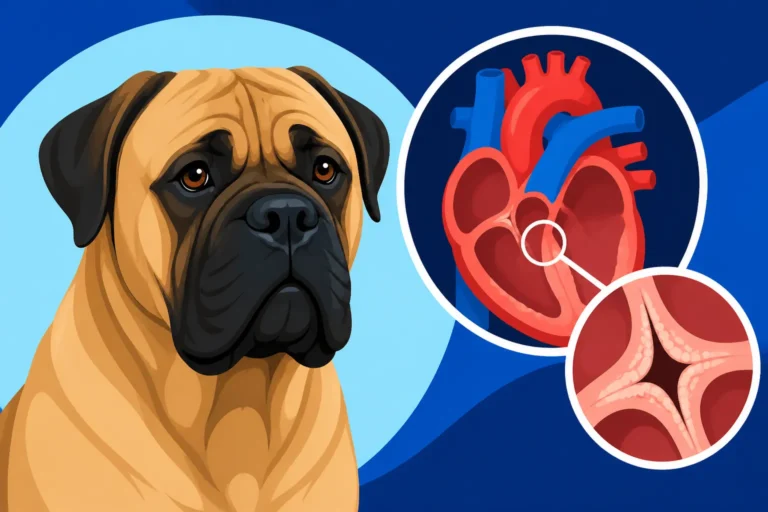
Subaortic stenosis (SAS) is a congenital heart defect, meaning it's something your Bullmastiff is born with, even if symptoms don't show up immediately. In simple terms, it's a narrowing of the outflow tract from the left ventricle, which is the main pumping chamber of the heart, into the aorta, the body's largest artery. Imagine trying to push a lot of water through a hose that's suddenly constricted right at the nozzle – it takes much more effort. That's essentially what your Bullmastiff's heart is doing every single beat.
For Bullmastiffs, this narrowing is typically caused by a fibrous ring of tissue located just below the aortic valve. This tissue acts like a dam, forcing the heart to work harder to pump blood past the obstruction. Over time, this increased workload causes the left ventricle muscle to thicken, a condition called left ventricular hypertrophy. While this might sound like the heart is getting "stronger," it actually means the muscle becomes stiff, less efficient, and more prone to electrical abnormalities, which can lead to fainting, sudden collapse, or even sudden death. Bullmastiffs are one of the breeds with a significant genetic predisposition to this condition, making it a heartbreakingly common concern. It's important for owners to remember that Subaortic Stenosis Is There Before a Bullmastiff's First Birthday, making early detection critical. The unfortunate truth is that for many Bullmastiffs, What Subaortic Stenosis Does to a Bullmastiff can be severe, significantly impacting their quality of life and longevity.
Why Open-Heart Surgery is Rarely a Go-To Solution
When we think of heart problems in humans, surgery often comes to mind as a viable, even routine, solution. For our Bullmastiffs, however, the landscape of cardiac surgery, especially for SAS, is vastly different and far more limited. It's a hard pill to swallow, especially when you're desperate to give your dog every chance.
The primary reason open-heart surgery for SAS is rarely recommended for Bullmastiffs, or indeed most dogs, boils down to several critical factors. Firstly, the surgical techniques required are incredibly complex and invasive. Canine cardiac surgery, particularly for congenital defects, isn't as advanced or widely available as human cardiology. Performing intricate repairs on a dog's heart involves specialized equipment, highly trained veterinary cardiologists and surgeons, and dedicated intensive care units, which are only found at a handful of university veterinary teaching hospitals or large specialty referral centers. The logistics alone make it challenging.
Secondly, and perhaps most crucially for our big, stoic Bullmastiffs, are the risks. Their massive size means higher anesthesia risks, and when you combine that with an already compromised heart, the danger escalates significantly. Owners often worry about Whether a Bullmastiff Tolerates Anesthesia even for routine procedures, let alone open-heart surgery. The recovery period is extensive, painful, and requires round-the-clock monitoring, which most owners simply aren't equipped to provide at home. The chance of complications, from infection to arrhythmias or heart failure, is very high. Given these immense hurdles and the often unsatisfactory long-term outcomes for complex cardiac surgeries in dogs, most veterinary cardiologists will focus on medical management to provide the best possible quality of life.
Exploring Limited Surgical Interventions
While traditional open-heart surgery remains an almost mythical option for most dog owners, there is one less invasive procedure that sometimes gets discussed: balloon valvuloplasty. It's important to understand what this procedure entails and, more importantly, its realistic limitations for a Bullmastiff.
Balloon Valvuloplasty: A Closer Look
Balloon valvuloplasty is a minimally invasive procedure designed to alleviate the narrowing caused by subaortic stenosis. It's not a cure, but rather an attempt to improve blood flow and reduce the heart's workload. Imagine a cardiologist threading a tiny catheter through a blood vessel, typically in the leg, all the way to your Bullmastiff's heart. Once the catheter reaches the narrowed area beneath the aortic valve, a small balloon at its tip is inflated. The goal is for the balloon to stretch or rupture the fibrous ring, widening the opening and allowing blood to flow more freely.
The hope behind this procedure is to reduce the pressure gradient—the difference in pressure above and below the obstruction—which can ease the strain on the heart and potentially delay the progression of heart muscle thickening. However, the efficacy of balloon valvuloplasty in Bullmastiffs with SAS can be quite variable. Many Bullmastiffs have a very thick, fibrous, and often extensive ring of tissue causing the obstruction. This type of obstruction is notoriously difficult to successfully dilate with a balloon. The tissue might be too tough, or it could simply reform and narrow again after the procedure, sometimes within months. Risks also include potential damage to the aortic valve, rupture of the aorta, or triggering life-threatening arrhythmias during or immediately after the procedure. It's a procedure typically only performed by highly specialized veterinary cardiologists at advanced referral centers, and even then, it's often considered only for specific cases where the anatomy of the stenosis is deemed favorable. It's definitely not a magic bullet, and the results can be heartbreakingly short-lived for some.
The Extreme Rarity of Traditional Open-Heart Surgery
Let's be unequivocally clear: traditional open-heart surgery, where a dog's chest is opened, the heart is stopped, and a heart-lung machine takes over circulation while a surgeon directly removes or repairs the obstruction causing SAS, is an incredibly rare, almost non-existent, option for Bullmastiffs or any canine with subaortic stenosis.
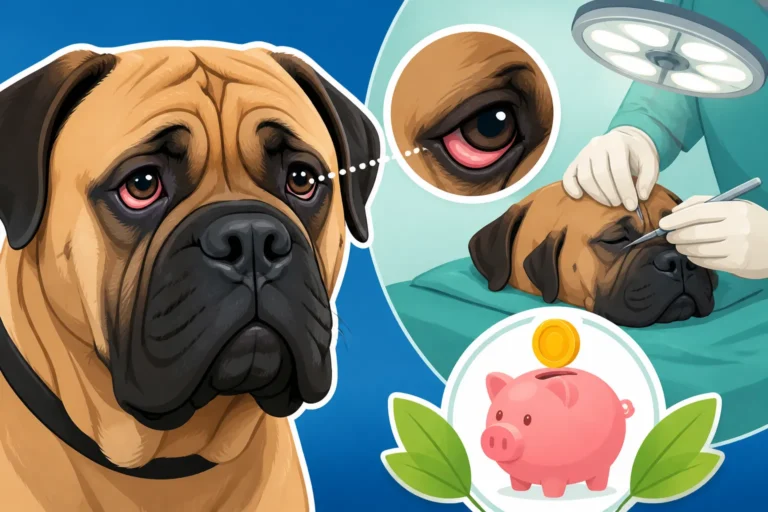
The reasons for this extreme rarity are manifold and crucial for owners to grasp. First, the surgical expertise and infrastructure required for such a procedure are monumental. These operations are usually reserved for highly complex research settings or truly experimental trials, not routine clinical practice. Second, the cost would be astronomical, easily running into tens of thousands of dollars, making it financially inaccessible for the vast majority of pet owners. Third, the post-operative care is intensely demanding, requiring continuous monitoring in a specialized intensive care unit, which can be even more expensive and difficult to maintain than the surgery itself.
Beyond the logistical and financial hurdles, the inherent risks to the animal are immense. A Bullmastiff undergoing such an invasive procedure, already dealing with a heart defect, faces significant challenges with blood pressure regulation, potential for blood clots, infection, and critical cardiac complications. For a breed that already requires careful consideration regarding anesthesia, the thought of such a prolonged and invasive surgery is daunting. The ethical considerations also come into play: is putting a dog through such an arduous and risky process, with uncertain long-term benefits, truly in their best interest for quality of life? Most veterinary cardiologists will advise that the risks and challenges far outweigh any potential benefits, directing efforts instead towards effective medical and palliative care.
The Reality of Long-Term Management and Support
For the vast majority of Bullmastiffs diagnosed with subaortic stenosis, the path forward isn't surgical intervention. Instead, it's a journey of careful medical management, dedicated home care, and a commitment to maximizing their quality of life for as long as possible. This approach, while less dramatic than surgery, is often the most compassionate and effective way to manage this challenging condition.
Prioritizing Medical Management and Quality of Life
When surgery isn't a viable option, it doesn't mean there's nothing that can be done. Far from it! Medical management becomes the cornerstone of care for a Bullmastiff with SAS. The primary goal is to reduce the workload on the heart, minimize symptoms, and prevent complications as much as possible. This typically involves specific medications and lifestyle adjustments tailored to your dog's individual needs and the severity of their condition.
One of the most common medications prescribed are beta-blockers, such as atenolol. These drugs work by slowing the heart rate and reducing the force of the heart's contractions, thereby decreasing the oxygen demand of the heart muscle and helping to prevent arrhythmias. Your veterinarian will carefully determine Which Medication a Bullmastiff With Stenosis Takes and the appropriate dosage. Sometimes, other medications like ACE inhibitors might be used to help manage blood pressure or reduce fluid retention, depending on whether the SAS has led to secondary issues like congestive heart failure. It's crucial to administer these medications exactly as prescribed and to never stop them suddenly without veterinary guidance.
Beyond medication, lifestyle adjustments are paramount. Moderate, consistent exercise is generally recommended, avoiding bursts of intense activity or highly strenuous play that could overtax the heart. You'll want to avoid situations that cause extreme excitement or stress. Keeping your Bullmastiff lean is also critical, as excess weight puts additional strain on the heart. Regular veterinary check-ups are non-negotiable, typically involving physical exams and repeat echocardiograms to monitor the heart's condition and adjust medication as needed. It's often recommended to recheck the heart yearly, or even more frequently, to stay on top of any changes. The first sign you might have noticed was a Signs a Bullmastiff Has a Heart Murmur, which is why Why a Bullmastiff Puppy Needs a Cardiac Exam is so vital. This comprehensive approach helps to extend a Bullmastiff's lifespan and, more importantly, ensures their remaining years are comfortable and full of joy.
Financial and Emotional Considerations for Owners
Living with a Bullmastiff diagnosed with subaortic stenosis involves significant financial and emotional considerations that every owner must confront. The desire to provide the best care often clashes with the reality of veterinary costs and the emotional toll of managing a chronic, potentially life-limiting, condition.
Financially, even without surgery, the costs can add up quickly. Regular cardiology appointments, specialized echocardiograms (which can be several hundred dollars each time), and lifelong medications represent a substantial ongoing expense. For example, monthly beta-blockers for a large Bullmastiff can range from $50 to $150 or more, depending on the dosage and specific drug. When you consider What a Cardiac Exam Costs for a Bullmastiff, including initial diagnostics and follow-ups, the numbers can be daunting.
This is where pet insurance can be a lifeline, but it's important to understand its limitations for congenital conditions like SAS. While many providers, like Healthy Paws, offer comprehensive coverage, it's absolutely critical to enroll your Bullmastiff in a policy before any signs of a heart murmur are detected or a diagnosis of SAS is made. Most pet insurance policies consider congenital conditions that are already present or diagnosed (even if asymptomatic) as "pre-existing conditions," which are typically excluded from coverage. This means if you get a diagnosis first and then try to get insurance, the costs associated with SAS likely won't be covered. Always read the fine print of any policy to understand what it covers regarding congenital and hereditary conditions. Planning ahead is key when it comes to What Insurance Covers on a Bullmastiff for conditions like SAS.
Emotionally, it's a heavy burden. You want to do everything for your gentle giant, and the thought that a part of them is "broken" can be heartbreaking. There's often guilt, even though you couldn't have prevented a genetic condition. It's okay to feel overwhelmed, sad, or even angry. Connecting with other Bullmastiff owners or support groups can provide invaluable emotional support and practical advice. Remember, providing comfort, love, and attentive medical care through your trusted veterinarian is the greatest gift you can give your Bullmastiff, allowing them to live as full a life as possible, even with the challenges of SAS. It's a journey focused on quality, even if the quantity of years is uncertain. While Whether a Bullmastiff With Mild Stenosis Lives Normally is possible for some, for others, the impact is significant, and understanding your dog's specific prognosis is vital. Furthermore, understanding Why a Bullmastiff With Severe Stenosis Collapses can help you prepare for and respond to emergencies.
Comparison of Treatment Approaches for Bullmastiff Subaortic Stenosis
To help visualize the primary differences between the limited surgical and the more common medical approaches for managing Subaortic Stenosis in Bullmastiffs, here's a comparative table. This should clarify why medical management is almost always the chosen path for our beloved heavyweights.
| Feature | Balloon Valvuloplasty (Limited Surgical) | Medical Management (Primary Approach) |
|---|---|---|
| Goal | Alleviate obstruction, reduce pressure gradient (not a cure) | Reduce heart's workload, control symptoms, improve quality of life |
| Invasiveness | Minimally invasive (catheter-based) | Non-invasive (oral medications, lifestyle changes) |
| Availability | Very limited (specialized cardiology centers only) | Widely available (general veterinary practice with cardiology consults) |
| Risks | Anesthesia, artery damage, arrhythmias, recurrence of narrowing, complications | Side effects from medications (usually manageable), disease progression |
| Cost | Extremely high (thousands to tens of thousands per procedure) | Significant ongoing (medications, regular vet/cardiology visits) |
| Efficacy | Variable, often temporary, less effective for fibrous obstructions | Good for symptom management, can significantly extend and improve life |
| Recovery | Requires close monitoring post-procedure, potential for complications | No specific "recovery" period, ongoing adjustments to routine |
| Bullmastiff Specific | Higher anesthesia risks due to size, often challenging fibrous anatomy to dilate | Well-suited; focuses on comfort and systemic support |
| Long-term Outlook | May offer temporary improvement; scar tissue can reform; risk of complications | Focus on stable quality of life; regular monitoring is essential |
| Insurance Coverage | Highly dependent on policy, often excluded if congenital/pre-existing | Dependent on policy, often excluded if congenital/pre-existing (enroll early!) |
Disclaimer
The information provided in this article is for educational and informational purposes only and does not constitute veterinary medical advice. Always consult with a qualified veterinarian or a board-certified veterinary cardiologist for any health concerns or before making any decisions about your Bullmastiff's care. Every dog's condition is unique, and personalized medical advice is essential.