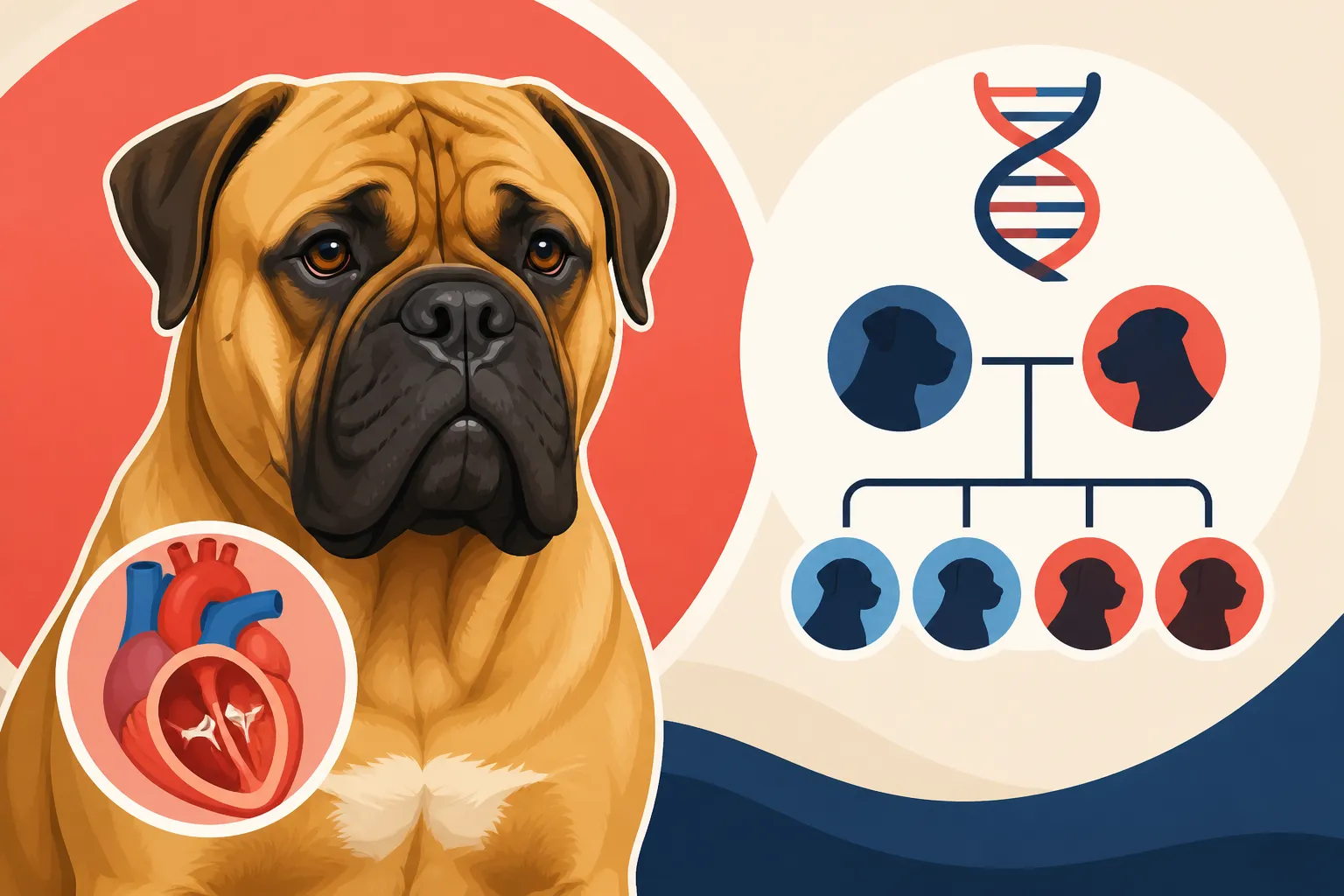
How Subaortic Stenosis Is Inherited in Bullmastiffs
It's a gut-wrenching moment when your beloved Bullmastiff receives a diagnosis like Subaortic Stenosis. The worry about their health is immense, but often, a major question looms: how did this happen? For many Bullmastiff owners, understanding how Subaortic Stenosis is inherited in Bullmastiffs isn't just about curiosity; it's about navigating their dog's future and making informed decisions for the breed they love. This guide will delve deep into the genetic complexities of SAS, shedding light on its inheritance patterns and what it means for your furry family member.
Understanding Subaortic Stenosis in Bullmastiffs
Subaortic Stenosis, often abbreviated as SAS, is a congenital heart defect that strikes fear into the hearts of many Bullmastiff owners and breeders. It's not something that develops later in life due to diet or environment, but rather something a puppy is born with, often inherited from its parents. The reality is, if you have a Bullmastiff, understanding this condition is incredibly important.
What is Subaortic Stenosis?
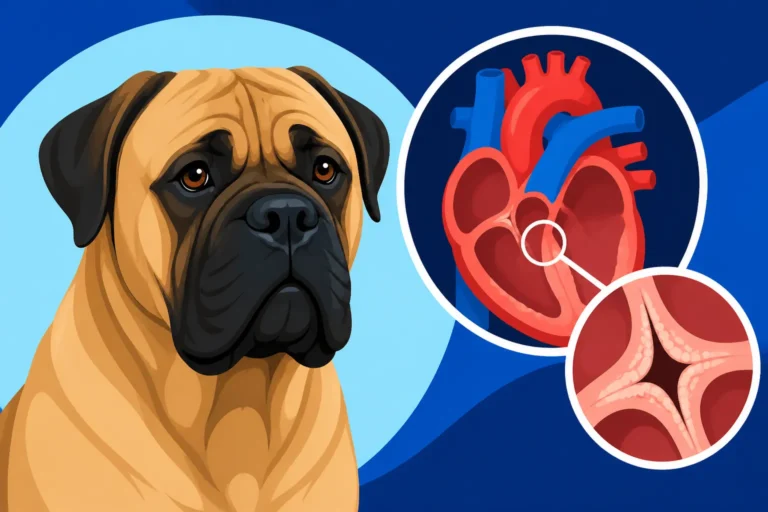
At its core, Subaortic Stenosis is a narrowing (stenosis) of the outflow tract from the left ventricle of the heart, just below the aortic valve. Imagine a hose with a kink in it – the water still flows, but the pressure builds up behind the kink, and the flow beyond it is restricted. That's essentially what happens with SAS. The left ventricle has to work much harder to pump blood through this narrowed opening into the aorta, which is the main artery carrying oxygenated blood to the rest of the body. This increased workload causes the heart muscle to thicken (left ventricular hypertrophy) over time, a compensatory mechanism that eventually becomes detrimental.
The severity of SAS can vary wildly. Some Bullmastiffs might have a very mild narrowing that barely impacts their daily life and may only be detectable through careful screening. Others can have severe obstructions that lead to significant health issues, including exercise intolerance, fainting, and even sudden death at a young age. It's a spectrum, and where your dog falls on that spectrum can dictate their prognosis and quality of life. Owners often wonder exactly What Subaortic Stenosis Does to a Bullmastiff and how quickly it can progress.
Why Bullmastiffs Are Prone to SAS
The unfortunate truth is that Bullmastiffs are one of the breeds statistically predisposed to Subaortic Stenosis. This isn't a random roll of the dice; it points directly to a genetic component within the breed itself. While many breeds can suffer from various heart conditions, SAS shows a notable prevalence in Bullmastiffs, as well as in other large breeds like Newfoundlands, Golden Retrievers, and Boxers. This breed-specific susceptibility suggests that the genes responsible for producing the structures around the aortic valve have a higher chance of carrying mutations or combinations of genes that lead to this defect.
It's a frustrating reality for breeders who strive to produce healthy puppies, and for owners who fall in love with these gentle giants only to face a devastating diagnosis. The fact that the Bullmastiff's unique genetic makeup contributes to this heightened risk underscores the critical need for responsible breeding practices and thorough health screening. Knowing this predisposition helps responsible owners understand Why a Bullmastiff Puppy Needs a Cardiac Exam even if they seem perfectly healthy.
The Genetic Basis of SAS Inheritance
Understanding how Subaortic Stenosis passes down through Bullmastiff generations is crucial for both current owners and future puppy parents. It's not always a simple "dominant or recessive" trait, which makes tackling it a complex challenge for the breed.
Unpacking the Mode of Inheritance
While research is ongoing and the exact genetic mechanism can be quite intricate, Subaortic Stenosis in Bullmastiffs is generally believed to have a polygenic mode of inheritance. What does "polygenic" mean? It means that multiple genes, rather than just one, contribute to the expression of the trait. Think of it like a recipe with many ingredients; some ingredients might be major, others minor, but all contribute to the final dish. This contrasts with simple Mendelian traits where one gene determines everything. This complexity is one of the reasons it's so challenging to eradicate SAS from a breed.
In a polygenic scenario, a Bullmastiff might inherit several "risk genes" from one parent and more from the other, eventually accumulating enough genetic predisposition to develop SAS. Even a dog with seemingly healthy parents could develop the condition if both parents carry some of these underlying risk genes. This also explains why some dogs with mild SAS can produce offspring with severe SAS, and vice-versa. Environmental factors during development might also play a small role, but the primary driver is genetic. This makes tracking and managing the condition through breeding extremely difficult, and it's why genetic tests for complex conditions are still largely elusive.
| Inheritance Pattern | Description | Relevance to SAS | Implications for Breeding |
|---|---|---|---|
| Autosomal Dominant | Only one copy of a faulty gene from either parent is needed to express the trait. | Unlikely for typical SAS in Bullmastiffs, as mild cases can have affected offspring. | If applicable, affected dogs would be easily identifiable and removed from breeding. |
| Autosomal Recessive | Two copies of a faulty gene (one from each parent) are needed for the trait to be expressed. Carriers show no symptoms. | Possible for some specific forms, but not the primary model for Bullmastiffs due to variability. | Requires genetic testing for carriers, otherwise, affected pups appear unexpectedly from two clear carriers. |
| Polygenic / Complex | Multiple genes interact, potentially with environmental factors, to determine the trait. | Most accepted model for SAS in Bullmastiffs. | Highly challenging; screening entire litters and parents is crucial. No single "gene test" will cover it. |
| Sex-Linked | Gene is located on a sex chromosome (X or Y). | No evidence to suggest this for Bullmastiff SAS. | Would see different prevalence rates between male and female dogs. |
The Role of Breeding Programs in Managing SAS
Given the polygenic nature of SAS, responsible Bullmastiff breeding programs are the front line of defense against its proliferation. Breeders who are committed to the health of the breed understand the importance of comprehensive cardiac screening for all potential breeding animals. This typically involves an echocardiogram performed by a board-certified veterinary cardiologist, often starting when the dog is around one year of age, sometimes even earlier for initial screenings in puppies. A cardiologist can assess the heart's structure and function, measure blood flow velocity, and detect any signs of subaortic narrowing. For instance, reputable breeders understand Which Health Tests a Bullmastiff Breeder Should Run and that cardiac screening is non-negotiable.
The results of these screenings help breeders make informed decisions. Dogs with moderate to severe SAS should absolutely not be bred, as they are likely to pass on the predisposition to their offspring. Dogs with mild SAS also present a dilemma; while they might live relatively normal lives, their genetic contribution to the condition could still be significant. Many ethical breeders choose to err on the side of caution and exclude even mildly affected dogs from their breeding programs. This is where transparency and integrity come into play, as breeders must be open about their dogs' health history and screening results. If you are looking for a puppy, make sure you are Finding a Bullmastiff Breeder Who Screens Hearts.
Navigating a Diagnosis and Its Implications
Receiving an SAS diagnosis for your Bullmastiff can be overwhelming. Knowing what to expect and how to manage the condition effectively is key to ensuring your dog has the best possible quality of life.
Screening and Early Detection
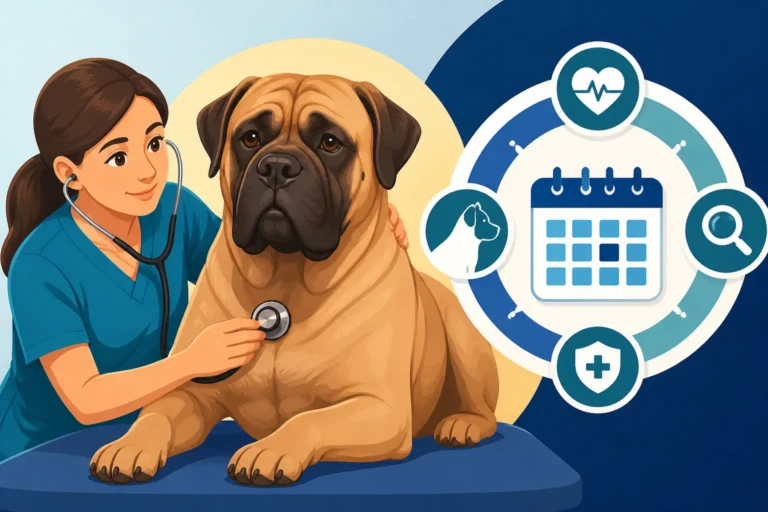
Early detection of SAS can genuinely make a difference. It all starts with your veterinarian listening for a heart murmur during routine check-ups. Signs a Bullmastiff Has a Heart Murmur can sometimes be subtle, but a vet skilled in large breeds will pay close attention. If a murmur is detected, especially in a young Bullmastiff puppy, further investigation is warranted. This is when a referral to a veterinary cardiologist for an echocardiogram becomes essential. An echocardiogram, essentially an ultrasound of the heart, is the gold standard for diagnosing SAS. It allows the cardiologist to visualize the heart's structures, assess the severity of the obstruction, and determine the prognosis.
The age at which SAS is typically found varies, but often The Age Subaortic Stenosis Is Found in a Bullmastiff is within the first year of life. Puppies with severe SAS may show signs earlier, while those with milder forms might not have their murmur noticed until later check-ups. Given the breed's predisposition, it’s advisable for all Bullmastiff puppies to have a cardiac exam by a cardiologist, ideally around 12-16 weeks of age, and then again between 6-12 months, to catch any issues as early as possible. Remember, What a Cardiac Exam Costs for a Bullmastiff is an investment in their long-term health. When you consider the costs involved in these specialized screenings, or potential treatments down the line, having comprehensive pet insurance like Healthy Paws can provide immense peace of mind.
Living with a Bullmastiff Affected by SAS
A diagnosis of SAS doesn't necessarily mean the end of a good life for your Bullmastiff. Many dogs with mild to moderate SAS can live relatively normal, happy lives with appropriate management. The key is to work closely with your veterinary cardiologist to develop a tailored care plan. This might include activity restrictions to prevent overexertion, particularly for dogs with more severe narrowing. For example, high-intensity exercise or prolonged strenuous activity might need to be limited to avoid sudden collapse or cardiac events. Medication may also be prescribed, often beta-blockers, to help reduce the heart's workload and improve blood flow. Understanding Which Medication a Bullmastiff With Stenosis Takes is part of responsible ownership.
Regular follow-up appointments and echocardiograms are vital to monitor the progression of the disease and adjust treatment as needed. It's a journey that requires vigilance and dedication, but your Bullmastiff is worth every effort. While surgery for SAS is an option in some cases, it's complex and not always suitable for every dog, particularly given the breed's size. For owners of Bullmastiffs with SAS, ensuring they have consistent veterinary care and monitoring is paramount, and considering how substantial these costs can be, a robust pet insurance plan like those offered by Healthy Paws can really make a difference in your ability to afford the best care. It's important to keep up with annual check-ups to assess their heart health, so asking Whether a Bullmastiff's Heart Should Be Rechecked Yearly is a good practice.
Ethical Considerations for Bullmastiff Breeders
For those dedicated to the Bullmastiff breed, the inheritance of SAS presents significant ethical responsibilities. The choices breeders make today impact the health of future generations.
Making Informed Breeding Decisions
The polygenic nature of SAS means that eliminating it entirely from the Bullmastiff gene pool is an enormous, perhaps impossible, task in the short term. However, breeders can make substantial progress by diligently screening their breeding stock and making informed decisions. This means not just screening the sire and dam, but also looking at the health history of their ancestors and littermates. A good breeder will be transparent about the health outcomes of previous litters and the presence of SAS in their lines. It's a commitment to long-term breed health over short-term gains.
Even if a potential breeding dog has a "clear" echocardiogram, if it comes from lines with a high incidence of SAS, an ethical breeder might think twice or choose to breed to a dog from lines with a very low incidence to help dilute the genetic predisposition. The goal is to reduce the frequency of the risk genes in the population without drastically reducing genetic diversity, which can lead to other health problems. This often means making tough decisions, but it's crucial for the future well-being of the breed. Ultimately, a breeder must weigh the risks and consider Whether a Bullmastiff With Stenosis Should Be Bred very carefully, even if the case is mild.
Supporting Research and Transparency
The fight against inherited diseases like SAS also relies heavily on ongoing research. Breeders can contribute by participating in studies, submitting DNA samples, and sharing health data with breed clubs and researchers. The more data that's collected, the better scientists can understand the specific genes involved and potentially develop more accurate genetic tests in the future. Organizations like the Orthopedic Foundation for Animals (OFA) maintain public databases for health clearances, including cardiac evaluations. Encouraging breeders to register their results, whether clear or affected, contributes to a larger picture that can benefit the entire breed.
Transparency within the breeding community is paramount. Breeders who openly discuss health challenges in their lines, even when it's difficult, foster an environment of trust and collective improvement. This collaborative approach, coupled with rigorous screening and informed breeding choices, offers the best hope for reducing the incidence and severity of Subaortic Stenosis in future generations of Bullmastiffs. When researching a puppy, inquire about the breeder's screening process and ask for proof of cardiac evaluations for both parents, understanding that sometimes even the most careful breeders might encounter challenges due to the complex inheritance patterns. It's part of the ongoing dedication to improve the health and lifespan of this magnificent breed.
Disclaimer
This article is intended for informational purposes only and does not constitute veterinary advice. Always consult with a qualified veterinarian or a board-certified veterinary cardiologist for any health concerns or before making any decisions about your Bullmastiff's care, treatment, or breeding. Medical information changes rapidly, and while we strive for accuracy, individual cases may vary.