Whether Lymphoma Runs in Bullmastiff Lines
It's an agonizing question that weighs heavily on the hearts of anyone who loves a Bullmastiff: does lymphoma, this devastating cancer that claims too many of our beloved giants, run in their lines? This isn't just a clinical query; it's a deeply personal one, hitting at the core of our hopes for a long, healthy life for our dogs. We worry about what we can control, and what might be an invisible, genetic ticking clock. This guide delves into the current understanding of lymphoma's inheritance in Bullmastiffs, offering insight into this complex and often heartbreaking issue.
The Haunting Shadow of Lymphoma in Bullmastiffs
For Bullmastiff owners, the word "lymphoma" often brings a cold dread. It's a disease that strikes far too frequently within the breed, cutting short lives and leaving families devastated. You hear stories, you see posts in breed groups, and sometimes, you face it yourself. It feels like an ever-present threat, one that sets Bullmastiffs apart from many other breeds in its sheer prevalence.
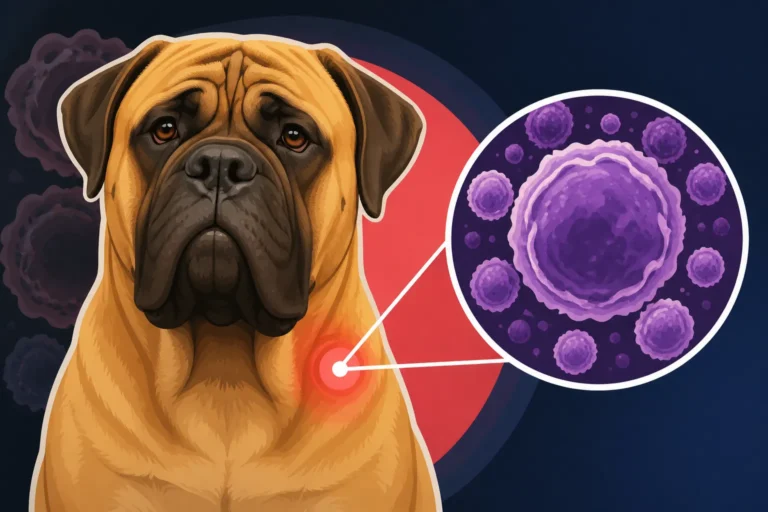
Lymphoma is a cancer of the lymphatic system, which is part of the immune system. It can manifest in various ways, but most commonly, it involves the enlargement of lymph nodes, often found in the neck, armpits, or groin. The insidious nature of lymphoma is that it can progress rapidly, and by the time symptoms become obvious, it might be quite advanced. Many owners grapple with the painful reality that Lymphoma Kills More Bullmastiffs Than Anything Else, making it a top health concern. It's not just a general cancer risk; it's a specific, aggressive form of cancer that Bullmastiffs seem particularly susceptible to. We know that Why a Bullmastiff's Lymphoma Risk Is Five Times a Mixed Breed's compared to many other dogs, a statistic that underscores the breed's unique vulnerability. This elevated risk naturally leads to questions about its roots, especially whether it's something passed down through generations.
Decoding the Genetic Puzzle of Bullmastiff Lymphoma
When we ask if lymphoma "runs in lines," we're essentially asking about inheritance. Is there a specific gene, or a set of genes, that Bullmastiffs inherit that makes them more prone to this cancer? The answer, as with many complex diseases, isn't a simple yes or no.
The Complexity of Canine Cancer Genetics
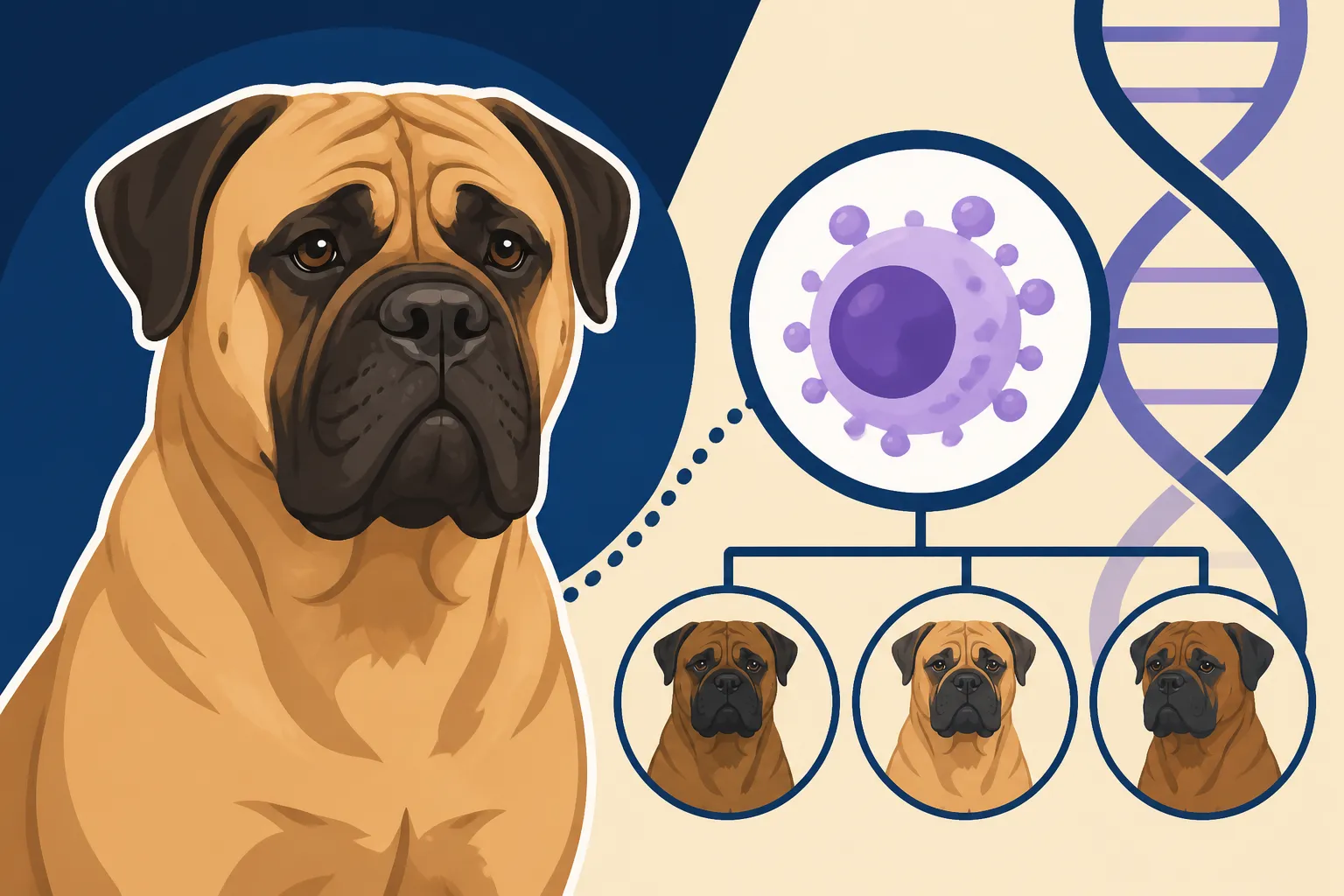
Unlike some genetic conditions caused by a single, identifiable gene mutation, most cancers, including lymphoma in Bullmastiffs, are believed to be "polygenic." This means they result from a combination of multiple genes interacting with each other, as well as with environmental factors. Think of it like a recipe: it's not just one ingredient that makes the cake, but a combination of flour, sugar, eggs, and butter, along with the baking temperature and time. Similarly, a dog's genetic predisposition might be one "ingredient," but diet, exposure to toxins, viral infections, and even stress could be other ingredients contributing to the development of cancer. This makes it incredibly challenging to pinpoint a single "lymphoma gene" or predict with certainty which individuals will develop the disease. Sadly, for those looking for a clear genetic test, the reality is that Whether a Genetic Test for Bullmastiff Lymphoma Exists in a definitive, breed-specific way is still largely theoretical and not yet available to the public.
Evidence from Pedigrees and Anecdotal Observation
Despite the lack of a simple genetic test, anyone involved in the Bullmastiff world will tell you that certain lines do seem to have a higher incidence of lymphoma. Breeders and long-time owners often observe that dogs from particular pedigrees develop the disease, sometimes across multiple generations or in multiple littermates. This anecdotal evidence, while not scientific proof of a single inherited gene, is incredibly powerful and strongly suggests a genetic component, even if it's complex. If you've been around the breed for a while, you've likely heard hushed conversations about "cancer lines" or specific kennels where the incidence seems higher. These observations are not baseless; they come from real experiences and losses. The problem is that without robust, large-scale scientific studies and consistent, transparent health reporting across the breed, these patterns remain largely anecdotal, making it hard to develop precise breeding strategies to avoid it.
Environmental Factors and Their Role
It's also crucial to remember that genetics don't operate in a vacuum. Even if a Bullmastiff inherits a predisposition, environmental factors play a significant role. These can include:
- Diet: The quality of food, potential exposure to carcinogens in food ingredients or storage.
- Chemical Exposure: Pesticides, herbicides, household cleaners, and even certain flea and tick treatments.
- Lifestyle: Chronic stress, lack of exercise, or exposure to polluted environments.
- Infections: Certain viral infections have been linked to lymphoma in other species, and research continues in dogs.
For example, a Bullmastiff with a genetic predisposition living in an environment with high chemical exposure might be at a greater risk than a genetically similar dog living in a pristine, low-exposure environment. Understanding this interplay highlights why prevention isn't just about genes, but about holistic care.
Empowering Breeders: Transparency and Responsible Choices
Given the genetic predisposition and the lack of a simple test, what steps can responsible Bullmastiff breeders take to minimize the risk of lymphoma in their lines? It's a challenging ethical and practical dilemma, but transparency and careful selection are paramount.
Tracking Health in Pedigrees: A Difficult but Necessary Task
The most crucial step for breeders is to be relentlessly honest and meticulous about tracking health issues, especially cancer, in their breeding stock and the offspring they produce. This goes beyond just health testing for hips, elbows, or hearts, which are generally clear-cut. For conditions like cancer, it means knowing the cause of death and age of onset for as many relatives as possible in a pedigree. This is where Whether Bullmastiff Breeders Track Cancer in Pedigrees becomes a critical discussion. A truly dedicated breeder will not shy away from discussing health issues in their lines, even the uncomfortable ones.
A breeder committed to reducing cancer risk will:
- Maintain Detailed Records: Keep comprehensive records of all dogs in their lines, noting any cancers, age of diagnosis, type of cancer, and age at death.
- Be Open with Buyers: Share this information with prospective puppy buyers, allowing them to make informed decisions.
- Look Beyond Immediate Parents: Investigate the health of grandparents, great-grandparents, and siblings of potential breeding dogs. Sometimes, a healthy parent might produce puppies with significant health issues if their ancestors were prone to them.
- Utilize Public Databases (Where Possible): While no dedicated lymphoma database exists, tools like the Orthopedic Foundation for Animals (OFA) include a voluntary cancer database. Encourage all puppy buyers to report cancer diagnoses to the breeder and to OFA to contribute to a larger data pool, however imperfect.
This diligent record-keeping, while time-consuming and emotionally taxing, is the best tool breeders currently have to identify patterns and make more informed breeding choices. It helps avoid repeating pairings that have produced a high incidence of disease, even if the precise genetic mechanism isn't yet understood.
Selecting Breeding Stock with Longevity in Mind
Beyond tracking specific cancers, breeders should prioritize longevity in their breeding program. While it’s not a guarantee against lymphoma, consistently breeding from lines where dogs live longer, healthier lives without early-onset cancer can indirectly reduce the risk. It’s a sad fact that The Median Bullmastiff Lives Eight and a Half Years, and many cancers, including lymphoma, contribute to this relatively short lifespan.
Breeders should strive to:
- Avoid Breeding Dogs with Close Relatives Affected by Early-Onset Lymphoma: If a dog's full sibling or parent developed lymphoma at a young age, it's a strong indicator that the genetic predisposition exists in that line.
- Prioritize Dogs from Long-Lived Lines: While some individual dogs may succumb to lymphoma even in long-lived lines, selecting dogs whose immediate ancestors lived to ripe old ages (for a Bullmastiff, 9-10+ years) without significant health issues can improve overall health outcomes.
- Consider the "Total Dog": Don't breed solely based on conformation or temperament if health is compromised. A beautiful dog with an excellent temperament is not a suitable breeding candidate if its pedigree is rife with early-onset cancer.
It’s about making difficult choices for the betterment of the breed, understanding that a single generation won’t eradicate the problem, but consistent, ethical breeding can gradually improve health over time.
Living with a Bullmastiff: Proactive Care and Vigilance
As an owner, you hold a significant part of the puzzle. While you can't change your dog's genetics, you can influence their environment, care, and early detection, all of which are crucial in managing the risk of lymphoma.
The Power of Regular Veterinary Check-ups
One of the most impactful things you can do for your Bullmastiff is maintain a consistent schedule of veterinary check-ups. How Often a Bullmastiff Should Be Checked for Cancer is a question every owner should ask their vet. For Bullmastiffs, due to their predispositions, thorough and regular exams are non-negotiable.
During these visits, your veterinarian will:
- Perform a Comprehensive Physical Exam: This includes palpating all superficial lymph nodes, listening to the heart and lungs, and feeling the abdomen for any abnormalities. Catching enlarged lymph nodes early is critical.
- Discuss Any Changes You've Noticed: You are your dog's best advocate. Report any subtle changes in appetite, energy levels, weight, or the presence of any new lumps or bumps, no matter how small.
- Recommend Routine Bloodwork: As your Bullmastiff ages, especially after Caring for a Bullmastiff Past Six, regular blood panels can sometimes reveal subtle changes that might indicate underlying issues, though they aren't diagnostic for lymphoma alone.
Between vet visits, get comfortable with your dog's normal body. Regularly feel their lymph nodes yourself. The most easily felt are usually under the jaw, in front of the shoulders, and behind the knees. Any sudden enlargement or hardness should prompt an immediate vet visit. Knowing the Signs a Bullmastiff Has Lymphoma can literally be a lifesaver.
The Role of Nutrition and Lifestyle
While no specific diet is proven to prevent lymphoma, a high-quality, balanced diet and a healthy lifestyle can support overall immune health and potentially mitigate some environmental risk factors.
Consider these aspects:
- Quality Food: Choose a reputable dog food brand with high-quality ingredients. Discuss options with your vet, especially if your Bullmastiff has any sensitivities.
- Maintain a Healthy Weight: Keeping your Bullmastiff lean can reduce stress on their joints and overall organ systems, contributing to better health. Keeping a Bullmastiff Lean Is the Best Thing You Can Do for their overall longevity and well-being.
- Limit Exposure to Environmental Toxins: Be mindful of pesticides in your yard, harsh cleaning chemicals in your home, and smoking inside. These can be absorbed through the skin or inhaled.
- Moderate Exercise: Regular, appropriate exercise keeps the immune system healthy and helps maintain weight. Avoid over-exercising, especially in young Bullmastiffs, to protect their developing joints.
Preparing for the Unexpected: Pet Insurance
No one wants to think about their dog getting sick, but for Bullmastiff owners, the reality of high veterinary costs for conditions like lymphoma is a stark one. Chemotherapy, diagnostics, and ongoing care can quickly run into thousands of dollars, placing immense financial strain on families. This is where pet insurance, like policies from Healthy Paws, can be a game-changer.
When choosing a policy, it's wise to consider:
- Coverage for Hereditary and Chronic Conditions: Many reputable insurance providers, including Healthy Paws, cover hereditary conditions as long as they aren't pre-existing. This is crucial for breeds like Bullmastiffs with known predispositions.
- Reimbursement Levels and Deductibles: Understand how much the policy will reimburse (e.g., 70%, 80%, or 90% of eligible vet bills) and what your annual deductible will be.
- Annual Limits: Some policies have annual payout limits. Given that Chemotherapy Is the Bill Most Bullmastiff Owners Face, ensure the annual limit is high enough to cover extensive treatments.
Having insurance in place from a young age can alleviate the painful decision-making process if your Bullmastiff is diagnosed with lymphoma. It allows you to focus on your dog's care rather than the overwhelming financial burden. When you're facing a diagnosis, the last thing you want to worry about is the cost. A solid plan with a provider like Healthy Paws can offer peace of mind.
What Research Says About Bullmastiff Lymphoma Genes
The scientific community recognizes the breed-specific prevalence of lymphoma in Bullmastiffs. Research is ongoing to identify specific genetic markers or predispositions. However, progress is slow due to the complex nature of the disease, the cost of large-scale genetic studies, and the need for comprehensive pedigree and health data. What we do know is that certain breeds, Bullmastiffs among them, show a higher incidence, suggesting a genetic underpinning, even if the exact genes haven't been isolated. This means that while we can't point to a single gene and say "this causes lymphoma," the collective genetic makeup of the Bullmastiff does appear to increase susceptibility. Continued collaboration between breeders, owners, and veterinary researchers is essential to unraveling this genetic mystery.
Bullmastiff Lymphoma Risk Factors and Prevention Table
This table summarizes known and suspected risk factors for lymphoma in Bullmastiffs, alongside potential preventative or mitigating strategies.
| Category | Risk Factor / Predisposition | Prevention / Mitigation Strategy | Notes |
|---|---|---|---|
| Genetics | Breed predisposition (Bullmastiff specific) | Choose puppies from lines with known longevity and low cancer incidence; work with transparent breeders. | Complex polygenic inheritance; no single genetic test available. |
| Age | Increased risk in middle to older age (typically 6+) | Regular vet check-ups, especially after age 5-6. | The Age Lymphoma Appears in a Bullmastiff varies, but often in senior years. |
| Environmental | Exposure to certain chemicals (pesticides, herbicides) | Limit exposure to known carcinogens; use pet-safe products. | Buy organic foods if possible; avoid smoking indoors. |
| Weight | Obesity or being overweight | Maintain a lean, healthy body condition throughout life. | Reduces overall inflammation and stress on the body. |
| Immune System | Chronic inflammation, suppressed immune function | High-quality diet, regular moderate exercise, minimal stress. | Support a strong, balanced immune system. |
| Diet | Poor nutrition, exposure to food-borne toxins | Feed a high-quality, balanced diet from a reputable brand. | Discuss specific dietary needs with your veterinarian. |
| Delayed Diagnosis | Subtle symptoms often missed in early stages | Regular health checks, owner vigilance for Signs a Bullmastiff Has Lymphoma. | Palpate lymph nodes regularly yourself. |
Ultimately, understanding that lymphoma has a genetic component in Bullmastiffs is a heavy burden, but it also empowers us to be more proactive. By working with ethical breeders, providing excellent care, and being vigilant for early signs, we give our beloved Bullmastiffs the best possible chance at a full, healthy life.
Disclaimer
This article is intended for informational purposes only and does not constitute veterinary advice. Always consult with a qualified veterinarian for any health concerns or before making any decisions about your pet's health or treatment.