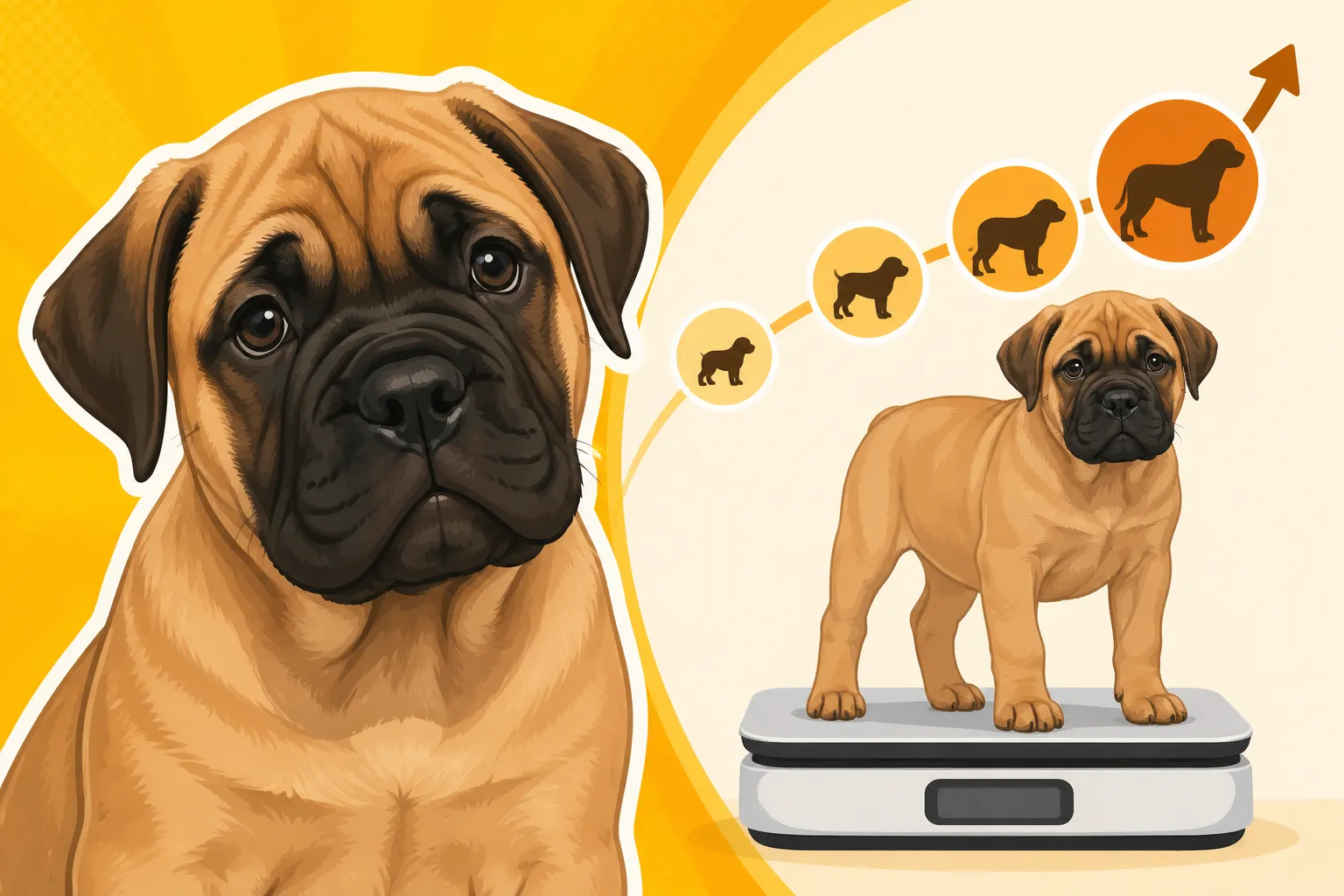
Weighing a Bullmastiff Puppy Every Week
Bringing home a Bullmastiff puppy is an exciting journey, but it's often accompanied by a unique set of worries, especially concerning their rapid growth and ensuring they're developing properly. It can be incredibly nerve-wracking to watch such a massive breed grow so fast and wonder if they're gaining enough weight – or perhaps too much. This comprehensive guide will walk you through the simple yet incredibly important practice of weighing your Bullmastiff puppy every week, offering peace of mind and crucial insights into their early health and development.
The Crucial Role of Weekly Weigh-Ins for Your Bullmastiff Puppy
When you have a Bullmastiff puppy, you’re not just watching a dog grow; you’re witnessing an astonishing transformation from a tiny, clumsy bundle to a majestic, powerful companion in what feels like mere months. This incredible growth rate, however, comes with its own set of responsibilities and potential pitfalls. Monitoring their weight weekly isn't just about curiosity; it's a proactive health measure that can catch issues early and set your pup up for a healthier life.
Why Growth Rate Matters for Large Breeds
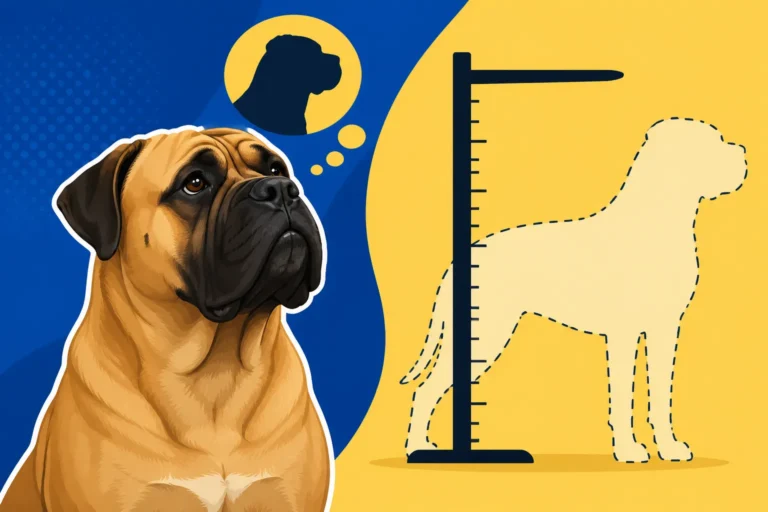
Unlike smaller breeds that might hit their adult weight more slowly or with fewer structural concerns, a Bullmastiff puppy’s bones and joints are under immense stress during their rapid growth phases. Their growth plates, the soft areas at the ends of long bones responsible for increasing bone length, are particularly vulnerable. If a Bullmastiff puppy grows too quickly, or if their weight outpaces the development of their skeletal system, it can lead to lifelong orthopedic problems. We talk a lot about the importance of slow, steady growth, which is why topics like Why a Bullmastiff Puppy Should Not Grow Fast are so critical for new owners. The goal isn't a giant puppy as fast as possible; it's a healthy, structurally sound adult.
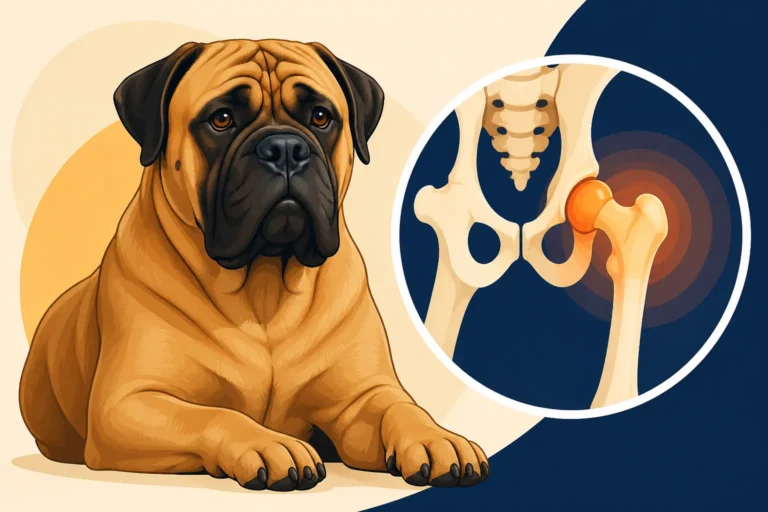
Imagine your puppy's bones as a delicate scaffold being built. If you pile too much weight on that scaffold too quickly, it can bend, crack, or develop weaknesses that might not be apparent until much later in life. Conditions like hip and elbow dysplasia, common concerns for many large breeds including Bullmastiffs, are often exacerbated by overly fast growth or excessive weight during puppyhood. Regular weigh-ins allow you to confirm your puppy is gaining steadily but not experiencing sudden, unhealthy growth spurts that put their developing joints at risk.
Early Detection of Health Issues
Your Bullmastiff puppy can’t tell you in words when they’re not feeling quite right. Sometimes, subtle changes in their health manifest first as a plateau or drop in weight gain, even before other symptoms become obvious. For instance, an internal parasite burden, a minor digestive upset, or even a hidden infection might cause a puppy to stop gaining weight as expected. By keeping a weekly log, you establish a baseline and can spot these deviations immediately.
Consider a scenario where your usually ravenous pup suddenly seems a little less interested in their meals, or perhaps you notice some loose stools. Without a recent weight record, you might dismiss it as a temporary blip. However, if your weekly weigh-in reveals they’ve lost a pound or two, or simply haven’t gained anything when they should have, it immediately raises a red flag. This early detection allows you to consult your veterinarian sooner rather than later, potentially addressing an issue before it becomes more serious or requires more intensive treatment. Early intervention is often key to a swift recovery for many puppy ailments.
Tailoring Nutrition and Exercise
Weekly weight checks are also your best friend when it comes to customizing your Bullmastiff puppy's diet and exercise regimen. Every puppy is an individual, even within the same litter. While breeders and vets often give general guidelines for feeding, these are just starting points. A highly active puppy might need a bit more food to maintain healthy growth, while a more sedate one might need slightly less to prevent becoming overweight. You should always be mindful of Why a Bullmastiff Puppy Needs Large Breed Food to ensure proper nutrient balance for bone development.
If your puppy is consistently below the average weight range for their age, and your vet has ruled out health issues, it might signal a need to slightly increase their food intake or assess if their current food isn't providing enough calories or absorbable nutrients. Conversely, if they're consistently on the heavier side of the healthy range, it’s a gentle warning to slightly reduce portion sizes or increase appropriate, low-impact exercise. This fine-tuning is crucial because keeping a Bullmastiff puppy lean is absolutely paramount for their joint health and overall longevity. We know that Keeping a Bullmastiff Lean Is the Best Thing You Can Do for their long-term wellness, and that starts with careful monitoring from puppyhood.
Practical Steps for Weighing Your Bullmastiff Puppy Accurately at Home
Weighing a rapidly growing Bullmastiff puppy can seem like a daunting task, especially as they get bigger and more squirmy! But with the right tools and a bit of patience, it's totally manageable. The key is consistency and making it a positive experience for your pup.
Choosing the Right Scale and Technique
For very young Bullmastiff puppies, a digital kitchen scale or even a baby scale can work wonders. These scales are usually quite accurate for smaller weights and are easy to clean. You can place a towel or a small box on the scale first, zero it out (tare function), and then place your puppy in the box or on the towel. This helps contain them and makes the reading easier.
As your Bullmastiff puppy grows – and they grow fast! – they’ll quickly outgrow these smaller scales. That’s when you need to switch to a reliable bathroom scale. However, getting a squirming, playful puppy to stay still on a small scale long enough for an accurate reading can be a challenge. This is where the "weigh yourself, then weigh yourself with the puppy" method comes in handy.
Here’s how it works:
- Weigh yourself alone: Step onto your bathroom scale and record your weight. Do this a few times to ensure consistency.
- Pick up your puppy: Gently scoop up your Bullmastiff puppy, making sure they are calm and secure in your arms.
- Weigh yourselves together: Step back onto the scale with your puppy. Record this combined weight.
- Calculate puppy’s weight: Subtract your solo weight from the combined weight. The difference is your puppy's weight.
For even larger puppies approaching adult size, a specialized pet scale might be a good investment if you have the space and budget. Many veterinary offices also offer walk-on scales that you can use, sometimes for a small fee or even for free if you ask politely during off-peak hours. Regardless of the method, always try to weigh your puppy at roughly the same time of day (e.g., first thing in the morning before breakfast) for the most consistent readings.
Making Weigh-Ins a Positive Experience
No one wants to force their giant puppy onto a scale, especially a Bullmastiff who can be incredibly sensitive and a bit stubborn if they don't see the point. The trick is to turn weigh-ins into a positive, fun routine from day one.
Start by associating the scale with good things. Bring out high-value treats (think tiny pieces of cooked chicken or cheese) and offer them generously whenever the scale appears. Let your puppy investigate the scale, sniff it, and even jump on it voluntarily. If you’re using the "weigh yourself with puppy" method, make the act of being held for a moment a super-rewarding experience.
- Treats, treats, treats! Offer a treat before they even touch the scale, another while they are on it (even if just for a second), and a final treat after they step off.
- Keep it quick: Don't drag out the process. Get your reading, give the rewards, and then let them go.
- Praise and gentle handling: Use a calm, happy voice. Pet and praise them throughout. Never scold or get frustrated during weigh-ins, as this can create a negative association.
- Practice: Even if you don't need a formal weight, occasionally go through the motions. Have them step on the scale for a treat, or pick them up for a quick cuddle-and-treat session by the scale. This builds confidence and makes the actual weekly weigh-in much easier.
Remember, a positive experience means less stress for both of you and a more accurate reading.
Understanding Your Bullmastiff Puppy's Growth Curve: What the Numbers Mean
Once you start recording those weekly weights, you'll begin to see a pattern – your Bullmastiff puppy's unique growth curve. Understanding what these numbers generally mean is crucial for identifying healthy development versus potential concerns. It's not just about hitting a specific number, but about the trajectory of their growth.
Typical Weight Ranges and Growth Patterns
Bullmastiff puppies grow incredibly quickly, especially in their first six to eight months. They gain weight in pounds, not ounces, each week! While exact figures can vary based on genetics, gender, and individual metabolism, there are general ranges you can expect. For example, a Bullmastiff puppy will roughly double its weight between 8 and 12 weeks, and then continue significant gains for several more months.
Here’s a general idea of what to expect, but remember, this is an average, and your vet is the best resource for your individual puppy:
| Age (Weeks) | Approximate Weight Range (lbs) | Notes |
|---|---|---|
| 8 | 18-25 | Typically when puppies go home. Still very small, but growing fast. |
| 12 | 30-45 | Noticeable growth spurts. Focus on balanced large-breed puppy food. |
| 16 | 50-70 | Significant gains. Continue gentle, controlled exercise. |
| 20 | 70-90 | Nearing half their adult weight. Still filling out, but height gains slowing. |
| 24 (6 months) | 90-110 | Often around 60-70% of adult weight. |
| 12 months | 110-130+ | Approaching full height, still filling out. Mature slower than other breeds. |
Disclaimer: These are very generalized ranges. Always consult your veterinarian for specific guidance tailored to your puppy.
It's helpful to know What a Bullmastiff Puppy Should Weigh by Month to get a broader perspective, but weekly tracking helps catch smaller deviations. Beyond the numbers, you should also be feeling your puppy. Can you easily feel their ribs without seeing them? Can you see a slight waist tuck when viewed from above? These visual and tactile cues, combined with the scale, give you a holistic picture of their body condition. A puppy that looks barrel-chested or lacks a waist might be growing too quickly or carrying too much weight, even if the scale seems within range.
Keeping a Growth Chart and Consulting Your Vet
The most effective way to monitor your Bullmastiff puppy’s growth is to keep a simple growth chart. A notebook, a spreadsheet, or even a dedicated app can work. Simply record the date, your puppy's age in weeks, and their weight. Over time, you’ll be able to see a clear trend. A steady, upward slope is what you want.
If you see a sudden sharp increase, a plateau that lasts more than a week, or, most concerning, a decrease in weight, it’s time to reach out to your vet. Don’t hesitate! Your vet can evaluate the growth chart alongside a physical exam to determine if there’s cause for concern. They can also provide guidance on adjusting diet or exercise. This is especially important for giant breeds like Bullmastiffs, where orthopedic health in puppyhood can dictate quality of life in adulthood. It's why regular veterinary check-ups and understanding How Often a Bullmastiff Needs a Wellness Exam are so important. Having pet insurance, like a plan from Healthy Paws, can offer significant peace of mind knowing that unexpected vet visits for growth-related concerns are financially supported.
Red Flags in Weight: When to Seek Veterinary Advice
While consistency is key, it's equally important to know when a weight deviation is just a blip versus a signal that your Bullmastiff puppy might need professional help. Knowing the signs that something might be amiss can make all the difference.
Sudden Weight Loss or Failure to Gain
This is perhaps the most obvious red flag. For a growing Bullmastiff puppy, any weight loss or a significant plateau in weight gain for more than a week should be a cause for immediate concern and a vet visit. Puppies are usually little eating machines, and their bodies are programmed for rapid growth. A halt or reversal in this process suggests something is interfering with their ability to absorb nutrients or indicates an underlying health issue.
Reasons for sudden weight loss or failure to gain can vary widely:
- Parasites: Intestinal worms or other parasites are common in puppies and can steal vital nutrients, leading to poor growth.
- Dietary Issues: Perhaps the food isn't agreeing with them, or they're not getting enough calories for their energy level.
- Hidden Illness: More serious conditions like infections, organ issues, or even certain genetic predispositions can manifest as poor growth.
- Stress: High stress levels can impact a puppy's appetite and metabolism.
It’s easy to dismiss a slight drop if your puppy seems otherwise fine, but remember that Bullmastiffs are stoic and can often hide discomfort. Always take a consistent dip on the scale seriously. This is directly related to understanding Signs a Bullmastiff Puppy Is Not Thriving.
Overly Rapid Weight Gain
While less immediately alarming than weight loss, excessively rapid weight gain is a significant concern for Bullmastiff puppies. As discussed earlier, fast growth puts immense strain on their developing bones and joints, increasing the risk of orthopedic diseases like hip and elbow dysplasia, osteochondrosis dissecans (OCD), and panosteitis (growing pains).
If your growth chart shows your puppy suddenly shooting past the typical weight range for their age, or if they appear chunky and lack that subtle waistline, it's time to re-evaluate their diet and exercise. Your vet can help you adjust caloric intake and ensure they're on a high-quality large-breed puppy food designed for slow growth. You might be advised to slightly reduce portion sizes or swap out high-calorie treats for healthier, low-calorie options like plain carrots or green beans. It’s a fine balance, as you don't want to underfeed, but rather slow down the rate of growth to protect their skeletal system. A consultation with your vet can help you get this balance right and ensure your puppy is growing robustly but at a healthy pace, potentially reducing future vet bills and the need to rely on pet insurance like Healthy Paws for orthopedic issues down the line.
Other Physical Cues to Watch For
Weight is a key indicator, but it’s part of a bigger picture. Always observe your Bullmastiff puppy’s overall demeanor and physical condition alongside their weight.
Look for these additional cues:
- Changes in appetite or thirst: Are they eating less, or suddenly ravenously hungry? Drinking significantly more or less water?
- Energy levels: Are they lethargic, or unusually hyper and unable to settle?
- Coat condition: Is their coat dull, dry, or are they losing hair?
- Stool consistency: Any diarrhea, constipation, or changes in color/odor?
- Limiting or reluctance to move: Are they favoring a leg, struggling to stand, or hesitant to play? This can be a sign of joint discomfort from too-rapid growth or other orthopedic issues.
- Swelling: Any unexplained swelling in joints or other body parts?
By combining consistent weekly weigh-ins with these daily observations, you become an incredibly effective advocate for your Bullmastiff puppy's health. You'll be able to quickly identify when something isn't quite right and partner with your veterinarian to ensure your magnificent companion gets the best possible start in life.
Disclaimer
This article is for general informational purposes only and does not constitute professional advice. Laws, prices and regulations vary by location and change over time. Consult a qualified professional for guidance on your specific situation.