How Often a Bullmastiff’s Teeth Need Cleaning
It’s a common scenario: you lean in for a big, slobbery Bullmastiff hug, and suddenly you’re hit with a smell that could peel paint. Bad breath isn't just unpleasant; it's often the first glaring sign that your big, lovable guardian is struggling with dental issues. This guide is here to shed light on how often your Bullmastiff's teeth genuinely need cleaning and why prioritizing their oral health is one of the most loving things you can do for them.
The Harsh Reality of Bullmastiff Dental Health
Let's be honest, dental care for our furry giants often takes a backseat to more obvious concerns. But ignoring those pearly (or not-so-pearly) whites can lead to a world of pain and serious health complications for your Bullmastiff.
Why Bullmastiffs Are Prone to Dental Issues
Bullmastiffs, with their impressive size and distinctive facial structure, aren't exempt from dental woes; in fact, their breed characteristics can make them particularly susceptible. Like many large breeds, they often have a strong bite, which can unfortunately lead to faster wear and tear on their teeth if they're chewing on inappropriate items. Their sheer size also means a larger mouth, which can sometimes be harder for owners to thoroughly inspect and clean. While not as brachycephalic (short-nosed) as a Bulldog, some Bullmastiffs can still have a somewhat compressed muzzle or an underbite, which can lead to misaligned teeth. When teeth aren't perfectly aligned, food particles and plaque can accumulate more easily in hard-to-reach crevices, creating ideal breeding grounds for bacteria. Imagine trying to clean between uneven fence posts – it’s a similar challenge. This structural predisposition, combined with individual genetics and diet, means plaque and tartar can build up surprisingly quickly, sometimes much faster than in smaller, fine-boned breeds.
The Silent Threat: Periodontal Disease
That "doggy breath" you've probably grown accustomed to is rarely just an amusing quirk; it's a red flag waving vigorously. Most commonly, it signals the onset or progression of periodontal disease, a silent, insidious threat to your Bullmastiff's overall health. Periodontal disease begins when plaque—a sticky film of bacteria, saliva, and food particles—hardens into tartar. This tartar adheres to the tooth surface and, crucially, starts to creep under the gum line. Once it invades this delicate space, it triggers inflammation, leading to gingivitis (inflamed gums) which is the earliest stage. If left unchecked, the bacteria and inflammation continue their destructive march, attacking the supporting structures of the tooth: the bone, ligaments, and gum tissue itself. This progression leads to increasingly severe stages of periodontal disease, causing deep pockets around the teeth, infection, tissue loss, and ultimately, tooth mobility and loss. What’s truly alarming is that dogs, including our stoic Bullmastiffs, are masters at hiding pain. Your dog could be living with significant oral discomfort for months or even years before you notice overt signs, simply because it’s their nature to conceal weakness.
Recognizing the Warning Signs
Since Bullmastiffs are so good at hiding their discomfort, you need to be extra vigilant. It's not always about a dramatic refusal to eat; sometimes the signs are subtle, almost imperceptible. Beyond the obvious foul breath, keep an eye out for changes in their eating habits. Are they suddenly shying away from hard kibble or favoring one side of their mouth? Perhaps they drop food more often or chew more slowly. You might also notice redness, swelling, or bleeding along the gum line, especially when they chew on a toy or you try to inspect their mouth. Some dogs will paw at their face or rub their muzzle against furniture, trying to alleviate irritation. Excessive drooling, changes in temperament such as irritability, or a noticeable decrease in their usual enthusiasm for play can also be indicators of oral pain. Sometimes, you might even see visible tartar buildup, which looks like a yellow-brown crust on their teeth, particularly the molars at the back. Don't mistake these signs for normal aging; they're calls for help. A regular wellness exam where your vet can visually inspect their mouth can also catch issues early, as discussed in How Often a Bullmastiff Needs a Wellness Exam.
Establishing a Dental Care Routine for Your Bullmastiff
Taking charge of your Bullmastiff's dental health requires a consistent, multi-pronged approach. It's not just about what happens at the vet; it's about what you do every single day.
The Gold Standard: Daily Brushing
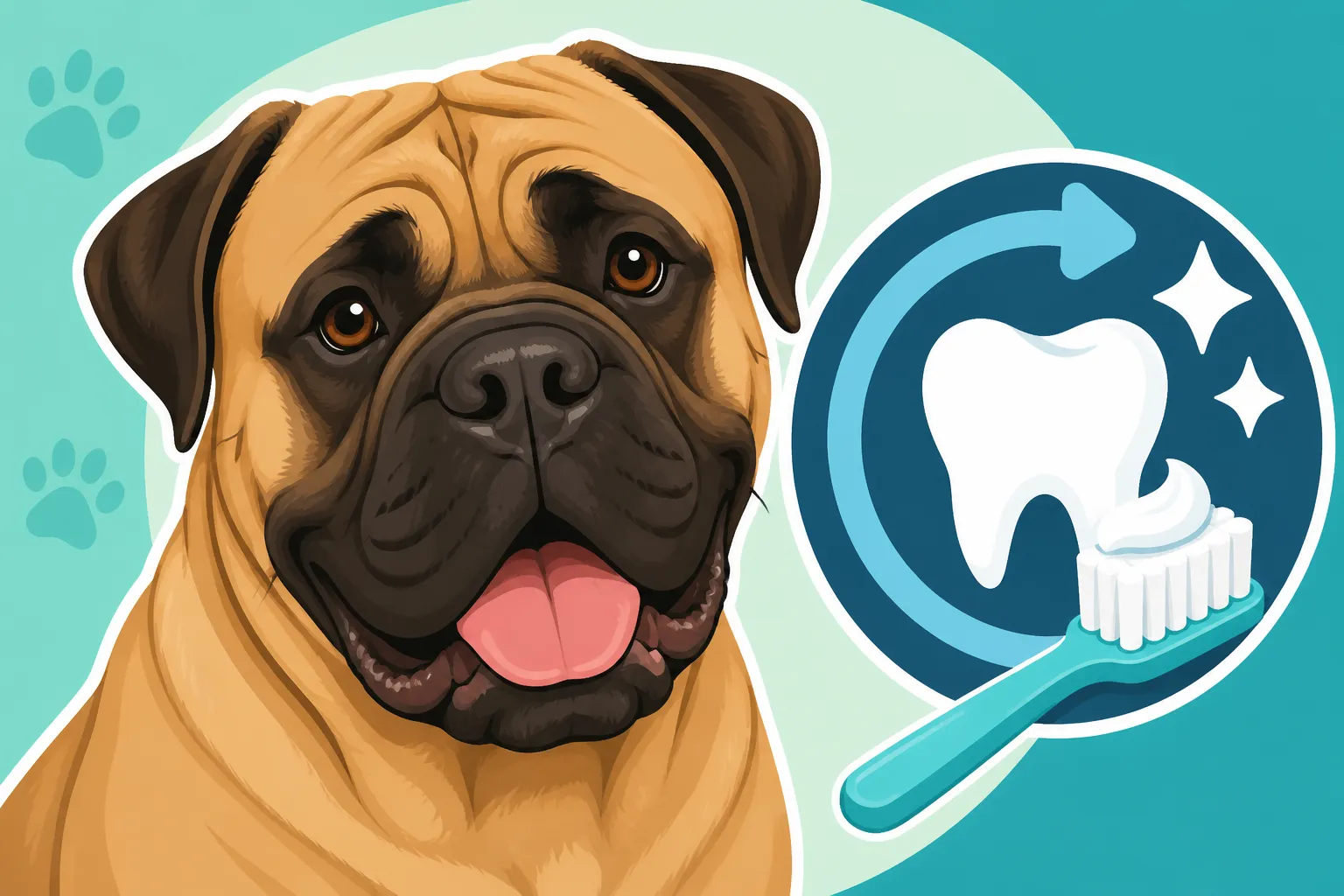
If you could only pick one at-home dental care method, daily brushing would be it. Think about it: you brush your teeth twice a day, every day, and you still visit the dentist. Your Bullmastiff needs similar attention. The thought of brushing a Bullmastiff's teeth might seem daunting due to their size and impressive jowls, but it's absolutely achievable with patience and the right tools. Start slow and make it a positive experience. Begin by simply letting your Bullmastiff lick dog-specific enzymatic toothpaste (never human toothpaste!) off your finger. Once they're comfortable with that, gently introduce a soft-bristled finger brush or a large, long-handled toothbrush designed for dogs. Focus on the outside surfaces of their upper teeth, as these tend to accumulate the most plaque. Lift their jowls and brush in small, circular motions. Keep sessions short, positive, and reward-based, especially when you're just starting. The goal is frequency over perfection initially. Even a minute or two a day makes a huge difference in preventing plaque from hardening into tartar, buying you more time between professional cleanings.
Professional Cleanings: How Often is Enough?
Now, to the core question: how often does your Bullmastiff need a professional dental cleaning? For most adult Bullmastiffs with good at-home care, an annual professional cleaning under anesthesia is generally recommended. However, this is a guideline, not a strict rule. Factors like genetics, individual susceptibility to plaque buildup, diet (dry kibble can offer some abrasive action, but it's not a substitute for brushing), and whether they have any existing dental issues can all influence this frequency. Some Bullmastiffs might have excellent oral health and only need a cleaning every couple of years, while others, particularly those with a history of periodontal disease or certain jaw structures, might benefit from cleanings every six to nine months. Your veterinarian is your best resource here. During their annual wellness exam, they’ll perform an oral assessment, noting any tartar, gingivitis, or signs of pain. This evaluation, combined with their medical history, will help determine the ideal schedule for your specific Bullmastiff. It’s important to acknowledge that the cost of these cleanings can be substantial, as explored in What a Bullmastiff's Dental Costs, but investing in pet insurance like Healthy Paws from a young age can help cushion the financial impact of these necessary procedures over their lifetime.
Beyond Brushing: Supplemental Dental Care
While daily brushing is the gold standard, supplementary products can certainly help support your Bullmastiff's oral hygiene. Dental chews are a popular choice, and many brands offer larger sizes specifically formulated for big breeds like Bullmastiffs. Look for chews that are veterinary dental health approved (often indicated by a VOHC seal), as these have been scientifically proven to reduce plaque and/or tartar. However, remember that no chew is a substitute for brushing, and some dogs can consume them too quickly to get much benefit. Always supervise your Bullmastiff with dental chews to prevent choking or gulping large pieces. Water additives, which contain ingredients that can help reduce bacteria in their drinking water, are another option. While these can contribute to fresher breath, their plaque-fighting efficacy is often limited. Specialized dental diets, designed with unique kibble shapes and textures, or ingredients that help prevent tartar, can also be beneficial, particularly for dogs prone to rapid buildup. Discuss these options with your vet to see if they're a good fit for your Bullmastiff's overall health and dietary needs. These supplemental methods can form part of a holistic approach to maintaining good oral health, especially for an aging Bullmastiff whose needs might be changing, as detailed in Caring for an Aging Bullmastiff.
Understanding Professional Dental Procedures for Bullmastiffs
When it comes to professional dental cleanings, many Bullmastiff owners understandably have concerns, especially regarding anesthesia. It's crucial to understand the process and why it's so vital for their health.
The Sedation Concern: Why It's Necessary
One of the biggest anxieties for Bullmastiff owners contemplating a professional dental cleaning is the need for anesthesia. It's a massive dog, and the thought of them "going under" can be terrifying. And you're right to be cautious – large breeds, and especially those with brachycephalic tendencies, can sometimes have increased anesthetic risks. However, proper veterinary protocols are designed to minimize these risks. Anesthesia is absolutely necessary for a thorough and safe dental cleaning for several reasons. First, dogs won't simply hold still with their mouths open while a technician scales away tartar under their gum line. It's uncomfortable and scary. Second, and more importantly, a proper dental cleaning involves much more than just scraping visible tartar. It requires a complete oral exam, including probing gum pockets for hidden disease, and dental X-rays to assess the health of the tooth roots and bone beneath the gums – things that simply cannot be done on a conscious, wiggly patient. Before any anesthetic procedure, your Bullmastiff will undergo a comprehensive pre-anesthetic workup, including bloodwork to assess organ function (mentioned in Whether a Bullmastiff Needs Bloodwork Yearly) and a physical exam. Your vet will tailor the anesthetic protocol specifically for your Bullmastiff, using modern, safe anesthetics and monitoring equipment to track vital signs throughout the procedure. While no anesthesia is completely risk-free, the potential health benefits of addressing painful and infection-causing dental disease far outweigh the carefully managed risks, especially for a breed known for its stoic nature, as discussed in Whether a Bullmastiff Tolerates Anesthesia.
What Happens During a Professional Cleaning
So, what exactly happens when your Bullmastiff goes in for a dental cleaning? It’s a thorough medical procedure, not just a quick scrub. Once safely under anesthesia and with continuous monitoring of their heart rate, breathing, and oxygen levels, the veterinary team begins. The first step is a complete oral examination. The vet will chart every tooth, noting any signs of gingivitis, periodontal pockets, fractures, or other abnormalities. This is followed by full-mouth dental X-rays, which are absolutely non-negotiable for proper assessment. Just like an iceberg, most dental disease lies beneath the gum line, invisible to the naked eye. X-rays reveal issues like bone loss, root abscesses, un-erupted teeth, or internal tooth resorption that would otherwise go undetected. After the diagnostics, the cleaning begins. An ultrasonic scaler is used to break down and remove plaque and tartar from the tooth surface, both above and below the gum line. This is meticulous work, often followed by hand scaling for fine-tuning. Each tooth surface is then polished with a special paste, creating a smooth surface that makes it harder for plaque to adhere. Finally, the mouth is rinsed, and the vet performs a final check, making decisions on any necessary extractions or further treatments based on the findings from the exam and X-rays.
Managing Costs and Planning Ahead
The reality of professional dental care for a large breed like a Bullmastiff is that it can be a significant expense. The procedures involve anesthesia, skilled veterinary professionals, advanced equipment, medications, and sometimes extractions, all of which contribute to the cost. This can come as a shock to owners who may not have fully considered Why a Bullmastiff's Bills Come Early for this type of care. A basic cleaning without extractions can be one price, but if your Bullmastiff requires multiple extractions, specialized pain management, or even referral to a veterinary dental specialist, the bill can quickly escalate. This is where foresight and financial planning become invaluable. Many proactive Bullmastiff owners opt for pet insurance, such as Healthy Paws, which can often cover a large percentage of unexpected veterinary costs, including dental procedures that are medically necessary due to injury or illness. Enrolling your Bullmastiff in an insurance plan when they are young and healthy means that periodontal disease, if it develops, is less likely to be considered a pre-existing condition, allowing for better coverage. Beyond insurance, establishing a dedicated emergency fund for your pet can provide peace of mind. Discussing potential costs with your vet beforehand, including estimates for cleanings and possible extractions, will help you budget and make informed decisions about your Bullmastiff’s care.
Long-Term Impact of Dental Health on Your Bullmastiff's Well-being
It’s easy to view dental care as merely cosmetic, a way to combat bad breath. But the truth is, a healthy mouth is intimately linked to a healthy body, especially for a breed like the Bullmastiff that we want to keep healthy for every precious year.
Connecting Dental Disease to Systemic Health Issues
The impact of poor oral hygiene in Bullmastiffs extends far beyond their mouth. The constant presence of bacteria and inflammation in the gums creates an open pathway for those bacteria to enter the bloodstream. Once in the bloodstream, they can travel to vital organs, causing damage and exacerbating existing conditions. The heart is a primary concern, as bacteria can adhere to heart valves, leading to conditions like endocarditis. The kidneys and liver, responsible for filtering waste and toxins, can also be negatively affected, facing increased strain and inflammation from circulating bacteria. For a breed like the Bullmastiff, which already has a relatively The Median Bullmastiff Lives Eight and a Half Years, any factor that contributes to systemic illness should be taken seriously. Chronic inflammation from periodontal disease also puts an ongoing burden on their immune system. This constant internal battle can weaken their overall health, making them more susceptible to other illnesses and potentially shortening their overall lifespan. Dental disease is not just a dental problem; it’s a systemic health threat.
Improving Quality of Life and Longevity
Think about how much better you feel after a visit to the dentist, getting rid of that nagging sensitivity or discomfort. Your Bullmastiff experiences the same relief. Investing in consistent dental care dramatically improves your Bullmastiff's quality of life. Imagine eating with a constant toothache or painful, bleeding gums – it would make every meal a chore. With healthy teeth and gums, your Bullmastiff can eat comfortably, fully enjoy their meals, and avoid the pain that can make them withdrawn or irritable. Eliminating chronic oral infection also gives their immune system a break, allowing them to be more robust and resilient. This proactive approach to health can contribute significantly to their overall well-being, helping them to be more active, engaged, and enjoy their senior years without the burden of dental pain, as discussed in What Changes in an Aging Bullmastiff's Care. While we can't guarantee a specific lifespan, taking every step to reduce chronic pain and infection can undoubtedly help your beloved companion live out their years in greater comfort and health.
The "Worth It" Factor: Investing in Dental Care
When faced with the time commitment for daily brushing or the financial investment of professional cleanings, it's easy to wonder if it's all "worth it." For your Bullmastiff, the answer is an unequivocal yes. Their dental health is not a luxury; it's a fundamental component of their overall care, just like their nutrition (considering How Much an Adult Bullmastiff Eats) or regular veterinary check-ups. The discomfort and systemic health risks associated with untreated dental disease are profound. A Bullmastiff experiencing oral pain might withdraw, snap more readily, or simply lose their zest for life. Preventing this pain and protecting their internal organs from bacterial assault is an act of profound care. While the bills can add up, especially if you haven't planned ahead with something like Healthy Paws, consider it an investment in preventing more serious, and potentially even more expensive, health crises down the line. Seeing your Bullmastiff greet you with fresh breath and a pain-free, happy grin will be all the reassurance you need that every bit of effort and expense was entirely worthwhile for your gentle giant.
Disclaimer
This article is for general informational purposes only and does not constitute professional advice. Laws, prices and regulations vary by location and change over time. Consult a qualified professional for guidance on your specific situation.