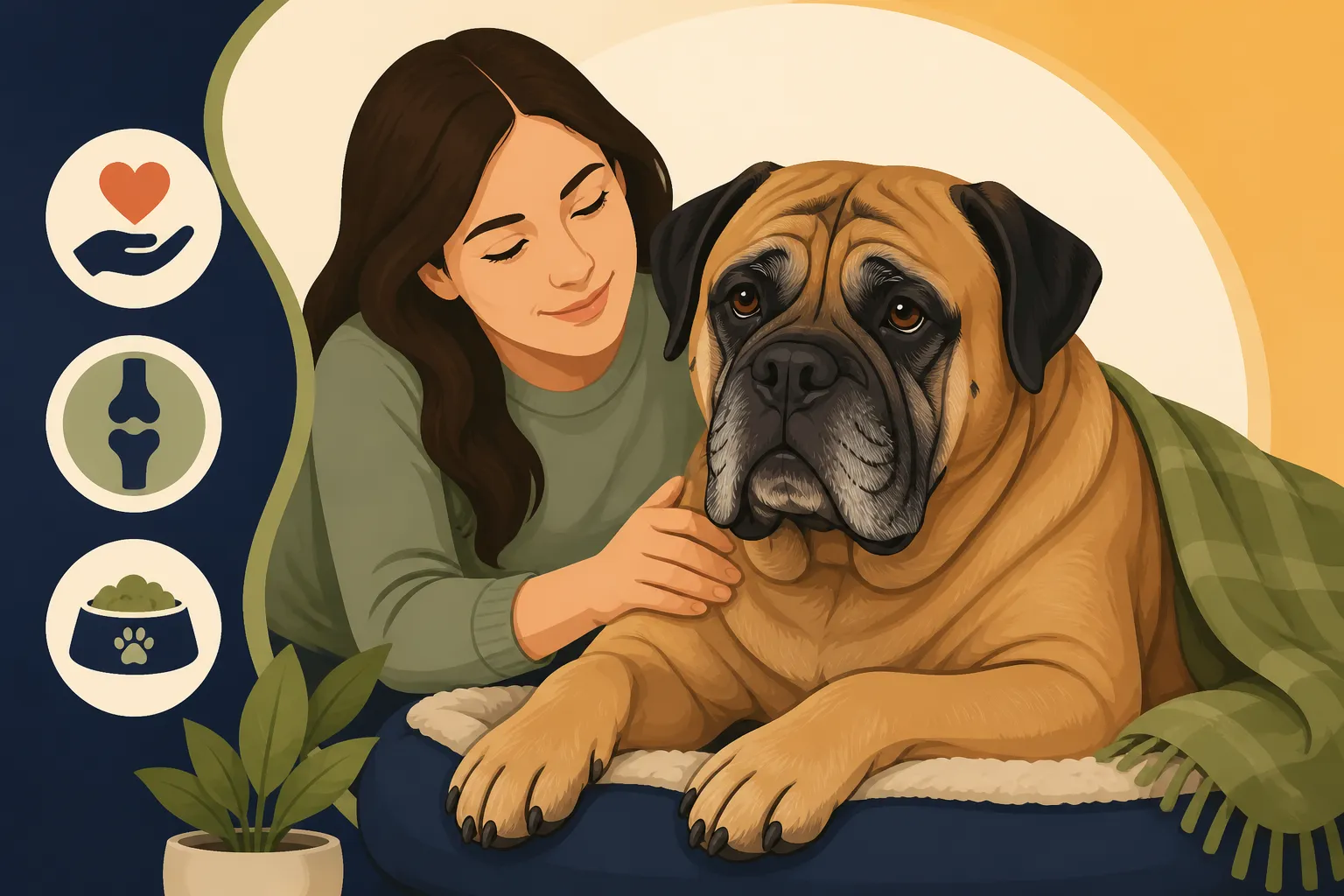
Caring for an Aging Bullmastiff
Watching your beloved Bullmastiff transition into their golden years is a bittersweet experience. While their spirit remains as strong and loving as ever, their physical needs undeniably change, often more quickly than we anticipate due to their naturally shorter lifespan. This guide is here to walk you through the unique aspects of caring for an aging Bullmastiff, offering practical advice and empathetic understanding for every stage of their senior journey.
Understanding the Senior Bullmastiff
It’s a tough truth that giant breeds, including our magnificent Bullmastiffs, tend to age faster and have shorter lifespans than many smaller dogs. This reality often means that the "senior" stage arrives sooner than you might expect, bringing with it a unique set of challenges and responsibilities. Understanding what this period entails is the first step in ensuring your big friend enjoys their later years to the fullest.
When a Bullmastiff Is Considered Senior
For Bullmastiffs, "senior" isn't a hard-and-fast chronological age like it might be for a human. Generally speaking, a Bullmastiff is considered to be entering their senior years somewhere between six and seven years old. While some might still be bounding around like youngsters, inwardly, their bodies are starting to slow down. It’s important to remember that this is an average, and individual dogs will vary based on genetics, lifestyle, and overall health. You might notice subtle shifts in energy, sleeping patterns, or even how they react to exercise long before you consider them "old" in your heart. The Age a Bullmastiff Is Considered Senior delves deeper into these age markers.
This earlier onset of senior status means we, as their guardians, need to be proactive. We can't wait until they're visibly struggling to make adjustments. Instead, we should begin thinking about senior care as they approach this six to seven-year mark. This involves discussions with your vet, observing their behavior closely, and starting to implement small changes that support their aging body, rather than waiting for problems to become acute. It’s about anticipating their needs before they become urgent, providing a smoother transition into this next phase of life.
The Impact of a Shorter Lifespan
The average lifespan for a Bullmastiff is notably shorter than many other breeds, often hovering around eight and a half years. This fact can be incredibly difficult for owners to come to terms with, as it means their time with these gentle giants is precious and, unfortunately, often feels too brief. This reality can weigh heavily on Bullmastiff owners, making every year count and emphasizing the importance of quality of life in their later years. How Long a Bullmastiff Lives on Average explores this statistic in more detail.
Because of this condensed timeline, every decision regarding their health and comfort becomes magnified. We want to ensure that the years we have are filled with as much joy and as little pain as possible. This perspective shapes our approach to senior care, encouraging us to seek out the best possible veterinary attention, provide optimal nutrition, and adapt our homes and routines to cater to their changing needs. It's a poignant reminder that while their physical presence may diminish, the love and bond we share with our Bullmastiffs endure far beyond any numerical age.
Physical Changes to Expect
As Bullmastiffs age, their bodies undergo predictable changes, much like humans do. These changes can impact their mobility, senses, and overall well-being. Being aware of these common shifts allows you to recognize them early and take steps to mitigate discomfort and maintain their quality of life.
Joint Health and Mobility
One of the most common and often heartbreaking changes we see in aging Bullmastiffs is the decline in joint health. Their massive size and weight, while impressive in their youth, place significant strain on their joints over time, making them particularly prone to conditions like arthritis and hip and elbow dysplasia. You might notice your once-agile Bullmastiff struggling to rise from a lying position, showing stiffness after a nap, or hesitating before jumping into the car. These aren't just minor inconveniences; they can be signs of real pain and discomfort. Signs a Bullmastiff's Hips Hurt gives you cues to watch for in your own dog.
This reduced mobility isn't just about physical pain; it can impact their mental state too. A dog that can no longer easily join you on walks or play in the yard might become withdrawn or even depressed. It's crucial to consult with your veterinarian as soon as you notice any signs of discomfort. They can help diagnose the issue and create a pain management plan that might include anti-inflammatory medications, joint supplements, or even physical therapy. Early intervention can make a significant difference in slowing the progression of joint issues and keeping your Bullmastiff comfortable and active for as long as possible. Why an Aging Bullmastiff Struggles to Rise talks specifically about the challenges of their size and weakened joints.
Sensory Decline: Vision and Hearing Loss
Just like us, senior Bullmastiffs can experience a decline in their senses, particularly vision and hearing. You might find your dog no longer responds to their name as readily, or seems startled when you approach them from behind. Cloudiness in their eyes, known as lenticular sclerosis, is common and usually benign, but more serious conditions like cataracts can impair their vision significantly. These changes can be disorienting and frustrating for your dog, especially if they are sudden or severe. Deafness in an Aging Bullmastiff offers insights into how to support a Bullmastiff with hearing loss.
Adapting to sensory loss requires patience and understanding. If their vision is diminishing, try to keep furniture in consistent locations to prevent bumps and stumbles. Use scent markers or consistent verbal cues (if they can still hear) to guide them. For hearing loss, relying more on hand signals and vibrations (like tapping the floor) can help. Always approach them gently and audibly so you don't startle them. Remember, they are still the same loving dog, simply experiencing the world in a different way, and your consistent, gentle guidance will be their most important support system.
Weight Management: The Double-Edged Sword of Weight
Maintaining an ideal weight becomes even more critical for senior Bullmastiffs, yet it can be a challenging balancing act. On one hand, an overweight Bullmastiff puts immense additional strain on their already compromised joints, exacerbating arthritis and other mobility issues. Extra pounds also contribute to other health problems, from heart strain to diabetes. On the other hand, some aging Bullmastiffs may start to lose muscle mass (sarcopenia) and become too thin, especially if they have underlying health conditions or a decreased appetite. Why an Aging Bullmastiff Loses Muscle details this process.
Regular weight checks and careful monitoring of their body condition are essential. You want to aim for a lean physique where you can easily feel their ribs without seeing them, and they have a discernible waistline. If your Bullmastiff is carrying extra weight, a vet-approved weight loss plan focusing on a reduced-calorie senior diet and gentle, consistent exercise is paramount. If they are losing weight unintentionally, it's a red flag that warrants a vet visit to rule out serious conditions. What a Lean Bullmastiff Looks Like provides a good visual guide. Tailoring their diet and activity level to their current physical state is key to healthy aging.
Nutritional Adjustments for the Golden Years
Just as our own dietary needs change with age, so do those of our senior Bullmastiffs. Their metabolism slows, their activity levels decrease, and their bodies may struggle to absorb nutrients as efficiently. Getting their diet right is one of the most impactful things you can do to support their health and comfort in these later years.
Choosing the Right Senior Diet
The transition to a senior-specific dog food is often beneficial for an aging Bullmastiff. These formulas are typically designed with lower calorie counts to prevent weight gain, higher fiber content to aid digestion, and often include beneficial supplements for joint health. Look for ingredients that support muscle mass, even as activity declines. High-quality protein sources are crucial to help combat muscle wastage, while a balanced fat content provides energy without adding excessive calories. You might find a wider selection of specialized senior diets on platforms like Chewy or Amazon, often with detailed ingredient lists and customer reviews.
It’s important to make any dietary changes gradually to avoid upsetting their digestive system. Mix a small amount of the new food with their old food, slowly increasing the proportion over several days or even a week. Pay close attention to their stool and appetite during this transition. If your Bullmastiff has specific health conditions, such as kidney disease or diabetes, your vet might recommend a prescription diet tailored to those needs. These specialized foods are formulated to manage specific ailments and can make a huge difference in their overall health.
Supplements for Joint and Cognitive Support
Beyond their primary diet, many senior Bullmastiffs benefit immensely from targeted supplements. Given their propensity for joint issues, glucosamine, chondroitin, and MSM are often recommended to support cartilage health and reduce inflammation. Omega-3 fatty acids, like those found in fish oil, are also excellent for their anti-inflammatory properties and can benefit skin, coat, and cognitive function. These aren't just for when they're showing severe signs of pain; many vets recommend starting them preventatively as they approach senior status.
For cognitive support, particularly if you're noticing signs of mental slowing or disorientation, supplements containing antioxidants, B vitamins, and medium-chain triglycerides (MCTs) can be helpful. These ingredients are thought to support brain health and potentially slow cognitive decline. Always discuss any supplements with your veterinarian before adding them to your Bullmastiff’s regimen. They can advise on appropriate dosages and ensure there are no contraindications with any existing medications or health conditions. Many owners turn to subscription services like Ollie for fresh, tailored senior meals, especially if their Bullmastiff has specific dietary needs that can be enhanced with supplements.
Hydration and Digestion
Hydration is a cornerstone of health at any age, but it becomes even more critical for senior Bullmastiffs. As kidneys age, they may not function as efficiently, and older dogs can be more prone to dehydration. Ensure fresh, clean water is always available and easily accessible without them having to climb stairs or stretch too much. Some senior dogs benefit from wetting their kibble or adding a little low-sodium broth to encourage water intake.
Digestive health is another key consideration. Senior dogs can sometimes experience more sensitive stomachs, constipation, or changes in bowel regularity. Increased fiber in senior diets helps, but some dogs might also benefit from probiotics or prebiotics to maintain a healthy gut microbiome. Observe their stool consistency and frequency; any drastic changes should prompt a call to your vet. Keeping their digestive system running smoothly helps them absorb vital nutrients and maintain overall comfort.
Maintaining Comfort and Mobility
As your Bullmastiff ages, ensuring their physical comfort and maintaining their mobility becomes a daily priority. Their enormous size means that even small aches and pains can become significant burdens. Proactive measures and thoughtful adaptations can make a world of difference in their quality of life.
Orthopedic Bedding and Support
One of the simplest yet most effective ways to improve an aging Bullmastiff's comfort is investing in high-quality orthopedic bedding. A traditional flimsy dog bed simply won't cut it for a hundred and thirty pounds of Bullmastiff with aching joints. Look for beds made with dense, supportive memory foam or therapeutic foam that won't flatten under their weight. This type of bedding provides essential cushioning for their joints and pressure points, especially on elbows and hips, where calluses can develop. Which Bed a Bullmastiff Needs discusses the importance of proper bedding.
Positioning these beds in accessible, draft-free areas where your Bullmastiff loves to rest is key. Consider having multiple beds throughout the house if they like to move between rooms. The goal is to make resting a truly restorative experience, preventing them from lying on hard floors that can exacerbate stiffness and pain. For orthopedic beds, check out options on Amazon or specialized pet supply stores online, looking for dense foam that won't flatten quickly under their weight and covers that are easy to remove and wash, because drool and accidents can happen!
Exercise Modifications: Keeping Them Moving Safely
While an aging Bullmastiff won't be running marathons, maintaining a regular, gentle exercise routine is crucial for their physical and mental health. Exercise helps keep their joints flexible, maintain muscle mass, prevent stiffness, and manage weight. However, the type and intensity of exercise need to be carefully modified. Instead of long, vigorous walks, think shorter, more frequent strolls on soft surfaces like grass. Avoid high-impact activities, jumping, or long periods of standing or running.
Swimming can be an excellent low-impact exercise for senior Bullmastiffs, as the water supports their weight while allowing them to move their limbs. Supervise them closely, and make sure entry and exit points are easy. The key is to listen to your dog. If they show signs of fatigue, stiffness, or pain during or after exercise, it’s time to stop and reassess. Never push them beyond their comfort level. A short, gentle walk followed by some quiet time with you can be far more beneficial than an overzealous session that leaves them sore for days. Whether an Aging Bullmastiff Should Still Be Walked explores this balance.
Aids for Mobility: Ramps, Slings, and Harnesses
As joint issues progress, your Bullmastiff might need a little extra help navigating their world. Ramps can be invaluable for helping them get in and out of cars, onto elevated beds or furniture (if allowed), or even up a step or two at home. Look for sturdy, non-slip ramps that can support their considerable weight. If stairs become impossible, a dog lift harness can help you safely assist them up and down, taking the strain off both their body and yours. Why an Aging Bullmastiff Struggles to Rise highlights this struggle.
For shorter-term assistance, such as helping them stand up or navigate a tricky patch of floor, a belly sling or a full-body support harness can be a lifesaver. These tools distribute their weight more evenly and reduce pressure on painful joints. When choosing a harness, ensure it fits comfortably and doesn't rub or chafe. Many companies specialize in mobility aids for large and giant breeds, offering robust and well-designed solutions. These aids aren't about giving up; they're about empowering your Bullmastiff to maintain their independence and continue enjoying activities with you, even if it's with a little extra support.
Veterinary Care: Proactive Health Management
Proactive veterinary care becomes absolutely indispensable as your Bullmastiff enters their senior years. Regular check-ups and open communication with your vet are your best tools for catching potential problems early, managing chronic conditions, and ensuring your dog's comfort and quality of life. The care changes significantly from their younger, more robust days. What Changes in an Aging Bullmastiff's Care discusses this in more detail.
Increased Vet Visits and Diagnostic Testing
Gone are the days of annual check-ups being sufficient for an aging Bullmastiff. Many veterinarians recommend bi-annual (twice yearly) wellness exams for senior dogs. This increased frequency allows for earlier detection of age-related diseases, which can progress rapidly in giant breeds. During these visits, your vet will perform a thorough physical examination, paying close attention to their joints, teeth, eyes, and any lumps or bumps that may have appeared.
Beyond a physical exam, comprehensive diagnostic testing becomes crucial. This typically includes blood work (complete blood count and chemistry panel) to assess organ function, particularly kidneys and liver, and to screen for conditions like Hypothyroidism in a Bullmastiff or diabetes. Urinalysis helps detect urinary tract infections or early signs of kidney issues. X-rays might be recommended to evaluate joint health and progression of arthritis. These tests provide a baseline and allow your vet to monitor changes over time, enabling them to intervene swiftly if a problem develops. How Often a Bullmastiff Needs a Wellness Exam offers more guidance on this schedule.
Pain Management Strategies
Pain is often a silent companion in senior dogs, especially those prone to joint disease like Bullmastiffs. They are notoriously stoic and may hide their discomfort until it becomes severe. Effective pain management is central to maintaining their quality of life. Your vet can discuss various options, which often include non-steroidal anti-inflammatory drugs (NSAIDs) to reduce inflammation and pain, particularly for arthritis. However, long-term use of NSAIDs requires regular blood monitoring to ensure kidney and liver health.
Beyond NSAIDs, other modalities exist. Your vet might suggest gabapentin for neuropathic pain, or even newer injectable medications specifically designed for osteoarthritis. Physical therapy, hydrotherapy, acupuncture, and cold laser therapy are also becoming more widely available and can provide significant relief for many dogs. Nutritional supplements like glucosamine and chondroitin, discussed earlier, also play a role. The goal is a multimodal approach that tackles pain from several angles, keeping your Bullmastiff as comfortable as possible. Whether a Bullmastiff Needs Joint Medication Early is a good resource for exploring these options.
Addressing Common Senior Ailments
Senior Bullmastiffs, unfortunately, are susceptible to a range of age-related health issues. Beyond joint problems, you should be vigilant for signs of cardiac disease (Subaortic Stenosis Is There Before a Bullmastiff's First Birthday), kidney disease, liver dysfunction, diabetes, and various cancers, particularly Lymphoma Kills More Bullmastiffs Than Anything Else and Mast Cell Tumors and the Lumps on a Bullmastiff. Early detection is key for managing these conditions effectively and potentially extending their quality of life.
Keep a watchful eye for changes in appetite, thirst, urination, bowel movements, energy levels, or the appearance of any new lumps or bumps. Don't dismiss these as "just old age" without having them checked by your vet. For instance, increased thirst and urination could signal kidney problems or diabetes, while a sudden lump could be a cancerous growth. Your vet is your most important partner in navigating these health challenges, offering advice, treatment options, and support throughout your Bullmastiff's senior years.
Cognitive and Behavioral Shifts
Aging isn't just about the body; it impacts the mind too. Many senior Bullmastiffs experience changes in their cognitive function and behavior. These shifts can sometimes be subtle, but understanding them can help you support your dog and maintain your bond.
Recognizing Signs of Cognitive Decline
Just like humans can experience cognitive decline, so can our dogs, a condition often referred to as Canine Cognitive Dysfunction (CCD) or "doggy dementia." You might notice your Bullmastiff exhibiting new behaviors or changes in old ones. Common signs include disorientation (getting lost in familiar surroundings, staring blankly at walls), changes in social interaction (less interested in greetings, or becoming more clingy), altered sleep-wake cycles (pacing at night, sleeping more during the day), and house-soiling accidents in previously well-trained dogs. They might also forget commands they've known their whole life.
It's important not to dismiss these signs as simply being "stubborn" or "just old." While some changes are normal, significant shifts warrant a vet visit. Your veterinarian can rule out other medical conditions that might be causing similar symptoms, such as pain, hearing loss, or thyroid issues. If CCD is diagnosed, there are medications, supplements, and environmental enrichment strategies that can help manage symptoms and slow the progression of the disease. Early recognition and intervention can significantly improve your Bullmastiff's comfort and quality of life.
Mental Stimulation for Senior Minds
While physical exercise needs to be modified, mental stimulation remains vital for an aging Bullmastiff. Keeping their minds active helps to slow cognitive decline and prevents boredom, which can lead to anxiety or destructive behaviors. Don't underestimate the power of short, gentle training sessions. Reviewing basic commands like "sit," "stay," or "down" can be a great brain workout. You can also introduce new, simple tricks that don't require much physical exertion.
Puzzle toys, slow feeders, and scent games are excellent ways to engage their minds. Hiding treats around the house for them to sniff out can be a wonderful, low-impact activity that taps into their natural instincts. Even simple interactions, like petting, talking to them, and maintaining a consistent daily routine, provide comfort and mental anchors. Continuing to engage with them mentally reinforces your bond and helps them feel included and valued, even if their body isn't as capable as it once was.
Changes in Temperament and Routine
An aging Bullmastiff might exhibit changes in temperament or become more rigid in their routines. Some dogs become more irritable, especially if they are in pain or have sensory deficits that make them easily startled. Others might become more anxious or clingy, seeking constant reassurance. You might also notice a decreased tolerance for other pets or children, particularly if they are no longer able to move away easily.
Establishing and sticking to a predictable daily routine can provide immense comfort and reduce anxiety for a senior dog. Knowing when to expect meals, walks, and rest times helps them feel secure. Be patient with any new behavioral quirks, and remember that underlying pain or cognitive changes are often the root cause. If behavioral changes are significant or concerning, discuss them with your vet. They can help determine if it's a medical issue or if behavioral modification strategies or medication might be beneficial. Your understanding and adaptation to these changes will go a long way in ensuring their peace of mind.
Adapting Your Home for an Older Bullmastiff
Your home, which once felt perfectly suited for a rambunctious Bullmastiff puppy, will likely need some thoughtful adjustments to accommodate the needs of a senior dog. Their decreasing mobility and sensory changes mean that what was once a minor obstacle can now be a significant barrier or even a hazard.
Navigating Stairs and Slippery Floors
Stairs become one of the biggest challenges for aging Bullmastiffs. Each step can be painful, and the risk of a fall increases dramatically. If possible, restrict access to stairs, perhaps with baby gates, and only allow them to use them with your assistance, or ideally, avoid them entirely. If you live in a multi-story home, consider setting up a comfortable living area on one floor where your Bullmastiff can spend most of their time, minimizing the need to navigate steps.
Slippery floors like tile, hardwood, or laminate can be incredibly treacherous for a dog with weakening joints and muscle loss. Their paws can slide out from under them, leading to falls and potential injuries. Lay down rugs, runners, or carpet squares in high-traffic areas and wherever your Bullmastiff typically walks or rests. These provide much-needed traction and confidence. You might also consider paw pads or dog booties with rubberized soles to improve their grip. Making their environment safe allows them to move with more confidence and reduces the risk of painful slips and falls.
Creating Safe and Accessible Spaces
Beyond floors and stairs, think about other areas of your home. Ensure your senior Bullmastiff has easy access to a quiet, comfortable "den" or bed where they can retreat and rest undisturbed. This space should be warm, draft-free, and away from high-traffic areas or loud noises, especially if they are also experiencing hearing loss. Bedding and Joints for a Hundred and Thirty Pound Bullmastiff highlights the importance of such spaces.
Evaluate entryways and exits. Are there steps leading outside that are becoming difficult? A well-placed ramp can provide a gentle slope. If they are prone to bumping into things due to vision loss, consider removing clutter or padding sharp corners of furniture in their main living areas. The goal is to create an environment that is not only safe but also reduces stress and allows them to move around with dignity and ease.
Ensuring Easy Access to Food and Water
As mobility declines, even simple tasks like eating and drinking can become arduous. Ensure their food and water bowls are easily accessible and don't require them to strain their neck or back too much. Raised bowls can be helpful for some senior Bullmastiffs, as they reduce the need to bend down, which can be painful for arthritic necks and shoulders. Experiment with different heights to find what is most comfortable for your dog.
Additionally, consider placing multiple water bowls throughout the house, especially if your Bullmastiff has difficulty moving between rooms. This ensures they always have access to hydration without having to travel far. If they have vision impairment, keep the bowls in consistent, familiar locations. Small adjustments like these can make a big difference in their daily comfort and ensure they stay well-nourished and hydrated.
The Emotional Journey of Senior Pet Ownership
Caring for an aging Bullmastiff isn't just about physical adjustments; it's a profound emotional journey for both you and your beloved companion. Acknowledging and navigating these emotions is a vital part of providing holistic care during their final years.
Dealing with Grief and Anticipatory Loss
One of the hardest parts of owning a giant breed like a Bullmastiff is their relatively short lifespan. As they enter their senior years, the reality of their limited time becomes increasingly apparent, and many owners experience what's known as anticipatory grief. This is the sadness and sorrow felt before the actual loss occurs, as you watch your dog decline and recognize that your time together is finite. It's a completely normal and valid emotion, but it can be isolating if you don't acknowledge it.
Allow yourself to feel these emotions. Talk to trusted friends, family members, or other Bullmastiff owners who understand. Focus on cherishing the present moments and making their remaining time as joyful and comfortable as possible. This isn't about rushing the inevitable, but rather about appreciating the profound bond you share and preparing yourself emotionally for the future while still living fully in the present with your dog.
Quality of Life Discussions
Determining your senior Bullmastiff's quality of life is an ongoing, evolving assessment, and it's one of the most difficult responsibilities a pet owner faces. There comes a point where you must weigh their comfort and happiness against the progression of their health issues. Your veterinarian can be an invaluable partner in these discussions, helping you assess pain levels, mobility, appetite, and engagement with their environment. They can provide an objective perspective, but ultimately, you know your dog best.
Consider keeping a journal to track their good days versus bad days, their appetite, their willingness to engage, and their pain levels. This objective data can be incredibly helpful when emotions run high. It’s about asking tough questions: Are they still enjoying life? Do they have more good moments than bad? Are their medications still effectively managing their pain? These conversations are heartbreaking, but they are an essential part of responsible senior pet ownership, ensuring your Bullmastiff's dignity and comfort remain paramount. What a Bullmastiff's Last Months Cost is a tough but important read for considering all aspects.
Cherishing Every Moment
Despite the challenges and emotional toll, caring for an aging Bullmastiff can also be one of the most profoundly rewarding experiences. Their slower pace and increased dependence can deepen your bond, allowing for quieter, more intimate moments. These golden years offer an opportunity to reflect on all the joy, companionship, and unconditional love your Bullmastiff has brought into your life.
Focus on creating positive, gentle experiences. Extra snuggles on the couch, slow strolls in the yard, soft massages, and favorite treats become even more meaningful. Document these moments, whether through photos, videos, or simply by committing them to memory. Every gray hair, every slow blink, every gentle lean becomes a precious reminder of the journey you've shared. While the end of their life is inevitable, the love and memories created during their senior years will last a lifetime. Whether a Bullmastiff Is Worth the Short Years is a sentiment many Bullmastiff owners wholeheartedly embrace.
Disclaimer
This article is for general informational purposes only and does not constitute professional advice. Laws, prices and regulations vary by location and change over time. Consult a qualified professional for guidance on your specific situation.