Which Bed a Bullmastiff Needs
Finding a dog bed that genuinely supports a giant breed like a Bullmastiff isn't just about picking the biggest option on the shelf; it's about safeguarding their long-term health and comfort. Many owners struggle with beds that flatten too quickly or don't offer the crucial support needed for their hefty frames, leading to discomfort and even exacerbating joint issues. This comprehensive guide will walk you through everything you need to know to select the perfect bed that will provide your Bullmastiff with the restful, supportive sleep they deserve.
Why Bullmastiffs Need Specialized Beds
Owning a Bullmastiff means recognizing their unique physical demands. These magnificent dogs are not just big; they are incredibly dense, and that weight puts significant stress on their joints, muscles, and even their skin. A standard, flimsy dog bed simply won't cut it, and thinking it will is a common pitfall for new Bullmastiff owners.
Their Heavy Weight and Joint Health
Imagine carrying over a hundred pounds of muscle and bone on your frame every single day. That's the reality for a Bullmastiff. An adult male can easily top 130 pounds, with some females coming close. This immense body mass directly impacts their joint health, making them prone to conditions like hip and elbow dysplasia. When a Bullmastiff lies down on an unsupportive surface, whether it's the hard floor or a cheap, thin bed, their joints bear the brunt of that weight without proper cushioning or alignment.
Over time, this constant pressure and lack of support can lead to inflammation, pain, and the accelerated progression of degenerative joint diseases. It's not just about comfort; it's about preventative care. A quality orthopedic bed acts as a shock absorber, distributing their weight evenly and reducing stress on their hips, elbows, and spine. Think of it like a memory foam mattress for a human with back issues – you wouldn't skimp on that, and you shouldn't for your Bullmastiff either. Providing proper support from an early age can make a tangible difference in their quality of life as they mature, potentially delaying the onset or severity of arthritis. Hips and Elbows Under a Hundred and Thirty Pound Bullmastiff goes into more detail about these common issues.
Dealing with Elbow Calluses and Pressure Sores
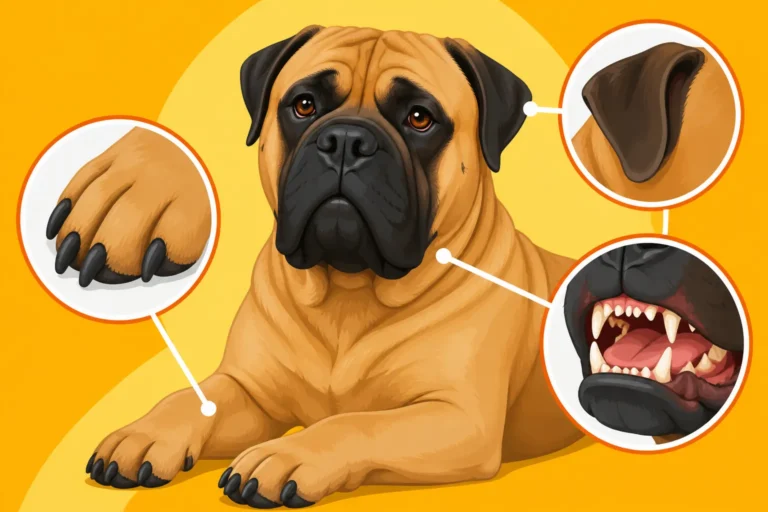
If your Bullmastiff spends a lot of time lounging on hard surfaces, you might notice thick, rough patches of skin developing on their elbows or hocks. These are calluses, and while some are just cosmetic, they can become quite problematic. Calluses form as the body tries to protect itself from constant friction and pressure, but they can crack, bleed, and even become infected if not managed. This is particularly common in large, heavy breeds like Bullmastiffs who prefer to flop rather than gently recline.
A truly supportive bed significantly mitigates the risk of these painful calluses and pressure sores. By providing a soft, yet firm, surface that conforms to their body, the pressure points are cushioned, reducing the need for the skin to harden defensively. For a Bullmastiff who already has developing calluses, an orthopedic bed is no longer a luxury but a necessity to prevent further irritation and aid healing. It creates a barrier between their heavy bones and unforgiving floors, allowing the skin to recover. Addressing this early can save you and your Bullmastiff a lot of discomfort and vet visits down the line. Where a Bullmastiff Gets Pressure Calluses explores this topic in greater detail.
Supporting Their Massive Frame for Quality Sleep
Just like us, dogs need quality sleep for their physical and mental well-being. A Bullmastiff, due to its size and often calm demeanor, spends a considerable amount of time sleeping or resting. If they are constantly shifting to find a comfortable position, or if their bed sags and leaves them sleeping in an awkward pose, they aren't getting truly restorative rest. This can manifest as lethargy, irritability, or even an increase in pain from poorly supported joints.
A bed designed for their massive frame ensures their spine is properly aligned, their muscles can relax, and their joints are cradled. When you see your Bullmastiff stretch out, truly relaxed and not trying to find a cooler spot on the tile or a softer patch on the carpet, you know the bed is doing its job. This quality of sleep isn't just about preventing health issues; it contributes to their overall temperament and happiness. A well-rested Bullmastiff is a more content and cooperative companion. Remember, a Bullmastiff isn't truly "grown up" until around three years old, and proper support throughout their developmental stages is key to their long-term health. The Median Bullmastiff Lives Eight and a Half Years is a good read on their lifespan.
Types of Orthopedic Beds for Bullmastiffs
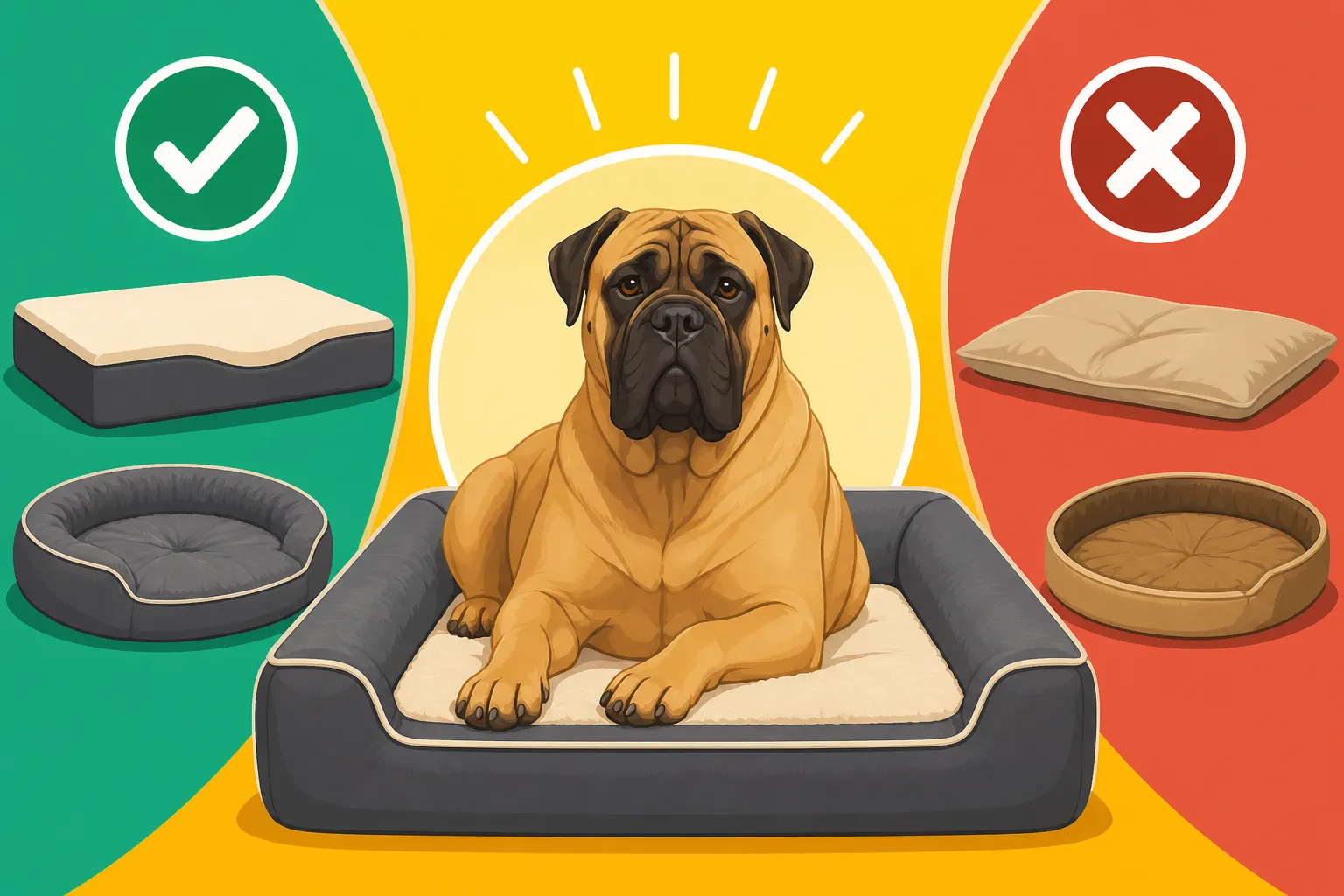
When it comes to specialized beds for Bullmastiffs, "orthopedic" is the keyword, but what does that truly mean? It's about more than just a thick cushion; it's about the materials and construction designed to provide superior support and comfort.
Memory Foam vs. Egg Crate Foam
Understanding the differences between foam types is crucial. Many beds are marketed as "orthopedic," but the quality and type of foam vary wildly.
-
Memory Foam: This is often considered the gold standard for orthopedic support, both for humans and dogs. High-density memory foam contours precisely to your Bullmastiff's body, evenly distributing their weight and relieving pressure points. When they get up, the foam slowly returns to its original shape, preventing permanent indentations or sagging. This conforming quality is especially beneficial for heavy breeds prone to joint issues, as it cradles their joints and maintains spinal alignment. However, not all memory foam is created equal. Look for beds with a substantial thickness (at least 4-6 inches for a Bullmastiff) and a higher density rating. Cheaper memory foam can break down faster or be too soft to offer adequate support.
- Real-life scenario: Imagine your Bullmastiff, Maximus, who loves to sprawl out after a long day. On a cheap bed, his elbows and hips might sink straight through to the floor, waking him up sore. On a high-quality memory foam bed, like those often found on Amazon, his entire body is supported, and he sleeps soundly through the night, waking up feeling refreshed and ready for his morning walk. This superior pressure relief is exactly Why a Bullmastiff Needs Orthopedic Foam.
-
Egg Crate Foam: This type of foam has a distinctive convoluted surface, designed to provide some cushioning and air circulation. It's generally less expensive than solid memory foam. While it does offer some pressure relief compared to a flat piece of foam, it doesn't offer the same level of contouring support or durability, especially for a heavy breed like a Bullmastiff. The "peaks and valleys" can collapse under immense weight, leaving the dog essentially lying on the compressed foam base, or worse, directly on the floor. It might be suitable for lighter dogs or as an additional layer of comfort, but it rarely provides sufficient standalone orthopedic support for a Bullmastiff.
- Real-life scenario: Your young Bullmastiff, Bella, might find an egg crate bed comfy initially. But after a few months of her 100+ pounds constantly pressing down, you'll likely see permanent indentations where she lies. She'll start seeking out the cooler, harder floor, indicating her bed no longer offers the support she needs, potentially making her joints ache.
Bolster and Crate Beds
Beyond the foam itself, the bed's design plays a huge role in comfort and functionality for a Bullmastiff.
-
Bolster Beds: These beds feature raised edges or bolsters around some or all sides, creating a cozy, den-like feeling. For a Bullmastiff, bolsters can offer a sense of security and a comfortable place to rest their head, chin, or paws. Many Bullmastiffs love to lean, and bolsters provide a solid surface for them to do just that, offering neck support. However, it's crucial that the base of a bolster bed is still made of high-quality orthopedic foam, not just fiberfill, especially for a Bullmastiff. If the sleeping surface itself is inadequate, the bolsters won't compensate for it.
- Real-life scenario: Your Bullmastiff, Brutus, loves to "nest" and push things around before settling. A sturdy bolster bed gives him something to lean against and feel secure, while the firm memory foam base supports his entire body. He often rests his heavy head on the bolster, preventing his neck from craning at an uncomfortable angle and mimicking the way he'd lean on you.
-
Crate Beds: If your Bullmastiff is crate-trained, a high-quality crate bed is indispensable. A crate provides a safe, secure space for them, and the bed inside should enhance that comfort, not detract from it. Crate beds are typically rectangular and designed to fit snugly within a standard crate. For a Bullmastiff, this means ensuring the bed is thick enough and dense enough to provide orthopedic support without making the crate too cramped. You want proper cushioning, not just a thin pad.
- Real-life scenario: When you're away at work, your Bullmastiff, Daisy, spends time in her generously sized crate. A thin, flat pad offers no comfort for her substantial weight. Upgrading to a thick, orthopedic crate bed transforms her crate into a true sanctuary. She'll willingly go into her crate because it's now a comfortable, safe haven, not a hard-floored prison. Look for these on pet-focused sites like Chewy.
Elevated and Cooling Beds
Given their short muzzles and dense bodies, Bullmastiffs are highly susceptible to overheating. This makes cooling considerations for their bed incredibly important.
-
Elevated Beds: Also known as cot-style beds, these feature a mesh or fabric sleeping surface stretched over a frame, elevating the dog off the ground. The main benefit is excellent air circulation underneath, which helps dissipate body heat. This can be a game-changer for Bullmastiffs, especially in warmer climates or during summer months. They also keep dogs off cold, damp, or buggy floors outdoors. However, elevated beds offer minimal cushioning, so they might not be the primary orthopedic solution for a dog with severe joint pain. Some owners combine them with a thin, cooling pad for added comfort.
- Real-life scenario: It's a warm summer evening, and your Bullmastiff, Gus, is usually panting on the cool tile. An elevated bed placed on the porch allows air to flow freely around and beneath him, keeping him much cooler and preventing him from overheating. Why Eighty Degrees Is Dangerous for a Bullmastiff highlights the importance of temperature regulation.
-
Cooling Beds: These beds are designed with specific materials or technologies to draw heat away from your dog. They can range from gel-infused memory foam (which helps dissipate heat more effectively than traditional memory foam) to self-cooling mats or beds with internal cooling systems (though these are less common for very large dogs). For a Bullmastiff, any feature that helps regulate their body temperature while they sleep is a huge plus. Always prioritize true cooling properties over just "cool-to-the-touch" fabrics that quickly absorb and retain heat.
- Real-life scenario: Your Bullmastiff, Stella, often gets restless at night, shifting from her bed to the cold kitchen floor. A cooling bed with gel-infused foam helps maintain a lower surface temperature, preventing her from getting too warm. This means less panting, less restless movement, and more continuous, comfortable sleep, especially vital for Getting a Bullmastiff Through Summer.
| Bed Type | Primary Benefit | Key Consideration for Bullmastiffs | Ideal User |
|---|---|---|---|
| Memory Foam | Superior orthopedic support, pressure relief | High density (4-6+ inches), good thickness, reputable brands | Any Bullmastiff, especially those with joint issues or seniors |
| Egg Crate Foam | Basic cushioning, air circulation | Not recommended as primary orthopedic support; collapses under weight | Lighter dogs or as a thin top layer only |
| Bolster Bed | Security, head/neck support | Ensure orthopedic foam base, not just fiberfill for the bolsters | Bullmastiffs who like to "nest" or rest their head on raised edges |
| Crate Bed | Comfort within a crate | Thick, dense orthopedic foam to fit the crate without crowding | Crate-trained Bullmastiffs |
| Elevated Bed | Excellent cooling, air circulation | Minimal cushioning, may need additional soft layer for joint comfort | Bullmastiffs prone to overheating, outdoor use, hot climates |
| Cooling Bed | Heat dissipation | Look for gel-infused foam or true cooling technology | Bullmastiffs who overheat easily, year-round use in warm homes |
Considering Size, Durability, and Washability
Beyond the orthopedic support, the practical aspects of a Bullmastiff's bed are paramount. You're dealing with a large, strong, and potentially drooly animal, so the bed needs to stand up to the challenge.
Finding the Right Dimensions for a Giant Breed
One of the biggest mistakes owners make is underestimating the sheer physical footprint of a Bullmastiff when they're fully stretched out. These dogs love to sprawl, and they need a bed that allows them to do so comfortably in any position. A bed that's too small forces them to curl up unnaturally or hang off the edges, which defeats the purpose of orthopedic support.
Measure your Bullmastiff from the tip of their nose to the base of their tail, and then from the tip of their nose to the end of their outstretched paws when they're lying down. Add at least 6-12 inches to these measurements to ensure ample room for stretching and shifting. For most adult Bullmastiffs, you're likely looking at an "XL" or even "Giant" size, which can easily be 48 inches long or more. Don't just go by breed recommendations; measure your dog. A bed that fits them perfectly when curled up won't suffice for their sprawling comfort. When considering What a Bullmastiff Suits a Small House, remember that even in a compact home, their bed needs to be adequately sized to ensure their health.
Materials That Stand Up to a Bullmastiff
A Bullmastiff's bed isn't just a place to sleep; it's a piece of furniture that needs to withstand significant wear and tear. Their weight alone can quickly flatten flimsy materials, but you also have to contend with their nails, occasional chewing, and general "Bullmastiff-ness."
Look for bed covers made from durable, heavy-duty fabrics like ripstop nylon, tough canvas, or microsuede with a high thread count. These materials are more resistant to tearing, scratching, and general abrasion. Avoid thin cotton or plush fabrics that will quickly pill, tear, or become matted. The zippers should be robust and ideally hidden, so your Bullmastiff isn't tempted to chew on them. Some brands even offer "chew-proof" covers, which can be a worthwhile investment if your Bullmastiff is a notorious bed wrecker. Ultimately, investing in a high-quality cover protects the expensive foam core and extends the life of the bed. What a Bullmastiff Does to Furniture gives a glimpse into the kind of impact a Bullmastiff can have on household items.
Keeping It Clean: Covers and Machine Washing
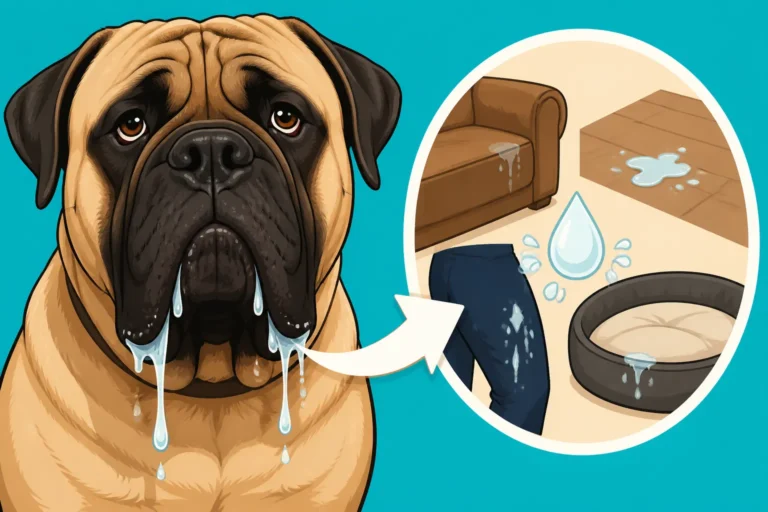
Let's be real: Bullmastiffs can be drooly. They also track in dirt, shed hair, and occasionally have accidents, especially as puppies or seniors. A bed that isn't easy to clean will quickly become a smelly, unhygienic nightmare. This is why a removable, machine-washable cover is absolutely non-negotiable.
The cover should be easy to remove and put back on – no wrestling with a giant, heavy foam block just to get a thin fabric layer off. Look for covers with long, durable zippers that go around at least two sides of the bed. The fabric itself should be machine washable in cold water and preferably tumble dry low to avoid shrinking or damaging waterproof linings. Some covers even have water-resistant or waterproof liners underneath the main fabric, which is a fantastic feature for protecting the foam from accidents, drool, or spills. Regular cleaning not only keeps the bed fresh but also helps manage shedding and allergens in your home. How Much a Bullmastiff Drools really drives home the need for easy-to-clean surfaces.
Placement and Maintenance of Your Bullmastiff's Bed
Choosing the right bed is only half the battle. Where you put it and how you care for it are equally important for maximizing your Bullmastiff's comfort and the bed's longevity.
Optimal Locations for Comfort and Security
Where your Bullmastiff's bed lives in your home can significantly impact their sense of security and overall comfort. These dogs are deeply loyal and enjoy being near their families, so isolating their bed in a remote corner isn't usually ideal.
First, consider areas of your home where you spend a lot of time, but that also offer a sense of quiet and retreat. A corner of the living room, a spot next to your desk in the home office, or a bedroom are often excellent choices. This allows your Bullmastiff to feel included in family activities without being directly in the high-traffic flow where they might get stepped on or constantly nudged. Second, avoid drafty areas near frequently opened doors or windows, especially in colder months. Conversely, in warmer climates, ensure the bed isn't in direct sunlight or a poorly ventilated spot where your Bullmastiff could overheat. A spot on a cool tile floor next to the bed might also be appreciated, offering them a choice. Remember, What a Bullmastiff Does All Day often involves a lot of resting and observing their family, so a well-placed bed supports this natural behavior.
Regular Cleaning and Inspection Routines
Even with the most durable and washable covers, a Bullmastiff's bed requires routine maintenance to stay fresh, hygienic, and in good condition. Neglecting cleaning can lead to unpleasant odors, accumulation of hair and dander, and potential skin irritations for your dog.
Aim to wash the bed cover at least once a month, or more frequently if your Bullmastiff is particularly drooly, prone to accidents, or spends a lot of time outdoors. Use a pet-safe, unscented detergent to avoid irritating their sensitive skin. While the cover is off, vacuum or brush any loose hair and debris from the foam core itself. This is also a perfect opportunity to inspect the foam for any signs of sagging, permanent indentations, or damage. Check the seams and zippers of the cover for wear and tear, and address any small tears before they become larger problems. If you notice persistent odors, an enzymatic cleaner designed for pet odors can be sprayed directly on the foam (after checking the manufacturer's instructions, of course) before allowing it to air dry completely. For a breed like a Bullmastiff, which needs consistent support, this routine maintenance is key to the bed providing a healthy sleep environment for Caring for an Aging Bullmastiff.
When to Replace Your Bullmastiff's Bed
Even the best orthopedic beds have a lifespan, especially under the immense weight of a Bullmastiff. Knowing when to replace it is crucial for ensuring your dog continues to receive the support they need.
The most obvious sign it's time for a new bed is if the foam core has lost its resilience. If you see permanent indentations where your Bullmastiff usually lies, or if the bed no longer springs back to its original shape, it's no longer providing adequate orthopedic support. This means their joints are sinking through the bed, defeating its purpose. Another indicator is if your Bullmastiff starts avoiding their bed in favor of harder surfaces, even if they used to love it. This could be a subtle sign that the bed is no longer comfortable or supportive. Excessive wear and tear on the cover that can't be repaired, or persistent odors that even deep cleaning can't remove, are also good reasons for replacement. While an initial investment in a quality bed might seem high, remember it's a critical tool in managing their joint health and overall comfort throughout their life, which is often shorter than we'd wish. The Median Bullmastiff Lives Eight and a Half Years and other health considerations make every year of comfort count.
Budgeting for a Bullmastiff's Bed
Let's face it, owning a Bullmastiff is an investment, and that includes their gear. A high-quality orthopedic bed can seem expensive upfront, but it's an expenditure that pays dividends in your dog's health and your peace of mind.
Understanding the Investment
When you see a price tag for a large, truly orthopedic dog bed that seems on par with a small piece of human furniture, it's easy to balk. However, it's important to reframe this cost. For a Bullmastiff, an orthopedic bed isn't just a plush pillow; it's a vital piece of health equipment. It's an investment in their joint health, comfort, and potentially, a way to mitigate future veterinary bills related to arthritis and pressure sores.
Think about it: if your Bullmastiff develops severe arthritis earlier due to inadequate bedding, the cost of anti-inflammatory medications, joint supplements, or even therapies like hydrotherapy or acupuncture can quickly dwarf the cost of a good bed. A well-constructed, supportive bed can help delay these issues, keeping your Bullmastiff more comfortable for longer. Consider it an integral part of their preventative care, much like good food or regular vet check-ups. What Joint Supplements Cost for a Bullmastiff gives you an idea of the ongoing expenses you might face if joint issues arise.
Long-Term Value vs. Initial Cost
While the initial cost of a premium Bullmastiff bed might be significant, its long-term value often far outweighs cheaper alternatives. A cheap bed, while appealing to the wallet upfront, will likely flatten, tear, or become unusable within a few months, especially under the weight of a Bullmastiff. This means you'll be replacing it frequently, and those recurring costs can quickly add up to more than a single, high-quality bed.
A durable, well-made orthopedic bed, on the other hand, is built to last. With proper care and maintenance, it can provide years of consistent support. This saves you money in the long run by reducing the need for frequent replacements and potentially minimizing health issues that require costly veterinary intervention. When calculating the value, consider the lifespan of the product versus its price, and factor in the intangible benefit of your Bullmastiff's comfort and well-being. A restful Bullmastiff is a happy Bullmastiff, and that's priceless.
Where to Find Good Quality Beds
The good news is that with the increasing awareness of pet health, there are many reputable options for high-quality orthopedic dog beds. You don't have to scour specialty stores to find something adequate.
Major online retailers like Amazon and Chewy offer a vast selection of orthopedic beds from various brands. These platforms allow you to read reviews from other large dog owners, compare specifications like foam density and cover materials, and often find competitive pricing. Look for brands that specifically cater to large and giant breeds, as they understand the unique requirements. Direct-to-consumer pet brands sometimes also offer excellent options, focusing on high-quality materials and innovative designs. While a brand like Ollie might be best known for their food, they and other pet wellness companies often emphasize a holistic approach to pet care, which includes comfortable, supportive sleeping arrangements. Don't be afraid to invest in a bed that explicitly states it's designed for "extra-large" or "giant" breeds over 100 pounds.
When shopping, pay close attention to:
- Foam Type and Thickness: As discussed, high-density memory foam (4-6+ inches) is ideal.
- Cover Material: Look for durable, washable, and ideally water-resistant fabrics.
- Customer Reviews: Pay attention to reviews from owners of other large or giant breeds regarding durability and support.
- Warranty/Guarantee: Reputable manufacturers often offer warranties that cover sagging or defects, which is a good indicator of quality.
Remember, a Bullmastiff's bed is a long-term investment in their health and happiness. Choosing wisely now will benefit both you and your beloved companion for years to come. What a Bed for a Bullmastiff Costs can give you a general idea of what to expect financially.
Disclaimer
This article is for general informational purposes only and does not constitute professional advice. Laws, prices and regulations vary by location and change over time. Consult a qualified professional for guidance on your specific situation.