Why a Bullmastiff Needs Orthopedic Foam
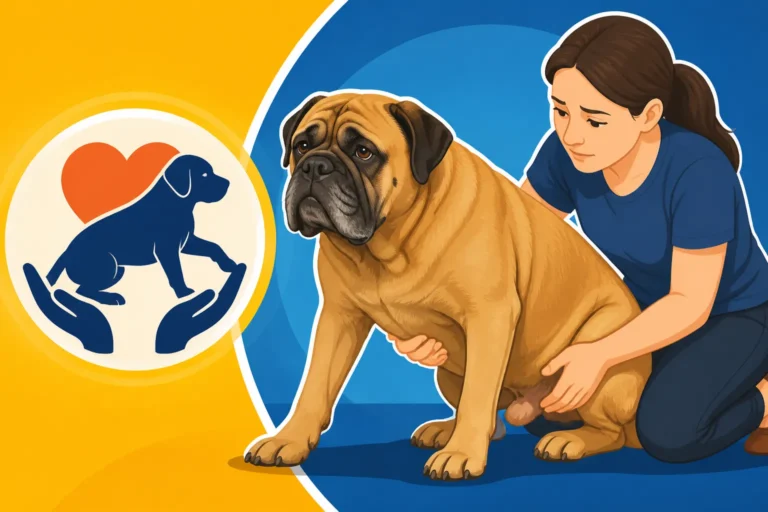
Anyone who shares their home with a magnificent Bullmastiff knows the sheer joy and gentle companionship these dogs bring. But alongside that love comes a significant responsibility, especially when it comes to their physical well-being. These majestic giants carry a lot of weight, and that weight, while part of their impressive stature, puts immense strain on their joints over time. If you’ve ever seen your Bullmastiff struggle to rise, or noticed them shifting uncomfortably on a standard dog bed, you’re witnessing the direct impact of this strain. This comprehensive guide is here to shed light on why an orthopedic foam bed isn't just a luxury for your Bullmastiff, but a crucial element of their long-term health and comfort, helping to mitigate the challenges their unique physiology presents.
The Unique Joint Challenges Faced by Bullmastiffs
Our beloved Bullmastiffs, with their powerful builds and impressive weight, face a particular set of challenges when it comes to their joint health. It's not just about their size; it's about the combination of their inherent predispositions and the sheer physical load they carry every single day. Understanding these factors is the first step in providing the best preventative and supportive care.
The Heavy Burden of Being a Bullmastiff: Why Weight Matters
Imagine carrying an extra 50 or 60 pounds around with you constantly. That's essentially what a Bullmastiff's joints contend with compared to a much lighter breed. An average adult Bullmastiff can weigh anywhere from 100 to 130 pounds, sometimes even more, and every single pound translates to increased stress on their hips, elbows, shoulders, and spine. This constant load means that the cartilage cushioning their joints, and the ligaments supporting them, are under continuous pressure. Over years, this wear and tear can accelerate the breakdown of joint tissues, leading to inflammation, pain, and degenerative conditions like arthritis.
It’s not just their adult weight that's a factor, either. Bullmastiff puppies grow at an astonishing rate. They go from tiny, wrinkly bundles to substantial youngsters in a matter of months. This rapid growth, if not carefully managed, can place undue stress on still-developing bones and joints. If a young Bullmastiff is allowed to gain weight too quickly or is over-exercised during this critical period, it sets the stage for future orthopedic problems. Their size is part of their charm, yes, but it’s also their Achilles' heel when it comes to joint longevity. Understanding A Hundred and Thirty Pounds of Bullmastiff, Measured gives you a clearer picture of the scale of this physical burden.
Genetic Predispositions: Understanding Breed-Specific Issues
Beyond the sheer weight, Bullmastiffs are genetically predisposed to certain orthopedic conditions that can significantly impact their quality of life. The most commonly recognized are hip and elbow dysplasia. Hip dysplasia, for example, is a condition where the hip joint doesn't form correctly, leading to a loose fit between the ball and socket. This misalignment causes grinding, pain, and eventually degenerative joint disease. Similarly, elbow dysplasia involves several possible developmental abnormalities in the elbow joint, resulting in lameness and arthritis.
These conditions aren't necessarily present at birth in their full painful manifestation, but the genetic blueprint is there. A responsible breeder will screen their breeding stock for these issues, but even with careful breeding, the risk is never entirely eliminated due to the complex inheritance patterns. Over time, the subtle pain and inflammation from these conditions can worsen, especially as the dog ages and their body struggles to repair the damage. It's a cruel reality that many Bullmastiff owners will eventually face the signs of The Age a Bullmastiff Gets Arthritis in their beloved companions, making preventative care all the more critical.
How an Active Life Impacts Joints: Early Wear and Tear
While Bullmastiffs aren't hyperactive marathon runners, they are still dogs who enjoy their zoomies, playful romps in the yard, and daily walks. During these periods of activity, especially with their substantial weight, their joints experience repetitive impact and motion. A young Bullmastiff puppy, full of boundless energy, might seem indestructible, but their growth plates are still open, and their joints are vulnerable. High-impact activities, jumping off furniture, or even running too hard on unforgiving surfaces like concrete, can create micro-traumas that accumulate.
Even seemingly normal daily activities, like getting up from a prone position on a hard floor, can place shearing forces on their joints. Think about the impact of a 130-pound body repeatedly pushing itself up from a slick, unyielding surface. This isn't just uncomfortable; it's actively contributing to wear and tear. While exercise is vital for muscle development and overall health, it needs to be appropriate for a Bullmastiff's growing body and later, their aging frame. Owners need to be mindful of The Exercise Limit for a Bullmastiff Puppy and avoid situations where they might be putting too much strain on their developing joints.
Why Standard Beds Just Don't Cut It for Your Bullmastiff
We all want our dogs to be comfortable, and often, we gravitate towards plush, fluffy dog beds that look inviting. However, for a heavy breed like a Bullmastiff, these standard beds, while aesthetically pleasing, often fall woefully short in providing the necessary support. What looks like comfort to us can actually be detrimental to their long-term joint health.
The Problem with Soft, Fluffy Beds: Lack of Support
Those lovely, overstuffed beds filled with poly-fill or cotton batting might feel soft to the touch, but they offer little to no structural support for a heavy Bullmastiff. When a 120-pound dog lies down on such a bed, their weight quickly compresses the soft filling, causing them to "bottom out." This means their heavy joints — hips, shoulders, elbows, and spine — end up resting directly on the hard floor underneath, with only a thin, flattened layer of stuffing for cushioning.
This lack of support does several things. First, it prevents proper spinal alignment. Instead of maintaining a natural, neutral posture, their spine can sag or twist, leading to back pain and muscle strain. Second, it creates uneven pressure distribution. Imagine your dog's hip bone digging into the hard ground because the bed beneath has flattened out. This concentrates pressure on bony prominences, leading to discomfort and increased wear on those specific joint areas. It’s like trying to sleep on a cloud that dissipates the moment you lie down – visually appealing, but functionally useless for true support.
Hard Floors and Pressure Points: The Unseen Damage
When standard beds fail to provide adequate cushioning, your Bullmastiff ends up spending a significant amount of time directly on hard surfaces, whether it's tile, hardwood, or even concrete in a kennel. While a brief nap on a cool floor might feel good on a hot day, prolonged contact with these unforgiving surfaces is bad news for their joints. The primary issue here is the creation of pressure points.
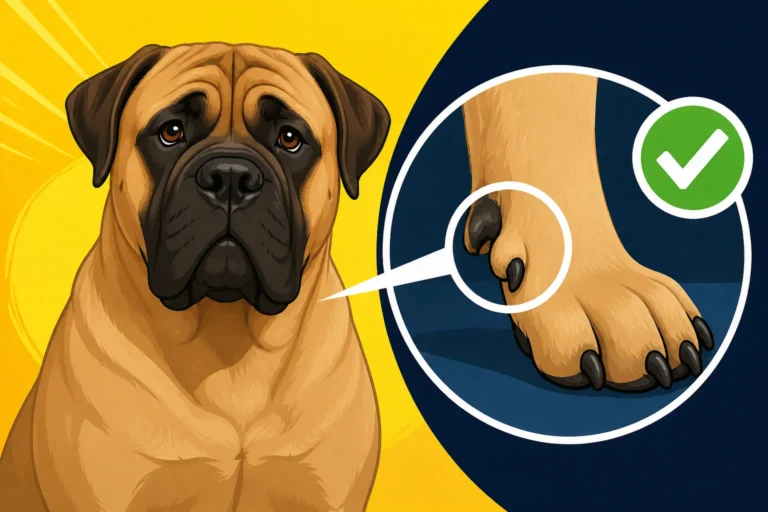
Bony areas like elbows, hips, and hocks (ankles) bear the brunt of their weight against these hard surfaces. This constant pressure reduces blood flow to the skin and underlying tissues, leading to several problems. Initially, it's just discomfort, but over time, it can cause calluses to form, especially on the elbows – tough, thickened patches of skin that can crack, bleed, and even become infected. More seriously, the sustained pressure exacerbates inflammation in the joints themselves, leading to chronic pain and accelerating the progression of degenerative conditions. It's a slow, insidious damage that often goes unnoticed until your dog shows overt signs of pain or stiffness, and by then, significant wear and tear has likely occurred. It's important to understand Where a Bullmastiff Gets Pressure Calluses to be vigilant.
The Discomfort of "Bottoming Out": When Beds Fail
The phenomenon of "bottoming out" is perhaps the most frustrating aspect of standard beds for heavy breeds. You buy a new, fluffy bed, and for a week or two, it seems great. Then, slowly but surely, the padding begins to flatten. The once plump center becomes a crater, and your Bullmastiff is essentially lying on the floor surrounded by a sad ring of compressed stuffing. This isn't just a waste of money; it's a daily source of discomfort for your dog.
Every time they lie down, their body sinks through the inadequate padding, and their joints hit the hard surface. This repeated impact can be jarring and painful, especially for dogs already experiencing some joint stiffness or early arthritis. Furthermore, the effort required to get up from a "bottomed out" bed is much greater. They have to push themselves up from a lower, less supportive position, straining their muscles and joints. This cycle of discomfort and strain discourages them from resting properly, impacting their overall well-being and recovery. A bed should be a source of restorative rest, not another challenge for their heavy frame.
The Science-Backed Benefits of Orthopedic Foam for Bullmastiffs
When we talk about orthopedic foam, we're not just talking about any old foam; we're talking about specific types of high-density, supportive material designed to cradle and protect. For a Bullmastiff, this isn't just an upgrade; it's a fundamental shift in how their body rests and recovers. The benefits are rooted in biomechanics and material science, offering a superior level of care for their heavy, often vulnerable, joints.
Superior Support and Spinal Alignment: What Memory Foam Does
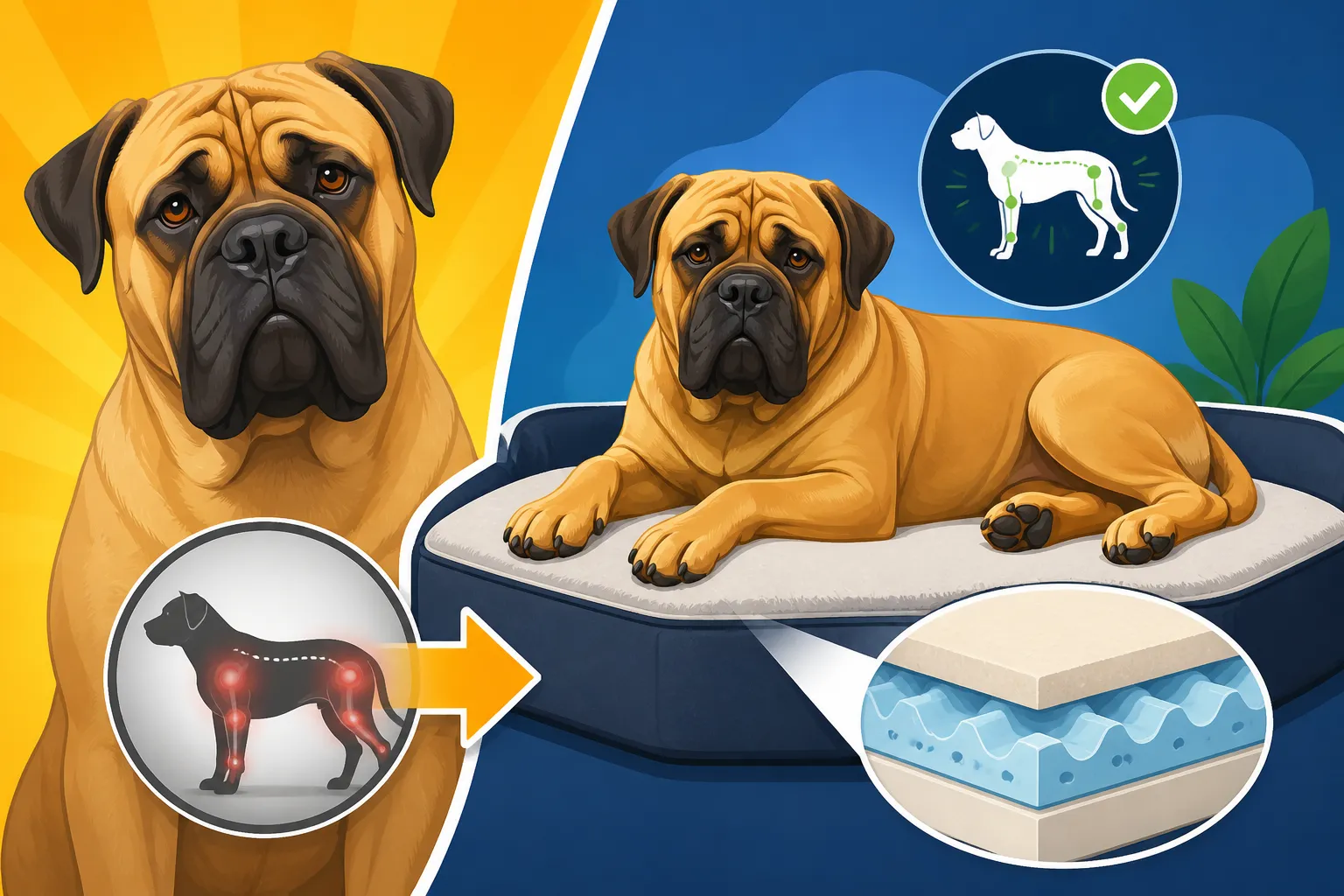
The magic of orthopedic memory foam lies in its ability to conform precisely to your dog's body shape. Unlike traditional poly-fill, which compresses and flattens, memory foam uses body heat and pressure to mold itself, distributing weight evenly across the entire surface. This means that when your Bullmastiff lies down, their weight is supported from nose to tail, without any part of their body sinking through to the floor.
This even weight distribution is critical for maintaining proper spinal alignment. A Bullmastiff's heavy frame can easily create unnatural curves or dips in their spine if unsupported. Memory foam cradles the spine in its natural S-curve, reducing strain on the back muscles and ligaments. Think of it like a custom-fitted mattress for humans – it supports all the unique contours of the body. This continuous, even support allows muscles to relax fully, reduces pressure on nerve pathways, and promotes a restful, restorative sleep, which is essential for cellular repair and overall health.
Pressure Point Relief: Easing Aches and Pains
The immediate and most noticeable benefit of orthopedic foam is the incredible relief it offers to pressure points. As we discussed, standard beds lead to bony areas like hips and elbows pressing against hard surfaces. Memory foam, by molding to the body, eliminates these high-pressure zones. Instead of the weight being concentrated on a few points, it is spread out over a much larger surface area.
This diffusion of pressure is a game-changer for dogs with existing arthritis, hip or elbow dysplasia, or simply the general aches and stiffness that come with being a large, aging dog. By reducing the pressure on inflamed joints and sore muscles, orthopedic foam helps alleviate pain, allowing your Bullmastiff to find a comfortable position and stay there longer without shifting. This leads to deeper sleep, less stiffness upon waking, and improved mobility throughout the day. It’s not a cure for joint conditions, but it's a powerful tool in pain management and increasing their overall comfort and quality of life. Even a young, healthy Bullmastiff benefits from this preventative pressure relief, potentially delaying the onset of age-related discomfort.
Longevity and Durability: An Investment in Comfort
While the initial cost of a high-quality orthopedic dog bed might be higher than a standard one, it's truly an investment that pays off in the long run. Good orthopedic foam, particularly dense memory foam, is incredibly durable. It's designed to withstand the weight of a heavy dog for years without losing its shape or supportive properties. Unlike flimsy fiberfill beds that quickly flatten and need replacing, a well-made orthopedic bed will maintain its integrity and support for a much longer period.
This durability means you won't be constantly buying new beds, which saves money over time. More importantly, it means consistent, reliable support for your Bullmastiff. You won't have to worry about them "bottoming out" after a few months. This consistent support contributes directly to their long-term health, as it continuously prevents the exacerbation of joint issues. When you consider the potential veterinary bills associated with advanced joint disease – pain medications, supplements, even surgery – the cost of a durable orthopedic bed seems like a small price to pay for sustained comfort and health. It’s a foundational piece of equipment in Caring for an Aging Bullmastiff.
Choosing the Best Orthopedic Bed for Your Gentle Giant
So, you're convinced that an orthopedic bed is essential for your Bullmastiff. Now comes the task of choosing the right one, which can feel overwhelming with so many options out there. It's not just about picking the first one you see; there are specific features and considerations that will make a real difference for your heavy breed.
Key Features to Look For: Density, Thickness, Cover
When shopping for an orthopedic bed, remember that not all "orthopedic" beds are created equal. The quality of the foam is paramount.
- Foam Density and Type: Look for high-density memory foam or a combination of memory foam and supportive base foam. A bed that is entirely memory foam is ideal, but a good quality shredded memory foam blend or a multi-layer foam construction (e.g., a thick layer of orthopedic foam over a firmer support foam) can also work. Avoid beds that simply have a thin layer of memory foam on top of cheap egg-crate foam or poly-fill. For a Bullmastiff's weight, the foam needs to be dense enough to prevent bottoming out. Some popular options for durable, supportive beds can be found readily on platforms like Amazon or Chewy.
- Thickness: Aim for a bed that is at least 4-6 inches thick. For a Bullmastiff, thicker is generally better to ensure sufficient cushioning and support under their significant weight. A bed that is too thin, even if it's memory foam, won't provide adequate lift and pressure distribution.
- Cover Material: The cover should be durable, removable, and machine washable. Bullmastiffs can drool (a lot!) and track in dirt, so easy cleaning is non-negotiable. Look for tough, chew-resistant fabrics if your dog is prone to nesting or digging. Waterproof or water-resistant liners under the main cover are also a huge plus, protecting the foam from accidents or moisture.
- Size: This might seem obvious, but ensure the bed is large enough for your Bullmastiff to stretch out completely in any natural sleeping position – curled up, on their side, or sprawled on their back – without any part of their body hanging off. A common mistake is buying a bed that is too short, leaving their hips or head unsupported.
Sizing and Placement: Making Sure It Fits and Works
Once you've zeroed in on the features, let's talk about the practicalities of sizing and where to put this glorious new bed.
- Measure Your Dog: Before you even look at dimensions, measure your Bullmastiff from nose to tail (when stretched out) and from paw to shoulder (for width). Add several inches to these measurements to ensure ample room. A bed that feels generous in size is better than one that's just barely adequate. Remember, they need space to shift and adjust comfortably throughout the night or during naps.
- Strategic Placement: Consider where your Bullmastiff spends most of their time. If they have a favorite napping spot on the hard floor in the living room, that's a prime location for the orthopedic bed. If they sleep in your bedroom, ensure there's enough space for a large bed without tripping hazards. Placing the bed in a quiet, draft-free area will encourage them to use it. If your dog tends to sleep near windows, be mindful of temperature fluctuations; Bullmastiffs can overheat easily.
- Accessibility: For older Bullmastiffs or those with severe mobility issues, consider beds with a lower profile or those that don't have high bolsters on all sides, making it easier for them to step on and off. While bolsters can provide a sense of security and a place to rest their head, ensure they don't impede entry or exit. Which Bed a Bullmastiff Needs is a great resource for visualising the scale.
Maintaining Your Orthopedic Investment: Keeping It Clean and Effective
An orthopedic bed is an investment, and like any investment, it benefits from proper care. Regular maintenance ensures its longevity and continues to provide maximum benefit to your Bullmastiff.
- Regular Cleaning: As mentioned, removable, washable covers are a must. Wash the cover according to the manufacturer's instructions, typically weekly or bi-weekly, depending on how dirty your dog gets. For inevitable drool spots or small accidents on the foam itself, spot clean with a pet-safe enzymatic cleaner and allow it to air dry completely before replacing the cover. Avoid soaking the foam, as it can be very difficult to dry thoroughly, potentially leading to mold or mildew.
- Rotate and Fluff: While memory foam doesn't flatten like fiberfill, rotating the bed (if applicable) periodically can help distribute wear evenly. If your bed has a shredded foam component, gently fluffing it can help maintain its loft and prevent settling in one spot.
- Monitor for Wear: Regularly inspect the foam for any signs of significant breakdown, tears, or areas where it might be losing its rebound. While high-quality foam lasts for years, nothing lasts forever. If you notice a significant dip or loss of support, it might be time to consider a replacement. This is especially true as your Bullmastiff ages and their joint needs become even more critical. Brands like Ollie, while focusing on nutrition, understand the holistic approach to pet health, emphasizing that a good diet combined with proper physical support (like an orthopedic bed) works wonders.
Providing an orthopedic foam bed is one of the most proactive and loving things you can do for your Bullmastiff. It addresses their unique anatomical needs, safeguards their joints, and ensures they get the restful, pain-free sleep they deserve. It's not just a place for them to lie down; it's a foundation for their comfort, mobility, and overall quality of life, extending those precious years you have together.
Disclaimer
This article is for general informational purposes only and does not constitute professional advice. Laws, prices and regulations vary by location and change over time. Consult a qualified professional for guidance on your specific situation.