Whether an Aging Bullmastiff Needs Help Standing
It's incredibly tough to watch our once-powerful Bullmastiffs, those magnificent giants who bounded through our lives, start to struggle with something as fundamental as simply getting up. The sight of them hesitating, bracing themselves, or even failing to rise can tug at your heart in a way nothing else quite does. If you’re asking whether your aging Bullmastiff needs help standing, the answer is often a resounding yes, and understanding why it happens and what you can do can make a world of difference in their comfort and dignity during their golden years. This guide is here to walk you through the realities, the signs to look for, and the practical steps you can take to support your beloved companion.
The Reality of Aging Joints in a Giant Breed
Bullmastiffs are undeniably impressive, weighing in at well over 100 pounds for many adults. This incredible bulk, while part of their majestic presence, becomes a significant challenge as they age. Every single movement, from standing up from a nap to taking a casual stroll, places immense stress on their joints, ligaments, and tendons. Unlike smaller breeds who might just seem a little creaky, the sheer physics of moving a Bullmastiff's mass means that even minor discomfort can quickly escalate into a major impediment to their mobility. It’s a sad but common truth that a lifetime of carrying such weight takes its toll.
Why Large Breeds Face Unique Challenges
Think about the sheer engineering involved in your Bullmastiff’s body. Each joint is designed to bear a substantial load, and over years, the cartilage that cushions these joints begins to wear down. This isn't just a matter of "getting old"; it's a structural reality for dogs of their size. Imagine trying to get up from a deep armchair when your knees are aching, but multiply that by a hundred pounds and a lifetime of impact. That's often what our Bullmastiffs are experiencing. They aren't just slowing down; their bodies are literally struggling against gravity and years of work. Many owners observe this struggle as their Bullmastiff passes the six-year mark, a common age for the onset of more pronounced aging challenges. The Age a Bullmastiff Is Considered Senior
The musculature that supports these joints also begins to weaken. While a younger Bullmastiff's powerful hindquarters can launch them effortlessly, an older dog often finds that strength diminishing. This combination of joint pain and muscle weakness creates a vicious cycle: pain leads to less movement, which in turn leads to more muscle loss, making standing even harder.
Common Culprits: Arthritis and Degenerative Conditions
For most aging Bullmastiffs, the primary reason for their difficulty standing is osteoarthritis. This degenerative joint disease is almost an inevitable companion to large breeds as they age. What happens is that the smooth, resilient cartilage protecting the ends of bones within a joint gradually erodes. When that cushioning disappears, bone rubs against bone, causing inflammation, excruciating pain, and a reduced range of motion. It’s a truly miserable condition for them.
Beyond general arthritis, many Bullmastiffs may have underlying structural issues that become more pronounced with age. Hip Dysplasia in a Bullmastiff and Elbow Dysplasia in a Bullmastiff are unfortunately common in the breed. While a young Bullmastiff might compensate for mild dysplasia with strong muscles and youthful resilience, these conditions become agonizing as the years wear on. The joints, already imperfectly formed, simply can't handle the wear and tear of time and weight without significant pain. It's not that these conditions suddenly appear in old age; rather, they've been present, perhaps silently, and now their impact is undeniable.
In some cases, neurological issues can also contribute to difficulty standing. Conditions like degenerative myelopathy, while less common than arthritis, can affect the nerves that send signals to the hind limbs, leading to weakness, poor coordination, and eventually an inability to stand. It's why a vet check is always crucial to pinpoint the exact cause of your dog's struggles.
Recognizing the Signs Your Bullmastiff Needs Assistance
Our Bullmastiffs are incredibly stoic animals, often masters at hiding their pain. This trait, while admirable, can make it challenging for us to realize just how much they're hurting until their discomfort becomes severe. Learning to recognize the subtle cues and early indicators can allow you to intervene sooner, providing relief and support before the problem becomes overwhelming for both of you.
Subtle Cues and Early Indicators
It's rarely a sudden collapse. Instead, you'll start to notice little shifts in their behavior or movement patterns. One of the first signs is often a hesitation before standing. They might lie there for a moment longer, gathering their strength, or shift their weight several times before finally pushing themselves up. You might notice them favoring one leg slightly, or a general stiffness, particularly after they've been lying down for a long time or first thing in the morning. Their gait might become slower, more deliberate, and less fluid. They may walk with their head held a bit lower, or their tail might not wag with the same enthusiasm.
Reluctance to engage in activities they once loved is another big signal. If your Bullmastiff used to love jumping into the car or climbing the few stairs to the porch, but now hesitates, whines, or tries to avoid it, pay attention. Even subtle changes, like struggling to comfortably shift positions in their bed, can indicate discomfort. Some Bullmastiffs may even start to grunt or sigh more often when lying down or trying to get up. These aren't just "old dog noises"; they can be soft cries of discomfort. How a Bullmastiff Hides Pain is a real phenomenon with these brave dogs.
Observable Difficulties in Daily Life
As the condition progresses, the difficulties become more apparent. You'll likely see distinct struggles when they try to rise from a lying position. They might "army crawl" a bit, dragging their back legs behind them, or rely heavily on their powerful front legs to pull their body upwards. On slippery surfaces like tile or hardwood, this becomes even harder, as they can't get proper traction, leading to splayed legs or frustrated attempts.
Once they do manage to stand, you might observe wobbling, staggering, or a loss of balance, especially if they try to move quickly. Maintaining a standing position for long periods, such as while eating from a bowl on the floor or waiting patiently for a treat, can become overtly challenging. You might see them slowly sinking back down or bracing themselves against a wall or furniture for support. Signs a Bullmastiff's Hips Hurt are often most apparent when they try to get up or lie down.
Behavioral Changes Related to Discomfort
Chronic pain can affect a dog's entire demeanor. Your normally sweet and tolerant Bullmastiff might become more irritable, especially if you accidentally touch a painful area. They might growl or snap, which is completely out of character, simply because they're hurting. Conversely, some dogs might become more withdrawn, preferring to be left alone rather than interacting.
A marked loss of interest in activities that once brought them joy, like playing with toys or going for their favorite walks, is a strong indicator of discomfort. They might also become restless at night, unable to find a comfortable position to sleep, pacing or constantly shifting. And sadly, difficulty standing can lead to house-soiling accidents if it becomes too painful or takes too long for them to get outside when nature calls. These changes are heartbreaking to witness, but they are a cry for help.
Practical Ways to Help Your Bullmastiff Stand
Once you recognize that your aging Bullmastiff is struggling, the good news is there are many practical and empathetic ways you can assist them. It's about modifying their environment, using supportive gear, and adjusting your routines to give them the best possible quality of life.
Supportive Gear: Harnesses and Slings
One of the most immediate and effective ways to help your Bullmastiff is through specialized supportive gear. Full-body harnesses with integrated handles or dedicated lifting slings are absolute game-changers. These tools are designed to distribute your dog's weight evenly, allowing you to provide a secure and comfortable lift without straining your own back or putting awkward pressure on your dog's painful joints.
For dogs with hindquarter weakness, a rear support sling is invaluable. It usually consists of a wide, padded band that goes under their abdomen, with handles for you to lift. This allows your Bullmastiff to use their front legs while you support their rear, making standing up and navigating stairs much easier. For more generalized weakness, or if your Bullmastiff needs overall stability, a full-body harness with lifting handles is an excellent choice. These harnesses wrap around the chest and often the hindquarters, providing multiple points of contact for you to assist. They come in various designs, some even allowing you to walk alongside your dog while maintaining a steadying grip. Which Harness Lifts an Aging Bullmastiff explores these options in detail. You can find a wide range of these supportive devices on sites like Chewy and Amazon, which offer different sizes and styles to fit your big guy or girl comfortably.
Environmental Modifications for Easier Movement
Making some thoughtful adjustments to your home environment can dramatically improve your Bullmastiff's mobility and confidence, reducing the need for constant hands-on assistance.
- Flooring is Key: Slippery floors are an older dog's worst enemy. Tile, laminate, and hardwood floors offer no traction, making it incredibly difficult and even scary for a dog with weak or painful joints to stand up or walk without slipping. Cover these areas with non-slip rugs, carpet runners, or even yoga mats. This small change can prevent falls and give your dog the confidence to move more freely. Whether Rugs Help a Bullmastiff on Hardwood is a serious consideration.
- Orthopedic Bedding: A soft, lumpy bed might seem comfortable, but it provides no support for aching joints. Invest in a high-quality orthopedic dog bed with dense, supportive foam. These beds contour to your dog's body, alleviating pressure points and making it much easier for them to push themselves up. A good orthopedic bed is often thicker and firmer than a regular dog bed, providing crucial elevation and stability. Look for reputable brands on Amazon or specialized pet supply stores.
- Ramps and Steps: If your Bullmastiff struggles with stairs, getting into the car, or even onto a favorite couch, consider ramps. A sturdy car ramp can save their joints (and your back) every time they need to go for a ride. Indoor ramps can provide access to elevated sleeping spots or help them navigate a few steps without pain. Whether a Bullmastiff Needs a Ramp to the Car is a question many senior Bullmastiff owners find themselves asking.
- Raised Food and Water Bowls: Bending down to eat or drink can put significant strain on an aging Bullmastiff's neck, spine, and front legs. Raised bowls, set at a comfortable height for your dog, can make meal times much more comfortable and reduce the effort required to stand over their food. What Bowl Height Suits a Bullmastiff is something to measure carefully for your specific dog.
Assisted Standing Techniques
When using a sling or harness, or even just your hands, remember the goal is assistance, not doing all the work for them. Encourage your Bullmastiff to try to stand on their own as much as they can, while you provide the necessary support.
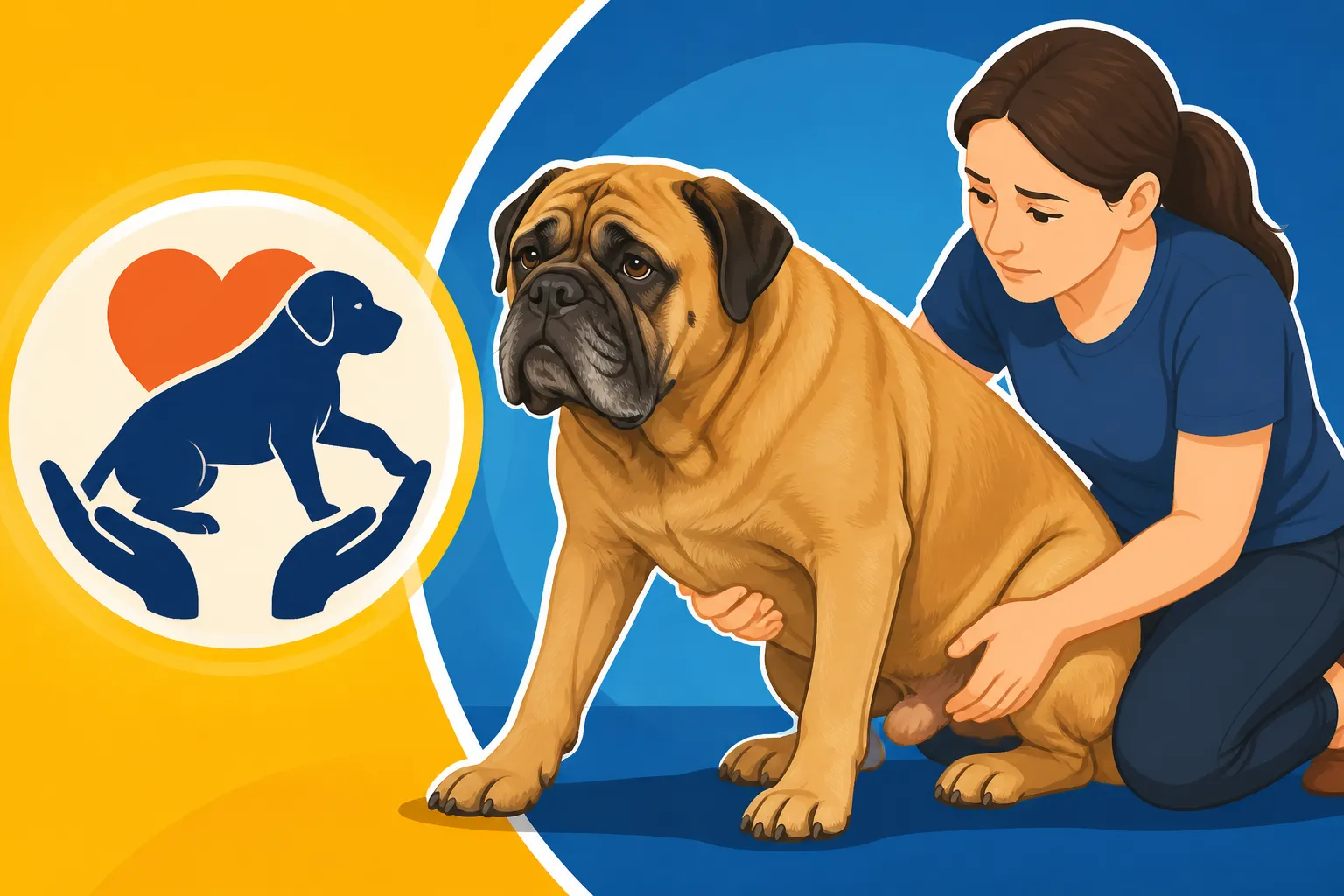
- Gentle and Even Lift: If using a sling or harness, hold the handles firmly and apply a gentle, upward lift as your dog attempts to stand. Try to keep their body level. If using your hands, place one arm under their chest and the other under their abdomen, or one under their hindquarters, and lift steadily.
- Verbal Encouragement: Use consistent, calm verbal cues like "Up!" or "Stand!" This can help them anticipate your assistance and coordinate their efforts.
- Patience is Key: Don't rush them. They might need a moment to gather their strength and find their balance. Observe their body language; if they seem uncomfortable, adjust your approach.
- What to Avoid: Never pull up on their collar or head, as this can strain their neck and spine. Avoid yanking on a single leg or twisting their body, which can cause injury. The idea is to provide stable, even support.
Beyond Standing: Holistic Support for Senior Bullmastiffs
Helping your Bullmastiff stand is often part of a larger picture of comprehensive care for an aging giant. Addressing their overall health, pain levels, and lifestyle can significantly improve their comfort and extend their quality of life.
Pain Management and Veterinary Care
The absolute cornerstone of supporting an aging Bullmastiff with mobility issues is professional veterinary care. Arthritis and other age-related pains are not just "part of getting old" that you have to endure; they are treatable conditions. Regular check-ups are crucial to monitor their condition, adjust medications, and catch any new issues early. How Often a Bullmastiff Needs a Wellness Exam should be at least yearly, and more often if health concerns arise.
Your veterinarian can prescribe various medications to manage pain and inflammation. Non-steroidal anti-inflammatory drugs (NSAIDs) are common, but there are also other options like gabapentin, amantadine, and even specialized injections that can provide significant relief. Discussing What an Aging Bullmastiff's Medication Costs with your vet will help you plan for their ongoing care. Beyond medication, joint supplements containing glucosamine, chondroitin, MSM, and Omega-3 fatty acids can support joint health. While these aren't a magic bullet, they can complement prescription medications and contribute to overall joint well-being. Whether a Bullmastiff Needs Joint Medication Early is a proactive discussion worth having with your vet long before severe signs appear.
Maintaining Muscle and Mobility Through Gentle Exercise
It might seem counterintuitive to talk about exercise when your dog struggles to stand, but gentle, controlled movement is vital. Inactivity leads to further muscle loss and joint stiffness, worsening the problem. The key is appropriate exercise.
- Short, Controlled Walks: Instead of one long walk, try several short, slow strolls on soft surfaces like grass. This keeps their joints moving without overtaxing them. Whether an Aging Bullmastiff Should Still Be Walked is often a yes, but with careful modifications.
- Hydrotherapy: Swimming or underwater treadmill therapy can be incredibly beneficial. The buoyancy of water reduces the weight and impact on their joints while still allowing them to strengthen muscles. Many specialized canine rehabilitation centers offer these services.
- Range of Motion Exercises: A canine physical therapist can teach you gentle range of motion exercises and stretches to perform at home, helping to maintain flexibility and reduce stiffness.
Nutrition and Weight Management
Keeping an aging Bullmastiff lean is arguably one of the most impactful things you can do to support their joints. Every extra pound puts additional stress on already compromised hips, elbows, and spines. Keeping a Bullmastiff Lean Is the Best Thing You Can Do is essential throughout their life, but especially as they age. Research suggests How Many Years an Overweight Bullmastiff Loses, and it can be substantial.
Work with your vet to determine an ideal weight and a calorie-controlled diet tailored for senior dogs. Senior dog foods often have fewer calories and sometimes include joint-supportive ingredients. Ensure their diet still provides high-quality protein to help maintain muscle mass. Adding Omega-3 fatty acids, found in fish oil, can also have anti-inflammatory benefits. Brands like Ollie offer fresh, customized meal plans that can be specifically formulated for senior dogs with weight management and joint health in mind, taking the guesswork out of feeding.
The Emotional Toll and End-of-Life Considerations
Watching your once-vigorous Bullmastiff struggle with basic movements is emotionally exhausting. It’s important to acknowledge your own feelings during this time. You're witnessing the decline of a beloved family member, and it's okay to grieve and feel frustrated or heartbroken.
Focus on maintaining your Bullmastiff's quality of life. This means ensuring they are comfortable, as pain-free as possible, and still experiencing joy. This might mean adapting their favorite activities, providing more physical affection, and creating an even more comfortable home environment. As they continue to age, there may come a point when the bad days consistently outweigh the good. What a Bullmastiff's Last Months Cost can be significant, but more importantly, it's about making sure those months are filled with comfort and love. These difficult decisions are best made with the guidance of your veterinarian, who can help you assess their overall well-being and pain levels. The goal is always to prevent suffering and ensure a peaceful transition when the time comes.
Disclaimer
This article is for general informational purposes only and does not constitute professional advice. Laws, prices and regulations vary by location and change over time. Consult a qualified professional for guidance on your specific situation.