How Fussy a Bullmastiff Is
It can be incredibly frustrating and even worrying when your magnificent Bullmastiff, a dog of such impressive size and presence, turns up their nose at mealtime. You expect a big dog to have a big appetite, and when they don't, it leaves you scratching your head, wondering if you're doing something wrong or if there's a serious underlying problem. This guide will delve into why your Bullmastiff might be acting like a finicky eater and offer practical, empathetic strategies to ensure they get the nutrition they need without turning every meal into a battle of wills.
Understanding the Bullmastiff's Unique Eating Habits
You might envision a giant breed like a Bullmastiff as a bottomless pit, always ready for their next meal. After all, they’re big dogs, and big dogs need a lot of fuel, right? But the truth is, while many Bullmastiffs are enthusiastic eaters, others can be surprisingly selective, even downright picky. It's a common misconception that all large breeds are ravenous, and it can catch new owners off guard.
The Stoic Nature of the Bullmastiff and Food
Bullmastiffs are known for their calm, protective, and often stoic demeanor. This isn't just about their temperament around strangers; it can also extend to how they approach food. Unlike some breeds that live to eat, a Bullmastiff might view food as simply a necessary fuel, rather than the highlight of their day. They aren't generally a "gulper" unless something is truly exciting them. Their ancestors were bred to be silent guardians, and perhaps this quiet, deliberate approach has a tiny echo in their eating habits. They're not always driven by frantic hunger.
It’s important to remember that Bullmastiffs were bred for function, not necessarily for a voracious appetite that would have them constantly looking for food on a gamekeeper's estate. They needed sustenance, certainly, but their primary role involved observation and holding, not endlessly foraging. This historical context might offer a little insight into why some individuals aren't obsessed with their dinner. When thinking about their dietary needs, it's not just about quantity but quality and consistency. You'll want to ensure you're feeding them appropriately, as detailed in How Much an Adult Bullmastiff Eats.
Growth Rates and Appetite Changes
Bullmastiff puppies, too, can sometimes be surprisingly particular. While they need consistent, quality nutrition to grow into their impressive adult size, their growth needs to be slow and steady to protect their developing joints. Often, their natural appetite will match this slower growth trajectory. If you’re pushing too much food or constantly offering high-value treats to tempt them, you might inadvertently be contributing to fussiness. Their metabolism isn't always roaring, and a large meal can feel like a lot for a growing pup. It’s a delicate balance to strike between providing enough nourishment and not overfeeding, which can lead to rapid growth, a known risk factor for orthopedic issues like hip and elbow dysplasia. Keeping them lean is crucial throughout their lives, a principle we cover in Keeping a Bullmastiff Lean Is the Best Thing You Can Do.
Common Reasons Your Bullmastiff Might Be a Fussy Eater
Before you jump to conclusions or switch foods entirely, it's helpful to consider the many factors that can turn a seemingly normal eater into a picky one. It’s rarely out of spite!
Medical Issues and Discomfort
This is always the first thing to rule out. If your Bullmastiff suddenly becomes a fussy eater or outright refuses meals, a trip to the vet is in order. Even subtle discomfort can significantly impact appetite.
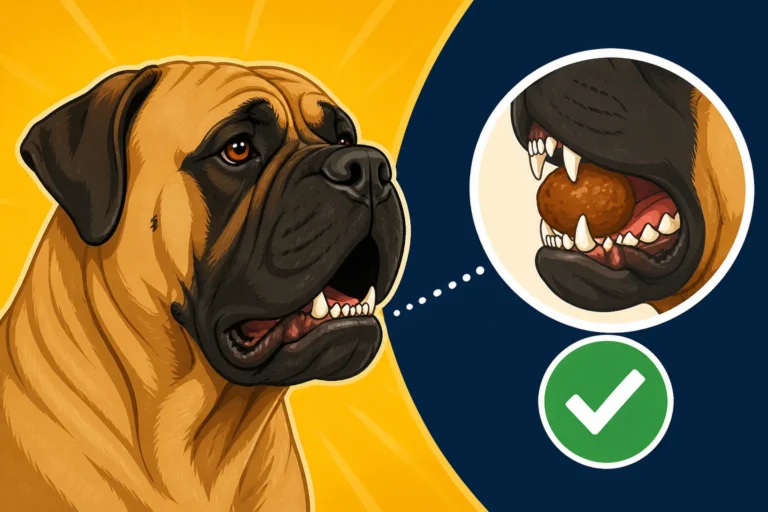
- Dental Pain: A sore tooth, gum inflammation, or any issue in the mouth can make eating painful. Imagine trying to chew with a toothache! Bullmastiffs are prone to dental issues just like any other breed, and checking their mouth regularly is important. How Often a Bullmastiff's Teeth Need Cleaning can give you some guidance on preventive care.
- Gastrointestinal Upset: Nausea, stomach pain, acid reflux, or a mild tummy ache can easily make food unappealing. This might be from something they've scavenged, a food intolerance, or even a more serious condition like early signs of bloat. Knowing Signs a Bullmastiff Is Bloating is critical for any Bullmastiff owner.
- Pain Elsewhere: Orthopedic pain (hips, elbows, back), joint discomfort, or even a minor injury can make a dog feel generally unwell and less interested in food. If they're struggling to get up or lie down, the effort of walking to the bowl might seem too much.
- Systemic Illness: Underlying conditions like kidney disease, liver issues, or even a developing thyroid problem can cause a generalized malaise that reduces appetite. For instance, Signs a Bullmastiff's Thyroid Is Low often include changes in energy and metabolism that can impact hunger.
Too Many Treats and Table Scraps
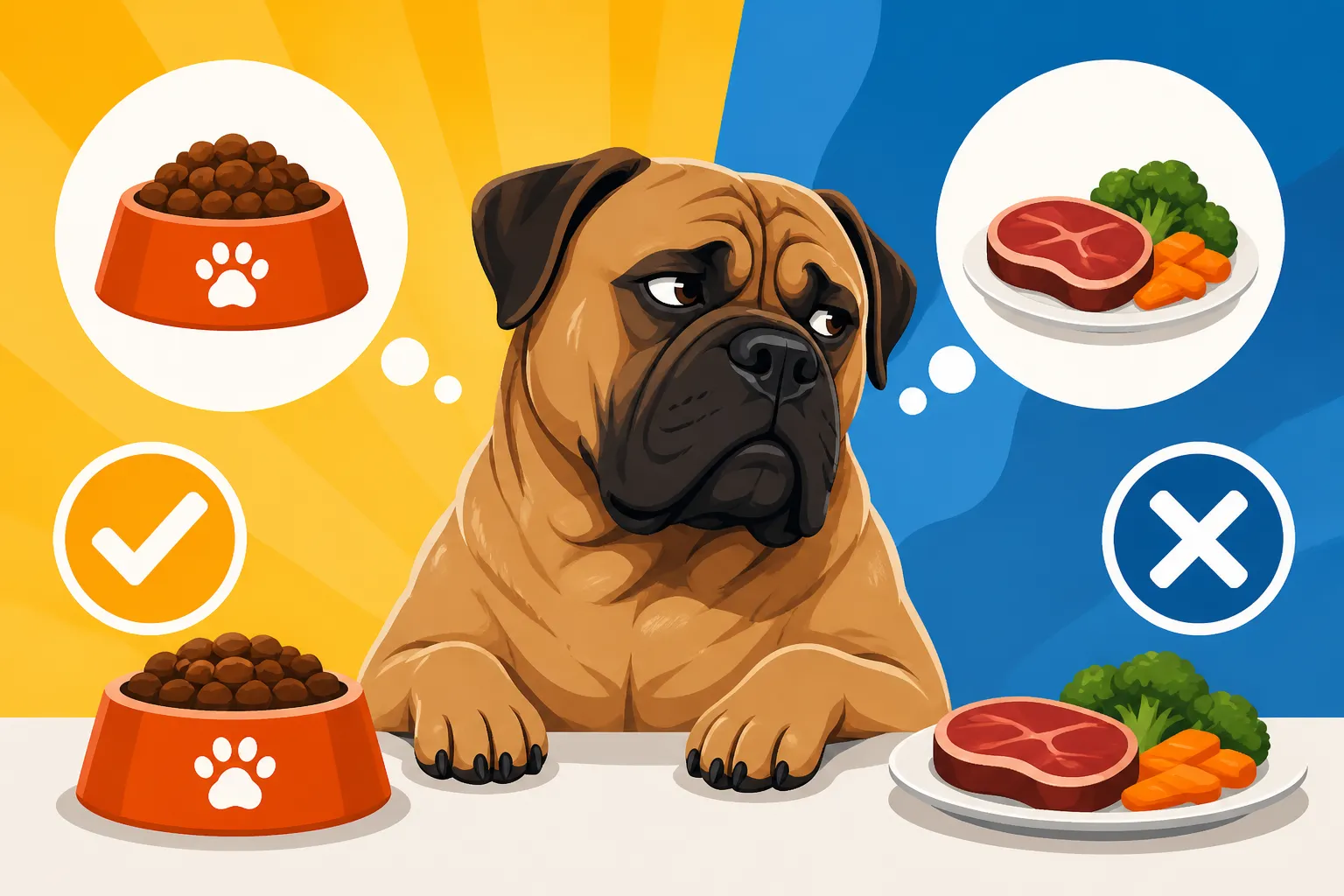
Let’s be honest, those big, soulful Bullmastiff eyes can be hard to resist, especially when they're begging for a bite of your dinner. However, over-indulging in treats or sharing human food is one of the quickest ways to create a fussy eater. If they know something better is coming, why bother with their boring kibble?
- Filling Up on Extras: Even small treats add up, especially for a dog that might not have a huge appetite to begin with. If they’re getting half their daily calories from biscuits or chew sticks, they simply won’t be hungry for their main meal.
- Creating a Preference: When you offer a wide variety of human foods, your Bullmastiff quickly learns that their regular dog food isn't the most exciting option. They become "hold-outs," waiting for the prime steak scraps or cheese. It's tough love, but consistency is key here.
Stress and Environmental Factors
Our Bullmastiffs are sensitive souls, and changes in their environment or routine can affect their appetite.
- Changes in Routine: Moving to a new house, a new family member (human or pet), or even a change in your work schedule can cause stress and disinterest in food. Bullmastiffs thrive on routine and predictability.
- New Food Bowl or Location: Sometimes, something as simple as a new, unfamiliar bowl or moving their feeding spot can throw them off. Ensure their eating area is quiet, safe, and free from distractions.
- Weather and Heat: Bullmastiffs are prone to overheating, and a hot, humid day can definitely suppress their appetite. They may prefer to eat less and drink more water when the temperature rises.
Food Aversion or Boredom
Yes, even dogs can get bored with the same meal, day in and day out. While many dogs are perfectly happy with their kibble for years, some, including Bullmastiffs, can develop a food aversion.
- Stale or Expired Food: Check the freshness date on your dog food. If it's been open for a while, or stored improperly, it might have lost its appeal or even gone rancid.
- Ingredient Intolerance: Sometimes, a dog might develop a sensitivity or allergy to an ingredient in their regular food, making them feel unwell and therefore less inclined to eat it.
- Just Plain Bored: While not the most common reason for a true Bullmastiff, some individuals might simply find their regular kibble unexciting after a long period.
Strategies for Dealing with a Picky Bullmastiff Eater
Once you've ruled out any medical reasons, it's time to implement some consistent strategies. The goal is to make mealtime a positive, low-stress event and teach your Bullmastiff that their regular food is indeed delicious and satisfying.
Establish a Strict Feeding Schedule
This is perhaps the most important step. Free-feeding, where food is left out all day, often contributes to pickiness because there's no urgency.
- Set Meal Times: Offer meals at specific times, usually twice a day for adult Bullmastiffs, for a set duration (e.g., 15-20 minutes). If they don't eat within that time, pick the food up. Don't offer it again until the next scheduled meal.
- No Negotiations: It sounds harsh, but consistency is critical. Your Bullmastiff will quickly learn that if they don't eat when the food is offered, they'll have to wait. This creates a healthy sense of hunger and makes them more likely to eat their meal. This is a key part of good nutrition, discussed further in How Many Meals a Bullmastiff Should Have.
- Limit Treats: Absolutely no treats or table scraps between meals. This reinforces that all the good stuff comes in their bowl at mealtime. This might mean keeping a tight lid on the treat jar from brands like Chewy or making sure family members understand the new rules.
Enhance Food Appeal (Strategically)
If your Bullmastiff is still reluctant after establishing a routine, you can try making their regular food more appealing, but do so carefully to avoid creating an even pickier eater.
- Add Warm Water or Broth: A little warm water or low-sodium, dog-safe broth can enhance the smell and texture of kibble, making it more enticing.
- Food Toppers: A small amount of plain cooked chicken, scrambled egg, or a spoonful of plain yogurt can be mixed into their food. Be mindful of calories and keep the topper amount small—just enough to pique their interest, not enough to be a separate meal. Many pet food companies, including those found on Amazon or Chewy, offer dedicated food toppers for this purpose.
- Consider Different Food Formats: If kibble isn't cutting it, you might explore other options.
- Wet Food: Some Bullmastiffs prefer the texture and stronger smell of canned wet food.
- Fresh or Gently Cooked Food: Brands like Ollie provide fresh, human-grade meal plans that can be very appealing to picky eaters. These options can be pricier, but some owners find the improved appetite and enthusiasm worth it.
- Raw Food: A raw diet (BARF or PMR) can be highly palatable for many dogs, but requires careful research and preparation to ensure it's nutritionally balanced and safely handled.
Here's a quick comparison of food types and their appeal:
| Food Type | Palatability (General) | Cost (Relative) | Prep Time (Relative) | Nutritional Control |
|---|---|---|---|---|
| Dry Kibble | Moderate to Low | Low | Minimal | Good |
| Wet Canned Food | Moderate to High | Moderate | Minimal | Good |
| Fresh/Gently Cooked (Ollie) | High | High | Minimal (Pre-portioned) | Excellent |
| Raw (BARF/PMR) | Very High | High | Moderate to High | High (if balanced) |
| Homemade Cooked | High | Moderate | High | Variable (needs vet input) |
Make Mealtime Positive and Calm
The environment surrounding mealtime can influence your Bullmastiff's willingness to eat.
- Quiet Location: Ensure their feeding area is calm and free from distractions. No loud noises, other pets bothering them, or children running by.
- Positive Reinforcement: Praise them when they eat! Make it a happy experience, but don't hover too much, as that can also create anxiety.
- Exercise Before Meals: A good walk or play session before a meal can stimulate appetite. Just ensure they have time to cool down and relax before eating, especially given how easily Bullmastiffs can overheat.
Rule Out Psychological or Behavioral Factors
Sometimes, the pickiness isn't about the food itself, but an underlying behavioral issue.
- Attention-Seeking: If you constantly fuss over them or offer new things every time they refuse, they might learn that not eating gets them attention or better food. Ignore the non-eating, remove the food, and be consistent.
- Anxiety: A generally anxious Bullmastiff might not eat well. Identify and address sources of anxiety in their environment. This could be anything from loud noises to separation anxiety.
When to Worry: Signs Your Bullmastiff's Fussy Eating Is a Problem
While some pickiness can be managed with behavioral adjustments, there are definite red flags that indicate a medical issue requiring immediate veterinary attention. Don’t wait if you see these signs:
Sudden and Complete Loss of Appetite
If your Bullmastiff, who normally eats something, suddenly refuses all food and treats for more than 24 hours, it's a serious concern. This is especially true if it's accompanied by other symptoms. An adult Bullmastiff can go without food for a day without immediate catastrophe, but a complete refusal is a strong indicator of something wrong.
Accompanied by Other Symptoms
Fussy eating becomes much more alarming when paired with other clinical signs:
- Lethargy or Weakness: If your Bullmastiff is unusually tired, sluggish, or unwilling to move, coupled with not eating, it's an emergency.
- Vomiting or Diarrhea: These symptoms, especially if persistent, can lead to rapid dehydration and indicate significant GI distress or other illness.
- Weight Loss: Any noticeable or rapid weight loss is a serious warning sign. This means your Bullmastiff isn't getting enough calories consistently. You might notice their ribs becoming more prominent when you can usually just feel them.
- Changes in Water Intake: Drinking significantly more or less water than usual, alongside food refusal, can point to various health problems.
- Abdominal Pain or Distension: If their belly looks swollen or they react painfully when touched, this is an immediate emergency, potentially indicating bloat.
- Changes in Demeanor: If your Bullmastiff is usually affectionate but becomes withdrawn, irritable, or restless, it's a sign they're feeling unwell. A normally placid Bullmastiff showing unusual agitation often means pain.
- Difficulty Chewing or Dropping Food: This points strongly to a dental issue or something lodged in their mouth.
Prolonged Pickiness Leading to Poor Body Condition
Even if your Bullmastiff isn't completely refusing food but is consistently eating very little, leading to a noticeable loss of muscle mass or an unhealthy body condition, it needs addressing. While keeping a Bullmastiff lean is healthy, becoming underweight is not. Consult your vet to rule out chronic conditions and discuss nutritional strategies. A professional can help you navigate feeding an aging Bullmastiff, especially if their appetite changes with age, a topic covered in Caring for an Aging Bullmastiff.
Managing a picky Bullmastiff can test your patience, but remember that your dog relies on you to ensure their health and well-being. By understanding their unique temperament, ruling out medical issues, and implementing consistent feeding strategies, you can help your Bullmastiff develop healthier eating habits and thrive for years to come.
Disclaimer
This article is for general informational purposes only and does not constitute professional advice. Laws, prices and regulations vary by location and change over time. Consult a qualified professional for guidance on your specific situation.