Whether a Bullmastiff’s Eyes Need Wiping
If you're a Bullmastiff owner, you've likely found yourself wondering about the gunk that can accumulate around their expressive, soulful eyes. It's a common concern to see crusts, wetness, or even some discoloration, and it naturally leads to the question: do these magnificent dogs actually need their eyes wiped, and if so, how often and with what? This guide will dive deep into understanding your Bullmastiff's eye health, offering practical advice on when and how to provide gentle care, and crucially, when to recognize a problem that needs a vet's attention.
Understanding Bullmastiff Eye Anatomy and Why Wiping Might Seem Necessary
Bullmastiffs are truly a marvel of canine engineering, bred for their strength, loyalty, and imposing presence. But with their distinctive facial structure comes a few unique considerations, particularly when it comes to their eyes. It's not always as simple as just "wiping away" a problem; understanding their anatomy helps clarify the "why" behind any discharge you might see.
The Bullmastiff's Unique Facial Structure
Take a good look at your Bullmastiff's face. You'll notice those wonderful, deep-set eyes, often framed by characteristic wrinkles and folds around their muzzle and forehead. This impressive head, a hallmark of the breed, can also be a bit of a double-edged sword when it comes to keeping their eyes pristine. The shape of their eyelids, the depth of their eye sockets, and the presence of facial folds can all play a role in how tears drain and how easily debris or moisture can become trapped. Think of it like a natural catchment area. Dust, pollen, or even stray hairs can easily settle in these areas, and the tears produced to flush them out might not drain away as efficiently as they would in a dog with a flatter, less structured face.
Because Bullmastiffs are a brachycephalic breed – meaning they have a somewhat shortened muzzle – their tear ducts can sometimes be a bit more angled or compressed than in longer-nosed breeds. This can lead to a slight overflow of tears, a condition known as epiphora. These tears, rich in porphyrins (iron-containing waste products), can react with light and bacteria, causing those reddish-brown stains you often see, especially on lighter-colored fawn or red Bullmastiffs. It's not usually painful, but it can be a persistent cosmetic issue and sometimes, if left moist, can lead to skin irritation in the surrounding folds. It's important to understand this isn't necessarily a sign of illness, but rather a characteristic of their unique build. For more on how their facial structure affects care, you might want to read The Wrinkles and Folds on a Bullmastiff's Face.
Normal vs. Abnormal Eye Discharge
Distinguishing between what's normal and what's cause for concern is perhaps the most important skill any Bullmastiff owner can develop. A little bit of eye gunk doesn't always spell disaster, but knowing the difference can save you a lot of worry – and potentially a costly vet visit for something minor, or conversely, ensure you get help swiftly for something serious.
Normal Eye Discharge: Typically, a healthy Bullmastiff will have minimal eye discharge. You might notice a small amount of clear or slightly off-white "sleep" in the corner of their eyes, especially first thing in the morning after they've been asleep for a while. This is perfectly normal, much like how humans wake up with "crusties." This discharge should be soft, easy to wipe away, and not accompanied by any redness, swelling, or discomfort. It's simply the eye's natural way of cleaning itself, gathering dust, tiny bits of debris, and old tear film.
Abnormal Eye Discharge: This is where you need to pay close attention. If you see discharge that is excessive, meaning it's constantly wet or running, or if it changes in color to yellow, green, or even a thick grey, it's a red flag. Thick, gooey, or pus-like discharge is almost always indicative of an infection or other underlying issue. Other concerning signs include discharge that has a noticeable odor, persistent tearing even when not exposed to irritants, or any discharge accompanied by squinting, rubbing at the eyes, redness of the conjunctiva (the pink tissue around the eye), swelling around the eye, or cloudiness of the eye itself. These symptoms warrant a call to your veterinarian promptly.
When and How to Safely Wipe Your Bullmastiff's Eyes
For minor, normal eye discharge, a little routine cleaning can go a long way in keeping your Bullmastiff comfortable and preventing minor irritation. The key is to be gentle, consistent, and use the right materials.
Daily Maintenance for Healthy Eyes
If your Bullmastiff tends to accumulate a bit of clear, crusty "sleep" or has light tear staining, a daily or every-other-day wiping routine can be very beneficial. This isn't about scrubbing; it's about a delicate refresh. The goal is to remove any minor debris before it builds up or causes irritation in the delicate skin around their eyes or in their facial folds. Consistent wiping helps prevent bacterial growth in the moist areas that can sometimes lead to an unpleasant odor or even skin infections.
For this routine maintenance, you don't need anything fancy. Warm water and a very soft, clean cloth or cotton ball are usually all that's required. Some owners prefer to use specific dog-friendly eye wipes, which can be convenient for on-the-go cleaning. These are readily available from retailers like Chewy or Amazon. Just ensure they are gentle, unmedicated unless directed by your vet, and specifically formulated for pets. Always check the ingredients list to avoid anything that could irritate your Bullmastiff's sensitive eyes. Avoid human baby wipes, as they often contain fragrances or chemicals that aren't suitable for canine eyes. Regular, gentle attention to this area can really make a difference in your Bullmastiff's comfort. You might also find this article helpful: How Often a Bullmastiff's Face Should Be Wiped.
Step-by-Step Eye Wiping Technique
Wiping your Bullmastiff's eyes safely and effectively requires a gentle touch and a clear understanding of the process. Remember, their eyes are extremely sensitive, and you want to make this a positive, calm experience for them.
-
Gather Your Supplies: Have everything ready before you start. This includes warm water (not hot, just comfortably warm), several clean, soft cloths, cotton balls, or pet-specific eye wipes. I usually have a few cloths on hand because I like to use a fresh one for each eye to prevent any potential cross-contamination.
-
Approach Calmly: Your Bullmastiff needs to feel relaxed. Approach them gently, speak in a soothing voice, and offer praise or a small treat. If they're nervous, try doing it when they're already sleepy or relaxed, perhaps after a walk. Never force the issue; this should be a moment of bonding, not a struggle.
-
Positioning and Gentle Hold: For smaller Bullmastiff puppies, you might be able to cradle them. For adults, have them sit or lie down comfortably. Gently cup their muzzle in one hand or place a hand under their chin to steady their head. Avoid placing pressure on their eyes.
-
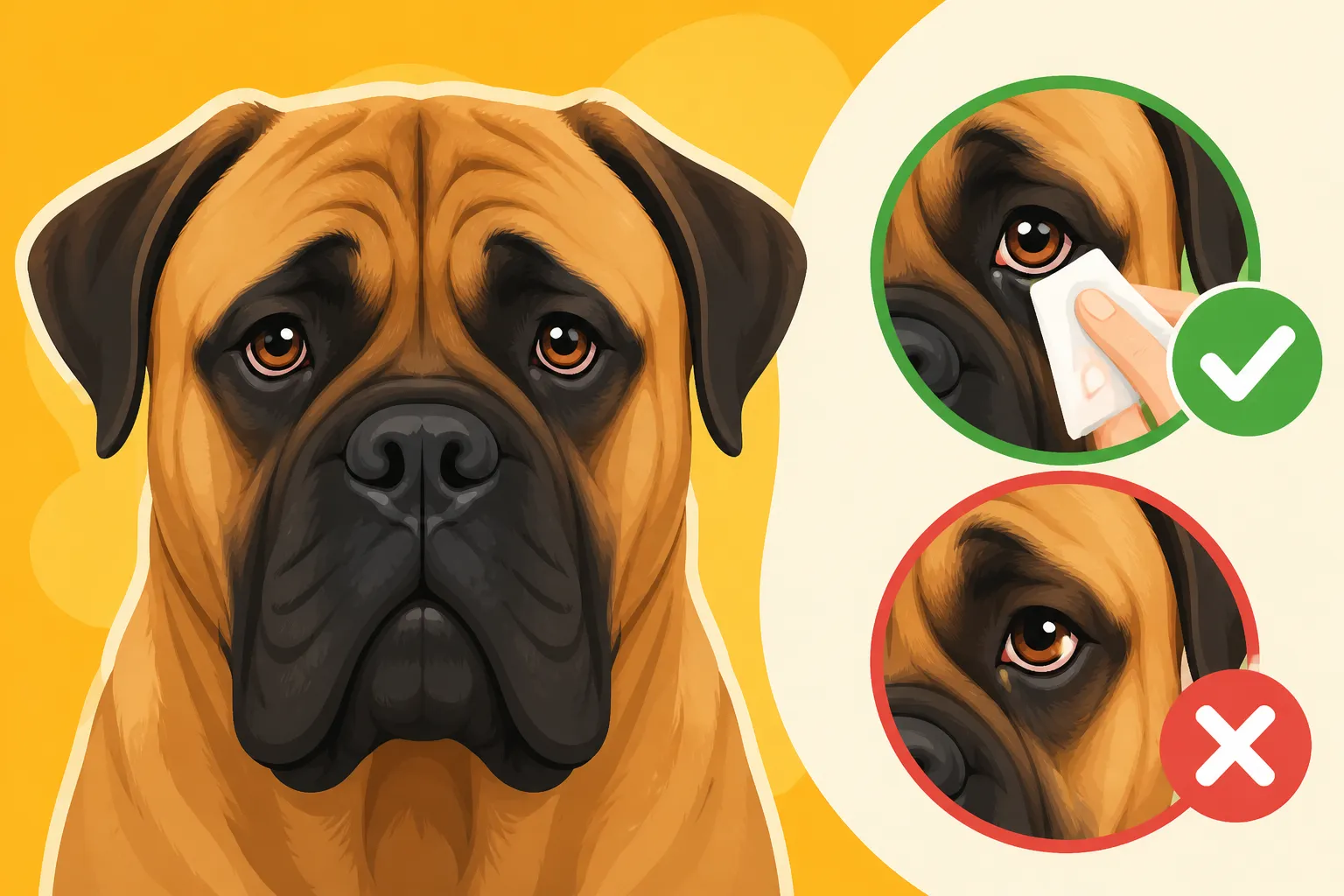
The Wipe: Take your damp cloth, cotton ball, or wipe. Starting from the inner corner of the eye (closest to the nose), gently wipe outwards towards the ear. This motion helps to sweep debris away from the eye itself. Do not wipe towards the nose, as this can push debris into the tear duct. Use a fresh part of the cloth or a new cotton ball for each wipe, and use a completely separate clean cloth/cotton ball for the second eye to avoid spreading any potential irritation or bacteria. Remember, the goal is to clean the area around the eye, not to rub directly on the eyeball. Avoid introducing any fibers from the cloth directly into the eye.
-
Addressing Tear Stains and Folds: For tear stains, consistent gentle wiping can help lighten them over time. For the facial folds, especially the ones directly below the eye, ensure you gently separate them to clean and then thoroughly dry the skin within. Trapped moisture in these folds can lead to irritation or even skin fold dermatitis. A quick, gentle pat with a dry corner of the cloth can help.
-
Reward and Praise: Once you're done, offer plenty of verbal praise and a favorite treat. This positive reinforcement makes future eye-wiping sessions much easier. Consistency and positive association are key to making this a routine your Bullmastiff accepts, rather than tolerates. For tips on cleaning the facial wrinkles, see What to Clean a Bullmastiff's Wrinkles With.
Signs Your Bullmastiff's Eye Issues Are More Than Just Wiping Away
While routine cleaning is great for minor issues, there are definite signs that indicate something more serious is at play, something that a simple wipe won't fix. It's crucial for Bullmastiff owners to be vigilant, as some eye conditions can progress quickly and even threaten their vision.
Recognizing Red Flags and When to Call the Vet
Knowing when to stop reaching for the wipes and start dialing your veterinarian is paramount. Your Bullmastiff can't tell you if their eye hurts, so it's up to you to interpret the signals they're giving. Don't hesitate if you notice any of the following symptoms; early intervention can make a world of difference for many eye conditions.
Persistent Redness: If the white part of your Bullmastiff's eye (sclera) or the pink lining of their eyelids (conjunctiva) remains red for more than a day, or if the redness is intense and accompanied by other symptoms, it's a sign of inflammation or infection. This isn't just a bit of irritation; it could be conjunctivitis, an allergy, or something more serious inside the eye.
Squinting or Pawing at the Eye: This is a clear indicator of discomfort or pain. If your Bullmastiff is frequently squinting, holding one eye closed, or pawing at their face, they are actively trying to alleviate pain or remove an irritant. This could mean a foreign body lodged in the eye, a corneal abrasion, an ulcer, or even an issue with their eyelid structure.
Swelling Around the Eye: Any noticeable swelling of the eyelids or the tissue around the eye is a definite red flag. This can be due to trauma, an insect bite, an allergic reaction, or a deep-seated infection. Swelling can sometimes impair vision and cause significant discomfort.
Excessive Tearing (Epiphora that's new or worsening): While some Bullmastiffs have natural epiphora, a sudden increase in tearing, especially if the tears are thick, discolored, or accompanied by redness, warrants investigation. This could signal a blocked tear duct, an irritant, or even pain from an underlying eye condition.
Cloudy or Opaque Appearance to the Eye: If your Bullmastiff's eye suddenly looks hazy, bluish, or cloudy, it could be a sign of glaucoma, cataracts, or a corneal edema. These are serious conditions that require immediate veterinary attention, as some can lead to blindness if not treated quickly.
Light Sensitivity: If your Bullmastiff seems reluctant to go into bright light, or squints severely when exposed to it, they might be experiencing photophobia, often associated with pain or inflammation within the eye.
When you notice any of these red flags, put down the wipes and pick up the phone. A veterinarian can properly diagnose the issue and prescribe the correct treatment. Prompt action can often prevent a minor problem from becoming a major one, or even save your Bullmastiff's eyesight.
Common Eye Conditions in Bullmastiffs
Unfortunately, our beloved Bullmastiffs, like many purebred dogs, can be predisposed to certain eye conditions that go far beyond simple tear stains. While eye wiping can help manage surface cleanliness, these issues require professional diagnosis and often specific medical or surgical intervention.
One of the most common structural issues in Bullmastiffs is Entropion. This is where the eyelid, usually the lower one, rolls inward, causing the eyelashes or surrounding hair to rub against the cornea (the surface of the eye). Imagine having a constant hair poking your eye – it's incredibly irritating and can lead to chronic pain, corneal ulcers, and even vision impairment. You might notice constant tearing, redness, squinting, or a cloudy appearance to the eye from the irritation. This is a genetic condition that often requires corrective surgery. For a deeper dive, check out Entropion in a Bullmastiff and Why a Bullmastiff's Eyelids Roll Inward.
Another condition sometimes seen is Ectropion, which is the opposite of entropion, where the eyelid rolls outward. This exposes the delicate conjunctiva, making the eye more susceptible to dryness, irritation, and foreign bodies. While less painful than entropion, it can still lead to chronic eye issues and may require surgical correction if severe.
You might also hear about Cherry Eye in Bullmastiffs. This isn't strictly an eyelid issue but involves the third eyelid gland prolapsing and appearing as a red, swollen mass in the inner corner of the eye. It looks alarming and can cause irritation, impacting tear production, but it's typically corrected with surgery to reposition the gland. If you're seeing something that looks like this, definitely read Cherry Eye in a Bullmastiff.
Bullmastiffs can also suffer from allergies, just like people. Environmental allergens like pollen, dust mites, or even certain food ingredients can manifest as red, itchy, watery eyes, often accompanied by general itchiness or skin issues. In these cases, wiping might provide temporary relief from the discharge, but it won't address the underlying allergic reaction. Your vet can help identify triggers and recommend appropriate allergy management.
Finally, like all dogs, Bullmastiffs can get various eye infections, both bacterial and viral. Conjunctivitis, often called "pink eye," is a common bacterial infection causing red, swollen, and often discharge-laden eyes. While a vet might prescribe medicated eye drops or ointments, ensuring the area is kept clean through gentle wiping as directed by your vet can aid the healing process by removing crusts that harbor bacteria. However, simply wiping without treating the infection will not resolve the problem.
Proactive Care and Prevention for Bullmastiff Eye Health
Beyond addressing immediate problems, a comprehensive approach to your Bullmastiff's eye health includes proactive care and preventive measures. A little foresight can often save a lot of discomfort and expense down the line.
Environmental Factors and Prevention
Your Bullmastiff's environment plays a significant role in their eye health. Just like us, dogs can react to irritants in the air or household. Keeping their living space clean and free of excessive dust, strong chemical fumes, or particulate matter can help reduce eye irritation. If you use cleaning products, ensure proper ventilation, and keep your dog away from the area until fumes have dissipated. Likewise, be mindful of strong perfumes, air fresheners, or diffusers, as these can also act as irritants.
Consider the layout of your yard as well. If your Bullmastiff spends time outdoors, pay attention to plants or shrubs that might constantly brush against their face, potentially causing irritation or introducing foreign bodies. Regular grooming, including trimming any long hairs around their eyes that might poke them, can also be beneficial. This doesn't mean giving them a poodle cut, but rather carefully trimming only what is necessary to keep their field of vision clear and prevent hair from getting into their eyes. Investing in good quality, dust-free bedding can also minimize eye irritation during sleep.
Regular Veterinary Check-ups and Breeder Screening
The cornerstone of long-term eye health for your Bullmastiff really boils down to two things: regular veterinary care and making informed decisions when choosing your canine companion. These steps are crucial for catching issues early and, ideally, preventing some genetic conditions from ever becoming a problem.
Regular Veterinary Check-ups: Your Bullmastiff should have annual wellness exams, and these appointments are not just for vaccinations and heartworm checks. A thorough vet will always include an examination of your dog's eyes. They'll check for clarity, look at the eyelids for proper alignment, examine the conjunctiva for redness or swelling, and may even perform a quick Schirmer tear test if dryness is suspected, or a fluorescein stain if a corneal ulcer is a concern. These routine checks are invaluable for detecting subtle changes or emerging conditions before they become advanced or painful. As your Bullmastiff ages, these checks become even more critical, as older dogs can develop issues like cataracts or glaucoma. Make sure to discuss any eye concerns you have, no matter how minor they seem, during these visits. For general wellness, you can explore How Often a Bullmastiff Needs a Wellness Exam.
Breeder Screening: If you're considering a Bullmastiff puppy, researching breeders who prioritize health screening is one of the most impactful things you can do for your future dog's eye health. Reputable breeders will screen their breeding stock for hereditary eye conditions, and often provide OFA (Orthopedic Foundation for Animals) or other health clearances. This significantly reduces the likelihood that your puppy will inherit conditions like entropion or ectropion. While not every eye condition is entirely preventable through breeding, responsible practices greatly improve the odds of having a dog with sound eye health. Always ask to see the health clearances of the parents, especially those related to eye health. Knowing what a responsible breeder screens for is essential, so consider looking into What a Bullmastiff Breeder Should Have Screened.
Diet and Overall Health: Don't underestimate the role of a balanced diet and overall good health in maintaining healthy eyes. A high-quality diet provides the necessary vitamins and antioxidants that support ocular health. Brands like Ollie, known for fresh, human-grade ingredients, or high-quality kibble options found on Chewy, contribute to overall well-being, which in turn supports every bodily system, including the eyes. Keeping your Bullmastiff at a healthy weight also reduces strain on their body and promotes general vitality. While diet alone won't fix a genetic eye defect, it absolutely contributes to a strong immune system and healthy tissues, which can help your Bullmastiff ward off minor infections and irritations. If you have concerns about your dog's eyes at any stage of their life, Whether a Bullmastiff's Eyes Should Be Checked Yearly has more details.
By combining proactive environmental management with diligent veterinary care and responsible breeding choices, you set your Bullmastiff up for a lifetime of healthy, clear vision, allowing them to gaze lovingly at you for years to come.
Here's a quick comparison to help distinguish between normal and concerning eye discharge:
| Feature | Normal Eye Discharge | Concerning Eye Discharge |
|---|---|---|
| Appearance | Clear, slightly off-white, crusty, small amount | Yellow, green, thick, gooey, pus-like, excessive watery |
| Odor | None | Foul or noticeable odor |
| Accompanying Symptoms | None, easy to wipe away | Redness, swelling, squinting, pawing, light sensitivity, cloudy eye |
| Consistency | Dry or slightly moist crust | Sticky, stringy, runny, thick |
| Frequency | Primarily in the morning, occasional | Constant, persistent throughout the day |
| Comfort Level | No discomfort | Dog shows signs of pain, irritation, or vision impairment |
Disclaimer
This article is for general informational purposes only and does not constitute professional advice. Laws, prices and regulations vary by location and change over time. Consult a qualified professional for guidance on your specific situation.