Why a Bullmastiff’s Eyelids Roll Inward
It’s a sight that can send a jolt of worry through any Bullmastiff owner: you look at your beloved companion and notice their lower eyelids seem to be rolling inward, causing their lashes to rub against their beautiful, expressive eyes. This condition, known as entropion, isn't just a cosmetic issue; it's a source of constant irritation and potential damage, and it's a problem many Bullmastiff parents unfortunately become all too familiar with. This guide will help you understand why your Bullmastiff might be experiencing this, what signs to watch for, and the best ways to tackle it.
Understanding Entropion in Bullmastiffs
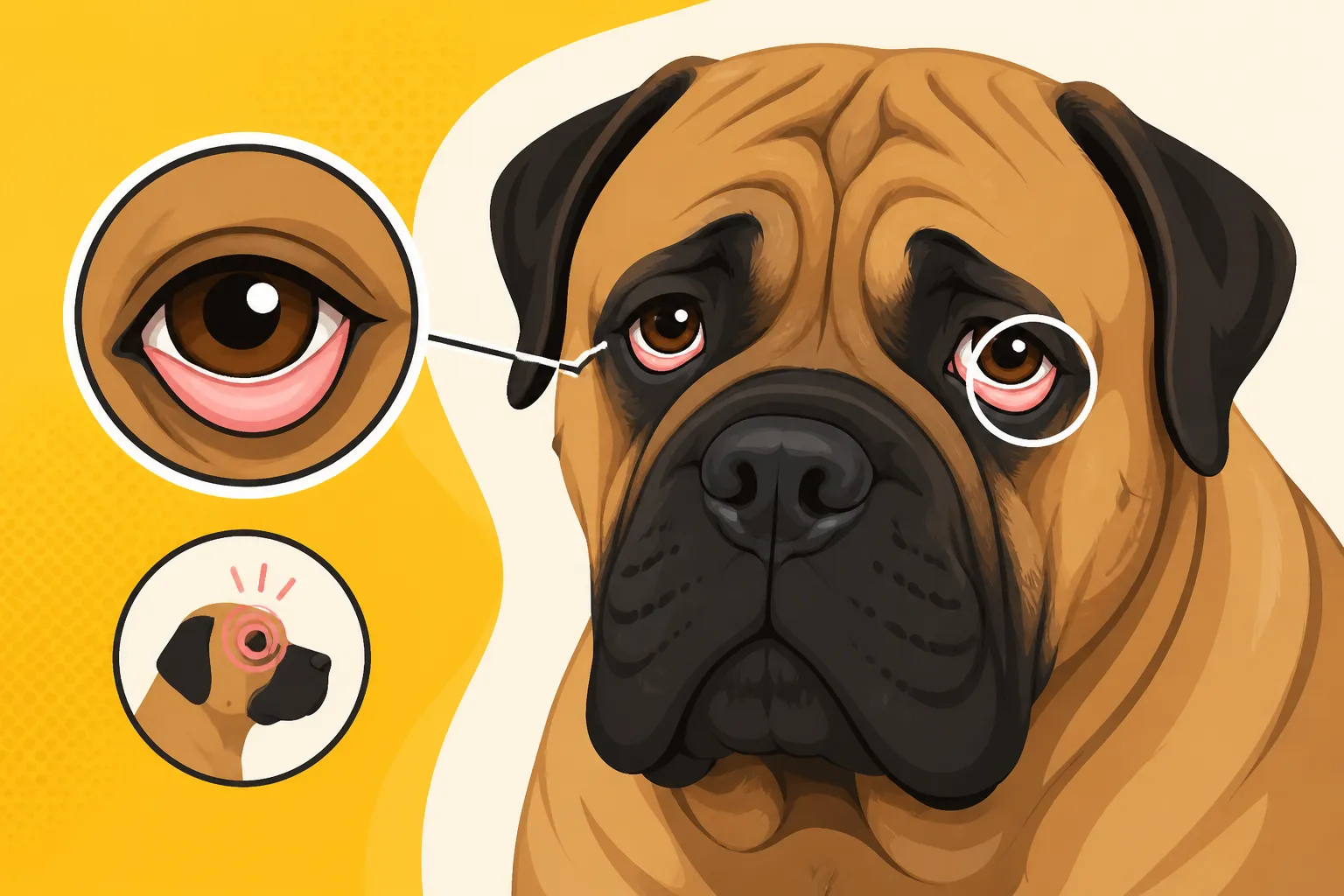
Entropion is a common ocular condition, particularly in breeds with specific facial structures like our wonderful Bullmastiffs. It's when a portion of the eyelid, usually the lower one, inverts or folds inward towards the eye. This seemingly simple structural issue leads to hairs on the eyelid, and sometimes even the eyelid skin itself, rubbing against the delicate surface of the eyeball, the cornea. Imagine having a rough hair constantly poking your eye – that's the daily reality for a Bullmastiff suffering from entropion. This constant friction can lead to a host of uncomfortable and potentially serious problems, from chronic pain to impaired vision.
What Entropion Actually Means for Your Dog
When we talk about entropion, we're describing a physical misalignment. The muscle tension around the eye, the shape of the orbital bone, and even the amount of skin surrounding the eye can all contribute to this inward rolling. For a Bullmastiff, whose breed standard calls for a broad skull, well-developed cheeks, and a moderately wrinkled forehead, these very traits can sometimes become a double-edged sword. The inward turn means that instead of protecting the eye, the eyelid becomes a source of continuous irritation. Every blink can become painful, and over time, the damage to the cornea can become significant, leading to severe discomfort and vision impairment.
Why Bullmastiffs Are Prone to This Condition
The Bullmastiff's majestic appearance, with its distinctive head, deep-set eyes, and noble expression, is part of what makes them so appealing. However, these very characteristics can predispose them to entropion. Their heavy brows and the extra skin folds around their face, while giving them that characteristic "worry" or "thoughtful" look, can create a sag or pull that encourages the eyelid margin to roll inward. It's not just a superficial issue; the underlying structure of the eye socket and the tension of the muscles play a role. The genetic blueprint that gives them their breed-specific look also carries the predisposition for this condition. It's one of those things that, as Bullmastiff owners, we need to be particularly vigilant about.
How Genetic Factors Play a Role
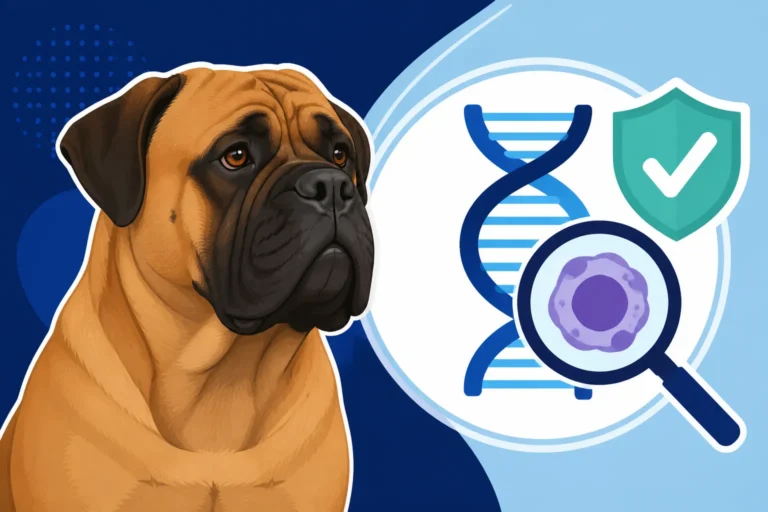
It's widely accepted among veterinarians and breeders that entropion in Bullmastiffs, as with many other brachycephalic and giant breeds, has a significant hereditary component. This isn't just bad luck; it's often passed down through generations. If a Bullmastiff's parents or close relatives have suffered from entropion, the puppy is at a higher risk of developing it. This is precisely why responsible breeders are so diligent about screening their breeding stock and ensuring that dogs with severe or recurrent entropion are not used for breeding. They understand that while they cherish the breed's characteristics, they also have a responsibility to minimize the passing on of genetic predispositions to health issues. When considering a puppy, asking about the eye health of the parents and their lineage is just as important as inquiring about general health certifications. Knowing Which Health Tests a Bullmastiff Breeder Should Run can help you find a responsible source for your next family member.
Recognizing the Signs and Symptoms
Catching entropion early can make a world of difference in your Bullmastiff's comfort and the success of treatment. Since our stoic Bullmastiffs often try to hide their discomfort, it's up to us to be observant and know what subtle clues to look for. Don't wait until it's severe; even minor irritation can escalate quickly and lead to more serious complications if left unaddressed.
Early Indicators You Might Notice
The first signs of entropion can be quite subtle, easily mistaken for a bit of dust in the eye or a minor allergy. You might notice your Bullmastiff blinking more frequently than usual, as if trying to dislodge something. They might start rubbing their face against furniture, the carpet, or even your leg in an attempt to relieve the irritation. Excessive tearing, or epiphora, is another common early indicator. This happens because the constant rubbing from the inward-turned eyelid stimulates tear production, but the tears might not drain properly due to the eyelid's position. You might also catch them squinting, especially in bright light, which is a natural response to pain and irritation in the eye. Sometimes, you might see a slight redness along the eyelid margin itself, a tell-tale sign of inflammation.
More Advanced Signs of Discomfort
If left unaddressed, these early signs will inevitably progress to more pronounced and concerning symptoms. The continuous friction from the eyelashes and skin against the cornea can lead to painful corneal ulcers. These are open sores on the surface of the eye, which can be incredibly painful and, if deep enough, can even rupture the eyeball. When an ulcer is present, you'll likely see a thick, mucoid discharge, sometimes yellow or green, indicating a secondary bacterial infection. The eye itself will appear red and inflamed, a condition known as conjunctivitis. Your Bullmastiff might become lethargic, lose their appetite, and generally seem depressed because of the constant pain. They may keep the affected eye mostly closed, or it might look cloudy or blueish due to corneal edema (swelling). These are urgent signs that require immediate veterinary attention to prevent permanent vision loss.
The Difference Between Entropion and Other Eye Issues
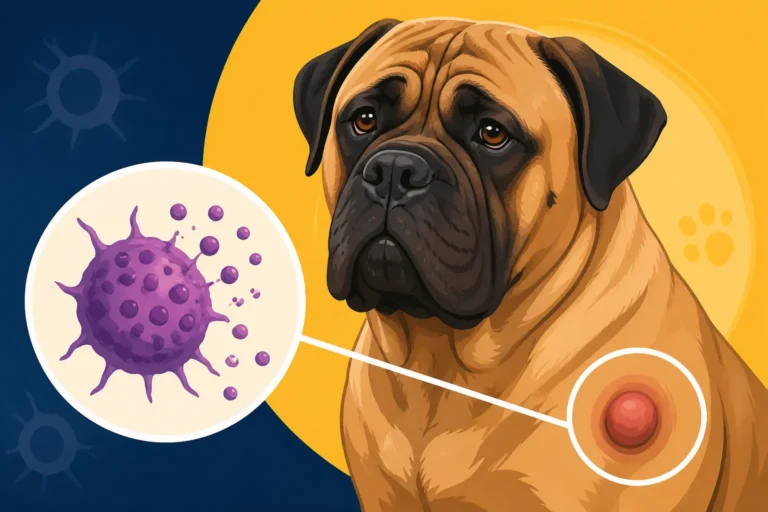
It's easy to get confused when your Bullmastiff's eyes look red or irritated, as many conditions can manifest with similar symptoms. For instance, conjunctivitis, a general inflammation of the conjunctiva (the lining of the eyelids and part of the eyeball), can cause redness and discharge, but it's often due to allergies, irritants, or infection, not necessarily an inward-rolling eyelid. Another common Bullmastiff eye issue is called Cherry Eye in a Bullmastiff, which involves the prolapse of the third eyelid gland and presents as a distinct red mass in the inner corner of the eye. While both entropion and cherry eye require veterinary intervention, their underlying causes and treatments are entirely different. Epiphora, or excessive tearing, can also be a symptom of blocked tear ducts or even environmental irritants. The key differentiator for entropion is the physical turning inward of the eyelid margin itself, which a vet can easily identify upon examination.
Diagnosing and Treating Entropion
When you suspect your Bullmastiff might have entropion, getting a veterinary diagnosis is the critical first step. It's not something you can effectively treat at home, and delaying professional help can lead to unnecessary suffering and more complex problems down the line. Thankfully, veterinarians are well-versed in diagnosing and managing this condition.
The Veterinary Examination Process
When you bring your Bullmastiff in, your vet will perform a thorough ophthalmic examination. This typically starts with a visual inspection of your dog's eyelids and how they sit relative to the eyeball. They'll gently examine the eyelid margins, checking for any inversion and observing how the lashes interact with the cornea. They'll also look for signs of irritation, redness, or discharge. To check for corneal damage, such as scratches or ulcers, your vet will likely perform a fluorescein stain test. This involves applying a special orange dye to the eye. If there's any corneal abrasion or ulcer, the dye will stick to the damaged area, glowing bright green under a blue light, making the damage clearly visible. This simple, non-invasive test is crucial for assessing the severity of the irritation and guiding the treatment plan. Your vet may also check tear production with a Schirmer tear test if dry eye is suspected as a contributing factor or secondary issue.
Non-Surgical Approaches for Mild Cases
For very mild cases, especially in young Bullmastiff puppies who might grow into their skin, or as a temporary measure before surgery, non-surgical options might be considered. Lubricating eye drops or ointments can help reduce friction and soothe the irritated eye. If a secondary bacterial infection is present due to corneal damage, antibiotic eye ointments will be prescribed to clear it up. In some young puppies, a procedure called "tacking" can be performed. This involves placing temporary sutures in the eyelid to evert it (turn it outward) while the puppy grows. The hope is that as the puppy matures, their facial structure will change, and the entropion will self-correct, allowing the sutures to be removed after several weeks. However, for most adult Bullmastiffs with established entropion, these non-surgical methods provide only temporary relief and rarely offer a permanent solution.
When Surgery Becomes Necessary
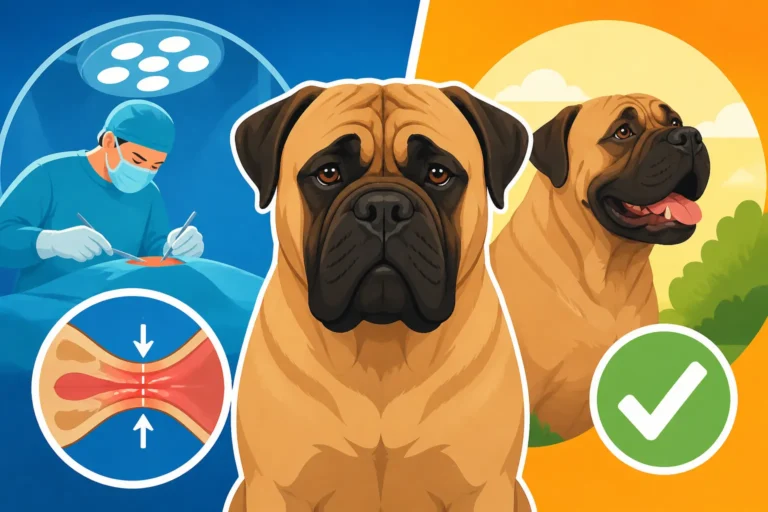
For the vast majority of Bullmastiffs suffering from entropion, surgical correction is the most effective and often the only permanent solution. The goal of surgery is to precisely remove a small wedge of skin and muscle from the affected eyelid, allowing it to roll outward into its normal position. This procedure is commonly known as the Hotz-Celsus technique. It requires careful measurement and skilled execution by a veterinarian, often an ophthalmologist, to ensure the eyelid is everted just enough – not too little, which would leave some entropion, and not too much, which could lead to ectropion (the eyelid rolling outward, exposing the eye). The good news is that when performed correctly, the surgery has a very high success rate in relieving discomfort and preventing future corneal damage. While the thought of your dog undergoing surgery can be daunting, it's often the kindest and most effective path to a comfortable, pain-free life. Understanding What Entropion Surgery Costs on a Bullmastiff can help you prepare financially for this important step.
Post-Surgical Care and Recovery
After entropion surgery, your Bullmastiff will need diligent post-operative care to ensure proper healing and prevent complications. They'll likely come home with an Elizabethan collar (the dreaded "cone of shame") to prevent them from rubbing or scratching at their surgical site, which could disrupt sutures or introduce infection. You'll typically need to administer prescribed eye drops or ointments, often antibiotics and anti-inflammatories, for several days or weeks. Keeping the surgical area clean and dry is also crucial. Your vet will schedule follow-up appointments to monitor healing and remove sutures, usually within 10-14 days. While some swelling and bruising around the eye are normal initially, you should contact your vet immediately if you notice excessive swelling, discharge, signs of pain, or if your dog manages to dislodge their cone and tamper with the incision. Most Bullmastiffs recover well from entropion surgery, and the relief they experience afterward is often immediate and profound.
Long-Term Management and Prevention
Even after successful treatment, managing a Bullmastiff prone to eye issues requires ongoing vigilance. Prevention, especially through responsible breeding practices, is always the ideal, but for those already affected, careful long-term care is paramount to their comfort and health.
Managing a Bullmastiff Prone to Eye Irritation
For Bullmastiffs who have had entropion, or those with facial structures that make them generally prone to eye irritation, long-term management often involves routine checks and preventive care. Regularly inspecting your dog's eyes for redness, discharge, or any signs of discomfort should become part of your routine. Keep the facial folds and wrinkles around their eyes clean and dry to prevent skin fold dermatitis, which can sometimes exacerbate eyelid issues. Products like gentle, vet-approved eye wipes can be helpful. Understanding What to Clean a Bullmastiff's Wrinkles With is also key to preventing secondary problems. Even if surgery was successful, an occasional check-up with your vet to ensure the eyelids remain in their correct position and that there's no recurrence is a good idea. Proactive care ensures any potential issues are caught and addressed promptly.
The Importance of Responsible Breeding
As we touched upon earlier, entropion has a strong hereditary component in Bullmastiffs. This makes responsible breeding practices absolutely crucial for the long-term health of the breed. Reputable breeders actively work to minimize the incidence of entropion by carefully selecting their breeding dogs. They avoid breeding dogs that have had entropion themselves, especially if it required surgical correction, or those with a history of producing affected offspring. They conduct thorough health screenings, including eye examinations, on their breeding stock before mating. This commitment helps ensure that future generations of Bullmastiffs are less likely to inherit this painful condition, contributing to a healthier and happier breed overall. Always ask about the health screening history of a puppy's parents, including eye clearances, when looking for a Bullmastiff.
How Insurance Can Help with Entropion Costs
The costs associated with diagnosing and treating entropion can quickly add up, especially if surgery is required. From initial vet consultations and diagnostic tests to the surgical procedure itself, post-operative medications, and follow-up visits, the financial burden can be significant. This is where pet insurance can be a real lifesaver for Bullmastiff owners. Many comprehensive pet insurance policies, such as those offered by Healthy Paws, cover breed-specific and hereditary conditions like entropion, provided the condition isn't pre-existing before enrollment. Enrolling your Bullmastiff in a plan like Healthy Paws when they are young and healthy means that should entropion develop later, a significant portion of those unexpected veterinary bills could be covered. It offers peace of mind, allowing you to focus on your dog's recovery without the added stress of crushing medical expenses. It’s always wise to research What Insurance Covers on a Bullmastiff and consider a policy early in your Bullmastiff's life, as these big, lovable dogs can face a range of health challenges.
| Feature | Non-Surgical Treatment | Surgical Treatment (Hotz-Celsus) |
|---|---|---|
| Primary Goal | Temporary relief, manage symptoms | Permanent correction, alleviate pain |
| Applicability | Mild cases, puppies, temporary fix | Moderate to severe, adult dogs |
| Effectiveness | Limited, often not curative | High success rate for permanent fix |
| Recovery Time | Immediate relief, ongoing care | 10-14 days post-op (suture removal) |
| Typical Costs | Lower (drops, ointments, tacking) | Higher (anesthesia, surgery, meds) |
| Risk of Recurrence | High, unless self-corrects | Low, if performed correctly |
| Comfort Level | Can vary, underlying issue persists | Significant improvement post-recovery |
| Anesthesia Req. | Rarely (tacking may require sedation) | Yes, general anesthesia required |
Entropion, while common in Bullmastiffs, is a treatable condition. Recognizing the signs early and seeking prompt veterinary attention are key to ensuring your beloved companion lives a comfortable, pain-free life. By understanding the causes, symptoms, and treatment options, you can be an informed advocate for your Bullmastiff's eye health.
Disclaimer
The information provided in this article is for educational purposes only and is not intended to be a substitute for professional veterinary advice. Always consult with a qualified veterinarian for any health concerns or before making any decisions about your Bullmastiff's medical care.