Whether a Slow Bowl Reduces a Bullmastiff’s Bloat Risk
The fear of bloat, or Gastric Dilatation-Volvulus (GDV), is a constant, gnawing anxiety for many Bullmastiff owners, and for good reason – it’s a terrifying, fast-moving emergency. This guide is dedicated to exploring whether a slow feeder bowl can genuinely reduce your Bullmastiff’s risk of this deadly condition, offering practical advice and separating fact from hopeful fiction.
Understanding Bloat in Bullmastiffs (and Why It's Terrifying)
It's one of those dreadful words no Bullmastiff owner ever wants to hear: bloat. This isn't just an upset stomach; it's a life-threatening condition that can strike with alarming speed, turning a perfectly normal evening into a frantic dash to the emergency vet. The sheer suddenness and severity of it are what make it so terrifying, and understanding it is the first step toward prevention.
What Exactly Is Bloat GDV?
Gastric Dilatation-Volvulus, or GDV, is the full, clinical name for what we commonly call bloat. It's a condition where a dog's stomach first fills with gas and then, critically, twists upon itself. Imagine a balloon filling with air and then someone tying a knot in its middle – that's essentially what happens inside your dog. Once the stomach twists, everything gets cut off: blood flow to the stomach is compromised, gas cannot escape, and digestion ceases. It's a painful, rapidly progressing emergency.
For Bullmastiffs, with their deep chests and large builds, the risk of GDV is disproportionately high. When the stomach dilates and then twists, it can quickly lead to shock, organ damage, and if not treated immediately, death. The internal pressure can restrict breathing and blood flow to other vital organs, making every minute count. This isn't a condition where you can "wait and see"; it demands immediate veterinary intervention.
The pain associated with bloat is immense, and your dog will be in severe distress. You might notice them pacing, attempting to vomit but bringing nothing up, or exhibiting a distended abdomen that feels tight as a drum. It's a horrifying experience for both dog and owner, and sadly, even with prompt surgery, the outcome isn't always favorable. Learning to recognize Signs a Bullmastiff Has Lymphoma or other serious conditions like bloat is paramount for any large breed owner.
Why Bullmastiffs Are So Prone to Bloat
Bullmastiffs, like many other large and giant breeds such as Great Danes, Weimaraners, and German Shepherds, possess a specific body conformation that makes them highly susceptible to GDV. Their deep, narrow chests provide ample space for the stomach to distend and rotate when filled with gas or fluid. It's a tragic irony that such a magnificent physical attribute can contribute to such a devastating vulnerability.
Beyond their physical build, certain eating habits and environmental factors are believed to increase the risk. Eating too quickly, for instance, can lead to excessive air swallowing, which then contributes to the initial gastric dilation. Imagine your Bullmastiff practically vacuuming up their meal in mere seconds – that's a lot of air going down with their kibble. Stress, vigorous exercise around meal times, and even individual genetics play a role, making prevention a multi-faceted challenge.
While we often focus on the immediate triggers, it’s important to remember that the predisposition for Bloat in a Bullmastiff is deeply ingrained in the breed's physiology. It’s not just about what they eat or how fast; it’s about their inherent risk. This means as owners, we must be perpetually vigilant and proactive in managing potential risk factors, rather than hoping it simply won't happen to our beloved companions.
How Slow Feeder Bowls Aim to Help
The concept of a slow feeder bowl isn't new, but its application in the context of bloat prevention has gained significant traction, especially among owners of at-risk breeds like Bullmastiffs. It's a simple, elegant solution designed to combat one of the primary culprits behind bloat: rapid eating.
The Concept Behind Slow Feeding
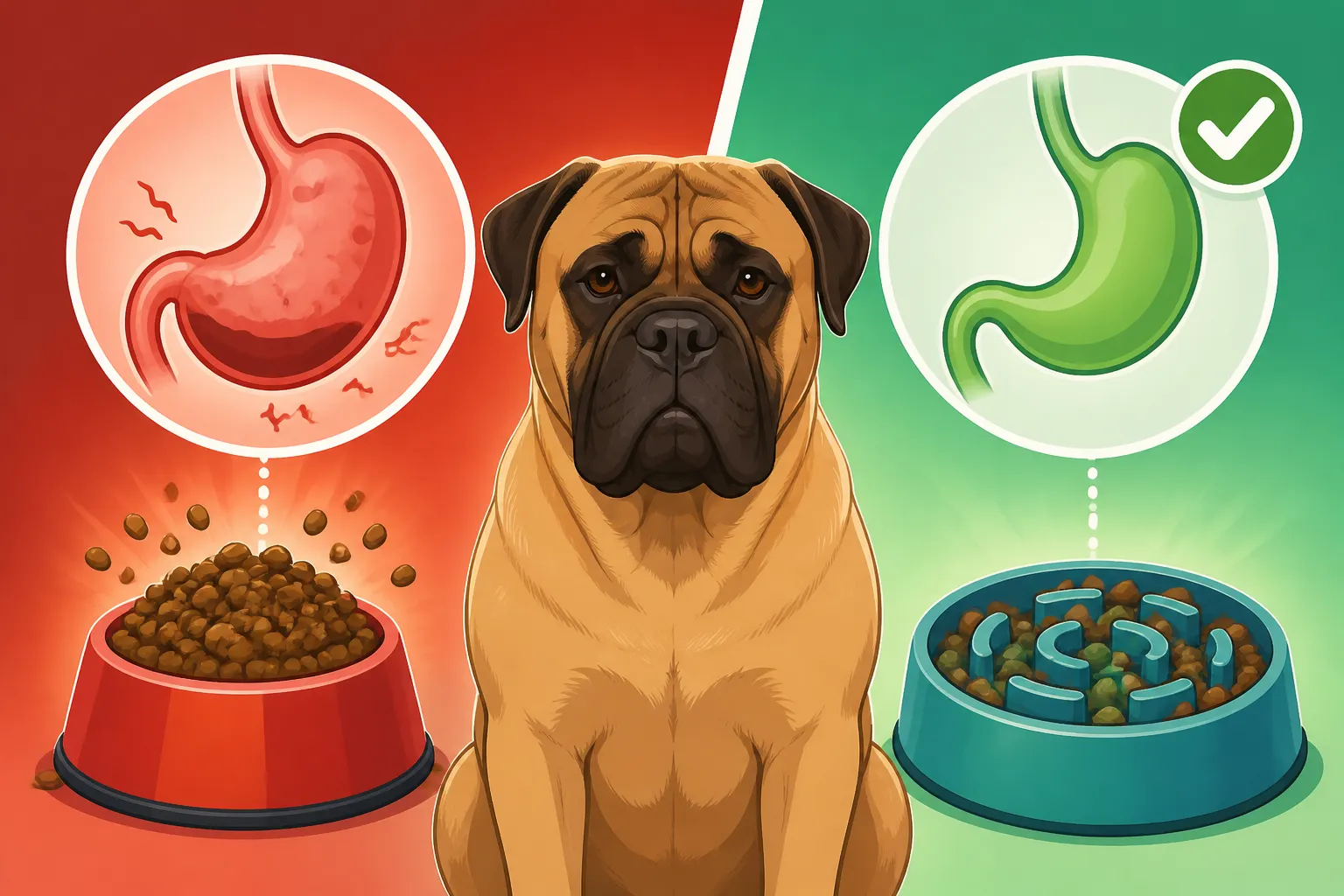
Slow feeder bowls are specifically designed with various ridges, mazes, posts, or other obstacles integrated into the feeding surface. Unlike a standard, flat-bottomed bowl that allows a dog to shovel down large mouthfuls of food unimpeded, a slow feeder forces them to navigate these impediments. This means they have to pick up smaller portions of food at a time, extending mealtime significantly.
The idea is that by slowing down the eating process, your Bullmastiff will ingest less air. When a dog eats frantically, they often gulp down significant amounts of air along with their food, which contributes to gas buildup in the stomach. By forcing them to work for each bite, the air intake is minimized, theoretically reducing the risk of the initial gastric distention that precedes a twist. Plus, it encourages more chewing, which can aid in digestion.
Many designs are available, from simple plastic inserts to elaborate mazes, and you can find a huge variety on sites like Chewy and Amazon. Some are more challenging than others, and it might take a bit of trial and error to find the perfect one for your Bullmastiff's snout shape and eating style. The key is to make eating a more deliberate, less rushed activity.
Potential Benefits for Bullmastiffs
For a Bullmastiff that tends to inhale their meals, a slow feeder bowl can offer several noticeable benefits, even if its direct impact on bloat risk is still debated in some circles. The most obvious advantage is that it simply prevents them from gulping down their food in a matter of seconds. This frantic eating isn't just unsightly; it’s a recognized potential risk factor for GDV.
By forcing them to eat slower, a slow bowl encourages more thorough chewing of kibble. Better chewing means smaller food particles, which can be easier on their digestive system. It also allows time for proper salivary enzymes to mix with the food, initiating the digestion process earlier. This can reduce the feeling of urgency and prevent that sudden, uncomfortable fullness that comes from rapid consumption. Many owners have seen a dramatic decrease in post-meal burping and regurgitation after switching to a slow feeder.
The core theory, however, remains centered on air intake. Less frantic eating means less swallowed air. This reduction in ingested air is thought to decrease the amount of gas accumulating in the stomach, thereby lowering the chances of the stomach dilating to a critical degree and then twisting. While it's not a foolproof solution, it addresses a specific, identifiable behavior that many believe contributes to Why a Bullmastiff Bolts Its Food and potentially bloat.
The Scientific Evidence: Do They Really Work for Bloat?
This is where things get a little nuanced. While the logic behind slow feeder bowls seems sound, the direct scientific evidence specifically linking their use to a definitive reduction in GDV incidence is not as robust as many would hope. It's a complex topic with many contributing factors.
What Research Suggests
Most veterinary professionals advocate for slow feeder bowls based on strong physiological principles rather than extensive, randomized controlled trials specifically on GDV prevention. The idea that reducing eating speed lessens air intake and therefore gastric distension is widely accepted as sensible. However, bloat is a multi-factorial condition, meaning many things contribute to its occurrence, and fast eating is just one piece of a very complicated puzzle.
Studies on GDV prevention often highlight factors like genetic predisposition, stress levels, meal timing, and post-meal activity as equally, if not more, significant. While a slow feeder can certainly help prevent your Bullmastiff from scarfing down their dinner in record time, it's not a magic bullet that negates all other risks. Many owners report improved digestion and less vomiting with slow bowls, but proving a direct reduction in bloat incidence across a broad population remains challenging due to the condition's sporadic nature and numerous variables.
Ultimately, while vets recommend them due to their potential benefits, especially for addressing rapid eating, it’s important to approach slow feeders as one component of a broader preventative strategy, not a guaranteed shield against bloat. They certainly do no harm and offer other digestive benefits, but their direct, isolated impact on GDV is hard to quantify with current research.
Beyond Just Eating Speed: Other Bloat Risk Factors
It’s tempting to think that if we just slow down our Bullmastiff’s eating, we’ve solved the bloat problem. Unfortunately, it’s far more intricate than that. While eating speed and subsequent air intake are important, they are only part of a larger equation. Numerous other factors are believed to contribute to a Bullmastiff’s susceptibility to GDV, many of which are completely unrelated to how they eat.
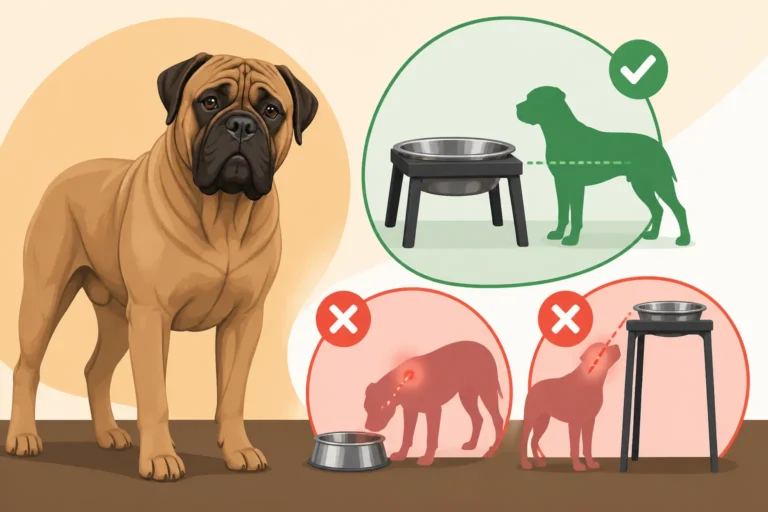
Consider genetics: if your Bullmastiff comes from a line with a history of bloat, their risk is inherently higher, regardless of how slowly they eat. Stress, too, plays a significant role; anxious dogs may be more prone to digestive upset. The timing of meals and particularly vigorous exercise an hour before or after eating are also critical considerations. An old belief was that Whether a Bullmastiff Should Eat From a Raised Bowl reduces risk, but some studies have actually suggested it might increase it for some breeds, adding to the complexity of advice. For absolute safety, it’s best to place bowls on the floor.
Perhaps one of the most crucial elements is ensuring your Bullmastiff rests after eating. Allowing them to run, jump, or roughhouse immediately following a meal can drastically increase the chances of their stomach twisting. This is why many experienced Bullmastiff owners insist on a quiet, calm period post-meal. We delve deeper into this in Why a Bullmastiff Should Rest After Eating. Addressing these multifaceted risk factors requires a comprehensive approach, where a slow feeder is a helpful tool, but not the only one.
Considering a Gastropexy
Given the severity and high mortality rate of bloat, many Bullmastiff owners, after careful consideration and consultation with their veterinarians, opt for a preventative surgical procedure known as a gastropexy. This elective surgery offers a more definitive measure against the most lethal aspect of bloat – the stomach twisting. While it doesn't prevent the stomach from dilating (filling with gas), it physically anchors the stomach to the abdominal wall, making it impossible for it to rotate.
A gastropexy is often performed at the same time as spaying or neutering, especially for female Bullmastiffs, as it can be done minimally invasively. For males, or older dogs, it's a stand-alone procedure. It's a significant decision, but for breeds with such a high risk, many owners feel it's a worthwhile investment in their dog's long-term health and peace of mind. Discussing Whether a Gastropexy Is Worth It for a Bullmastiff with your vet is crucial for understanding its benefits, risks, and costs.
While a slow bowl helps manage one risk factor, a gastropexy addresses the critical mechanical failure of the stomach twisting. It's not uncommon for owners to utilize both strategies: a slow feeder to reduce swallowed air and general digestive comfort, coupled with a gastropexy for surgical bloat prevention. This combined approach often offers the highest level of protection against this devastating condition.
Implementing Slow Feeding and Other Preventative Measures
If you’ve decided to incorporate a slow feeder into your Bullmastiff’s routine, you’re taking a positive step. But remember, it’s just one part of a holistic approach to managing bloat risk. Thoughtful selection of the bowl and an awareness of other preventative habits are key to maximizing your Bullmastiff's safety and well-being.
Choosing the Right Slow Feeder for Your Bullmastiff
Selecting a slow feeder isn't a one-size-fits-all situation, especially for a large breed like a Bullmastiff. You need something robust enough to withstand their enthusiasm and sheer power, and large enough to hold their entire meal without being frustratingly small. Look for bowls made from durable, food-grade materials like heavy-duty plastic, ceramic, or stainless steel. Cheaper, flimsy plastic bowls might be easily tipped over or chewed apart by a determined Bullmastiff.
The design of the obstacles within the bowl is also important. Some have gentle, wavy ridges, while others feature more complex maze-like patterns or tall, individual pillars. Start with a simpler design if your Bullmastiff is new to slow feeding, and if they master it quickly, you can always upgrade to a more challenging one. Brands available on Amazon or Chewy offer a wide range of choices, so you can compare reviews and features. Ensure the bowl has a non-slip base, or place it on a mat, to prevent it from scooting across the floor during mealtime.
Finally, consider the ease of cleaning. Those intricate mazes can sometimes trap food debris, so pick a bowl that can be easily washed by hand or is dishwasher safe. A clean bowl is essential for your Bullmastiff's hygiene and overall health. Don't be afraid to try a couple of different styles to see which one your Bullmastiff adapts to best and which offers the optimal balance of challenge and practicality.
A Holistic Approach to Bloat Prevention
While slow feeders are a great tool, truly mitigating bloat risk for your Bullmastiff requires a more comprehensive strategy. Think of it as building multiple layers of protection around your beloved dog. One crucial aspect is meal timing and frequency. Instead of one large meal, splitting your Bullmastiff’s daily food allowance into two or even three smaller meals can significantly reduce the volume of food in the stomach at any one time. This lessens the chances of extreme distension. For more on this, check out How Many Meals a Bullmastiff Should Have.
Another non-negotiable rule is to avoid vigorous exercise or excitement an hour before and at least an hour after meals. This means no playing fetch, no running at the dog park, and no overly boisterous greetings immediately before or after eating. A calm environment during and after meals is paramount. Ensure your Bullmastiff always has access to fresh water, but don't let them gulp huge amounts immediately after eating. Small sips are fine, but excessive drinking can also contribute to stomach distension.
Stress management plays an often-underestimated role. A calm, predictable routine can do wonders for your Bullmastiff’s overall digestive health. Regular veterinary check-ups are also vital, as your vet can assess your dog's general health and discuss any specific concerns or preventative measures tailored to their individual risk profile. Knowing the signs of bloat and having an emergency plan in place – including the location of the nearest 24/7 emergency vet – is perhaps the most critical preventative step you can take. If you suspect bloat, time is literally life. What Bloat Surgery Involves on a Bullmastiff is a complex and expensive procedure, so knowing what to expect is important.
Monitoring Your Bullmastiff
Even with the best preventative measures in place, constant vigilance is still a Bullmastiff owner's most powerful tool against bloat. Your dog relies on you to notice subtle changes, and their stoic nature means they might try to hide discomfort until it's severe. After every meal, take a few minutes to observe your Bullmastiff closely, especially if they are prone to Why a Bullmastiff Bolts Its Food. Look for any signs of restlessness, pacing, or attempts to vomit that produce no material.
Feel your dog's abdomen. While a little fullness after eating is normal, any noticeable distension, hardness, or tenderness should be a red flag. Pay attention to their posture; an anxious or painful stance, with their back hunched or their belly tucked, can indicate distress. Any changes in their breathing, such as rapid or shallow breaths, also warrant immediate concern.
It's a heavy responsibility, but by being proactive and attuned to your Bullmastiff's normal behavior, you increase your chances of catching bloat early, which is absolutely critical for a positive outcome. Remember, How Often a Bullmastiff Survives Bloat is directly linked to how quickly intervention occurs. Don’t hesitate to call your vet if anything seems amiss; it’s always better to be safe than sorry when it comes to GDV.
Disclaimer
This article is for general informational purposes only and does not constitute professional advice. Laws, prices and regulations vary by location and change over time. Consult a qualified professional for guidance on your specific situation.