Whether an Aging Bullmastiff Needs Softer Food
It’s a tough moment when you look at your beloved Bullmastiff, now a distinguished senior, and notice they’re not gobbling down their kibble with the same gusto they once did. You might see them struggling to chew, dropping bits of food, or even just turning their nose up at what used to be their favorite meal. This guide is here to walk you through whether softer food is the right next step for your aging gentle giant, exploring the reasons why, what your options are, and how to make the transition as smooth as possible.
Understanding Your Senior Bullmastiff's Changing Needs
As our magnificent Bullmastiffs age, their bodies go through a host of changes, much like ours do. What worked perfectly for them as a rambunctious puppy or a powerful adult might not be serving them as well in their golden years. It's not just about a slower pace; it's about internal shifts that can directly impact how they eat and digest their food. Recognizing these changes is the first step in providing the best possible care for your treasured companion. The Age a Bullmastiff Is Considered Senior is often around six years old, and from that point, careful observation becomes even more crucial.
Dental Health Declines with Age
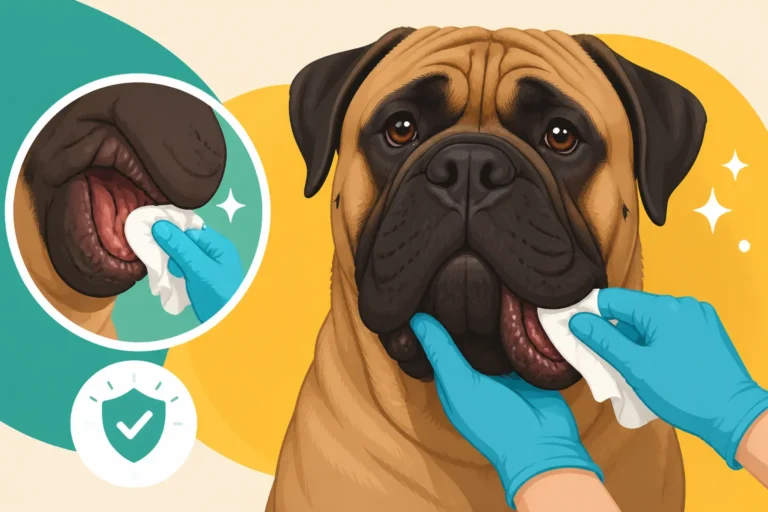
One of the most common, and often painful, reasons an older Bullmastiff might struggle with hard kibble is their dental health. Years of chewing can take a toll. Imagine trying to crunch a hard cracker when your teeth ache or you have a loose one. It’s no fun at all, and it’s a reality for many senior dogs. They might have accumulated tartar and plaque, leading to gingivitis or even periodontal disease, which makes their gums inflamed and sensitive.
Beyond gum disease, senior Bullmastiffs can also suffer from worn-down teeth, cracked teeth, or even missing teeth entirely. Each of these issues can make chewing hard kibble a painful or difficult endeavor. You might observe them tilting their head while eating, chewing on one side of their mouth, or simply taking much longer to finish their meal. Sometimes, they might even drop food from their mouth, not because they're being messy, but because it's too painful to properly manipulate.
Digestive System Sensitivity
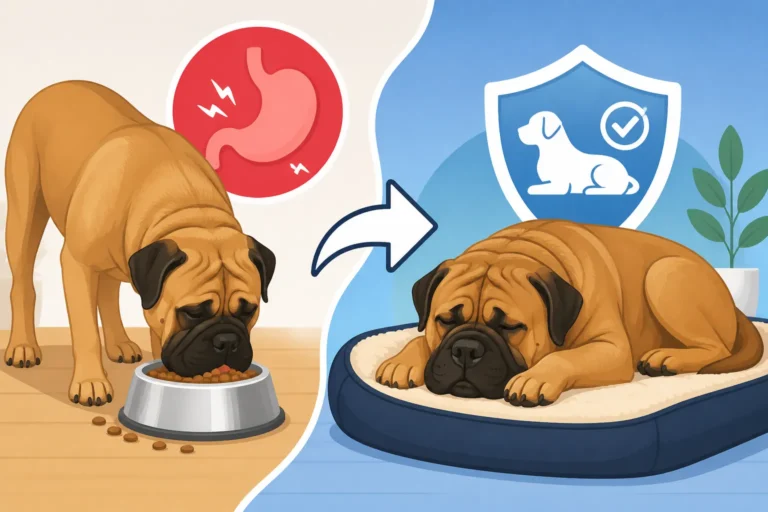
Another aspect to consider is the subtle, but significant, changes in their digestive system. As dogs age, their metabolism can slow down, and their digestive enzymes might not be as efficient as they once were. This can lead to increased sensitivity to certain ingredients, or just a general difficulty in breaking down and absorbing nutrients from their food. A complex, dry kibble might be harder for their system to process, sometimes resulting in mild digestive upset like gas, softer stools, or even occasional vomiting.
Softer foods, particularly those that are more digestible, can be a real blessing for an aging gut. They often have higher moisture content, which can aid in digestion and nutrient absorption. If your Bullmastiff has been experiencing unexplained digestive issues, a conversation with your vet about a change in food texture and composition is definitely in order. This might also tie into Why an Aging Bullmastiff Loses Muscle, as poor nutrient absorption can impact their overall health and strength.
Decreased Appetite and Nutrient Absorption
It's not uncommon for older Bullmastiffs to experience a general decline in appetite. This can be due to a variety of factors, from a diminished sense of smell and taste to underlying health conditions that make them feel less hungry. When food becomes hard to chew, or causes discomfort during digestion, it further discourages them from eating. If they aren't eating enough, they aren't getting the vital nutrients their aging bodies need, which can lead to weight loss, muscle wasting, and a weakened immune system.
Softer, more palatable foods can sometimes stimulate a flagging appetite. The aroma of wet food, for instance, is often much stronger and more appealing than dry kibble. The ease of consumption also means they expend less energy struggling with their meal, allowing them to get more calories and nutrients with less effort. It's about making mealtime a comfortable, enjoyable experience again, rather than a chore.
Signs It Might Be Time for Softer Food
Deciding to switch your Bullmastiff’s food is a big step, and it’s important to pay close attention to the signals they’re giving you. Our dogs can’t tell us directly when something hurts or isn’t right, so it’s up to us to be diligent observers. Don’t wait until they’re refusing to eat entirely. Catching these subtle signs early can make a huge difference in their comfort and quality of life.
Hesitation or Difficulty Chewing
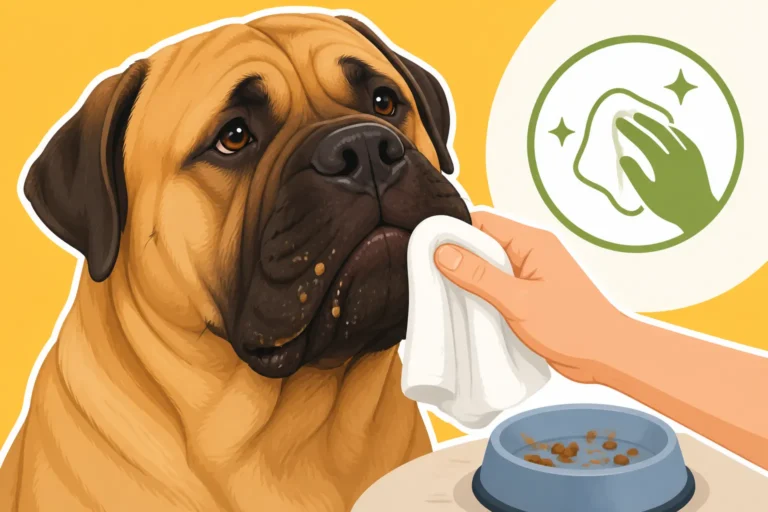
This is probably the most obvious sign. If your Bullmastiff approaches their bowl with less enthusiasm, pauses before starting to eat, or takes significantly longer to finish their meal, it's worth investigating. Watch them closely. Do they drop pieces of kibble more often than they used to? Are they chewing on one side of their mouth, as if favoring a particular area? Do you hear unusual clicking or grinding sounds from their jaw? These are all red flags that chewing hard food is becoming a struggle.
Sometimes, they might even walk away from their bowl, only to return a few minutes later to try again, indicating a genuine desire to eat but a physical barrier to doing so. It’s heartbreaking to see them try so hard. A dental check-up with your veterinarian is highly recommended if you notice any of these behaviors, as underlying dental disease can be very painful. How Often a Bullmastiff's Teeth Need Cleaning is an important consideration throughout their life, but especially as they age.
Weight Loss or Muscle Wasting
While a slight weight loss can be a natural part of aging for some dogs, a noticeable or rapid decline in weight or muscle mass is a serious concern. If your Bullmastiff is losing weight, or if you can suddenly feel their ribs, spine, or hip bones more prominently, it's a sign they might not be getting enough nutrition. This could be due to not eating enough because of dental pain or digestive discomfort, or it could be that their body isn't absorbing nutrients effectively.
Don't assume weight loss is just "old age." It's crucial to consult your vet immediately to rule out any serious underlying medical conditions. If health issues are addressed and weight loss continues, a softer, more nutrient-dense food might be a viable solution to help them put on or maintain a healthy weight. Why an Aging Bullmastiff Loses Muscle and how it relates to nutrition can't be overstated.
Changes in Stool Consistency
An aging digestive system can manifest in changes to your Bullmastiff’s stool. If you start seeing more frequent soft stools, diarrhea, or even constipation, it might be an indicator that their current food isn isn't being properly digested. Hard, dry kibble can be tough for some senior systems to break down, and the lower moisture content might contribute to constipation.
Conversely, some Bullmastiffs might develop food sensitivities they didn't have before, leading to loose stools. Softer foods, particularly those with easily digestible ingredients or higher moisture content, can sometimes help regulate their digestive tract and lead to more consistent, healthy stools. Monitoring their bathroom habits is a simple yet effective way to gauge their internal well-being.
Exploring Softer Food Options for Your Aging Bullmastiff
Once you've determined that your senior Bullmastiff might benefit from a softer diet, the good news is that you have a few excellent options. It's not a one-size-fits-all situation, and what works best for one dog might not be ideal for another. The key is to find a palatable, nutritionally complete, and easy-to-eat solution.
Canned Wet Food
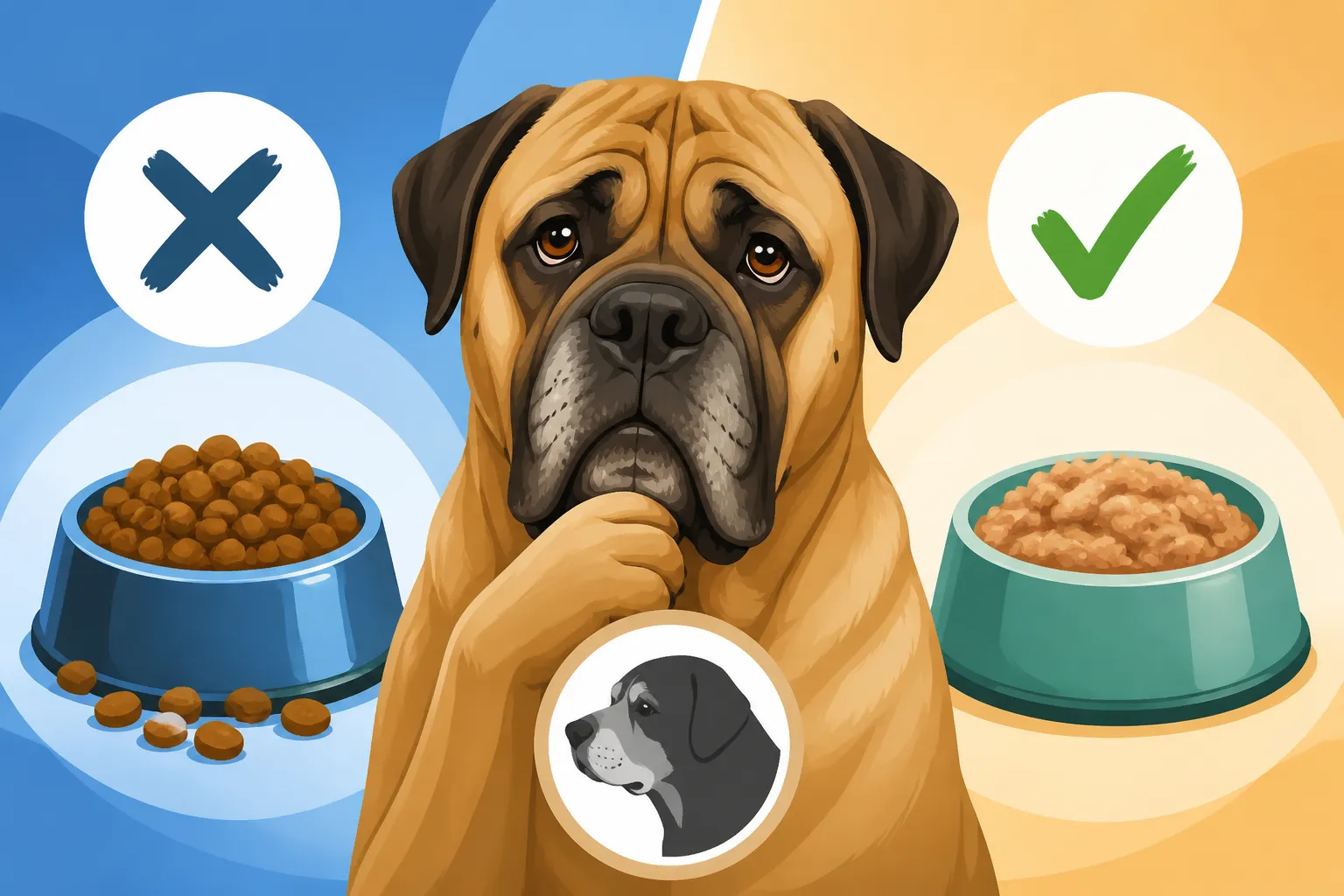
Canned wet food is often the first thing people think of when considering softer options, and for good reason. It's highly palatable, usually rich in moisture, and comes in a variety of textures – from pâtés to chunky stews. The higher moisture content is great for hydration and can be easier on an aging digestive system. Many senior dogs, especially those with diminished senses of smell and taste, find the strong aroma of wet food very appealing, which can encourage them to eat more.
When choosing a canned wet food, look for high-quality ingredients, ideally with a named meat source as the first ingredient, and ensure it's specifically formulated to be nutritionally complete. Some brands offer formulas tailored for senior dogs, which might have adjusted protein, fat, and phosphorus levels. You can find a vast selection of these types of foods on platforms like Chewy or Amazon, making it convenient to compare options and read reviews.
Rehydrated Kibble or Home-Cooked Additions
If you're not quite ready to switch entirely to wet food, or if your Bullmastiff still enjoys their kibble but struggles with its hardness, rehydrating it can be a fantastic compromise. Simply add warm water or a low-sodium broth to their dry kibble and let it sit for 10-15 minutes. The kibble will soften, becoming easier to chew and more palatable. This also adds extra moisture to their diet, which is always a plus for senior dogs.
Another option is to mix a small amount of palatable, home-cooked food into their regular kibble. Cooked lean meats like chicken or turkey, mixed with some plain pumpkin or sweet potato, can make their meal much more appealing and easier to eat. Just be mindful of the ingredients you add to ensure they are safe and don't upset their stomach. Always introduce new additions slowly and in small amounts. This can be a great way to boost their interest without a full diet overhaul.
Fresh or Gently Cooked Diets
Over the past few years, fresh or gently cooked dog food diets have gained significant traction, and they can be an excellent choice for senior Bullmastiffs. Brands like Ollie offer pre-portioned, human-grade meals that are cooked at low temperatures to retain nutrients and palatability. These diets are typically very easy to chew and digest, making them ideal for dogs with dental issues or sensitive stomachs.
The transparency of ingredients and the minimal processing often appeal to owners looking for a "cleaner" diet for their aging companions. While often more expensive than traditional kibble or canned food, many owners find the benefits in improved appetite, digestion, and overall vitality well worth the investment. Always ensure that any fresh diet you choose is complete and balanced according to AAFCO standards, or consult with a veterinary nutritionist if you plan to home-cook extensive meals. Whether an Aging Bullmastiff Needs Softer Food often comes down to individual needs, and these personalized options can be a game-changer.
Making the Switch: Transitioning to New Food Safely
Changing your Bullmastiff's food, especially a senior dog's diet, needs to be done carefully and gradually. A sudden switch can upset their delicate digestive system, leading to stomach upset, vomiting, or diarrhea. The goal is a smooth transition that minimizes stress on their body.
Gradual Introduction Is Key
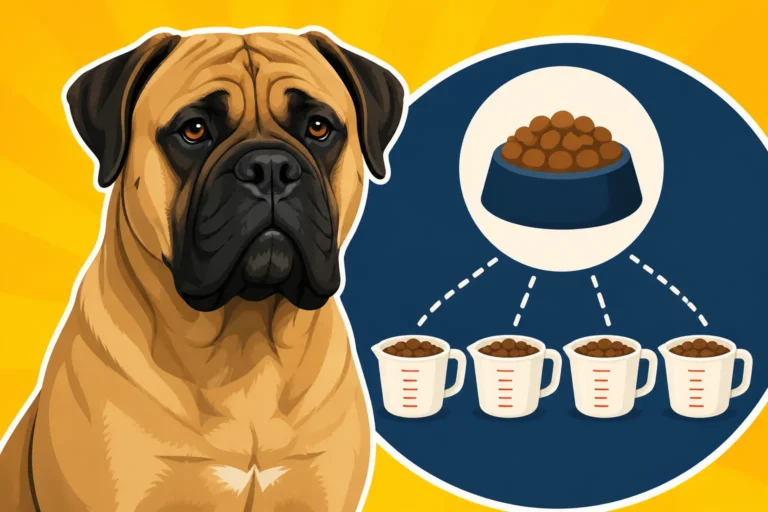
The golden rule of changing dog food is to do it slowly. Start by mixing a small amount of the new, softer food with their current food. A good guideline is to replace about 25% of their old food with the new food for a few days. If they tolerate this well, with no signs of digestive upset, increase the new food to 50% for another few days.
Continue this process, gradually increasing the proportion of new food and decreasing the old, over a period of 7 to 10 days. For particularly sensitive Bullmastiffs, you might even extend this transition period to two weeks or more. Watch closely for any changes in appetite, energy levels, stool consistency, or any signs of discomfort. If you notice any issues, slow down the transition or consult your vet.
| Day | Old Food Percentage | New Food Percentage | Observation Goal |
|---|---|---|---|
| 1-3 | 75% | 25% | No digestive upset, willing to eat |
| 4-6 | 50% | 50% | Continued good digestion, increased interest |
| 7-9 | 25% | 75% | Consistent stool, improved appetite |
| 10+ | 0% | 100% | Thriving on new diet |
Monitor for Digestive Upset or Allergies
During the transition, and even after, keep a close eye on your Bullmastiff for any signs of digestive upset. This could include vomiting, diarrhea, excessive gas, or a sudden loss of appetite. These symptoms might indicate that the new food isn't agreeing with them, or that the transition was too fast.
Beyond immediate digestive issues, also watch for signs of potential food allergies, though these are less common with just a texture change. Symptoms can include itchy skin, paw licking, ear infections, or chronic digestive problems. If you suspect an allergy, discontinue the new food and consult your vet. They can help you identify the culprit and recommend alternative diets. You might find some useful guidance in Skin Allergies in a Bullmastiff if these symptoms appear.
Consult Your Veterinarian
Before making any significant changes to your senior Bullmastiff's diet, especially if they have existing health conditions, it's always best to consult your veterinarian. They can provide personalized advice based on your dog's specific health needs, current medications, and any underlying conditions. Your vet might recommend specific senior formulas, suggest dietary supplements, or even rule out medical reasons for their eating difficulties.
They can also help you determine the right calorie count for your aging Bullmastiff to ensure they maintain a healthy weight without gaining excess pounds, which can put strain on their joints. Regular check-ups are vital for senior dogs, and a food change is a perfect topic to discuss during your next appointment. How Often a Bullmastiff Needs a Wellness Exam becomes even more important as they age.
Beyond the Bowl: Holistic Support for Senior Bullmastiffs
Switching to softer food is a fantastic step to address specific eating challenges, but it's just one piece of the puzzle in providing comprehensive care for your aging Bullmastiff. Their golden years require a holistic approach, considering everything from joint health to mental stimulation, all of which contribute to their overall well-being and appetite.
Joint Support and Mobility
Our big, heavy Bullmastiffs are prone to joint issues even in their younger years, so it's no surprise that arthritis and mobility challenges often worsen with age. Hip Dysplasia in a Bullmastiff and Elbow Dysplasia in a Bullmastiff are common concerns. Pain from stiff or arthritic joints can make it difficult for them to get up, move to their food bowl, or stand comfortably while eating. If they're in pain, their appetite can diminish.
Ensuring they have adequate joint support, whether through supplements, anti-inflammatory medications prescribed by your vet, or even physical therapy, is crucial. An orthopedic bed, easily accessible food and water bowls, and non-slip mats can also make a huge difference in their daily comfort. If they're struggling to rise, a supporting harness could also be a consideration. Why an Aging Bullmastiff Struggles to Rise is a common worry, and addressing mobility can indirectly improve their interest in food.
Regular Vet Check-ups and Monitoring
Consistent veterinary care is paramount for senior Bullmastiffs. Regular check-ups allow your vet to catch potential health issues early, monitor existing conditions, and adjust their care plan as needed. This includes blood work to check organ function, particularly kidneys and liver, as well as thyroid levels, as Hypothyroidism in a Bullmastiff can impact weight and energy. These tests can reveal underlying problems that might be affecting their appetite or digestion, unrelated to their food's texture.
Your vet can also help you manage chronic pain, which can significantly impact a dog's quality of life and appetite. They might recommend specific diagnostic tests like X-rays or ultrasounds if there are concerns about internal issues. Being proactive with their health care means they’ll be more comfortable, and therefore, more likely to enjoy their meals.
Maintaining a Comfortable Environment
An aging Bullmastiff needs a stable, comfortable, and stress-free environment. This means consistent routines, a quiet place to eat away from household chaos, and comfortable bedding. Consider the temperature of your home; older dogs can be more sensitive to extreme heat or cold. What Temperature a Bullmastiff Is Comfortable At might change as they age.
Mental stimulation is also important. Gentle walks, puzzle toys that encourage slow eating (if they can manage them), and plenty of calm companionship can keep their minds engaged and help prevent boredom, which can sometimes lead to a lack of interest in food. Remember, a happy, comfortable senior dog is more likely to have a good appetite.
Conclusion
Watching your Bullmastiff transition into their senior years is a bittersweet journey. While it's wonderful to cherish every moment, it also comes with new responsibilities, especially when it comes to their diet. Recognizing the signs that your aging Bullmastiff might need softer food—whether it's dental pain, digestive changes, or a general decline in appetite—is a vital part of ensuring their comfort and well-being.
Thankfully, there are many excellent options available, from readily available wet foods to rehydrated kibble and fresh diets. The key is a gradual transition, careful observation, and always, always working closely with your veterinarian. By adapting their diet and providing holistic care, you can help your beloved Bullmastiff continue to enjoy their meals and thrive in their golden years, savoring every moment you have together.
Disclaimer
This article is for general informational purposes only and does not constitute professional advice. Laws, prices and regulations vary by location and change over time. Consult a qualified professional for guidance on your specific situation.