Whether an Aging Bullmastiff Loses Weight
It’s an alarming moment for any Bullmastiff owner: you notice your beloved, typically robust dog, who has always carried their weight with impressive stature, seems to be losing a few pounds. When our gentle giants start heading into their senior years, changes are inevitable, but unexplained weight loss is rarely just a normal part of getting older and can often signal something deeper going on that needs your attention. This guide will help you understand why an aging Bullmastiff might be losing weight, what signs to look for, and how you can work with your vet to support their health.
The Reality of Weight Changes in Aging Bullmastiffs
When you think of an aging Bullmastiff, you might picture them slowing down, maybe getting a little gray around the muzzle, and perhaps even losing a bit of their youthful muscle. However, it’s a common misconception that weight loss is a natural and inevitable part of this process. While changes in metabolism do occur, significant or unexplained weight loss in a senior Bullmastiff is almost always a red flag that warrants investigation. It’s not just a benign sign of growing old; it's often a symptom telling you that something needs attention.
The Expectation vs. the Reality of Senior Dog Weight
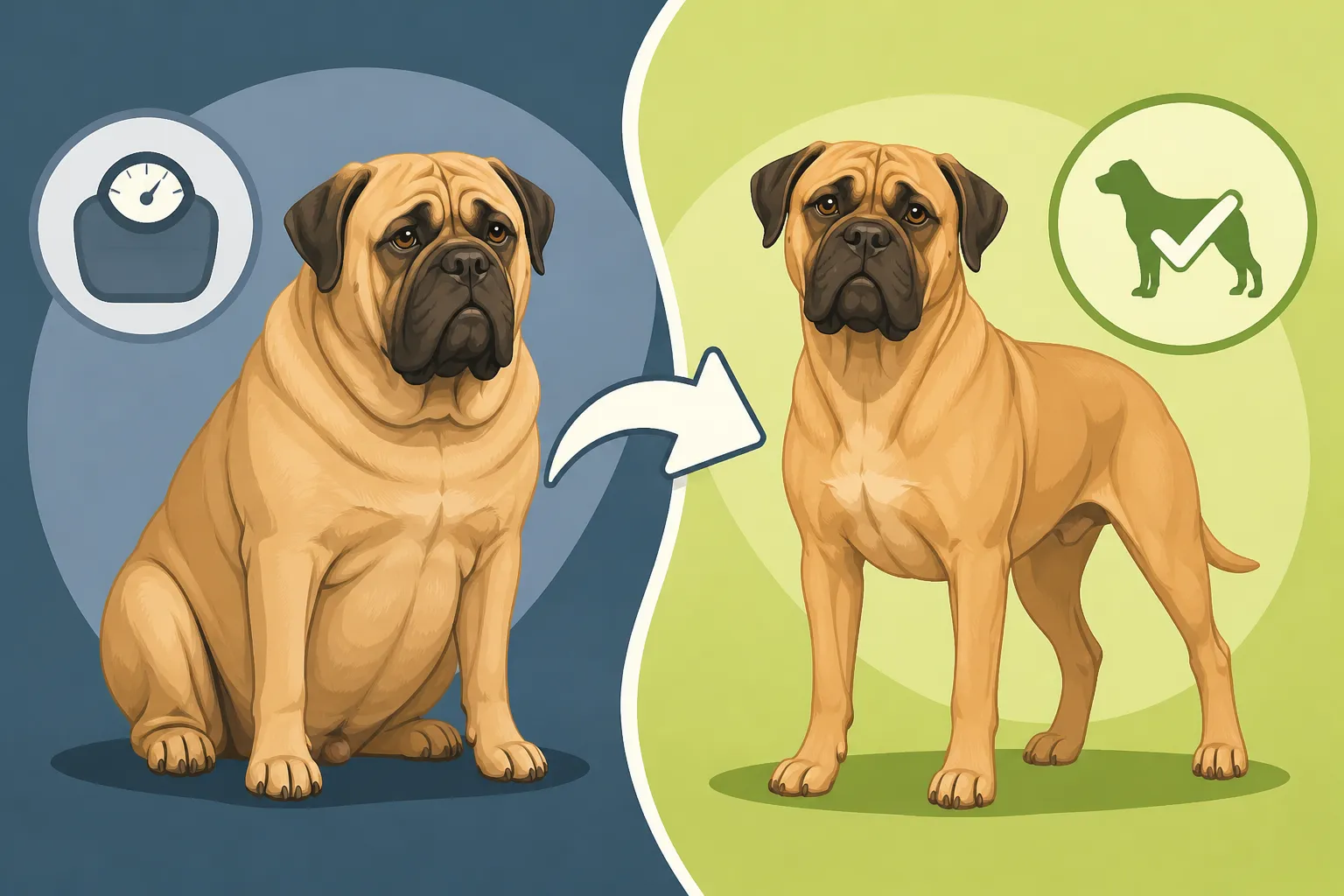
Many of us expect our older dogs to naturally thin out. We see them move less, maybe not eat with the same gusto, and assume a slight weight dip is just part of The Age a Bullmastiff Is Considered Senior. But the truth is, a healthy senior Bullmastiff, given appropriate care and nutrition, should generally maintain a stable weight. Any noticeable decrease in body condition, where their ribs, spine, or hip bones become more prominent, should trigger a call to your veterinarian. This isn't about cosmetic changes; it's about physiological shifts that can indicate underlying health challenges.
Think about it: your Bullmastiff, built with immense bone structure and muscle, relies on that weight for protection, warmth, and energy. Losing it can quickly impact their overall vitality and comfort. It's not just the pounds themselves but what those pounds represent in terms of muscle mass and fat reserves. A sudden drop in weight could compromise their immune system, slow recovery from illness, and generally diminish their quality of life. We want our senior Bullmastiffs to be comfortable and strong for as long as possible, and maintaining a healthy weight is a huge part of that.
Common Reasons for Weight Loss in Older Bullmastiffs
Beyond serious medical conditions, there are several common, often overlooked, reasons why an aging Bullmastiff might start to lose weight. These can range from simple environmental factors to more subtle physiological shifts that impact their appetite or ability to absorb nutrients.
- Decreased Appetite or Picky Eating: As dogs age, their sense of smell and taste can diminish, making their regular food less appealing. They might become pickier, turning their nose up at meals they once devoured. Dental problems, which we'll discuss more later, can also make eating painful.
- Reduced Activity Levels: While senior Bullmastiffs do slow down, a drastic reduction in activity can sometimes lead to muscle loss if not balanced with appropriate nutrition. However, decreased activity is more often associated with weight gain in many breeds. If a senior Bullmastiff is less active and losing weight, it's often more indicative of an underlying issue rather than simply burning fewer calories.
- Difficulty Digesting and Absorbing Nutrients: An aging digestive system might not be as efficient at breaking down and absorbing nutrients from food. This means even if your Bullmastiff is eating enough, their body isn't getting all the goodness it needs, leading to gradual weight loss.
- Environmental Stress or Changes: Sometimes, seemingly minor changes in routine, a new pet, or even moving furniture can stress a sensitive senior Bullmastiff, impacting their appetite and overall well-being. A stressed dog might not eat as much, leading to weight loss over time. It's crucial to consider their emotional state when assessing their physical health.
- Medication Side Effects: If your Bullmastiff is on any long-term medications for other senior-related ailments, some of these could have side effects that include appetite suppression or digestive upset, inadvertently leading to weight loss. Always discuss potential side effects with your vet.
Identifying and Addressing Underlying Health Issues
When an aging Bullmastiff starts losing weight, your first thought should always be to schedule a comprehensive veterinary check-up. This isn't a time for guesswork or hoping it will resolve itself. Weight loss, especially in a large breed like a Bullmastiff that historically tries to hide discomfort, is a significant indicator that something is amiss. Your vet can help pinpoint the exact cause, which is the crucial first step to effective treatment and supporting your dog's health.
Medical Conditions Linked to Weight Loss in Seniors
The list of medical conditions that can cause weight loss in an aging Bullmastiff is extensive, highlighting why a thorough veterinary examination is so important. Some of the most common culprits include:
- Dental Disease: This is incredibly common in older dogs. Plaque and tartar buildup can lead to gum inflammation (gingivitis), infections, loose teeth, or painful abscesses. Imagine trying to eat your favorite meal with a severe toothache – it's no wonder your Bullmastiff might avoid food or eat less, leading to weight loss. This is often an insidious problem because dogs are so good at hiding oral pain until it's severe.
- Kidney Disease: As kidneys age, they can lose their ability to filter waste products efficiently. This can lead to a buildup of toxins in the blood, causing nausea, loss of appetite, and weight loss. Early signs can be subtle, but your vet can detect it through blood and urine tests. Kidney Disease in a Bullmastiff is a serious concern.
- Cancer: Sadly, cancer is a leading cause of death in Bullmastiffs, and weight loss is a very common symptom of many types of canine cancer, including lymphoma and osteosarcoma. A dog with cancer might lose weight despite eating normally, as the cancerous cells can consume a large amount of the body's energy. Rapid, unexplained weight loss is a classic sign that warrants urgent investigation. What Most Bullmastiffs Die Of includes cancer as a top cause.
- Diabetes: While often associated with weight gain in its early stages, uncontrolled diabetes can lead to significant weight loss as the body struggles to utilize glucose for energy. Increased thirst and urination are also key signs.
- Thyroid Issues (Hyperthyroidism): While hypothyroidism (underactive thyroid) is more common in Bullmastiffs and typically causes weight gain, hyperthyroidism (overactive thyroid) can occur, especially in older dogs, leading to a revved-up metabolism and weight loss despite a good appetite. Signs a Bullmastiff's Thyroid Is Low is often the opposite problem.
- Gastrointestinal Disorders: Inflammatory Bowel Disease (IBD), exocrine pancreatic insufficiency (EPI), or severe food sensitivities can all interfere with digestion and nutrient absorption, resulting in chronic diarrhea, vomiting, and subsequent weight loss.
- Heart Disease: Advanced heart disease can lead to poor circulation and fluid buildup, making dogs lethargic and reducing their appetite. The body also has to work harder, burning more calories, which can contribute to muscle and weight loss. What Subaortic Stenosis Does to a Bullmastiff is one heart condition seen in the breed.
- Arthritis and Mobility Issues: While not directly causing weight loss, severe arthritis or joint pain can make it difficult and painful for your Bullmastiff to get up to eat or even stand comfortably at their food bowl. If they're not able to eat regularly or comfortably, weight loss can follow. Why an Aging Bullmastiff Struggles to Rise is a common challenge.
When to Seek Veterinary Attention for Weight Changes
Any unexplained weight loss in an aging Bullmastiff, regardless of how minor it seems, should be brought to your veterinarian's attention promptly. Don't wait. Early detection of underlying issues often leads to better outcomes and more effective management. Here’s a checklist of scenarios that definitely warrant a vet visit:
| Symptom | Urgency Level | What it Might Indicate |
|---|---|---|
| Noticeable Ribs/Spine/Hip Bones | High | Malnutrition, severe underlying disease (cancer, kidney issues) |
| Decreased Appetite for > 2 days | High | Dental pain, nausea, systemic illness, cancer |
| Increased Thirst/Urination | High | Kidney disease, diabetes, Cushing's disease |
| Vomiting or Diarrhea | High | GI disease, pancreatitis, cancer, kidney failure |
| Lethargy or Weakness | High | Any severe illness, heart disease, anemia |
| Difficulty Chewing or Dropping Food | High | Significant dental disease, oral pain |
| New Lumps, Bumps, or Swelling | High | Tumors, infection |
| Persistent Coughing | Medium-High | Heart disease, lung disease, kennel cough, cancer |
| Any Rapid Weight Loss | High | Often indicative of a serious, rapidly progressing condition like cancer or acute organ failure |
| Gradual Weight Loss Over Weeks/Months | Medium | Chronic conditions like kidney disease, IBD, dental issues |
During your vet visit, be prepared to provide a detailed history: when you first noticed the weight loss, any changes in appetite, eating habits, energy levels, thirst, urination, bowel movements, and any new behaviors or symptoms. Your vet will likely perform a thorough physical exam, which might include palpating their abdomen, checking their teeth, and listening to their heart and lungs. They will almost certainly recommend diagnostic tests like blood work (a complete blood count and chemistry panel) and a urinalysis to check organ function, blood cell counts, and look for signs of infection or metabolic disease. Further tests like X-rays, ultrasound, or even biopsies might be recommended depending on the initial findings. How Often a Bullmastiff Needs a Wellness Exam becomes even more critical as they age. Your vet might also suggest Whether a Bullmastiff Needs Bloodwork Yearly to catch subtle changes early.
Nutritional Strategies for Maintaining Healthy Weight
Once any underlying medical conditions have been addressed or ruled out, focusing on nutrition becomes paramount for helping your aging Bullmastiff regain or maintain a healthy weight. This isn't just about feeding them more; it's about feeding them smarter, considering their changing metabolic needs and any physical limitations that might affect their eating.
Adjusting Diet for an Aging Bullmastiff's Needs
A senior Bullmastiff's dietary requirements shift considerably from their younger years. They might need fewer calories if their activity drops, but if they're losing weight, they might need more, or simply more digestible calories. It’s a delicate balance.
- Higher Quality, More Digestible Proteins: Muscle loss is a real concern in aging dogs, often referred to as sarcopenia. To combat Why an Aging Bullmastiff Loses Muscle, ensure their diet contains high-quality, easily digestible proteins. Look for animal-based proteins as the first ingredients. This helps maintain muscle mass without overtaxing their kidneys, provided kidney function is normal.
- Increased Palatability: If your Bullmastiff's appetite is waning, making food more appealing can be a game-changer.
- Warm it up: Gently warming wet food or adding warm water to kibble can release aromas that entice a picky eater.
- Add flavor boosters: A spoonful of low-sodium chicken broth (check ingredients carefully!), a sprinkle of nutritional yeast, or a small amount of cooked, plain chicken breast can make a meal irresistible.
- Consider wet or fresh food: Wet food is often more aromatic and easier to chew than kibble. Fresh food diets, like those offered by services such as Ollie, can be incredibly tempting for dogs who've lost interest in dry kibble. Many senior Bullmastiffs find these diets easier on their digestive system and more exciting to eat. Whether an Aging Bullmastiff Needs Softer Food is often a consideration for those with dental issues.
- Smaller, More Frequent Meals: Instead of two large meals, try offering three or four smaller meals throughout the day. This can be easier on a senior digestive system and prevent them from feeling overwhelmed by a large portion. It also provides more opportunities to get calories in if their appetite is variable.
- Evaluate Calorie Density: If your Bullmastiff is losing weight, they might need a food that packs more calories into each bite. Senior-specific diets are often designed to be highly digestible and nutrient-dense. Always check with your vet for recommendations, as some senior diets might be lower in calories for dogs prone to weight gain.
- Easy Access to Food and Water: Ensure their food and water bowls are easily accessible and at a comfortable height. Raised bowls can be beneficial for large breeds, especially those with arthritis, as it reduces strain on their neck and joints while eating.
Supplementation and Appetite Stimulation
Sometimes, diet alone isn't enough, and judicious use of supplements or appetite stimulants, under veterinary guidance, can make a big difference.
- Probiotics and Prebiotics: Supporting gut health is crucial for nutrient absorption. Probiotics introduce beneficial bacteria, while prebiotics feed them. A healthy gut means your Bullmastiff can get more out of the food they're eating. You can find excellent options on sites like Chewy.
- Omega-3 Fatty Acids: Fish oil supplements (EPA and DHA) are fantastic for reducing inflammation, supporting joint health, and promoting healthy skin and coat. Some studies also suggest they can help with cognitive function in aging dogs.
- Digestive Enzymes: If your vet suspects exocrine pancreatic insufficiency (EPI) or other malabsorption issues, digestive enzyme supplements can help your Bullmastiff break down and absorb nutrients more effectively.
- Appetite Stimulants: For dogs with persistent poor appetite due to illness or general malaise, your vet might prescribe an appetite stimulant. These medications can kickstart their desire to eat, which is often a crucial step in getting them back on track to a healthy weight.
- Vitamin B Complex: B vitamins are important for metabolism and energy. Sometimes, a B-vitamin injection or supplement can help perk up an older dog's appetite and energy levels.
Always consult your veterinarian before adding any new supplements or changing your Bullmastiff’s diet significantly. They can help you choose products appropriate for your dog’s specific health needs and ensure there are no contraindications with existing medications or conditions. Getting the right advice is key to keeping your Bullmastiff thriving.
Beyond the Scale: Comprehensive Care for an Aging Bullmastiff
While addressing weight loss is critical, remember that your aging Bullmastiff's well-being is a holistic endeavor. It's not just about the numbers on the scale, but their overall comfort, happiness, and quality of life. As a veteran Bullmastiff owner, I can tell you that the senior years bring their own unique joys and challenges, and a truly comprehensive approach makes all the difference. Caring for a Bullmastiff Past Six covers many of these aspects in detail.
Monitoring Overall Health and Comfort
Keeping a close eye on more than just food intake and body weight is essential for an aging Bullmastiff. Their comfort, mobility, and mental state are all interconnected with their physical health.
- Regular Physical Examinations: As mentioned, routine vet visits are non-negotiable. Even if your Bullmastiff seems okay after addressing initial weight concerns, scheduled check-ups are vital to monitor their progress and catch any new issues early. What Changes in a Bullmastiff After Six can be subtle and require a professional eye.
- Pain Management: Many senior Bullmastiffs suffer from arthritis or other chronic pain conditions. Pain can reduce appetite, decrease activity, and generally make life miserable, contributing to weight loss. Working with your vet on a pain management plan, which might include NSAIDs, joint supplements (like glucosamine and chondroitin, readily available from online retailers like Amazon), or even alternative therapies, is crucial. If they are in less pain, they're more likely to eat and move comfortably.
- Hydration: Ensure constant access to fresh water. Sometimes, older dogs don't drink enough, especially if it's painful to get to the bowl or if they're feeling nauseated. Consider adding water to their food or offering flavored broths to encourage intake. Dehydration can exacerbate many health issues and impact appetite.
- Comfortable Environment: Provide a warm, quiet, and easily accessible resting place. Orthopedic beds are a must for heavy breeds like Bullmastiffs to support their joints and prevent pressure sores. A comfortable environment can reduce stress, which in turn can positively impact appetite and overall well-being. Which Bed a Bullmastiff Needs is a topic close to every senior Bullmastiff owner's heart.
The Importance of Mental and Gentle Physical Activity
It’s easy to let senior dogs become couch potatoes, but keeping them mentally engaged and gently active is important for their physical and mental health. This also indirectly helps with maintaining appetite and muscle mass.
- Short, Gentle Walks: Even if your Bullmastiff can't go for miles anymore, short, slow walks are beneficial. They stimulate appetite, maintain muscle tone, and offer mental enrichment through sniffing new scents. Always be mindful of the weather, especially for a brachycephalic breed like the Bullmastiff; avoid walks during the hottest parts of the day.
- Mental Stimulation: Don't let their minds idle. Puzzle toys, gentle training sessions, or even just interacting with you through petting and talking can keep their brains active. This helps combat cognitive decline and keeps them engaged with life. A happy, engaged dog is often a dog with a better appetite.
- Consistent Routine: Bullmastiffs thrive on routine. A consistent schedule for meals, walks, and rest periods can reduce anxiety and provide a sense of security, which is particularly beneficial for senior dogs who may be experiencing sensory decline or cognitive changes.
- Monitoring signs a Bullmastiff is not thriving: Beyond just weight, pay attention to their coat quality, energy levels, gum color, and overall demeanor. Any changes could be an early indicator of a problem.
By taking a holistic approach, carefully monitoring their health, and working closely with your veterinarian, you can provide your beloved Bullmastiff with the best possible care during their golden years, helping them to maintain a healthy weight and enjoy a comfortable, happy life.
Disclaimer
This article is for general informational purposes only and does not constitute professional advice. Laws, prices and regulations vary by location and change over time. Consult a qualified professional for guidance on your specific situation.