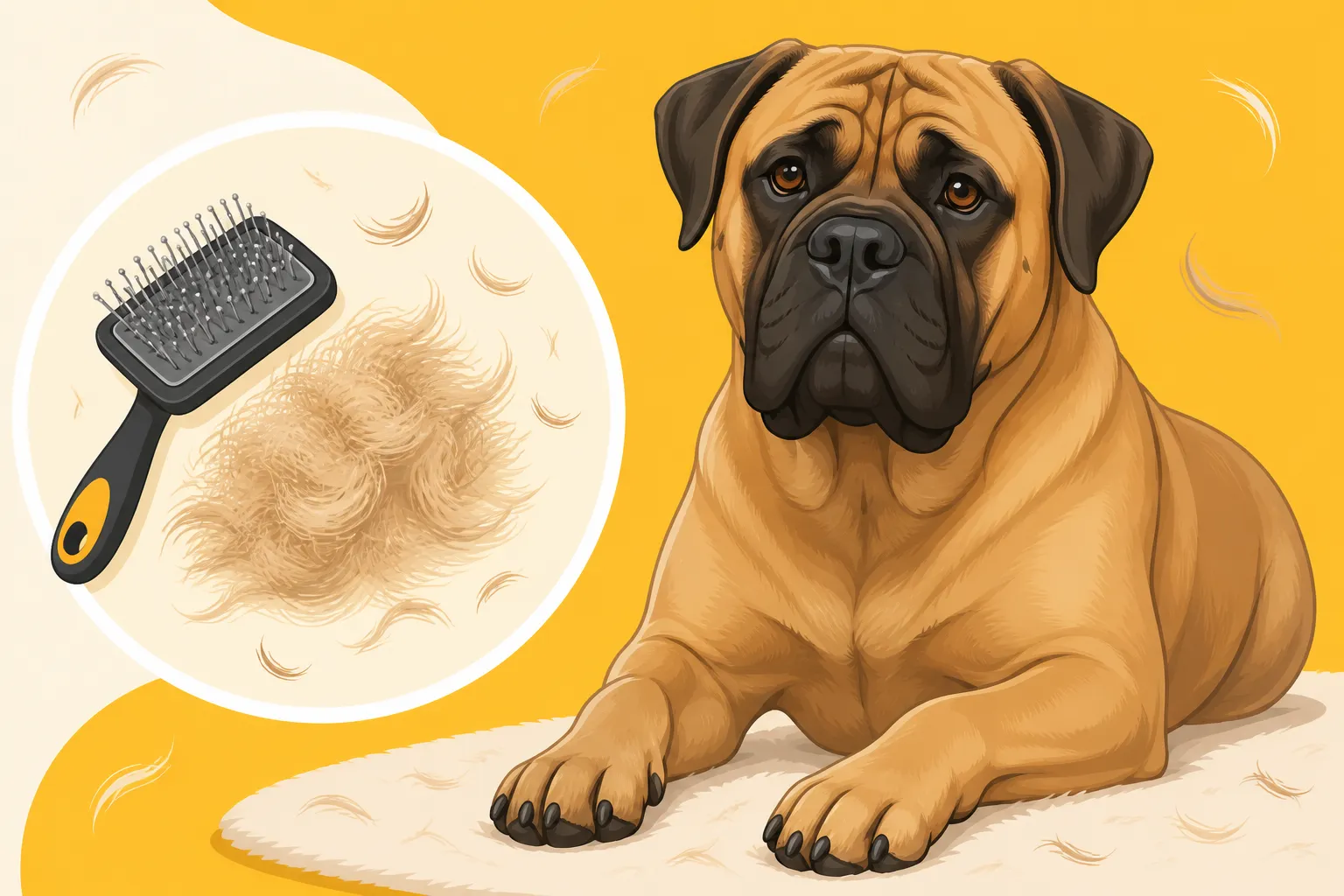
How Much a Bullmastiff Sheds
It's a common misconception, especially for first-time Bullmastiff owners, to assume that a short-coated dog won't shed much. You might picture a sleek, low-maintenance coat, only to find yourself covered in a fine layer of dog hair surprisingly quickly. This guide is here to walk you through the real truth about Bullmastiff shedding, what to realistically expect, and how to keep those furry tumbleweeds from taking over your home.
The Reality of Bullmastiff Shedding: More Than You Think
Let's be upfront: your Bullmastiff sheds. There's no getting around it. While they don't have the long, flowing locks that create dramatic hair piles, their short, dense coats are masters at releasing a constant, fine shower of fur. This can catch new owners off guard, particularly if they’ve come from breeds known for minimal shedding.
Dispelling the Short-Hair Myth
Many people, myself included before I had my first Bullmastiff, associate heavy shedding with long-haired breeds. We think of Golden Retrievers or Huskies and brace ourselves for brushing marathons. When you look at a Bullmastiff's short, dense coat, you might think, "Oh, that'll be easy!" And while grooming time might be less, the amount of hair that ends up on your furniture, clothes, and floors can be quite surprising. It's not about the length of the hair, but the density of the coat and the natural shedding cycle. Those little short hairs are experts at weaving themselves into fabric, making them trickier to remove than their longer counterparts.
You'll quickly learn that those short hairs don't just sit there; they become embedded. Running your hand over your couch, you'll feel the prickle of countless individual hairs that have worked their way deep into the upholstery. It’s a very different cleanup challenge than the fluffy tufts left by a longer-coated dog. Expect to see these hairs everywhere your Bullmastiff rests, shakes, or even just ambles past.
The "Seasonal Blow-Outs"
While Bullmastiffs are generally year-round moderate-to-heavy shedder, they definitely have peak seasons. Twice a year, usually in spring as they ditch their winter undercoat, and in fall as they prepare for a thicker coat, you’ll experience what I affectionately call "shedding season on steroids." During these times, the amount of hair coming off your Bullmastiff will significantly increase. You might find yourself brushing them daily and still feeling like you're losing the battle against the fur.
This seasonal shedding is completely normal and a natural part of their coat cycle, but it does require more intensive management. Suddenly, those occasional floor dust bunnies become full-blown tumbleweeds rolling across your living room. It's a clear signal from your dog that it's time to ramp up your grooming efforts. Don't be surprised if your Bullmastiff seems to shrink a size after a good de-shedding session during these periods!
Daily Tumbleweeds: What to Expect
Even outside of those intense seasonal "blow-outs," expect a baseline level of shedding every single day. This isn't just a few stray hairs; it's a constant release of dead fur from their dense coat. You’ll find hair on your clothes, in your car, on your kitchen floor, and probably even sprinkled on your morning coffee if you're not careful! It's just part and parcel of living with a Bullmastiff.
For some owners, this continuous shedding is a bigger challenge than the seasonal surges because it's unrelenting. You clean, and an hour later, there's more. It becomes a daily ritual to vacuum, lint roll, and wipe down surfaces. The good news is that with the right tools and a consistent routine, you can manage it. It just means accepting that your house will always have a certain amount of Bullmastiff sparkle, no matter how diligently you clean.
Understanding the Bullmastiff Coat and Shedding Cycle
To truly understand why your Bullmastiff sheds the way they do, it helps to know a bit about their coat structure and how it functions. It's not just a layer of fur; it's a protective barrier designed for specific purposes.
The Double Coat Debate
While some sources might describe the Bullmastiff as having a single coat, many owners and breed enthusiasts would argue they possess what's effectively a very short, dense double coat. This means they have a coarser outer guard coat and a softer, finer undercoat, especially noticeable in colder climates or during winter months. It’s this dense undercoat that really contributes to the volume of shedding. When the weather warms up, that undercoat needs to go, leading to those significant seasonal sheds.
This double layer is what makes their coat so effective at protecting them from the elements, whether it's cold, damp, or even a scratch from a branch during their original gamekeeping duties. The outer coat repels dirt and moisture, while the undercoat provides insulation. Both layers need to be maintained, and when dead hairs from either layer are not removed, they cling to the dog and eventually find their way onto your home furnishings. Regular brushing helps to remove this dead undercoat before it has a chance to settle elsewhere.
Seasonal Changes in Shedding
As mentioned, Bullmastiffs definitely experience seasonal shifts in their shedding intensity. In the spring, as the days lengthen and temperatures rise, they shed their heavy winter undercoat to make way for a lighter, thinner one suitable for warmer weather. This is often the most noticeable shedding period. Then, in the autumn, they'll "blow" their lighter summer coat to grow in a denser, warmer coat for the colder months ahead.
These seasonal changes are an ancient, instinctual process, even for dogs who live primarily indoors. Their bodies are still attuned to the natural light cycles and temperature fluctuations. While indoor living with consistent temperatures can somewhat dampen the extremes, it won't eliminate them entirely. Be prepared to step up your grooming game during these times. It's a natural cycle, and understanding it helps you prepare for the inevitable fur storm. You can read more about How Much a Bullmastiff Sheds to get a clearer picture.
Bullmastiff Hair Type and Length
A Bullmastiff's coat is short, dense, and lies close to the body. The hair itself is relatively coarse, not soft and fluffy like some breeds. This combination makes it somewhat unique in its shedding characteristics. While individual hairs are short, their sheer density means there's a lot of surface area for dead hair to accumulate. This is why those short hairs can feel so pervasive. They are perfectly designed to cling to almost anything, from carpet fibers to velvet upholstery.
The short length means they don't form large clumps easily, but rather disperse as individual hairs, creating that fine, persistent layer of fur that settles everywhere. Think of it like a constant sprinkle of tiny needles rather than large cotton balls. This texture and length also mean that while a quick vacuum might pick up some, many hairs will stubbornly remain, requiring more specific tools and techniques for effective removal.
Factors That Influence Bullmastiff Shedding
It's not just genetics and the season; several other factors can play a significant role in how much your Bullmastiff sheds. Understanding these can help you pinpoint if something in their routine needs adjusting.
Diet and Nutrition's Role
A high-quality diet is paramount for a healthy coat. If your Bullmastiff is eating a diet lacking in essential fatty acids (like Omega-3 and Omega-6), vitamins, and minerals, their skin and coat health can suffer. This often manifests as dull fur, dry skin, and increased shedding. A poor diet means the hair follicles aren't getting the nutrients they need, leading to weaker hair that sheds more easily and more frequently.
Consider incorporating good quality fish oil supplements or ensuring their kibble, or whatever you choose to feed, is formulated with these beneficial ingredients. Brands like Ollie often emphasize fresh, whole ingredients which can significantly improve skin and coat health, potentially reducing excessive non-seasonal shedding. You're literally feeding their coat from the inside out. If you notice a sudden increase in shedding that isn't seasonal, reviewing their diet is often the first place to start. A healthy diet contributes not only to a shiny coat but also to overall well-being, which you can learn more about in How Much an Adult Bullmastiff Eats.
Health and Underlying Conditions
Sometimes, increased shedding isn't just about normal coat turnover; it can be a red flag for underlying health issues. Skin allergies, parasites (like fleas or mites), fungal infections, and even hormonal imbalances (such as hypothyroidism) can all lead to excessive or abnormal hair loss. Stress and anxiety can also manifest as increased shedding. If you notice patchy hair loss, dull or brittle fur, or if the shedding is accompanied by skin irritation, redness, or excessive scratching, it's definitely time for a vet visit.
It's easy to dismiss a bit of extra shedding as "just a phase," but for a Bullmastiff, whose health can sometimes be delicate, paying attention to changes in their coat can provide crucial early warning signs. Hypothyroidism, for instance, can cause a dull coat and excessive shedding, among other symptoms. Don't hesitate to consult your veterinarian if you're concerned. They can rule out medical causes and ensure your Bullmastiff is healthy from the inside out. Signs like a change in coat texture or persistent itchiness are certainly worth investigating further.
Environmental Factors
The environment your Bullmastiff lives in can also impact their shedding. Indoor dogs, who are exposed to relatively consistent temperatures and artificial lighting year-round, might shed more consistently throughout the year rather than having distinct seasonal "blow-outs." However, if your home is particularly dry, this can lead to dry skin and a lackluster coat, prompting more shedding. Similarly, exposure to allergens in the home environment, like dust mites or certain cleaning products, could irritate their skin and increase hair loss.
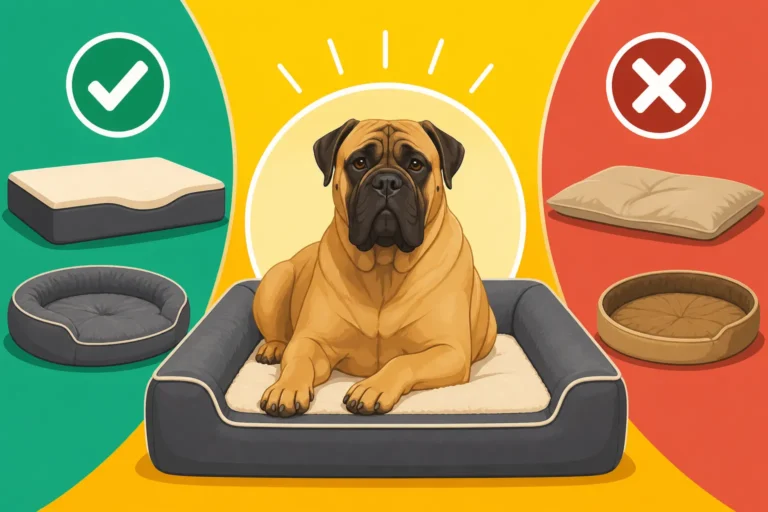
While you can't control everything, ensuring a comfortable, stable environment is helpful. Using a humidifier in dry winter months might alleviate dry skin. Regularly cleaning your home also reduces environmental allergens. Sometimes, even the type of bedding your Bullmastiff uses can impact their coat; rough materials might cause friction that leads to more hair coming off. Consider Which Bed a Bullmastiff Needs for optimal comfort and skin health.
Managing Bullmastiff Shedding: Practical Tips
Okay, so we know Bullmastiffs shed, and sometimes a lot. The good news is that with a consistent routine and the right tools, you can absolutely manage it effectively. It's about proactive prevention and regular maintenance.
Brushing Routines and Tools
This is your first line of defense! Regular brushing is crucial, especially for a Bullmastiff. Aim for at least 2-3 times a week during normal shedding periods, and daily during seasonal "blow-outs." The goal is to remove dead hair before it falls out onto your furniture.
For Bullmastiffs, specific tools work best:
- Rubber Curry Brush or Grooming Mitt: These are fantastic for short coats. They gently massage the skin, stimulate circulation, and effectively pull out loose hair. Many groomers swear by the effectiveness of a good rubber brush, particularly during bath time. Products found on Chewy or Amazon are readily available.
- Slicker Brush: While often used for longer coats, a soft slicker brush can be used carefully to catch any remaining loose hairs after a curry brush, especially if your Bullmastiff has a denser undercoat.
- De-shedding Tools: Brands like Furminator offer de-shedding tools specifically designed for short-haired dogs. These are incredibly effective at getting into the undercoat and removing large amounts of dead hair. Use these sparingly and gently, as over-use can irritate the skin.
Remember to brush outdoors if possible, especially during heavy shedding periods, to minimize the amount of hair floating around inside your home. It also gives your Bullmastiff some fresh air and quality time with you.
Bathing Strategies
Bathing can also help control shedding by loosening and washing away dead hair. However, don't over-bathe, as this can strip natural oils and lead to dry, irritated skin, potentially increasing shedding. Aim for a bath every 4-6 weeks, or when your Bullmastiff is particularly dirty.
During the bath, use a good quality dog shampoo that moisturizes the skin and coat. As you shampoo, use your rubber curry brush to work the shampoo in and dislodge more dead hair. Rinse thoroughly to ensure no residue is left behind, which can cause skin irritation. After the bath, vigorously towel-dry your Bullmastiff to remove even more loose hair. You might be amazed at how much fur comes off during a good bath! Consider a conditioner specifically for dogs to keep the coat healthy and moisturized. Learn more about How Often a Bullmastiff Needs a Bath.
Environmental Cleanup and Home Care
Beyond grooming your dog, you'll need to maintain your home environment to keep shedding under control.
- Vacuuming: Invest in a good quality vacuum cleaner, ideally one designed for pet hair. You'll be using it frequently! Focus on carpets, rugs, and upholstery where hair tends to accumulate.
- Lint Rollers: These are your best friend for quick clean-ups on clothes, furniture, and car interiors. Keep them everywhere!
- Washable Covers: Consider washable slipcovers for couches and dog beds. This makes it much easier to keep them clean and fur-free.
- Air Purifiers: While they won't stop shedding, air purifiers can help trap airborne pet dander and hair, improving air quality, especially for allergy sufferers.
- Designated Dog Zones: If possible, try to designate specific areas where your Bullmastiff can relax and shed, making cleanup more concentrated. Providing a comfortable, washable bed in these areas can help contain some of the fur.
Consistency is key here. A little bit of daily effort goes a long way in preventing a huge build-up of hair. It becomes a part of your routine, just like feeding or walking.
When Shedding Might Signal a Problem
While shedding is a normal part of life with a Bullmastiff, there are times when it goes beyond the typical and might indicate an underlying health concern that needs attention. It's crucial to be observant and know when to seek professional veterinary advice.
Excessive or Patchy Hair Loss
Normal shedding involves a generally even loss of hair across the body. If you start noticing bald patches, thinning fur in specific areas, or if the shedding seems disproportionately heavy outside of seasonal changes, this is a red flag. Excessive hair loss can be caused by a variety of issues, from parasitic infestations like fleas or mites, to bacterial or fungal infections, or even hormonal imbalances like an underactive thyroid. A Bullmastiff's short coat can sometimes make patchy hair loss less obvious at first glance, so regular tactile checks are important.
Don't ignore these signs. A sudden change in your Bullmastiff's coat health, especially accompanied by visible skin or behavioral changes, warrants a visit to your vet. They can perform diagnostic tests to identify the cause, which might include skin scrapes, blood work, or fungal cultures. Catching these issues early can prevent more severe problems down the line. You can also monitor for other symptoms like weight gain or lethargy, which could point to Signs a Bullmastiff's Thyroid Is Low.
Associated Skin Issues
Increased shedding is often accompanied by other skin problems when an underlying issue is at play. Look out for:
- Redness or Inflammation: Areas where hair is thinning or falling out might appear red, irritated, or inflamed.
- Scratching or Licking: If your Bullmastiff is constantly scratching, licking, or chewing at their skin, it suggests itchiness or discomfort, which could be related to allergies, parasites, or infection.
- Flaky or Oily Skin: Dry, flaky skin (dandruff) can be a sign of poor diet, allergies, or an imbalanced skin microbiome. Conversely, excessively oily skin can also indicate an issue.
- Sores or Scabs: Open sores, scabs, or crusts on the skin are definite indicators of a problem that needs veterinary attention. These could be from self-trauma due to itching, or directly from an infection.
Any combination of these symptoms with abnormal shedding means it's time to call your vet. They can diagnose conditions like Skin Allergies in a Bullmastiff or other dermatological problems and prescribe appropriate treatment.
The Importance of Vet Checks
Your veterinarian is your best resource for distinguishing between normal shedding and a concerning health issue. Regular wellness exams, as outlined in How Often a Bullmastiff Needs a Wellness Exam, are crucial for catching these problems early. During these visits, your vet will perform a thorough physical examination, including a check of your Bullmastiff's skin and coat.
If you suspect something is off with your Bullmastiff's shedding, don't try to self-diagnose or treat. A professional diagnosis ensures your dog gets the correct treatment for their specific condition. Early intervention can make a significant difference in their comfort and recovery. Your vet can also offer advice on specific supplements or dietary changes that might improve coat health if a medical issue isn't present.
| Shedding Characteristic | What It Looks Like | Potential Implication | Action Recommended |
|---|---|---|---|
| Normal Shedding | Even coat loss, more during spring/fall | Healthy coat cycle | Regular brushing (2-3x/week), bathing as needed |
| Excessive All-Year | Constant, heavy shedding not tied to seasons | Diet, environment, stress | Review diet, humidifier, more frequent brushing |
| Patchy Hair Loss | Bald spots, thinning in specific areas | Parasites, infection, hormones | Immediate vet check |
| Dull/Brittle Coat | Fur lacks shine, breaks easily | Nutritional deficiency, illness | Vet check, evaluate diet, consider supplements |
| Skin Irritation | Redness, flakiness, scabs, excessive scratching | Allergies, infection, parasites | Immediate vet check |
Disclaimer
This article is for general informational purposes only and does not constitute professional advice. Laws, prices and regulations vary by location and change over time. Consult a qualified professional for guidance on your specific situation.