Whether a Bullmastiff’s Folds Get Infected
Anyone who has spent time with a Bullmastiff knows that their charming, wrinkled faces are a huge part of their appeal. Those deep, soulful eyes set amidst generous folds of skin give them that distinctive, noble look we all adore. However, these very folds, particularly around their muzzle and sometimes on their neck, can become a real source of frustration and discomfort if not properly managed. They’re notorious little pockets where moisture, food debris, and even just plain old environmental gunk can collect, creating a perfect storm for nasty skin infections. This guide is here to walk you through why these folds are so susceptible, how to spot the early signs of trouble, and most importantly, how to keep your gentle giant's skin healthy and happy.
The Anatomy of a Bullmastiff's Folds and Why They're Prone to Trouble
Our beloved Bullmastiffs, with their impressive builds and those wonderfully expressive faces, possess a unique physical characteristic that, while endearing, requires a bit of extra attention: their skin folds. These folds are more than just cosmetic; they're an inherent part of the breed's structure, but they also create environments ripe for dermatological issues if we're not vigilant.
Where Folds Are Found on a Bullmastiff
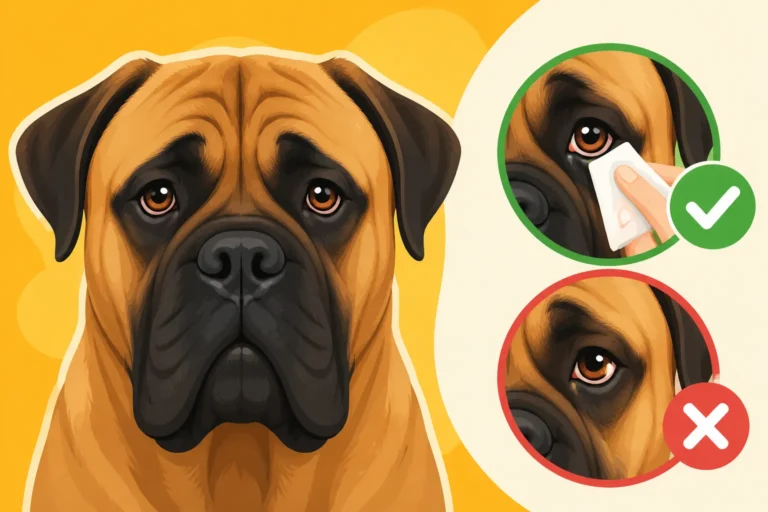
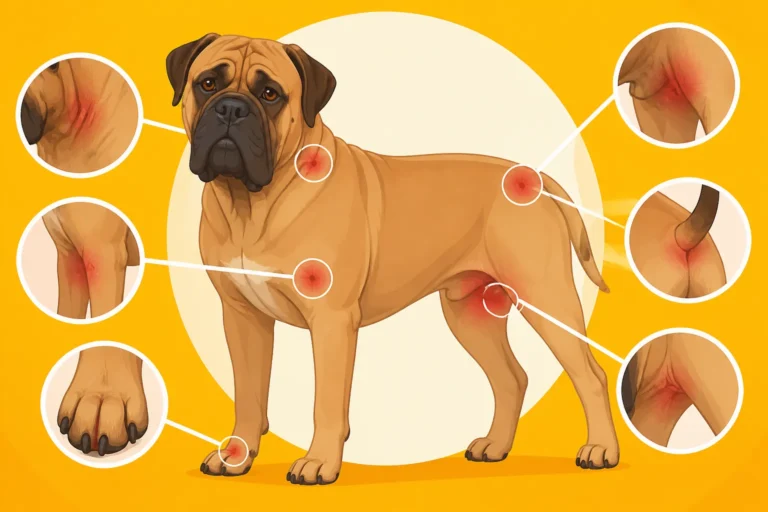
When you look at your Bullmastiff, you'll immediately notice the prominent folds that grace their face. The most significant are typically around their muzzle, often referred to as "lip folds" or "jowls." These are the ones that catch saliva, food, and water after every meal and drink. Think about how much liquid they slurp up, and then how much drips down into those lovely creases – it’s a lot! Beyond the muzzle, many Bullmastiffs also have noticeable folds over their brows, giving them that thoughtful, sometimes grumpy, expression. These brow folds can trap sweat, dust, or even tears, especially if they've been outside sniffing around.
It's not just the face, either. Depending on your individual Bullmastiff's build and genetics, you might find folds or loose skin around their neck, under their chin, or even in the armpit area. These less obvious spots are often overlooked but can be just as problematic. Each of these tucked-away crevices, while contributing to the breed's majestic appearance, represents a potential microclimate where problems can brew, completely out of sight until they've escalated.
The Ideal Environment for Bacterial and Yeast Growth
Imagine a warm, damp, dark cave – that's essentially what a Bullmastiff's skin fold becomes when left unattended. The skin within these folds doesn't get much airflow, creating a humid, oxygen-poor environment. When food particles, water, or even just natural skin oils and dead cells get trapped in there, it becomes a literal buffet for microorganisms. Bacteria, particularly certain strains like Staphylococcus, and yeast, especially Malassezia, absolutely thrive in these conditions. They multiply rapidly, leading to irritation, inflammation, and eventually, a full-blown infection.
This isn't just a minor irritation; it's a significant discomfort for your dog. The constant moisture softens the skin, making it more fragile and susceptible to microscopic breaks, which then allows bacteria and yeast to penetrate deeper. It's a vicious cycle where irritation leads to more moisture (from inflammation), which leads to more microbial growth. Understanding this delicate balance, or rather, imbalance, is crucial for preventing these frustrating and painful fold infections. It's why "out of sight, out of mind" is a dangerous philosophy when it comes to Bullmastiff folds.
Recognizing the Early Warning Signs of a Fold Infection
One of the biggest challenges with fold infections is that they can often be well underway before you even notice them. Those deep, hidden pockets do an excellent job of concealing the early stages of irritation. However, with a keen eye and a discerning nose, you can catch issues before they become severe. Being proactive and knowing what to look for is the key to preventing extensive discomfort for your Bullmastiff and potentially costly vet visits down the line. It's easy to dismiss a subtle sign, but those subtle signs are often your dog's quiet way of telling you something is wrong. How a Bullmastiff Hides Pain is a real phenomenon, making vigilance even more important.
Visual Cues: Redness, Swelling, and Discharge
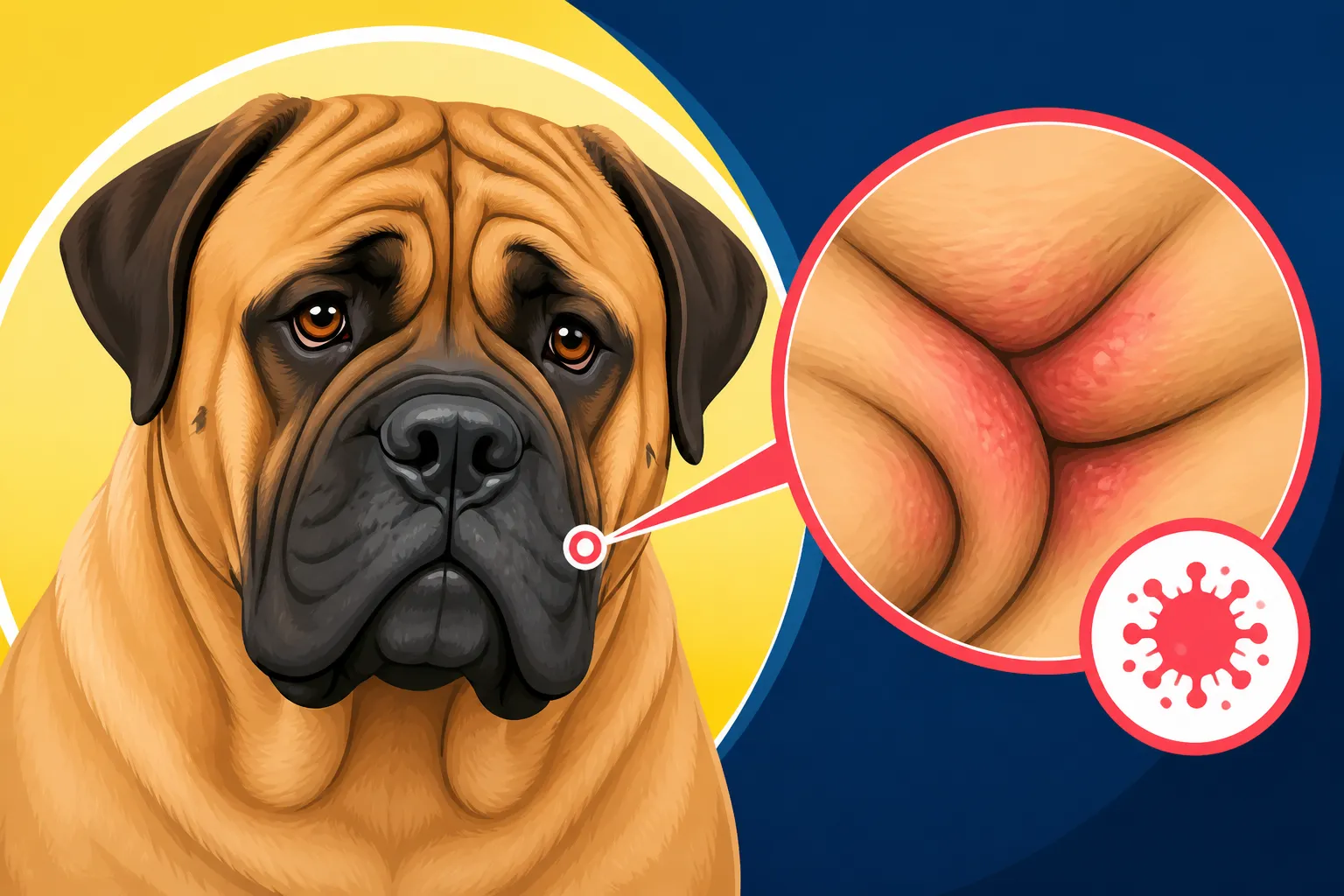
The first signs of a fold infection are often visual, though sometimes they're hidden deep within the fold itself. When you lift and inspect your Bullmastiff's jowls or brow wrinkles, look for any areas of skin that appear redder than the surrounding healthy tissue. This redness indicates inflammation. In more severe cases, you might notice swelling, making the fold look puffy or distended. The skin might also appear raw, shiny, or even ulcerated if the infection has progressed significantly.
Another tell-tale sign is discharge. This can range from a clear, watery exudate in the very early stages to a thick, yellow, or greenish pus as a bacterial infection takes hold. Sometimes, you might also see dark, waxy debris, which is often indicative of a yeast infection. The fur in and around the affected fold might become matted or stained from this discharge. Don't be fooled by the color of your dog's skin; even on fawn or red Bullmastiffs, inflamed skin will appear noticeably irritated compared to healthy tissue.
Olfactory Signals: That Unmistakable "Yeasty" or Foul Odor
While visual signs are important, your nose can often be your first and most reliable diagnostic tool when it comes to fold infections. The smell is incredibly distinctive and, once you've encountered it, you won't forget it. A mild fold irritation might just smell a bit "stale" or "doggy" if the area is damp and not airing out. However, as bacteria and yeast multiply, they produce metabolic byproducts that create a strong, unpleasant odor.
A yeast infection, particularly one caused by Malassezia, often has a sweet, yeasty, almost bread-like or corn chip-like smell. It’s pungent and can cling to your dog’s face. Bacterial infections, on the other hand, tend to produce a foul, putrid, sometimes cheesy or intensely unpleasant odor. If you notice a persistent, strong smell emanating from your Bullmastiff's face, especially around their jowls, that's a huge red flag that something is brewing, even if you can't see overt redness or discharge yet. Trust your nose! Why a Bullmastiff's Lip Folds Smell details this issue.
Behavioral Changes: Itching, Rubbing, and Discomfort
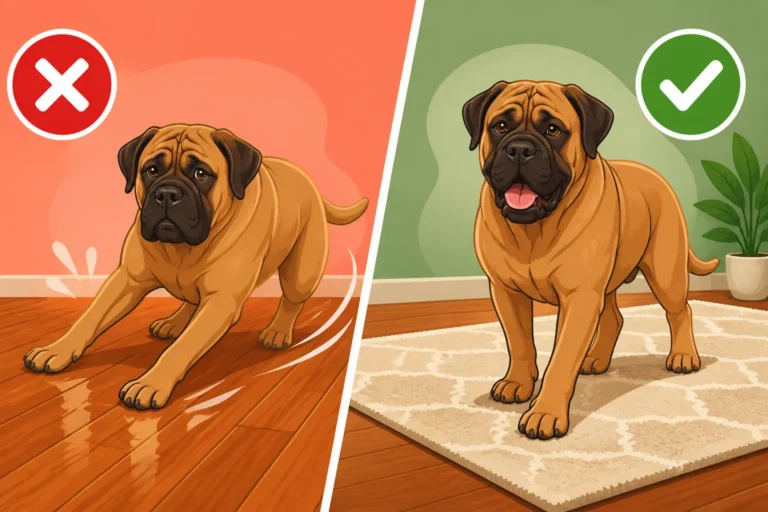
Beyond the visual and olfactory cues, your Bullmastiff might exhibit subtle (or not-so-subtle) behavioral changes that signal discomfort. If a fold is irritated or infected, they might start rubbing their face on furniture, carpets, or even your leg more frequently than usual. You might catch them pawing at their muzzle, or scratching vigorously at their neck or ears, trying to alleviate the itch or pain. Excessive licking of the affected area is also a common sign, though again, the folds make it difficult for them to get to the source of the irritation.
Some Bullmastiffs might become a bit withdrawn, lethargic, or even show signs of pain when you try to examine the affected area. They might flinch, pull away, or even snap if the infection is particularly painful. Pay close attention to any changes in their normal routine or demeanor, especially if accompanied by other signs. These behavioral shifts are their way of communicating that they're not feeling their best and need your help. Signs a Bullmastiff's Fold Is Infected can give you more details on what to look for.
Common Types of Fold Infections in Bullmastiffs
When we talk about skin fold infections, we're not usually talking about one single type of culprit. More often than not, it's a combination of factors, but the primary offenders are usually bacteria and yeast. Understanding the difference can sometimes help in initial management, though a vet's diagnosis is always best for effective treatment. These infections are medically known as skin fold dermatitis or intertrigo, which simply means inflammation of skin folds.
Bacterial Dermatitis (Pyoderma)
Bacterial dermatitis, often called pyoderma, is a very common issue in Bullmastiffs' folds. It's usually caused by bacteria, most frequently Staphylococcus species, which are naturally present on the skin. However, in the moist, warm, and air-restricted environment of a skin fold, these bacteria can overgrow and cause problems. The signs of pyoderma often include intense redness, swelling, and a characteristic pus-like discharge that can be white, yellow, or greenish. The area will likely be painful to the touch, and your dog might show significant discomfort.
If left untreated, pyoderma can progress from a superficial infection to a deeper one, potentially leading to ulcers, abscesses, and more severe pain. The skin may become crusty or develop small pustules. This type of infection often carries a strong, foul, or sickly sweet odor that is hard to ignore. Treating bacterial dermatitis usually involves a combination of topical antimicrobial wipes or washes and, in more severe cases, oral antibiotics prescribed by your veterinarian.
Yeast Infections (Malassezia Dermatitis)
Yeast infections, primarily caused by Malassezia pachydermatis, are another frequent visitor to Bullmastiff skin folds. Like bacteria, Malassezia yeast is a normal inhabitant of canine skin, but it too can overgrow in warm, moist conditions. Yeast infections often present with greasy, reddish-brown discoloration of the skin and hair, accompanied by an intense itch. The skin might also become thickened, leathery, and dark (hyperpigmented) over time if it’s a chronic issue.
The odor associated with Malassezia is quite distinct – often described as sweet, musty, or "corn chip-like." You'll notice it strongly when you lift your Bullmastiff's jowls. Yeast infections can also cause a waxy build-up in the folds. Treatment typically involves topical antifungal wipes, shampoos, or creams, sometimes alongside oral antifungal medications, depending on the severity and recurrence. Often, bacterial and yeast infections occur together, making diagnosis and treatment a bit more complex. Skin Fold Infections on a Bullmastiff are a recurring battle for many owners.
The Role of Allergies and Irritants
It's important to understand that while bacteria and yeast are the direct cause of the infection, there's often an underlying factor that predisposes your Bullmastiff to these issues. Allergies are a huge contributor. If your Bullmastiff suffers from environmental allergies (like pollen, dust mites, or mold) or food allergies, their skin barrier might be compromised, making them more susceptible to secondary infections. Allergic reactions can cause skin inflammation and itchiness, prompting your dog to rub or scratch, further damaging the skin and creating entry points for microbes.
Beyond allergies, simple irritants can also play a significant role. Dropped food, especially acidic foods, can sit in the folds and cause chemical irritation. Certain cleaning products, residues from soaps, or even synthetic fabrics can cause contact dermatitis. The constant moisture from drinking water that collects in the jowls is a major mechanical irritant itself. Identifying and minimizing these irritants, alongside treating any underlying allergies, is crucial for long-term management and preventing recurrent fold infections. You can explore Skin Allergies in a Bullmastiff for more information on managing these conditions.
Proactive Daily Care: Your Best Defense Against Fold Infections
Let's be real: preventing fold infections is far easier, and certainly more comfortable for your Bullmastiff, than treating them. It might seem like a chore at first, adding another step to your daily routine, but once you get into the rhythm, it becomes second nature. Think of it as brushing your own teeth – a little effort daily prevents bigger, more painful problems later. This proactive approach is the single most effective thing you can do for your Bullmastiff's skin health.
The Importance of Daily Wiping and Drying
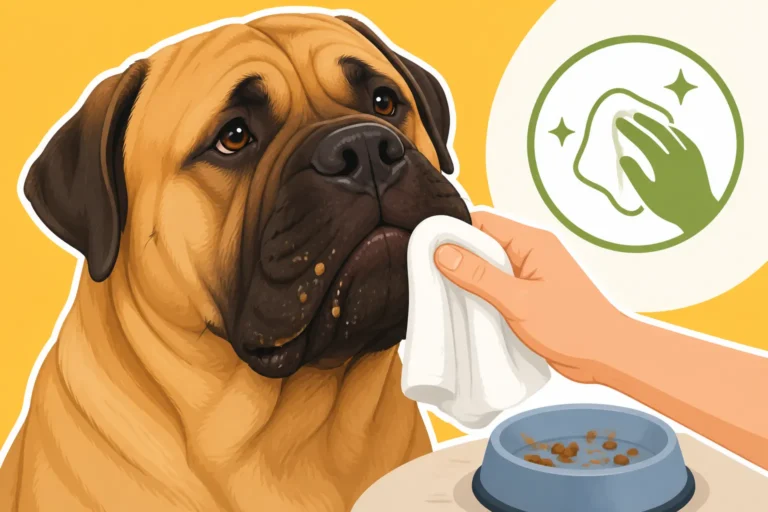
This cannot be stressed enough: daily wiping and drying of your Bullmastiff's folds are non-negotiable. After every meal and after they drink water, those jowls are going to be wet and often sticky with food residue. Leaving that moisture and debris to sit creates the perfect breeding ground for trouble. Establish a routine: a quick wipe-down with a soft cloth or pet-safe wipe (more on those in a moment) after they eat and drink. You don't need to be aggressive, just thorough. Gently lift each fold, wipe away any visible gunk, and then, crucially, ensure the area is completely dry.
Moisture is the enemy here. A soft, absorbent towel or even a cotton ball can be used to dab the area until it’s dry to the touch. Pay extra attention to the deepest parts of the folds. If your Bullmastiff is particularly prone to wetness, you might even consider a quick wipe-and-dry before bed, just to make sure they aren't sleeping with damp folds all night. It takes just a minute or two, but those minutes are an investment in your dog's comfort and health. How Often a Bullmastiff's Face Should Be Wiped depends on their habits, but daily is a good starting point.
Choosing the Right Cleaning Solutions
When it comes to cleaning solutions, less is often more, especially for daily use. For routine wiping, plain warm water on a soft cloth can be perfectly adequate, followed by thorough drying. However, for Bullmastiffs prone to developing mild irritation or those with very deep folds, a gentle, pet-safe antiseptic wipe can be a game-changer. Look for wipes containing ingredients like chlorhexidine or witch hazel, which have mild antimicrobial and astringent properties without being overly harsh. Many excellent options are available from retailers like Chewy or Amazon.
Avoid using human wipes, baby wipes, or anything with strong fragrances, alcohol, or harsh chemicals, as these can irritate your Bullmastiff's sensitive skin and strip natural oils, making the problem worse. If your vet has recommended a specific medicated wipe for preventative purposes, stick to that. Always test any new product on a small, less sensitive area first to ensure there's no adverse reaction. Remember, the goal is to clean and dry, not to sterilize with harsh chemicals. What to Clean a Bullmastiff's Wrinkles With offers more options.
Incorporating Preventative Measures into Your Routine
Beyond daily wiping, there are other preventative measures that can significantly reduce the risk of fold infections. One simple trick is to keep the fur around and within the folds trimmed short, if applicable. Excess hair can trap even more moisture and debris, making cleaning harder. A visit to a professional groomer who understands Bullmastiff needs can help with this. Another consideration is your dog’s diet. If they’re sloppy eaters or tend to bury their face in their bowl, invest in a slow feeder or a bowl designed to minimize mess.
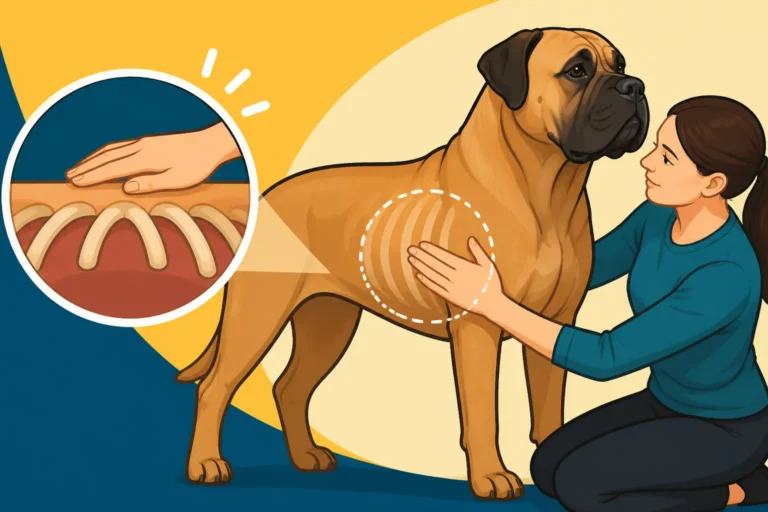
Maintaining a healthy weight for your Bullmastiff is also incredibly important. An overweight Bullmastiff may develop more pronounced or additional skin folds, exacerbating the problem. Keeping a Bullmastiff Lean Is the Best Thing You Can Do for their overall health, including skin health. For extreme cases, especially with very deep lip folds, some owners might explore options like special bibs designed to catch drool and food, though this isn't for every dog. The goal is to create an environment where moisture and irritants have minimal opportunity to settle and fester.
When to Call the Vet: Professional Intervention for Stubborn Infections
Despite our best efforts with daily cleaning and preventative care, sometimes a fold infection will still take hold, or a mild irritation will escalate into something more serious. It's crucial to know when your home care efforts aren't enough and when it's time to seek professional veterinary help. Delaying treatment for a brewing infection can lead to more significant pain for your dog and a more complicated, expensive recovery. Don't feel like a failure if you need to call the vet; you're being a responsible owner by knowing when to get expert help.
Signs That Warrant Immediate Veterinary Attention
You've been wiping, you've been watching, but now you're seeing signs that go beyond mild irritation. This is when you pick up the phone. If you notice any of the following, it’s definitely time to schedule a vet visit:
- Intense redness or swelling: If the skin is fiery red, hot to the touch, or significantly swollen, it indicates a strong inflammatory response that needs medical attention.
- Overt pain or discomfort: Your Bullmastiff flinches, cries out, or attempts to bite when you try to examine the area. They might be constantly rubbing or pawing at their face.
- Persistent or worsening discharge: If the discharge is thick, pus-like, green, yellow, or has a very strong, foul odor that doesn't improve with your gentle cleaning, it's a sign of an active infection.
- Open sores or ulcerations: Any breaks in the skin, raw spots, or deep ulcers are entry points for more severe infection and require immediate veterinary care.
- Systemic signs: If your Bullmastiff seems lethargic, loses their appetite, develops a fever, or just seems generally unwell in conjunction with the fold issue, the infection might be affecting their overall health. This is particularly concerning and demands prompt attention.
Diagnostic Tools Your Vet Might Use
When you bring your Bullmastiff to the vet for a suspected fold infection, they won't just guess. They'll use various diagnostic tools to accurately identify the cause and severity of the problem. This is important because bacterial and yeast infections require different medications.
- Physical Examination: First, your vet will thoroughly examine all affected folds, carefully lifting and inspecting the skin. They'll assess the extent of redness, swelling, discharge, and any pain.
- Cytology: This is a quick and simple test where the vet gently presses a piece of tape or a cotton swab onto the affected skin and then transfers it to a microscope slide. They'll then examine the slide under a microscope to identify the presence and type of bacteria (cocci, rods) and yeast cells (Malassezia). This helps them determine if it's primarily bacterial, yeast, or a mixed infection.
- Skin Scrapes: While less common for fold infections unless mites are suspected, a skin scrape might be performed to rule out parasitic causes if the irritation is widespread or unusually itchy.
- Bacterial Culture and Sensitivity: For persistent, severe, or recurrent bacterial infections, your vet might take a sterile swab of the discharge and send it to a lab for culture. This identifies the specific bacteria present and, more importantly, tests which antibiotics will be most effective against that particular strain (sensitivity testing). This is vital for choosing the right antibiotic and avoiding antibiotic resistance.
Treatment Approaches: Medications and Long-Term Management
Once the vet has a diagnosis, they can prescribe the most effective course of treatment. This typically involves a combination of topical and sometimes oral medications.
- Topical Treatments: For localized or mild infections, medicated wipes, gels, or creams are often the first line of defense. These might contain antibacterial agents (like chlorhexidine), antifungal agents (like miconazole or ketoconazole), or a combination of both. Your vet might recommend specific brands you can find at a pet pharmacy or through online retailers like Chewy or Amazon.
- Oral Medications: If the infection is widespread, deep, severe, or not responding to topical treatments, your vet will likely prescribe oral antibiotics or antifungals. It's absolutely crucial to administer these exactly as prescribed and complete the entire course, even if your Bullmastiff seems better halfway through. Stopping early can lead to a relapse and contribute to antibiotic resistance.
- Anti-Inflammatory Medications: In cases where there's significant pain or swelling, your vet might prescribe anti-inflammatory medications (like corticosteroids or NSAIDs) to reduce discomfort and help the healing process.
- Addressing Underlying Causes: This is key for long-term management. If allergies are suspected, your vet will discuss strategies to identify and manage them, which might include diet trials (potentially with specialized foods from a brand like Ollie), allergy testing, or ongoing allergy medications. Without addressing the root cause, infections are likely to recur. What Changes in an Aging Bullmastiff's Care can sometimes include new allergy sensitivities that need addressing.
Living with and Preventing Recurrence of Fold Infections
Even after an infection has cleared, the battle isn't over. For Bullmastiffs, skin folds are a lifelong characteristic, which means the potential for recurrence is always there. The real success lies in establishing a sustainable routine and making smart choices that minimize risk. This isn't just about treating the problem; it's about proactively managing your Bullmastiff's unique needs to ensure their comfort and health for years to come.
Environmental Adjustments and Diet Considerations
Your Bullmastiff's living environment and diet play a significant role in their overall skin health. A clean environment helps reduce the load of environmental allergens and irritants. Regularly vacuuming, washing bedding (using a hypoallergenic detergent), and keeping their food and water bowls impeccably clean can make a difference. Consider where your Bullmastiff sleeps and rests; soft, clean bedding is essential, and if they tend to get damp, ensuring proper ventilation can help.
Diet is another huge piece of the puzzle, especially if allergies are a contributing factor. If your vet suspects food allergies, they might recommend a prescription hypoallergenic diet or a novel protein diet. Brands like Ollie, known for fresh, customized meal plans, or specialized formulations available on Chewy, might be considered in consultation with your vet. Eliminating potential allergens from their food can significantly reduce skin inflammation, thereby making the folds less susceptible to secondary infections. Always consult your veterinarian before making drastic dietary changes, as nutritional balance is critical for a large breed like a Bullmastiff.
Regular Health Checks and Grooming Schedules
Consistency is king when it comes to preventing recurrence. Don't wait until you smell that tell-tale odor or see redness creeping in. Make daily fold checks a non-negotiable part of your Bullmastiff's routine. It can be a quick inspection while you're cuddling on the couch or after their morning walk. The more you do it, the more accustomed they'll become, and the quicker you'll spot even the slightest change.
Beyond daily checks, establish a regular grooming schedule. This might include professional grooming appointments to keep the fur around their folds trimmed, ensuring better airflow. Regular baths with a vet-recommended shampoo (especially if they have sensitive skin or a history of yeast) can also help maintain skin hygiene. And of course, don't forget their regular veterinary wellness exams. These appointments are crucial for your vet to perform a thorough check, catch any subtle issues you might miss, and discuss any ongoing preventative strategies. How Often a Bullmastiff Needs a Wellness Exam should be discussed with your vet based on their age and health status.
Understanding When Surgical Intervention is Considered
For a small percentage of Bullmastiffs, despite the most diligent daily care and veterinary treatments, fold infections become a chronic, debilitating problem. In these severe, recurrent cases, surgical intervention might be considered. The most common procedure is called cheiloplasty or lip fold resection, where excess skin from the lower lip folds is surgically removed. The goal is to eliminate the deep, moist pocket that fosters infection, creating a more open, cleaner area that's easier to keep dry and healthy.
This is a significant decision and is generally only recommended as a last resort when all other medical and management strategies have failed, and the dog's quality of life is severely impacted by continuous pain and infection. Your veterinarian, potentially in consultation with a veterinary dermatologist, will thoroughly discuss the pros, cons, risks, and recovery involved. While it can be an effective solution for truly intractable cases, it's important to understand that surgery comes with its own set of challenges and is not a guarantee against all future skin issues, though it can dramatically improve the specific fold problem.
| Feature | Proactive Daily Care | Signs of Active Infection | Action Needed |
|---|---|---|---|
| Visual Appearance | Clean, dry, normal skin color | Redness, swelling, raw spots, discharge | Contact vet for diagnosis and treatment plan |
| Odor | Mild, neutral "doggy" smell | Yeasty, musty, or foul/putrid odor | Contact vet, may start gentle cleaning in interim |
| Behavior | Normal, comfortable | Pawing, rubbing face, reluctance to touch, pain | Vet visit; consider pain relief measures if vet advises |
| Duration | Ongoing, daily routine | Worsening or persistent symptoms | Prompt veterinary intervention |
| Products Used | Pet-safe wipes, water, soft cloth | Medicated wipes/shampoos (vet prescribed), oral medications | Strictly follow vet's prescription for topical/oral drugs |
| Goal | Prevent issues, maintain skin integrity | Resolve infection, prevent recurrence, address root cause | Professional diagnosis, specific medications, follow-up |
Disclaimer
This article is for general informational purposes only and does not constitute professional advice. Laws, prices and regulations vary by location and change over time. Consult a qualified professional for guidance on your specific situation.