Signs a Bullmastiff’s Fold Is Infected
One of the ongoing joys and challenges of living with a magnificent Bullmastiff is keeping those adorable, wrinkly faces and other skin folds healthy. It’s easy to overlook a subtle change in a deep fold, and before you know it, you’re noticing an unpleasant odor or your big lug is scratching incessantly. This guide is here to walk you through the tell-tale signs that a Bullmastiff’s skin fold might be brewing an infection, so you can catch it early and get your beloved companion back to feeling comfortable.
Why Bullmastiff Folds Are Prone to Infection
It’s not just a cute aesthetic; those wrinkles that give our Bullmastiffs so much character are also little hotbeds for potential issues. Understanding why they’re so susceptible can help you be more vigilant and proactive in preventing problems. It’s a bit of a design flaw, but one we learn to manage for our gentle giants.
The Anatomy of a Bullmastiff's Wrinkles
Bullmastiffs are known for their distinctive, somewhat loose skin, particularly around their muzzle, neck, and sometimes even other areas of their body. These folds are not just superficial; they can be quite deep, creating crevices where air circulation is minimal. Think of it like a humid, enclosed space – not ideal for skin health. The skin within these folds isn't exposed to the open air and sunlight that helps keep other areas dry and healthy. Instead, it's constantly in contact with other skin surfaces, leading to friction and warmth.
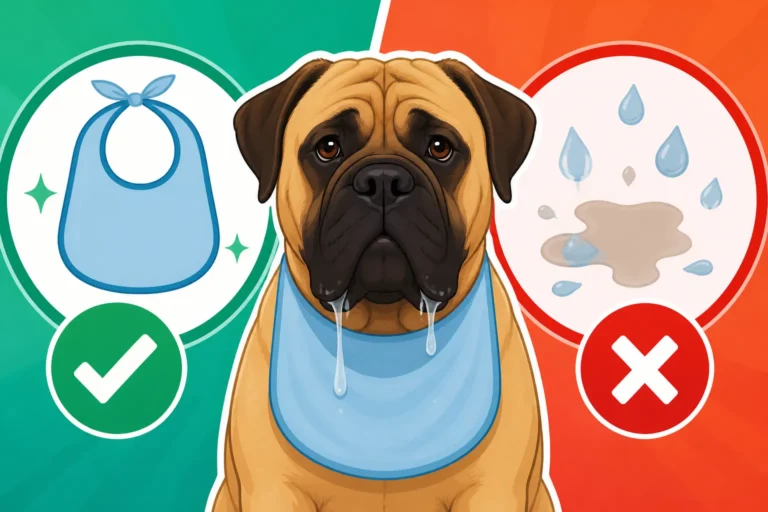
This unique anatomy means that moisture from drool, food, tears, or even just sweat can get trapped deep within these skin pockets. Our Bullmastiffs, with their jowls, are naturally prone to a bit of slobber, and this dampness, combined with their dense coat, creates a persistent moist environment. It's a tricky balance to maintain, especially for dogs who love to bury their faces in their beds or play with slobbery toys. Understanding The Wrinkles and Folds on a Bullmastiff's Face is the first step in understanding their care.
The Ideal Environment for Bacteria and Yeast
When moisture and warmth get together in a poorly ventilated space, you've got the perfect recipe for microbial overgrowth. This is precisely what happens in an infected Bullmastiff skin fold. Bacteria and yeast, which are normally present on a dog's skin in small, harmless amounts, start to multiply rapidly when conditions become favorable. The trapped moisture softens the skin, making it more vulnerable to irritation and tiny abrasions, which then become entry points for these opportunistic organisms.
Common culprits often include Staphylococcus bacteria or various species of Malassezia yeast. The presence of these microorganisms in excess leads to inflammation, itching, and that characteristic unpleasant smell we're trying to avoid. Imagine wearing damp socks all day in hot weather, and you'll get a sense of what your Bullmastiff's skin might be experiencing. It’s a constant battle against nature, and without regular attention, these hidden havens can quickly spiral into uncomfortable, itchy, and sometimes painful infections.
Early Warning Signs of a Fold Infection
Catching a fold infection early is key to preventing it from becoming a major issue. Our Bullmastiffs can be pretty stoic, so it's up to us to be diligent observers. These subtle signs often appear before your dog starts showing more obvious discomfort, giving you a chance to intervene quickly.
Redness and Inflammation
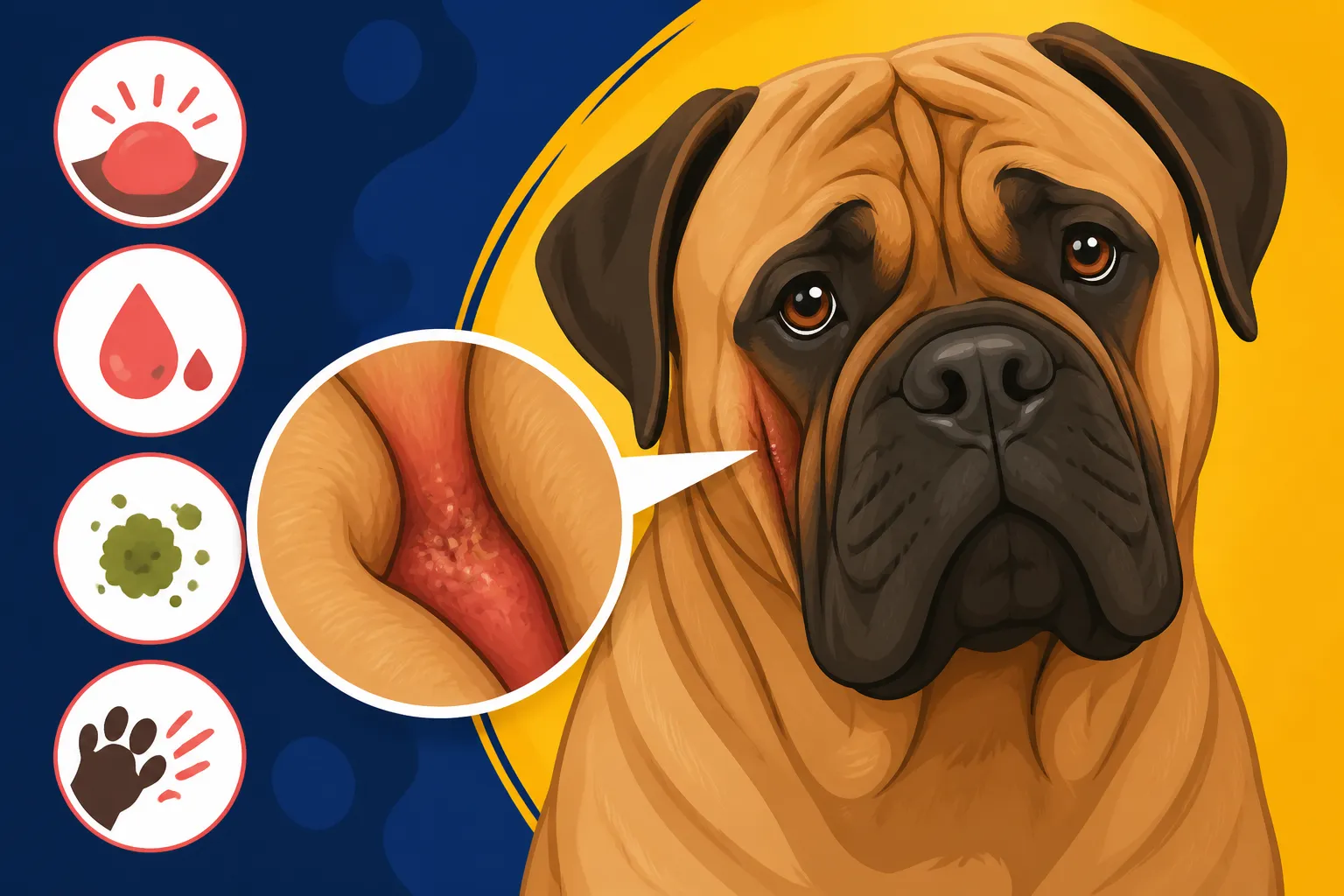
The very first thing you might notice, if you’re brave enough to gently part those folds and take a peek, is redness. It might start as a faint pinkness, almost like a mild blush, but it can quickly escalate to a vivid, angry red. This redness, or erythema, is a clear sign that the skin is irritated and inflamed. You might see it around the edges of the fold or, more commonly, deep within the crease where the skin is constantly rubbing together. It’s particularly common in facial folds, like those around the muzzle or under the eyes, and in less obvious places like tail pockets or vulvar folds.
Along with the redness, the skin might appear slightly swollen or puffy. This inflammation is the body’s response to irritation and infection. If you compare the affected fold to a healthy one (if your Bullmastiff has one!), the difference in texture and color can be quite striking. Sometimes, the skin will also feel warmer to the touch. Don't be shy about gently separating those rolls and using a good light to inspect. A flashlight can be your best friend for really getting into those hidden spots and seeing the true color of the skin beneath the fur.
Odor and Discharge
This is often the sign that first tips owners off, sometimes even before they've had a chance to examine the fold itself. An infected skin fold frequently emits a distinctive, unpleasant smell. It can range from a slightly musty or yeasty odor to a truly foul, pungent stench that’s hard to ignore. This smell is a direct result of the bacteria and yeast multiplying and producing waste products. It’s a signal that something is definitely amiss in that hidden crease. If you've ever thought, "What is that smell?" and then realized it's coming from your sweet Bullmastiff, you're not alone. We often talk about Why a Bullmastiff's Lip Folds Smell, and often, infection is the culprit.
Accompanying the odor, you’ll likely find some form of discharge. This can vary in appearance. In earlier stages, it might be a clear, watery exudate that makes the area feel perpetually damp. As the infection progresses, the discharge can become thicker, cloudy, or even pus-like, appearing yellowish or greenish. It might also dry and form crusts around the edges of the fold or on the surrounding fur. Sometimes, you’ll see brown, waxy build-up, especially if yeast is a primary component of the infection. This discharge can mat the fur, making the area even more prone to trapping moisture and further exacerbating the problem.
Changes in Skin Texture and Hair Loss
Beyond redness and discharge, chronic irritation and infection can lead to noticeable changes in the skin's texture. The skin inside and around the affected fold might become thickened, leathery, and even darkened over time, a process known as lichenification. It might also appear scaly or flaky, much like dry skin, though this flakiness is often accompanied by moisture deeper in the fold. This change in texture indicates that the skin has been under stress for a while, constantly trying to repair itself while battling the infection.
You might also observe hair loss in the immediate vicinity of the infected fold. This can happen for a couple of reasons. First, the intense inflammation and discomfort can cause the hair follicles to shut down or the hair to simply fall out. Second, your Bullmastiff's persistent licking, rubbing, or scratching at the itchy area can physically abrade the skin and pull out the fur. This hair loss can make the underlying redness and skin changes even more obvious. When you part the folds, a patch of bare, irritated skin is a strong indicator that an infection has taken root and needs attention.
Behavioral Clues Your Bullmastiff Might Be Uncomfortable
Our Bullmastiffs are masters of hiding discomfort, a trait that goes back to their history as resilient working dogs. However, even the most stoic Bullmastiff will eventually show subtle, and then not-so-subtle, changes in behavior if a fold infection is causing them pain or intense itchiness. Paying close attention to these cues can help you identify a problem before it becomes severe. How a Bullmastiff Hides Pain is something all owners need to be aware of.
Excessive Licking or Rubbing
One of the most common behavioral signs of an irritated or infected skin fold is an increase in self-grooming behaviors, specifically licking or rubbing. Your Bullmastiff might continuously lick the affected area, whether it’s a facial fold, a paw, or even a tail pocket. This licking is their attempt to soothe the itch or discomfort, but it often makes the situation worse by introducing more moisture and potentially more bacteria. You might notice them rubbing their face against furniture, carpets, or even your leg in an attempt to scratch an itch they can't reach with their paws.
For facial folds, you might see them dragging their face along the floor or furniture more than usual. If the infection is in a tail pocket, they might persistently lick around their tail or scoot their rear end on the ground. When the discomfort is in their armpit or groin folds, they might try to chew at the area. Any increase in these localized self-soothing behaviors should prompt a closer inspection of the corresponding body part. It's a clear signal that something is irritating them, and often, that "something" is a brewing skin infection.
Sensitivity to Touch
When a skin fold is inflamed and painful, your Bullmastiff will likely become much more sensitive to touch in that area. Normally, our Bullmastiffs tolerate being handled, especially for routine cleaning like How to Clean a Bullmastiff's Face Wrinkles. However, if you notice them flinching, pulling away, growling softly, or even snapping when you try to examine or clean a particular fold, it’s a strong indication that the area is causing them pain. This isn't aggression; it's a pain response from a dog trying to protect a tender spot.
This sensitivity can also manifest in a general reluctance to allow grooming or handling of their face or other affected areas. They might shy away when you approach with a cloth or a gentle wipe. Even typically placid Bullmastiffs can show this protective behavior when they are in discomfort. This is a crucial sign to watch for, as it tells you the problem has likely progressed beyond simple irritation to a more painful, established infection that requires careful attention and likely veterinary intervention.
Lethargy or Irritability
While localized signs like licking and sensitivity are usually the first to appear, if an infection becomes severe or systemic, your Bullmastiff might exhibit more generalized behavioral changes. They might seem more lethargic than usual, spending more time sleeping or being less enthusiastic about walks or playtime. Pain and chronic itching can be draining, leading to a noticeable decrease in energy levels. Think about how you feel when you have a persistent itch or ache – it wears you down.
Conversely, some Bullmastiffs might become unusually irritable or withdrawn. The constant discomfort can make them less tolerant of other pets or even family members. They might seek solitude or snap more readily if disturbed. This change in temperament is a sign that the infection is significantly impacting their overall well-being. If you notice a shift in your Bullmastiff’s usual sunny disposition, especially when combined with any of the other physical signs, it’s definitely time to schedule a visit to the vet. These broader behavioral changes indicate that the infection could be more advanced or causing systemic effects.
What to Do If You Suspect an Infection
Finding an infected fold on your Bullmastiff can be alarming, but the good news is that most cases are treatable, especially if caught early. Your immediate actions can make a big difference in your dog's comfort and recovery. Remember, a proactive approach is always best for these gentle giants.
Gentle Cleaning and Drying
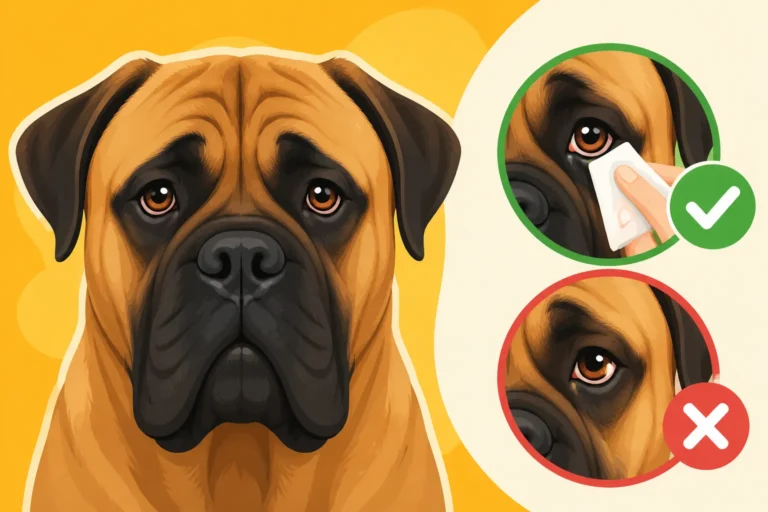
If you suspect an infection, the very first step is to gently clean the area. This isn't about scrubbing; it's about carefully removing debris, discharge, and moisture. You'll want to use a mild, non-irritating solution. A simple saline solution (you can buy sterile saline wipes or make your own with boiled water and a pinch of salt, cooled) is a great starting point. Many pet stores and online retailers like Chewy or Amazon also offer specially formulated antiseptic wipes or cleansers designed for skin folds. Look for ingredients like chlorhexidine or ketoconazole, which are effective against bacteria and yeast, respectively, but always follow the product instructions.
Gently part the folds and wipe away any crust, discharge, or dirt. Be patient and reassuring with your Bullmastiff, as the area might be tender. After cleaning, and this is crucial, thoroughly dry the area. Moisture is the enemy here. You can use a soft, clean cloth or even a hairdryer on a cool, low setting, holding it far enough away to avoid startling or burning your dog. Make sure every crevice is completely dry before letting the folds close. Consistent drying helps prevent further bacterial and yeast growth. Regularly practicing Why a Bullmastiff's Folds Need Drying can be a game-changer for prevention.
When to See the Vet
While gentle cleaning can help with very mild irritation, there are definite signs that warrant an immediate vet visit. If you see pus-like discharge, severe redness, swelling, or if the area is clearly painful to your Bullmastiff (they flinch, cry out, or try to bite), it's time to call your veterinarian. These symptoms suggest a more serious infection that will likely require prescription medication, such as oral antibiotics or antifungals, or strong topical treatments. Don't try to self-diagnose or treat a severe infection with over-the-counter remedies, as you could delay effective treatment and worsen the condition.
Your vet will be able to properly diagnose the type of infection (bacterial, yeast, or both) and prescribe the most appropriate course of action. They might take a cytology sample (a simple swab) to look at the cells under a microscope. This is also a good opportunity for your vet to do a general check-up. Understanding How Often a Bullmastiff Needs a Wellness Exam is important, and an infection visit can often double as a check-in. Sometimes, persistent fold infections can be a symptom of underlying allergies, so your vet might discuss further diagnostic tests if the problem recurs frequently.
Preventative Measures for Healthy Folds
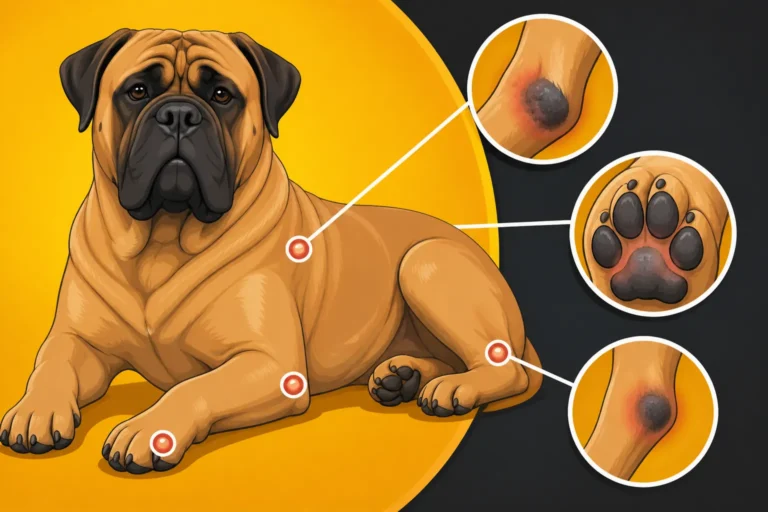
Prevention is always better than cure, especially with our beloved Bullmastiffs. Establishing a consistent daily routine is paramount. Regularly inspect your Bullmastiff’s folds – ideally daily, or at least every other day – paying close attention to their facial wrinkles, paw pads, tail pocket (if they have one), and any other areas where skin folds occur. Cleaning these areas with appropriate wipes or a gentle cleanser, as discussed above, followed by thorough drying, is key. Many owners find specialized pet wipes from places like Amazon to be incredibly convenient for daily maintenance.
Beyond topical care, supporting your Bullmastiff’s overall health can indirectly aid in preventing skin fold infections. Keeping your Bullmastiff at a healthy weight is vital. Keeping a Bullmastiff Lean Is the Best Thing You Can Do helps reduce the depth and number of skin folds, minimizing friction and improving air circulation. Proper nutrition also plays a role in skin health; a high-quality diet, perhaps like those offered by Ollie, can contribute to a stronger skin barrier and a more robust immune system, helping your dog fight off infections more effectively. Regular grooming and ensuring a clean living environment also contribute to overall skin hygiene, making it harder for opportunistic pathogens to take hold. Consistency, patience, and vigilance are your best tools in keeping your Bullmastiff’s folds happy and healthy.
Disclaimer
This article is for general informational purposes only and does not constitute professional advice. Laws, prices and regulations vary by location and change over time. Consult a qualified professional for guidance on your specific situation.