Drool Is the Daily Job With a Bullmastiff
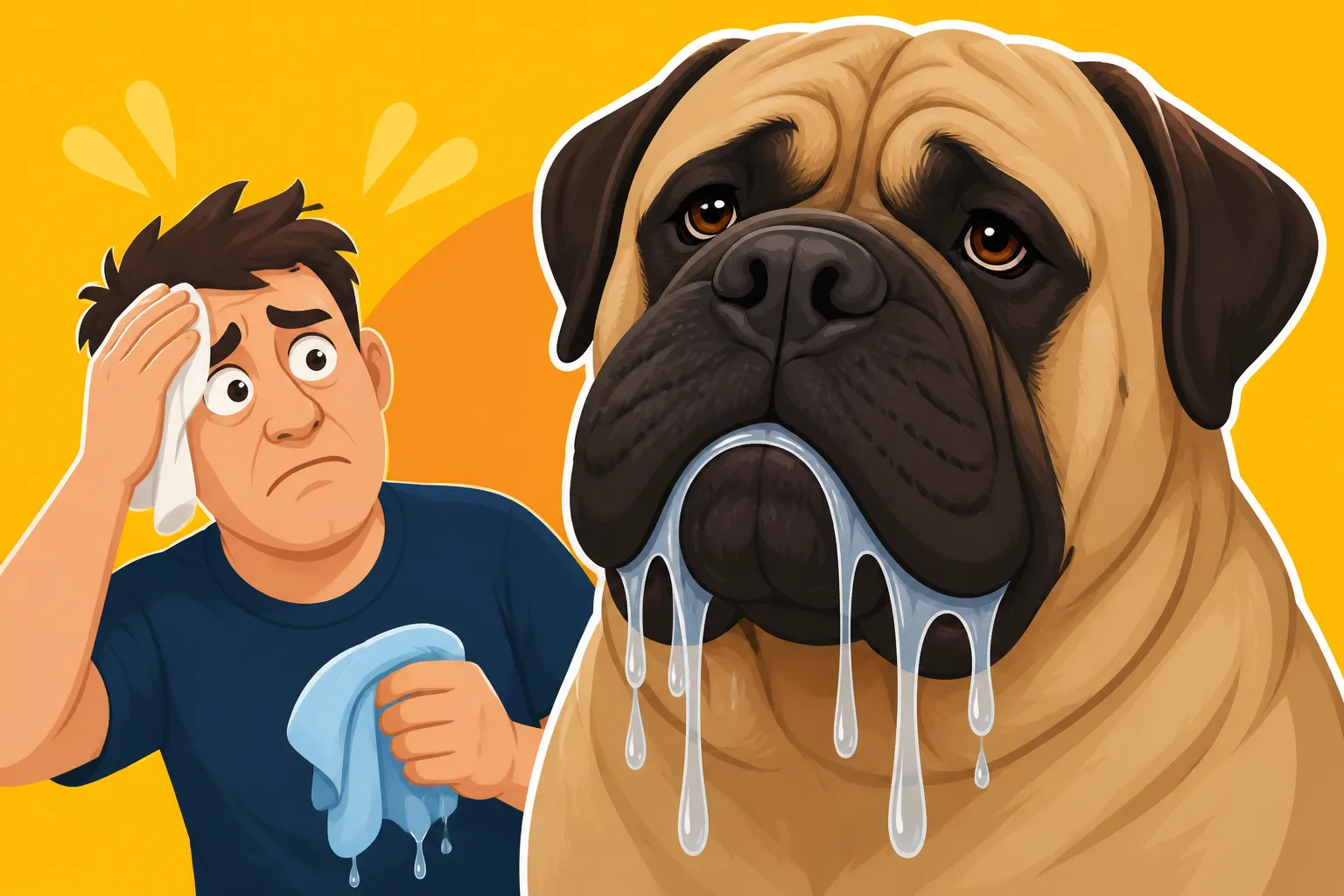
Ah, the majestic, jowly Bullmastiff! If you're considering bringing one of these magnificent guardians into your life, or if you already share your home with one, you've likely heard or are quickly learning about one undeniable truth: Bullmastiffs drool. It’s not just a cute quirk; it’s a constant, often messy, and utterly unavoidable part of their charm. This guide is here to walk you through everything you need to know about managing Bullmastiff drool, from understanding why it happens to practical tips for keeping your home (and yourself) reasonably clean.
Understanding Why Bullmastiffs Drool So Much
It’s easy to look at a Bullmastiff and see the potential for drool – those beautiful, loose jowls and that expressive face. But there's a real anatomical and physiological reason behind their propensity to drool, and it's important to understand it to manage it effectively. It's not a flaw; it's just how they're built, a fascinating aspect of their unique breed characteristics.
The Anatomy Behind the Drool
Think about your Bullmastiff's face. Those deep, hanging jowls, officially known as flews, are a defining characteristic of the breed. Unlike dogs with tighter lips, such as a Labrador Retriever or a German Shepherd, a Bullmastiff's loose upper lips just aren't designed to contain all the saliva their glands produce. This isn't just a cosmetic feature; it's a functional difference. Saliva is constantly being produced in a dog's mouth, aiding in digestion and keeping the mouth moist. In most breeds, the lips form a relatively tight seal, keeping that saliva neatly inside until they swallow it.
For a Bullmastiff, however, those loose jowls act more like open pockets. When saliva pools in these pockets, gravity takes over. A slight shake of the head, a sudden movement, or even just the dog tilting their head can send a stream of slobber flying. It's truly a physics problem in action. You might wonder, Why a Bullmastiff's Jowls Hold Saliva? It's largely due to their specific breed standard, which calls for substantial, well-developed jowls. This characteristic, while contributing to their impressive and distinctive appearance, unfortunately makes them less efficient at keeping their oral secretions to themselves. It's a trade-off many Bullmastiff owners happily accept for the love of their dogs, but it's crucial to acknowledge this inherent predisposition.
When Drooling Is at Its Peak
While drooling is a pretty constant companion for a Bullmastiff owner, there are definitely times when it goes into overdrive. Recognizing these peak drooling moments can help you anticipate the mess and be better prepared. It’s not just random; often, there’s a trigger at play that causes their salivary glands to work harder or for the stored saliva to be more readily released.
One of the most common times for a veritable Niagara Falls of drool is right after your Bullmastiff takes a big drink of water. Their jowls, already acting as natural sponges, soak up a good amount of water along with their own saliva. When they lift their head from the bowl, all that accumulated liquid has to go somewhere, and often, it ends up sloshing out and down their chin, spreading across the floor or onto your clothes. If you've ever found yourself asking, Whether a Bullmastiff Drools More After Drinking, the answer is almost certainly a resounding yes. It’s a standard event in a Bullmastiff household, often requiring a towel nearby.
Another significant trigger is anticipation, particularly around meal times or treats. Just like humans salivate at the smell of a delicious meal, dogs do too, and a Bullmastiff's body is exceptionally generous with that response. The moment they hear the bag of kibble rustle, or see you heading towards the treat jar, their salivary glands kick into high gear, often resulting in long, glistening strings of drool that stretch to the floor. Exercise can also exacerbate drooling, as panting and increased respiration contribute to saliva production. Lastly, heat and humidity are notorious for increasing drooling, as dogs try to cool themselves through panting. A hot day might make you wonder, Whether a Bullmastiff Drools More in Heat, and indeed, it's a common observation that their drooling increases significantly in warmer temperatures, as their physiological need to pant for cooling purposes drives up saliva production.
Normal vs. Excessive Drooling
It's important for Bullmastiff owners to understand the difference between their breed's normal, albeit substantial, drooling and excessive drooling that might signal an underlying health issue. While a certain level of slobber is par for the course with these dogs, a sudden, noticeable increase or a change in the character of the drool should never be ignored. Your Bullmastiff's baseline drooling will become familiar to you – the usual amount after drinking, when excited about food, or during a warm walk. This is the "normal" that we're talking about managing.
However, if you observe a dramatic spike in drooling that doesn't seem to have a clear environmental or behavioral trigger, it's time to pay closer attention. For example, if your Bullmastiff is suddenly drooling profusely while resting, without any apparent stimulation, that's a red flag. Look for other symptoms accompanying the increased drool: is your dog pawing at their mouth, reluctant to eat, exhibiting signs of discomfort, or is their breath suddenly foul? Changes in the consistency of the drool – becoming thicker, stringier, or bubbly – or a change in color (anything beyond clear or slightly foamy) are also causes for concern. If you find yourself asking When Sudden Drooling Means Something Is Wrong, it's generally when the drooling is atypical for your individual dog, when it's accompanied by other signs of illness, or when it’s persistent and unexplained. These situations warrant a call to your veterinarian promptly. It could be something as simple as a piece of food stuck in their teeth, or something more serious like a dental problem, a foreign body lodged in the mouth or throat, or even an internal medical issue. Never hesitate to seek professional advice when in doubt.
The Practicalities of Living with Bullmastiff Drool
Living with a Bullmastiff means accepting drool as a daily reality. But acceptance doesn't mean surrender! There are plenty of practical strategies and tools you can employ to minimize the mess and keep your home a more pleasant place. It's all about being prepared and having the right approach, turning what could be a nuisance into a manageable part of life with your big, lovable dog.
Essential Tools for Drool Management
Every Bullmastiff owner quickly learns that a well-stocked drool kit is not a luxury, but a necessity. You’ll find yourself reaching for these items multiple times a day, so having them readily available will save you a lot of frustration and cleaning time. Think of it as your personal arsenal against slobber.
First and foremost, you need drool rags. And not just one or two – you need a dedicated pile of absorbent cloths. Old hand towels, microfiber cloths, or even designated "dog towels" work perfectly. Keep them strategically placed: near the water bowl, by the back door, next to the sofa where your Bullmastiff likes to lounge, and in your car. These are for quick wipes after drinking, during excited greetings, or when a spontaneous drool string appears. Many owners find value in investing in specific absorbent cloths, and you can often find great multi-packs on sites like Amazon that are durable and machine washable.
Next, consider drool bibs or bandanas. While not every Bullmastiff tolerates them, for those who do, they can be a game-changer. These bibs, often made of absorbent terry cloth or fleece, act as a catch-all for drips and dribbles, preventing them from soaking into their chest fur or your lap. They're especially useful after drinking or during meals. You might wonder, Whether a Bullmastiff Needs a Drool Bib, and while it's not strictly necessary, it can significantly reduce the amount of direct drool on your dog and surroundings. Look for options on pet supply sites like Chewy, which often have a wide variety of sizes and materials specifically designed for large, jowly breeds. Specialized cleaning products for pet stains and odors are also a must-have, as plain water often isn't enough to tackle set-in drool marks or their accompanying scent.
Protecting Your Home from Drool
Your home is your sanctuary, and while you adore your Bullmastiff, you probably don't want every surface to be a testament to their slobbery affection. Protecting your furniture, walls, and floors requires a proactive approach and a little creativity. It's about setting up your living space in a way that minimizes damage and makes cleanup easier.
When it comes to furniture, washable covers are your best friend. Slipcovers for sofas and chairs, or large, durable throws, can act as a barrier between your furniture and your dog's drool. Choose fabrics that are easy to machine wash, like cotton canvas or microfiber. Many people have a separate set of "dog covers" that they regularly swap out and wash, keeping their actual upholstery pristine. For floors, especially hardwood or laminate, consider strategically placed washable rugs or mats in high-traffic drool zones, such as around the water bowl or where your Bullmastiff likes to lie down. These can absorb errant drips and save your floors from moisture damage and slippery spots.
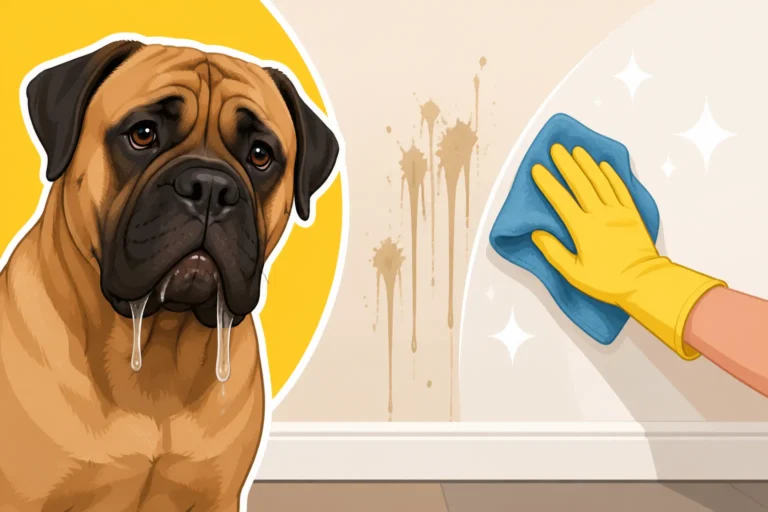
Walls are another common target, especially for enthusiastic head shakes. If your Bullmastiff often leans against walls or shakes its head near them, consider applying a wipeable, semi-gloss paint in these areas, or even installing washable wainscoting. For painted walls, a quick wipe with a damp cloth can remove fresh drool, but for dried-on spots, you might need a gentle pet-safe cleaner. If you’re dealing with stubborn marks or staining, particularly on textured walls, you might be asking How to Clean Bullmastiff Drool Off a Wall. The key is to address it quickly and use an appropriate cleaner that won't strip paint. For really tough spots, a soft-bristle brush with a diluted enzymatic cleaner designed for pet messes, often found on Amazon, can work wonders. Understanding Which Fabric Handles a Bullmastiff's Drool best is also key. Tightly woven, smooth fabrics are generally easier to wipe clean than porous or textured materials that absorb and hold onto moisture.
Managing Drool During Outings and Travel
Drool doesn't stop at your front door, and neither should your preparedness. Whether you're taking a short car ride to the vet or embarking on a longer road trip, managing your Bullmastiff's drool in transit and public spaces is crucial for hygiene and comfort.
For car travel, seat covers are absolutely non-negotiable. Not just any seat cover, but heavy-duty, waterproof options that cover the entire back seat or cargo area where your Bullmastiff rides. These protect your upholstery from drool, muddy paws, and shedding. Many designs even come with side flaps to protect door panels. Always have a dedicated "car drool towel" or two readily accessible for quick wipes. A portable, spill-proof water bowl is also essential to ensure your Bullmastiff stays hydrated without creating a watery disaster in the car. Some clever designs prevent water from sloshing out, even on bumpy rides.
When you're out and about, perhaps at a park or visiting a friend's house, remember that your Bullmastiff's drool habits don't change just because they're not at home. Always carry a small pack of wipes or a drool rag with you. This allows you to quickly clean up any drips before they become an issue on someone else's property or in a public space. You might be surprised at How Far a Bullmastiff Can Fling Drool, so always be aware of your surroundings and any unsuspecting bystanders. Having a bib on your dog during outings can also offer a layer of protection, especially when they're excited or have just had a drink. Being mindful and prepared helps maintain your dog's reputation as a well-behaved companion, even if they come with a little extra moisture.
Daily Cleaning Routines for Your Bullmastiff's Face
A Bullmastiff's face is undeniably handsome, but those charming wrinkles and jowls require regular attention to stay clean, healthy, and odor-free. Establishing a daily cleaning routine isn't just about aesthetics; it's a vital part of preventative health care that can stave off skin infections and unpleasant smells.
Wiping Jowls and Lips
This is your most frequent drool-management task. The loose jowls and lips on a Bullmastiff are prime real estate for saliva to collect, as well as bits of food and dirt. If left unwiped, this can lead to crusting, odor, and even irritation of the skin underneath.
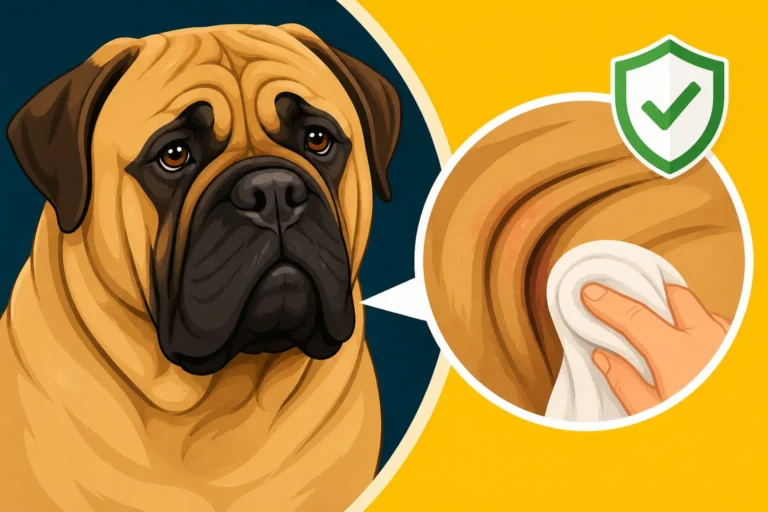
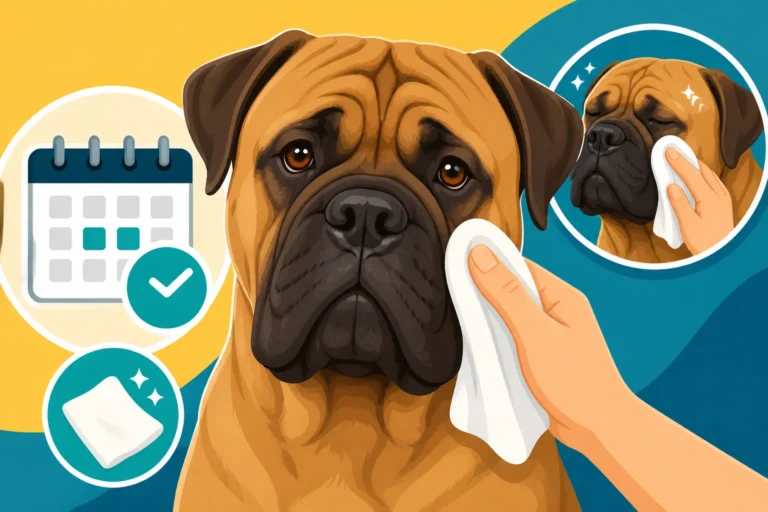
Aim for wiping your Bullmastiff's jowls and lips at least once or twice a day, and definitely after every meal and drink. Use a soft, damp cloth – dedicated drool rags are perfect for this. Gently wipe the outside of their jowls, paying close attention to the area around their mouth. Don't forget to lift their upper lip gently and wipe the inside of the flews as well, as saliva can pool there too. The key is to be thorough but gentle, making it a positive experience for your dog. A good routine makes a difference; in fact, How to Wipe a Bullmastiff's Mouth After Meals is a skill you'll quickly master, and it can prevent a good deal of mess from migrating to your floors and furniture. For particularly sensitive dogs, or those prone to skin irritation, you might consider using a veterinarian-approved, non-toxic pet wipe that contains ingredients like witch hazel or aloe to soothe the skin, rather than just plain water. This daily attention helps prevent the accumulation of bacteria that can cause unpleasant odors and skin issues.
Caring for Facial Wrinkles and Folds
Beyond the general wiping of the jowls, Bullmastiffs often have wrinkles and folds on their muzzle and forehead that demand special care. These deep crevices are warm, moist environments – perfect breeding grounds for bacteria and yeast if not kept meticulously clean and dry. Neglecting them can lead to skin fold dermatitis, an uncomfortable and potentially painful condition.
The most critical aspect of caring for these folds is ensuring they are kept dry. Moisture gets trapped easily, creating a haven for microbial growth. After wiping your Bullmastiff's face with a damp cloth, gently pat these areas completely dry with a clean, soft cloth. Some owners even use a cotton swab or a corner of a paper towel to reach into deeper folds. You might be wondering, Why a Bullmastiff's Lip Folds Smell, and the answer usually comes down to trapped moisture, food particles, and the resulting bacterial or yeast growth. Regular cleaning and drying are the best preventative measures against this odor.
If you notice redness, a foul smell, or discharge from the folds, these are Signs a Bullmastiff's Fold Is Infected. At this point, it’s not just about cleaning; it's time for a vet visit. They may prescribe medicated wipes, creams, or even oral antibiotics to clear up the infection. However, for routine maintenance and prevention, a mild, pet-safe cleanser can be used occasionally to clean the folds, followed by thorough drying. Products specifically designed for wrinkle care, often containing antiseptic properties, can be found at pet stores and on sites like Chewy. Regular, gentle care of these areas is paramount to your Bullmastiff’s comfort and health.
Maintaining Oral Hygiene
While direct oral hygiene doesn't reduce the volume of drool, it absolutely impacts the quality of the drool and overall mouth health. A clean, healthy mouth means less bad breath and a reduced chance of dental disease, which can sometimes lead to excessive drooling or drooling with an unpleasant odor.
Regular tooth brushing is the gold standard for canine oral hygiene. Ideally, you should aim to brush your Bullmastiff's teeth several times a week, using a dog-specific toothbrush and toothpaste (never human toothpaste, as it contains ingredients toxic to dogs). Start slowly and make it a positive experience with treats and praise. Focus on the outside surfaces of the teeth, as this is where plaque and tartar tend to build up most. Many Bullmastiff owners find themselves pondering Whether a Bullmastiff's Teeth Need Brushing, and the answer is a resounding yes. Dental health is inextricably linked to their overall well-being and can impact how their drool smells and if it irritates their skin.
In addition to brushing, dental chews and toys can help scrape away plaque, though they are not a substitute for brushing. Look for veterinary-approved dental chews that match your Bullmastiff's size and chewing style. Regular veterinary check-ups should include an assessment of your dog's oral health. Your vet might recommend professional dental cleanings under anesthesia, especially as your Bullmastiff ages, to remove tartar buildup below the gumline and address any developing dental disease. Good oral hygiene means fewer infections, healthier gums, and can subtly contribute to a fresher-smelling Bullmastiff, even with all the drool.
Diet, Hydration, and Drool
You might not immediately connect what goes into your Bullmastiff's mouth with what comes out in the form of drool, but diet and hydration play a subtle yet significant role. While they won't stop the drooling entirely, smart choices in these areas can minimize its impact and ensure your dog's overall health, which in turn affects all bodily functions, including saliva production.
The Role of Diet in Saliva Production
The food your Bullmastiff eats primarily impacts digestion, but its quality and composition can indirectly influence how much they drool or the characteristics of their saliva. A diet rich in high-quality, easily digestible ingredients is generally better for your dog's overall health, which includes their oral and digestive systems.
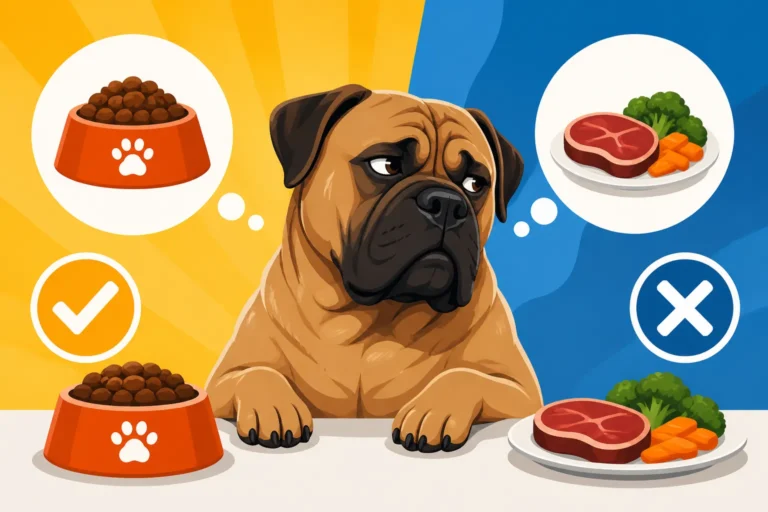
Some dogs, much like humans, can be more prone to salivating if their food is particularly aromatic or if it contains ingredients that might irritate their digestive system. While there's no magic "anti-drool" diet, choosing a reputable, balanced large-breed formula is always a good starting point. Consider fresh food options, which often have higher moisture content and can be highly palatable. Brands like Ollie provide fresh, human-grade food that can be a great option for some Bullmastiffs, as the texture and aroma might be appealing without causing excessive salivation due to digestive upset. Some anecdotal evidence suggests that dogs with food sensitivities might drool more as a response to gastrointestinal discomfort, though this is not universally proven. If you suspect a food sensitivity, discussing a limited ingredient diet with your vet could be beneficial. Ultimately, ensuring a wholesome, nutritious diet contributes to a healthier digestive system, which in turn helps maintain normal bodily functions, including saliva production.
Water Intake and Drooling
Hydration is critical for every dog's health, and Bullmastiffs are no exception. They need constant access to fresh water, but how they drink and the type of bowl they use can affect the amount of drool mess. It's a delicate balance: you want them to drink enough, but you also want to minimize the post-drink deluge. You might be surprised at How Much Water a Bullmastiff Drinks a Day; it's a significant amount, especially after exercise or in warm weather.
Traditional open water bowls are often a culprit for widespread slobber. When a Bullmastiff plunges its jowly face into a bowl, they often don't just drink; they soak. When they lift their head, a literal waterfall of water and saliva can cascade onto your floor, walls, and furniture. This is where specialized bowls come in handy. Many owners swear by "anti-splash" or "slow-drink" bowls that have a floating disk or smaller opening, which limits how much water your dog can scoop up at once and reduces the splash zone. You might be wondering Whether a Bullmastiff's Water Bowl Should Be Raised. While raised bowls were once thought to prevent bloat (a condition Bullmastiffs are prone to), recent research has questioned this, and some studies suggest it might even increase risk in certain breeds. Consult your vet for the latest advice on bowl height for bloat prevention. Regardless of height, keep the area around the water bowl easy to clean, perhaps with a rubber mat or a dedicated drool rug. Consistent access to fresh, clean water is paramount for their health, even if it means a bit more cleanup.
Eating Habits and Mess
Bullmastiffs, like many large breeds, can be enthusiastic eaters, and their mealtime habits can contribute to the overall drool factor. Fast eating, combined with their anatomical predisposition, can turn dinner into a messy affair. Thankfully, there are ways to encourage more civilized eating and reduce the post-meal cleanup.
Many Bullmastiffs tend to bolt their food down with impressive speed. This isn't just messy; it can also be a risk factor for bloat, a life-threatening condition. Slow-feeder bowls are an excellent solution for this. These bowls have ridges, mazes, or pillars that force your Bullmastiff to eat around obstacles, significantly slowing down their ingestion. This not only reduces the risk of bloat but also minimizes the amount of food mixed with saliva that gets flung around. You might be asking Whether a Bullmastiff Needs a Slow Feeder, and for many, it's a wise investment for both cleanliness and health.
Another crucial habit is to ensure your Bullmastiff rests after eating. Vigorous activity immediately following a meal can also increase the risk of bloat. This means no playing, running, or intense training for at least an hour, preferably two, after they've finished eating. If you're wondering Why a Bullmastiff Should Rest After Meals, it’s a preventative measure against gastric dilation-volvulus (bloat), and it also gives their salivary glands a chance to calm down. Designate a specific, easy-to-clean eating area – perhaps a tiled corner of the kitchen or a spot with a large, washable mat underneath their bowls. This way, any flung food or extra drool is contained and easier to clean, making your life just a little bit simpler.
Addressing Drool-Related Skin and Coat Concerns
While drool is mostly about managing wet messes, the constant presence of moisture on your Bullmastiff's skin and coat, particularly around their face and chest, can lead to specific health and hygiene issues. Being proactive about these concerns is key to keeping your Bullmastiff comfortable, healthy, and smelling fresh.
Skin Irritation and Dermatitis
The loose skin and deep wrinkles of a Bullmastiff's face, combined with constant moisture from drool, create a perfect storm for skin irritation and bacterial or yeast infections. This condition, often called skin fold dermatitis, can be incredibly uncomfortable for your dog.
Symptoms to watch out for include redness, inflammation, hair loss in the affected areas, a foul odor, and persistent itching or rubbing of the face. In severe cases, you might see pus or discharge. If you notice Signs a Bullmastiff's Fold Is Infected, it's crucial to consult your veterinarian. They can accurately diagnose the problem and prescribe appropriate treatment, which might include medicated wipes, topical creams, or oral antibiotics. Prevention is, of course, better than cure. The most important preventative measure is meticulous daily cleaning and, crucially, drying of all facial folds and the areas beneath the jowls. After wiping away drool and debris with a damp cloth, always follow up by thoroughly patting the skin dry. Some owners use a light dusting of cornstarch or an antiseptic powder specifically designed for skin folds (ensure it's vet-approved) to help keep the area dry, though this should be done cautiously to avoid creating paste. Ensuring the skin can breathe and isn't perpetually damp is vital for preventing these uncomfortable and often smelly infections.
Odor Management
Let's be real: Bullmastiffs can have a distinctive smell, and a significant contributor to that "doggy odor" is often dried drool and the skin issues it can cause. It's not always pleasant, but it is manageable with consistent care.
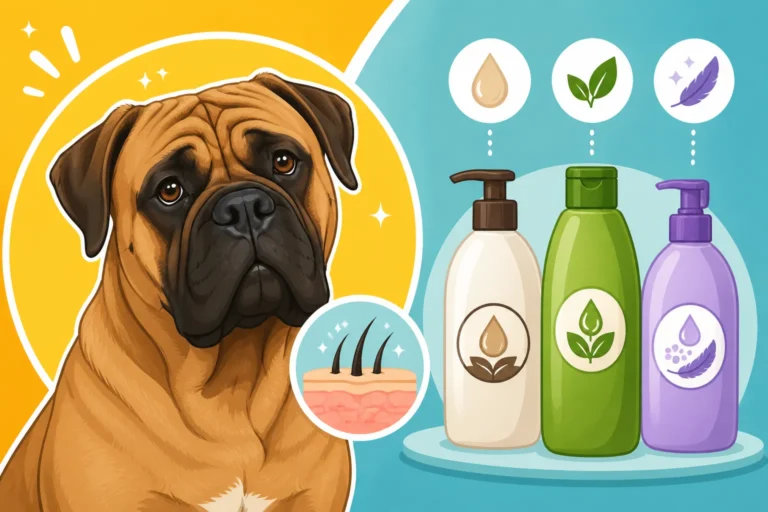
The primary way to tackle drool-related odor is, unsurprisingly, regular and thorough cleaning. Daily wiping of the jowls and facial folds helps remove the primary source of the smell before bacteria have a chance to proliferate. Beyond daily wipes, regular bathing is important. While Bullmastiffs don't need weekly baths, a bath every 4-6 weeks, or as needed, with a good quality dog shampoo, can significantly reduce overall body odor. Whether a Bullmastiff Smells is a common question, and while some breeds are naturally less odorous, the Bullmastiff's drool and skin folds make them prone to developing a scent if not properly maintained.
If the odor is particularly strong and persistent, especially from the facial area, it’s a strong indicator that you might have a lurking skin fold infection, as discussed above. Address any underlying skin issues with your vet. For general freshness between baths, consider using dog-specific deodorizing sprays or wipes that can help neutralize odors on their coat. Always ensure that any product you use is safe for dogs and won't irritate their skin. Remember, a clean dog is a happier dog, and a less odorous dog makes for a happier household!
Coat Health Around the Jowls
The fur around a Bullmastiff's jowls and chest area is constantly exposed to moisture, saliva, and sometimes food particles. This can lead to a matted, sticky, or crusty coat, which is not only unsightly but can also pull on the skin and cause discomfort. Maintaining good coat health in these areas is part of overall drool management.
Regular brushing, even for their short coat, is beneficial. While a Bullmastiff's coat is relatively low maintenance compared to long-haired breeds, a quick daily or every-other-day brush around the face, neck, and chest can help dislodge dried drool and prevent matting or crusting. A rubber curry brush or a soft bristle brush works well for their short, dense coat. This also helps distribute natural skin oils, promoting a healthier coat. You want your Bullmastiff’s coat to feel clean and smooth, not sticky or stiff. If you're wondering What a Bullmastiff's Coat Should Feel Like, it should be short, dense, and lie close to the body, with a feeling of being smooth and somewhat harsh to the touch – definitely not tacky.
If dried drool has become a stubborn crust on their chest fur, don't try to pull it out dry. Instead, gently dampen the area with warm water and a small amount of dog-safe conditioner or detangling spray, then carefully comb or brush it out. For severe cases, a professional groomer can often safely remove the buildup without irritating the skin. Regular wiping of the jowls, as discussed earlier, is the best preventative measure against this crust formation, keeping the fur soft and clean.
Behavioral and Environmental Factors Affecting Drool
Beyond anatomy and diet, your Bullmastiff's environment and emotional state play a significant role in how much they drool. Understanding these triggers can help you anticipate and manage drool more effectively, making life with your slobbery friend a bit tidier. It’s all part of learning your individual dog’s nuances.
Excitement and Anticipation
Just like us, dogs experience a physiological response to strong emotions, and for Bullmastiffs, excitement and anticipation often translate directly into increased drooling. Whether it's the arrival of a favorite person, the prospect of a walk, or the sound of their treat jar opening, their salivary glands can go into overdrive.
You'll notice this clearly when you come home after a long day. Your Bullmastiff might greet you with a wiggling body and impressive strings of drool hanging from their jowls. The sheer joy and excitement cause a surge in saliva production. Similarly, if you're preparing their meal, or even just talking about going for a walk, their anticipation can result in a significant increase in slobber. Managing this is less about stopping the drool (you can't, it's a natural response!) and more about preparedness. Keep drool rags handy for greetings. If you know a guest is arriving, you might preemptively wipe your Bullmastiff’s face or have a towel ready for the inevitable enthusiastic welcome. For very drooly dogs, you could even consider putting on a drool bib before high-excitement events. While training can help manage overall excitement levels and impulse control in some situations, the core drool response to joy is pretty hardwired into these magnificent dogs.
Heat and Humidity
Bullmastiffs are a brachycephalic breed, meaning they have a shorter muzzle compared to other dogs. This anatomical feature, combined with their dense build, makes them particularly susceptible to overheating. And when a dog gets hot, they pant – a lot. Panting is their primary way of cooling down, and increased panting directly leads to increased saliva production, which means more drool.
Warm weather, especially humid conditions, will almost certainly lead to a more drooly Bullmastiff. You might recall asking Whether a Bullmastiff Drools More in Heat, and the answer is a definitive yes. They are desperately trying to regulate their body temperature, and that process involves a lot of airflow over moist surfaces. It's also important to be mindful of The Temperature at Which a Bullmastiff Struggles; generally, anything above 75-80 degrees Fahrenheit can be risky, especially with humidity.
During hot weather, keep your Bullmastiff indoors in an air-conditioned environment as much as possible. If they must be outside, ensure they have ample shade, access to fresh, cool water, and consider using cooling mats or elevated beds to keep them off hot surfaces. Avoid strenuous exercise during the hottest parts of the day; morning and late evening walks are best. Always carry water and a collapsible bowl when you're out. Increased drooling in the heat is a sign your dog is working hard to stay cool, so take it seriously and provide every opportunity for them to chill out.
Anxiety and Stress
While excitement is a happy trigger for drool, anxiety and stress can also cause a Bullmastiff to drool excessively. Just like some people get dry mouth when nervous, some dogs will salivate more as a physiological response to stress. This isn't the same as the anticipatory drool; it's often accompanied by other signs of distress.
If your Bullmastiff is suddenly drooling profusely and isn't excited, hot, or anticipating food, observe them for other signs of anxiety. These might include pacing, panting (even when not hot), trembling, yawning, lip licking, tucked tail, hiding, or destructive behaviors. Common stressors include separation anxiety, fear of loud noises (thunderstorms, fireworks), changes in routine, new environments, or even pain. You might wonder Whether a Bullmastiff Drools When Anxious, and for many, it's a very clear indicator of their emotional state.
Identifying the source of the anxiety is the first step. If it's a known trigger like a thunderstorm, you can try to create a safe, quiet space for your dog. For separation anxiety, desensitization and counter-conditioning techniques, often with the help of a professional trainer or veterinary behaviorist, might be necessary. In some cases, your vet might recommend calming supplements or even anti-anxiety medication. Addressing the underlying stressor is key, as managing the drool itself is merely treating a symptom in this situation. A comfortable, secure Bullmastiff will typically drool within their normal, excited parameters, rather than in response to distress.
When to Consult Your Veterinarian About Drool
As we've established, drooling is a normal part of life with a Bullmastiff. However, there are times when changes in drooling patterns can signal a deeper health issue that requires professional veterinary attention. Knowing when to call the vet is crucial for your dog's well-being.
Sudden Changes in Drooling
The most important indicator that something might be amiss is a sudden, unexplained change in your Bullmastiff's drooling habits. This isn't about the usual post-drink waterfall or the excited slobber; it's about persistent, excessive drooling that seems out of character for your dog, or drooling accompanied by other unusual characteristics.
Pay close attention to the quantity of drool. Is it dramatically more than usual, and not tied to any obvious trigger like food or heat? Also, examine the consistency and color. Normal Bullmastiff drool is clear and relatively watery, perhaps slightly foamy. If it becomes thick, stringy, bubbly, discolored (yellowish, brownish, or tinged with blood), or if it has an unusual odor, these are significant red flags. Remember, When Sudden Drooling Means Something Is Wrong is often related to these specific changes. A foul smell, for example, could indicate infection, dental disease, or something lodged in their mouth. Any sudden and drastic deviation from your dog's norm warrants a call to your vet. Don't wait for other symptoms to become severe; early intervention is always best.
Other Accompanying Symptoms
Excessive or unusual drooling rarely occurs in isolation when it's a sign of a health problem. It's often accompanied by a constellation of other symptoms that, when considered together, can paint a clearer picture for your veterinarian. Being observant of these additional signs can help your vet narrow down potential causes.
Look for signs of oral discomfort: Is your Bullmastiff pawing at their mouth, rubbing their face excessively, or having difficulty eating or chewing? They might drop food, chew only on one side of their mouth, or show reluctance to eat hard kibble. Bad breath (halitosis) that is suddenly worse than usual can be a sign of dental problems, gum disease, or even something stuck in their teeth. Beyond the mouth, observe their general demeanor. Is your Bullmastiff lethargic, withdrawn, or unusually quiet? Are they showing signs of pain or discomfort, such as groaning when they move, or limping? Swelling around the face, neck, or under the jaw can also accompany excessive drooling and indicate an infection or other issue. Any changes in appetite, thirst, urination, or defecation patterns should also be noted. The more information you can provide your vet about these accompanying symptoms, the better they can understand what's happening with your beloved Bullmastiff.
Common Medical Causes of Excessive Drool
When your Bullmastiff's drooling goes beyond the normal "Bullmastiff-level," it's often a symptom of an underlying medical condition. These conditions can range from relatively minor to quite serious, so a vet visit is essential for diagnosis and treatment.
One of the most common culprits is dental disease. Tartar buildup, gum inflammation, abscesses, or fractured teeth can all cause pain and irritation, leading to increased salivation. Similarly, a foreign object lodged in the mouth, throat, or between teeth can cause significant discomfort and drooling as the dog tries to dislodge it. Think sticks, bone fragments, or even pieces of toys. Nausea or upset stomach can also trigger excessive drooling. If your Bullmastiff is feeling nauseous, they might drool more before vomiting, or simply as a general feeling of being unwell. This might be accompanied by lip-smacking or reluctance to eat.
Other, more serious causes can include oral tumors (both benign and malignant), organ issues such as liver or kidney disease (which can cause a buildup of toxins that leads to excessive salivation), or even certain types of neurological conditions. Certain toxins or poisons can also cause acute, profuse drooling. This comprehensive list underscores why a veterinarian needs to be involved when drooling becomes abnormal. They have the tools and expertise to perform a thorough examination, including looking inside the mouth, palpating the neck and jaw, and potentially running diagnostic tests like blood work or X-rays, to get to the bottom of the issue and ensure your Bullmastiff receives the care they need.
| Drooling Situation | Typical Behavior | Management Strategy |
|---|---|---|
| After Drinking | Large quantities of water and saliva expelled from jowls when head lifts. | Keep drool rags/towels near water bowl. Use anti-splash or slow-drink bowls. Place a rubber mat under bowl. |
| Anticipation/Excitement | Strings of drool appear when food is prepared, doorbell rings, or owner returns. | Have drool rags readily available for greetings. Consider a drool bib for highly anticipated events or during meal prep. Manage general excitement levels through training. |
| Heat/Humidity | Increased, often foamy, drooling due to panting for cooling. | Keep Bullmastiff in cool, air-conditioned environments. Avoid exercise during hottest parts of the day. Provide ample shade and cool water. Use cooling mats. Monitor for signs of overheating. |
| Anxiety/Stress | Unexplained, persistent drooling accompanied by other stress signals (pacing, trembling). | Identify and remove stressors if possible. Create a safe, quiet space. Consult vet/trainer for behavioral strategies. May require supplements or medication for severe cases. |
| Eating Meals | Food mixed with saliva gets flung around; messy eating. | Use a slow-feeder bowl to reduce eating speed. Establish a designated, easy-to-clean eating area. Ensure dog rests for 1-2 hours after meals to prevent bloat. |
| Normal Baseline | Occasional drips and jowl moisture throughout the day. | Regular daily wiping of jowls and facial folds. Keep furniture protected with washable covers. Maintain good oral hygiene. |
| Sudden/Excessive (Red Flag) | Dramatic increase in drooling, changes in consistency/color/odor, or accompanied by other illness signs. | IMMEDIATELY contact your veterinarian. This is a medical emergency until proven otherwise. Do not attempt to self-diagnose or treat. |
Disclaimer
This article is for general informational purposes only and does not constitute professional advice. Laws, prices and regulations vary by location and change over time. Consult a qualified professional for guidance on your specific situation.