Whether a Bullmastiff Smells
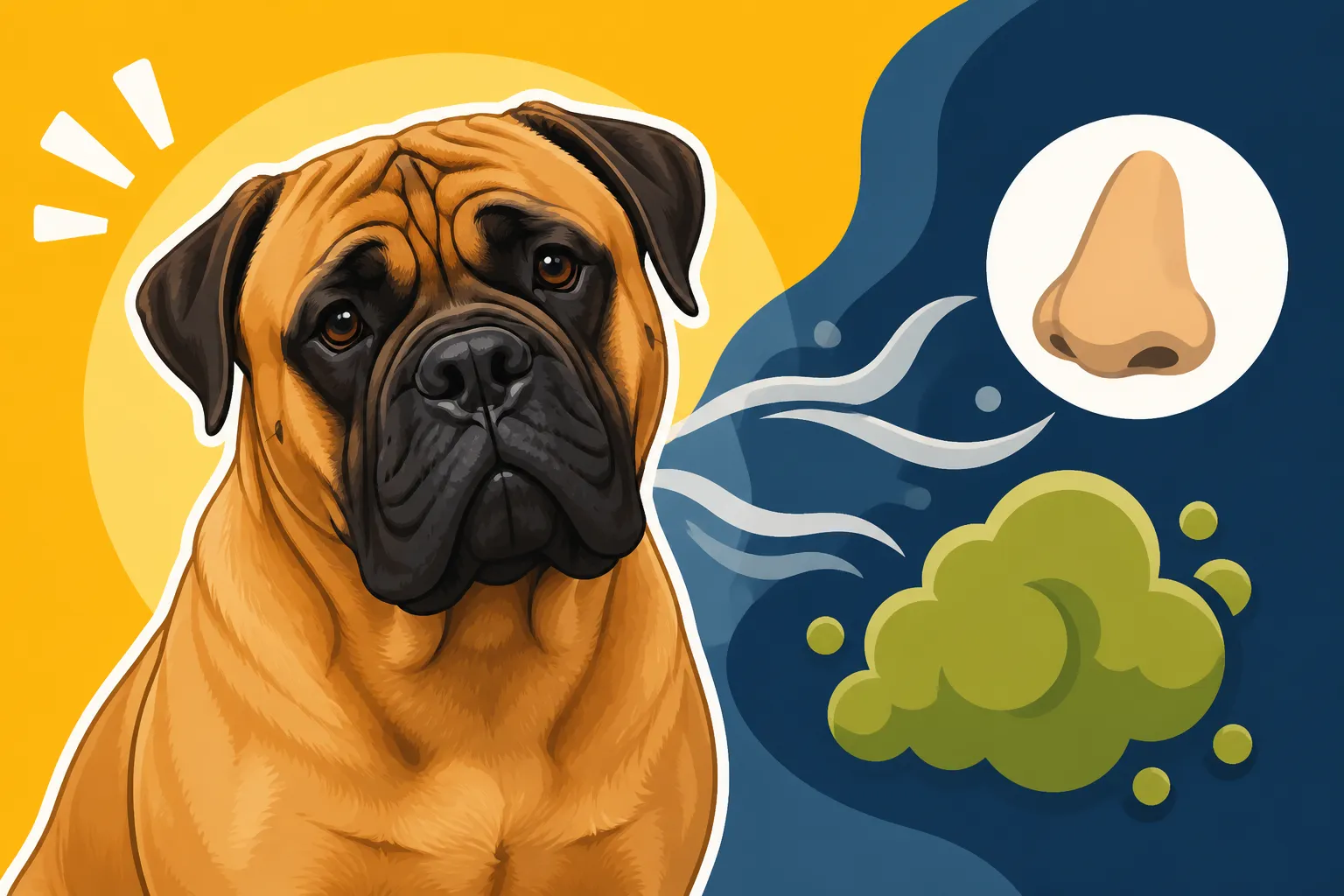
It's a common worry among potential and current Bullmastiff owners: do these magnificent, large dogs come with a pervasive "doggy" smell? Many people are concerned about their homes smelling like their pets, especially with a breed as substantial as a Bullmastiff. This guide will delve into the nuances of a Bullmastiff's scent, exploring natural factors, common causes of unpleasant odors, and actionable steps you can take to keep your gentle giant smelling fresh and clean.
Understanding the Bullmastiff's Natural Scent
Every dog has a natural scent, and Bullmastiffs are no exception. It's often subtle, a combination of their unique physiology, diet, and environment. This isn't usually an offensive smell, but rather just "dog." However, certain characteristics of the Bullmastiff breed can contribute to this natural scent being more noticeable or, if not properly managed, developing into something less pleasant.
What Contributes to a Dog's Natural Odor
A dog's natural odor comes from a variety of sources. Their skin, much like ours, has sebaceous glands that produce oils to keep their coat healthy and moisturized. These oils, along with dead skin cells and environmental debris, can accumulate and create that distinct canine smell. Their paw pads, ears, and mouth also contribute to their overall scent profile. Think of it like a human's natural scent; it's always there, but factors like hygiene, diet, and even health can amplify or alter it.
Beyond skin and coat, a dog's natural scent is also influenced by their diet and overall internal health. What they eat can affect how their body metabolizes nutrients, which in turn can sometimes subtly alter skin oil production or even breath. Even factors like stress or excitement can trigger scent gland releases, though these are typically more situational than a persistent all-over odor. It’s a complex symphony of factors, all contributing to your Bullmastiff's unique natural fragrance.
Breed-Specific Factors for Bullmastiffs
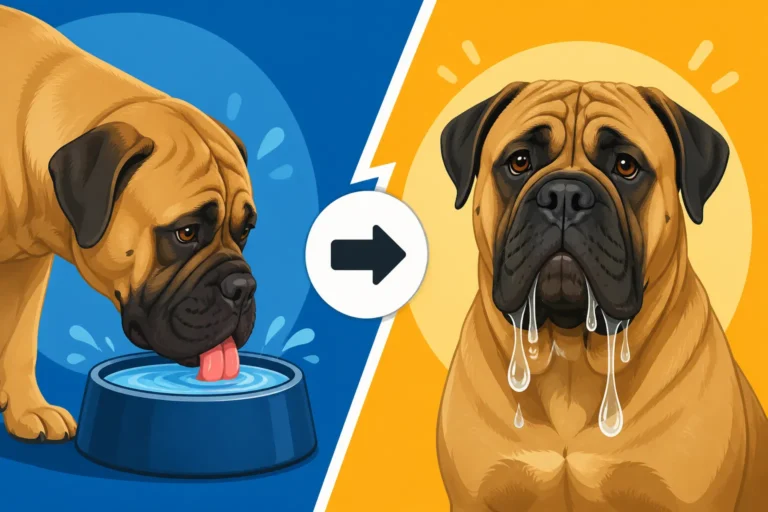
Bullmastiffs possess a few characteristics that can make them prone to developing a more noticeable odor if not cared for diligently. Their impressive jowls and wrinkled faces, while undeniably charming, can be significant hotspots for accumulating moisture, food particles, and saliva. This creates a warm, damp environment that is a perfect breeding ground for bacteria and yeast, which are often the culprits behind a less-than-fresh scent.
Their short, dense coat, while low-maintenance in terms of shedding, can also hold onto odors more readily than some other coat types. Unlike dogs with long, flowing hair that might air out more, the Bullmastiff's coat is designed for protection and warmth, and if oils and environmental grime build up, that scent can really settle in. Owners need to be particularly mindful of these breed-specific traits to prevent minor issues from becoming major stink bombs. Understanding these unique aspects is the first step in effective odor management.
Common Causes of Unpleasant Odors in Bullmastiffs
When your Bullmastiff starts smelling less like a gentle giant and more like something that rolled in the compost, it's usually not a mystery. Most unpleasant odors stem from identifiable issues that, once addressed, can significantly improve their scent. It’s about being proactive and knowing what to look for, rather than just masking the smell with sprays.
Skin Folds and Wrinkle Infections
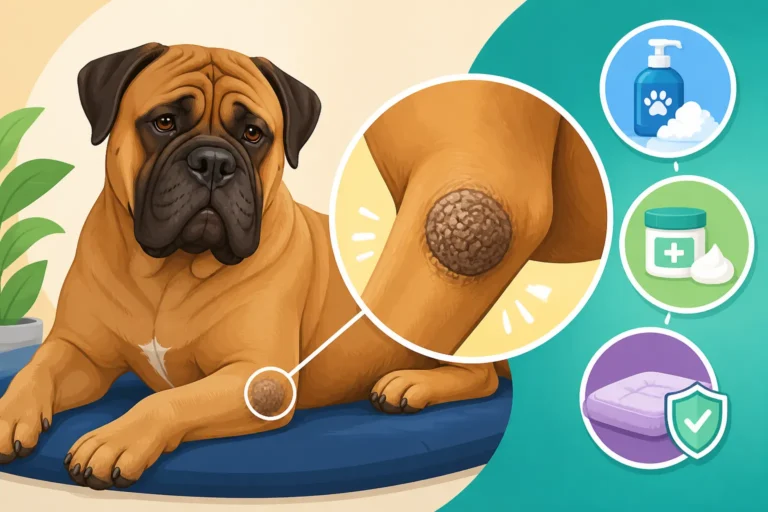
The magnificent wrinkles on a Bullmastiff's face are a defining characteristic, but they are also magnets for trouble if not kept meticulously clean. Moisture from drool, water, or even humidity can get trapped deep within these folds, creating a perfect incubator for bacteria and yeast. This can lead to skin fold infections, medically known as pyoderma or skin fold dermatitis, which produce a distinct, often yeasty or musty odor. You might notice redness, irritation, or even a greasy discharge within the folds.
These infections aren't just smelly; they can be incredibly uncomfortable and even painful for your Bullmastiff. Imagine having a perpetually damp, irritated patch of skin on your face – it’s no fun. Regularly cleaning these areas is paramount. How to Clean a Bullmastiff's Face Wrinkles is a crucial part of routine care. If the smell is persistent, or you see obvious signs of inflammation, it’s a clear signal that a veterinary check-up is in order, as topical or even oral medications might be needed to clear up the infection. Without intervention, these areas will continue to harbor odor-causing microorganisms.
Ear Infections and Yeast Overgrowth
Another frequent offender when it comes to a Bullmastiff's unwelcome scent is the ears. Bullmastiffs have pendulous ears that hang down, which can trap moisture and limit air circulation within the ear canal. This creates a warm, dark, and often humid environment that is ideal for the proliferation of yeast and bacteria, leading to uncomfortable and smelly ear infections. If you notice a distinct, sweet-yet-yeasty smell emanating from your dog's ears, along with head shaking, scratching, or redness, an ear infection is likely the culprit.
These infections can range from mild yeast overgrowth to full-blown bacterial onslaughts, and both can produce a strong, unpleasant odor. Ignoring ear issues can lead to chronic discomfort and more severe health problems for your Bullmastiff. Regular inspection and gentle cleaning with an appropriate ear cleaner are essential preventative measures. If you suspect an active infection, a vet visit is vital for proper diagnosis and treatment, as different types of infections require different medications. You can read more about Ear Infections in a Bullmastiff to understand the signs and preventative care.
Dental Health and Bad Breath
Let's face it, no one expects a dog's breath to smell like roses, but truly foul, persistent bad breath (halitosis) in a Bullmastiff isn't just unpleasant – it's often a sign of underlying dental disease. Just like in humans, plaque and tartar can build up on a dog's teeth, leading to gingivitis (gum inflammation) and eventually periodontal disease. Bacteria thrive in this environment, producing volatile sulfur compounds that cause the offensive odor.
If your Bullmastiff’s breath makes you wince, it’s time to take their oral hygiene seriously. This isn't just about smell; severe dental disease can lead to pain, tooth loss, and even systemic health issues as bacteria from the mouth enter the bloodstream. Regular dental cleanings, potentially including professional scaling under anesthesia by your vet, are crucial. Additionally, offering dental chews, brushing their teeth if they tolerate it, or adding dental rinses can help manage plaque buildup between professional visits.
Anal Gland Issues
This is perhaps one of the most distinct and universally disliked doggy odors. Dogs have two small anal glands located on either side of their anus, which normally express a strong, musky-smelling fluid during defecation, acting as a territorial marker. However, these glands can become impacted, infected, or abscessed, leading to a very strong, fishy, and incredibly unpleasant smell. If you suddenly detect an overwhelming, bizarre odor that seems to emanate from your Bullmastiff's rear end, impacted anal glands are a prime suspect.
Beyond the smell, an affected Bullmastiff might exhibit classic signs such as "scooting" their rear end across the floor, licking excessively at the area, or appearing uncomfortable when sitting. While some dogs can express their glands naturally, others require manual expression by a vet or a trained groomer. If left untreated, impacted glands can become infected and abscess, which is a painful and serious condition. If you notice this particular smell, a call to your veterinarian is definitely in order to get those glands checked out and relieved.
Grooming and Hygiene Practices to Minimize Odor
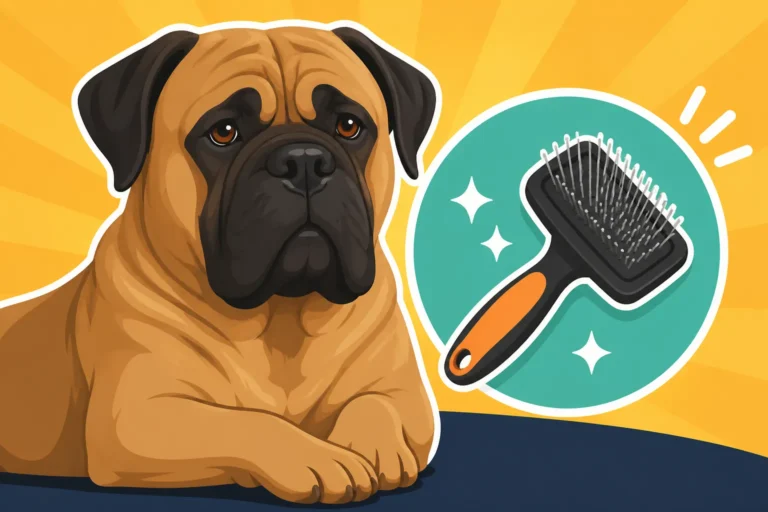
Consistent grooming is your best defense against your Bullmastiff developing a noticeable odor. It's not just about aesthetics; it's about their health and comfort. A well-groomed Bullmastiff is generally a happier, healthier, and better-smelling Bullmastiff, and establishing a routine early on makes all the difference.
Bathing Frequency and Techniques
The question of how often to bathe a Bullmastiff often comes up. There's no one-size-fits-all answer, but generally, a Bullmastiff doesn't need daily or even weekly baths unless they've truly rolled in something disgusting. Over-bathing can strip their skin of natural oils, leading to dryness and irritation, which can paradoxically make odor problems worse. For most Bullmastiffs, a bath every 4-8 weeks is usually sufficient, adjusting based on their activity level, skin health, and how quickly they seem to accumulate scent. You can learn more about How Often a Bullmastiff Needs a Bath.
When you do bathe your Bullmastiff, use a high-quality dog-specific shampoo. Human shampoos are too harsh and can disrupt their skin's pH balance. Look for gentle, hypoallergenic options, especially if your Bullmastiff has sensitive skin. Pay particular attention to getting all shampoo thoroughly rinsed out, as residue can cause irritation and attract dirt. After bathing, thoroughly dry their coat and especially their skin folds to prevent moisture-related issues. A powerful towel, followed by a low-heat blow dryer or even simply air-drying in a warm, dry environment, is crucial. For sensitive skin, checking out gentle shampoos on Chewy can provide excellent options specifically formulated for dogs.
Routine Skin and Fold Care
Beyond full baths, diligent daily or every-other-day attention to your Bullmastiff's skin folds is absolutely non-negotiable for odor prevention. These areas, particularly around their muzzle, under their chin, and any prominent body folds, need to be kept clean and dry. Use a soft, damp cloth or a pet-safe wipe to gently clean out any debris, drool, or food particles that have accumulated in the wrinkles.
After cleaning, it's vital to thoroughly dry these folds. Leaving them damp is an open invitation for yeast and bacterial growth, which, as we discussed, are major odor culprits. A soft cloth or even a cotton pad can work well for drying. In some cases, your vet might recommend a medicated wipe or a drying powder specifically designed for skin folds if your Bullmastiff is particularly prone to irritation or minor infections. Consistent, gentle care in these areas will go a long way in preventing those musty smells. Keeping an eye on The Wrinkles and Folds on a Bullmastiff's Face is key to preventing issues.
Ear Cleaning Essentials
Given their floppy ears, regular ear care is another critical component of keeping your Bullmastiff smelling fresh. Aim to check your Bullmastiff's ears weekly. Look for any redness, swelling, discharge, or an unusual odor. Healthy ears should be clean, pale pink, and largely free of strong scent. If you notice any of these signs, it's time for a vet visit, but for routine maintenance, gentle cleaning is key.
Use a veterinarian-approved ear cleaning solution and cotton balls – never cotton swabs, which can push debris further into the ear canal or damage delicate structures. Apply the cleaner directly into the ear canal, gently massage the base of the ear for 20-30 seconds to break up any wax and debris, then allow your Bullmastiff to shake their head. Finally, use a clean cotton ball to wipe out any visible dirt and excess solution from the outer ear flap. This routine, along with ensuring their ears dry thoroughly after baths or swims, will help prevent the conditions that lead to smelly ear infections.
Diet and Nutrition's Role in a Bullmastiff's Scent
It might surprise some, but what goes into your Bullmastiff's bowl can profoundly impact how they smell on the outside. Nutrition isn't just about energy; it's the foundation for healthy skin, a lustrous coat, and a balanced internal system, all of which contribute to their overall odor. A poor diet can lead to skin issues, digestive upset, and even a less-than-pleasant body odor.
The Link Between Food and Skin Health
Think of your Bullmastiff's skin and coat as a reflection of their internal health. A diet lacking essential nutrients, particularly high-quality proteins, omega-3 and omega-6 fatty acids, and key vitamins and minerals, can result in a dull coat, dry or flaky skin, and an imbalance in skin oil production. When the skin isn't healthy, it can become more prone to irritation, bacterial overgrowth, and excessive oiliness, all of which contribute to an unpleasant scent.
Furthermore, some lower-quality foods contain fillers or ingredients that dogs struggle to digest efficiently. This can sometimes manifest as a metabolic "smell" or even an exacerbation of skin conditions. Providing a balanced, high-quality diet that is easily digestible is fundamental. Brands like Ollie, which offer fresh, human-grade dog food, focus on optimal nutrition that can support overall health, including skin and coat, leading to a healthier, more neutral-smelling dog. Investing in good food is investing in their well-being from the inside out.
Addressing Food Allergies and Sensitivities
Food allergies or sensitivities are another significant dietary factor that can contribute to a Bullmastiff's odor. When a dog reacts to an ingredient in their food, it often manifests as skin issues: chronic itching, redness, ear infections, and skin inflammation. This irritation creates an environment ripe for secondary bacterial or yeast infections, which, as we know, are incredibly smelly. The dog's constant scratching and licking can further damage the skin barrier, making the problem worse.
Identifying and eliminating food allergens can be a game-changer for a smelly Bullmastiff. This often involves an elimination diet, under veterinary guidance, where your dog is fed a novel protein or hydrolyzed protein diet for several weeks to see if symptoms improve. If your Bullmastiff is constantly scratching, has recurring ear infections, or just seems to have a persistent "funk" that isn't explained by external hygiene, discussing a food trial with your vet is a smart move. Once the offending ingredient is removed, the skin can heal, and the associated odors often dissipate. You can find specialized hypoallergenic dog foods on Amazon if a vet-prescribed diet is necessary.
Supplements for Coat and Skin Health
Even with a high-quality diet, some Bullmastiffs can benefit from specific supplements aimed at boosting skin and coat health, which in turn can help with odor control. Omega-3 fatty acids, commonly found in fish oil, are renowned for their anti-inflammatory properties and their ability to promote a healthy skin barrier and a shiny coat. A healthy skin barrier is less prone to irritation and infection, thus reducing potential odor sources.
Other supplements that might be considered include probiotics for gut health (as a healthy gut can influence overall immune and skin health), or specific vitamins and minerals like zinc or biotin if a deficiency is suspected. Always discuss any supplement regimen with your veterinarian, as excessive amounts of certain nutrients can be harmful. The goal is to support optimal skin health from within, making your Bullmastiff less susceptible to the conditions that lead to unpleasant smells. Whether a Bullmastiff Needs Fish Oil is a good topic to research for comprehensive care.
Environmental Factors Affecting Your Bullmastiff's Smell
It’s easy to focus solely on your dog when trying to figure out an odor, but their environment plays a huge role. Your Bullmastiff spends most of their life in your home, and the cleanliness of their immediate surroundings directly impacts how they smell. Neglecting environmental factors can undermine even the most diligent grooming routine.
Bedding and Living Area Cleanliness
Your Bullmastiff's bed is a prime repository for their natural oils, shed hair, dander, and any dirt they track in. Over time, these accumulate and create a distinctly "doggy" smell that can transfer back to your dog and permeate your home. Think of it like a human's bed sheets – if you don't wash them, they'll eventually smell, and so will you. Regularly washing your Bullmastiff's bedding is absolutely essential for odor control.
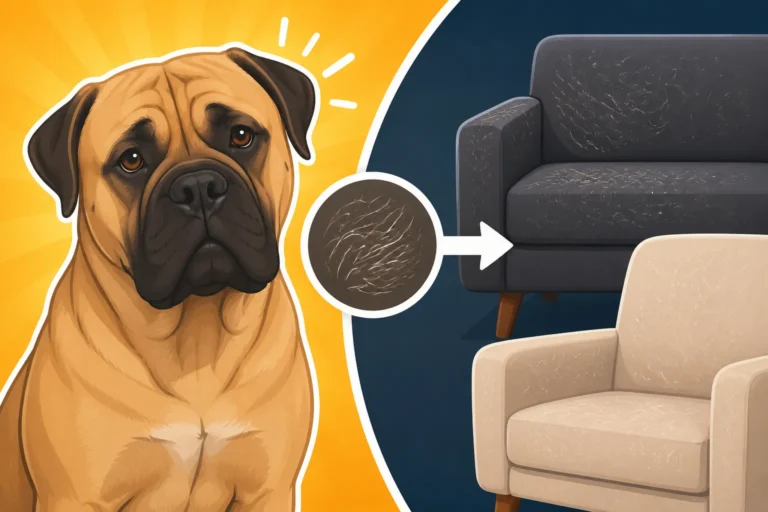
Aim to wash all bedding, including blankets and crate liners, at least once a week, or more frequently if your Bullmastiff spends a lot of time outdoors or has a skin condition. Use a pet-safe, unscented detergent to avoid irritating their skin. Beyond bedding, regularly vacuuming and cleaning areas where your Bullmastiff spends a lot of time will help remove dander and hair, which can harbor odors. For very large beds that don't fit in a standard washer, consider covers that can be easily removed and washed, or even professional cleaning. Dirty furniture or carpets where your Bullmastiff lounges will also absorb and hold odors.
Moisture and Humidity Considerations
Moisture is the enemy of a fresh-smelling Bullmastiff. Whether it's from humidity in the air, a wet walk, or simply drool, moisture trapped in their coat or skin folds creates the ideal environment for bacterial and yeast growth, leading to a musty, unpleasant odor. If you live in a humid climate, or if your Bullmastiff loves to splash in water, you need to be extra vigilant about keeping them dry.
After any exposure to water – be it a bath, a swim, or walking in rain or dew – ensure your Bullmastiff is thoroughly dried, paying special attention to their undercarriage, armpits, and, of course, their facial folds. Using absorbent towels and even a pet-specific blow dryer on a cool setting can be very helpful. In humid indoor environments, consider using a dehumidifier in the rooms where your Bullmastiff spends the most time. This helps reduce ambient moisture that can settle on their coat and promote the growth of odor-causing microorganisms.
Outdoor Activities and Odor Accumulation
Bullmastiffs are strong, hardy dogs, and they enjoy their time outdoors. However, outdoor adventures can quickly turn a fresh dog into a stinky one. Rolling in mud, stepping in unpleasant substances, or simply getting dirty during a romp in the park can lead to immediate and very noticeable odors. These external contaminants need to be addressed promptly, or the smell will linger and transfer to your home.
After any outdoor excursion, give your Bullmastiff a quick wipe-down, especially their paws, legs, and underbelly. If they've had a more intense encounter with something smelly, a spot clean or a full bath might be necessary. Keeping their fur trimmed around their paws can also help reduce the amount of dirt and debris they track inside. Remember that while some odors are unavoidable with an active dog, quick action to clean them up prevents those smells from settling into their coat and spreading throughout your living space.
When a Vet Visit is Necessary for a Smelly Bullmastiff
Sometimes, a persistent or sudden, strong odor is more than just a grooming issue; it's a red flag pointing to an underlying health problem. If you've tried all the routine cleaning and dietary adjustments and your Bullmastiff still smells off, it's time to consult your veterinarian. They can help identify medical conditions that might be the true source of the stench.
Recognizing Signs of Underlying Health Issues
A truly pungent or unusual smell can be a key indicator that something is amiss with your Bullmastiff's health. Beyond the obvious skin fold and ear infections we've discussed, other medical conditions can also contribute to a strong body odor. For example, certain metabolic diseases, kidney disease, or even diabetes can alter a dog's body chemistry, leading to a change in their scent. A dog with diabetes, for instance, might have a sweet, fruity smell on their breath.
If the smell is accompanied by other symptoms like excessive licking, scratching, lethargy, changes in appetite or thirst, skin lesions, hair loss, or general discomfort, these are all strong signals that a vet visit is imperative. Don't just dismiss a persistent odor as "just a dog smell," especially if it's new, unusually strong, or accompanied by other behavioral or physical changes. Your Bullmastiff might be silently telling you they're not feeling their best. Checking in with your vet regularly for How Often a Bullmastiff Needs a Wellness Exam can also help catch these issues early.
Diagnostic Tests for Persistent Odors
When you bring your smelly Bullmastiff to the vet, they won't just take your word for it. They'll conduct a thorough physical examination, paying close attention to their skin, ears, mouth, and anal glands. Based on their initial findings, they may recommend various diagnostic tests to pinpoint the exact cause of the odor. These tests can include skin scrapings to check for mites, fungal cultures to identify ringworm, or cytology (microscopic examination) of skin or ear swabs to look for bacterial or yeast overgrowth.
Blood work might also be recommended to check for underlying metabolic diseases or hormonal imbalances, such as hypothyroidism, which can affect skin and coat health. In cases of persistent bad breath, a dental exam, possibly under sedation, might be necessary to assess the full extent of dental disease. The goal is to get to the root cause, not just treat the symptom. These tests provide invaluable information that guides the most effective treatment plan.
Professional Treatment Options
Once the underlying cause of your Bullmastiff's odor has been diagnosed, your veterinarian will recommend a targeted treatment plan. For bacterial skin or ear infections, this might involve prescription oral antibiotics or antifungal medications, combined with medicated shampoos, topical creams, or ear drops. If allergies are suspected, they might suggest an elimination diet, antihistamines, or other allergy management strategies.
In cases of severe dental disease, a professional dental cleaning, which involves scaling and polishing under anesthesia, might be necessary, potentially followed by extractions if teeth are too far gone. Impacted anal glands will be expressed by the vet, and if there's an infection, antibiotics might be prescribed. The key is that these professional treatments address the medical issue directly, rather than just temporarily masking the smell. Follow your vet's instructions carefully, and your Bullmastiff will not only smell better but will also be healthier and more comfortable.
Disclaimer
This article is for general informational purposes only and does not constitute professional advice. Laws, prices and regulations vary by location and change over time. Consult a qualified professional for guidance on your specific situation.