Whether a Bullmastiff Drools More After Drinking
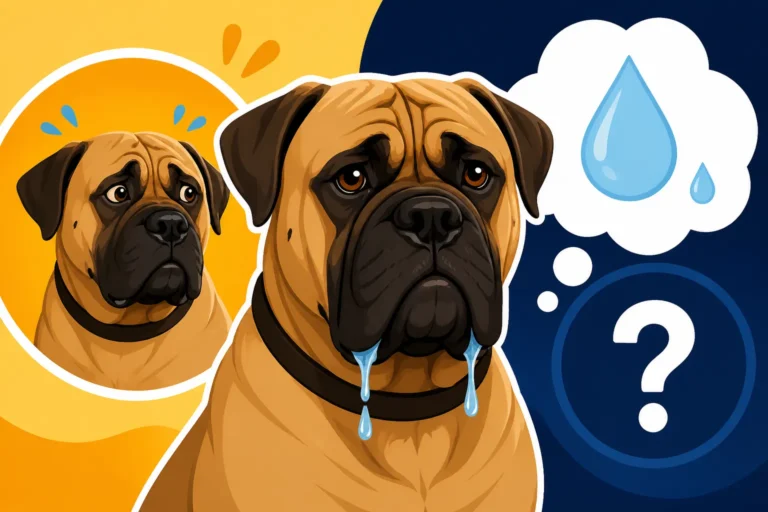
If you've ever watched your magnificent Bullmastiff take a big, satisfying drink of water, only to then leave a trail of slobbery puddles across your kitchen floor, you're not alone. It’s a common experience for Bullmastiff owners, and it often feels like the drooling intensifies right after they've had a good gulp. This guide is here to explain why your Bullmastiff seems to unleash a miniature waterfall after their water breaks and offers practical advice on how to manage the inevitable mess.
Understanding the Bullmastiff's Unique Mouth and Drool Production
Before we dive into the post-drinking deluge, it's essential to understand the basic anatomy that makes Bullmastiffs, and indeed many other large, jowly breeds, prone to drooling in the first place. It's not just a quirk; it's a physiological reality rooted in their design.
The Loose Lips and Gravity's Role
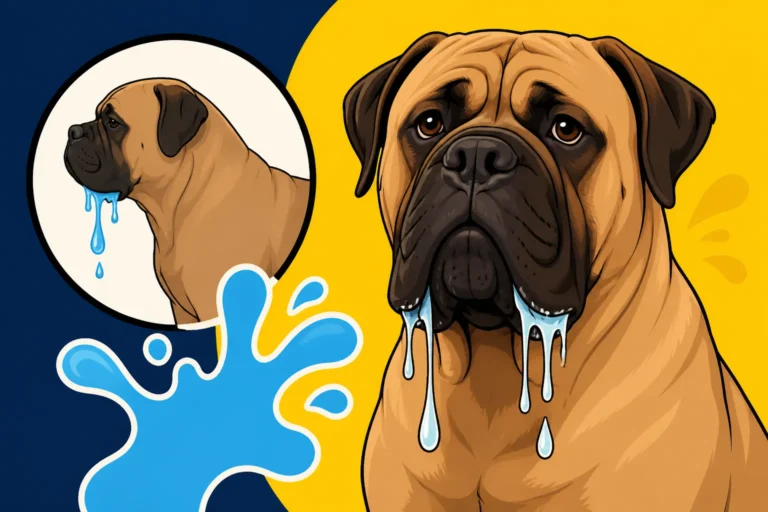
The most significant factor contributing to a Bullmastiff's drooling, especially after drinking, is their magnificent, pendulous jowls. Unlike breeds with tighter lips, a Bullmastiff’s jowls don’t form a perfect, watertight seal around their mouth. Think of it like a natural, always-open faucet. When they drink, water easily gets trapped in these folds and pockets. As soon as they lift their head, gravity takes over, and that trapped water, often mixed with saliva, simply has nowhere to go but down. It's not that they're purposefully spilling it; it’s an unavoidable physical consequence of their unique facial structure.
Imagine trying to drink from a glass with your cheeks pulled back, unable to close your lips fully. You’d inevitably spill quite a bit, right? That's essentially what your Bullmastiff faces every time they approach the water bowl. Their broad, powerful head, while a hallmark of the breed, contributes directly to this characteristic drool. This is also why you might find yourself constantly wiping their face throughout the day, not just after a drink. You might find some excellent tools for this on What to Keep on Hand for a Bullmastiff's Drool.
The Thirst Response and Saliva Production
Beyond the physical architecture, the act of drinking itself can stimulate additional saliva production. When a dog drinks, particularly when they're very thirsty and lap vigorously, their salivary glands are naturally activated. This is part of the digestive process, preparing the mouth and throat for the influx of liquid. So, while they're taking in water, their body is also producing more saliva, compounding the issue.
This increased saliva, combined with the volume of water they've just consumed and the loose jowls we discussed, creates a perfect storm for a messy aftermath. The water helps lubricate the passage of food and liquid down the esophagus, but for a Bullmastiff, it also means a higher volume of liquid to manage in a mouth that isn't built for neatness. It’s a natural process, but one that comes with a significant clean-up requirement for us humans.
The Short Muzzle and Drinking Dynamics
Bullmastiffs are a brachycephalic breed, meaning they have a relatively short muzzle. While not as extreme as some other flat-faced breeds, this shorter muzzle can influence how they drink. Instead of a long, tapering snout that can dip deeply and efficiently into a bowl, their broader, shorter muzzle often means they take in a wider, shallower gulp. This can lead to more water sloshing around, not just inside their mouth, but also over their face and chin as they lap.
Their drinking style often involves more vigorous lapping to compensate for the muzzle shape, which further disperses water. This isn't just about water escaping from the sides; it's also about the sheer dynamics of how they approach the bowl, often burying their entire lower jaw into the water. The combination of their powerful lapping, broad face, and short muzzle simply means more water gets displaced and captured by their jowls, ready for its gravity-assisted exit. It's a key reason why Why a Bullmastiff's Short Muzzle Cannot Cool It is a related concern, as their unique structure impacts more than just breathing.
The Mechanics of Post-Drink Drool: Why It Seems Worse
It's one thing for a Bullmastiff to drool generally, but many owners observe that the most dramatic drooling events happen immediately after they've finished drinking water. There's a specific set of mechanics at play that makes this moment particularly messy.
The Physics of the Water Bowl
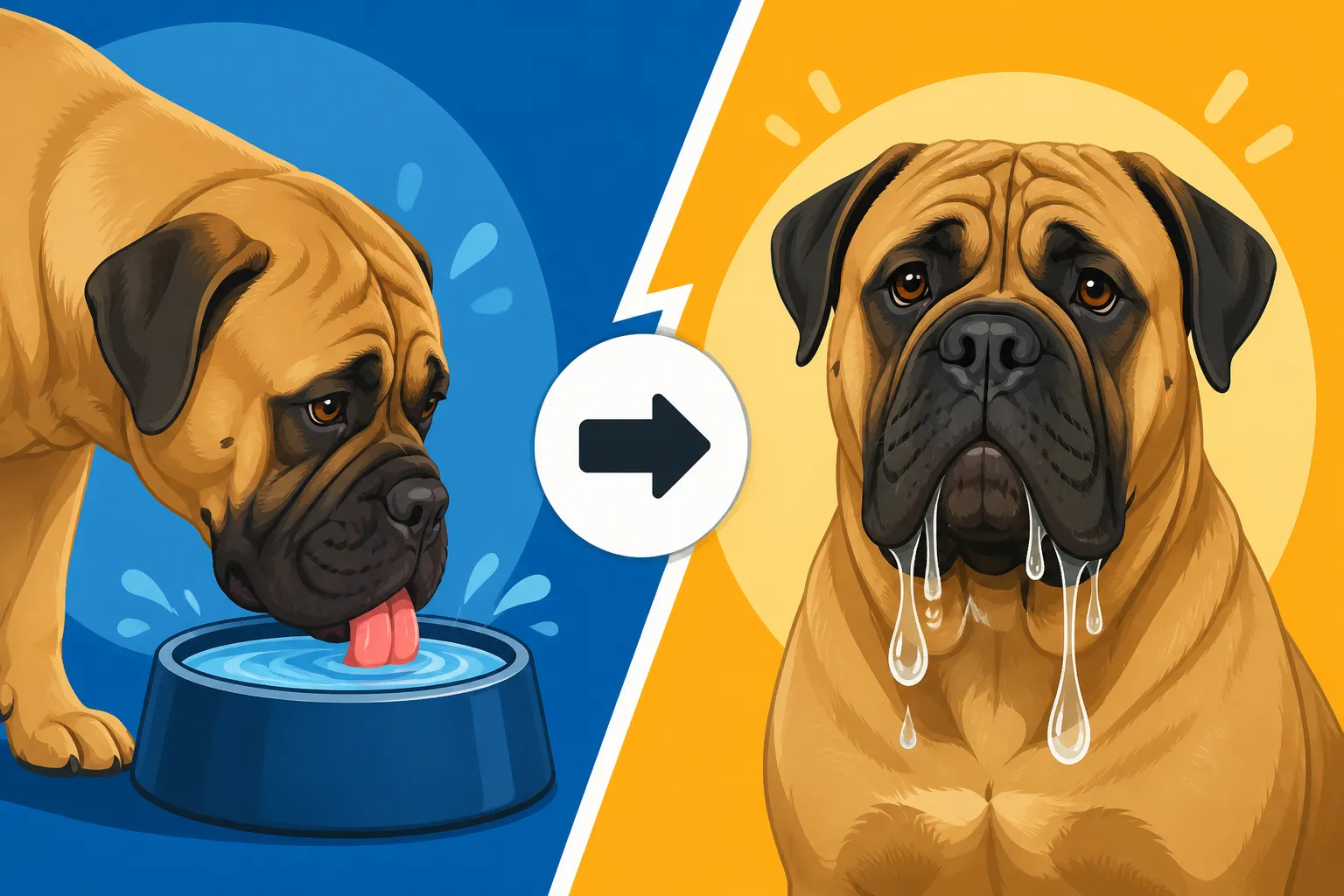
Think about how your Bullmastiff drinks. They plunge their head into the bowl, lapping up copious amounts of water. During this process, water clings to their jowls, their chin fur, and often drips down the outside of their mouth. As they lift their head from the bowl, all that residual water that didn't make it down their throat is now poised to spill. It’s not just the water that was in their mouth; it’s the water that was on their face.
The act of lifting their head creates momentum, essentially flinging droplets and rivulets of water away from their face. This is why you see those characteristic arcs of water hitting the cabinets or trailing across the floor as they walk away. It’s simple physics: water adheres to surfaces, and when those surfaces move quickly, the water is flung off. This is precisely why a quick wipe-down immediately after drinking can make a huge difference, containing the mess before it travels. To read more about how water bowls might affect drool, check out Whether a Bullmastiff's Water Bowl Should Be Raised.
The Act of Swallowing and Redistribution
When your Bullmastiff finishes drinking, they typically swallow several times to clear their throat. This swallowing action, combined with the movement of their tongue and jowls, can redistribute any remaining water and saliva within their mouth. It’s like shaking a bottle of water – the liquid sloshes around, making it more likely to escape from any opening.
This internal movement can push trapped water and saliva to the edges of their loose jowls, where it can then easily drip out. It's not just a passive leak; it’s an active, if unintentional, expulsion caused by the physiological processes of finishing a drink. This is also why you might hear them make a gulping or gurgling sound as they finish – it’s all part of clearing their mouth, but for a Bullmastiff, it often means more drool outside the mouth than inside. This continuous battle with slobber is an ongoing aspect of How Much a Bullmastiff Drools.
Temperature, Excitement, and Increased Drinking Frequency
While not directly causing the post-drink drool, factors that increase drinking frequency will naturally increase the instances of post-drink drooling. For example, if it's a hot day, your Bullmastiff will drink more often to stay hydrated and cool. This means more trips to the water bowl and, consequently, more opportunities for those messy post-drink drips. Similarly, excitement or recent exercise can lead to increased thirst and more vigorous drinking.
A Bullmastiff's overall well-being, including their hydration and diet, can also play a subtle role. A dog receiving a balanced diet with good moisture content, perhaps through fresh food options, might maintain better hydration and not feel the need to guzzle water quite as frantically, potentially reducing the initial splash. While not a direct solution to jowl-based drool, considering a quality diet from a service like Ollie might contribute to more consistent, less aggressive drinking habits, thereby minimizing some of the related mess. Similarly, understanding The Temperature at Which a Bullmastiff Struggles highlights why increased drinking in hot weather is so crucial for them.
Practical Strategies for Managing Post-Drink Drool
Living with a Bullmastiff means accepting a certain level of drool, but that doesn't mean you can't be strategic about managing the post-drinking deluge. A few simple adjustments and habits can make a noticeable difference in keeping your home a little drier.
Choosing the Right Water Bowl
The type of water bowl you use can significantly impact how much water ends up on your floor. Standard, wide-open bowls are often the culprits for maximum splash. Consider investing in specialized bowls designed to minimize mess.
- Splash-Proof Bowls: These bowls often have a rim or a lip that prevents water from sloshing over the sides as your dog drinks or as they walk away with a wet muzzle. They might also have a raised center to reduce the volume of water available at any one time, forcing your dog to drink more deliberately.
- Slow-Drinker Bowls: These bowls typically have an insert or a specific design that limits the amount of water a dog can gulp at once. This encourages them to drink slower and more carefully, reducing the overall splash and the amount of water caught in their jowls. You can find a wide variety of these specialized bowls on online retailers like Amazon or pet supply stores such as Chewy.
When looking for a bowl, consider one with a non-slip base to prevent it from being pushed around, adding to the spill factor. A heavier ceramic or stainless steel bowl is often more stable than a lightweight plastic one, especially when a large Bullmastiff is enthusiastically lapping.
Immediate After-Drink Care and Designated "Drool Zones"
One of the most effective strategies is proactive management. Have a designated "drool station" or a routine for after-drinking clean-up.
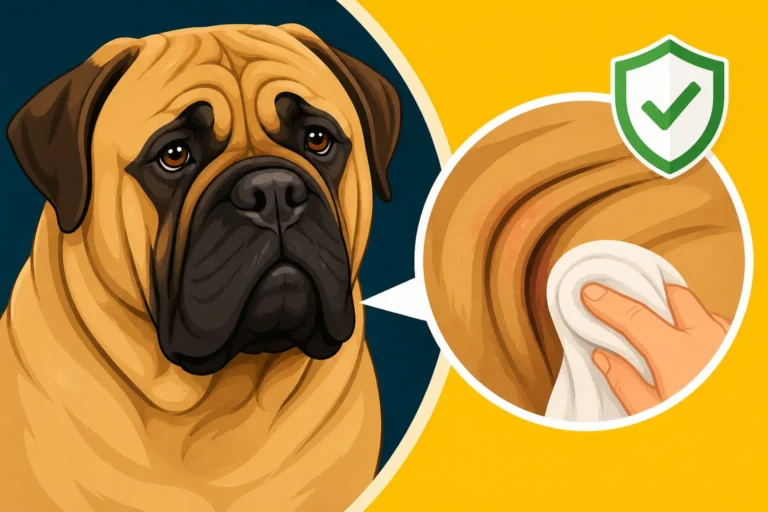
- Quick Wipes: Keep a dedicated towel or a stack of absorbent cloths near the water bowl. As soon as your Bullmastiff finishes drinking, gently wipe their jowls and chin. This simple act can intercept a significant amount of water and saliva before it has a chance to drip onto your floors or furniture. You can use old washcloths or even reusable microfiber towels. Consistency is key here; make it a habit every time they drink. This ties directly into How to Clean a Bullmastiff's Jowls.
- "Drool Mats": Place a highly absorbent mat, like a bath mat or a dedicated pet mat, directly under and around the water bowl. This will catch any immediate drips and splashes, preventing puddles on your hard floors. For carpeted areas, a waterproof mat underneath a fabric one can offer extra protection. Having these tools ready can make a world of difference in managing the day-to-day mess.
Environmental and Dietary Considerations
While these won't stop the drool entirely, they can contribute to a more manageable situation by influencing how and when your Bullmastiff drinks.
- Temperature Control: Keep your home at a comfortable temperature, especially during warmer months. A hot Bullmastiff will drink more frequently and sometimes more frantically to cool down, increasing the opportunities for post-drink drool. Ensuring they have access to cool, fresh water at all times is vital, but so is making sure they aren't overheating in the first place. You can learn more about managing their comfort in Getting a Bullmastiff Through Summer.
- Meal Timing and Hydration: Some dogs tend to gulp water after eating, especially if their meal was dry kibble. Consider splitting meals into smaller portions or offering water slightly before or after meals to avoid a sudden, large intake. A well-hydrated dog from a balanced, moisture-rich diet might drink more steadily throughout the day rather than desperately guzzling, which can help minimize the immediate splash and subsequent drool. A meal plan from a service like Ollie offers higher moisture content, which could contribute to overall hydration.
By implementing a combination of these strategies, you can significantly reduce the amount of post-drinking drool your Bullmastiff leaves behind. It's about working with their natural tendencies, rather than fighting against them, and having the right tools and habits in place.
Choosing the Best Water Bowls to Reduce Drool
When it comes to minimizing the post-drink drool, your Bullmastiff's water bowl is your first line of defense. Not all bowls are created equal, and some designs are far more effective at managing the characteristic Bullmastiff splash than others. Let’s look at the options.
Slow-Feeder and Anti-Splash Designs
Traditional open-top bowls allow a Bullmastiff to plunge their entire muzzle in and gulp water rapidly, increasing the chances of both internal and external mess. Slow-feeder water bowls, much like their food counterparts, are designed to regulate intake. They often feature floating discs or internal structures that reduce the surface area of the water, forcing your Bullmastiff to take smaller, more deliberate sips. This not only minimizes the amount of water that gets caught in their jowls but also prevents them from inhaling too much air, which can be a concern for bloat-prone breeds.
Anti-splash bowls are another excellent option. These usually have a design with a raised lip or a curved rim that helps to contain any sloshing water as your dog moves their head or walks away from the bowl. Some even incorporate a floating plate that keeps the water level low and prevents large volumes from being disturbed. These are readily available from online retailers like Chewy and Amazon, offering a wide selection to fit your Bullmastiff's size and your household's aesthetic.
| Bowl Type | Key Feature | Benefits for Bullmastiffs | Potential Drawbacks |
|---|---|---|---|
| Standard Open Bowl | Wide, unhindered access | Easy to clean, inexpensive | Maximum splash, jowl saturation, rapid gulping |
| Slow-Feeder Bowl | Floating disc or internal structure | Reduces gulping, minimizes water caught in jowls, less splash | May need more frequent refilling, requires adaptation |
| Anti-Splash Bowl | Raised rim or curved edge | Contains sloshing, less floor mess | Might still allow jowls to get wet |
| Raised Bowl | Elevated stand | Can improve posture for large dogs | Does not directly reduce drool from jowls |
Material and Stability Matters
Beyond the design, the material and stability of the bowl are also critical considerations for a powerful, large breed like a Bullmastiff. Lightweight plastic bowls are easily nudged, tipped over, or pushed across the floor, turning a minor drip into a major spill.
- Heavy Materials: Opt for heavy-duty ceramic or stainless steel bowls. Their weight makes them much harder for your Bullmastiff to accidentally move or knock over. Stainless steel is also durable, hygienic, and easy to clean, resisting bacteria buildup better than some plastics. Ceramic bowls, while heavy, can be prone to chipping if dropped, so consider your environment.
- Non-Slip Bases: Many quality bowls, regardless of material, come with rubber rings or non-slip feet on the bottom. This small feature makes a huge difference in keeping the bowl firmly in place, even during enthusiastic lapping sessions. A stable bowl means fewer accidental spills and less trajectory for that post-drink waterfall. Ensuring your Bullmastiff has adequate support for their joints is always important, especially for a large breed, and this extends to their eating and drinking setups, which contribute to overall comfort. You can also explore how to care for them as they age in Caring for an Aging Bullmastiff.
Location and Environment
Finally, think about where you place the water bowl. Even the best bowl won't eliminate all drool, so strategic placement can contain the mess.
- Hard Surfaces: Position the water bowl on a tile or linoleum floor rather than carpet, where spills are harder to clean.
- Mats and Towels: Always place an absorbent mat or a dedicated "drool towel" directly under and around the bowl. This acts as a catch-all for drips and splashes. Look for mats with waterproof backing to prevent moisture from seeping through to your flooring. This simple addition can save you from constantly mopping up small puddles and keep your Bullmastiff’s primary hydration station cleaner and safer. You can find robust, absorbent mats specifically designed for pets on sites like Chewy or Amazon. Having everything you need to manage the drool is part of What Care a Bullmastiff Needs Its Whole Life.
Disclaimer
This article is for general informational purposes only and does not constitute professional advice. Laws, prices and regulations vary by location and change over time. Consult a qualified professional for guidance on your specific situation.