Whether a Fan Is Enough for a Bullmastiff
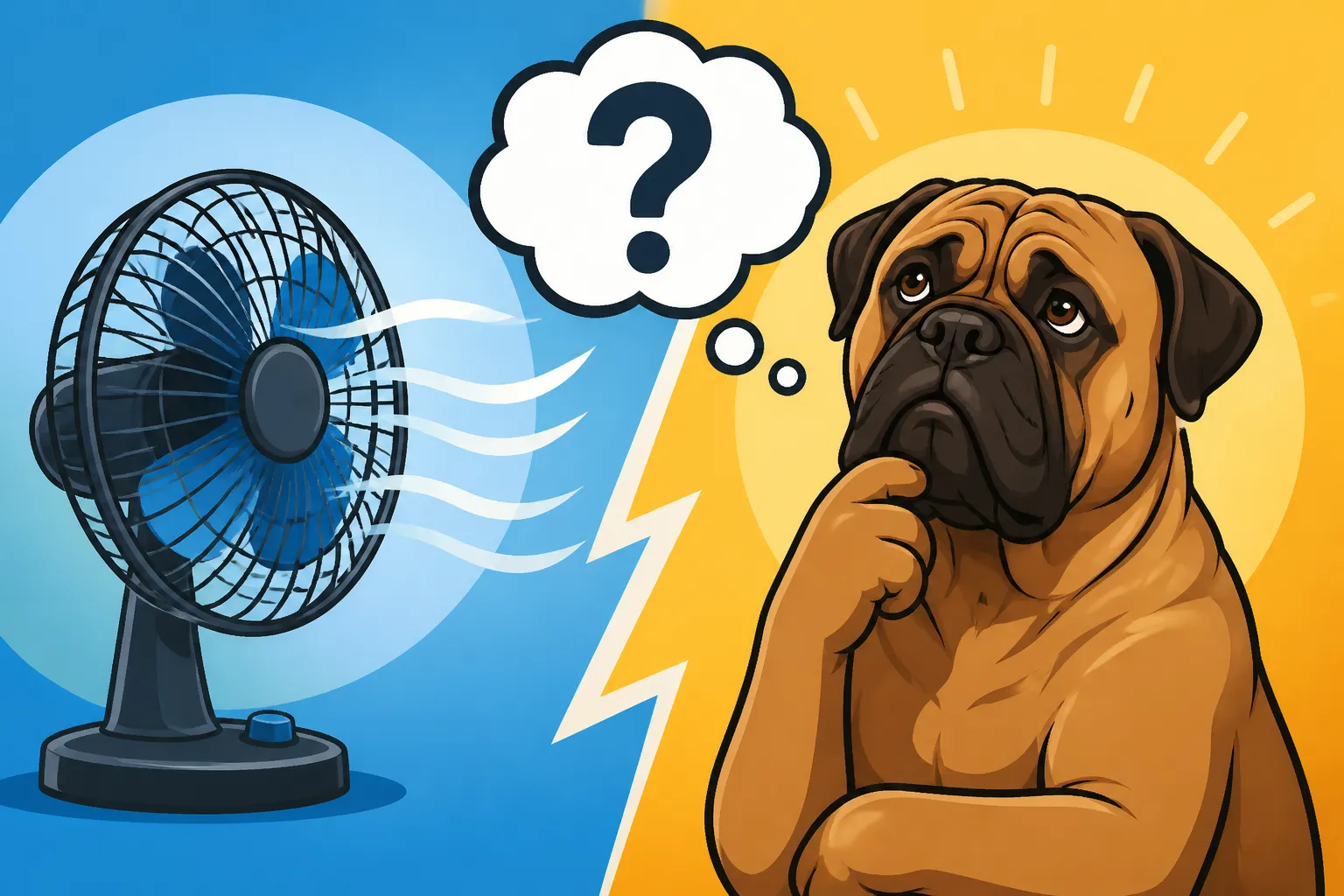
It’s a common and completely understandable thought when summer rolls around: "My big Bullmastiff is looking a bit warm, maybe I’ll just point a fan at them." We all want to keep our beloved companions comfortable, especially when you see their heavy breathing or them trying to find the coolest spot on the tile. However, for a majestic, heavy-coated, and often brachycephalic breed like the Bullmastiff, the simple truth is that a fan alone is rarely enough to truly keep them safe from overheating. This guide will dive deep into why a fan falls short and what more comprehensive strategies you need to employ to protect your gentle giant.
Understanding Your Bullmastiff's Unique Cooling Challenges
Bullmastiffs are incredible dogs, known for their powerful build and devoted nature. But these very characteristics, combined with their breed-specific physiology, make them uniquely susceptible to overheating. It’s not just about a thick coat; there’s a whole system at play that makes cooling down a real challenge for them. You might notice your Bullmastiff struggling more than other dogs, and it’s important to understand why so you can offer the right kind of support.
The Brachycephalic Predicament
One of the biggest factors in a Bullmastiff's struggle with heat is their brachycephalic, or "short-nosed," facial structure. While not as extreme as some other brachycephalic breeds, their compressed upper airway makes efficient panting, which is a dog's primary cooling mechanism, much harder. Imagine trying to run a marathon while breathing through a narrow straw – that's a bit like what a Bullmastiff experiences when trying to pant effectively to cool down.
This anatomical quirk means less surface area in their nasal passages for heat exchange, and the soft tissues in their throat can swell when they get warm, further obstructing airflow. They simply cannot move air as efficiently as a dog with a longer muzzle. So, while a fan might blow air across their face, the fundamental mechanism of heat expulsion through rapid, open-mouthed breathing is already compromised, making the fan's effect minimal compared to what their body actually needs. This is a critical point to understand when considering Why a Bullmastiff's Short Muzzle Cannot Cool It.
Bulk and Body Heat
A Bullmastiff is, by definition, a large and substantial dog. We're talking about a breed that can easily weigh over a hundred pounds, often closer to a hundred and thirty or even more for males. This sheer volume of muscle and mass generates a significant amount of internal body heat just from their metabolic processes. More mass means more heat generated and more heat retained within their body.
Consider a hot day: a smaller, leaner dog might radiate heat more easily, or their internal temperature might not climb as quickly. A Bullmastiff, on the other hand, is like a well-insulated, warm-blooded engine. Once that internal temperature starts to rise, it takes a considerable amount of effort and efficient cooling mechanisms to bring it back down. Their large frame, while impressive, works against them in hot weather, making them particularly vulnerable when temperatures begin to climb. This is why paying close attention to What Temperature Is Dangerous for a Bullmastiff is so important.
Dense Coats
While Bullmastiffs have relatively short coats, it's a dense double coat designed to offer protection from the elements. This coat, while not long and fluffy, can still act as an insulating layer, trapping body heat rather than allowing it to dissipate easily into the surrounding air. In colder climates, this is a distinct advantage, keeping them warm and cozy. However, in warmer weather, that same density becomes a disadvantage.
Even with regular grooming, their coat simply holds onto more heat than a single-coated breed. While a fan might feel nice on your skin as it evaporates sweat, dogs don't sweat across their body in the same way. Their coat, therefore, isn't going to suddenly become a conduit for evaporative cooling with a fan blowing on it. Instead, the fan might just be pushing warm air around, doing little to penetrate that dense layer and reach the skin where what little sweating they do (from paws) and convection might occur.
The Limitations of a Standard Fan
Given the Bullmastiff's inherent challenges with heat regulation, it becomes clear that a standard household fan, while offering a psychological sense of relief for us, often falls short of providing meaningful cooling for them. It’s a common misconception that if we feel cooler with a fan, our dogs must too. But their physiology is vastly different, and understanding this is key to ensuring their safety.
How Fans Actually Work and Don't for Dogs
For humans, fans work by accelerating the evaporation of sweat from our skin, which has a significant cooling effect. We also feel cooler from the moving air due through convection, which removes heat from our skin. Dogs, however, primarily cool themselves through panting. They have sweat glands in their paw pads, but this isn't enough to regulate their entire body temperature. Their dense coat and brachycephalic structure further complicate matters.
When a fan blows on a Bullmastiff, it primarily moves the air around them. If the air itself is hot, the fan is simply circulating hot air. It doesn't magically make the air colder. For a dog that struggles to pant efficiently, or whose coat acts as an insulator, the benefit of a fan is minimal. It might feel nice for a moment, but it's not addressing the core issue of their rising internal body temperature. It's crucial to differentiate between what feels good to us and what actually provides effective thermoregulation for a canine, especially one prone to overheating.
When a Fan Might Offer Minimal Relief
Let's be realistic: a fan isn't entirely useless in every single situation. In very mild conditions, as a supplemental measure, or as part of a much broader cooling strategy, it might offer a touch of comfort. For instance, if the ambient temperature is only slightly elevated, say in the low 70s Fahrenheit (around 22-23 Celsius), and your Bullmastiff is simply resting indoors, a fan pointed in their direction could help circulate air and prevent them from feeling too stuffy.
Think of it as adding a tiny boost to an already stable system. It's like putting a small splash of water on a damp towel—it might help a little, but it's not going to quench a thirst. It's a minor addition, not a primary solution. For example, if your Bullmastiff is lounging on a Which Bed a Bullmastiff Needs that is already a cooling mat, and the room is air-conditioned but you want a bit more airflow, a fan could be okay. But relying on it solely, especially when temperatures begin to climb significantly, is a dangerous gamble.
When a Fan is Definitely Not Enough
There are clear scenarios where even the best intentions behind placing a fan near your Bullmastiff can lead to serious, life-threatening danger. Knowing these thresholds and recognizing the signs of trouble are absolutely paramount for any Bullmastiff owner. This isn't just about discomfort; it's about protecting their health.
High Temperatures and Humidity
The combination of high temperatures and high humidity is a Bullmastiff's worst enemy. When the air is already saturated with moisture, a dog's ability to cool itself through evaporative panting is severely hampered. The moisture in the air prevents the efficient evaporation of moisture from their respiratory tract, making it much harder for them to release excess heat.
In these conditions, a fan is not just inadequate, it can actually exacerbate the problem by circulating hot, humid air around them, effectively baking them in place. The air blowing on them might feel warm, or at best, neutral, rather than cooling. If the temperature outside is soaring, say past 80 degrees Fahrenheit (27 Celsius) with significant humidity, a fan is doing virtually nothing to lower your Bullmastiff's core body temperature. At this point, you're past the point of casual comfort and well into the realm of emergency prevention. You need to be aware of Why Eighty Degrees Is Dangerous for a Bullmastiff and take immediate action.
Signs of Overheating
It is absolutely critical for every Bullmastiff owner to be vigilant for the Signs a Bullmastiff Has Heatstroke. Your dog often tries to hide discomfort, and by the time obvious signs appear, they could be in serious trouble. A fan will do nothing to reverse these signs once they begin. Look for:
- Excessive Panting: While all dogs pant when hot, excessive panting with a very open mouth, loud breathing, or struggling to catch their breath is a red flag.
- Bright Red Gums/Tongue: Healthy gums are usually pink. If they are brick red or purple-tinged, your dog is in distress.
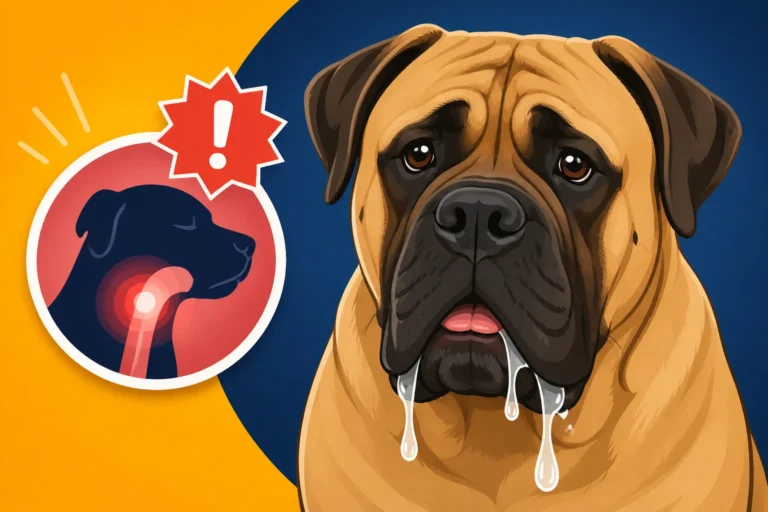
- Thick, Ropy Saliva: Instead of normal drool, you might see thick, stringy, or foamy saliva around their mouth.
- Dizziness or Disorientation: They might stumble, appear confused, or be unresponsive.
- Vomiting or Diarrhea: These are serious signs of internal distress.
- Wobbliness or Collapse: This is an emergency and indicates severe heatstroke.
- Glassy Eyes: Their eyes may appear glazed over.
If you observe any of these symptoms, especially if you've been relying on a fan in warm weather, consider it an emergency. Move your dog to a cooler environment immediately and contact your veterinarian. A fan will not cut it; you need active cooling like cool water, wet towels, and potentially veterinary intervention. Knowing What to Do When a Bullmastiff Overheats could save their life.
Comprehensive Cooling Strategies Beyond the Fan
Since a fan alone isn't a reliable solution for your Bullmastiff's cooling needs, it's essential to implement a multifaceted approach, especially during warmer months. Thinking proactively and combining several strategies will provide the most effective protection and comfort for your big companion. This holistic view is what truly keeps them safe, whether you live in a perpetually warm climate or just experience intense summer heat.
Environmental Control
The first line of defense is always the environment your Bullmastiff lives in. Creating a truly cool space for them is non-negotiable.
- Air Conditioning is Key: In any climate where temperatures regularly exceed 75-80 degrees Fahrenheit, air conditioning is not a luxury, it's a necessity for a Bullmastiff. Keeping your indoor temperature at a comfortable level, typically between 68-72 degrees, is the most effective way to prevent overheating. It ensures the air your dog is breathing and surrounded by is genuinely cool, allowing their panting mechanism to work more effectively and their body heat to dissipate. If you're wondering Whether a Bullmastiff Needs Air Conditioning, the answer is almost always a resounding yes.
- Cooling Mats: These are fantastic supplementary tools. Cooling mats, often filled with a gel that activates with pressure, can provide a cool spot for your Bullmastiff to lie on. They draw heat away from the dog's body through conduction. You can find excellent options on platforms like Chewy or Amazon. Place these in their favorite resting spots, ensuring they have a cool retreat.
- Basements or Tile Floors: If you have a basement, it's naturally cooler than upper levels of a house. Likewise, tiled floors in kitchens or bathrooms can offer a wonderfully cool surface for your Bullmastiff to stretch out on. These surfaces absorb and dissipate heat more effectively than carpet or warm beds.
Hydration and Activity Adjustments
Beyond modifying their immediate surroundings, how you manage their daily routine and hydration plays a huge role in preventing heat-related issues.
- Constant Access to Fresh, Cool Water: This sounds obvious, but it's often overlooked. Always have multiple bowls of fresh, cool water available. Consider adding ice cubes to their water bowl, or using a large, heavy ceramic bowl that helps keep water cooler for longer. Hydration is critical for their body's overall function and for supporting their limited ability to cool through panting.
- Adjust Exercise Schedule: This is absolutely paramount. Avoid walking or heavy play during the hottest parts of the day. Early mornings (before 8 AM) and late evenings (after 8 PM, once the sun has set and surfaces have cooled) are the safest times for any outdoor activity. Even a short walk in midday heat can be dangerous. Remember that pavement and asphalt absorb and retain heat, and can burn your dog's paw pads even if the air feels okay to you. For more specific guidance, read up on When It Is Too Hot to Walk a Bullmastiff.
- Minimize Strenuous Activity: Beyond just timing, reduce the intensity and duration of their exercise during hot weather. A leisurely stroll is fine, but intense games of fetch or long jogs are best saved for cooler seasons. Your Bullmastiff might still want to play, but it's your job to regulate their activity to protect them from themselves.
Tools and Products
The market offers several products specifically designed to aid in canine cooling, and many of these are great additions to your Bullmastiff's summer arsenal.
- Cooling Vests and Bandanas: These products are often soaked in water and then placed on your dog. As the water evaporates, it draws heat away from their body, offering evaporative cooling where their natural mechanisms fall short. Brands available on Amazon or Chewy offer various styles and sizes suitable for large breeds.
- Elevated Beds: While a cooling mat is good, an elevated bed (like a cot-style bed) allows air to circulate underneath your Bullmastiff, preventing heat from building up between their body and the floor. This can make a significant difference, especially if they prefer soft bedding but you need to increase airflow. Look for sturdy, large-breed appropriate options from retailers like Ollie or other pet supply stores.
- Kiddie Pools: For dogs who enjoy water, a shallow kiddie pool filled with a few inches of cool water can be a wonderful way for them to cool off in the yard. They can wade in it, lie down, and simply reduce their body temperature. Always supervise them, and ensure the water is shallow enough for safety.
Here's a quick comparison of common cooling methods for your Bullmastiff:
| Cooling Method | Primary Mechanism | Effectiveness for Bullmastiffs (Hot Weather) | Best Use Case |
|---|---|---|---|
| Standard Fan | Convection, minimal evaporation | Low (especially in humidity) | Supplementary in mild temps, air circulation in AC |
| Air Conditioning | Air cooling, dehumidification | High | Primary indoor cooling, essential in warm climates |
| Cooling Mat | Conduction | Moderate to High | Designated cool resting spot indoors |
| Cooling Vest/Bandana | Evaporative cooling | Moderate | During mild outdoor activity, car travel |
| Kiddie Pool | Conduction, full body cooling | High (if dog enjoys water) | Supervised outdoor cooling |
| Tile/Basement Floor | Conduction | Moderate to High | Natural cool resting area indoors |
| Elevated Bed | Convection (underneath) | Moderate | Indoor resting, promotes airflow |
| Ice in Water Bowl | Hydration, internal cooling | Low to Moderate | Essential for hydration, minor internal cooling aid |
| Timing Exercise | Avoiding heat exposure | High | Critical for safe outdoor activity |
Combining these strategies, especially focusing on environmental control with air conditioning, is the most responsible and effective way to ensure your Bullmastiff remains comfortable and safe, even when the mercury rises. Don't leave their well-being to chance with just a fan.
Disclaimer
This article is for general informational purposes only and does not constitute professional advice. Laws, prices and regulations vary by location and change over time. Consult a qualified professional for guidance on your specific situation.