Whether a Bullmastiff Needs Joint Supplements
When you share your life with a magnificent Bullmastiff, their sheer size and powerful build are often what first capture your heart. But that impressive stature also comes with a significant responsibility: ensuring those massive joints stay healthy and comfortable for as long as possible. Many owners wrestle with the question of whether joint supplements are truly necessary, or if they're just another expense in a long line of specialized needs for a giant breed. This guide aims to cut through the confusion and provide clear, empathetic advice on supporting your Bullmastiff's joint health from puppyhood through their golden years.
The Bullmastiff's Unique Joint Challenges
Let's be real, a Bullmastiff isn't built like a nimble Border Collie. Their substantial weight, rapid growth, and genetic history make them particularly susceptible to certain joint issues. Understanding these inherent challenges is the first step toward proactive care.
Built for a Job, Bearing the Weight
Our beloved Bullmastiffs were originally bred as "Gamekeeper's Night Dogs" to deter poachers, a job that required immense strength, a formidable presence, and the ability to hold an intruder. This history gave them their powerful, heavy-boned physique. While it's what makes them such imposing and protective companions today, it also means their skeletal structure carries a lot of mass. Imagine carrying an extra fifty pounds on your frame every single day; that's the kind of constant load your Bullmastiff's joints are designed to bear. Over time, this constant pressure can lead to wear and tear, contributing to degenerative joint conditions. Their very design, while beautiful and functional for their original purpose, predisposes them to joint strain.
The Double-Edged Sword of Rapid Growth
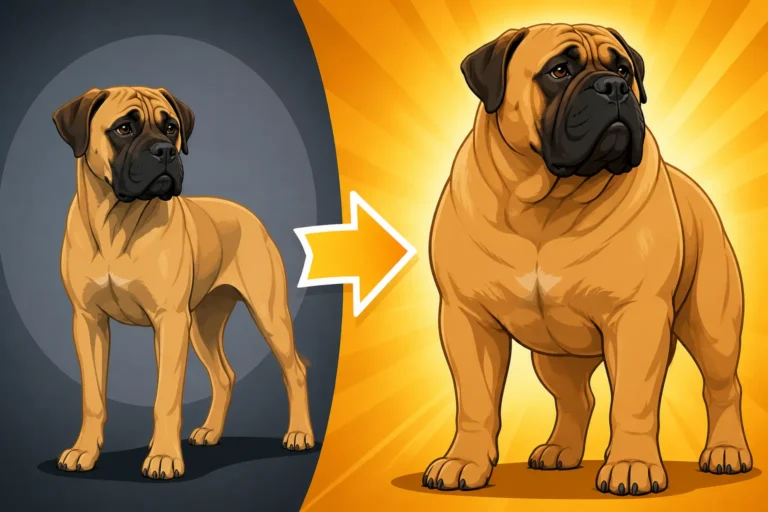
Bullmastiff puppies are an adorable whirlwind, growing from chunky little fluffballs to impressive young adults at an astonishing rate. This rapid growth spurt, particularly during their first year, is a critical period for joint development. Their bones, muscles, and cartilage are all developing at warp speed, and any nutritional imbalance or excessive physical stress during this time can have long-lasting consequences. It's like building a skyscraper: if the foundation isn't laid perfectly, or if the construction moves too quickly without proper reinforcement, you're setting yourself up for structural problems down the line. We all want our puppies to grow big and strong, but for a Bullmastiff, slow and steady truly wins the race for joint health.
Genetic Predispositions and Screening
Unfortunately, specific joint conditions like hip and elbow dysplasia are known to have a strong genetic component in large and giant breeds, including Bullmastiffs. This isn't to say every Bullmastiff will develop them, but the breed carries a higher risk compared to many others. This is why responsible breeders go to great lengths to screen their breeding stock. They want to ensure they're passing on the best possible genes, minimizing the chances of these painful conditions appearing in future generations. It's a sobering thought that some joint issues might be "baked in" to your dog's DNA, but knowing this empowers us to be vigilant and proactive from day one. If you're looking for a puppy, make sure you ask about Which Health Tests a Bullmastiff Breeder Should Run.
Common Joint Ailments in Bullmastiffs
When we talk about joint health in Bullmastiffs, we're usually talking about a few specific conditions that tend to show up. These are the issues that keep owners up at night and often lead to tough conversations with the vet.
Hip and Elbow Dysplasia: The Usual Suspects
Hip and elbow dysplasia are perhaps the most notorious joint problems in large breeds. Essentially, these conditions mean the joints haven't formed correctly. In hip dysplasia, the ball and socket of the hip joint don't fit together snugly, leading to grinding, pain, and eventually arthritis. Elbow dysplasia is a more complex condition, often involving multiple developmental abnormalities within the elbow joint, causing similar pain and lameness. It's incredibly disheartening to watch your strong, stoic Bullmastiff struggle with mobility, especially when they're still relatively young. The pain can range from mild discomfort to severe lameness, affecting their quality of life profoundly. You might notice them having trouble getting up, walking with a subtle limp, or even seeming reluctant to play. For more on this, check out Hip Dysplasia in a Bullmastiff and Elbow Dysplasia in a Bullmastiff.
Arthritis and Degenerative Joint Disease
Even if a Bullmastiff avoids the severe forms of dysplasia, the natural process of aging, combined with their heavy build, often leads to osteoarthritis, also known as degenerative joint disease. This is a progressive condition where the protective cartilage in the joints wears down, leading to bone-on-bone friction, inflammation, and chronic pain. Think of it like the shock absorbers in an old car wearing out. Every step becomes a little less cushioned, a little more jarring. As a Bullmastiff ages, you might notice them slowing down, struggling to rise after a nap, or showing stiffness, especially in colder weather. It's a cruel reality that many of our beloved giants face this silent battle. Understanding The Age a Bullmastiff Gets Arthritis can help you prepare.
Cruciate Ligament Injuries and Other Concerns
Beyond dysplasia and arthritis, Bullmastiffs can also be prone to other orthopedic issues. One of the most common is a torn cranial cruciate ligament (CCL), often simply called a "cruciate tear" or "ACL tear" (though technically different from human ACLs). This ligament stabilizes the knee joint, and when it tears, it causes sudden lameness and significant pain, requiring surgical intervention in most cases. Given their weight and powerful build, the stress on these ligaments can be immense, making them vulnerable to injury even during normal play. Other, less common issues can include osteochondritis dissecans (OCD), a condition affecting cartilage development, or even spinal problems, though these are typically less prevalent than the major joint dysplasias and arthritis. Knowing these possibilities helps us understand the full spectrum of joint care. More information can be found in Cruciate Tears in a Bullmastiff.
Demystifying Joint Supplements: Key Ingredients
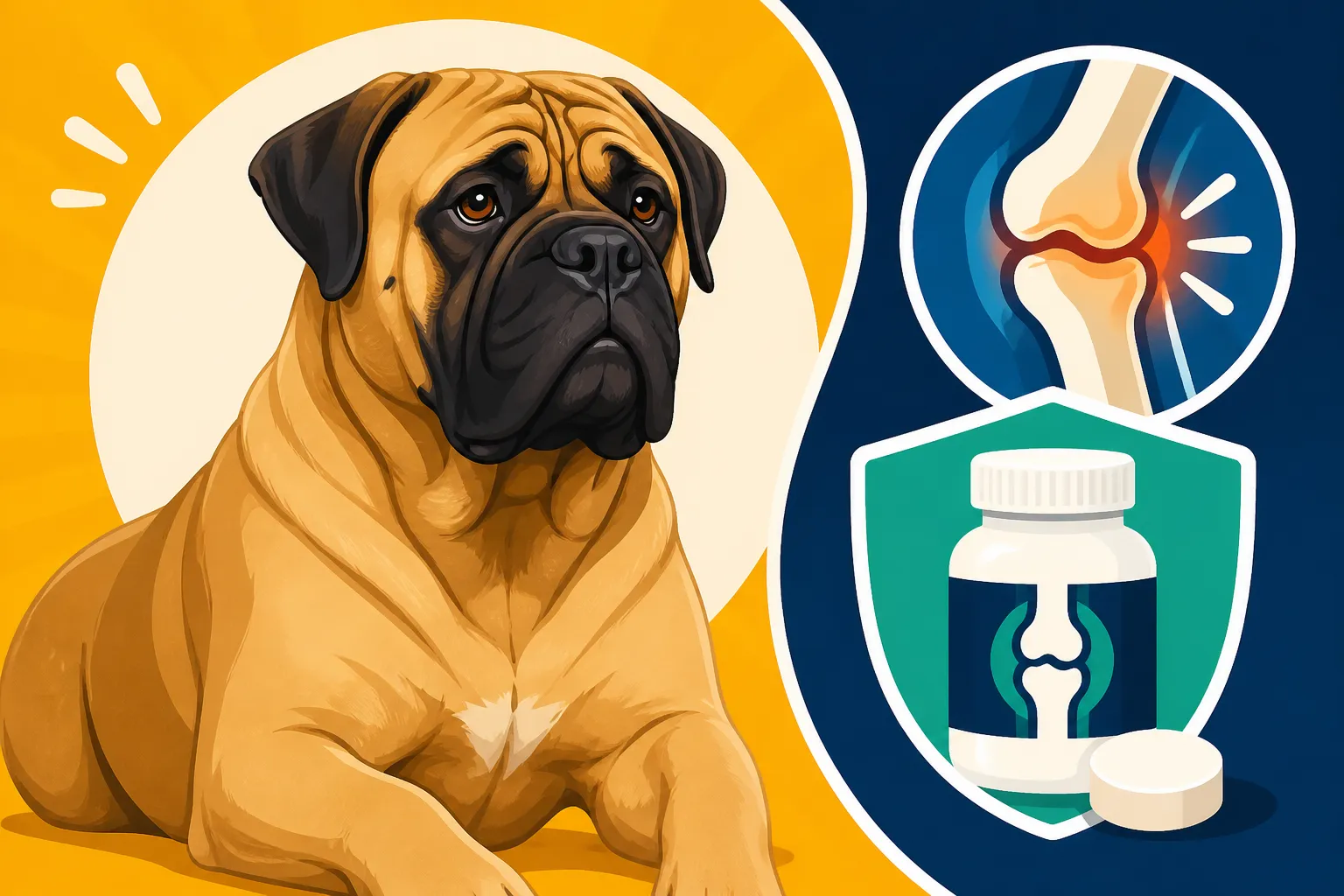
So, with all these potential issues, where do joint supplements fit in? They're designed to provide nutritional support for cartilage and joint fluid, often with ingredients aimed at reducing inflammation. But what exactly are those ingredients, and what do they claim to do?
Glucosamine and Chondroitin: The Cartilage Builders
These two compounds are often considered the "power couple" of joint supplements. Glucosamine is an amino sugar that plays a crucial role in forming and repairing cartilage, as well as producing synovial fluid, which lubricates the joints. Think of it as the raw material your dog's body needs to keep those joint cushions plump and slippery. Chondroitin sulfate, often paired with glucosamine, is a complex carbohydrate that also helps maintain the elasticity and structural integrity of cartilage. It's believed to inhibit enzymes that break down cartilage and to enhance the shock-absorbing properties of the joint. Together, the theory is that they help rebuild and protect the cartilage, slowing down the degenerative process and potentially reducing pain. You'll find these in many popular dog joint supplements available on platforms like Chewy and Amazon.
MSM, Omega-3s, and Natural Anti-inflammatories
Beyond glucosamine and chondroitin, many supplements include ingredients known for their anti-inflammatory properties.
- MSM (Methylsulfonylmethane): This is a naturally occurring sulfur compound that's often used to reduce pain and inflammation. It's thought to help with pain relief by supporting healthy connective tissue and reducing muscle spasms. For a Bullmastiff experiencing stiffness and discomfort, MSM can be a welcome addition to a supplement blend.
- Omega-3 Fatty Acids: These essential fats, particularly EPA and DHA found in fish oil, are renowned for their potent anti-inflammatory effects. They can help reduce the production of inflammatory chemicals in the body, which can lessen joint pain and improve mobility. Many owners incorporate fish oil into their Bullmastiff's diet purely for this benefit, even if they're not using a specific joint supplement.
- Other natural anti-inflammatories: Ingredients like turmeric, devil's claw, and boswellia serrata are also sometimes included in joint supplements. These are herbal extracts that have been traditionally used for their anti-inflammatory and pain-relieving properties in various applications, and their inclusion aims to provide additional support in calming joint inflammation.
Green Lipped Mussel and Newer Discoveries
As research progresses, new ingredients are continually being explored for their potential joint benefits.
- Green Lipped Mussel (GLM): Hailing from New Zealand, this marine organism is a rich source of omega-3 fatty acids, glucosamine, chondroitin, and other vitamins and minerals. It's particularly celebrated for its potent anti-inflammatory properties, often attributed to a unique blend of fatty acids not found in other fish oils. Many owners swear by GLM for their dogs, reporting noticeable improvements in mobility and comfort. Its comprehensive nutrient profile makes it a popular choice in more advanced joint support formulas.
- Hyaluronic Acid (HA): While not exactly "new," HA is gaining more traction in oral supplements. It's a natural component of synovial fluid, responsible for lubrication and shock absorption in the joints. Supplementing with HA aims to improve the quality and quantity of joint fluid, thereby reducing friction and improving joint function.
- Undenatured Type II Collagen (UC-II): This is a newer ingredient that works differently than glucosamine and chondroitin. Instead of providing building blocks for cartilage, UC-II is believed to modulate the immune system, preventing it from attacking the body's own cartilage, thus preserving existing joint tissue. This emerging approach offers a different avenue for joint support.
When to Consider Joint Supplements for Your Bullmastiff
Deciding when to start joint supplements for your Bullmastiff can feel like a guessing game. Is it too early? Is it too late? There are different schools of thought, often depending on your dog's age and health status.
Puppyhood: A Foundation for Future Health?
The idea of starting joint supplements during puppyhood is gaining traction, especially for breeds with known predispositions to joint issues like the Bullmastiff. The argument is that by providing essential building blocks for healthy cartilage and joint fluid from a young age, you might help support optimal joint development and potentially mitigate future problems. Think of it as investing in their long-term structural integrity. Some veterinarians advocate for starting a low dose of glucosamine and chondroitin around 6-12 months, or even earlier, especially for puppies that are growing very rapidly or show any early signs of stiffness. It's a preventative approach, aiming to build a stronger foundation rather than trying to repair damage later. Remember, a Bullmastiff puppy needs careful management of their growth rate and exercise. The Exercise Limit for a Bullmastiff Puppy is crucial to avoid injury. Keeping your Bullmastiff lean is also paramount, even in puppyhood; Why a Bullmastiff Puppy Should Be Kept Lean explains why.
Adult Bullmastiffs: Proactive Care
For adult Bullmastiffs, particularly those nearing middle age (around 4-6 years old) or those involved in activities that put extra stress on their joints, supplements can shift from being purely preventative to more proactive support. Even if your Bullmastiff shows no obvious signs of lameness, the cumulative effect of their weight and activity over the years means their joints are undergoing constant stress.
This is where a thoughtful owner might consider starting a daily joint supplement regimen. It’s about being proactive and trying to delay the onset or progression of degenerative changes. Many owners notice a subtle improvement in their dog's energy levels or willingness to engage in longer walks once they've been on supplements for a few weeks, suggesting that underlying discomfort was being quietly managed. It’s also a way to support their joints through minor bumps and scrapes that might stress the system.
Senior Years: Supporting Aging Joints
This is perhaps the most obvious time when joint supplements become not just an option, but often a necessity. As Bullmastiffs enter their senior years, typically around six years old, arthritis and general joint stiffness become much more common. The Age a Bullmastiff Is Considered Senior is a good time to reassess their needs.
At this stage, joint supplements can play a crucial role in managing pain, improving mobility, and enhancing their overall quality of life. The goal here is therapeutic – to reduce inflammation, provide comfort, and maintain as much function as possible. Many senior Bullmastiffs respond well to consistent supplementation, showing improved gait, less stiffness after rest, and a greater willingness to move around. It's not a cure, but it can make a significant difference in their daily comfort. Alongside supplements, other changes in What Changes in an Aging Bullmastiff's Care will be vital.
Choosing and Administering Supplements Wisely
With a dizzying array of joint supplements on the market, how do you pick the right one for your Bullmastiff? It’s not just about grabbing the first bottle you see; a little research and expert advice go a long way.
Decoding Labels and Ensuring Quality
The supplement industry for pets isn't as tightly regulated as human pharmaceuticals, which means quality and efficacy can vary widely between brands. When you're looking at products, especially from online retailers like Amazon or Chewy, it's crucial to be a detective.
Look for supplements from reputable manufacturers who adhere to good manufacturing practices (GMP). Check for third-party certifications, if available, which indicate that the product has been tested for purity and accurate ingredient levels. The label should clearly list all active ingredients and their concentrations. Be wary of proprietary blends where the exact amounts of each ingredient aren't disclosed. It’s important to know you're getting effective doses of compounds like glucosamine, chondroitin, and MSM, often measured in milligrams, that are appropriate for a dog of your Bullmastiff's substantial size. Don't fall for vague claims or products that seem too good to be true.
Forms of Supplements: Chews, Powders, and Liquids
Joint supplements come in various forms, and choosing the right one often comes down to what your Bullmastiff will actually take!
- Chews: These are often palatable, flavored treats that dogs readily accept. They're convenient and make daily administration easy, often feeling like a reward. However, some chews can be lower in active ingredient concentration, and for a giant breed, you might need to give several per day, which can add up.
- Powders: These are usually mixed directly into your dog's food. Powders can be a good option for owners who want more control over dosing or for dogs who are picky about chews. They often come in larger containers, providing a more economical per-dose cost for a big dog. However, some dogs might detect the taste or texture change in their food.
- Liquids: Liquid supplements can also be mixed into food or administered directly. They are often highly concentrated, which can be beneficial for accurate dosing, especially if your Bullmastiff has specific needs. Like powders, acceptance can vary, and some might prefer certain flavors over others.
Ultimately, the best form is the one your Bullmastiff will consistently consume without a battle, ensuring they get their daily dose.
The Crucial Role of Your Veterinarian
Before you start any new supplement regimen for your Bullmastiff, consulting with your veterinarian is absolutely non-negotiable. They know your dog's individual health history, existing conditions, and any medications they might be on, which could interact with supplements.
Your vet can help you:
- Diagnose underlying issues: They can confirm if your Bullmastiff actually has a joint problem or if symptoms are related to something else. For example, some signs of joint pain can mimic other conditions.
- Recommend appropriate products and dosages: Based on your dog's specific needs, age, and size, they can suggest particular brands or ingredients that they've found effective.
- Monitor effectiveness: They can help you assess if the supplements are actually making a difference, and if not, suggest adjustments or alternative treatments.
- Prevent adverse reactions: While joint supplements are generally safe, your vet can advise on potential side effects or interactions with other medications.
Remember, supplements are just that—supplements. They are not a substitute for proper veterinary diagnosis and treatment of underlying medical conditions.
A Holistic Approach: Beyond the Bottle
While joint supplements can be a valuable tool in your Bullmastiff's care, they are just one piece of a much larger puzzle. Optimal joint health requires a comprehensive approach that addresses multiple aspects of their lifestyle.
Maintaining a Healthy Weight: The Single Most Important Factor
Seriously, if there's one thing you can do for your Bullmastiff's joints that surpasses all others, it's keeping them lean. Every extra pound your Bullmastiff carries puts immense additional stress on their joints, accelerating the wear and tear process and exacerbating conditions like arthritis or dysplasia. Imagine trying to walk around with a heavy backpack all day, every day – that's what being overweight feels like for your dog's joints.
Maintaining a healthy weight means:
- Portion Control: Accurately measuring their food at every meal. Don't eyeball it!
- Avoiding Overfeeding: Those soulful Bullmastiff eyes can be convincing, but resist the urge to overindulge with treats and table scraps.
- Regular Monitoring: Weighing your Bullmastiff regularly, especially as a puppy, and getting their body condition scored by your vet. You should be able to easily feel their ribs without pressing hard.
This isn't about aesthetic; it's about prolonging their comfort and mobility. Keeping a Bullmastiff Lean Is the Best Thing You Can Do cannot be stressed enough. Some specific dog food brands, which you can often find on Chewy or even through subscription services like Ollie, focus on weight management and can be a great resource.
Appropriate Exercise and Environmental Management
Exercise is vital, but for a Bullmastiff, it needs to be appropriate and carefully managed to protect their joints.
- Low-Impact Exercise: Focus on activities that are gentle on the joints, like leash walks, swimming (if your Bullmastiff enjoys it and is supervised), or gentle play in a soft yard. Avoid high-impact activities like excessive jumping, long-distance running, or intense agility work, especially with puppies and seniors.
- Consistent Activity: Regular, moderate exercise is better than sporadic bursts of intense activity. This helps maintain muscle strength, which supports the joints, and keeps ligaments flexible.
- Warm-up and Cool-down: Just like human athletes, a gentle warm-up before exercise and a cool-down afterward can help prevent injury and stiffness.
- Environmental Adjustments: Make your home joint-friendly. Provide orthopedic dog beds for cushioned support. Consider rugs or runners on slippery floors to prevent falls and provide traction, especially for aging dogs or those with mobility issues. Ramps can be a lifesaver for getting in and out of cars or onto furniture, reducing strain on their back and legs. For more on this, consider Bedding and Joints for a Hundred and Thirty Pound Bullmastiff.
Regular Veterinary Check-ups and Early Intervention
Routine veterinary care is your best defense against serious joint issues. Regular check-ups allow your vet to:
- Assess Gait and Mobility: They can spot subtle signs of lameness or discomfort that you might miss.
- Palpate Joints: Feel for swelling, pain, or reduced range of motion.
- Recommend Diagnostic Imaging: If concerns arise, they might suggest X-rays to get a clear picture of the joint structure, especially important for diagnosing conditions like dysplasia or arthritis. When a Bullmastiff Should Be X Rayed can offer more insights.
- Discuss Pain Management: Beyond supplements, your vet can talk about prescription anti-inflammatory medications, physical therapy, or other interventions if your Bullmastiff is experiencing significant pain.
Early intervention is key. Addressing joint issues early, even with minor discomfort, can often slow progression and maintain your Bullmastiff's quality of life for much longer. Don't wait until your dog is clearly in agony; communicate any concerns, even subtle ones, to your veterinarian.
Disclaimer
This article is for general informational purposes only and does not constitute professional advice. Laws, prices and regulations vary by location and change over time. Consult a qualified professional for guidance on your specific situation.