Why a Bullmastiff Puppy Should Be Kept Lean
It’s an undeniable joy to watch a Bullmastiff puppy grow, filling out those big paws and developing that majestic, powerful presence. There's a natural instinct to want to see them flourish, often translating into wanting them to grow big and strong as fast as possible. But here’s the tough truth: pushing a Bullmastiff puppy to grow too quickly, or allowing them to become overweight during their formative months, can set them up for a lifetime of painful and expensive health problems. This guide will meticulously walk you through why keeping your Bullmastiff puppy lean is one of the most crucial things you can do for their long-term health and happiness.
The Foundation of Future Health: Understanding Rapid Growth in Large Breeds
Bringing home a Bullmastiff puppy means embarking on a journey of incredible growth. These dogs go from tiny bundles of wrinkles to massive, loyal companions in a relatively short period, often reaching most of their height within their first year and continuing to fill out until they're three years old. But this rapid growth, while impressive, comes with its own set of unique vulnerabilities, particularly concerning their skeletal development.
The Unique Growth Trajectory of Bullmastiff Puppies
Bullmastiffs, like other giant breeds, experience an astonishing growth rate. Their bones and joints develop at an accelerated pace, and during this critical period, their cartilage and growth plates are incredibly soft and susceptible to damage. Imagine trying to build a skyscraper rapidly with soft, malleable materials – that’s essentially what’s happening with a giant breed puppy's skeleton. Their genetic blueprint already predisposes them to certain orthopedic issues, making careful management of their growth even more vital. We often see well-meaning new owners, eager to ensure their pup reaches their full impressive size, inadvertently overfeeding them. They might think a "chunky" puppy is a healthy puppy, but for a Bullmastiff, this couldn't be further from the truth. Their skeletal structure just isn't ready to bear excessive weight during these delicate developmental stages.
The Hidden Dangers of Excess Weight on Developing Joints
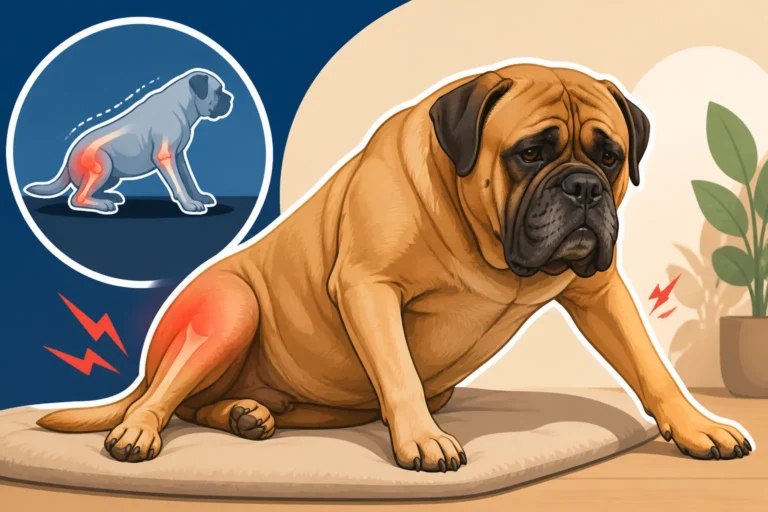
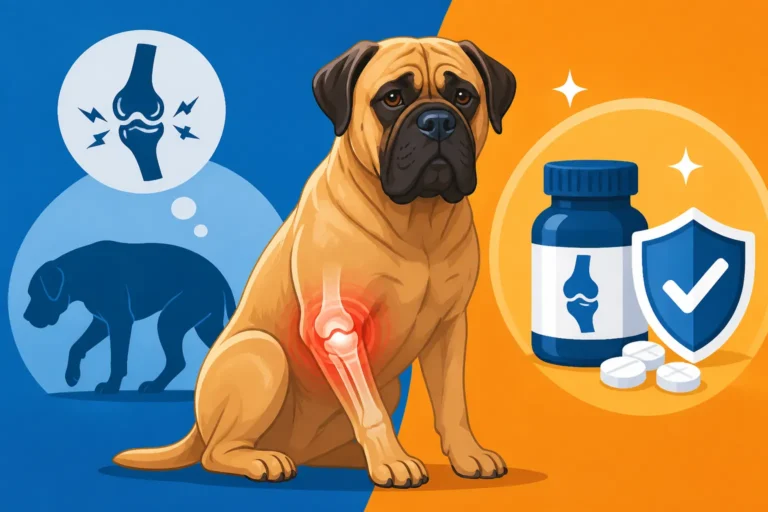
The primary concern with an overweight Bullmastiff puppy is the undue stress it places on their still-developing joints. Every extra pound acts like a heavy backpack on a child’s still-forming spine and knees. This consistent, abnormal pressure can lead to irreparable damage to the cartilage and growth plates. We’re talking about serious conditions like Hip Dysplasia in a Bullmastiff and Elbow Dysplasia in a Bullmastiff, which can manifest as pain, lameness, and debilitating arthritis even before they reach adulthood. These conditions aren't just uncomfortable; they can significantly impact your dog's quality of life, mobility, and lifespan. The cartilage in a young Bullmastiff's joints is not yet mature enough to withstand that kind of persistent strain. It's a silent stressor that builds over time, often showing its true colors much later, leaving owners wondering what went wrong. The reality is, many joint problems can be greatly mitigated by simply controlling growth and maintaining a lean body condition from day one.
Practical Strategies for Maintaining a Healthy Lean Weight
It’s not enough to simply know why keeping your Bullmastiff puppy lean is important; you need actionable strategies to achieve it. This involves a careful balance of nutrition, appropriate exercise, and consistent monitoring, all in consultation with your veterinarian.
Choosing the Right Food and Portions for Your Growing Bullmastiff
Selecting the correct food is paramount. Bullmastiff puppies should always be fed a high-quality, large breed puppy formula specifically designed for their slower growth requirements. These foods typically have carefully controlled levels of calcium and phosphorus to support proper bone development without accelerating growth too quickly. Avoid regular puppy foods, which often contain higher calories and calcium levels suited for smaller, faster-growing breeds.
Free-feeding is an absolute no-go for a Bullmastiff puppy. Instead, opt for measured meals, typically two or three times a day, strictly adhering to the feeding guidelines on the food bag for their target adult weight, not their current weight, and adjusting based on their body condition. For example, What a Bullmastiff Puppy Eats at Four Months will differ significantly from when they are six months old, and you'll want to gradually transition to adult food when appropriate, typically around 12 to 18 months. Always consult your vet to establish precise portion sizes and feeding schedules tailored to your individual puppy’s needs. Sometimes, what looks like a small amount of food to us is exactly what they need to grow slowly and healthily.
| Age (Months) | Approximate Weight Range (lbs) | Body Condition Score (BCS) Target | Feeding Frequency (Times/Day) |
|---|---|---|---|
| 2-4 | 25-55 | 4/9 (Lean, visible waist) | 3 |
| 4-6 | 55-85 | 4/9 (Lean, visible waist) | 2-3 |
| 6-12 | 85-120 | 4-5/9 (Lean, no excess fat) | 2 |
| 12-18 | 120-130+ | 4-5/9 (Lean, no excess fat) | 2 |
Note: These are general ranges. Individual puppies will vary based on genetics, sex, and activity level. Always consult your veterinarian for personalized recommendations.
Appropriate Exercise for Healthy Bone Development
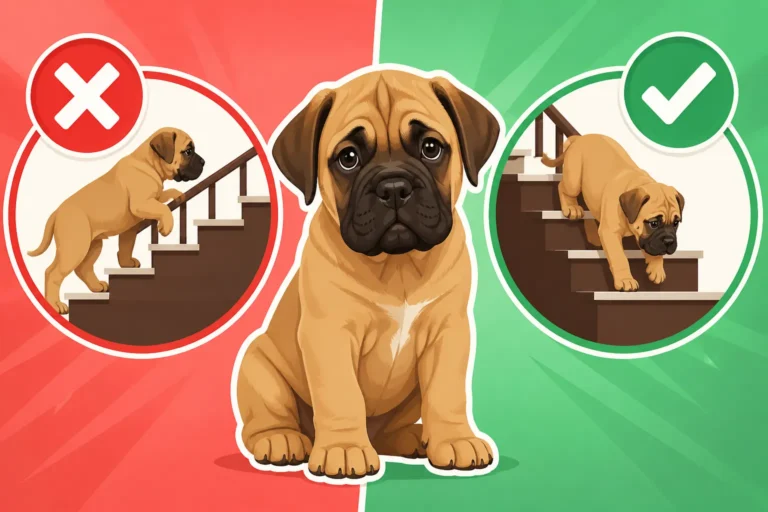
When it comes to exercise, less is often more for a Bullmastiff puppy. While they need activity to build muscle and burn energy, forced or high-impact exercise can be detrimental to their still-forming joints. Think gentle, controlled play sessions and short, frequent walks on soft surfaces like grass or dirt. Avoid intense running, jumping off furniture, or prolonged walks on hard pavement. The goal is to build muscle tone and coordination without stressing the delicate growth plates. The Exercise Limit for a Bullmastiff Puppy is crucial to understand and adhere to. A good rule of thumb is 5 minutes of structured exercise per month of age, twice a day, up to their adult recommendations. So, a four-month-old pup would get two 20-minute walks a day. Let them dictate the pace and duration, and always err on the side of caution. Tossing a ball gently in the yard for a few minutes, followed by a nap, is far better than a long, strenuous hike.
Regular Monitoring and Vet Check-ups
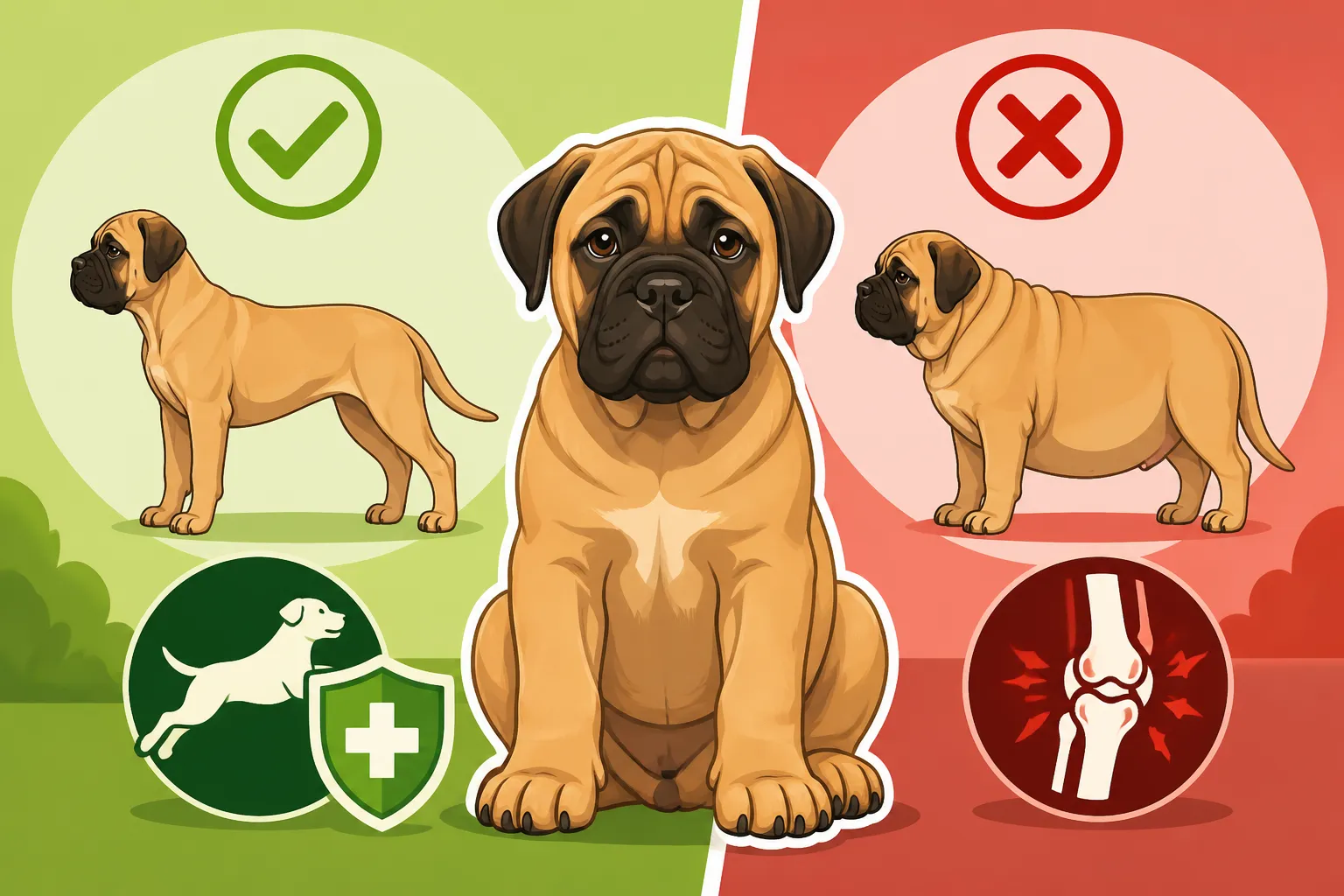
One of the most powerful tools in keeping your Bullmastiff puppy lean and healthy is consistent monitoring. This means regular weigh-ins and learning how to perform a simple body condition score (BCS) at home. You should be able to easily feel your puppy's ribs without pressing hard, see a discernible waist when viewed from above, and a tuck-up when viewed from the side. Keeping track of their weight, perhaps even Weighing a Bullmastiff Puppy Every Week when they are very young, helps you make immediate adjustments to their food intake as needed.
Your veterinarian is an invaluable partner in this journey. Regular check-ups allow them to assess your puppy’s growth curve, confirm appropriate body condition, and catch any potential issues early. They can advise on proper nutrition, exercise, and even recommend pet insurance providers like Healthy Paws, which can be a lifesaver if orthopedic issues or other health challenges arise later in life. Early detection and proactive care, often supported by the financial peace of mind from a good insurance plan, can make all the difference in a Bullmastiff's health outcomes.
The Long-Term Benefits of a Lean Start
The effort you put into keeping your Bullmastiff puppy lean during their rapid growth phase pays dividends throughout their entire life. It’s an investment in their comfort, mobility, and overall longevity, dramatically influencing their quality of life as they transition from rambunctious pup to dignified adult and eventually to a cherished senior.
Reducing the Risk of Orthopedic Issues
The most immediate and significant benefit of a lean puppyhood is the substantial reduction in the risk and severity of orthopedic problems. By preventing excessive stress on their immature joints, you significantly decrease the chances of debilitating conditions like hip and elbow dysplasia. While genetics play a role in these conditions, environmental factors, especially nutrition and weight, are massive contributors to their expression. A lean Bullmastiff puppy has a far better chance of developing strong, healthy joints that will support their immense frame for years to come. This proactive approach can spare your dog from chronic pain, expensive surgeries, and a lifetime of medication. Imagine your Bullmastiff being able to comfortably rise and move around well into their senior years, rather than struggling with every step. It’s a profound gift you give them.
Promoting Overall Health and Longevity
Beyond just joints, maintaining a lean body condition in puppyhood sets the stage for overall better health throughout your Bullmastiff’s life. Overweight dogs, regardless of breed, are at higher risk for a host of health problems, including diabetes, heart disease, certain cancers, and even respiratory issues. For a large breed like the Bullmastiff, known for conditions like Bloat in a Bullmastiff and Why Eighty Degrees Is Dangerous for a Bullmastiff, preventing unnecessary strain on their cardiovascular and respiratory systems is critical.
A lean body helps all their internal organs function more efficiently. It can contribute to a longer, healthier, and more comfortable life, potentially extending beyond How Long a Bullmastiff Lives on Average. Proactive care from puppyhood, coupled with a vigilant approach to their ongoing health, means more precious years with your beloved companion. Many owners find that investing in a robust pet insurance plan early, from a provider such as Healthy Paws, offers reassurance that they can afford the best care should unexpected health issues arise, protecting that investment in their dog's long-term well-being. Thinking ahead about expenses like What a Cardiac Exam Costs for a Bullmastiff and other diagnostic tests means you're prepared for whatever life throws your way.
Establishing Lifelong Healthy Habits
By meticulously managing your Bullmastiff puppy's weight and exercise, you're not just safeguarding their physical health; you’re also establishing lifelong healthy habits for both of you. You learn to recognize what a healthy body condition looks like and feels like, and you become adept at managing their diet and exercise needs as they mature. This knowledge will serve you well as you navigate their adolescence, adulthood, and eventually, Caring for a Bullmastiff Past Six and understanding What Changes in an Aging Bullmastiff's Care.
This early commitment to responsible ownership also teaches your Bullmastiff to expect controlled meal times and appropriate activity, which can prevent behavioral issues related to overeating or boredom. A dog that grows up comfortable in their own skin, with strong, pain-free joints, is generally a happier, more confident, and well-adjusted companion. It’s about building a strong foundation, not just physically, but in the bond and understanding you share, ensuring your Bullmastiff lives the fullest, healthiest life possible by your side.
Disclaimer
This article is for general informational purposes only and does not constitute professional advice. Laws, prices and regulations vary by location and change over time. Consult a qualified professional for guidance on your specific situation.