Whether a Bullmastiff Should Swim to Cool Off
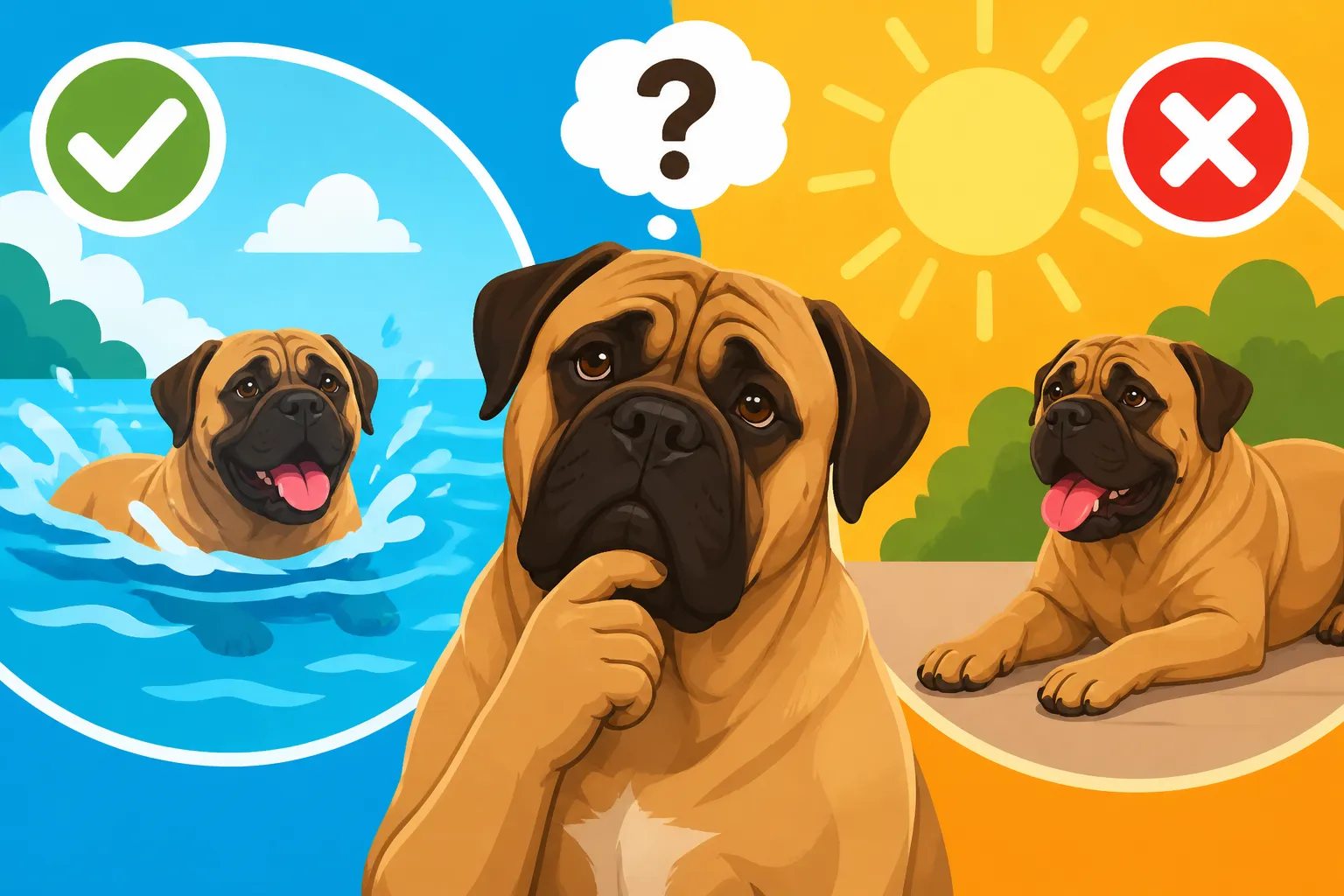
The summer months can bring a unique set of worries for us Bullmastiff owners. We all know the sheer bulk and the sometimes comical panting of our beloved giants, and the thought of them overheating is a constant, nagging fear. You might be looking out at a sparkling lake or a cool swimming pool and wonder, "Could a dip be the perfect solution to help my Bullmastiff cool off?" It’s a natural question, given how much dogs often love water, but for a Bullmastiff, the answer isn't always as simple as a hearty splash. This guide will dive deep into whether swimming is a safe and effective way to help your big lug beat the heat, exploring the nuances of their unique physiology, the necessary precautions, and when other cooling methods might be a better fit.
The Bullmastiff's Unique Challenges with Heat
It's no secret that Bullmastiffs aren't built for blistering heat. Their very design, which makes them such magnificent companions, also puts them at a disadvantage when temperatures rise. Understanding these inherent challenges is the first step in keeping them safe, whether you're considering a swim or just a walk around the block.
Why Bullmastiffs Overheat So Easily
Our Bullmastiffs carry a lot of love, and a lot of body mass, which means they generate and retain a significant amount of heat. Think about a hundred and thirty pounds of muscle and bone covered in that thick, dense coat. It's fantastic for keeping them warm in cooler weather, but it acts like a personal sauna when the sun beats down. Unlike us, dogs don't sweat through their skin in the same way; their primary cooling mechanism is panting. This is where their unique facial structure, often referred to as brachycephalic characteristics, comes into play.
Their relatively short muzzles and sometimes constricted airways mean that panting, while effective, isn't as efficient for a Bullmastiff as it is for a longer-nosed breed. They have to work harder to move air, which can actually generate more heat in the process, creating a vicious cycle. Why a Bullmastiff's Short Muzzle Cannot Cool It goes into much more detail about this. This physiological reality means they can go from comfortably warm to dangerously hot much faster than many other dogs. A seemingly mild day to us can be a significant challenge for them, and even a quick dash across the yard can elevate their core temperature quickly.
Beyond their physical build, their natural inclination to be "velcro dogs" and follow us everywhere means they might push themselves even when they're uncomfortable, just to be near their people. It's our responsibility to be keenly aware of their limitations and intervene before they reach a critical point.
Recognizing the Signs of Overheating
Catching the early signs of overheating is absolutely critical because once a Bullmastiff starts showing severe symptoms, you're in an emergency situation. The first thing you'll notice is often excessive panting – it’s more rapid and labored than usual, and they might sound like they're struggling to catch their breath. Their tongue might hang out further than normal and appear bright red. You might also see increased drooling, which is another attempt by their body to cool down through evaporation.
As things progress, their behavior changes. They might become lethargic, reluctant to move, or even start stumbling or wobbling as if disoriented. Their gums can become very red or even pale, and their eyes might look glazed over. Vomiting or diarrhea can also occur in more severe cases. If you notice any of these signs, particularly the staggering or extreme lethargy, you need to act immediately. Signs a Bullmastiff Has Heatstroke details these symptoms and their progression, which can be alarmingly fast in our breed.
It's a terrifying feeling when your dog is overheating. I remember one summer day, after a seemingly innocent walk, my Bullmastiff, Brutus, started looking off. He was panting like he’d run a marathon, and his eyes had that distant, worried look. My heart sank, and I knew it was time for emergency cooling. It's a stark reminder that even on days that don't feel that hot to us, our Bullmastiffs are struggling.
The Risks of Water-Based Cooling for Brachycephalic Breeds
While the idea of a cool dip sounds like a perfect solution, water itself can pose certain risks for Bullmastiffs, especially if they're already starting to overheat. For a dog that's already panting heavily, getting water up their nose or struggling to keep their head above water can exacerbate their breathing difficulties. Their short muzzles mean they can't effectively clear water from their airways as easily as a longer-nosed dog might. This can lead to aspiration or simply increase their respiratory distress, turning a cooling attempt into a frightening experience.
Moreover, if a Bullmastiff is significantly overheated, rapidly plunging them into very cold water can shock their system. While cooling is necessary, it needs to be done gradually and carefully, focusing on areas like the armpits, groin, and paw pads. Dumping them into freezing water can cause blood vessels to constrict, trapping heat in their core and potentially leading to other medical complications. It’s a delicate balance between providing relief and avoiding further stress on their already compromised system.
So, while water is a powerful tool for cooling, it requires thoughtful application. It’s not just about getting them wet; it’s about how they get wet and what kind of water they're getting into. Many owners find kiddie pools or sprinklers a safer, more controlled way to introduce water-based cooling than a deep body of water.
Assessing Your Bullmastiff's Swimming Ability
Just because a dog can get into water doesn't mean they're a proficient swimmer. For Bullmastiffs, their conformation—those heavy chests and shorter legs—can make swimming a lot harder than it looks. We need to be realistic about their natural aptitude.
Not All Bullmastiffs Are Natural Swimmers
Despite what some might think, not all dogs are born knowing how to swim, and Bullmastiffs are definitely not among the breeds universally known for their aquatic prowess. Their dense bone structure and large, muscular build can make them surprisingly heavy in the water, requiring more effort to stay afloat. Imagine trying to swim with a weighted vest on – that's a bit like what it can be for them. Their deep chests can make them tilt forward, making it hard to keep their head above water for extended periods without tiring quickly.
Furthermore, their short muzzles, which already make panting difficult, can also make it challenging to keep their nose and mouth clear of water while paddling. Some Bullmastiffs might genuinely enjoy splashing in shallow water, chasing a toy at the edge, or even just wading up to their belly. However, venturing into deeper water where they can't touch the bottom is an entirely different proposition. It's easy to assume they'll just "figure it out," but for a Bullmastiff, a deep lake or pool can be a genuine struggle and a drowning hazard. How Well a Bullmastiff Swims offers more specific insights into their swimming mechanics.
My own Bullmastiff, Daisy, would wade right into the creek up to her shoulders, happily splashing and digging for rocks. But the moment her feet left the ground, she'd panic. She was a splasher, not a swimmer, and a life vest was non-negotiable if she was ever near anything deeper than a puddle.
Essential Safety Gear for Water Activities
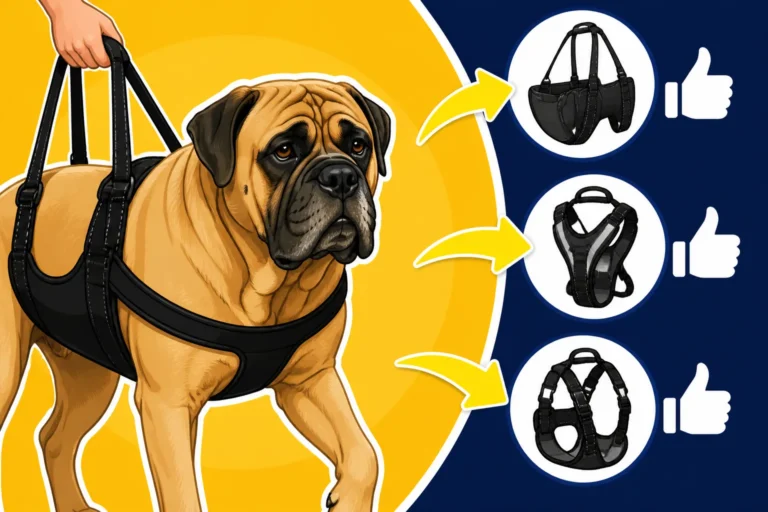
If you decide that swimming is an option for your Bullmastiff, a dog-specific life vest is not just recommended, it's absolutely essential. This isn't just for inexperienced swimmers; it provides an invaluable layer of safety even for a Bullmastiff who might tolerate the water reasonably well. A good life vest will have ample buoyancy to support their heavy front end, helping them maintain a more horizontal position in the water and keeping their head higher. Look for vests with strong handles on the back, which are crucial for lifting your substantial Bullmastiff out of the water quickly if they get tired or into trouble. You can find excellent options for large breeds on platforms like Chewy or Amazon, often with adjustable straps to ensure a snug, comfortable fit without chafing.
Beyond the vest, consider a long lead if you're in an open water area. This allows you to maintain control and guide your Bullmastiff without restricting their movement too much. Always have fresh, clean drinking water available. Even though they're in water, they can still become dehydrated, and drinking lake or pool water can lead to upset stomachs or other health issues. Towels, a first-aid kit, and an umbrella for shade are also smart additions to your water outing checklist.
Introducing Your Bullmastiff to Water Safely
The key to a positive water experience is a slow, positive introduction. Never force your Bullmastiff into the water. Start small: a shallow kiddie pool in the backyard with just a few inches of water can be a great first step. Throw in some favorite floating toys or treats to encourage them to investigate and splash. Praise them enthusiastically for any interaction with the water, no matter how brief.
Once they're comfortable with the kiddie pool, you might move to a shallow, calm body of water, like the edge of a lake or a very calm pond, ensuring the water quality is safe. Keep them on a leash and wear their life vest. Wade in yourself first to show them it's safe and encouraging them to follow. Don't go deep too quickly; let them get used to the sensation of the water supporting them. The goal is a fun, stress-free experience, not to turn them into an Olympic swimmer overnight. Remember, the primary goal here is usually cooling, not competitive swimming, so even gentle wading can be effective. What a Bullmastiff Does All Day discusses their general exercise needs, and it emphasizes that low-impact activities are often best.
Safe Swimming Practices for Bullmastiffs
If you've determined your Bullmastiff is a suitable candidate for water activities, and you have the right gear, the next step is to ensure every outing is as safe as possible. There's more to it than just finding a body of water.
Choosing the Right Location and Supervision
The location you choose for your Bullmastiff's water adventures makes a huge difference. Avoid fast-moving rivers, strong ocean currents, or areas with steep drop-offs. Calm lakes, shallow ponds, or even private pools are generally safer bets. Always check the water quality – blue-green algae, for example, can be extremely toxic and is a real danger in many freshwater bodies during warmer months. Look for clear water free of debris, sharp rocks, or strong undertows.
Constant, vigilant supervision is non-negotiable. Even with a life vest, you must remain right there with your Bullmastiff, ready to intervene at a moment's notice. Never leave them unattended, even for "just a minute." Remember, their natural instinct might be to stick close to you, which is a good thing! If you're at a dog park with a swimming area, be mindful of other dogs. Not all dogs are respectful of space, and a tired or stressed Bullmastiff could react poorly if crowded. Consider going during off-peak hours if possible. When It Is Too Hot to Walk a Bullmastiff also emphasizes the importance of choosing appropriate times for any outdoor activity.
I always preferred taking Brutus to a quiet corner of a local state park lake, far from crowds. It was easier to keep an eye on him, and I knew the water was clean. It made both of us feel more relaxed.
Post-Swim Care and Health Considerations
The fun doesn't end when your Bullmastiff gets out of the water; post-swim care is just as important as pre-swim preparation. Thoroughly drying your Bullmastiff, especially in their deep facial folds and around their ears, is crucial to prevent skin infections and ear infections. How to Clean a Bullmastiff's Face Wrinkles provides excellent guidance on keeping those sensitive areas dry and healthy. Trapped moisture in these areas creates a perfect breeding ground for bacteria and yeast, leading to itchy, uncomfortable, and potentially painful issues. A soft, absorbent towel works wonders, and you might even consider a low-heat hairdryer if your dog tolerates it, especially for those hard-to-reach spots.
After a swim, always rinse your Bullmastiff with fresh, clean water. This helps remove any chlorine from pools, salt from ocean water, or any irritants from lake or pond water that could dry out their skin or cause irritation. Check their paw pads for any cuts or abrasions from walking on rough surfaces. Offer plenty of fresh drinking water, as they might have swallowed some of the lake or pool water, and it's best to rehydrate with clean water.
Alternative Cooling Methods When Swimming Isn't Suitable
For many Bullmastiffs, or on days when swimming isn't feasible or safe, there are plenty of other effective ways to help them cool off. Cooling vests and mats are fantastic inventions. Cooling vests, often found on Chewy, are designed to absorb and slowly release water, creating a evaporative cooling effect directly on their body. Cooling mats, especially those gel-filled ones, offer a cool spot to lie down without any water or electricity, and you can usually find a good selection on Amazon. These are excellent for indoor use or when traveling in the car.
Simple methods like draping a wet towel over their back or wiping them down with a cool, damp cloth can also provide quick relief. Focus on their belly, armpits, groin, and paw pads where blood vessels are close to the surface. Frozen treats – think homemade pupsicles with plain yogurt or broth – can be a refreshing and enjoyable way to cool down from the inside out. Some owners even use specialized doggie ice cream, or even just some frozen, diluted, dog-safe broth. You might even find some healthy frozen treat options from a brand like Ollie. And, of course, on truly hot days, keeping them indoors in an air-conditioned environment during the hottest parts of the day is often the safest and most effective strategy. What to Do When a Bullmastiff Overheats gives a detailed breakdown of immediate cooling actions to take.
Here's a quick comparison of various cooling methods:
| Method | Pros | Cons | Bullmastiff Suitability |
|---|---|---|---|
| Swimming (with vest) | Excellent full-body cooling, can be good exercise | Requires close supervision, potential drowning risk, post-swim care | Good for confident swimmers, essential with a life vest and careful introduction |
| Kiddie Pool/Sprinkler | Controlled water depth, fun, easy access, minimal risk | Less efficient for full-body cooling than swimming | Excellent for most Bullmastiffs, especially water-wary ones |
| Cooling Vest | Portable, continuous cooling, no mess | Needs to be re-wet, may not be enough in extreme heat, some dogs dislike | Good for walks or outdoor lounging, provides sustained relief |
| Cooling Mat | Always available, no water needed, provides a cool resting spot | Only cools the contact area, not effective for active cooling | Great for indoor use, car rides, or after mild exercise |
| Wet Towel/Sponge Bath | Immediate relief, targets critical areas, very low cost | Requires frequent re-application, not suitable for prolonged cooling | Excellent for quick cool-downs or emergency situations |
| Air Conditioning | Most effective for internal core temperature regulation, hands-off | Cost of electricity, not always available outdoors | Best overall method for severe heat, keeps them safe indoors |
Ultimately, whether your Bullmastiff should swim to cool off is a decision that rests entirely on your individual dog's temperament, physical capabilities, and your ability to provide a completely safe and supervised environment. For some, a gentle paddle with a life vest might be a joyous and effective way to beat the heat. For others, a kiddie pool or a comfy cooling mat indoors is the far wiser and safer choice. Always err on the side of caution, listen to your Bullmastiff, and prioritize their safety above all else. They rely on us to make these smart choices for their well-being.
Disclaimer
This article is for general informational purposes only and does not constitute professional advice. Laws, prices and regulations vary by location and change over time. Consult a qualified professional for guidance on your specific situation.